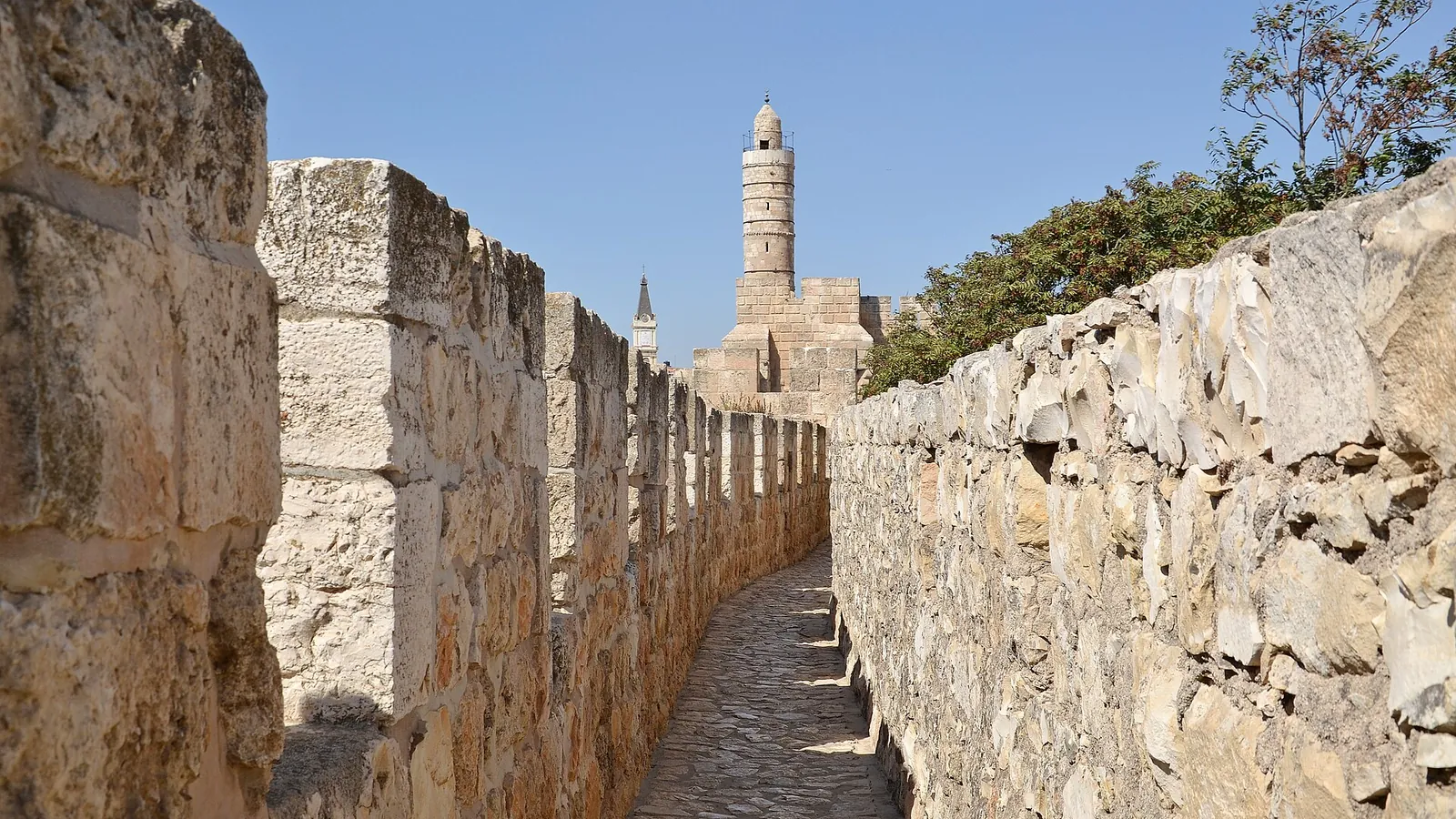
The stone walls of Jerusalem's Old City and the Tower of David

Western Asia (Middle East)

Israel Travel Guide

The Old City of Jerusalem, a Crusader port, a desert fortress and a Mediterranean beach city, all within a morning's drive of each other.

  • Destinations 10 hand-picked
  • Best time March–May and September–November
  • Ideal trip 8–12 days for a first trip

Photo: Pudelek · CC BY-SA 4.0

Why go to Israel

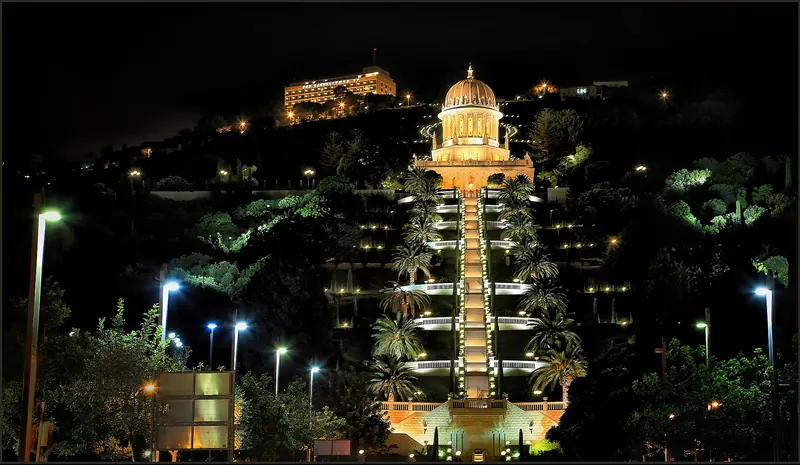
Israel is a small country — roughly the size of Wales — with an unusual density of places that matter to more than a billion people. Jerusalem holds the Western Wall, the Church of the Holy Sepulchre and the Dome of the Rock within a few hundred metres of each other. Nazareth and the Sea of Galilee are central to the story of Jesus. Safed is a centre of Jewish mysticism, and Haifa is home to the world centre of the Baháʼí Faith, a UNESCO World Heritage Site.

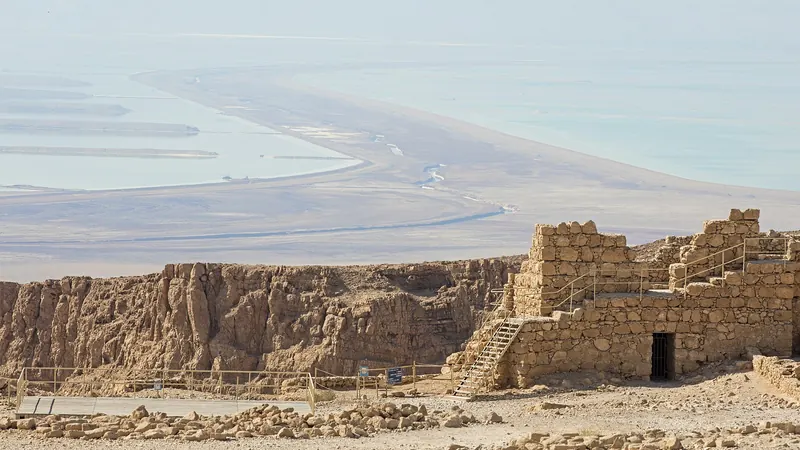
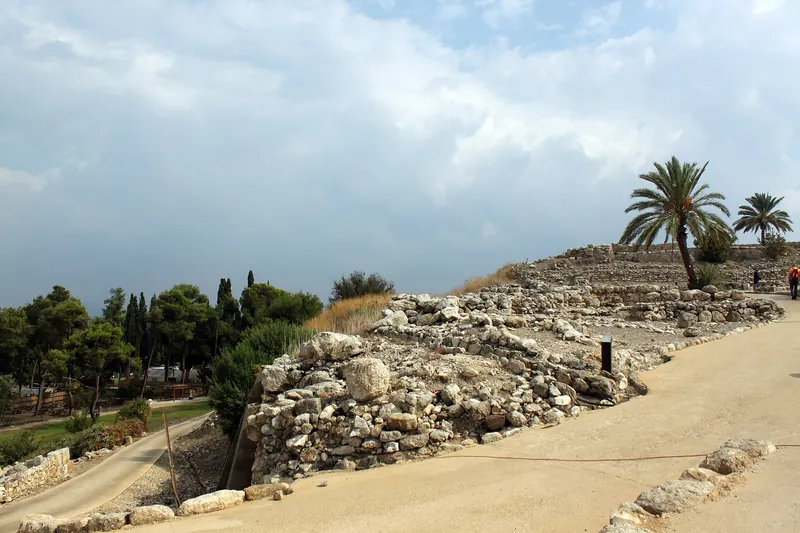
The history runs well beyond the religious. Megiddo, the biblical Armageddon, has twenty-six layers of ancient cities. Beit She'an is one of the great Roman-Byzantine cities of the Levant. Acre's Crusader halls lie buried under an Ottoman port, and Masada, the hilltop palace-fortress of Herod, sits above the Dead Sea. Tel Aviv, by contrast, is a young, secular Mediterranean city with a huge stock of Bauhaus buildings and a beach culture.

This guide covers Israel within its internationally recognised borders, together with East Jerusalem's Old City, which is where most of the holy sites are and whose status is disputed. The West Bank is covered in our separate Palestinian Territories guide. The security situation has been volatile since 2023 and travel advice changes quickly, so read your government's current guidance before you book and again before you travel.

Where to go

Best Places to Visit in Israel

Ordered roughly by how strongly we would recommend each for a first visit, with a bias towards the historical and religious sites. Jerusalem is the centre of gravity for almost any trip; the others fan out from it and from Tel Aviv, and nothing is more than about three hours from either.

Capital CityUNESCO Site

Jerusalem

Jerusalem District

One of the oldest cities in the world and a centre of pilgrimage for Jews, Christians and Muslims, with a dense Old City, a lively market and a fine museum.

Don't miss The Old City, where the Western Wall, the Church of the Holy Sepulchre and the Dome of the Rock can be reached on foot in an hour.

Explore Destination — Jerusalem
Major CityCoast & Beaches

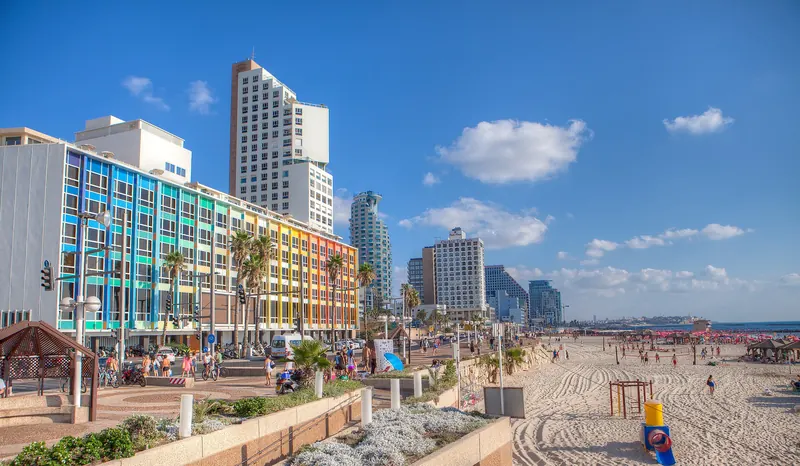
Tel Aviv-Jaffa

Tel Aviv District, Mediterranean coast

Israel's coastal, secular and cosmopolitan centre: a UNESCO-listed White City, a long beach promenade, excellent markets and food, and Jaffa's ancient port.

Don't miss The old port of Jaffa at sunset, with a promenade all the way back to Tel Aviv's white towers.

Explore Destination — Tel Aviv-Jaffa
Historic SiteScenic Region

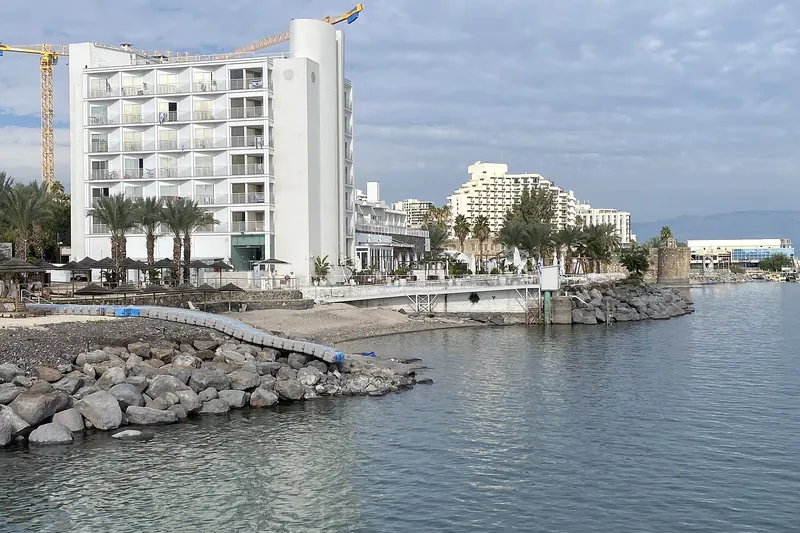
The Sea of Galilee

Northern District, Lower Galilee

Israel's largest freshwater lake, with Capernaum, Tabgha and the Mount of Beatitudes on its north shore, hot springs and Tiberias to the west, and swimming and boats all year.

Don't miss Capernaum, where the ruins of a 4th-century synagogue stand beside the traditional house of Peter on the water's edge.

Explore Destination — The Sea of Galilee
Historic SiteCulture & Arts

Nazareth

Northern District, Lower Galilee

A lively Arab town with major Christian pilgrimage sites, an old-city market and some of the best food in the north.

Don't miss The Basilica of the Annunciation, the largest church in the Middle East, built over the traditional site of Mary's home.

Explore Destination — Nazareth
UNESCO SiteHistoric Site

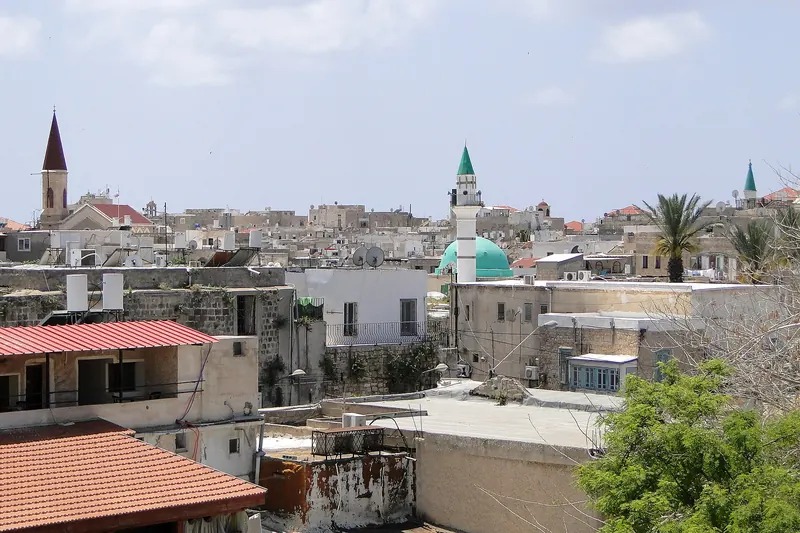
Acre (Akko) Old City

Northern District, western Galilee coast

One of the oldest continuously inhabited ports in the world, with Crusader halls, an Ottoman citadel, a working harbour and a lively Arab market.

Don't miss The Knights' Halls, a vaulted Crusader complex where the Order of St John's hospital stood, entered from a street of Ottoman shops.

Explore Destination — Acre (Akko) Old City
Historic SiteCulture & Arts

Safed (Tzfat)

Northern District, Upper Galilee

The highest city in Israel, a place of pilgrimage for Jewish mystical study, with an artists' quarter, cooler summers and views over the Galilee.

Don't miss The Old Jewish Quarter's lanes, with their ancient synagogues, blue doors and views towards Mount Meron.

Explore Destination — Safed (Tzfat)
ArchaeologyUNESCO Site

Megiddo & Beit She'an

Northern District, Jezreel and Beit She'an valleys

Two of the country's best archaeological sites, both close to Nazareth and the Sea of Galilee: a UNESCO-listed tell of biblical significance, and one of the great Roman cities of the Decapolis.

Don't miss Beit She'an's Cardo, a Roman colonnaded street that runs uphill to a temple, with an intact theatre beside it.

Explore Destination — Megiddo & Beit She'an
Nature & WildlifeUNESCO Site

The Negev & Mitzpe Ramon

Southern District, Negev Desert

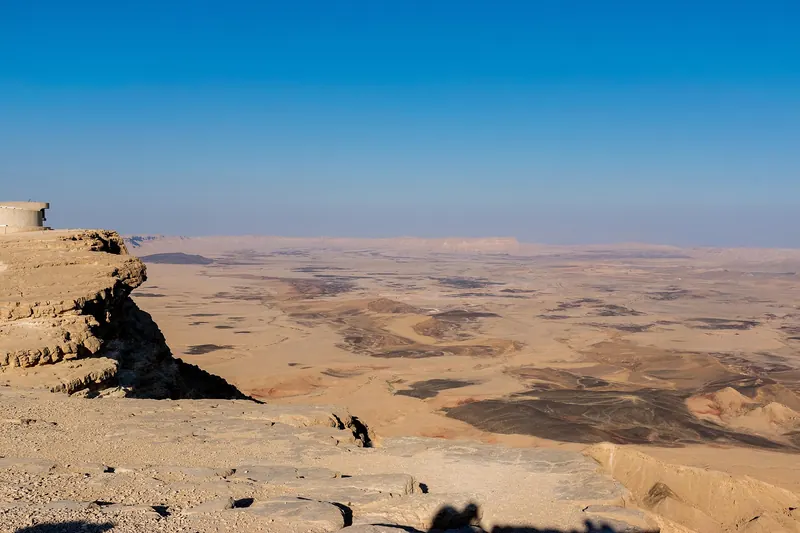
A desert of canyons, craters and Nabataean cities, with a small town on the edge of the world's largest makhtesh and an easy base for hiking and stargazing.

Don't miss The rim of Makhtesh Ramon at dawn, a 40-km crater of coloured sandstone that falls 500 metres to the desert floor.

Explore Destination — The Negev & Mitzpe Ramon

Browse all 510 destinations

Experiences

Best things to do in Israel

The experiences that recur across the country and that make an Israeli trip feel like one.

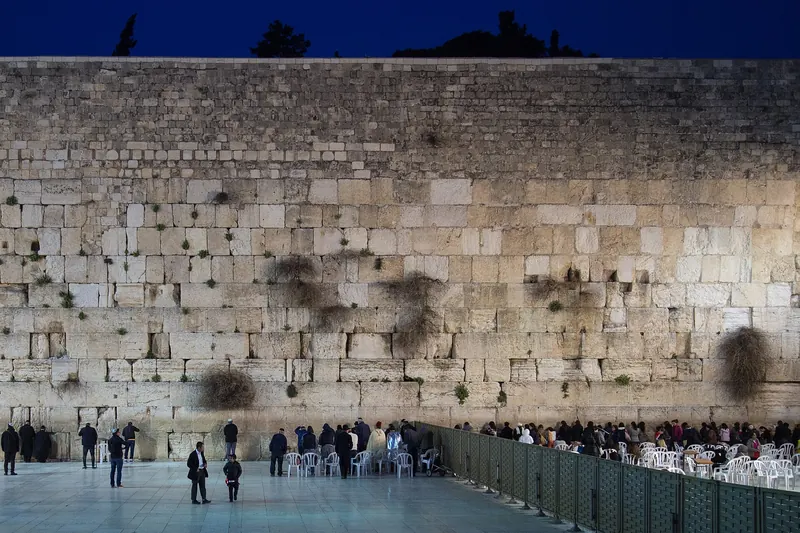
  1. Worshippers at the Western Wall in Jerusalem's Old City at night

    Walk through the Old City of Jerusalem

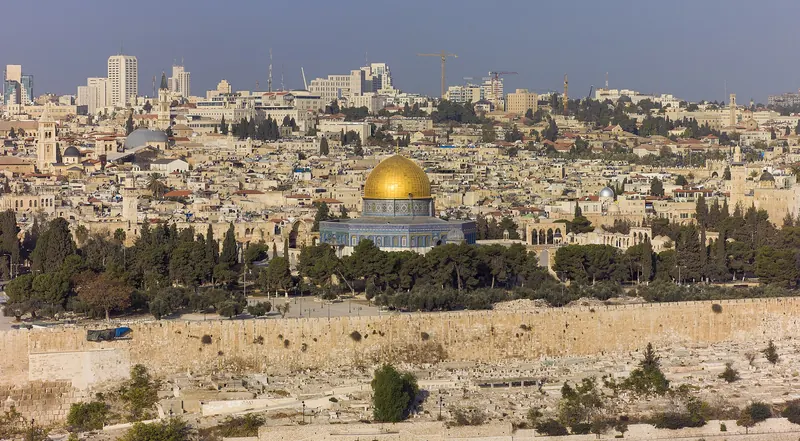
    The Old City is a square kilometre of stone alleys, markets and sacred places, divided into Jewish, Christian, Muslim and Armenian quarters. The Western Wall, the Church of the Holy Sepulchre and the Haram al-Sharif (the Temple Mount) are the three anchors. See Jerusalem.

    Tip Start early and give it a full day. Dress modestly, and check opening hours for Fridays and holidays.

  2. Take a Shabbat break

    From Friday afternoon to Saturday evening, Jewish Israel slows down: public transport stops, shops close and families gather. In Jerusalem it is quiet; in Tel Aviv and Arab towns much stays open. It is worth experiencing once.

    Tip Plan travel and meals for Shabbat in advance. Many hotels serve a Friday-night dinner that is open to guests.

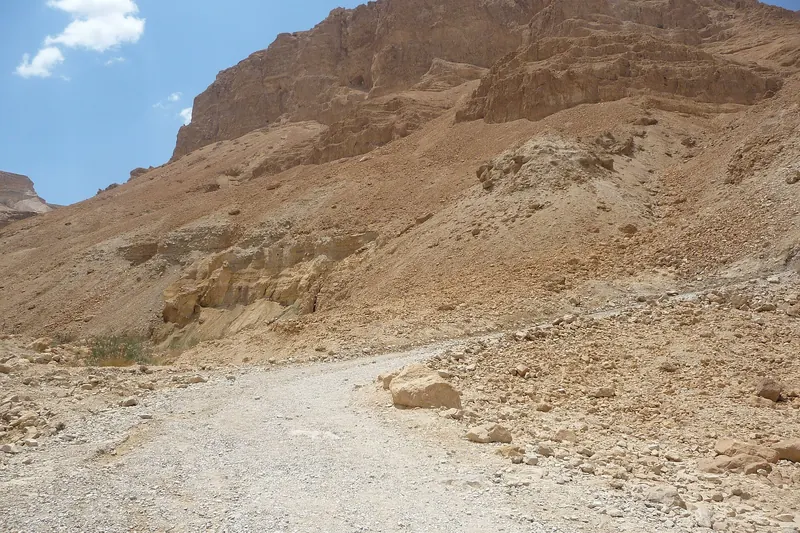
  3. The Snake Path winding up the cliff to Masada

    Climb Masada at sunrise

    The Snake Path climb takes about 45 minutes in the dark and ends with the sun rising over the Dead Sea and the mountains of Jordan. The fortress ruins are best visited before the heat. See Masada and the Dead Sea.

    Tip Bring a head torch and water, and check the opening time of the path the day before.

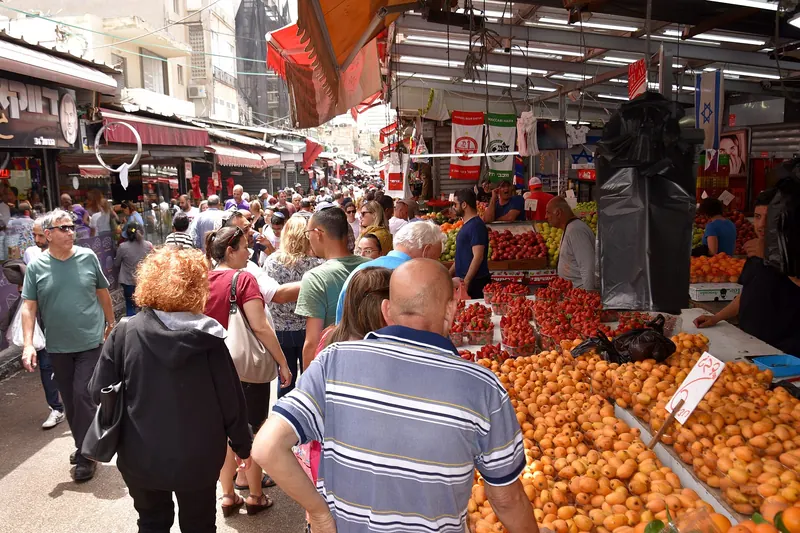
  4. Stalls of fruit and vegetables at the Carmel Market in Tel Aviv

    Eat at the markets

    Mahane Yehuda in Jerusalem and the Carmel Market in Tel Aviv are loud, colourful places to eat, from hummus and shakshuka to halva and fresh pastries. See Tel Aviv-Jaffa.

    Tip Go on a weekday morning, and eat lunch standing up.

  5. Visit a Crusader city

    Under the Ottoman lanes of Acre lie the underground halls of the Knights Hospitaller, a vast medieval complex that looks like a film set and is one of the best-preserved Crusader sites in the world.

    Tip Combine it with a walk along the sea wall and lunch at the harbour.

  6. Walk in the footsteps of the Gospels

    Nazareth and the Sea of Galilee hold the traditional sites of the Annunciation, the Sermon on the Mount and the miracles of Jesus, together with Capernaum and Tabgha. They are easy to combine into a two-day trip.

    Tip Many are working churches. Dress modestly, and expect crowds around Christian holidays.

Food and drink

Israel foods to try

Israeli cooking is a blend of Middle Eastern, Mediterranean and the many Jewish diaspora traditions, from Iraq and Morocco to Poland and Yemen. Fresh vegetables, herbs, tahini, olive oil and grilled meats appear everywhere, and a kosher or halal menu is not unusual.

  • Hummus and mezze

    Warm, creamy hummus served in a bowl with olive oil, chickpeas and pita, often at a specialist hummusia. It is the classic lunch, and locals debate which is best.

    Where to try it Hummusiyot in Acre, Jaffa and Jerusalem's Old City.

  • Eggs poached in a spiced tomato and pepper sauce in a pan

    Shakshuka

    Eggs poached in a spicy tomato and pepper sauce, served in the pan with bread. It is North African in origin and is now a staple breakfast across the country.

    Where to try it Cafés in Tel Aviv and Jaffa, and any breakfast place.

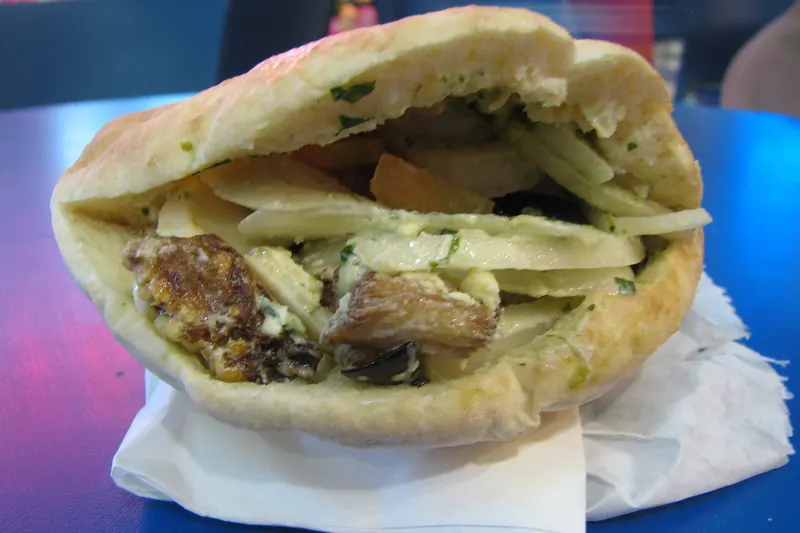
  • A sabich sandwich of pita filled with eggplant, egg and salad

    Falafel and sabich

    Falafel in pita with salad and tahini is the national street food. Sabich, an Iraqi-Jewish sandwich of fried aubergine, hard-boiled egg, tahini and amba (pickled mango sauce), is a Tel Aviv favourite.

    Where to try it Falafel stalls in every city; sabich in Ramat Gan and central Tel Aviv.

  • Israeli breakfast

    A generous spread of salads, cheeses, eggs, breads, olives and dips, often included at hotels and served at cafés all day. It is one of the best hotel breakfasts anywhere.

    Where to try it Hotel buffets and cafés across the country.

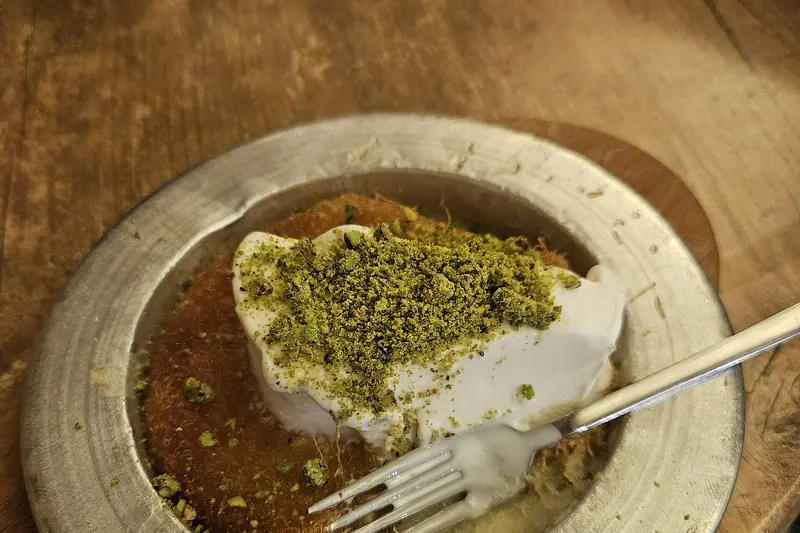
  • A tray of hot knafeh, a cheese pastry with syrup and pistachios

    Knafeh and Arab sweets

    Hot, sweet cheese pastry soaked in syrup, sold from big trays in the Arab towns and in the old cities. Halva and baklava are also common.

    Where to try it Old Jaffa, Nazareth, Acre and Jerusalem's Old City.

  • Wine and craft beer

    Israel has a serious wine industry, in the Galilee, the Golan, the Judean Hills and the Negev, alongside a growing craft beer scene. Many wineries welcome visitors for tastings.

    Where to try it Wineries in the Galilee and Judean Hills, and bars in Tel Aviv.

Before you go

Practical travel information for Israel

The essentials, current for 2026. Israel is straightforward to travel in, but entry rules and the security situation have both changed in recent years, so check official sources before you go.

Capital
Jerusalem, as proclaimed by Israel. The status of the city is disputed, and the international community has not universally recognised it as Israel's capital; many embassies are in Tel Aviv.
Language
Hebrew and Arabic. English is very widely spoken, particularly in Tel Aviv, Jerusalem and tourist areas, and most signs are in Hebrew, Arabic and English.
Currency
New Israeli shekel (₪, ILS). Around ₪3.5–4 to the US dollar in recent years, though it moves.
Cards and cash
Cards and contactless payments are accepted almost everywhere, including markets and taxis. Carry a little cash for small stalls and tips. ATMs are common.
Entry and visas
Many nationalities can enter without a visa for up to 90 days, but visa-exempt visitors are now required to obtain an electronic travel authorisation (ETA-IL) online before travel. Check the official government sites for the current rules and fees, and for any restrictions on entry.
Power sockets
Type C and H, 230 V, 50 Hz. A universal adapter is the safe option.
Emergency number
100 for police, 101 for ambulance (Magen David Adom), 102 for fire. Download the Home Front Command app for alerts.
Tipping
10–15% in restaurants if service is not included, and rounding up for taxis. Tips for hotel staff and guides are appreciated.
Safety
Israel has a strong security presence, and normal urban crime is low. However, since 2023 the region has experienced sustained conflict, with rocket and drone alerts at times across the country, and many governments advise against travel to areas near the Gaza Strip, the northern border and parts of the West Bank. Follow your government's current advice, learn the location of the nearest shelter, and follow instructions on the Home Front Command app.
Internet and SIM
Excellent 4G and 5G. Free Wi-Fi is common in cities and cafés. Local SIM cards and eSIMs are easy to get.
Time zone
UTC+2 in winter and UTC+3 during daylight saving time, which runs from late March to late October.

Daily budget guide (per person)

Backpacker
₪300–450 per day — hostel dorm, falafel and hummus, buses
Mid-range
₪700–1,100 per day — three- or four-star hotels, restaurant meals, some car hire
Comfortable
₪1,300–2,200 per day — good hotels, guides, taxis
A note on prices
Israel is expensive by regional standards, especially in Tel Aviv and Jerusalem

Excludes international flights. Figures are typical rather than absolute — cities and peak season run higher.
When to go

Best time to visit Israel

Israel has a Mediterranean climate on the coast, cooler hills at Jerusalem and Galilee, and a hot desert in the south. Spring and autumn are the most comfortable, summer is hot, and winters are mild and wet on the coast and cold in the hills.

  • Spring (March–May)

    Best time

    Warm, clear days and green hillsides after the winter rain, with wildflowers in the Galilee. Easter and Passover bring crowds and higher prices to Jerusalem and Nazareth.

  • Summer (June–August)

    Think twice

    Hot and humid on the coast, and extremely hot in the Dead Sea and the desert. The beach is at its best, and the hills are more bearable, but sightseeing needs to happen early and late.

  • Autumn (September–November)

    Best time

    The sea is warm, the heat eases and the crowds thin. The Jewish High Holidays in September and October affect opening hours and transport.

  • Winter (December–February)

    Quiet

    Cool and wet in Jerusalem and the north, sometimes with snow in Jerusalem and on Mount Hermon. The south, Eilat and the Dead Sea are pleasant, and prices and crowds drop.

Worth planning around: The Jewish holidays of Passover, Rosh Hashanah, Yom Kippur and Sukkot, when transport stops, prices peak and many places close. Yom Kippur is especially strict: almost everything, including public transport and many roads, stops for a full day.

Trip length

How long to spend in Israel

Israel is compact, and distances between the main sites are short, but Jerusalem alone can fill four or five days. A well-planned week covers the essentials, and ten days gives room for the north.

  • 4–5 days

    Jerusalem, with a day trip to Masada and the Dead Sea, and a night or two in Tel Aviv.

    A tight but rewarding introduction that reaches the centre of the country.

  • 7–8 days

    Adds Nazareth, the Sea of Galilee and the north, with Haifa and Acre on the coast.

    A good balance of history, religion and coast.

  • 10 days

    Jerusalem, Tel Aviv, Masada, the north and the coast at an unhurried pace.

    The itinerary on this page, and our recommendation for most first-time visitors.

  • 2 weeks or more

    Adds the Negev and Mitzpe Ramon, Safed, Megiddo and Beit She'an, and a visit to the West Bank.

    For anyone who wants to understand the country's range and its complexity.

Getting around

Transportation in Israel

Israel has an efficient network of trains and buses and good roads, but almost everything stops on Shabbat, so plan for it.

  • Trains

    Israel Railways runs modern services along the coast from Nahariya and Acre through Haifa and Tel Aviv, and a fast line from Tel Aviv and Ben Gurion airport to Jerusalem's Yitzhak Navon station.

    Trains stop on Shabbat, from Friday afternoon until Saturday evening. Buy tickets in the Rail app or use a Rav-Kav card.

  • Buses

    Egged and other operators run frequent intercity buses across the country, and they are cheap and reach places trains do not. Jerusalem has a light rail and a dense city bus network.

    Buses stop on Shabbat, apart from a few routes in Arab towns. Use the Moovit app for timetables.

  • Hire car

    The best way to see the Galilee, the Dead Sea and the Negev. Roads are good and signage is in English.

    Israeli driving is fast. Check that your rental agreement allows travel where you plan to go, particularly in the West Bank.

  • Taxis and ride-hailing

    Gett and other apps work in Tel Aviv and Jerusalem, and taxis are readily available. Sherut (shared taxis) run on some routes and on Shabbat.

    Insist on the meter or use an app.

  • Domestic flights

    Flights connect Tel Aviv, Haifa and Eilat, and Ramon airport near Eilat is an alternative gateway for the south.

    Book early for busy periods.

Sample route

Ten days in Israel

Tel Aviv and Jaffa, Jerusalem, the Dead Sea and Masada, then the north: Nazareth, the Sea of Galilee, Safed, Haifa and Acre. Uses trains and a hire car. Covers eight of the ten destinations in this guide.

  1. Day1

    Arrive in Tel Aviv

    • Morning Land at Ben Gurion and check into a hotel by the beach.
    • Afternoon A walk along the promenade and through the White City's Bauhaus streets.
    • Evening Dinner at the Carmel Market's restaurants and a drink at the beach.
  2. Day2

    Jaffa and Tel Aviv

    • Morning The old port and lanes of Jaffa, then the flea market.
    • Afternoon The Museum of the Jewish People or a beach afternoon.
    • Evening Shakshuka or a seafood dinner on the waterfront.
  3. Day3

    Jerusalem: the Old City

    • Morning Train to Jerusalem, then the Western Wall, the Jewish Quarter and the Church of the Holy Sepulchre.
    • Afternoon The Via Dolorosa and the Muslim Quarter's souk.
    • Evening Sunset from the ramparts, then dinner in the new city.
  4. Day4

    Jerusalem: the Mount of Olives and beyond

    • Morning The Mount of Olives and the Garden of Gethsemane, then the City of David.
    • Afternoon The Israel Museum and the Shrine of the Book.
    • Evening Mahane Yehuda market at dusk.
  5. Day5

    Masada and the Dead Sea

    • Morning Drive to Masada for sunrise, climbing the Snake Path.
    • Afternoon A float in the Dead Sea and a walk in Ein Gedi.
    • Evening Return to Jerusalem or continue north.
  6. Day6

    Haifa and the Baháʼí Gardens

    • Morning Drive or take the train to Haifa.
    • Afternoon The Baháʼí Gardens' terraces and the German Colony.
    • Evening Dinner in the Wadi Nisnas neighbourhood.
  7. Day7

    Acre

    • Morning The Knights' Halls and the Old City walls.
    • Afternoon The market, the harbour and a hummus lunch.
    • Evening Drive to Nazareth or Tiberias.
  8. Day8

    Nazareth

    • Morning The Basilica of the Annunciation and the old souk.
    • Afternoon Lunch at a local restaurant and a walk in the old town.
    • Evening Drive to the Sea of Galilee.
  9. Day9

    The Sea of Galilee

    • Morning Capernaum, Tabgha and the Mount of Beatitudes.
    • Afternoon A swim or a boat trip on the lake, then Safed's old quarter for sunset.
    • Evening Dinner in Tiberias or Safed.
  10. Day10

    Return and depart

    • Morning Drive back to Tel Aviv, stopping at Caesarea if you have time.
    • Afternoon Last souvenirs at the Carmel Market.
    • Evening Fly home from Ben Gurion.

Culture

Culture and etiquette in Israel

Israel is a diverse country with Jewish, Muslim, Christian and Druze communities, secular and religious, and many immigrant traditions. The atmosphere changes from Tel Aviv's beaches to Jerusalem's religious neighbourhoods, and it helps to adjust your dress and expectations as you go.

  • Dress modestly at religious sites

    Cover shoulders and knees at all holy places, and carry a scarf. Women may need to cover their hair at some sites, and men to cover their heads at the Western Wall (paper kippot are provided).

  • Respect Shabbat

    From Friday sunset to Saturday night, observant Jews do not use electricity, drive or handle money. Do not drive or smoke in religious neighbourhoods, and be discreet.

  • Ask before photographing people

    Many religious Jews, Muslims and Christians do not want to be photographed. Ask first, and avoid photographing military personnel, checkpoints and security sites.

  • Be careful with politics

    Israelis and Palestinians talk freely about politics, but the conflict is a painful subject for many. Listen more than you speak, and avoid making assumptions about anyone's views.

  • Kosher and halal rules

    Many restaurants are kosher, and do not serve meat and dairy together or open on Shabbat. In Arab towns, alcohol may be less available and restaurants operate on different days.

  • Security checks are routine

    Expect bag checks at entrances to malls, stations and many public buildings, and detailed questions at the airport. Answer calmly and honestly.

Do

  • Dress modestly at holy sites and carry a scarf
  • Plan around Shabbat and holidays
  • Carry your passport or a copy
  • Ask before taking photographs of people
  • Listen to local views on politics with an open mind
  • Learn a few words of Hebrew and Arabic: shalom and marhaba (hello), toda and shukran (thank you)

Don't

  • Don't drive, smoke or play music loudly in religious neighbourhoods on Shabbat
  • Don't enter holy sites in revealing clothing
  • Don't photograph military installations, soldiers or checkpoints
  • Don't leave bags unattended
  • Don't assume everyone shares a political view
  • Don't pray or display religious symbols on the Temple Mount / Haram al-Sharif; non-Muslims are not allowed to pray there

Travel tips

Israel travel tips

The things that most often catch visitors out in Israel, several of which are specific to how the country works.

  • Plan around Shabbat. From Friday afternoon to Saturday evening, public transport stops and many businesses close, so book taxis, meals and activities in advance. Tel Aviv and Arab towns are more relaxed.
  • Check holiday dates. Passover, Rosh Hashanah, Yom Kippur and Sukkot close places and raise prices. Yom Kippur shuts almost everything for a day.
  • Read your government's advice and register your trip if it offers that service. The security situation can change quickly, and it is your best guide.
  • Know the location of the nearest shelter. If sirens sound, follow the instructions of hotel staff and the Home Front Command app.
  • Carry your passport or a copy. You may need it at checkpoints, hotels and for security checks.
  • Book the Western Wall tunnels, Masada cable car and popular tours in advance in busy periods.
  • Ask the airline and the border staff about stamps and entry records if you plan to visit countries that refuse entry to visitors with evidence of a visit to Israel. Israel does not stamp passports at the border, but other records can exist.
  • Drink a lot of water. The heat can be intense, especially at Masada, the Dead Sea and in the south.

FAQ

Visiting Israel: frequently asked questions

Is Israel safe to visit?

Day-to-day crime is low and the tourist areas are heavily protected, but since 2023 the wider region has been in sustained conflict, with rocket alerts at times across the country. Many governments advise against travel to areas near the Gaza Strip, the northern border and parts of the West Bank. Read current advice before you book and again before you travel.

How many days do you need in Israel?

Eight to ten days for a first trip. Jerusalem alone can fill four days, and a week lets you add Tel Aviv, Masada and the Dead Sea. A day or two in the north gives you the Galilee, Nazareth and Acre.

What is the best time to visit Israel?

March to May and September to November. Spring has green landscapes and comfortable temperatures, and autumn has warm seas and thinner crowds. Summer is hot, and winter can be cold in Jerusalem and the north.

Do I need a visa for Israel?

Many nationalities can enter without a visa for up to 90 days, but visa-exempt visitors must apply for an electronic travel authorisation (ETA-IL) before they travel. Rules and fees change, so check the official government site.

What should I wear in Israel?

Lightweight clothing that covers shoulders and knees for holy sites, and a scarf for women. In Tel Aviv, casual summer clothes and swimwear are fine. Wear comfortable shoes for the cobbled streets of Jerusalem and Acre.

Is it possible to visit both Israel and the West Bank?

Yes. Bethlehem and Jericho are easy day trips from Jerusalem, and many visitors also see Ramallah, Hebron and Nablus. Conditions and rules at the checkpoints change, and some governments advise against travel to parts of the West Bank, so check current advice. See our Palestinian Territories guide, including Bethlehem and Jericho.

How does Shabbat affect travel?

From Friday afternoon to Saturday evening, trains and most buses stop, and many shops and restaurants close in Jewish areas. Arab towns and parts of Tel Aviv and Haifa remain lively. Plan your transport and meals the day before.

Ready to plan your Israel trip?

The full travel guide covers routes, budgets, regional differences and how to string these ten destinations into a trip that actually works.

Read the Israel travel guide

Advertisement