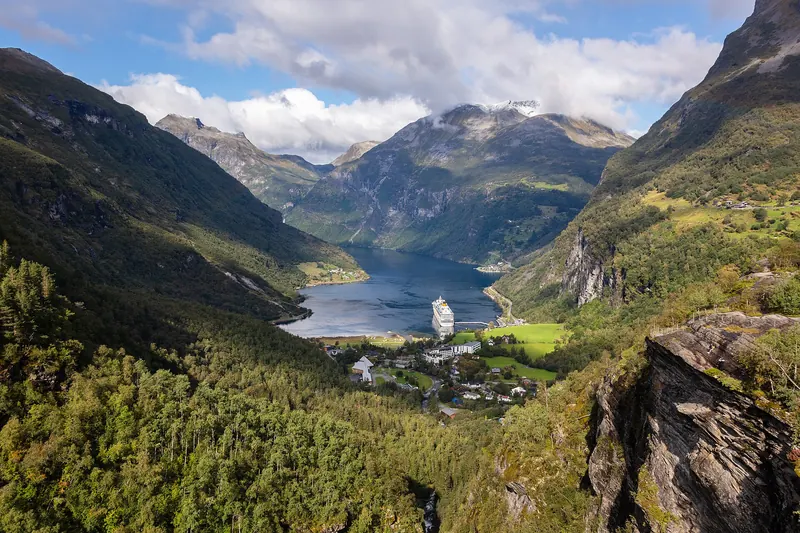
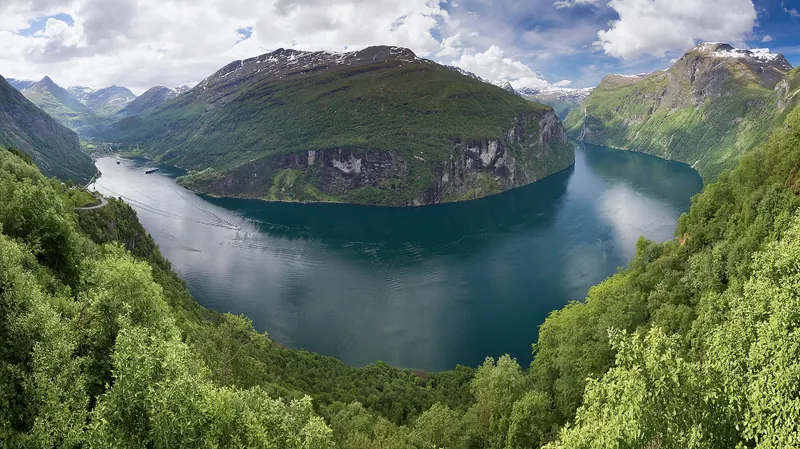
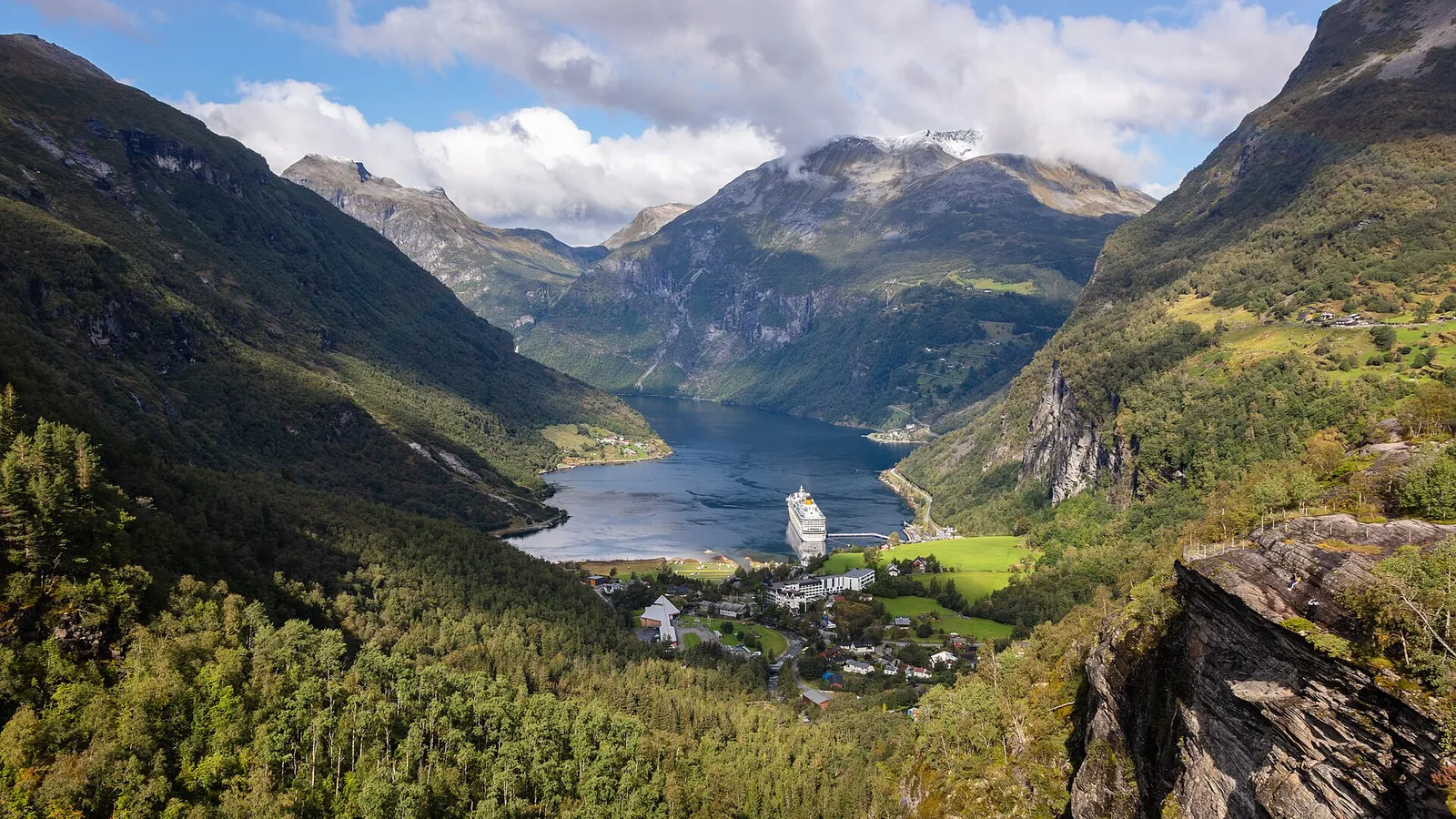
Geirangerfjord seen from the Flydalsjuvet viewpoint in Norway

Northern Europe

Norway Travel Guide

A country of fjords, mountains and arctic islands, where a single coastal drive can pass waterfalls, glaciers and villages clinging to sheer rock walls.

  • Destinations 10 hand-picked
  • Best time June–August for the midnight sun and easiest travel, or September–March for the northern lights
  • Ideal trip 7–10 days for a first trip

Photo: Diego Delso · CC BY-SA 4.0

Why go to Norway

Norway is defined by its coastline — a jagged, fjord-cut edge of Europe stretching further than the distance from London to Cairo, carved over ice ages into some of the most dramatic scenery on the continent.

That geography shapes everything about visiting: a single day's drive can pass waterfalls dropping straight into the sea, mountain villages reachable only by ferry, and roads that switchback up cliff faces to viewpoints that look unreal in photos until you're standing there yourself.

It's also a country of real extremes — the midnight sun keeps parts of the north in daylight for months each summer, while winter brings the northern lights and some of Europe's best conditions for seeing them, and Svalbard, far inside the Arctic Circle, holds more polar bears than people.

Where to go

Best Places to Visit in Norway

Ordered roughly by how strongly we would recommend each for a first visit — though Svalbard and the far north reward a second trip just as much as a first.

CityCulture

Oslo

Eastern Norway

Norway's capital, a compact city of striking modern architecture, Viking history and world-class museums, ringed by forest and the Oslofjord.

Don't miss Standing beneath the Monolith at the centre of Vigeland Park, surrounded by over 200 bronze and granite sculptures of human life.

Explore Destination — Oslo
CityCulture

Bergen

Western Norway

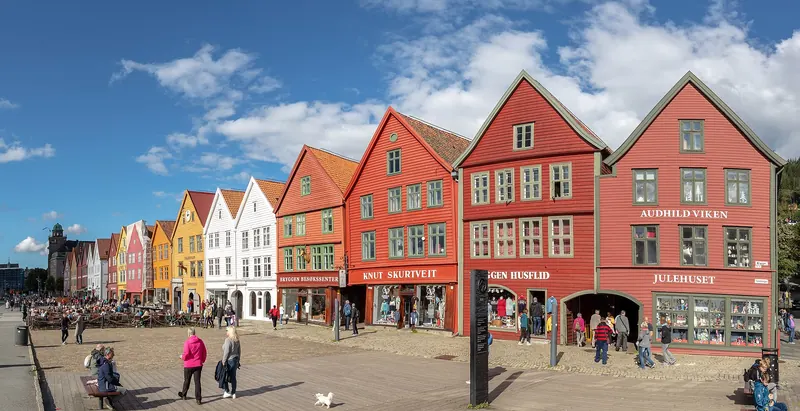
A colourful harbour city ringed by mountains, home to the UNESCO-listed Bryggen wharf and the traditional gateway to Norway's fjords.

Don't miss Standing on Bryggen's uneven wooden boardwalk at dusk, the wharf's tilted, colourful facades lit up against the harbour water.

Explore Destination — Bergen
Nature & WildlifeUNESCO Site

Geirangerfjord

Møre og Romsdal, Western Norway

Norway's most iconic fjord, a narrow UNESCO World Heritage waterway beneath sheer cliffs, waterfalls and abandoned mountain farms.

Don't miss Watching the Seven Sisters waterfall drop in parallel streams straight into the fjord as your boat glides directly beneath it.

Explore Destination — Geirangerfjord
IslandNature & Wildlife

The Lofoten Islands

Nordland, Northern Norway

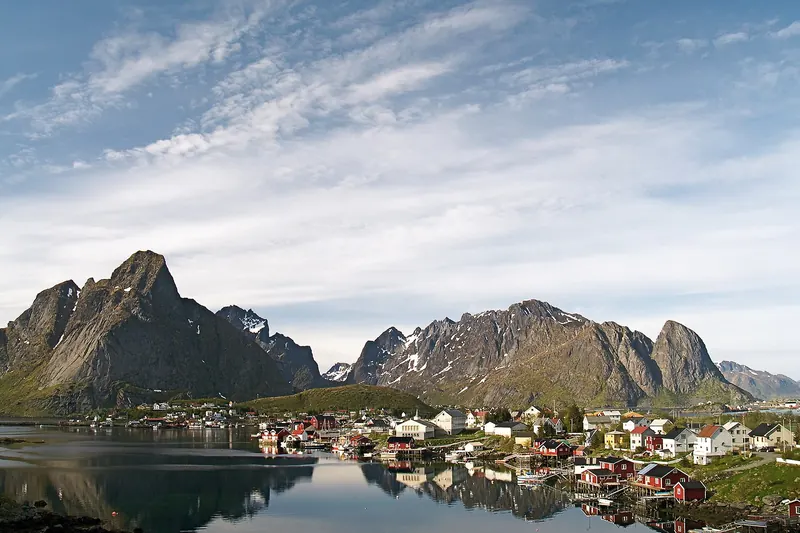
A chain of dramatic granite islands above the Arctic Circle, where jagged peaks rise straight from the sea beside red fishing villages.

Don't miss Looking down on Reine from the Reinebringen trail, its cluster of red rorbuer cabins scattered across the water between sheer granite peaks.

Explore Destination — The Lofoten Islands
ArcticNature & Wildlife

Tromsø

Troms, Northern Norway

Norway's Arctic capital, well above the Arctic Circle, one of the world's most accessible and reliable places to see the northern lights.

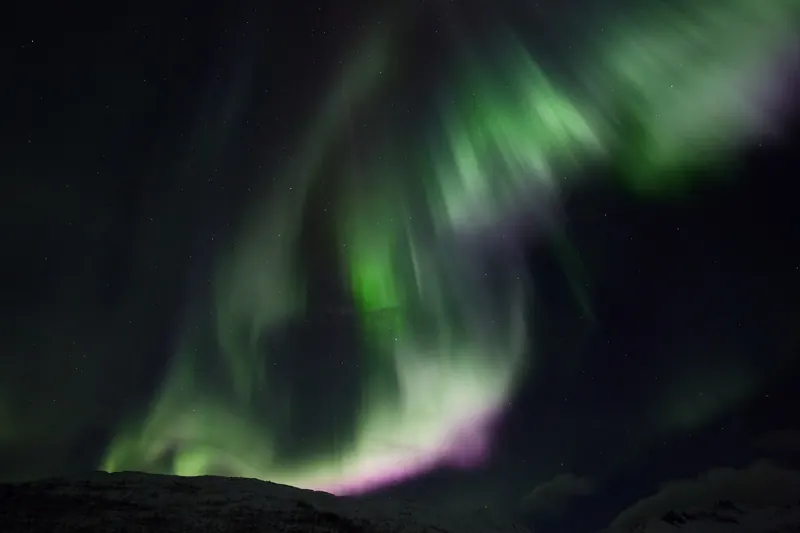
Don't miss Watching the aurora borealis ripple green overhead from the Arctic Cathedral's forecourt, the city lights of Tromsø spread out below.

Explore Destination — Tromsø
CityHistory

Trondheim

Trøndelag, Central Norway

Norway's historic pilgrimage capital, home to a soaring medieval cathedral and a colourful river district of old wooden warehouses.

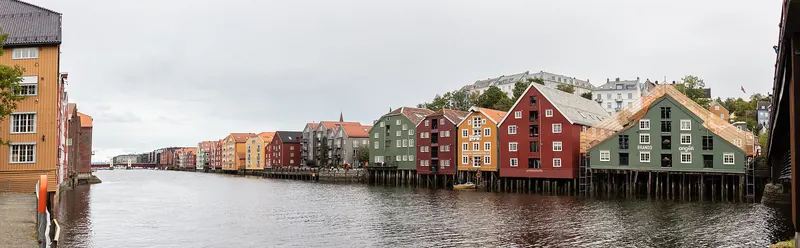
Don't miss Crossing the red-painted Gamle Bybro at sunset, the Nidelva river glowing beneath rows of colourful old wooden warehouses on stilts.

Explore Destination — Trondheim
HikingMountains

Jotunheimen

Innlandet, Central Norway

Norway's highest mountain range, home to the country's most famous hike, the Besseggen ridge, and a network of trails between staffed mountain huts.

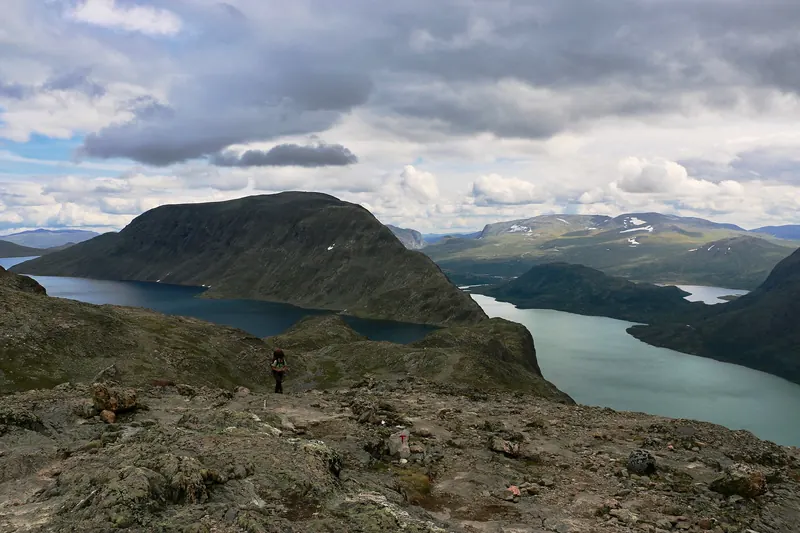
Don't miss Walking the knife-edge Besseggen ridge with turquoise Lake Gjende on one side and deep blue Lake Bessvatnet on the other, both far below.

Explore Destination — Jotunheimen
ArcticWildlife

Svalbard

Svalbard Archipelago, Arctic Norway

A remote Arctic archipelago home to more polar bears than people, reachable only by guided expedition from mainland Norway.

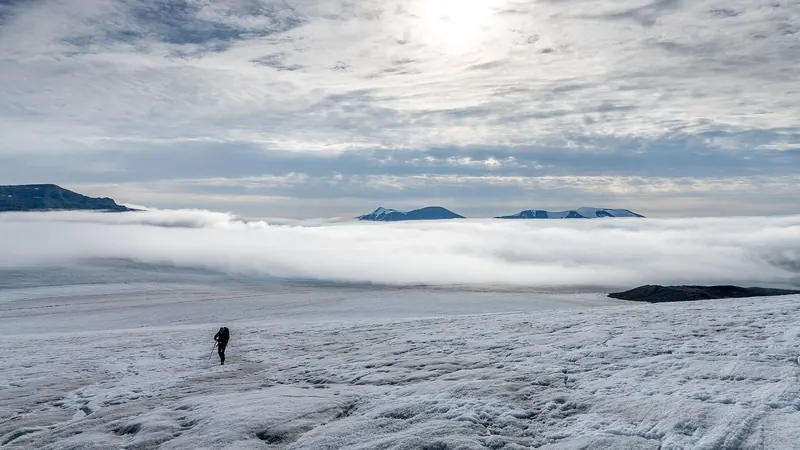
Don't miss Spotting a polar bear from a safe distance on the sea ice, its outline sharp against a landscape of glaciers and jagged Arctic peaks.

Explore Destination — Svalbard

Browse all 510 destinations

Experiences

Best things to do in Norway

The experiences that recur across the country and that make a Norway trip feel like more than a checklist of fjords.

  1. Geirangerfjord seen from the Ørnesvingen viewpoint

    Cruise a fjord

    The essential Norway experience, gliding between sheer rock walls and waterfalls on a boat cruise through one of the UNESCO-listed fjords.

    Tip A smaller boat or kayak tour gets far closer to the waterfalls than the larger cruise ships.

  2. The aurora borealis glowing green over northern Norway

    See the northern lights

    Northern Norway is one of the most reliable places on Earth to see the aurora, visible on clear, dark nights roughly September to March.

    Tip Tromsø's aurora forecast and cloud cover map matter more than the activity index alone — clear skies are what counts.

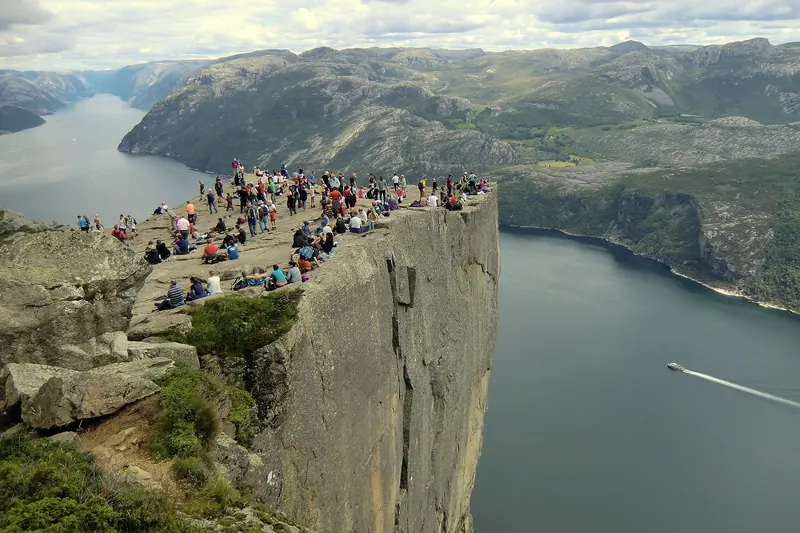
  3. Preikestolen, a flat cliff plateau above Lysefjord

    Hike to Preikestolen (Pulpit Rock)

    A spectacular flat rock plateau jutting 604 metres above Lysefjord, reached by a well-marked but strenuous day hike.

    Tip Start early to avoid both the midday crowds and afternoon cloud that can roll in.

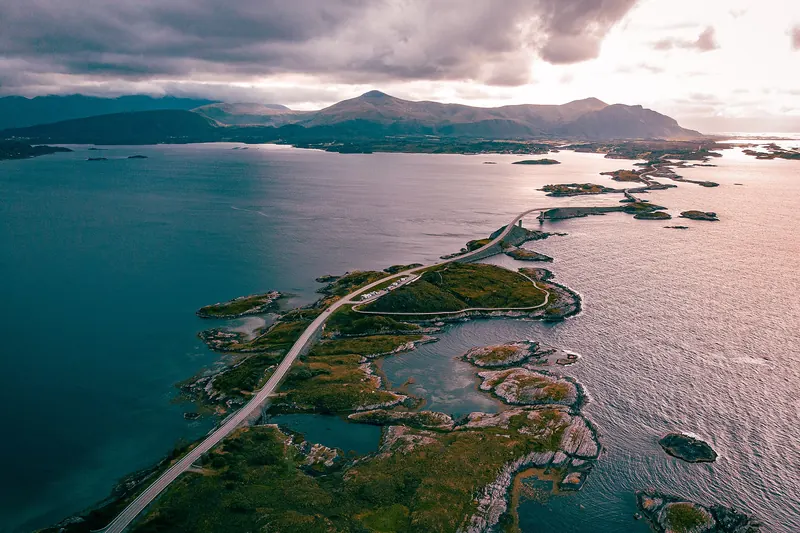
  4. The Atlantic Road winding across small islands and bridges in Norway

    Drive the Atlantic Road

    A thrilling stretch of road hopping between small islands on low bridges, with the open Norwegian Sea crashing on either side.

    Tip Storm season brings dramatic waves crashing over the road — thrilling from a safe distance.

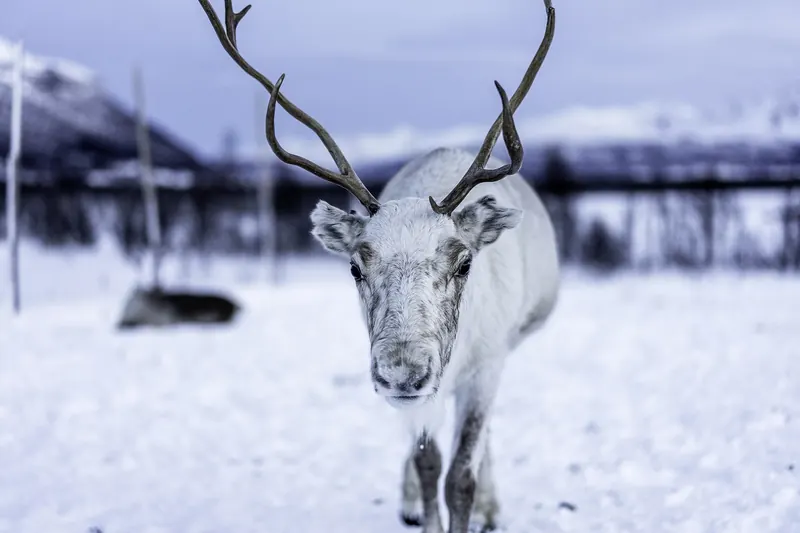
  5. Wild reindeer grazing near Tromsø in northern Norway

    Spot reindeer in the wild

    Common across northern Norway, where reindeer herding remains a living Sami tradition rather than a tourist display.

    Tip Drive carefully on rural northern roads — reindeer cross unpredictably, especially at dusk.

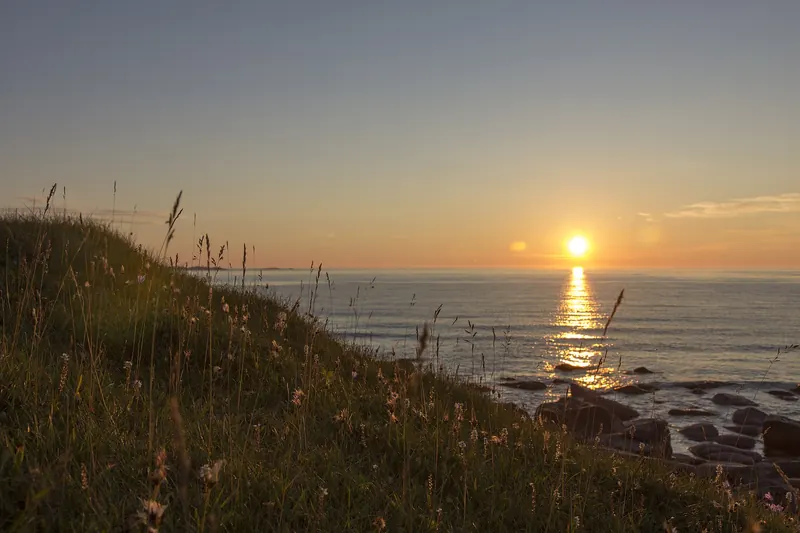
  6. The midnight sun over the Lofoten Islands in summer

    Experience the midnight sun

    North of the Arctic Circle, the sun doesn't set at all for weeks around midsummer, turning midnight into golden-hour light.

    Tip Pack a proper eye mask — hotel blackout curtains alone often aren't enough for sleeping in constant daylight.

Food and drink

Norway foods to try

Norwegian food's reputation abroad rarely does justice to a serious seafood and dairy culture found at every price point.

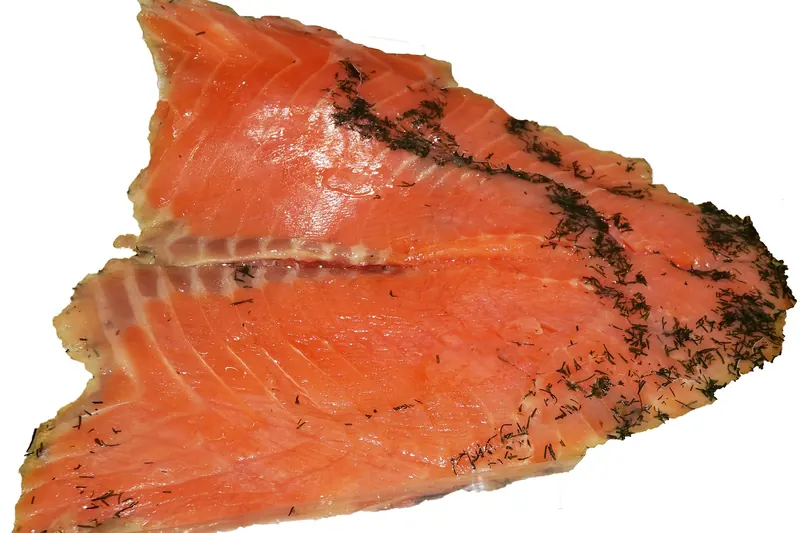
  • Gravlax, cured salmon, a Norwegian and Scandinavian specialty

    Salmon (gravlax)

    Among the best in the world, whether cured as gravlax, smoked, or simply grilled fresh from the fjords.

    Where to try it Restaurants and fish markets nationwide, especially in Bergen.

  • Brunost, Norway's distinctive caramel-coloured brown cheese

    Brunost (brown cheese)

    A uniquely Norwegian caramelised whey cheese, sweet and tangy, traditionally sliced thin with a special cheese slicer.

    Where to try it Breakfast tables and supermarkets nationwide — a genuine daily staple.

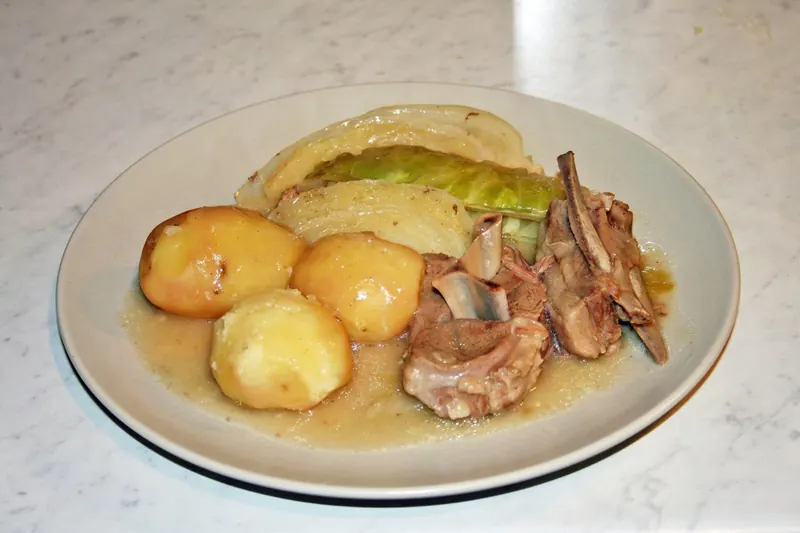
  • Fårikål, Norway's national dish of lamb and cabbage stew

    Fårikål

    Norway's official national dish, a simple, hearty stew of lamb and cabbage, traditionally eaten in autumn.

    Where to try it Traditional restaurants nationwide, especially September through October.

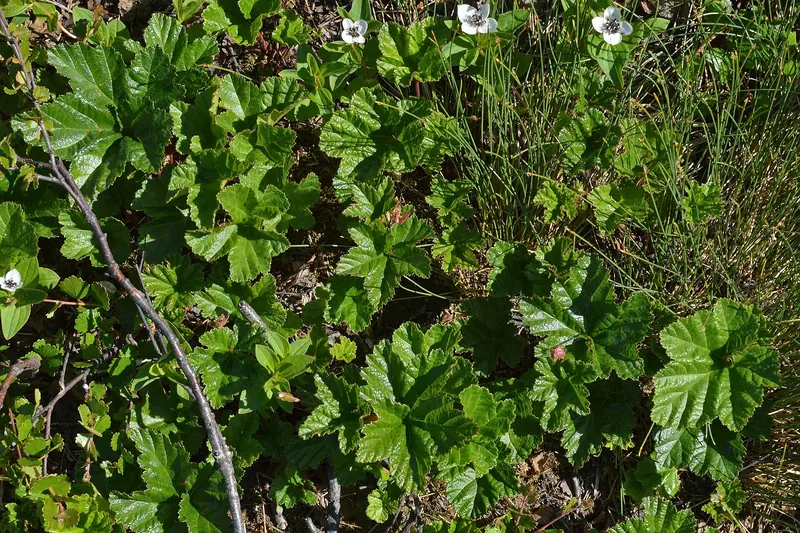
  • Cloudberries, a prized wild Norwegian berry

    Cloudberries (molter)

    A prized wild arctic berry, amber-coloured and tart-sweet, traditionally served with whipped cream as a dessert.

    Where to try it Restaurants across northern Norway in late summer, when the berries ripen.

  • Reindeer

    A traditional Sami food from the north, served as stew, smoked, or dried, with a rich, slightly gamey flavour.

    Where to try it Restaurants in Tromsø and other northern towns.

  • Vafler (waffles)

    A beloved Norwegian snack, heart-shaped and softer than Belgian waffles, usually topped simply with sour cream and jam.

    Where to try it Cafés and mountain cabins nationwide.

Before you go

Practical travel information for Norway

The essentials, current for 2026. Norway is straightforward and exceptionally well organised to travel in, with high prices and long driving distances the two practicalities that most often catch visitors out.

Capital
Oslo
Language
Norwegian (Bokmål and Nynorsk) nationally, with exceptionally high English fluency virtually everywhere.
Currency
Norwegian krone (kr, NOK)
Cards and cash
Card-first — cash is rarely needed anywhere, including for the smallest purchases.
Entry and visas
Visa-free entry for up to 90 days within a 180-day period for many nationalities including the US, Canada, Australia and UK, under the Schengen Area's common rules.
Power sockets
Type C and F (Europlug/Schuko), 230 V, 50 Hz — standard continental European two-pin plugs.
Emergency number
112 for police, 113 for ambulance, 110 for fire, nationwide.
Tipping
Not expected — service is already included in prices nationwide, though rounding up is a welcome small gesture.
Safety
Extremely safe overall, consistently ranked among the world's most peaceful countries. The real risks are environmental — weather, avalanche terrain and fjord ferry timing — not crime.
Internet and SIM
Excellent 4G and 5G coverage nationwide, including most fjord and mountain areas, though patchy in remote Svalbard.
Time zone
Central European Time (UTC+1), Central European Summer Time (UTC+2) late March to late October.

Daily budget guide (per person)

Backpacker
NOK 700–1,100 per day — hostels, supermarket meals, buses
Mid-range
NOK 1,500–2,500 per day — guesthouses, restaurant meals, a rental car
Comfortable
NOK 3,000–5,000 per day — hotels, fjord cruises, domestic flights
Svalbard supplement
Add significantly for any Svalbard extension — flights and guided tours there are expensive

Excludes international flights. Figures are typical rather than absolute — cities and peak season run higher.
When to go

Best time to visit Norway

Norway is a year-round destination, but summer and winter offer such different experiences that the season you choose shapes the whole trip.

  • Summer (June–August)

    Best time

    Near-endless daylight in the north, all mountain roads open, and the mildest, most reliable weather — also the busiest and most expensive season.

  • Autumn (September–October)

    Good

    Quieter, with the northern lights becoming visible again as nights darken, though weather turns noticeably less predictable.

  • Winter (November–February)

    Good

    Short days but dramatic, with the best northern lights odds and a real chance of snow closing mountain roads.

  • Spring (March–May)

    Good

    Increasingly long days and thinner crowds than summer, though some mountain roads stay closed until May or June.

Worth planning around: Attempting high mountain passes or the Atlantic Road outside May–September, when winter storms and snow make driving hazardous or impossible.

Trip length

How long to spend in Norway

Norway's fjords and its sheer north-south length make a full loop rewarding but time-hungry — rushing it defeats much of the point.

  • 3–4 days

    Oslo and Bergen, connected by the scenic Bergen Line train, the classic short Norway trip.

    The most popular short itinerary, covering the country's two largest cities without a fjord-region commitment.

  • 5–7 days

    Oslo, Bergen and a fjord region such as Geirangerfjord or the Sognefjord area, connected by train, bus and ferry.

    Enough time to add real fjord depth to the classic city route.

  • 8–10 days

    The itinerary on this page: Oslo, Bergen, the fjords and Ålesund, at an unrushed pace.

    A complete first look at Norway's southern and western highlights.

  • 2 weeks or more

    Add Lofoten, Tromsø or Svalbard in full, all worth dedicated time rather than a rushed detour.

    The far north and Svalbard are where a second Norway trip belongs.

Getting around

Transportation in Norway

A mix of rental car, train and ferry is the standard way to see Norway — the fjord-cut geography makes any single mode of transport insufficient on its own.

  • Rental car

    Essential for reaching Geirangerfjord, Preikestolen and the Atlantic Road at a flexible pace.

    Winter tyres and real caution are required outside summer on mountain roads.

  • Domestic flights

    Connect Oslo to Tromsø, Svalbard and other distant regions in under two hours, essential given Norway's length.

    Widely used even by Norwegians themselves, given the country's sheer north-south distance.

  • The Bergen Line and other scenic trains

    A spectacular rail route connecting Oslo and Bergen over the mountains.

    Widely considered one of the world's great train journeys in its own right.

  • Hurtigruten coastal ferry

    An iconic working ferry route up the entire coast, stopping at towns including Trondheim and Tromsø.

    Both a practical transport option and a popular cruise-style holiday in itself.

  • Local ferries and express boats

    Essential for reaching fjordside villages and islands with no road access.

    Many are included in Norway's otherwise excellent public transport ticketing.

Sample route

Eight days in Norway

A classic first route from Oslo across the mountains to Bergen and the western fjords, looping back via Ålesund. Covers four of the ten destinations in this guide.

  1. Day1

    Arrive in Oslo

    • Morning Land in Oslo and check in to your hotel.
    • Afternoon Walk the harbour and explore central Oslo.
    • Evening Dinner in the Grünerløkka district.
  2. Day2

    Oslo's sights

    • Morning The Vigeland Sculpture Park.
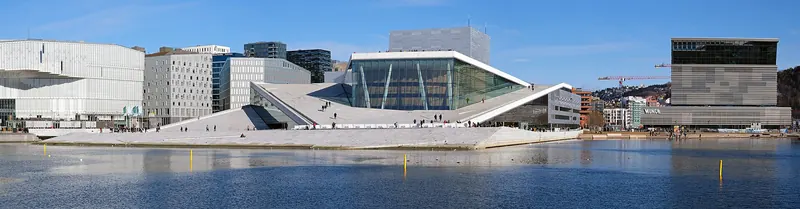
    • Afternoon The Oslo Opera House and the waterfront museums.
    • Evening A final Oslo dinner before travelling on.
  3. Day3

    The Bergen Line to Bergen

    • Morning Board the scenic Bergen Line train across the mountains.
    • Afternoon Arrive in Bergen and settle in.
    • Evening Dinner near Bryggen's old wharf.
  4. Day4

    Bergen

    • Morning Bryggen's colourful wooden buildings and the fish market.
    • Afternoon Ride the funicular up Mount Fløyen.
    • Evening Explore Bergen's old town further.
  5. Day5

    Into the fjords

    • Morning Travel by train, bus and ferry toward Geirangerfjord.
    • Afternoon Arrive and settle in near the fjord.
    • Evening Watch the light change over the water.
  6. Day6

    Geirangerfjord

    • Morning A fjord cruise past waterfalls and cliffside farms.
    • Afternoon Drive the Eagle Road or Trollstigen for panoramic views.
    • Evening Overnight near the fjord or continue toward Ålesund.
  7. Day7

    Ålesund and the Atlantic Road

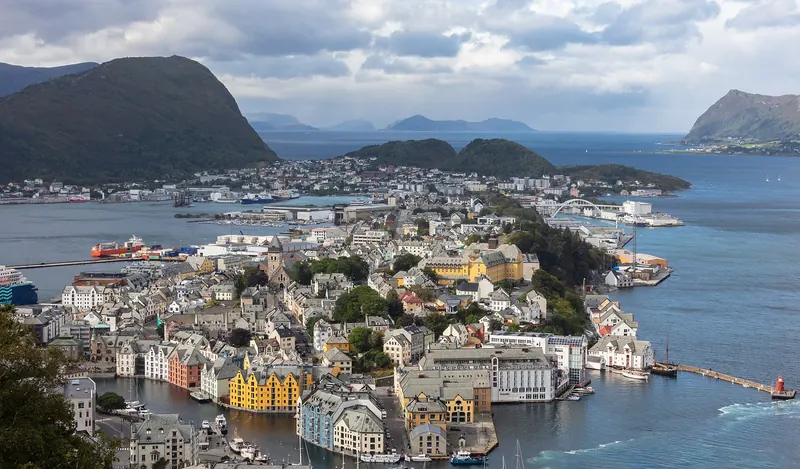
    • Morning Explore Ålesund's Art Nouveau harbour.
    • Afternoon Drive the Atlantic Road.
    • Evening Dinner in Ålesund.
  8. Day8

    Return and depart

    • Morning Fly back to Oslo.
    • Afternoon A final wander or last-minute shopping.
    • Evening Depart for home.

Culture

Culture and etiquette in Norway

Norwegian culture is shaped by a genuine closeness to nature (friluftsliv, or 'open-air living'), a strong sense of equality, and real pride in the country's fishing, seafaring and Sami heritage.

  • Shoes off indoors

    Removing shoes at the door is standard in Norwegian homes, even for brief visits.

  • Norwegians are reserved with strangers, warm with friends

    Small talk with strangers is less common than in some cultures — this is reserve, not unfriendliness.

  • Respect the outdoors and 'allemannsretten'

    Norway's generous 'right to roam' law comes with real responsibility to leave no trace.

  • Nature's risks are taken seriously here

    Sudden weather changes, avalanche terrain and tidal fjord currents are responsible for most visitor incidents — heed posted warnings.

  • Tipping is modest

    Rounding up or a small tip for excellent service is welcome, but nothing like the norms in the US.

  • Book ahead in summer, without exception

    Accommodation and popular hikes sell out months ahead across the peak June–August season.

Do

  • Take off your shoes when entering a home.
  • Book accommodation and any fjord cruise well ahead for a summer trip.
  • Check road conditions and ferry schedules before any fjord-region drive.
  • Bring layers for every season — mountain and fjord weather changes fast.

Don't

  • Don't leave litter on hiking trails — Norway's 'right to roam' comes with real responsibility.
  • Don't ignore posted warnings at cliffs, waterfalls and fjord viewpoints — sudden weather is a genuine, serious hazard.
  • Don't expect to tip heavily — it's modest and never obligatory.
  • Don't attempt high mountain roads or hikes without checking current conditions and closures.

Travel tips

Norway travel tips

The things that most often go wrong on a Norway trip, in rough order of how much they cost people.

  • Book your rental car, accommodation and any fjord cruise well ahead for summer travel.
  • Check road and ferry conditions before any fjord-region drive, especially outside summer.
  • Budget for high prices — Norway is one of the most expensive countries in Europe to visit.
  • Pack proper layers and a real waterproof shell regardless of season.
  • Never approach cliff edges at Preikestolen or similar viewpoints without care — falls are dangerous.
  • Consider Svalbard only as a dedicated add-on with a guided operator — independent travel there is restricted for safety.
  • Fill up on fuel whenever you see a station in rural fjord areas — distances between them are longer than they look.
  • Buy alcohol at the duty-free shop on arrival — it's cheaper than at Norway's state-run Vinmonopolet stores.

FAQ

Visiting Norway: frequently asked questions

How many days do you need in Norway?

A week to ten days covers Oslo, Bergen and the western fjords comfortably, which is the itinerary on this page. Three to four days is enough for Oslo and Bergen alone, and still worthwhile.

What is the best time of year to visit Norway?

June to August for long daylight and full access to mountain roads and fjord cruises; September to March for a good chance at the northern lights in the north.

Do you need a car in Norway?

For the fjord regions, yes — a rental car or a mix of train, bus and ferry is the standard way most visitors see the country beyond its cities.

Is Norway expensive?

Yes, one of the most expensive countries in Europe — mid-range travel runs about NOK 1,500–2,500 per person per day. Supermarket meals and a hostel or guesthouse keep costs down.

Can you see the northern lights in Norway?

Yes, one of the best places in the world for it, roughly September to March in the north on clear, dark nights — never guaranteed, but a real, frequent possibility above the Arctic Circle.

Is Norway safe to visit?

Extremely safe from a crime perspective, consistently ranked among the world's most peaceful countries. The real risks are environmental — fjord currents, avalanche terrain and fast-changing mountain weather — treated with genuine respect by visitors and locals alike.

Ready to plan your Norway trip?

The full travel guide covers routes, budgets, regional differences and how to string these ten destinations into a trip that actually works.

Read the Norway travel guide

Advertisement