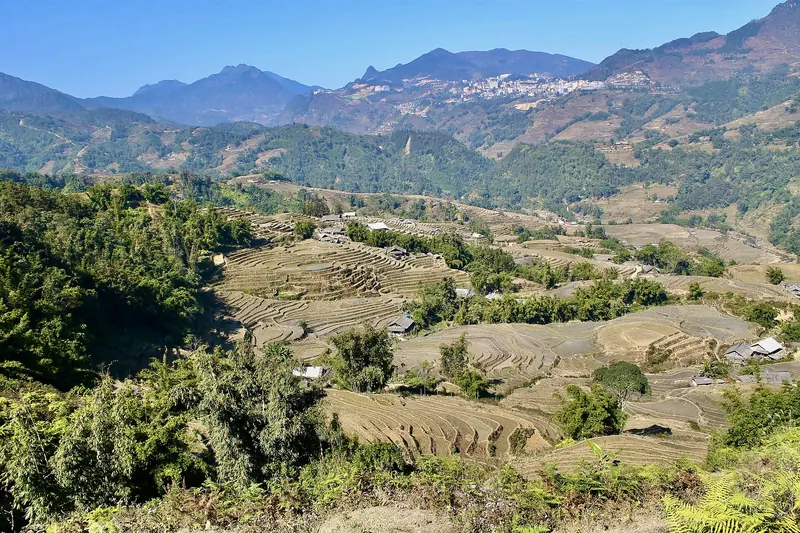
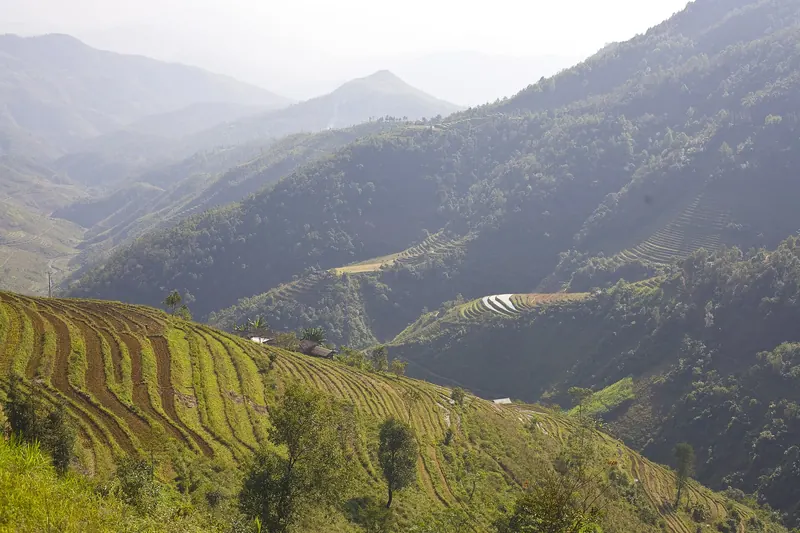
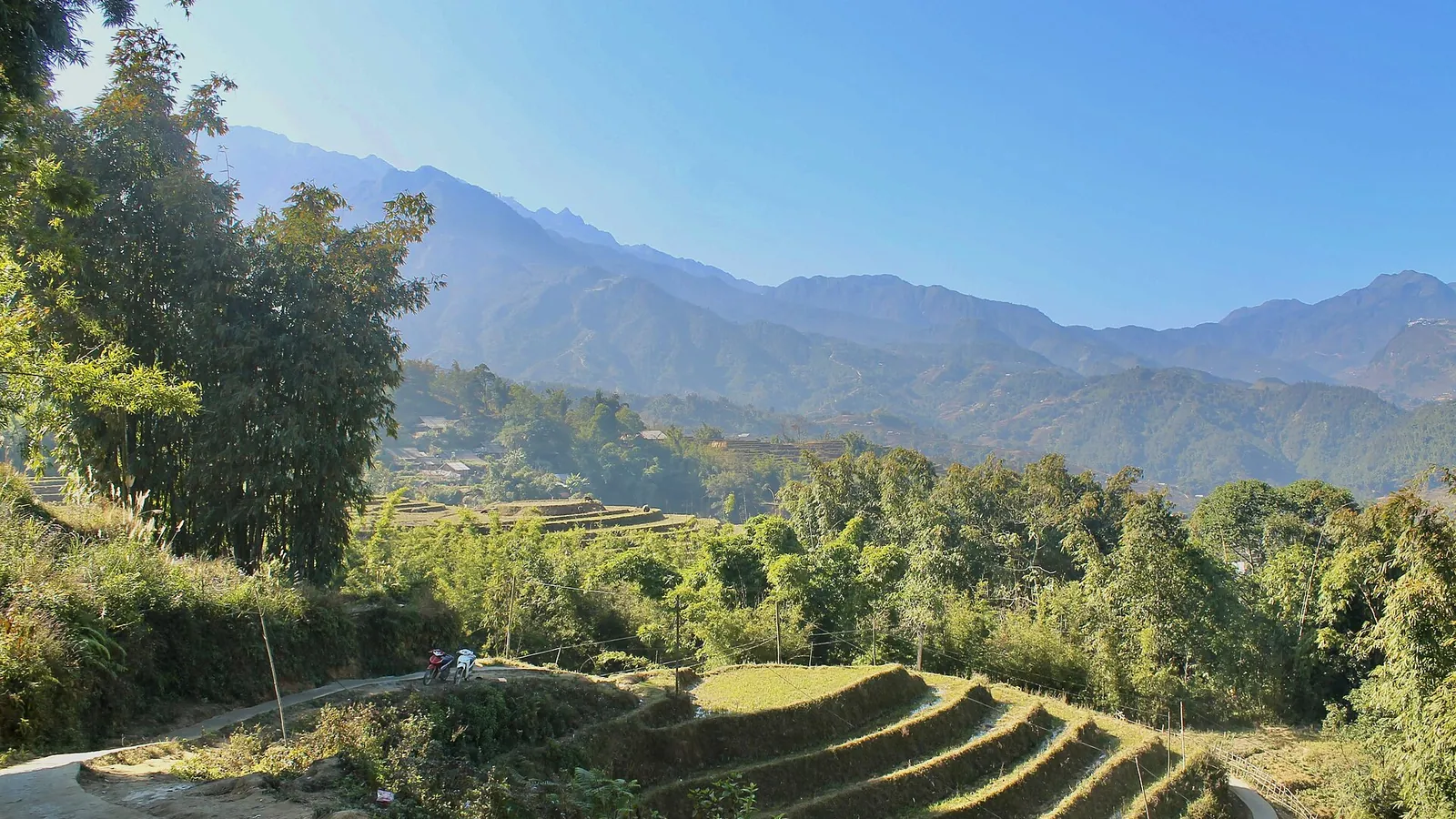
Terraced rice fields stepping down a mountainside in northern Vietnam

Asia

Vietnam Travel Guide

A long, slender country of limestone bays, imperial cities, lantern-lit river towns and street food that is among the best in the world, all within a fortnight's reach.

  • Destinations 10 hand-picked
  • Best time Varies by region, see below
  • Ideal trip 10–14 days for a first trip

Photo: Eerin25 · CC0

Why go to Vietnam

Vietnam is a narrow, S-shaped country of nearly 100 million people, stretching about 1,650 km from the Chinese border in the north to the tip of the Mekong Delta in the south. Its history is one of thousands of years of Chinese influence and resistance, the Cham and Khmer kingdoms of the centre and south, the last imperial dynasty at Hue, French colonial rule from the 1880s and the long wars for independence and reunification that ended in 1975. Since the economic reforms of 1986, known as Doi Moi, it has become one of the fastest-growing economies in Asia.

The result for the visitor is a country that is easy, varied and rewarding. In the north, Hanoi's Old Quarter, the limestone karsts of Ha Long Bay and Ninh Binh, and the rice terraces of Sapa. In the centre, the imperial tombs of Hue, the lantern-lit trading port of Hoi An and the great caves of Phong Nha. In the south, the buzzing streets of Ho Chi Minh City, the waterways of the Mekong Delta and the beaches of Phu Quoc.

It is also a country where you eat superbly at almost every price, where transport is cheap and frequent, and where the people are generally curious and welcoming to visitors. Most travellers follow the north-south route, either by overnight train, by domestic flights or by motorbike, and it is one of the best-value trips in Asia.

Where to go

Best Places to Visit in Vietnam

Ordered roughly by how strongly we would recommend each for a first visit. Hanoi, Ha Long Bay, Hoi An and Ho Chi Minh City are the classic route; Hue and Ninh Binh fit between them, and Sapa, Phong Nha, the Mekong and Phu Quoc are strong additions.

Capital CityMajor City

Hanoi

Red River Delta, northern Vietnam

Vietnam's capital: a lakeside city with a maze-like Old Quarter, the Temple of Literature, Ho Chi Minh's mausoleum, colonial architecture, water puppets and some of the best street food in Asia.

Don't miss A bowl of pho at a pavement stall at dawn, before the motorbikes take over the Old Quarter.

Explore Destination — Hanoi
UNESCO SiteNature & Wildlife

Ha Long Bay

Quang Ninh, north-east Vietnam

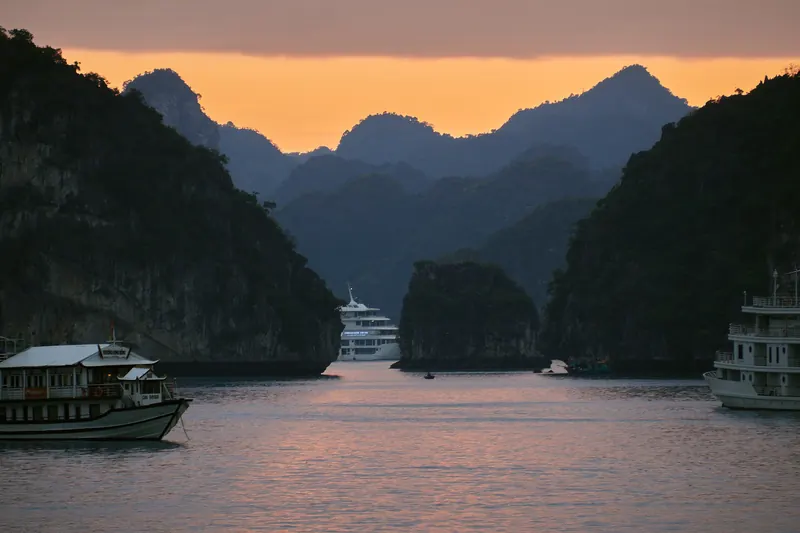
A UNESCO-listed seascape of limestone islands and hidden lagoons in the Gulf of Tonkin, explored by overnight cruise, kayak and cave, with quieter Lan Ha and Bai Tu Long bays nearby.

Don't miss Waking on deck to mist lifting from the karst islands.

Explore Destination — Ha Long Bay
UNESCO SiteHistoric Site

Hoi An

Central coast, near Da Nang

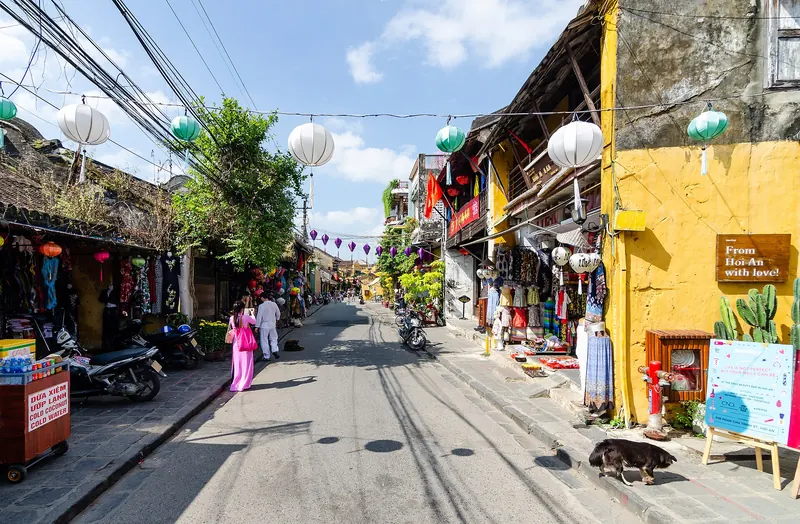
A UNESCO-listed trading town of Chinese assembly halls, Japanese bridge and merchants' houses, famed for lanterns, tailors, food and its easy access to beaches and the ruins of My Son.

Don't miss The old town at dusk, when the lanterns are lit and the river fills with candle-lit boats.

Explore Destination — Hoi An
UNESCO SiteNature & Wildlife

Ninh Binh

Southern Red River Delta, northern Vietnam

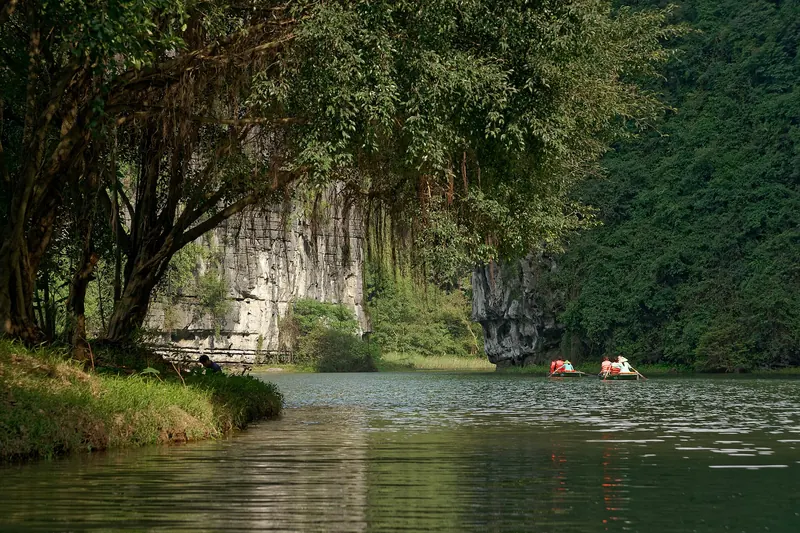
A landscape of karst hills, rivers, caves and paddies two hours south of Hanoi, with the boat trips of Trang An and Tam Coc, the Hang Mua viewpoint, Hoa Lu ancient capital and Bai Dinh pagoda.

Don't miss A rowing boat gliding through a cave beneath the cliffs at Trang An, with water buffalo grazing beside the river.

Explore Destination — Ninh Binh
UNESCO SiteHistoric Site

Hue

Perfume River, central Vietnam

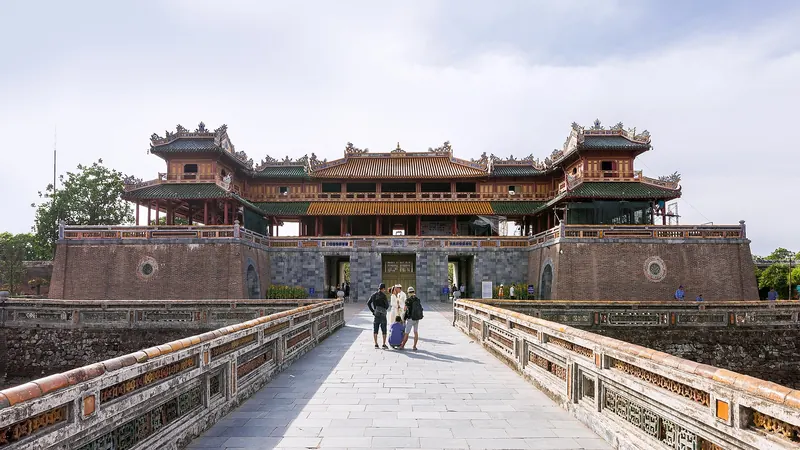
The former imperial capital on the Perfume River, with the Imperial City, the tombs of the Nguyen emperors, Thien Mu Pagoda and a distinctive royal cuisine.

Don't miss The Meridian Gate of the Imperial City, and the calm of a royal tomb reflected in its lotus pond.

Explore Destination — Hue
Major CityHistoric Site

Ho Chi Minh City

Southern Vietnam

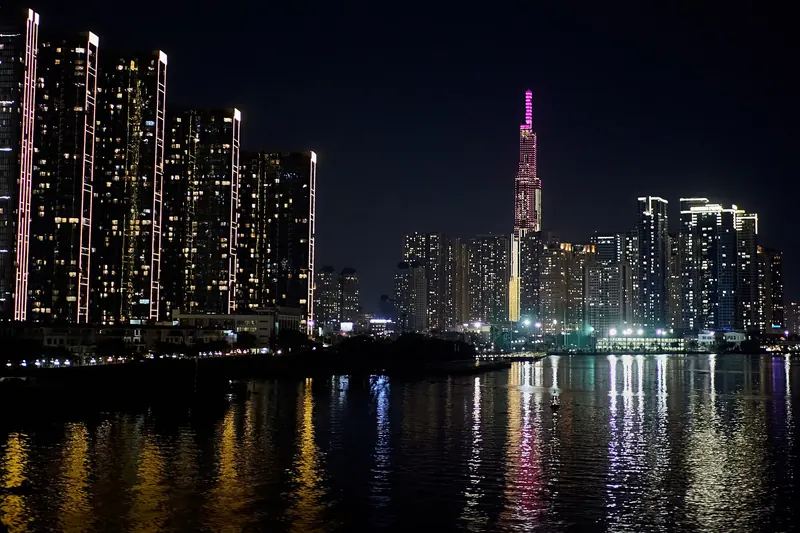
The commercial heart of Vietnam, with the Reunification Palace, War Remnants Museum, Notre-Dame Basilica, Ben Thanh Market, Chinatown and the Cu Chi Tunnels, plus a thriving food and nightlife scene.

Don't miss A bowl of noodles on a plastic stool at midnight, with the motorbikes of Saigon streaming by.

Explore Destination — Ho Chi Minh City
MountainsScenic Region

Sapa

Hoang Lien Son mountains, north-west Vietnam

A former French hill station at 1,500 metres, gateway to the terraced valleys of the Hoang Lien Son range, Hmong and Red Dao villages, homestays and Fansipan, Indochina's highest peak.

Don't miss Trekking through the Muong Hoa Valley when the terraces turn gold in September.

Explore Destination — Sapa
UNESCO SiteNational Park

Phong Nha–Ke Bang

Central Vietnam

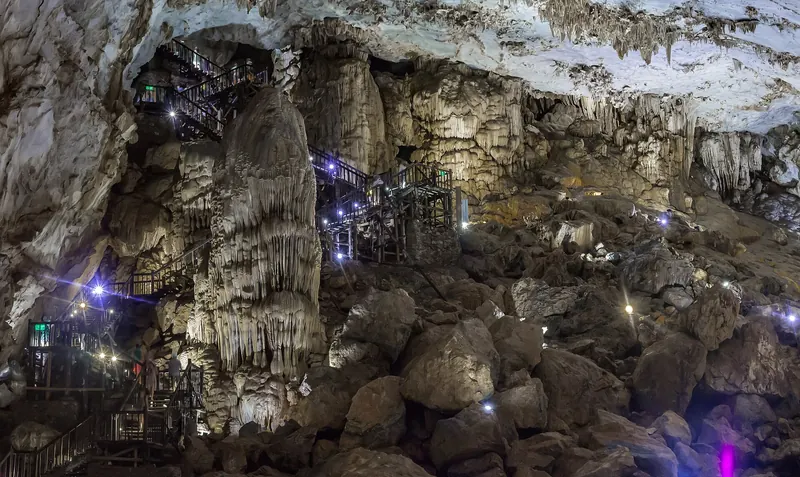
A UNESCO-listed national park with hundreds of caves, including Phong Nha, Paradise and the giant Son Doong, plus jungle, rivers, ziplines and quiet countryside.

Don't miss The huge chamber of Paradise Cave, with its glittering formations lit for the visitors.

Explore Destination — Phong Nha–Ke Bang
Nature & WildlifeCulture & Arts

The Mekong Delta

Mekong Delta, southern Vietnam

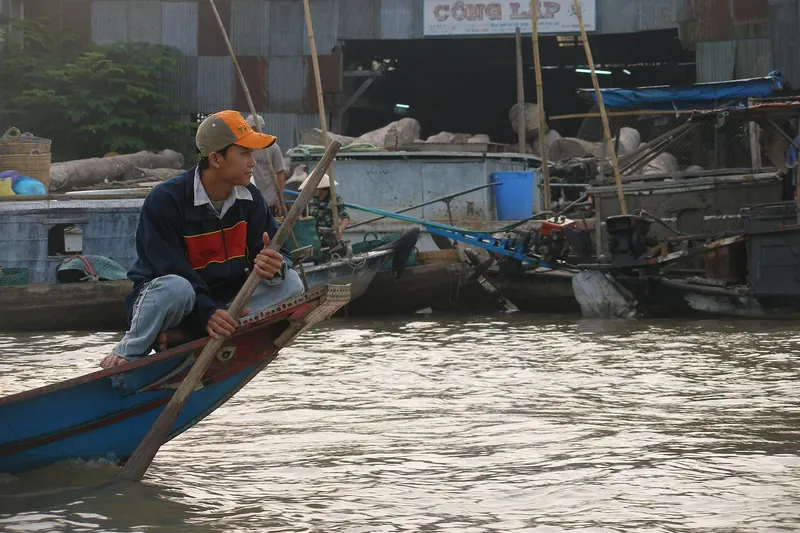
Vietnam's rice bowl: a delta of waterways south of Ho Chi Minh City with floating markets at Can Tho, fruit orchards, homestays, coconut candy workshops and a slow river pace.

Don't miss A dawn boat to a floating market, with fruit boats piled high and vendors hanging their wares from tall poles.

Explore Destination — The Mekong Delta
IslandCoast & Beaches

Phu Quoc

Gulf of Thailand, southern Vietnam

A tropical island in the Gulf of Thailand with long beaches, snorkelling, a national park, pepper and fish-sauce farms, night markets and a cable car to the offshore islands.

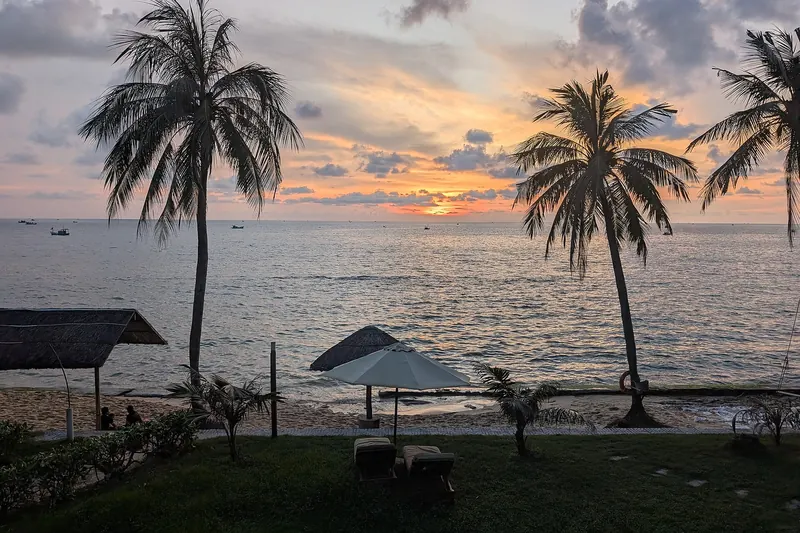
Don't miss Swimming off Sao Beach in calm turquoise water, then dinner at the Duong Dong night market.

Explore Destination — Phu Quoc

Browse all 510 destinations

Experiences

Best things to do in Vietnam

The experiences that recur across the country and make a Vietnamese trip feel like one.

  1. Sail through Ha Long Bay

    A cruise among thousands of limestone islands, with kayaking, caves and a night on board, is the country's best-known experience. See Ha Long Bay.

    Tip Pick a reputable operator, and consider the quieter Lan Ha Bay or Bai Tu Long.

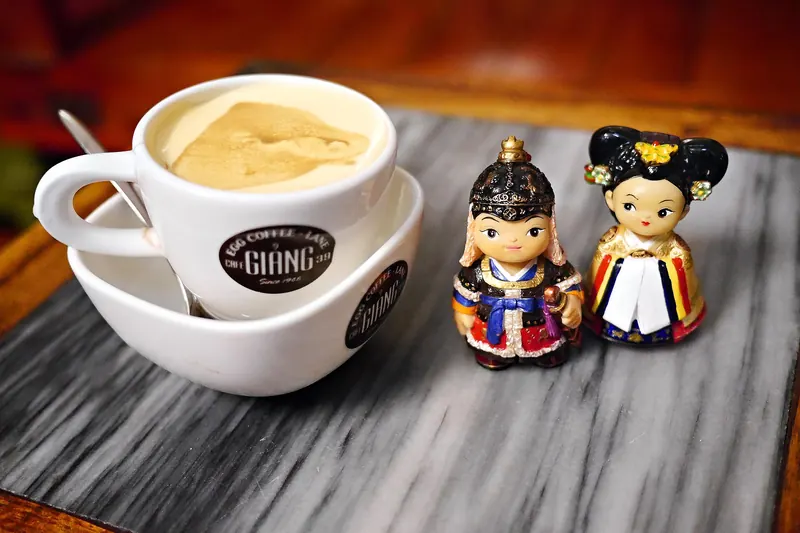
  2. A cup of Hanoi egg coffee topped with whipped egg yolk cream

    Eat your way through Hanoi

    Pho for breakfast, bun cha for lunch, egg coffee in the afternoon and a fresh beer on a plastic stool in the evening. See Hanoi.

    Tip Take a guided street-food walk on your first evening to learn what to look for.

  3. A road winding through the mountains of the Ha Giang Loop in northern Vietnam

    Ride a motorbike loop

    The Ha Giang Loop in the far north, and the Hai Van Pass near Hoi An and Hue, are among the most scenic rides in Asia, though the roads demand experience.

    Tip Ride with an experienced guide or an 'easy rider' driver unless you are confident. Check your insurance first.

  4. Explore caves at Phong Nha

    Central Vietnam has some of the largest caves in the world, from easy boat trips to multi-day expeditions to Son Doong. See Phong Nha.

    Tip Check the season, since caves close during the wet months.

  5. Have clothes made in Hoi An

    Tailors in the old town make shirts, dresses and suits in a day or two, at a fraction of Western prices. See Hoi An.

    Tip Bring a picture or a garment to copy, and allow time for a second fitting.

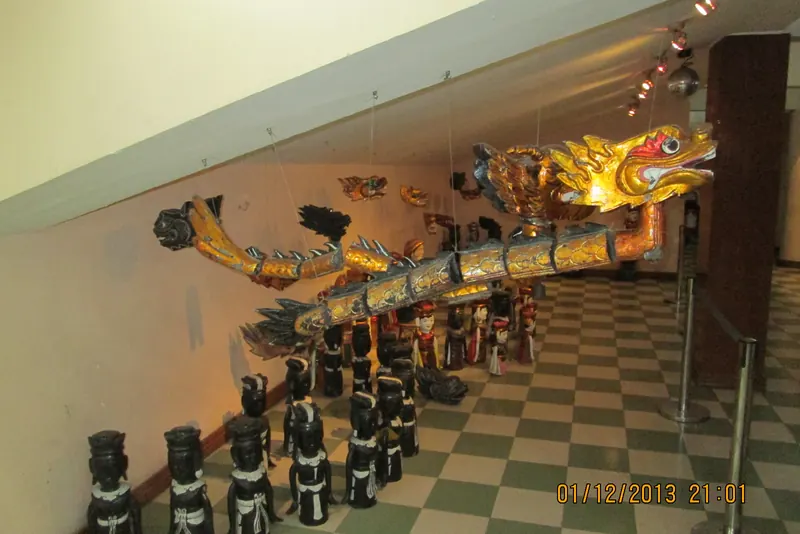
  6. Wooden puppets performing on the water stage at the Thang Long Water Puppet Theatre in Hanoi

    Watch a water puppet show

    A folk art dating back centuries, in which wooden puppets perform scenes from rural life on a pool of water, accompanied by live music.

    Tip Book the evening show in advance.

  7. Cruise the Mekong Delta

    A network of rivers, orchards and floating markets in the south, best seen by small boat. See the Mekong Delta.

    Tip Take a night in Can Tho for the early-morning market.

Food and drink

Vietnam foods to try

Vietnamese cooking is built on fresh herbs, rice noodles, fish sauce, lime and chilli, and it varies from north to south. It is generally lighter and fresher than many Asian cuisines, and street food is at its heart.

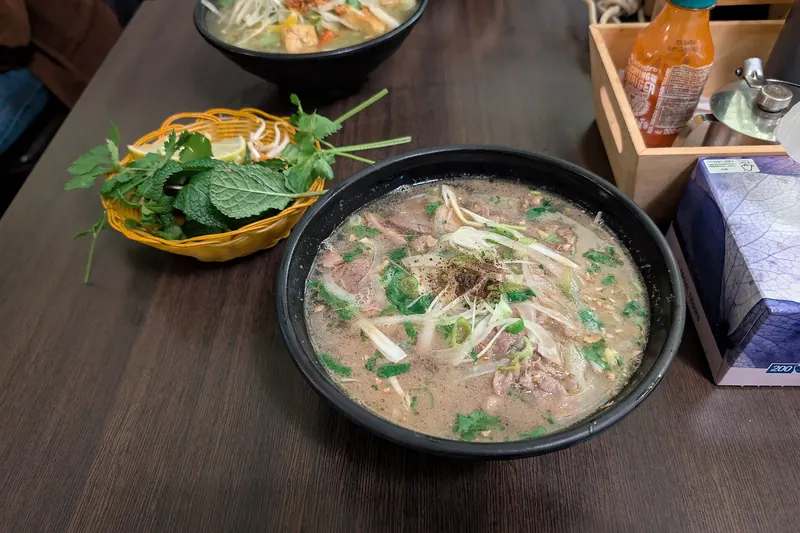
  • A bowl of Hanoi-style beef noodle soup, pho bo

    Pho

    The national dish: rice noodles in a clear, spiced beef or chicken broth, with herbs and lime. The northern version is simpler, and the southern one comes with more herbs and sauces.

    Where to try it Street stalls and family restaurants, especially in Hanoi.

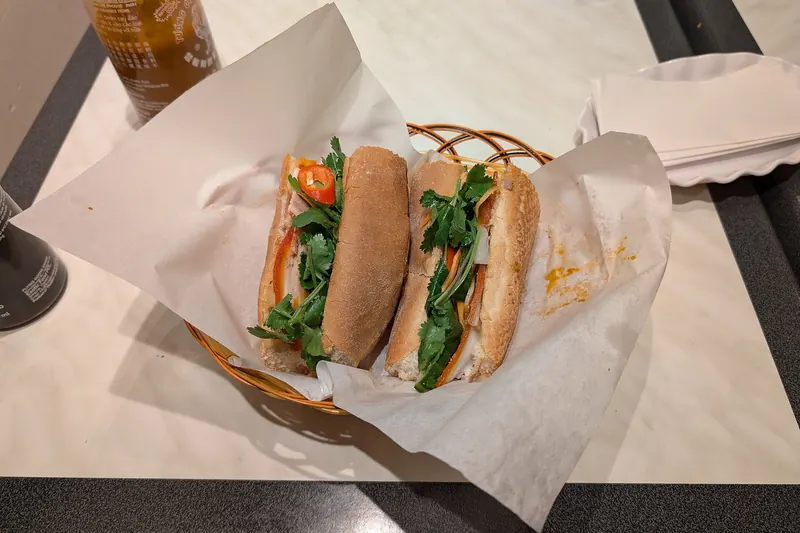
  • A Vietnamese banh mi baguette sandwich with pork, pâté and pickled vegetables

    Banh mi

    A crisp French-style baguette stuffed with pork, pâté, pickled carrot and daikon, herbs and chilli, a legacy of French colonial rule and one of the world's great sandwiches.

    Where to try it Street carts everywhere, and famous shops in Hoi An and Ho Chi Minh City.

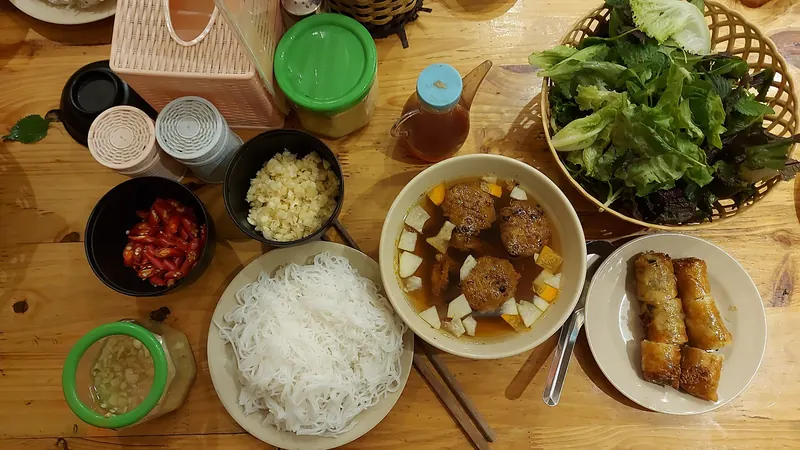
  • Bun cha with grilled pork patties, rice noodles and herbs in Hanoi

    Bun cha

    A Hanoi lunch of grilled pork patties and slices in a sweet-sour broth, served with rice noodles, herbs and crab spring rolls.

    Where to try it Lunchtime restaurants in Hanoi's Old Quarter.

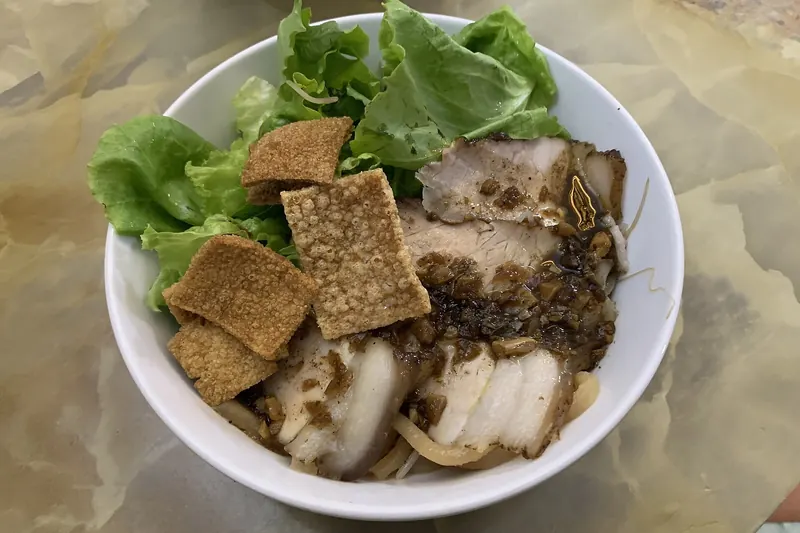
  • A bowl of cao lau noodles with pork and herbs in Hoi An

    Cao lau

    Chewy noodles with pork, greens and crisp croutons, a speciality of Hoi An that is traditionally made with water from local wells.

    Where to try it Market stalls and small restaurants in Hoi An.

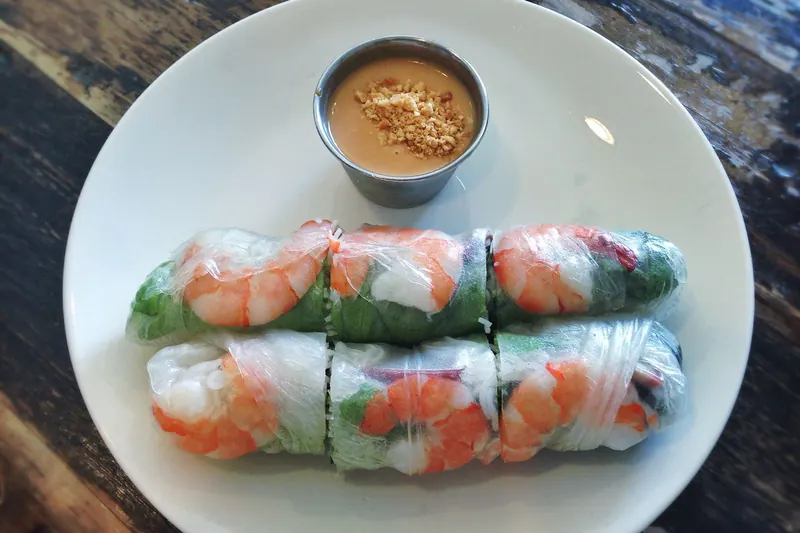
  • Fresh Vietnamese spring rolls with a peanut dipping sauce

    Fresh spring rolls

    Translucent rice paper rolls filled with prawns, herbs and vermicelli, dipped in peanut or fish sauce. A light, healthy staple of the south.

    Where to try it Restaurants in Ho Chi Minh City and the Mekong Delta.

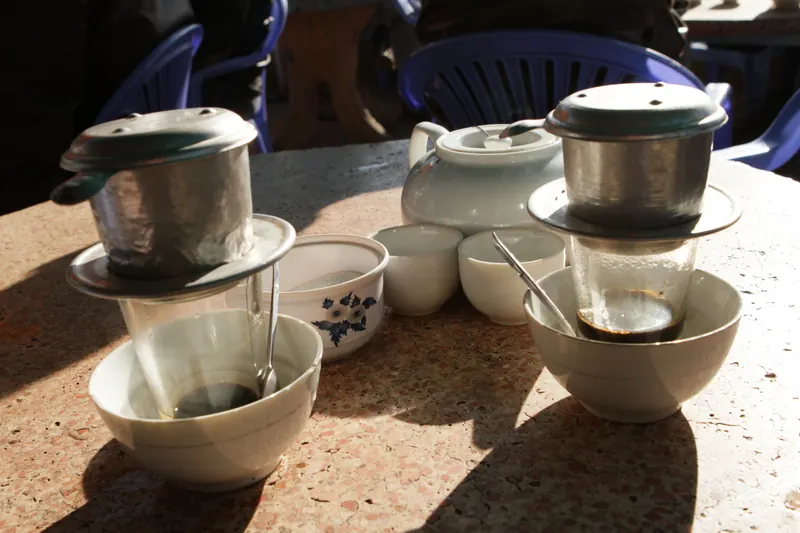
  • Vietnamese coffee dripping through a small metal filter into a glass

    Vietnamese coffee

    Strong robusta coffee dripped through a small metal filter, often with sweetened condensed milk, over ice or hot. Vietnam is the world's second-largest coffee producer.

    Where to try it Cafés everywhere, from streetside plastic stools to trendy roasteries.

Before you go

Practical travel information for Vietnam

The essentials, current for 2026. Vietnam is easy and inexpensive, though visas, road safety and typhoon season need some attention.

Capital
Hanoi
Language
Vietnamese. English is common in tourist areas and among younger people, and some French is spoken by older people.
Currency
Vietnamese dong (VND). Roughly 25,000–26,000 dong to the US dollar in recent years. Prices are often quoted in thousands, so it is easy to be confused.
Cards and cash
ATMs are widespread in cities, and cards are accepted in hotels, restaurants and larger shops, but cash is needed for street food, markets and taxis. Withdrawal limits per transaction are low, so expect fees. Carry small notes.
Entry and visas
Many nationalities can enter visa-free for stays of 14 to 45 days, and most others can apply online for an e-visa valid for up to 90 days. Rules change often, so check the official Vietnamese government immigration site before you book.
Power sockets
Types A and C, and some F, 220 V, 50 Hz. A universal adaptor is useful.
Emergency number
113 for police, 114 for fire and 115 for ambulance. English may be limited, so contact your hotel for help.
Tipping
Not expected, but appreciated. Round up taxi fares, leave a small tip for good service in restaurants, and tip guides and drivers at the end of a day or tour.
Safety
Vietnam is generally safe, and violent crime against tourists is rare. The main problems are bag and phone snatching from motorbikes in Ho Chi Minh City and Hanoi, taxi and rickshaw overcharging and heavy traffic. Use the Grab app for taxis, keep bags on the side away from the road, and be careful crossing streets. Unexploded ordnance remains in parts of the centre, so stay on marked paths in former war zones.
Internet and SIM
Very good in cities and along the coast, with cheap SIM cards and eSIMs. Coverage is patchy in the northern mountains.
Time zone
UTC+7 all year, with no daylight saving.

Daily budget guide (per person)

Backpacker
US$25–45 per day — hostels, street food, buses
Mid-range
US$60–110 per day — comfortable hotels, restaurant meals, domestic flights
Comfortable
US$130–250 per day — boutique hotels, private guides and drivers
Luxury
US$300+ per day — five-star resorts and cruises

Excludes international flights. Figures are typical rather than absolute — cities and peak season run higher.
When to go

Best time to visit Vietnam

Vietnam stretches over 15 degrees of latitude, and each region has its own climate. The north has four seasons, the centre has a wet season in autumn, and the south is tropical, with a dry and wet season.

  • Spring (March–May)

    Best time

    Warm and dry in the north and centre. Excellent for Hanoi, Ha Long Bay, Hue and Hoi An. The south is hot before the rains.

  • Summer (June–August)

    Good

    Hot and humid. Wet in the north and south, but dry and sunny in the centre and on the central beaches.

  • Autumn (September–November)

    Good

    Clear, golden weather in the north, especially for Sapa's harvest. Typhoons and floods hit the centre from late September to December.

  • Winter (December–February)

    Good

    Cool and misty in the north, wet in the centre, and dry and sunny in the south, which is peak season for Ho Chi Minh City, the Mekong and Phu Quoc.

Worth planning around: The central coast from October to December, when typhoons and floods are common, and Tet, the Lunar New Year in January or February, when many businesses close and transport is crowded.

Trip length

How long to spend in Vietnam

The country is long and narrow, and covering it from north to south takes at least ten days. Two weeks allows for a relaxed route with domestic flights, and three weeks adds the mountains and islands.

  • 5–7 days

    Hanoi, Ha Long Bay and Ninh Binh, or Hoi An and Hue.

    A short trip focused on one region.

  • 10–12 days

    Hanoi, Ha Long Bay, Hue, Hoi An and Ho Chi Minh City, with two internal flights.

    A strong first look at the country.

  • 14 days

    The itinerary on this page: north to south with seven destinations.

    The classic route, and our recommendation for most first-time visitors.

  • 3 weeks or more

    Adds Sapa, Phong Nha, the Central Highlands and Phu Quoc.

    For those with time to slow down.

Getting around

Transportation in Vietnam

Vietnam has a good mix of trains, internal flights, buses and ride-hailing. Most visitors fly for the longest legs and use trains, buses or private cars for shorter ones.

  • Domestic flights

    Vietnam Airlines, Vietjet and other carriers connect Hanoi, Da Nang (for Hoi An), Hue, Ho Chi Minh City, Phu Quoc and other cities, often cheaply.

    Book early for Tet and summer, and expect occasional delays.

  • Reunification Express and other trains

    The north-south railway takes about 30 hours from Hanoi to Ho Chi Minh City, with scenic stretches between Hue and Da Nang. Sleeper cabins are comfortable.

    Book soft sleepers in advance on the official site or through agents.

  • Sleeper buses and limousines

    Cheap and frequent, from basic sleeper buses to small luxury minibuses. Useful for Hanoi to Ninh Binh, Sapa and Ha Long Bay.

    Choose reputable companies.

  • Grab and taxis

    Ride-hailing app Grab covers cars and motorbike taxis in most cities, with fixed prices.

    Use it instead of street taxis to avoid overcharging.

  • Motorbike and private driver

    A private car and driver costs about US$60–100 per day, and motorbike rental is cheap, but roads can be dangerous.

    Ride only if you have experience, a licence and insurance.

Sample route

Two weeks in Vietnam

Hanoi, Ha Long Bay, Ninh Binh, Hue, Hoi An, Ho Chi Minh City and the Mekong Delta, north to south, with three domestic flights. Covers seven of the ten destinations in this guide.

  1. Day1

    Arrive in Hanoi

    • Morning Land and check in.
    • Afternoon Hoan Kiem Lake and the Old Quarter.
    • Evening Street food and a beer on the corner.
  2. Day2

    Hanoi

    • Morning The Temple of Literature and the Ho Chi Minh complex.
    • Afternoon The Old Quarter and a coffee.
    • Evening A water puppet show.
  3. Day3

    To Ha Long Bay

    • Morning Transfer to the bay.
    • Afternoon Board a cruise and kayak.
    • Evening Dinner on deck.
  4. Day4

    Ha Long Bay to Hanoi

    • Morning Sunrise, a cave and brunch.
    • Afternoon Return to Hanoi.
    • Evening Dinner and rest in Hanoi.
  5. Day5

    Ninh Binh

    • Morning Train to Ninh Binh.
    • Afternoon A boat through Trang An.
    • Evening Dinner in a village.
  6. Day6

    Ninh Binh

    • Morning Hang Mua viewpoint.
    • Afternoon Cycle through the rice fields.
    • Evening Return to Hanoi for the night.
  7. Day7

    Hue

    • Morning Fly to Hue and see the Imperial City.
    • Afternoon A tomb or the Thien Mu Pagoda.
    • Evening Dinner on the Perfume River.
  8. Day8

    Hue

    • Morning The tombs of Minh Mang and Khai Dinh.
    • Afternoon A cooking class.
    • Evening A rest.
  9. Day9

    Over the Hai Van Pass to Hoi An

    • Morning Drive over the Hai Van Pass.
    • Afternoon Arrive in Hoi An.
    • Evening Lanterns on the river.
  10. Day10

    Hoi An

    • Morning The old town.
    • Afternoon A tailor fitting and a cooking class.
    • Evening Dinner by the river.
  11. Day11

    My Son and the coast

    • Morning The My Son ruins.
    • Afternoon An Bang beach.
    • Evening A last night in Hoi An.
  12. Day12

    Fly to Ho Chi Minh City

    • Morning Fly from Da Nang.
    • Afternoon The Reunification Palace and War Remnants Museum.
    • Evening Nguyen Hue walking street.
  13. Day13

    The Mekong Delta

    • Morning A day trip by boat.
    • Afternoon Orchards and canals.
    • Evening Return to Ho Chi Minh City.
  14. Day14

    Depart

    • Morning Ben Thanh Market.
    • Afternoon Last coffee.
    • Evening Fly home.

Culture

Culture and etiquette in Vietnam

Vietnamese society values family, respect for elders and harmony. Buddhism, Confucianism, Taoism and ancestor worship all shape daily life, and the Communist Party governs a market economy. People are generally friendly, and visitors are treated with warmth.

  • Dress modestly at temples

    Cover shoulders and knees in pagodas and temples, and remove shoes before entering. Speak quietly.

  • Use both hands

    Give and receive money, gifts and cards with both hands, or with the right hand supported by the left.

  • Don't touch heads or point feet

    The head is considered sacred, and the feet are unclean. Avoid pointing your feet at people or altars.

  • Bargain politely

    Bargaining is normal in markets, but not in shops with fixed prices. Smile and keep a friendly tone.

  • Respect Ho Chi Minh and the flag

    Ho Chi Minh is revered, and the red flag with a gold star is respected. Avoid political jokes and criticism of the government.

  • Eat with care

    Do not stick chopsticks upright in a bowl of rice, since it resembles incense offerings at funerals. Wait for older people to begin.

Do

  • Remove your shoes when entering homes and temples
  • Learn a few phrases: xin chào (hello), cảm ơn (thank you), không (no)
  • Ask before photographing people
  • Use Grab or agreed fares for transport
  • Carry small notes for street food and tips
  • Try the street food where locals eat

Don't

  • Don't discuss politics critically or joke about the Communist Party
  • Don't stick chopsticks upright in a bowl
  • Don't touch someone's head or hair
  • Don't wear beach clothes in temples or cities
  • Don't buy wildlife products or antiquities
  • Don't leave bags or phones exposed near roads

Travel tips

Vietnam travel tips

The things that most often catch visitors out in Vietnam, several of which are specific to how the country works.

  • Cross busy roads slowly and steadily. Motorbikes will flow around you, and sudden movements cause accidents.
  • Use Grab for taxis and food delivery. It offers fixed prices and avoids meter scams.
  • Get your e-visa or check exemptions in advance, and print a copy.
  • Avoid the central coast in October to December, when typhoons and floods are frequent.
  • Book Ha Long Bay cruises with well-reviewed operators, and check safety and cabin standards.
  • Carry cash for street food and markets, and keep small notes.
  • Watch your phone and bag near roads, since snatch thefts occur from passing motorbikes.
  • Avoid Tet, the Lunar New Year, or book transport far ahead.

FAQ

Visiting Vietnam: frequently asked questions

Is Vietnam safe for tourists?

Yes, generally. Violent crime is rare. The main risks are traffic, bag snatching and taxi scams, and it is best to use Grab and keep valuables secure.

How many days do you need in Vietnam?

Ten to fourteen days for a first trip. A week covers either the north or the centre.

What is the best time to visit Vietnam?

It depends on the region. Spring is good for the north and centre, and the dry season from December to April for the south. Avoid the central coast from October to December.

Do I need a visa for Vietnam?

Many nationalities can enter visa-free for 14 to 45 days, and most others can get an e-visa online. Check the official government site.

Can I drink the tap water?

No. Drink bottled or filtered water. Ice in restaurants is usually made from safe water, but be cautious in small places.

Is it better to fly or take the train?

Fly for the long stretches, such as Hanoi to Hue or Da Nang to Ho Chi Minh City, and take trains or buses for shorter hops. A night train is an experience in itself.

Ready to plan your Vietnam trip?

The full travel guide covers routes, budgets, regional differences and how to string these ten destinations into a trip that actually works.

Read the Vietnam travel guide

Advertisement