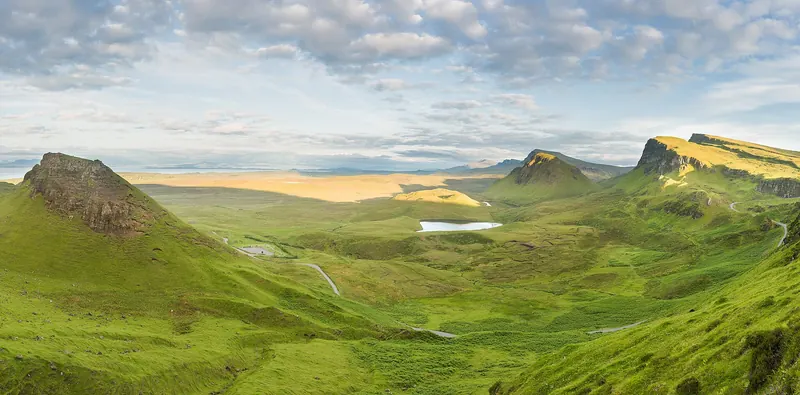
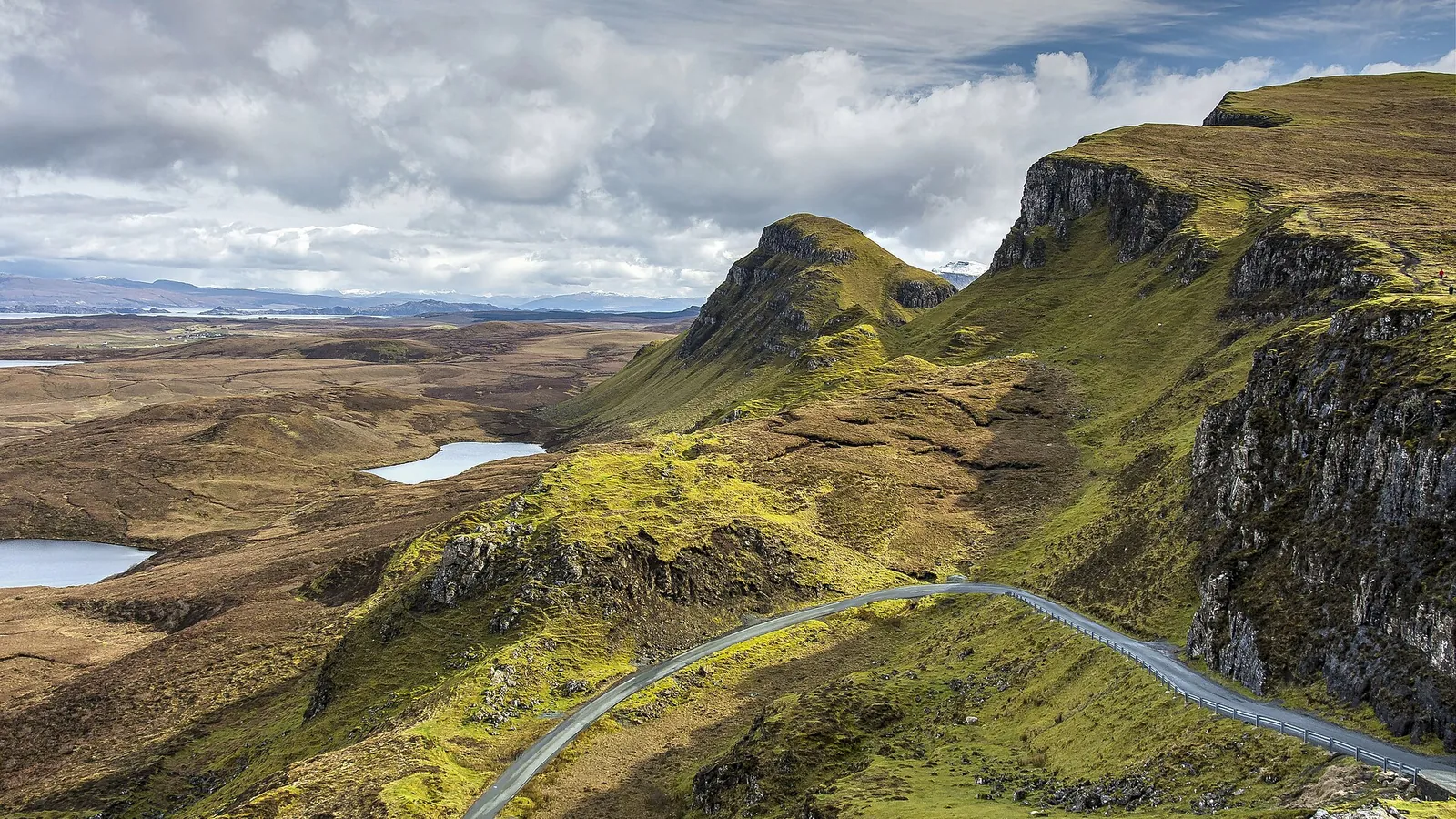
The dramatic landscape of the Quiraing on the Isle of Skye

Northern Europe

Scotland Travel Guide

A land of misty mountains, whisky distilleries and island-studded coastlines, where dramatic history sits behind almost every castle wall.

  • Destinations 10 hand-picked
  • Best time May, June and September for the best balance of weather and fewer crowds
  • Ideal trip 9–12 days for a first trip

Photo: MPerkowski · CC BY-SA 4.0

Why go to Scotland

Scotland is defined by its wild, dramatic landscape — jagged mountain ridges, deep lochs and a fractured western coastline scattered with islands, packed into a country smaller than most visitors expect.

That compactness hides real variety, from Glasgow's Victorian grandeur and St Andrews' golfing history to the Highlands' vast, empty glens and Orkney's Neolithic stone circles, older than Stonehenge and the Egyptian pyramids.

It's also a country built around whisky, history and a fierce sense of place — Speyside's distilleries, Stirling's battlefields and the Highland clearances all shape a national identity that feels distinct at every turn from its larger neighbour to the south.

Where to go

Best Places to Visit in Scotland

Ordered roughly by how strongly we would recommend each for a first visit — though Orkney and the Hebridean islands reward a second trip just as much as a first.

CityCulture

Glasgow

Greater Glasgow

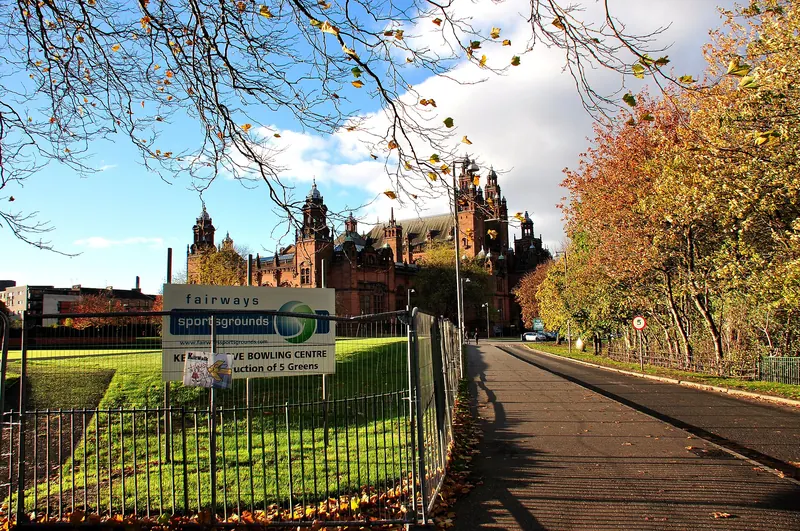
Scotland's largest city, home to world-class free museums, Victorian architecture and a legendary live music and nightlife scene.

Don't miss Wandering Kelvingrove's cathedral-like galleries, from a suspended Spitfire to a real stuffed giraffe, all free to enter.

Explore Destination — Glasgow
Nature & WildlifeScenic Drive

The Isle of Skye

Inner Hebrides

Scotland's most iconic island, home to the Old Man of Storr, the Quiraing and the Fairy Pools, and some of the country's most dramatic Highland scenery.

Don't miss Standing beneath the Old Man of Storr's jagged pinnacle as low cloud drifts across the ridge above, one of Scotland's defining views.

Explore Destination — The Isle of Skye
HistoryNature & Wildlife

Loch Ness & Inverness

The Highlands

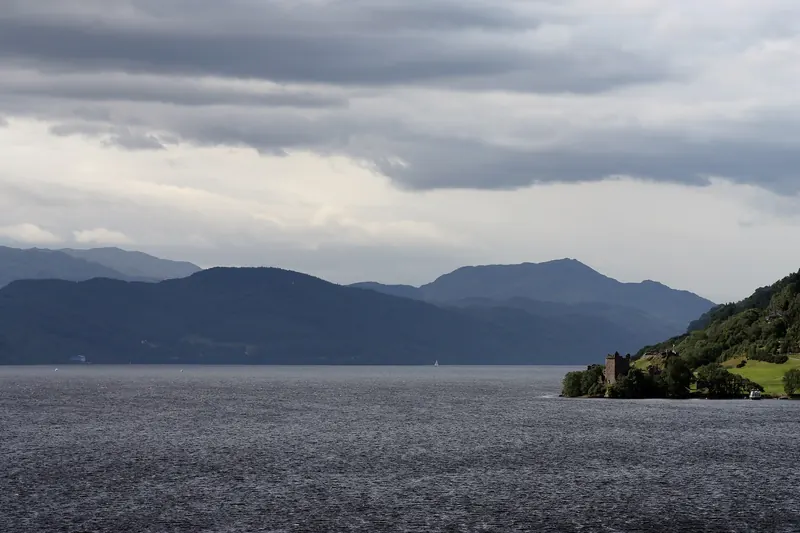
Scotland's most famous loch, Urquhart Castle's dramatic ruins, and Inverness, the compact Highland capital, alongside the pivotal battlefield at Culloden.

Don't miss Standing in the ruins of Urquhart Castle as a sudden gap in the cloud lights up the full length of Loch Ness below.

Explore Destination — Loch Ness & Inverness
HistoryCulture

St Andrews

Fife

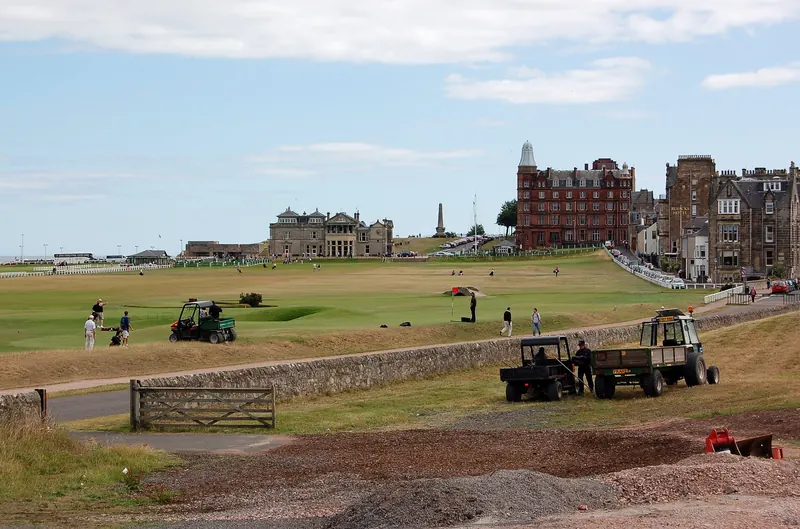
The home of golf and one of Scotland's oldest universities, a small coastal town of medieval ruins, the Old Course and windswept beaches.

Don't miss Watching golfers cross the Swilcan Bridge on the Old Course, the same stone crossing photographed by generations of the sport's greatest players.

Explore Destination — St Andrews
HistoryCastle

Stirling

Central Scotland

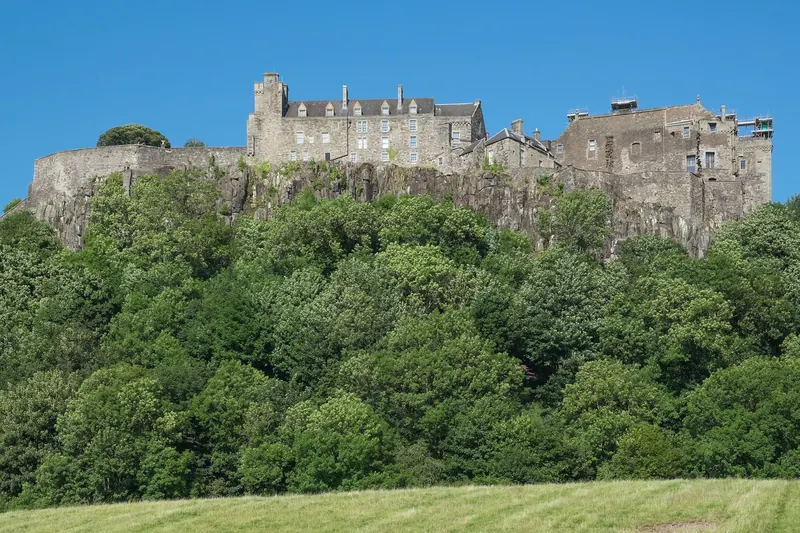
A compact city central to Scottish history, home to Stirling Castle, the Wallace Monument and the battlefields of Bannockburn and Stirling Bridge.

Don't miss Standing on Stirling Castle's esplanade as the view opens across the plain where Bruce and Wallace both changed the course of Scottish history.

Explore Destination — Stirling
IslandNature & Wildlife

Mull, Iona & Staffa

Inner Hebrides

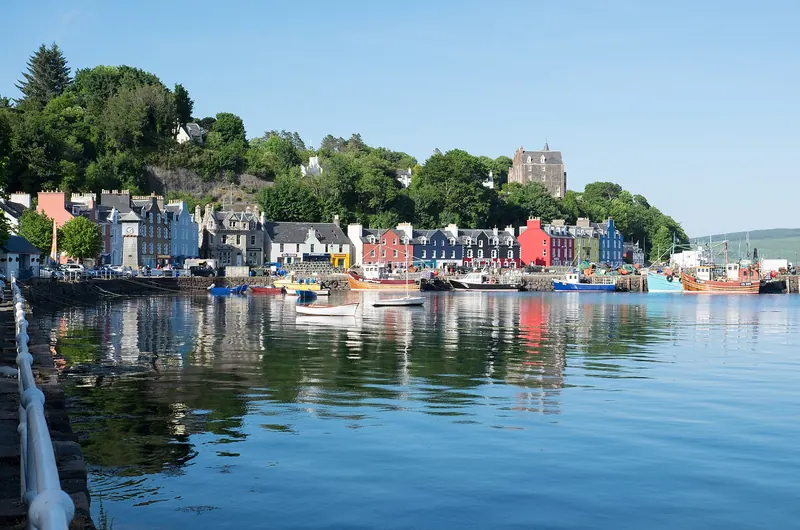
A trio of Hebridean islands: Mull's colourful Tobermory harbour, Iona's ancient abbey, and Staffa's extraordinary basalt sea cave.

Don't miss Stepping inside Fingal's Cave on Staffa, its perfectly hexagonal basalt columns and deep, echoing swell unlike anywhere else on Earth.

Explore Destination — Mull, Iona & Staffa
HistoryIsland

The Orkney Islands

Northern Isles

A remote northern archipelago home to Skara Brae, the Ring of Brodgar and some of the best-preserved Neolithic sites anywhere in the world.

Don't miss Standing inside Skara Brae's stone houses, more complete and intact than most homes I've seen from centuries far more recent.

Explore Destination — The Orkney Islands
WhiskyFood Drink

Speyside

Moray

Scotland's whisky heartland, home to the highest concentration of distilleries anywhere in the country, strung along the scenic River Spey.

Don't miss Standing in Glenfiddich's original stillhouse as a distiller explains a process barely changed since the distillery's founding in 1886.

Explore Destination — Speyside

Browse all 510 destinations

Experiences

Best things to do in Scotland

The experiences that recur across the country and that make a Scotland trip feel like more than a checklist of castles.

  1. A signpost on Speyside's Malt Whisky Trail

    Tour a whisky distillery

    Essential in Speyside, where a dense concentration of distilleries offers tours and tastings across every whisky style.

    Tip Book ahead for the more famous distilleries — smaller, lesser-known ones often give a more personal tour.

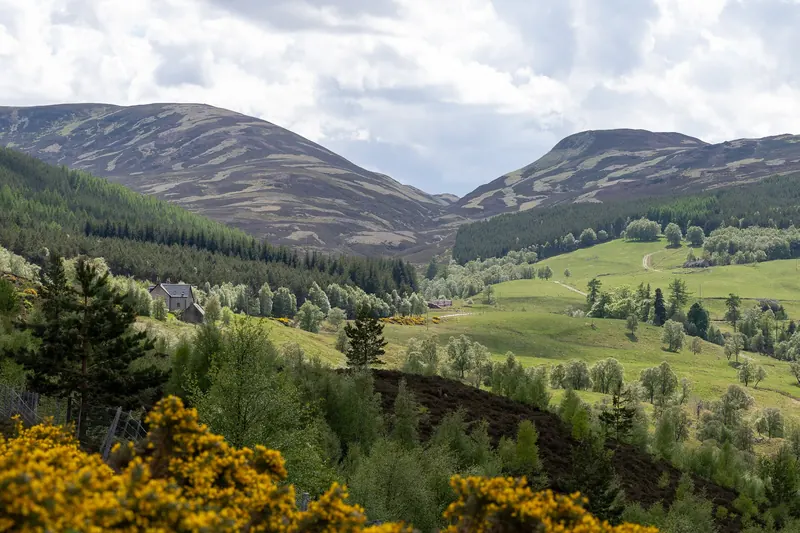
  2. A hiking trail through the Cairngorms in the Scottish Highlands

    Hike a Highland glen

    Some of Europe's finest hiking, from gentle glen walks to serious Munro-bagging across the Cairngorms and beyond.

    Tip Pack proper waterproofs regardless of forecast — Highland weather changes with real speed.

  3. Stirling Castle overlooking the Scottish countryside

    Visit a castle steeped in history

    Everywhere, from grand royal residences to ruined clifftop fortresses, each with a real story behind it.

    Tip Smaller, less-visited ruins often let you explore with far more freedom than the major sites.

  4. Loch Ness and Urquhart Castle in the Scottish Highlands

    Search for the Loch Ness Monster

    An essential bit of fun, scanning Scotland's most famous loch from the ruins of Urquhart Castle.

    Tip A boat cruise gets you out onto the water itself, monster or not.

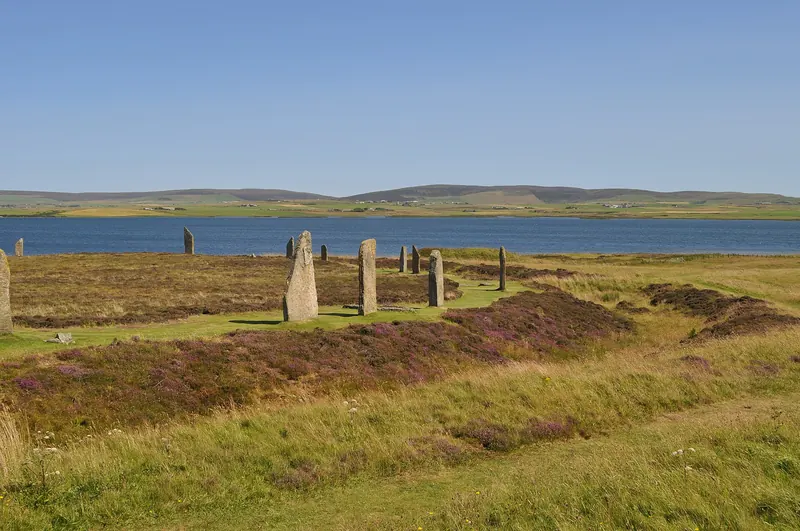
  5. The Ring of Brodgar stone circle on Orkney

    Explore ancient stone circles

    Orkney holds one of the world's densest concentrations of Neolithic monuments, older than Stonehenge itself.

    Tip Visit early or late in the day for the stones without other visitors in every photo.

  6. The colourful harbour of Tobermory on the Isle of Mull

    Island-hop the Hebrides

    Rewarding for visitors with extra time, ferries linking Skye, Mull, Iona and dozens of smaller islands.

    Tip Book ferry crossings ahead in summer — popular routes fill up fast.

Food and drink

Scotland foods to try

Scottish food's hearty reputation abroad rarely does justice to excellent seafood, game and a serious whisky tradition.

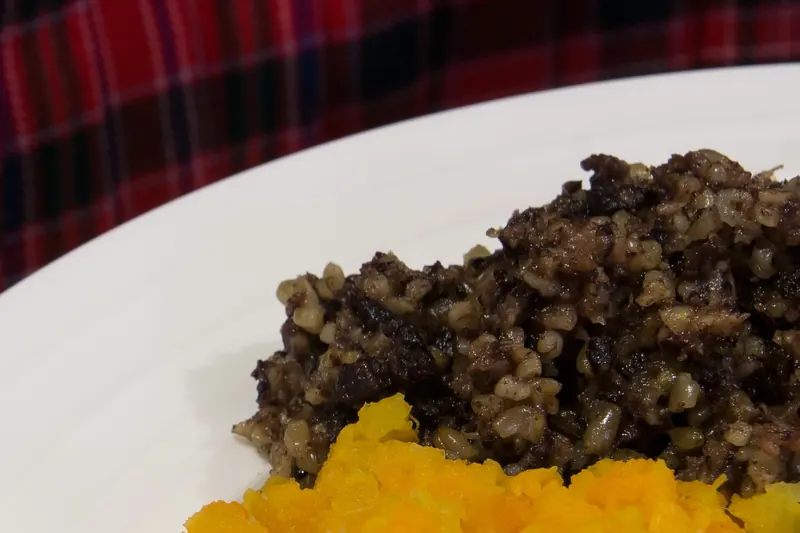
  • Haggis served with neeps and tatties, Scotland's national dish

    Haggis, neeps and tatties

    Scotland's national dish, a savoury sheep's pudding served traditionally with mashed swede and potato.

    Where to try it Traditional restaurants and pubs nationwide.

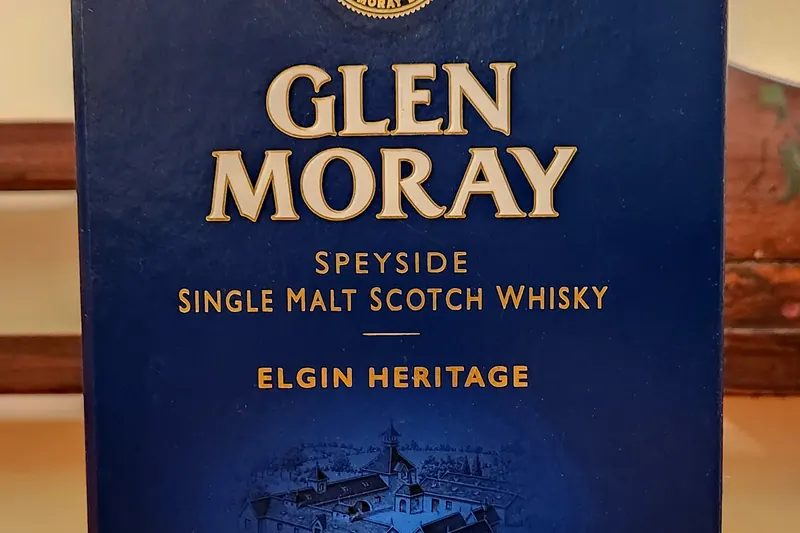
  • A bottle of single malt Scotch whisky

    Scotch whisky

    World-famous, with distinct regional styles from the peaty islands to Speyside's smoother single malts.

    Where to try it Distilleries and pubs nationwide, especially throughout Speyside.

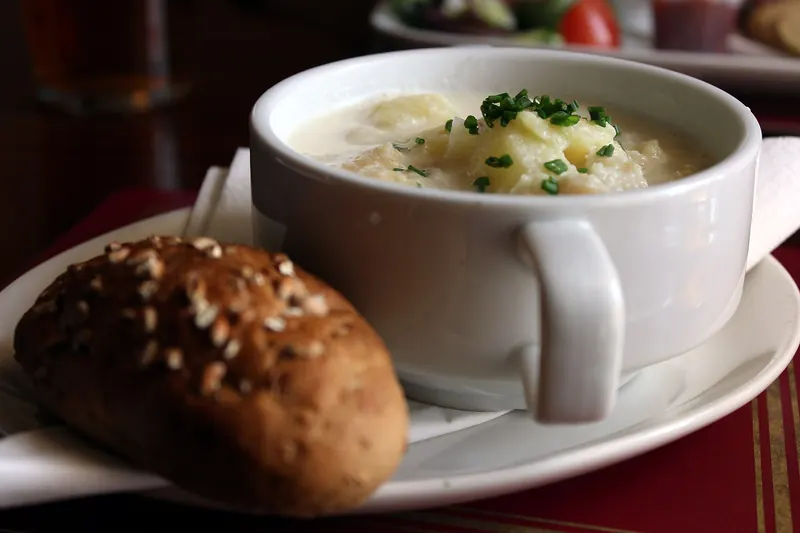
  • Cullen skink, a traditional Scottish smoked haddock soup

    Cullen skink

    A rich, smoky soup of smoked haddock, potato and onion, named for the fishing town where it originates.

    Where to try it Traditional restaurants nationwide, especially along the northeast coast.

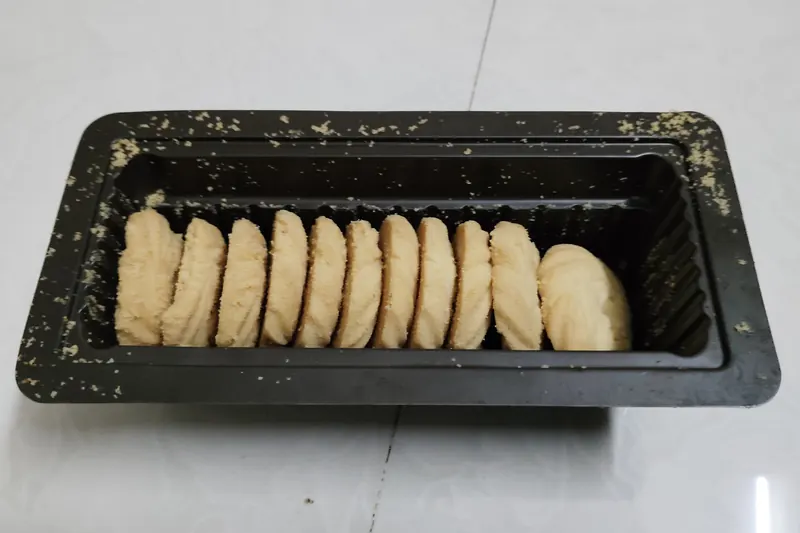
  • Traditional Scottish shortbread biscuits

    Scottish shortbread

    A beloved national treat, a simple, buttery biscuit found everywhere from bakeries to souvenir tins.

    Where to try it Bakeries and cafés nationwide.

  • An Arbroath smokie, a traditional smoked haddock

    Arbroath smokie

    A distinctive smoked haddock, hot-smoked whole in the small fishing town of Arbroath by a method centuries old.

    Where to try it Fishmongers and restaurants along the northeast coast.

  • Scottish salmon

    Among the best in the world, whether smoked, cured or simply grilled fresh from Scotland's lochs and coastal waters.

    Where to try it Restaurants and fishmongers nationwide.

Before you go

Practical travel information for Scotland

The essentials, current for 2026. Scotland is straightforward to travel in, with unpredictable Highland weather and rural driving distances the two practicalities that most often catch visitors out.

Capital
Edinburgh
Language
English nationally, with Scottish Gaelic still spoken in parts of the Highlands and Western Isles.
Currency
Pound sterling (£), including distinct Scottish banknotes issued by Scottish banks
Cards and cash
Card-first nearly everywhere, including small shops and rural pubs.
Entry and visas
Visa-free entry for up to six months for many nationalities including the US, Canada, Australia and EU citizens, under UK entry rules.
Power sockets
Type G (three-pin), 230 V, 50 Hz.
Emergency number
999 or 112 for police, ambulance and fire, nationwide.
Tipping
Not obligatory — 10% for good restaurant service is appreciated, and rounding up is common in pubs and cafés.
Safety
Very safe overall, with low rates of violent crime. Hazardous Highland weather and remote driving distances are the real practical risks.
Internet and SIM
Excellent 4G and 5G coverage in cities and towns, patchy in remote Highland glens and the islands.
Time zone
Greenwich Mean Time (UTC+0), British Summer Time (UTC+1) late March to late October.

Daily budget guide (per person)

Backpacker
£55–85 per day — hostels, self-catering, buses
Mid-range
£110–190 per day — guesthouses, restaurant meals, a rental car
Comfortable
£230–380 per day — hotels, distillery tours, private drivers
Island ferry supplement
Add for any Hebridean or Orkney island-hopping

Excludes international flights. Figures are typical rather than absolute — cities and peak season run higher.
When to go

Best time to visit Scotland

Scotland is a year-round destination, but its notoriously changeable weather makes shoulder season the sweet spot for most visitors.

  • Late spring (May–June)

    Best time

    The best odds of dry, mild weather with long daylight hours and fewer midges than midsummer.

  • Summer (July–August)

    Good

    The warmest and busiest season, with the longest days, though also peak midge season in the Highlands.

  • Early autumn (September)

    Good

    A quieter window with often mild weather and the landscape beginning to turn.

  • Winter (November–February)

    Good

    Short days and frequent storms, though atmospheric, with cosy pubs and a real chance of Highland snow.

Worth planning around: Underestimating midges in the Highlands during summer — a serious nuisance on still, warm evenings from June to August.

Trip length

How long to spend in Scotland

Scotland's compact size makes a satisfying Highlands loop possible in under two weeks, without the rushed feeling of a much larger country.

  • 3–4 days

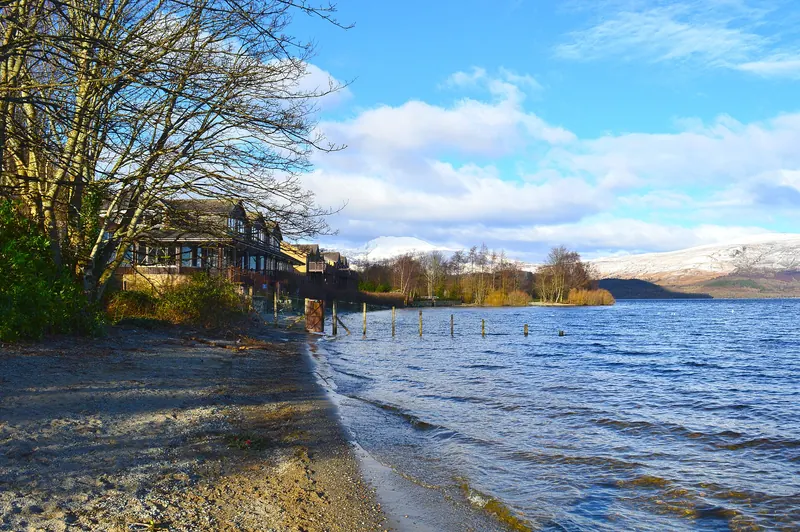
    Glasgow alone, or Glasgow with a day trip to Stirling or Loch Lomond.

    Enough for the city's major sights at a relaxed pace.

  • 5–7 days

    Glasgow plus a loop through Loch Lomond, the Highlands and Loch Ness.

    A solid taste of both the city and the Highlands.

  • 9–12 days

    The itinerary on this page: a full loop from Glasgow through Skye, the Highlands and Speyside.

    A complete first look at Scotland's classic highlights.

  • 2 weeks or more

    Add Orkney, Mull and Iona in full, all worth dedicated time rather than a rushed detour.

    The northern isles and inner Hebrides are where a second Scotland trip belongs.

Getting around

Transportation in Scotland

A mix of rental car, train and ferry is the standard way to see Scotland — the Highlands and islands make any single mode of transport insufficient alone.

  • Rental car

    Essential for reaching Skye, the Cairngorms and Speyside at a flexible pace.

    Single-track roads with passing places are common in the Highlands and islands.

  • Intercity trains

    Comfortable and scenic between Glasgow, Stirling and Inverness.

    The West Highland Line is considered one of the world's great scenic rail journeys.

  • Domestic and Hebridean ferries

    Essential for reaching Skye, Mull and Iona and Orkney.

    CalMac and NorthLink run the main networks, both bookable well ahead in summer.

  • Intercity buses

    Reach nearly everywhere the trains don't, including smaller Highland towns.

    A practical, budget-friendly alternative to renting a car for a city-focused trip.

  • Domestic flights

    Useful for reaching Orkney or the Hebrides quickly on a time-limited trip.

    Rarely necessary given Scotland's compact size, but a real time-saver for the islands.

Sample route

Nine days in Scotland

A classic loop from Glasgow up through the Highlands to Skye, looping back via Loch Ness, the Cairngorms and Speyside. Covers seven of the ten destinations in this guide.

  1. Day1

    Arrive in Glasgow

    • Morning Land in Glasgow and check in to your hotel.
    • Afternoon Explore the city centre and George Square.
    • Evening Dinner in the West End.
  2. Day2

    Glasgow's sights

    • Morning Kelvingrove Art Gallery and Museum.
    • Afternoon Glasgow Cathedral and the Necropolis.
    • Evening A final Glasgow dinner before travelling on.
  3. Day3

    Loch Lomond and into the Highlands

    • Morning Drive north via Loch Lomond and the Trossachs.
    • Afternoon Continue toward Skye through the Highlands.
    • Evening Overnight on or near the Isle of Skye.
  4. Day4

    The Isle of Skye

    • Morning The Old Man of Storr and the Quiraing.
    • Afternoon The Fairy Pools and Portree.
    • Evening Dinner in Portree.
  5. Day5

    On to Loch Ness

    • Morning Drive south to Loch Ness.
    • Afternoon Urquhart Castle and a loch cruise.
    • Evening Dinner in Inverness.
  6. Day6

    Inverness and the Cairngorms

    • Morning Explore Inverness Castle and the old town.
    • Afternoon Drive into the Cairngorms National Park.
    • Evening Overnight near Aviemore.
  7. Day7

    The Cairngorms

    • Morning Hike a trail in the Cairngorms.
    • Afternoon Continue exploring the park's lochs and glens.
    • Evening Dinner near the park.
  8. Day8

    Speyside whisky country

    • Morning Drive to Speyside and tour a distillery.
    • Afternoon A second distillery or the Malt Whisky Trail.
    • Evening Dinner in Dufftown or Aberlour.
  9. Day9

    Stirling and departure

    • Morning Drive to Stirling Castle.
    • Afternoon The Wallace Monument, then on to Glasgow.
    • Evening Depart from Glasgow.

Culture

Culture and etiquette in Scotland

Scottish culture is shaped by a genuine closeness to the land, real pride in a distinct history and identity, and a warmth toward visitors expressed through hospitality rather than formality.

  • Buying rounds is a pub tradition

    In a group, it's customary to take turns buying a round of drinks for everyone present.

  • Scots are proud of their distinct identity

    Avoid conflating Scotland with England — the distinction matters here.

  • Small talk with strangers is welcomed

    Chatting in a pub queue or on a bus is completely normal and often expected.

  • Respect the outdoors and 'right to roam'

    Scotland's generous access laws come with real responsibility to leave no trace.

  • Tipping is modest

    Around 10% at restaurants is generous; it's not expected in pubs for a round of drinks.

  • Book ahead in summer, without exception

    Accommodation and popular Highland routes sell out months ahead across the peak June–August season.

Do

  • Join in if invited to buy a round at the pub — it's how the tradition works.
  • Book accommodation and any ferry crossings well ahead for a summer trip.
  • Check road conditions before any Highland or island drive, especially outside summer.
  • Bring midge repellent for the Highlands in summer — a real nuisance on still evenings.

Don't

  • Don't refer to Scotland as part of England — it's its own distinct country within the UK.
  • Don't leave litter on hiking trails — Scotland's 'right to roam' comes with real responsibility.
  • Don't ignore posted warnings on Highland trails — sudden weather is a genuine, serious hazard.
  • Don't attempt single-track Highland roads without understanding passing-place etiquette.

Travel tips

Scotland travel tips

The things that most often go wrong on a Scotland trip, in rough order of how much they cost people.

  • Book your rental car, accommodation and any ferry crossings well ahead for summer travel.
  • Check road conditions before any Highland or island drive, especially outside summer.
  • Pack proper waterproofs and midge repellent regardless of forecast.
  • Learn single-track road and passing-place etiquette before driving in the Highlands or islands.
  • Never approach cliff edges on Skye or elsewhere without care — sudden gusts are dangerous.
  • Budget extra time for Highland and island drives — distances take longer than the map suggests.
  • Book distillery tours ahead in Speyside during peak summer months.
  • Bring cash as a backup for small rural pubs and shops, even though cards are widely accepted.

FAQ

Visiting Scotland: frequently asked questions

How many days do you need in Scotland?

Nine to twelve days covers Glasgow, the Highlands and Skye comfortably, which is the itinerary on this page. Four to five days is enough for Glasgow and one nearby region, and still worthwhile.

What is the best time of year to visit Scotland?

May, June and September offer the best balance of mild weather, thinner crowds and fewer midges than peak summer.

Do you need a car in Scotland?

For the Highlands and islands, yes — a rental car is the standard way most visitors see Skye, the Cairngorms and Speyside. Trains and buses cover the main towns well without one.

Is Scotland expensive?

Moderately, on the higher side for the UK — mid-range travel runs about £110–190 per person per day. Self-catering and guesthouses help keep costs down.

Is Scotland part of England?

No, not — Scotland is its own country within the United Kingdom, with a distinct legal system, culture and identity.

Is Scotland safe to visit?

Yes, very safe, with low rates of violent crime. The real risks are environmental — Highland weather, remote roads and midges — treated with genuine respect by visitors and locals alike.

Ready to plan your Scotland trip?

The full travel guide covers routes, budgets, regional differences and how to string these ten destinations into a trip that actually works.

Read the Scotland travel guide

Advertisement