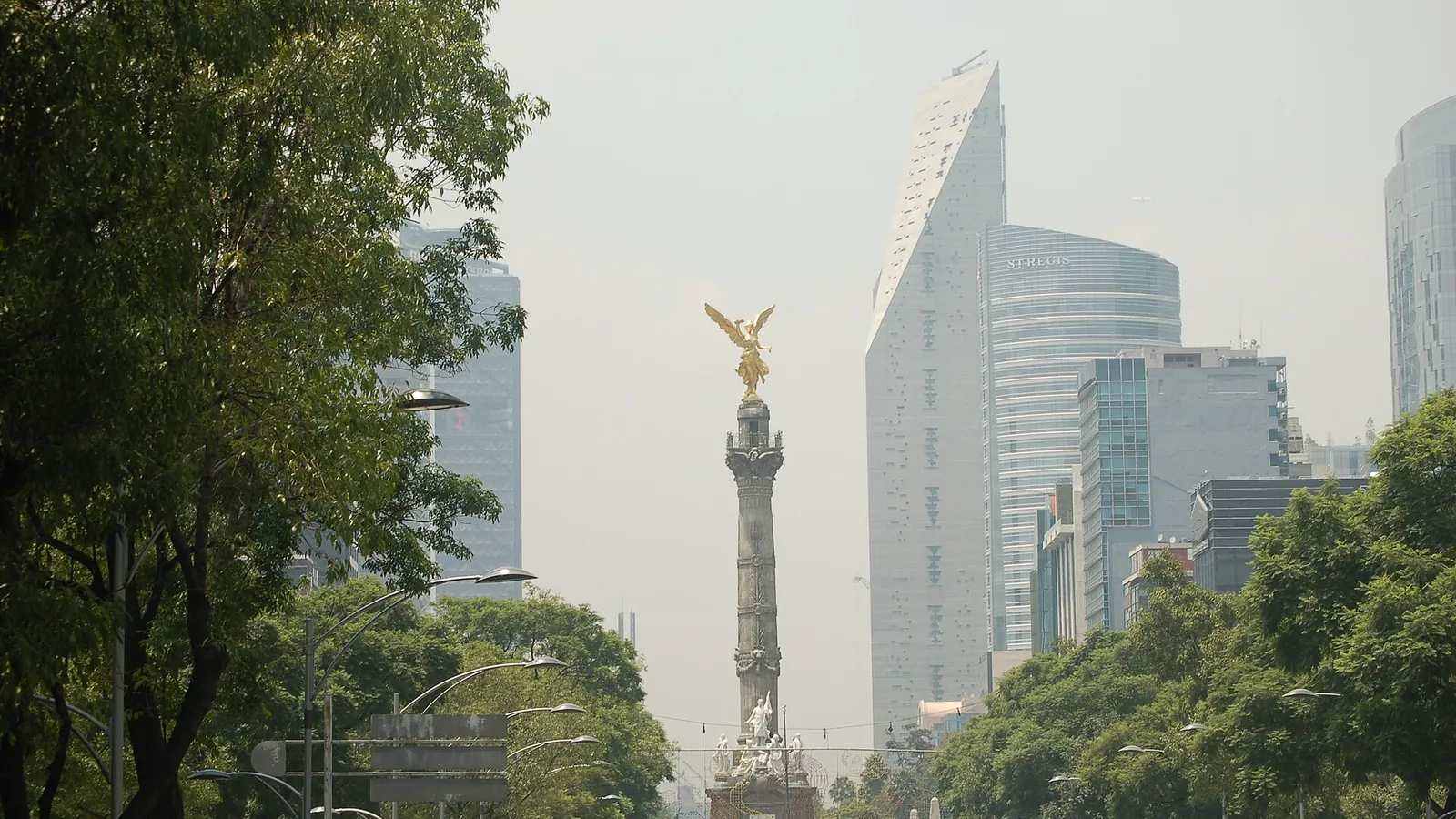
The golden Angel of Independence column on Paseo de la Reforma in Mexico City

North America

Mexico Travel Guide

Aztec and Maya pyramids, silver-boom colonial cities, a food culture recognised by UNESCO and Caribbean beaches — in a country large enough to need two weeks and generous enough to reward twelve.

  • Destinations 10 hand-picked
  • Best time November–April
  • Ideal trip 10–16 days for a first trip

Photo: Jpesch95 · CC BY-SA 4.0

Why go to Mexico

Mexico is nearly two million square kilometres, and it holds several countries' worth of variety: Aztec Tenochtitlán buried under one of the largest cities on Earth, the pyramids of Teotihuacán and the Maya cities of the Yucatán, silver-boom colonial towns in the central highlands, cloud forest and jungle in the south, and coastlines on the Pacific, the Gulf and the Caribbean. It was the heart of Mesoamerica for three thousand years and the centre of New Spain for three hundred, and both layers are visible everywhere.

It is also a food country to a degree few others are. Mexican cuisine is on UNESCO's list of intangible heritage, and it varies sharply by region: the moles and mezcal of Oaxaca, the cochinita pibil of the Yucatán, the tacos al pastor of Mexico City, the birria of Jalisco and the chiles en nogada of Puebla. Markets, street stalls and family restaurants are as good a reason to travel here as any monument.

Practically, Mexico is easier than its reputation. Long-distance buses are excellent, domestic flights are cheap, and the main tourist routes are well developed. The country is also large and uneven, and safety varies a great deal by state, so read your government's current advice for each region you plan to visit and use the same common sense you would in any big country.

Where to go

Best Places to Visit in Mexico

Ordered roughly by how strongly we would recommend each for a first visit. Mexico is very large — Mexico City to Cancún is over 1,700 km — so most trips combine two or three regions using domestic flights or long-distance buses.

Capital CityMajor City

Mexico City

Ciudad de México, central Mexico

One of the great cities of the world: Aztec ruins beside a baroque cathedral, Frida Kahlo's house, leafy Roma and Condesa, and a food scene that runs from street stalls to global fine dining.

Don't miss The National Museum of Anthropology and, after it, a plate of tacos al pastor at midnight.

Explore Destination — Mexico City
UNESCO SiteFood & Wine

Oaxaca

Oaxaca State, southern Mexico

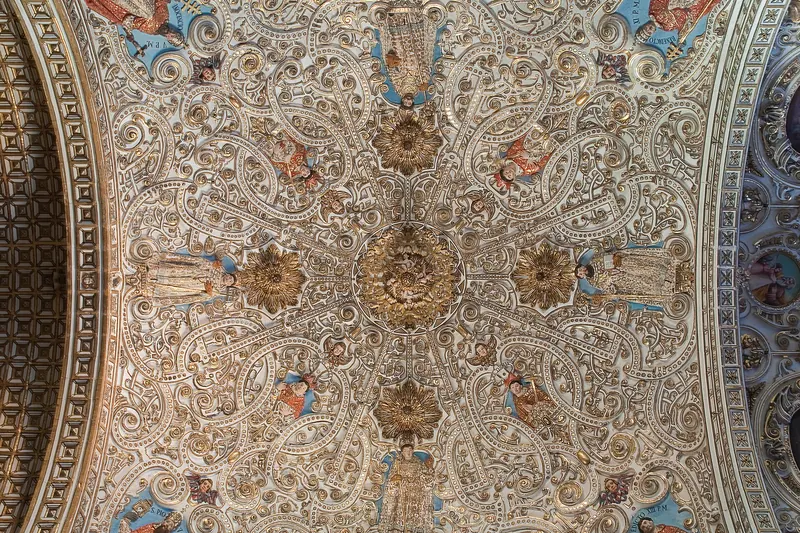
A colourful colonial city in the Sierra Madre del Sur, the heart of Zapotec and Mixtec culture, with the country's best food, mezcal and handicrafts, and ruins and craft villages in the valleys around it.

Don't miss Monte Albán at opening, then mole and mezcal in the old city that evening.

Explore Destination — Oaxaca
UNESCO SiteArchaeology

Mérida & Chichén Itzá

Yucatán State, Yucatán Peninsula

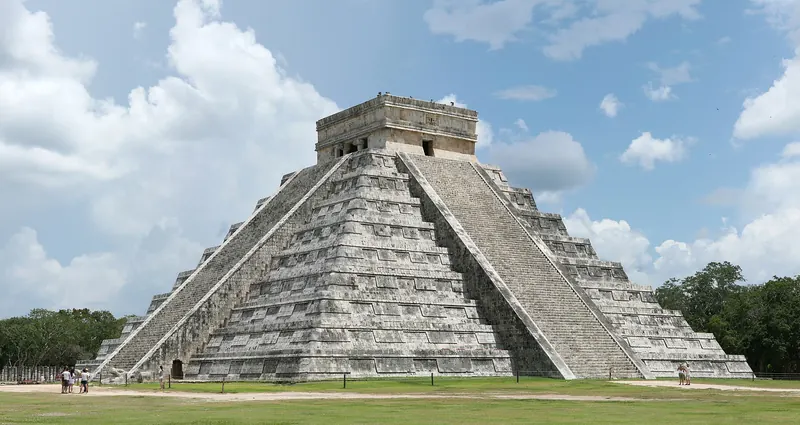
Yucatán's cultural centre, with the New Wonder of Chichén Itzá, the Puuc ruins of Uxmal, Valladolid's convents and cenotes, and Mérida, a graceful colonial city with the best food on the peninsula.

Don't miss El Castillo at Chichén Itzá at opening, and a swim in a cenote before lunch.

Explore Destination — Mérida & Chichén Itzá
Coast & BeachesArchaeology

Tulum & the Riviera Maya

Quintana Roo, Caribbean coast

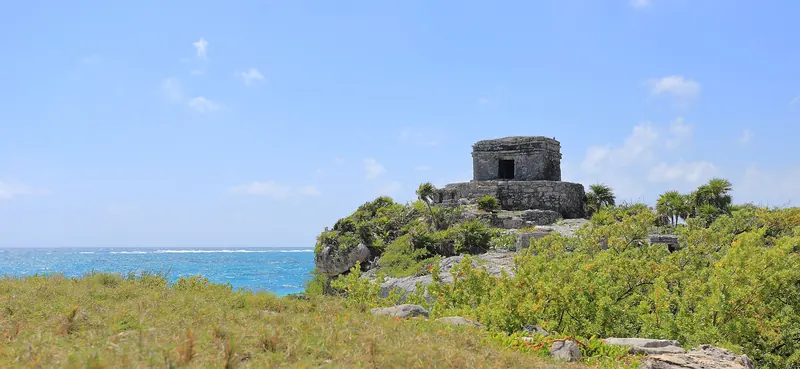
Mexico's Caribbean coast south of Cancún: Tulum's cliff-top Maya ruins and beach, Cobá's jungle pyramid, swimmable cenotes, snorkelling with turtles and laid-back beach towns.

Don't miss The Tulum ruins above the sea in the early morning, followed by a swim in a jungle cenote.

Explore Destination — Tulum & the Riviera Maya
UNESCO SiteHistoric Site

Guanajuato

Guanajuato State, Bajío highlands

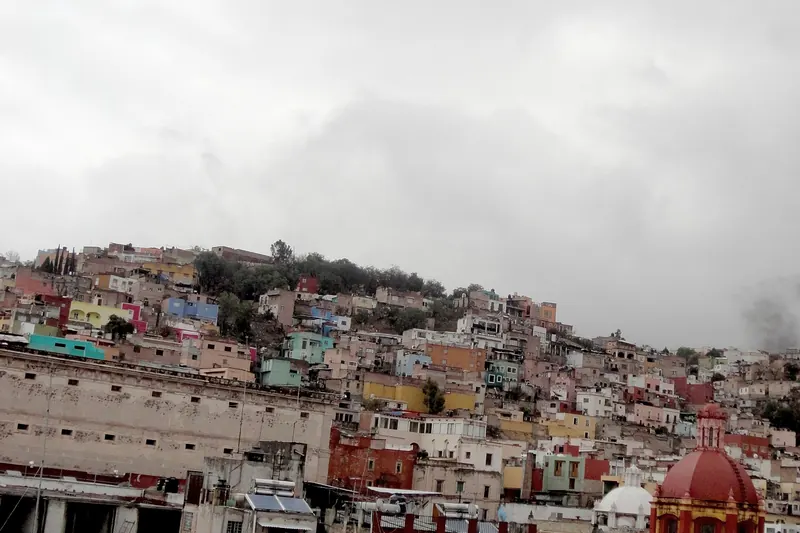
A UNESCO-listed colonial city in a ravine, with baroque churches, winding alleys, underground tunnels, the Diego Rivera birthplace museum and a lively university atmosphere.

Don't miss The Callejón del Beso and the Pípila viewpoint, at dusk, as the hillside lights come on.

Explore Destination — Guanajuato
UNESCO SiteCulture & Arts

San Miguel de Allende

Guanajuato State, Bajío highlands

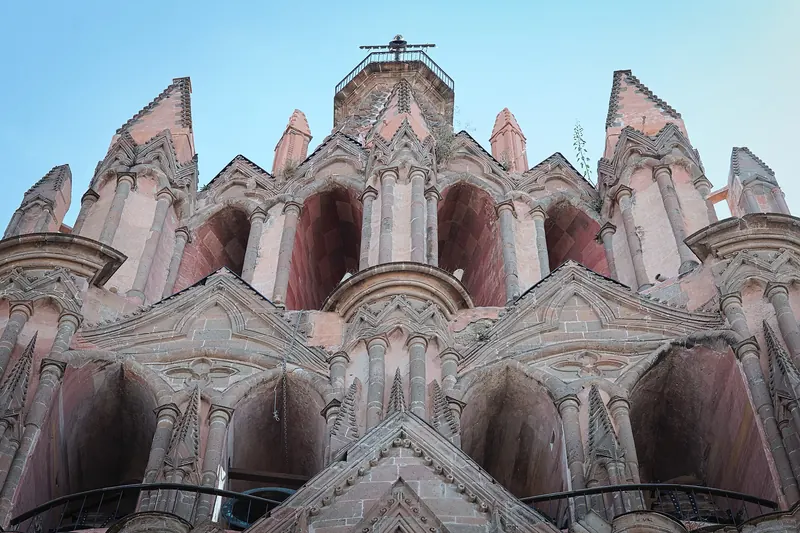
A UNESCO-listed highland town of baroque churches, bougainvillea and galleries, with a big expatriate community, excellent restaurants and hot springs nearby.

Don't miss The pink spires of the Parroquia at sunset, from a rooftop bar on the Jardín.

Explore Destination — San Miguel de Allende
UNESCO SiteArchaeology

Teotihuacán

State of Mexico, 50 km north-east of Mexico City

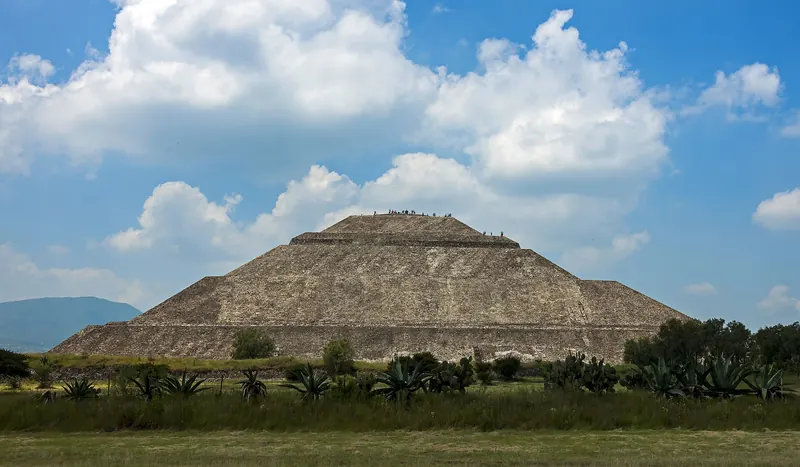
One of the largest cities of the ancient Americas, with the third-largest pyramid in the world, murals, a citadel and a two-kilometre ceremonial avenue, an hour from Mexico City.

Don't miss Climbing the Pyramid of the Sun or walking the Avenue of the Dead at opening, when the site is quiet and the light is low.

Explore Destination — Teotihuacán
UNESCO SiteHistoric Site

Puebla & Cholula

Puebla State, central highlands

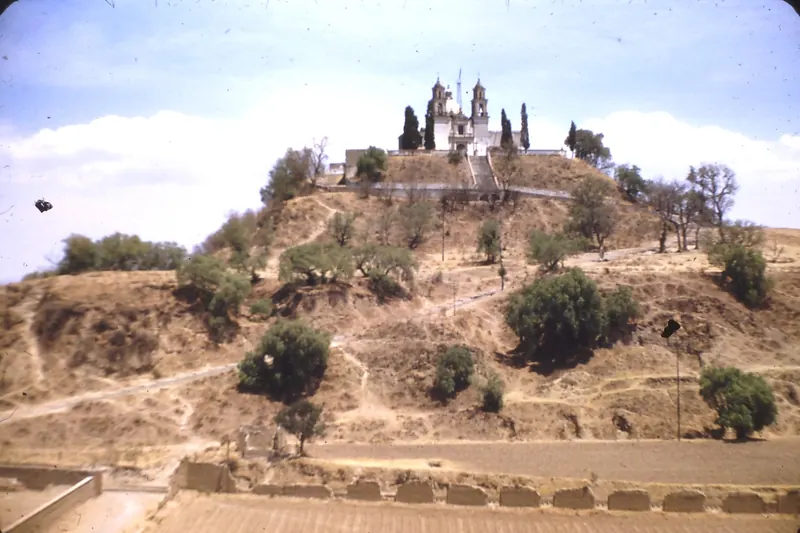
A UNESCO-listed colonial city of tiled facades, cathedrals and convent kitchens, with the giant pyramid of Cholula, volcanoes and one of Mexico's great cuisines, two hours from the capital.

Don't miss Sunset from the church on the Great Pyramid of Cholula, with the volcanoes Popocatépetl and Iztaccíhuatl on the horizon.

Explore Destination — Puebla & Cholula
Major CityUNESCO Site

Guadalajara & Tequila

Jalisco State, western Mexico

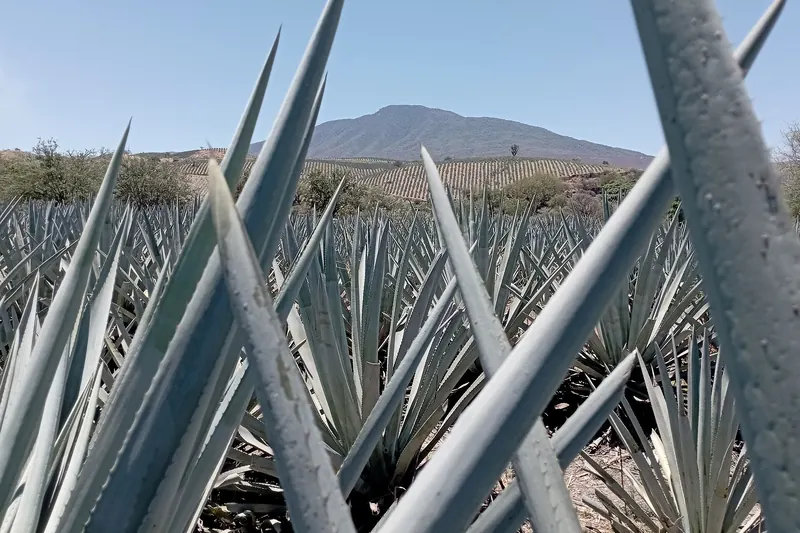
A confident, cultured city of plazas, murals and street food, with a UNESCO-listed hospice, the birthplace of tequila and mariachi, and a day trip through agave landscape.

Don't miss A tequila distillery tour in the agave fields, followed by birria and mariachi in Guadalajara that night.

Explore Destination — Guadalajara & Tequila
UNESCO SiteArchaeology

Chiapas: Palenque & San Cristóbal

Chiapas State, south-eastern Mexico

Mexico's deep south: Palenque's sculpted Maya city in the jungle, the waterfalls of Agua Azul, the Sumidero Canyon and San Cristóbal de las Casas, a colourful highland town with living Tzotzil and Tzeltal Maya culture.

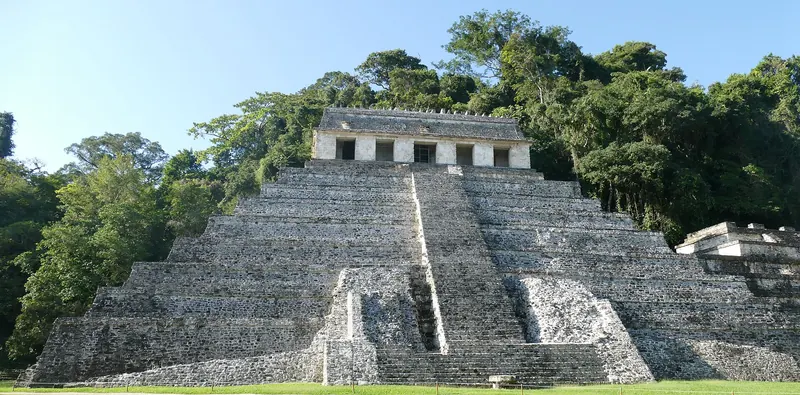
Don't miss The Temple of the Inscriptions rising out of the rainforest at Palenque, with howler monkeys calling in the mist.

Explore Destination — Chiapas: Palenque & San Cristóbal

Browse all 510 destinations

Experiences

Best things to do in Mexico

The experiences that recur wherever you go and that make a Mexican trip feel like one.

  1. The Pyramid of the Sun at Teotihuacan seen from the path

    Climb a pyramid

    Teotihuacán, Chichén Itzá, Uxmal, Palenque and Monte Albán give you five thousand years of Mesoamerican architecture, and some still let you climb. See Teotihuacán and Chichén Itzá.

    Tip Arrive at opening. The sun is punishing by midday and the tour buses arrive by ten.

  2. Eat at the markets

    Every city has a central market where a plate of tlacoyos, tamales or a bowl of pozole costs a couple of dollars, and where you can see ingredients — dozens of chiles, mole pastes, tropical fruit — that never reach supermarkets.

    Tip Look for stalls with a queue of locals and go before 14:00.

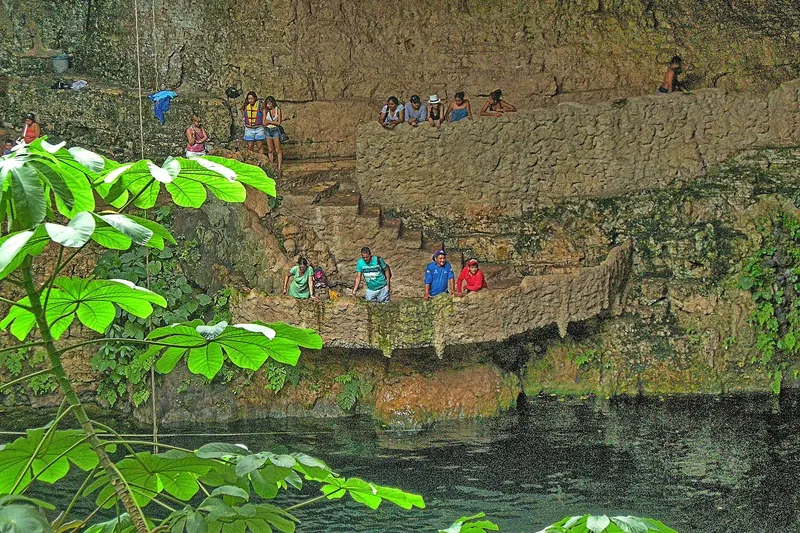
  3. Swimmers in Cenote Zací, a limestone sinkhole in Valladolid, Yucatán

    Swim in a cenote

    The Yucatán's limestone is riddled with sinkholes filled with clear, cool groundwater that the Maya considered sacred and that today are the best swimming in the region. See Tulum and Mérida.

    Tip Rinse off before you swim, and use biodegradable sunscreen or none.

  4. Walk a colonial city

    Guanajuato, San Miguel de Allende and Puebla have UNESCO-listed centres of baroque churches, plazas and painted houses built on silver and trade.

    Tip Stay in the centre, so that you can walk the plazas in the evening.

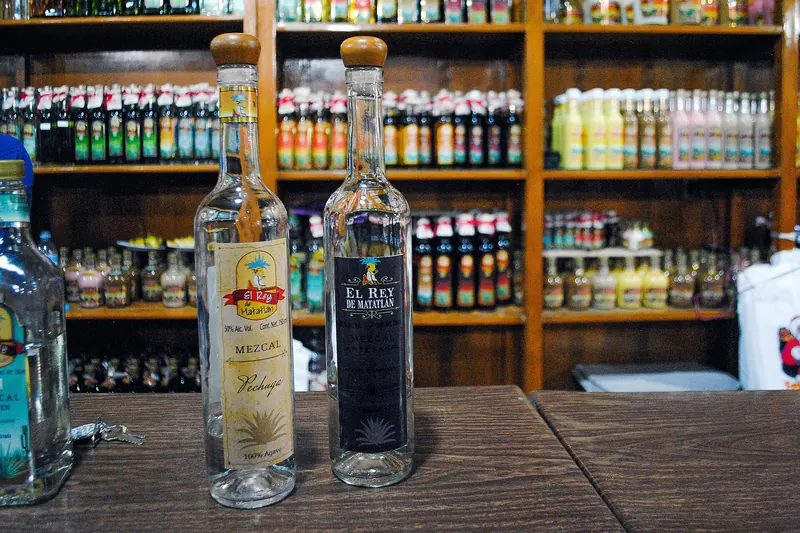
  5. Bottles of mezcal on a shelf

    Taste mezcal and tequila

    Mezcal from Oaxaca and tequila from Jalisco are distilled from agave, and visiting the producers shows the craft behind them. See Oaxaca and Tequila.

    Tip Sip it slowly, with orange slices and sal de gusano, and do not shoot it.

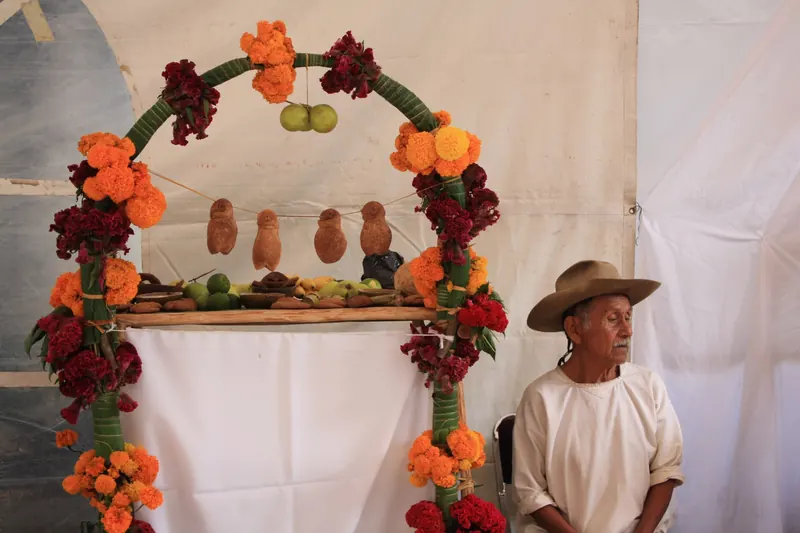
  6. A Day of the Dead altar decorated with marigolds and candles in Oaxaca

    Be there for Día de Muertos

    On 1 and 2 November, families build altars, decorate graves with marigolds and spend the night in cemeteries. It is not a Halloween party but a warm, moving celebration of the dead, and Oaxaca and Michoacán are the best places to see it.

    Tip Book accommodation months ahead, and be respectful in cemeteries.

Food and drink

Mexico foods to try

Mexican food is far more regional than the taco-and-burrito version abroad, built on corn, beans, chiles, tomatoes, squash and tropical fruit, with Spanish, African, Middle Eastern and Asian influences. Eat where the locals eat.

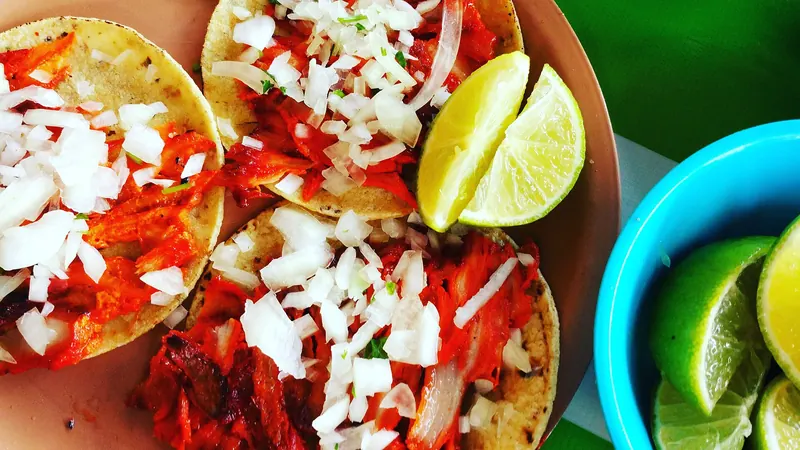
  • Tacos al pastor served on small corn tortillas

    Tacos al pastor

    Pork marinated in chiles and achiote, stacked on a vertical spit like a shawarma and shaved onto small tortillas with pineapple, onion and coriander. It is the signature taco of Mexico City and a Lebanese immigrant legacy.

    Where to try it Taquerías in Mexico City, open late and everywhere.

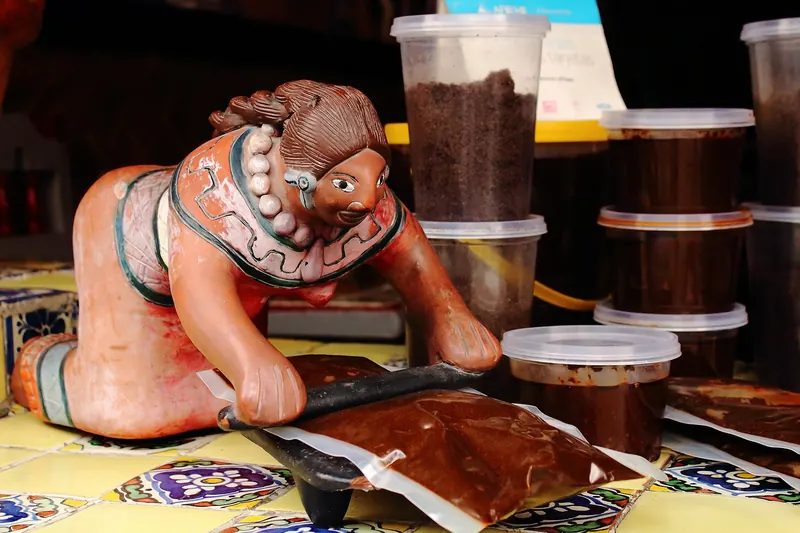
  • Chicken covered in dark mole poblano sauce with sesame seeds

    Mole

    Complex sauces of chiles, spices, seeds, chocolate and sometimes fruit, ground and simmered for hours. Oaxaca claims seven classic moles, and Puebla's mole poblano is the best known.

    Where to try it Family restaurants in Oaxaca and Puebla.

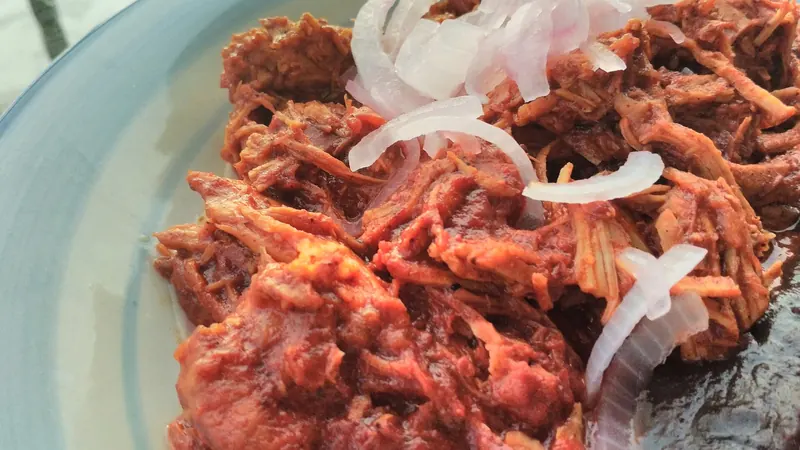
  • Cochinita pibil, pork slow-cooked in achiote, on a tortilla

    Cochinita pibil

    Pork marinated in sour orange and achiote, wrapped in banana leaves and slow-cooked in a pit oven, served in tacos with pickled red onion and habanero salsa.

    Where to try it Markets and taquerías in Mérida.

  • Tlayudas

    Huge crisp tortillas spread with beans and topped with Oaxaca string cheese, meat and salsa, grilled over charcoal. A late-night Oaxacan staple sometimes called a Mexican pizza.

    Where to try it Street stalls and markets in Oaxaca.

  • Birria and pozole

    Birria is spiced goat or beef stew from Jalisco, often served with a broth to dip tacos in; pozole is a hominy and pork soup topped with radish, lettuce and lime.

    Where to try it Restaurants in Guadalajara for birria, and everywhere for pozole.

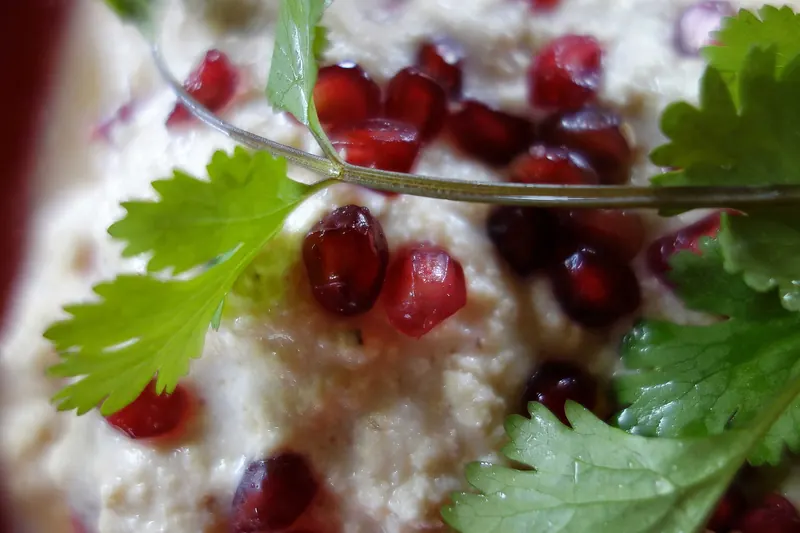
  • Poblano chiles stuffed with meat and fruit under a white walnut sauce and pomegranate seeds

    Chiles en nogada

    A seasonal dish, from July to September, of poblano chiles stuffed with meat, fruit and spices, topped with a walnut cream sauce and pomegranate seeds, in the colours of the Mexican flag.

    Where to try it Restaurants in Puebla, where it was invented.

Before you go

Practical travel information for Mexico

The essentials, current for 2026. Mexico is straightforward to travel in, though entry rules and safety advice are worth checking for your nationality and the states you plan to visit.

Capital
Mexico City
Language
Spanish. English is widely spoken in resorts and by younger people in cities, and much less so elsewhere. About 68 indigenous languages are also spoken. A few Spanish phrases go a long way.
Currency
Mexican peso (MXN, written $). Roughly 17–20 pesos to the US dollar in recent years, though it moves.
Cards and cash
Cards are widely accepted in cities and resorts, but carry pesos for markets, taxis, tips and smaller towns. ATMs inside banks are safer than street machines. Always choose to be charged in pesos, not dollars, to avoid poor conversion rates.
Entry and visas
Many nationalities, including the United States, Canada, the United Kingdom, the EU and Australia, can visit without a visa for up to 180 days as tourists, and complete a digital immigration form on entry. Rules change, so check the official Mexican government site.
Power sockets
Type A and B, 127 V, 60 Hz, the same as the United States and Canada. Bring an adapter if you come from elsewhere.
Emergency number
911 for all emergencies, nationwide.
Tipping
10–15% in restaurants (check whether service is already added), a few pesos for grocery baggers, gas station attendants and hotel porters, and 10% or so for tour guides.
Safety
Mexico is a large country and safety varies by state. Most tourist areas — Mexico City's main neighbourhoods, Oaxaca, the Yucatán Peninsula, Guanajuato and San Miguel de Allende — are visited by millions each year, and normal precautions apply. Some governments advise against all travel to certain states, particularly along the northern border and in parts of the Pacific coast, and violent crime and cartel activity are serious concerns in those regions. Check your government's advice for every state you plan to visit, use licensed taxis or ride-hailing, avoid night driving on rural roads and follow local guidance.
Internet and SIM
Good 4G and 5G in cities and resorts, patchier in mountains and the jungle. Local SIMs are cheap and eSIMs work. Wi-Fi is common in hotels and cafés.
Time zone
Mexico abolished daylight saving time in 2022. Most of the country is on UTC−6 all year, and the Yucatán Peninsula (Quintana Roo) is on UTC−5. Border cities still follow US daylight-saving.

Daily budget guide (per person)

Backpacker
US$35–60 per day — hostels, market meals, buses
Mid-range
US$90–160 per day — boutique hotels, restaurant meals, some domestic flights
Comfortable
US$180–320 per day — good hotels, private guides, taxis
Resort areas
Cancún, Tulum and Los Cabos cost considerably more than the rest of the country

Excludes international flights. Figures are typical rather than absolute — cities and peak season run higher.
When to go

Best time to visit Mexico

Mexico's dry season, from November to April, is the best time for most of the country. Summer brings heat on the coasts, humidity and afternoon rain in the highlands, and a hurricane season from June to November on both coasts.

  • Winter and early spring (December–April)

    Best time

    Dry, sunny and comfortable almost everywhere. It is the high season for the beaches and the Maya ruins, with peak prices at Christmas and Easter.

  • Late spring (May–June)

    Shoulder

    Very hot on the coasts and in the lowlands, with the rains starting in June. The central highlands are pleasant, and prices fall.

  • Summer (July–September)

    Quiet

    Rainy and green, with afternoon showers in the highlands and humid heat on the coasts. Hurricanes are most likely in August to October on the Caribbean and Pacific coasts. It is the cheapest time to travel.

  • Autumn (October–November)

    Best time

    The rains end, the countryside is green and the weather turns pleasant. Día de Muertos on 1–2 November is the cultural highlight.

Worth planning around: August to October on the Caribbean and Pacific coasts for hurricane risk, and the days around Easter and Christmas, when domestic travel, prices and crowds peak.

Trip length

How long to spend in Mexico

Mexico is too big to see in a week without an internal flight. Ten days covers two regions well, and two weeks allows three. Distances are long, but flights are cheap and buses are comfortable.

  • 5–7 days

    Mexico City with day trips to Teotihuacán and Puebla, or a week in the Yucatán and Tulum.

    A good short trip focused on one region.

  • 10–12 days

    Mexico City, Oaxaca and either the Yucatán or the colonial highlands, with two internal flights.

    The classic first-time itinerary.

  • 14–16 days

    The itinerary on this page: Mexico City, Puebla, Oaxaca, Mérida and Chichén Itzá, and Tulum.

    Covers the country's main strands: capital, colonial, indigenous and Caribbean.

  • 3 weeks or more

    Adds Guanajuato, San Miguel de Allende, Guadalajara and Chiapas, or the Copper Canyon and the Pacific coast.

    For anyone with time and an appetite for regions off the standard route.

Getting around

Transportation in Mexico

Mexico has an excellent long-distance bus network, cheap domestic flights and, in the south-east, a new tourist railway. Cities have metros, buses and ride-hailing.

  • Domestic flights

    Volaris, Viva Aerobus and Aeroméxico link Mexico City with almost every destination in this guide, often for under US$100. The sensible way to cover long distances.

    Book early, and check baggage rules on the low-cost airlines.

  • First-class buses

    ADO, ETN and other operators run comfortable, air-conditioned coaches with reclining seats and onboard toilets. Mexico City to Puebla is two hours, to Oaxaca about 6–7 hours by day and longer by night.

    Buy tickets online or at the bus terminal, and prefer daytime services.

  • Tren Maya

    A tourist railway connecting Cancún, Tulum, Mérida, Palenque and other Yucatán destinations, opened in stages from 2023.

    Check current routes and timetables, which have changed.

  • Colectivos and local buses

    Shared vans and minibuses link smaller towns and archaeological sites at very low prices, and are the local way of getting around the Yucatán and Oaxaca valleys.

    Ask locals where they leave from, and pay the driver.

  • Taxis and ride-hailing

    Uber and DiDi work in the main cities and are usually safer than street taxis. Airport taxis run on fixed fares.

    Use registered taxis, and agree the fare in advance if there is no meter.

Sample route

Two weeks in Mexico

Mexico City, Puebla, Oaxaca, the Yucatán and the Caribbean coast, using two internal flights and a bus. Covers six of the ten destinations in this guide.

  1. Day1

    Arrive in Mexico City

    • Morning Land and settle in Roma or Condesa.
    • Afternoon A first walk through the parks and streets.
    • Evening Tacos al pastor for dinner.
  2. Day2

    Mexico City: the historic centre

    • Morning The Zócalo, the cathedral and the Templo Mayor.
    • Afternoon The Palacio de Bellas Artes and Diego Rivera's murals.
    • Evening Mezcal and dinner in the centre.
  3. Day3

    Mexico City: museums and Coyoacán

    • Morning The National Museum of Anthropology.
    • Afternoon Coyoacán and the Frida Kahlo Museum.
    • Evening Xochimilco or a night in Roma.
  4. Day4

    Teotihuacán

    • Morning Early to the pyramids of the Sun and Moon.
    • Afternoon Lunch at a nearby restaurant and a return to the city.
    • Evening A quiet night.
  5. Day5

    Puebla and Cholula

    • Morning Bus to Puebla and its cathedral and zócalo.
    • Afternoon Mole poblano, then the Great Pyramid of Cholula.
    • Evening Sunset from the church on top of the pyramid.
  6. Day6

    Fly to Oaxaca

    • Morning Fly or take the bus to Oaxaca.
    • Afternoon The Zócalo and Santo Domingo church.
    • Evening Mezcal and mole in the centre.
  7. Day7

    Oaxaca: markets and ruins

    • Morning The Benito Juárez and 20 de Noviembre markets.
    • Afternoon Monte Albán.
    • Evening Tlayudas and a walk through the centre.
  8. Day8

    Oaxaca: valleys

    • Morning Mitla and Hierve el Agua, or a mezcal tasting.
    • Afternoon The Tlacolula market or a weaving village.
    • Evening A last Oaxacan dinner.
  9. Day9

    Fly to Mérida

    • Morning Fly to Mérida via Mexico City.
    • Afternoon The Plaza Grande and the cathedral.
    • Evening Cochinita pibil for dinner.
  10. Day10

    Chichén Itzá

    • Morning Early to Chichén Itzá.
    • Afternoon A swim in a cenote and lunch in Valladolid.
    • Evening Back in Mérida.
  11. Day11

    Uxmal and Mérida

    • Morning Uxmal's Pyramid of the Magician.
    • Afternoon Paseo de Montejo and the markets.
    • Evening Live music in a plaza.
  12. Day12

    To the Caribbean

    • Morning Bus or train from Mérida to Tulum.
    • Afternoon The Tulum ruins on their cliff above the sea.
    • Evening A beach dinner.
  13. Day13

    Tulum and the cenotes

    • Morning Swim in cenotes near Tulum.
    • Afternoon The beach.
    • Evening Sunset drinks and a last dinner.
  14. Day14

    Depart from Cancún

    • Morning Transfer to Cancún airport, about 2 hours.
    • Afternoon Fly home.
    • Evening Arrive home with a suitcase of mezcal and chocolate.

Culture

Culture and etiquette in Mexico

Mexico is warm, formal in its courtesies and proud of its indigenous and mestizo heritage. Family, food and fiestas matter enormously, and politeness — greetings, thanks, a bit of Spanish — goes a long way. Mexico is a devoutly Catholic country with strong indigenous traditions layered on top.

  • Greet people, and say thank you

    Say buenos días, buenas tardes or buenas noches when you enter a shop, a taxi or a restaurant, and por favor and gracias. A handshake is common, and a kiss on the cheek among friends.

  • Tipping is expected

    Service workers earn little, and tips are a large part of their income. Tip in restaurants, taxis (optional), hotels and for guides, and carry small change.

  • Dress modestly in churches

    Cover shoulders and knees in churches and cathedrals, and do not take photographs during services. In villages, dress conservatively.

  • Ask before photographing people

    Many indigenous communities dislike being photographed, and some ban it entirely. Ask first, and respect a refusal.

  • Be careful with water and street food

    Drink bottled or purified water. Street food is usually excellent, particularly at busy stalls where the food is cooked fresh in front of you.

  • Punctuality is flexible

    Social events start later than announced, but tours, buses and flights leave on time.

Do

  • Learn a few Spanish phrases and greet people
  • Tip in restaurants and for services
  • Carry small bills and coins
  • Eat where the locals eat
  • Respect churches, cemeteries and altars
  • Ask permission before photographing people

Don't

  • Don't drink tap water
  • Don't flash valuables or carry more cash than you need
  • Don't take unlicensed taxis at night
  • Don't climb or take anything from archaeological sites
  • Don't buy antiquities or products made from endangered animals
  • Don't drive at night on rural roads

Travel tips

Mexico travel tips

The things that most often catch visitors out in Mexico, several of which are specific to how the country works.

  • Check your government's travel advice state by state. Mexico is a big country, and warnings for some states do not apply to the tourist areas covered in this guide.
  • Fly for long distances and take buses for short ones. Mexico City to Oaxaca or Mérida by flight is an hour or two, and a full day or more by road.
  • Book Chichén Itzá, Teotihuacán and Monte Albán early in the day. They fill with tour buses and get very hot by late morning.
  • Drink bottled or filtered water, but do not worry about ice in restaurants, which is almost always from purified water.
  • Carry pesos. Small vendors, taxis, tips and colectivos need cash, and card payments in dollars carry poor exchange rates.
  • Watch the altitude in Mexico City, which sits at 2,240 metres. Take it easy on the first day, drink water and go light on alcohol.
  • Use Uber or DiDi in cities, and licensed airport taxis. They are safer and avoid haggling.
  • Plan around the holidays. Semana Santa, Christmas and the Día de Muertos weeks book out weeks ahead, and prices rise.

FAQ

Visiting Mexico: frequently asked questions

Is Mexico safe to visit?

Most tourist areas, including Mexico City's main neighbourhoods, Oaxaca, the Yucatán, Guanajuato and San Miguel de Allende, receive millions of visitors each year without problems. Some states, particularly along the northern border and in parts of the Pacific coast, have serious crime and cartel violence, and some governments advise against travel there. Check your government's advice for each state.

How many days do you need in Mexico?

Ten to sixteen for a first trip covering two or three regions. A week covers Mexico City with day trips, or the Yucatán and the Caribbean coast.

What is the best time to visit Mexico?

November to April for dry weather across most of the country. Avoid August to October on the coasts because of hurricanes, though the highlands are green and quiet.

Do I need a visa for Mexico?

Many nationalities can enter without a visa for up to 180 days as tourists. You complete a digital immigration form on entry. Check the official Mexican government site for your passport.

Can I drink the tap water in Mexico?

No. Drink bottled or purified water, and use it to brush your teeth. Restaurants use purified water for ice and cooking.

Is it better to fly or take the bus?

Fly between regions, as the distances are large and flights are cheap. Use first-class buses within regions, which are comfortable and safe by day.

What should I bring to Mexico?

Sun protection, a hat, insect repellent, layers for the highlands, comfortable shoes, cash in pesos and a reusable water bottle. Bring a light rain jacket in summer.

Ready to plan your Mexico trip?

The full travel guide covers routes, budgets, regional differences and how to string these ten destinations into a trip that actually works.

Read the Mexico travel guide

Advertisement