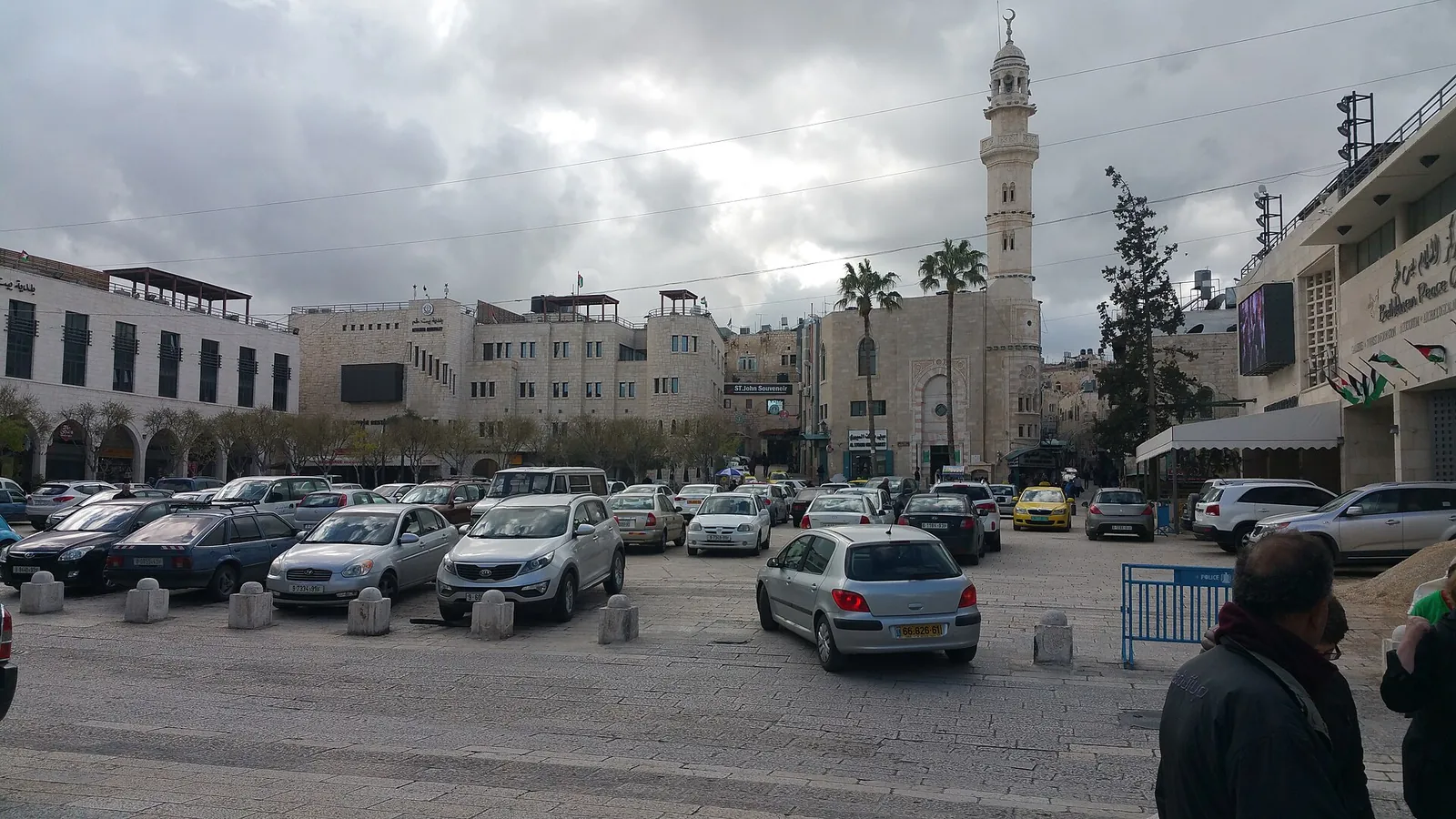
Manger Square in Bethlehem with the Church of the Nativity and the Mosque of Omar

Bethlehem Governorate, southern West Bank · Palestinian Territories

Bethlehem

The traditional birthplace of Jesus, with one of the oldest working churches in the world and a small, resilient town of craftspeople and cooks around it.

  • Best time March–May and September–November
  • Stay 1–2 days
  • Good for Christian pilgrimage, culture, food, day trips from Jerusalem

Photo: Konrad Summers from Santa Clarita (Valencia) , California, USA · CC BY-SA 2.0

Welcome to Bethlehem

Bethlehem sits on a ridge in the Judean hills, about ten kilometres south of Jerusalem. The Gospels of Matthew and Luke place the birth of Jesus here, and from at least the 4th century Christians have venerated a cave beneath the town as the place. The Emperor Constantine built the first church over it, and the present Church of the Nativity, largely from the 6th century, is among the oldest continuously used Christian churches in the world. UNESCO inscribed it in 2012, the first World Heritage Site in the State of Palestine.

The town today has about 30,000 people in the municipality and many more in the surrounding area, and it is mainly Muslim with a significant Christian minority. It is a town of craft workshops, family restaurants and churches, with an old quarter of stone houses, an olive-wood carving tradition that goes back centuries and a lively centre in Manger Square. It lies inside the separation barrier, and getting in from Jerusalem usually means crossing at a checkpoint.

Bethlehem's tourist economy has been badly affected by the events of recent years. Numbers fell sharply after 2023, and many hotels and shops struggled or closed for periods. Visiting supports a community that depends on it, and the welcome for visitors is warm. Conditions can change quickly, so check your government's advice and local information before you go.

  • UNESCO Site
  • Historic Site
  • Culture & Arts

Why visit

Why visit Bethlehem?

Bethlehem is one of the most significant places in Christianity, and it is much more than a single church.

  • The Church of the Nativity

    A 6th-century basilica with a forest of red limestone columns, remains of a mosaic floor from the earlier church, and the grotto below where tradition places the birth.

  • A working old town

    The stone lanes around Manger Square and the Star Street have workshops, cafés and houses that have been in the same families for generations.

  • Olive-wood and craft

    Bethlehem has been famous for mother-of-pearl and olive-wood carving for centuries, and many workshops welcome visitors.

  • Palestinian hospitality

    Guesthouses, cafés and restaurants are family-run, and visitors are received warmly and asked where they are from and how they like the town.

  • A gateway to the countryside

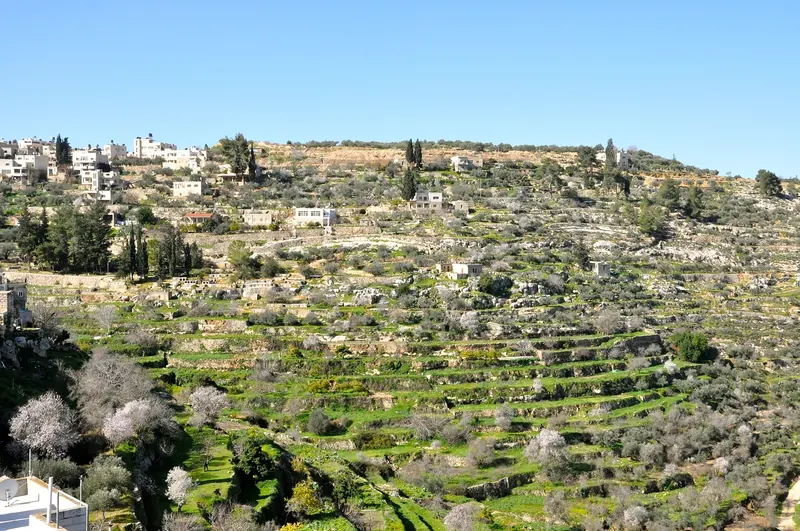
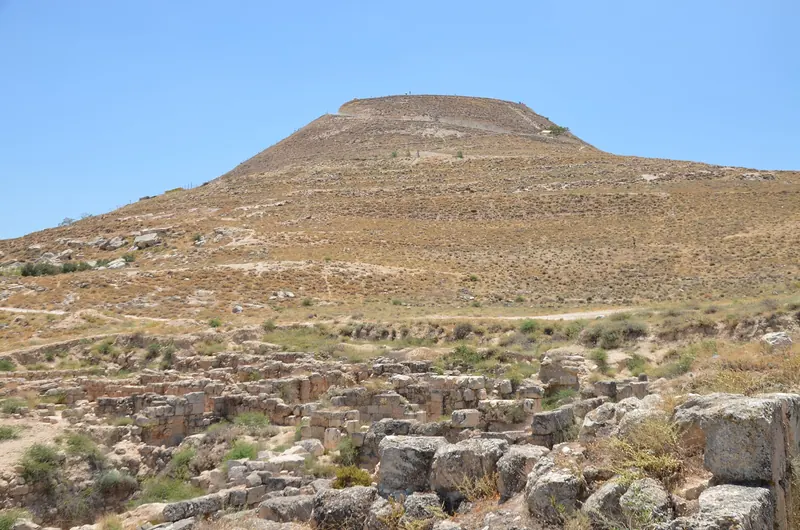
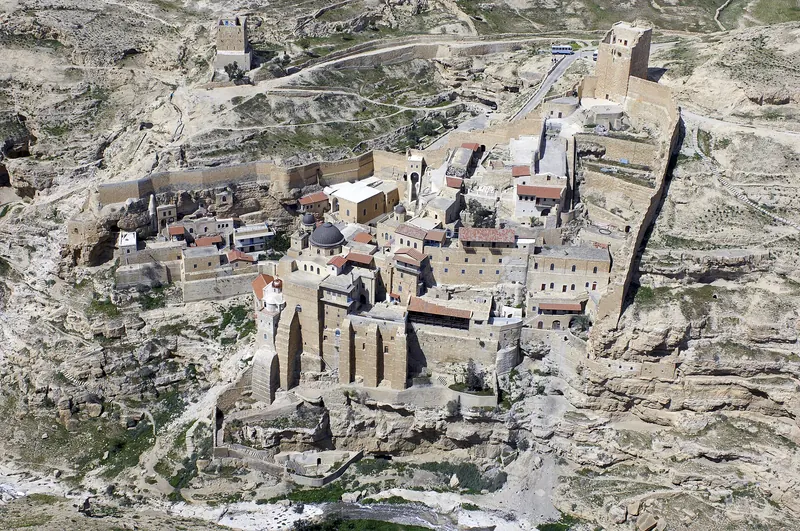
    Battir, Herodium, Mar Saba and the desert monasteries are all within half an hour, so Bethlehem makes a good base.

Main attractions

Top things to see in Bethlehem

The main sights are within a short walk of Manger Square. Allow half a day for the church and old town, and more if you visit the surrounding sites.

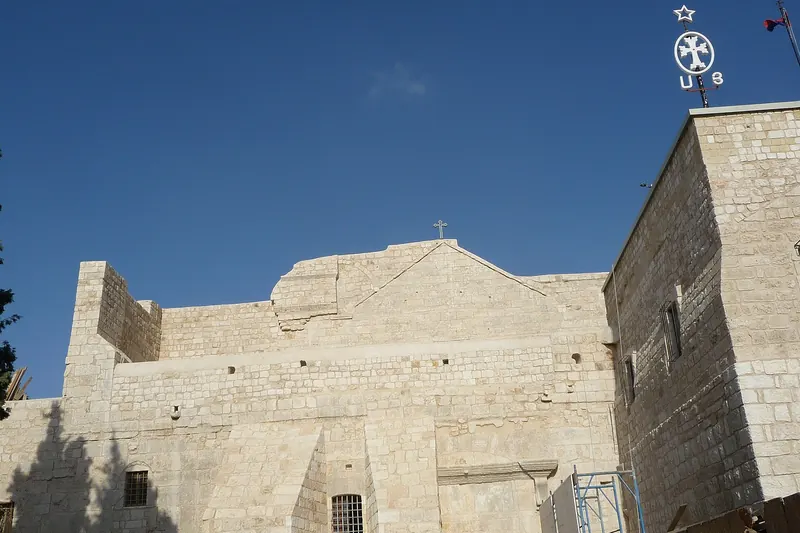
  1. The interior of the Church of the Nativity with its rows of columns

    The Church of the Nativity

    The basilica is entered through the low Door of Humility. Inside are 44 columns with faded Crusader paintings, mosaic fragments and, at the front, a stairway to the Grotto of the Nativity, where a silver star marks the traditional birthplace. It is shared by the Greek Orthodox, Armenian Apostolic and Roman Catholic churches.

    Tip Go early, before the tour groups arrive. Queues for the grotto can last an hour or more at midday and at Christmas.

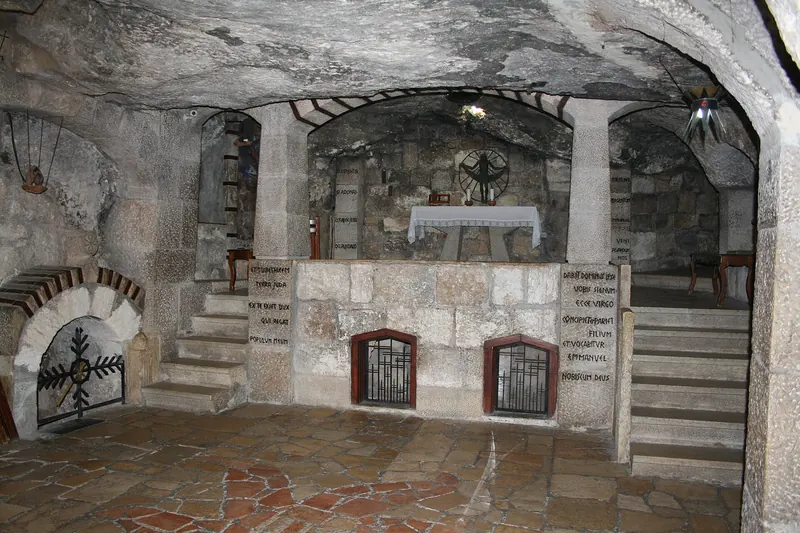
  2. The Catholic grottos beneath the Church of the Nativity

    The Church of St Catherine

    The Roman Catholic church next door, entered from the Nativity's courtyard, where Midnight Mass is broadcast at Christmas. It links to a set of underground grottos, including the traditional cell of St Jerome.

    Tip It is quieter than the Nativity and worth a short visit.

  3. Manger Square

    The main square in front of the church, with a tall Christmas tree in December, the Mosque of Omar and a busy set of cafés and shops. It is the centre of the town.

    Tip Visit again in the evening, when the square is quieter and lit up.

  4. The Milk Grotto

    A small chapel carved in a soft white rock, where tradition says a drop of Mary's milk fell as she nursed the infant Jesus. It is a place of prayer for Christians and Muslims, particularly women seeking fertility.

    Tip It is a short walk from Manger Square, and usually quiet.

  5. Star Street and the old town

    The ancient route from Jerusalem to Bethlehem runs through a lane of stone houses, workshops and small museums. Bethlehem's old town is a UNESCO-listed cultural landscape with the church.

    Tip Wander slowly, and visit the workshops and the Palestinian Heritage Center.

  6. Olive-wood and mother-of-pearl workshops

    Family workshops carve olive wood, and inlay mother-of-pearl into crosses, nativity scenes and jewellery. Some let you watch the craftspeople at work.

    Tip Buy directly from the workshops, and ask whether the wood is from pruned trees.

  7. The separation barrier and street art

    Along Bethlehem's northern edge, the wall that divides the town from Jerusalem is covered in murals, graffiti and messages. There is a museum and a hotel with a view that draw visitors interested in the politics.

    Tip Consider a guided tour to understand the context, and ask before photographing people.

Things to do

Best things to do in Bethlehem

Bethlehem is a small town, and it repays a slow visit with time for the local food and craft.

  1. Visit the church early

    The Church of the Nativity is calm in the first hour, and you may have the Grotto to yourself.

    Tip Check opening hours, and dress modestly.

  2. Take a walking tour

    Palestinian guides lead walking tours of the old town, the refugee camps and the wall, and explain the town's history and politics.

    Tip Book through your hotel or a local cooperative.

  3. Have lunch in the old town

    Family restaurants near Manger Square serve musakhan, maqluba, mezze and grilled meat. It is the best way to experience local hospitality.

    Tip Ask about the day's specials.

  4. Visit a cooking class or a workshop

    Several cooperatives offer cooking classes and craft workshops with local women and craftspeople.

    Tip Book in advance.

  5. Go to Christmas in Bethlehem

    On 24 December, Manger Square fills with pilgrims and a Christmas Eve procession and Midnight Mass. Orthodox and Armenian communities celebrate on 6–7 and 18 January.

    Tip Book accommodation months ahead, and expect crowds and security checks.

  6. Combine with Battir, Herodium or Mar Saba

    All are 15–30 minutes by road, and a driver makes it possible to see more than one in a day.

    Tip Start early and check the road conditions.

Local food

What to eat in Bethlehem

Bethlehem's food is a mix of Palestinian and Christian traditions, with plenty of olive oil, herbs and lamb. Restaurants are mostly family-run and serve generous portions.

  • Musakhan

    Roast chicken with sumac and onions on taboon bread, drizzled with olive oil. A staple of Palestinian cooking.

    Where to try it Family restaurants near Manger Square.

  • Maqluba

    An upside-down dish of rice, vegetables and meat, turned out onto a platter.

    Where to try it Home-style restaurants and cooking classes.

  • Falafel and hummus

    Warm hummus and freshly fried falafel, eaten with bread and pickles.

    Where to try it Small hummus places near Manger Square.

  • Local wine and beer

    The Cremisan Monastery and other local wineries make wine, and Taybeh beer is widely available.

    Where to try it Restaurants and bars in the old town.

  • Knafeh and Arab sweets

    Hot cheese pastry with syrup and pistachios, and other sweets sold from shops around the square.

    Where to try it Sweet shops near Manger Square.

  • Arabic coffee and tea

    Cardamom coffee and sweet tea, offered everywhere and rarely refused.

    Where to try it Cafés and shops in the old town.

Accommodation

Where to stay in Bethlehem

Bethlehem has hotels, guesthouses and homestays, some of them in restored old houses. Tourism dropped sharply after 2023, and it is worth checking that your accommodation is open.

  • The old town and Manger Square

    Guesthouses and small hotels within walking distance of the church, with views over the square or the hills.

    Best for: Convenience and atmosphere

  • Beit Sahour

    A town next to Bethlehem with guesthouses, restaurants and the Shepherds' Fields, a short ride from the centre.

    Best for: Quiet and a local feel

What a night costs

Hostel or guesthouse
₪150–300 per night
Mid-range hotel
₪350–600 per night
Boutique or upscale hotel
₪600–1,000 per night
Guided walking tour
₪100–250 per person

Transport

Getting to and around Bethlehem

Bethlehem is 10 km south of Jerusalem, and the crossing at Checkpoint 300 is the usual route. Conditions there can change, so check them before you go.

Getting there

  • Bus 231 from Jerusalem

    A public bus leaves from near Damascus Gate, runs to Checkpoint 300 and takes about 30–40 minutes. You cross the checkpoint on foot and take a taxi or walk to the centre.

    Carry your passport, and expect delays. Check the latest timetable and crossing conditions.

  • Taxi or private driver

    Israeli and Palestinian taxis and drivers cross to Bethlehem. A Palestinian driver can take you to the centre and onward to other sites.

    Agree the price in advance, and ask your hotel to recommend a driver.

  • Tour from Jerusalem

    Many day tours run from Jerusalem and include the church, the old town and lunch.

    Check who is guiding and what is included.

Getting around

The centre of Bethlehem is walkable, and taxis cover the rest.

  • Walking

    The Church of the Nativity, the old town and the Milk Grotto are within a 10-minute walk. The streets are steep.

    Wear comfortable shoes.

  • Taxi

    Taxis are cheap and plentiful. They take you to Beit Sahour, Herodium, Battir and the wall.

    Agree the fare in advance.

  • Service taxi

    Shared vans run to Hebron, Ramallah and villages.

    Ask locals where to catch them.

When to go

Best time to visit Bethlehem

Bethlehem is in the Judean hills at about 750 m. It is mild for most of the year, with a hot summer and a cool wet winter.

  • Spring (March–May)

    Best time

    Green hills and warm days. Easter brings pilgrims.

  • Summer (June–August)

    Shoulder

    Warm and dry, with pleasant evenings. Visit the church early.

  • Autumn (September–November)

    Best time

    Warm and clear, with the olive harvest in October and November.

  • Winter (December–February)

    Quiet

    Cool and wet, with occasional snow. Christmas is the busiest and most atmospheric time.

Worth planning around: Days of political tension, and the crowded weeks around Christmas and Easter if you want quiet.

Itinerary

One day in Bethlehem

The church and the old town in the morning, lunch and a workshop in the afternoon. Assumes a day trip from Jerusalem, or a night in the town.

  1. Day1

    The Nativity and the old town

    A compact day of church, food and craft.

    • Morning The Church of the Nativity at opening, then the grotto and St Catherine's.
    • Afternoon Lunch in the old town, the Milk Grotto and an olive-wood workshop.
    • Evening Coffee in Manger Square, then the walk to the checkpoint or dinner in town.

Travel tips

Bethlehem travel tips

Bethlehem is welcoming, and a few tips make a visit smoother.

  • Check conditions before you go. Checkpoints and access can change at short notice, and advice for the West Bank can be strict.
  • Carry your passport for the crossing and for any checks.
  • Go early. The church is quietest in the first hour of the day.
  • Dress modestly for the churches, with shoulders and knees covered.
  • Buy from local workshops and cooperatives. Your money supports families who depend on visitors.
  • Consider staying a night. It is a different town in the evening, and it helps the local economy.
  • Listen to local voices. A local guide can explain the town's history and its present.

FAQ

Bethlehem: frequently asked questions

Is Bethlehem safe to visit?

Bethlehem has long been a popular pilgrimage destination and is generally regarded as safe for tourists in normal times, but conditions in the West Bank have changed since 2023. Read your government's advice before you go, and check access at the checkpoint on the day.

How do I get to Bethlehem from Jerusalem?

By bus 231 from near Damascus Gate, or by taxi, crossing the Checkpoint 300 on foot. It takes about 30–40 minutes. Carry your passport.

How long do you need in Bethlehem?

Half a day covers the church and old town. A full day or a night lets you add the Milk Grotto, a workshop, a walking tour and a meal.

Why is the Church of the Nativity important?

It is built over the grotto traditionally identified as the birthplace of Jesus, and is one of the oldest continuously used Christian churches in the world. It was the first place in Palestine to be listed as a UNESCO World Heritage Site.

Is Bethlehem in Israel?

No. It is in the West Bank, in an area administered by the Palestinian Authority, and you cross a checkpoint to enter. Its status is part of the wider dispute over the territory.

When is the best time to visit?

March to May and September to November. Christmas is atmospheric but very busy, and you should book well ahead.

Read next

Related travel articles

Heritage

UNESCO Sites Worth Planning a Trip Around

A UNESCO listing tells you a place matters; it does not tell you whether it is worth two days and a detour. This is how to read the list usefully — and which sites reward building a trip around them.

Food

A Country-by-Country Food Primer

Eating well abroad is mostly a matter of knowing when meals happen, how the menu is structured and which dish belongs to the place you are standing in. This covers all three for the five countries in this guide, plus the signals that separate a restaurant that feeds locals from one that feeds coaches.

Advertisement