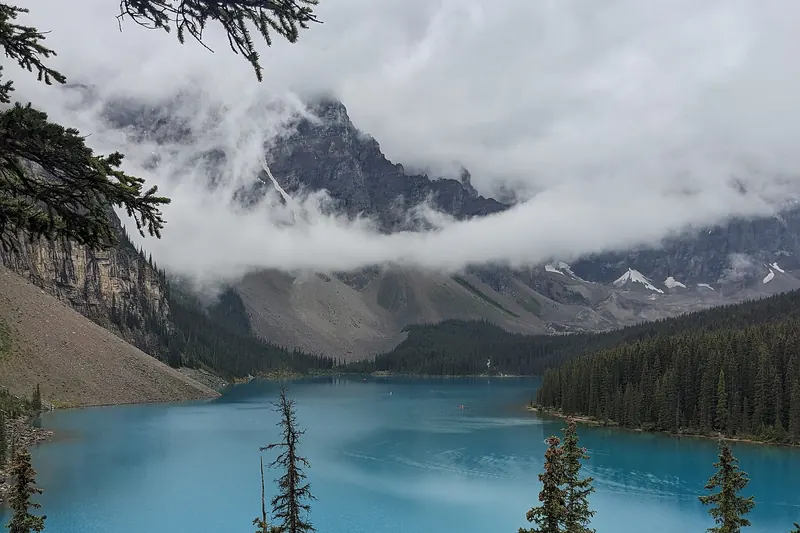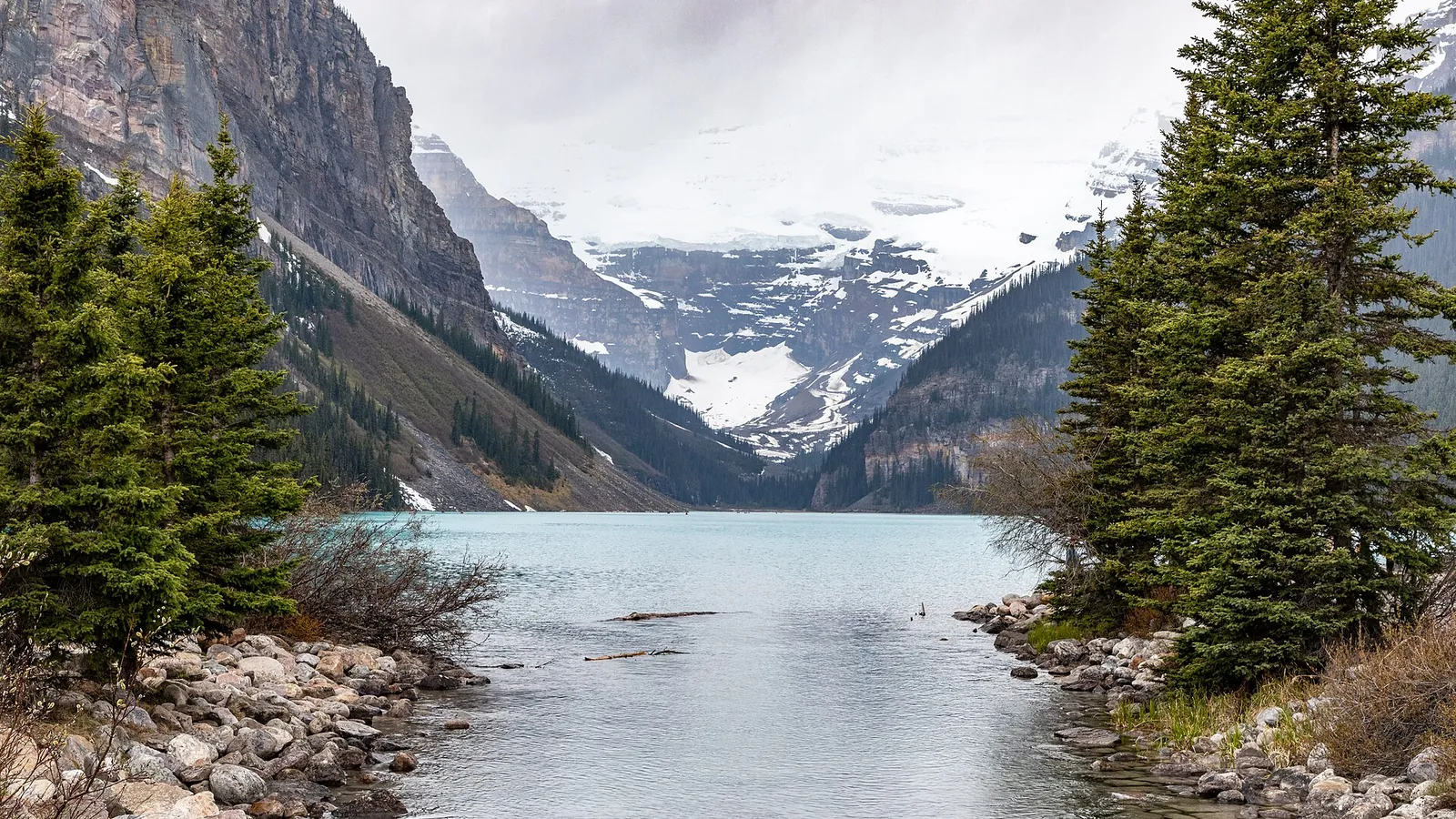
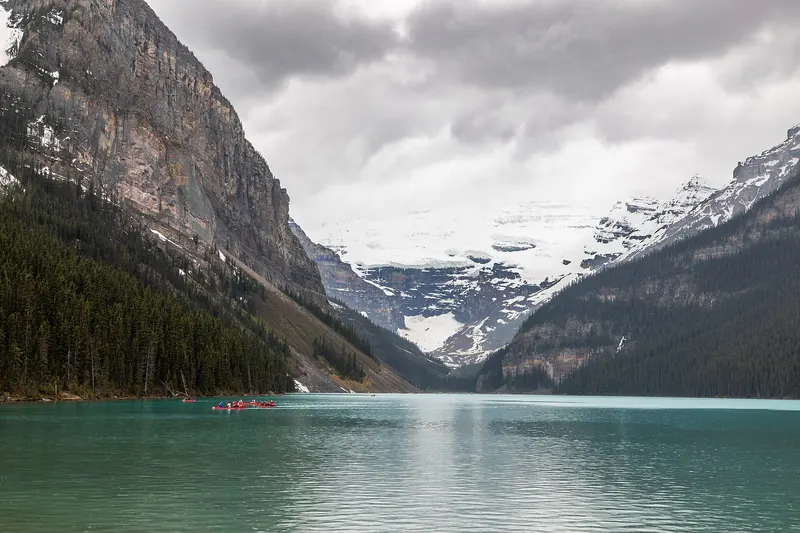
Lake Louise's turquoise water in Banff National Park

North America

Canada Travel Guide

Turquoise glacial lakes, French colonial old towns and a thundering waterfall shared with the United States, spread across the world's second-largest country.

  • Destinations 10 hand-picked
  • Best time June to September for warm weather and open mountain roads
  • Ideal trip 10–14 days for one region

Photo: Dietmar Rabich · CC BY-SA 4.0

Why go to Canada

Canada is the world's second-largest country, and it shows — a first trip realistically means choosing one region rather than attempting anything resembling a full tour.

Its genuine range runs from the turquoise glacial lakes and jagged peaks of the Rockies to French colonial old towns in Quebec, from a waterfall shared with the United States to a remote Hudson Bay outpost known as the polar bear capital of the world.

What ties it together is a strong regional identity — Vancouver, Toronto, Montreal and Quebec City each feel like a different country's capital, and the trip you plan should lean into that rather than fight it.

Where to go

Best Places to Visit in Canada

Ordered roughly by how strongly we would recommend each for a first visit — though Canada's sheer scale means the right answer depends heavily on which region you're drawn to.

Nature & WildlifeNational Park

Banff & Lake Louise

Alberta

The postcard image of the Canadian Rockies, home to Lake Louise, Moraine Lake and a charming mountain town in Canada's first national park.

Don't miss Standing at Lake Louise's shoreline at sunrise, the water so still it perfectly mirrors the glacier and peaks behind it.

Explore Destination — Banff & Lake Louise
Nature & WildlifeNational Park

Jasper National Park

Alberta

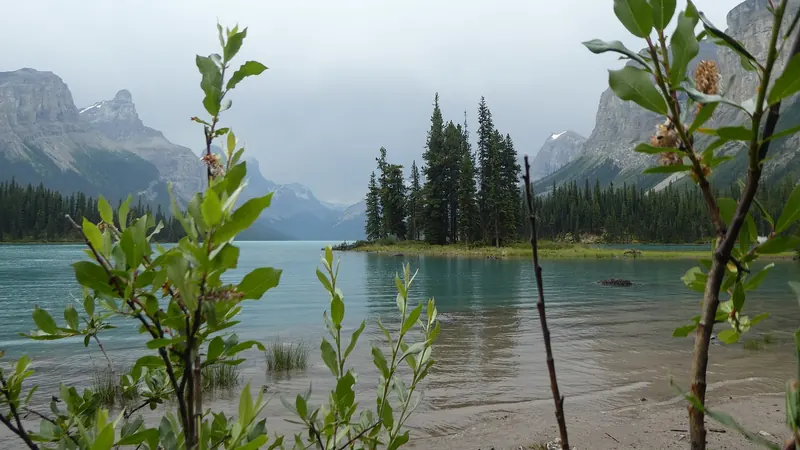
A wilder, quieter half of the Canadian Rockies, home to the walkable Athabasca Glacier, Maligne Lake's Spirit Island and one of the world's largest dark sky preserves.

Don't miss Standing on the Athabasca Glacier's ancient ice, a river of frozen water older than any city on Earth flowing imperceptibly beneath your boots.

Explore Destination — Jasper National Park
Major CityCoast & Beaches

Vancouver

British Columbia

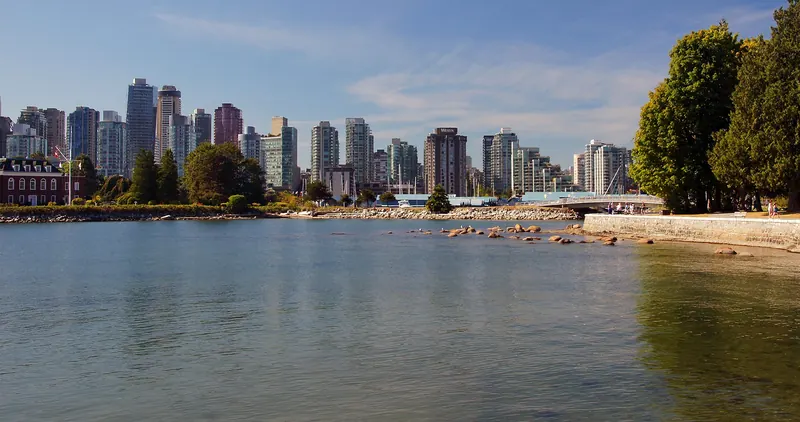
A rare city where mountains, forest and ocean all meet downtown, home to Stanley Park, Granville Island and some of North America's best Asian food.

Don't miss Cycling the Stanley Park seawall at golden hour, downtown's glass towers on one side and the Coast Mountains rising straight from the water on the other.

Explore Destination — Vancouver
MountainsAdventure

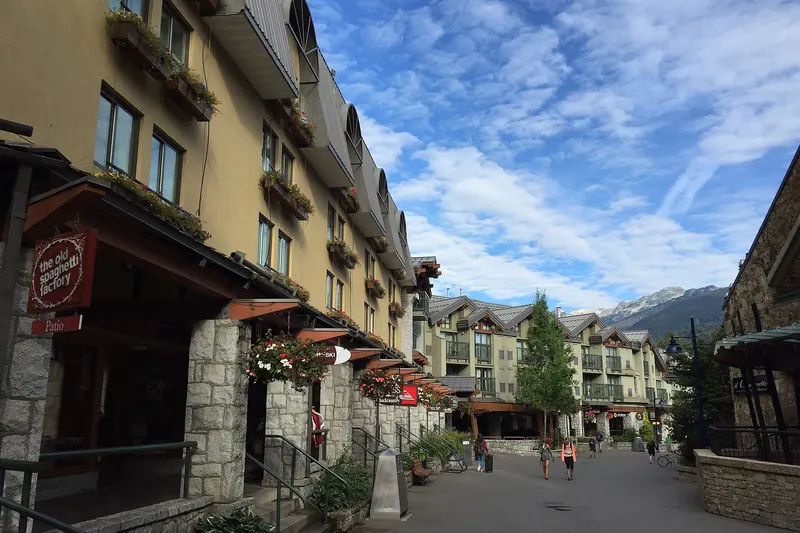
Whistler

British Columbia

North America's largest ski resort, reached via the scenic Sea to Sky Highway, with genuine year-round mountain adventure beyond winter sports.

Don't miss Riding the Peak 2 Peak Gondola between Whistler and Blackcomb, the valley floor over 400 metres below the world's longest unsupported cable span.

Explore Destination — Whistler
Major CityCulture Arts

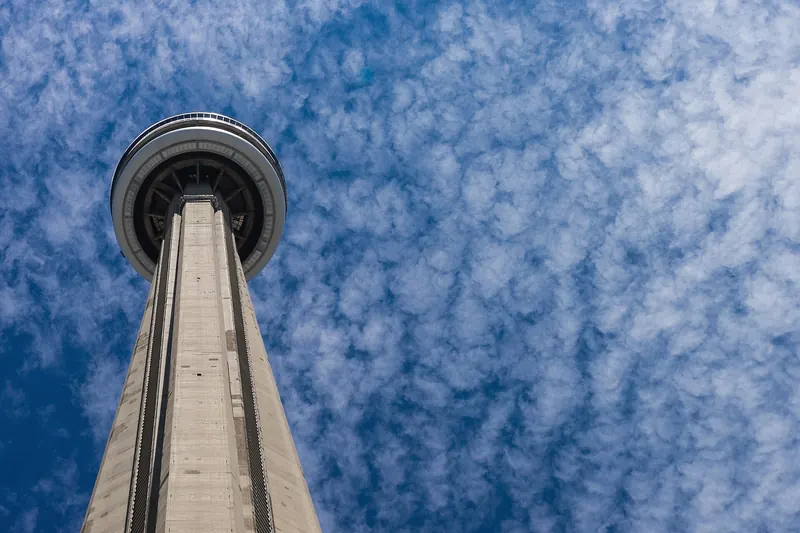
Toronto

Ontario

Canada's largest and most multicultural city, home to the CN Tower, the Distillery District's Victorian warehouses and neighbourhoods representing the world.

Don't miss Standing on the CN Tower's glass floor, 342 metres of open air the only thing between your feet and the street below.

Explore Destination — Toronto
Nature & WildlifeScenic Region

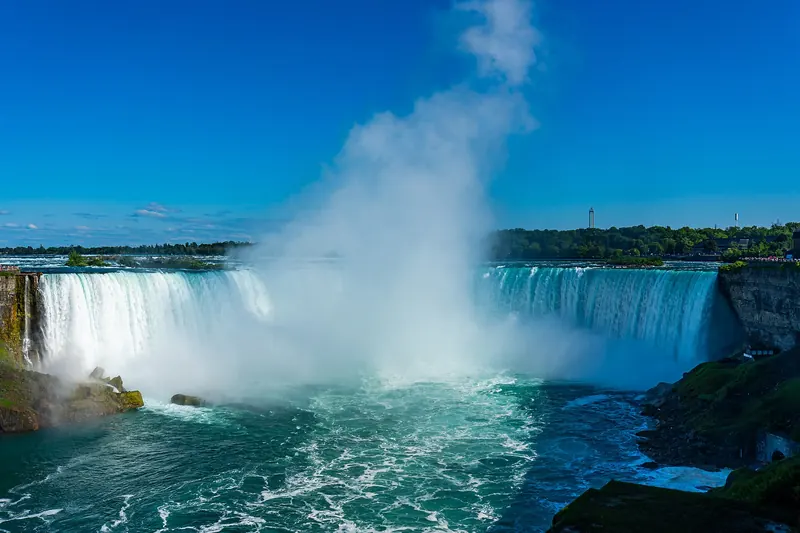
Niagara Falls

Ontario

One of the world's most powerful waterfalls, straddling the US-Canada border, with Niagara-on-the-Lake's wine country just up the parkway.

Don't miss Standing at the rail as the boat pushes right into Horseshoe Falls' mist, the roar suddenly drowning out every other sound.

Explore Destination — Niagara Falls
Major CityCulture Arts

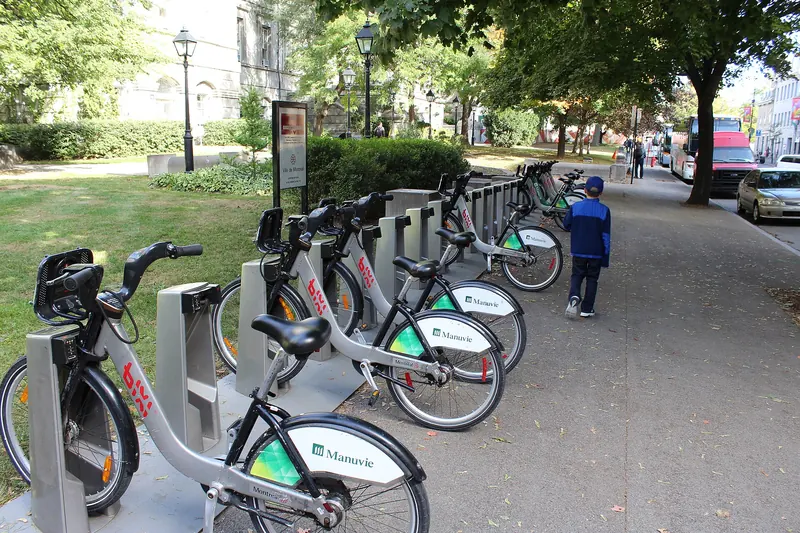
Montreal

Quebec

North America's most European-feeling city, home to French colonial Old Montreal, Notre-Dame Basilica and a food scene built for eating well.

Don't miss Standing beneath Notre-Dame Basilica's deep blue, gold-starred ceiling, one of the most ornate church interiors anywhere on the continent.

Explore Destination — Montreal
Historic SiteUNESCO Site

Quebec City

Quebec

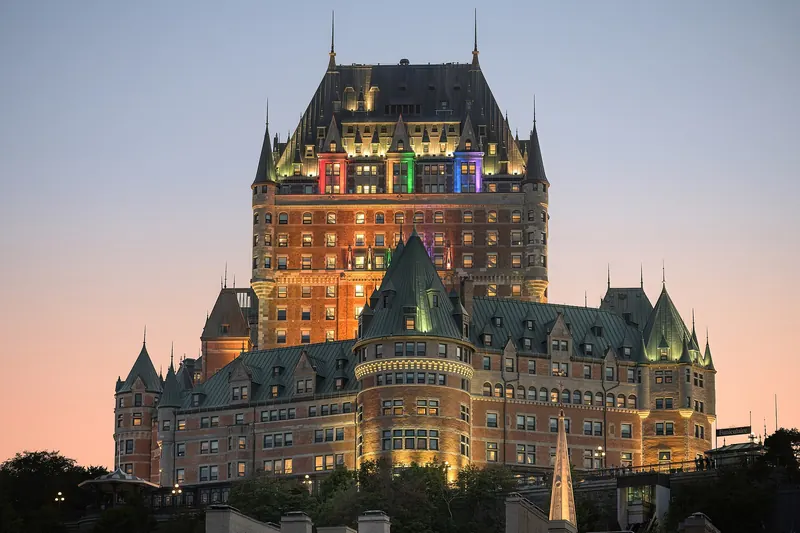
The only walled city north of Mexico in North America, home to Château Frontenac, Old Quebec's colonial streets and Montmorency Falls nearby.

Don't miss Watching the sun set from Dufferin Terrace, Château Frontenac glowing above the St Lawrence River exactly as it has for well over a century.

Explore Destination — Quebec City
Coast & BeachesCountryside

Prince Edward Island

Prince Edward Island

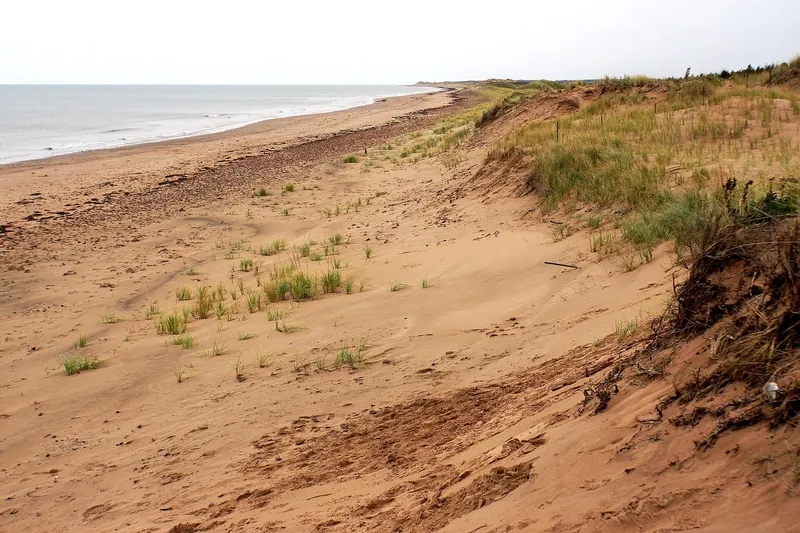
Canada's smallest province, home to the red sand beaches and farmland that inspired Anne of Green Gables, plus some of the country's best seafood.

Don't miss Walking a red sand beach at low tide, the cliffs behind glowing rust-orange in the evening light exactly as they do in the books that made this island famous.

Explore Destination — Prince Edward Island
WildlifeNature & Wildlife

Churchill

Manitoba

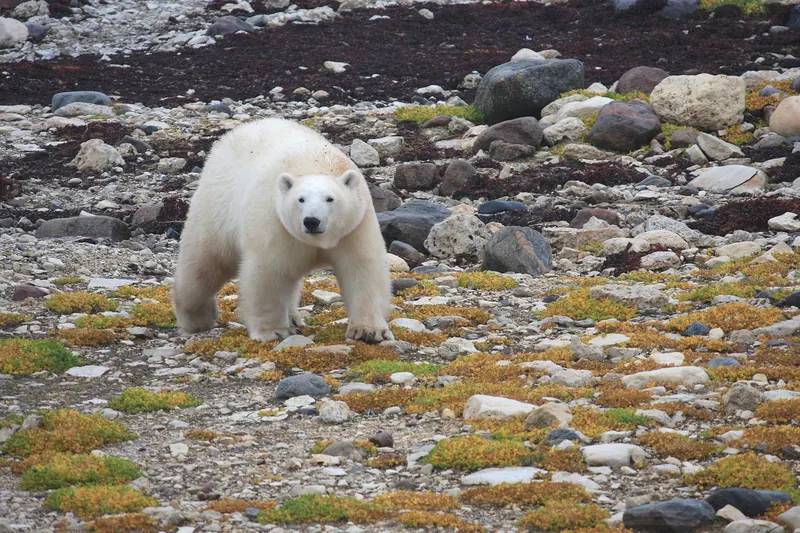
A remote town on Hudson Bay famous for wild polar bears, summer beluga whales and some of the best northern lights viewing in North America.

Don't miss Watching wild polar bears from the safety of a Tundra Buggy as they wait on the shore for Hudson Bay to freeze.

Explore Destination — Churchill

Browse all 510 destinations

Experiences

Best things to do in Canada

The experiences that recur across the country and make a Canada trip feel like more than a checklist of cities.

  1. A turquoise glacial lake in the Canadian Rockies

    Canoe a turquoise glacial lake

    An essential Rockies experience, paddling water coloured an almost unbelievable turquoise by glacial rock flour.

    Tip Arrive at opening time at the most famous lakes — parking and crowds both build fast by mid-morning.

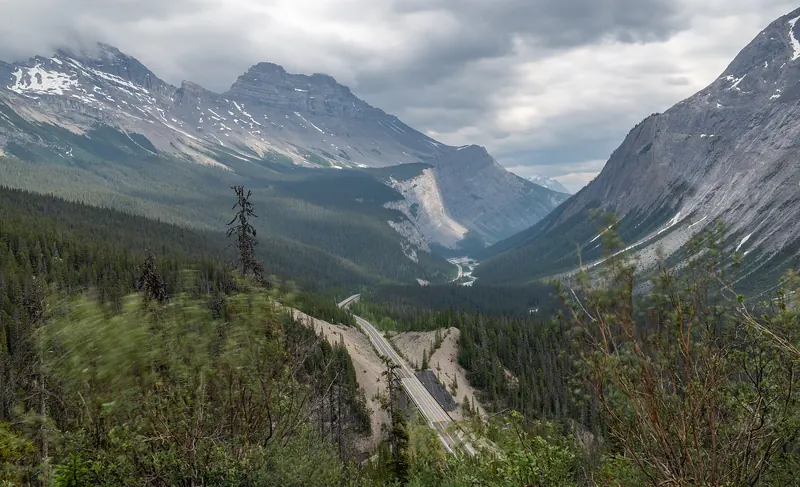
  2. The Icefields Parkway between Banff and Jasper

    Drive the Icefields Parkway

    A spectacular drive, glaciers, waterfalls and jagged peaks lining the road between Banff and Jasper.

    Tip Budget a full day for the drive alone, with stops — rushing it defeats the point.

  3. Poutine, Canada's fries, cheese curds and gravy dish

    Eat poutine

    An essential Canadian dish, fries topped with cheese curds and gravy, found everywhere from diners to food trucks.

    Tip Seek out a Quebec version for the most authentic take on the dish's home province.

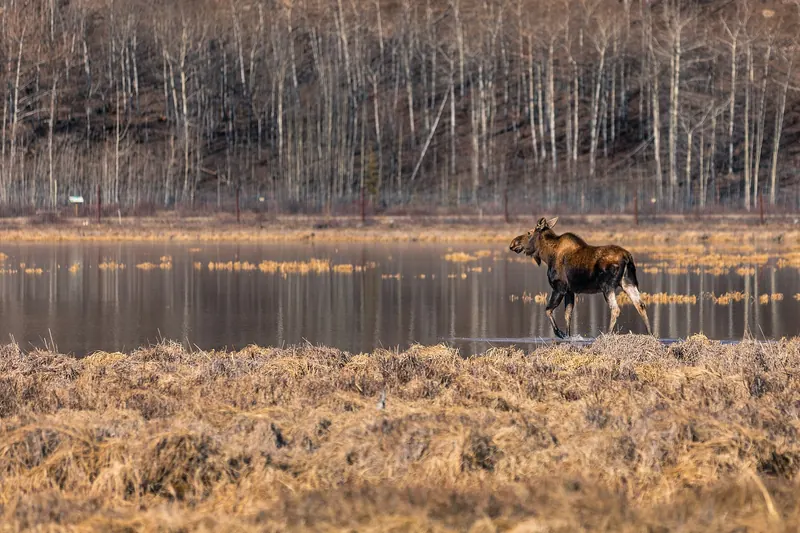
  4. A moose in the Canadian wilderness

    Watch for moose and bears in the wild

    A thrilling, if unpredictable, part of Rockies travel, spotting wildlife along roadsides and trails.

    Tip Never approach for a photo — view from a vehicle or at a safe, respectful distance.

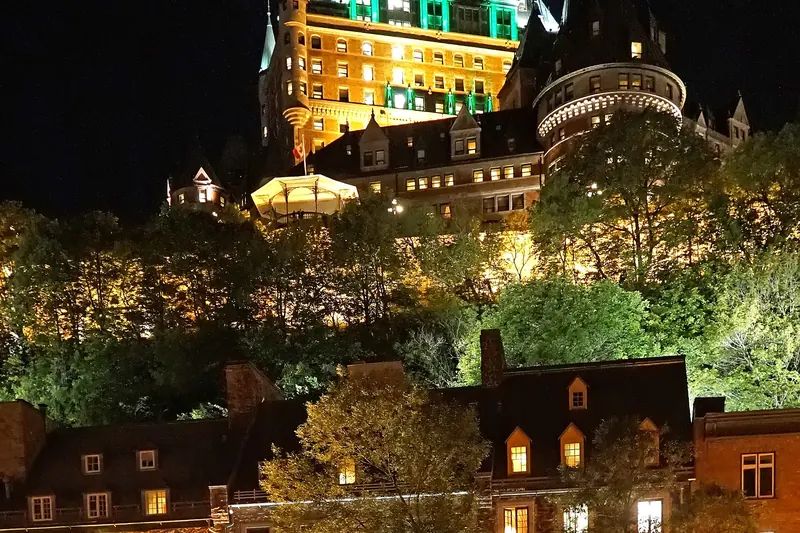
  5. Old Quebec's French colonial streets

    Wander Old Quebec's colonial streets

    A singular experience in North America, the continent's only walled city north of Mexico.

    Tip Visit in the early morning before day-trippers arrive from cruise ships and tour buses.

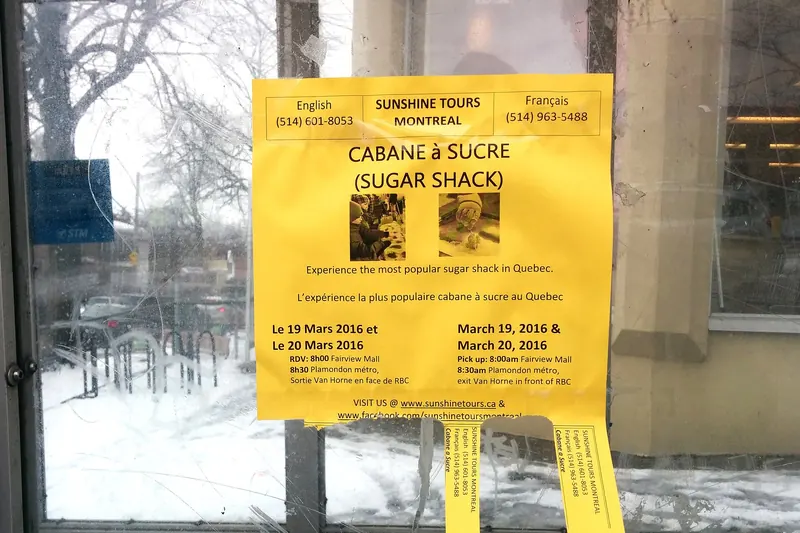
  6. A traditional Canadian maple sugar shack

    Visit a sugar shack in maple season

    A lovely spring ritual in Quebec and Ontario, tasting fresh maple syrup straight from the source.

    Tip Time a visit for late winter into early spring, when sap is actually running.

Food and drink

Canada foods to try

Canadian food varies sharply by region, from Quebec's distinct table to Maritime seafood and Prairie beef.

  • Poutine, Canada's fries, cheese curds and gravy dish

    Poutine

    Canada's best-known dish, fries topped with cheese curds and gravy, born in rural Quebec.

    Where to try it Found nationwide, though Quebec is the place to try it properly.

  • A Montreal-style bagel

    Montreal-style bagels

    Distinct from New York bagels, smaller, sweeter and wood-fired, a real point of local pride.

    Where to try it Bagel bakeries throughout Montreal, especially the city's oldest ones.

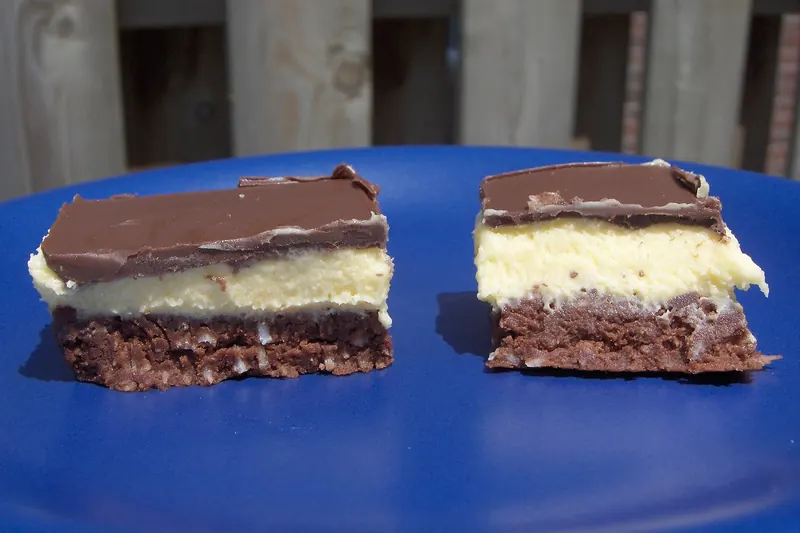
  • A Nanaimo bar, a layered Canadian dessert

    Nanaimo bars

    A no-bake layered dessert named for the British Columbia town where it originated.

    Where to try it Bakeries and cafés throughout British Columbia and beyond.

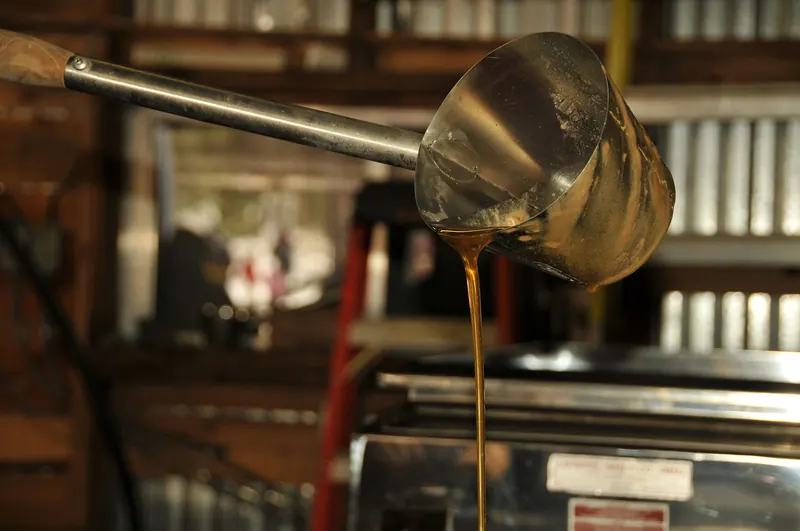
  • Maple sap collection, the start of Canadian maple syrup production

    Maple syrup

    One of the country's defining exports, Quebec alone producing most of the world's supply.

    Where to try it Sugar shacks and markets throughout Quebec and Ontario.

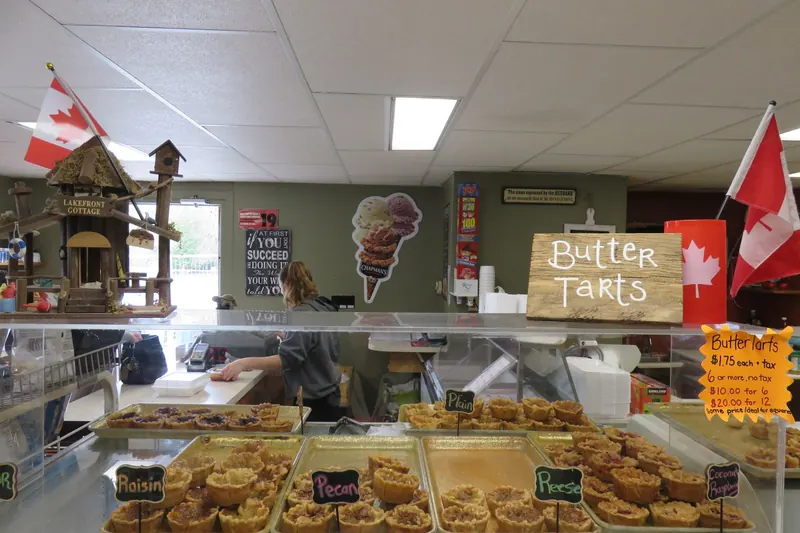
  • Butter tarts, a classic Canadian pastry

    Butter tarts

    A beloved, distinctly Canadian pastry, a flaky shell filled with a sweet, gooey butter and sugar filling.

    Where to try it Bakeries throughout Ontario and beyond.

  • Maritime lobster

    A real highlight of the East Coast, fresh lobster served simply, often straight from the boat.

    Where to try it Seafood shacks throughout Prince Edward Island and the wider Maritimes.

Before you go

Practical travel information for Canada

The essentials for planning a Canada trip, gathered in one place.

Capital
Ottawa
Language
English and French, Canada's two official languages; French predominates in Quebec.
Currency
Canadian dollar (C$)
Cards and cash
Card-friendly everywhere, including tap-to-pay for small purchases; cash is rarely needed.
Entry and visas
Visa-exempt travellers arriving by air need an Electronic Travel Authorization (eTA); US citizens need only a valid passport. Visa-free stays run up to six months for most eligible nationalities.
Power sockets
Type A and B, 120 V, 60 Hz — the same as the United States.
Emergency number
911 nationwide.
Tipping
Expected, American-style — 15–20% at restaurants, similar for taxis and personal services.
Safety
One of the world's safer countries, with normal city precautions being all that's typically needed.
Internet and SIM
Excellent in cities, noticeably patchier and pricier in remote northern regions like Churchill.
Time zone
Spans six time zones, from Newfoundland (UTC-3:30) to Pacific (UTC-8); most regions observe daylight saving time.

Daily budget guide (per person)

Backpacker
C$90–140 per day — hostels, transit, casual meals
Mid-range
C$200–350 per day — 3-star hotels, restaurant dinners, some tours
Comfortable
C$400–700 per day — boutique hotels, guided park tours, car rental
Rockies national park pass
Add C$10–20 per person per day for Banff or Jasper entry

Excludes international flights. Figures are typical rather than absolute — cities and peak season run higher.

When to go

Best time to visit Canada

Canada's huge range means the best season depends heavily on region, though summer works well almost everywhere.

  • Summer (June–August)

    Best time

    The most reliable season nationwide, with warm weather and every mountain road and trail open.

  • Early autumn (September)

    Best time

    Excellent in the Rockies especially, with fall colour and noticeably thinner crowds than summer.

  • Winter (December–March)

    Good

    Superb for skiing in Whistler and Banff, and for aurora viewing further north, though many mountain roads and trails close.

  • Spring (April–May)

    Good

    A shoulder season with unpredictable weather, though still worthwhile in the cities.

Worth planning around: Nothing nationwide, though mountain hiking trails can stay snow-covered into June or July at higher elevations.

Trip length

How long to spend in Canada

Canada is too large for a single trip to cover meaningfully — the real question is which region, not how long for 'Canada' as a whole.

  • 5–7 days

    One city, done properly, with an easy nearby addition. Vancouver pairs with Whistler; Toronto with Niagara Falls; Montreal with Quebec City.

    A good first Canada trip, and far better than a rushed multi-region one.

  • 10–14 days

    One region in full. Western Canada's Rockies loop (Vancouver, Whistler, Banff and Lake Louise, Jasper), or Eastern Canada's cities (Toronto, Niagara Falls, Montreal, Quebec City).

    The sweet spot for a first visit, and where a rental car earns its cost.

  • 2–3 weeks

    Two adjacent regions, or one region plus a distinctive add-on like Prince Edward Island or Churchill.

    At least one internal flight is needed — Canada's regions don't connect by a quick drive.

  • 3 weeks or more

    A genuine east-to-west route, though this means real time spent travelling given the distances involved.

    Via Rail's transcontinental train is a slower, scenic alternative to flying between regions.

Getting around

Transportation in Canada

Canada's vast distances mean flying between regions and driving within them, rather than any single mode covering everything.

  • Domestic flights

    Essential for connecting Vancouver to Toronto or Montreal, or reaching Churchill.

    The distances involved are continental in scale — Vancouver to Toronto is a 4.5-hour flight.

  • Renting a car

    The way to see Banff and Lake Louise, Jasper and Prince Edward Island.

    Essential for reaching trailheads and viewpoints on your own schedule.

  • Via Rail's transcontinental trains

    A scenic, slower alternative to flying, especially Toronto to Vancouver via The Canadian.

    A multi-day journey best treated as part of the experience, not just transport.

  • City transit

    Reliable in Toronto, Montreal and Vancouver.

    Subway, streetcar and bus networks cover each downtown core well.

  • Airport shuttles and buses

    Useful for reaching Niagara Falls from Toronto, or Whistler from Vancouver.

    A car-free option for popular day trips and short hops.

Sample route

Twelve days in Western Canada

Canada is too large for a cross-country tour, so this covers one region properly: the classic Western Canada loop from Vancouver through the Coast Mountains to the Rockies. It is a driving route, and the driving is much of the point.

  1. Day1

    Arrive in Vancouver

    • Morning Land in Vancouver and check in to your hotel.
    • Afternoon Explore Gastown and the downtown waterfront.
    • Evening Dinner in Yaletown or Gastown.
  2. Day2

    Vancouver

    • Morning Stanley Park's seawall by bike or on foot.
    • Afternoon Granville Island's public market.
    • Evening Sunset from Kitsilano Beach.
  3. Day3

    The Sea to Sky Highway to Whistler

    • Morning Drive north along the Sea to Sky Highway.
    • Afternoon Stop at Shannon Falls and the Sea to Sky Gondola.
    • Evening Arrive in Whistler Village for dinner.
  4. Day4

    Whistler

    • Morning Ride the Peak 2 Peak Gondola between Whistler and Blackcomb.
    • Afternoon Explore Whistler Village and Lost Lake.
    • Evening A final Whistler dinner.
  5. Day5

    Fly to Calgary and drive to Banff

    • Morning Return to Vancouver and fly to Calgary.
    • Afternoon Drive from Calgary into Banff National Park.
    • Evening Settle into Banff town.
  6. Day6

    Banff town

    • Morning The Banff Gondola up Sulphur Mountain.
    • Afternoon Explore Banff Avenue and the Bow Falls trail.
    • Evening Dinner in Banff town.
  7. Day7

    Lake Louise and Moraine Lake

    • Morning Canoe or walk the shoreline at Lake Louise.
    • Afternoon Continue to Moraine Lake, if the access road is open.
    • Evening Return to Banff for a final night.
  8. Day8

    The Icefields Parkway to Jasper

    • Morning Depart Banff on the Icefields Parkway.
    • Afternoon Stop at the Athabasca Glacier and Sunwapta Falls.
    • Evening Arrive in Jasper town.
  9. Day9

    Jasper National Park

    • Morning Boat trip on Maligne Lake to Spirit Island.
    • Afternoon Wildlife spotting along the Maligne Valley.
    • Evening Dinner in Jasper town.
  10. Day10

    The Jasper SkyTram

    • Morning Ride the Jasper SkyTram for a mountain panorama.
    • Afternoon Explore Pyramid Lake or Patricia Lake.
    • Evening A final Jasper dinner.
  11. Day11

    Return to Calgary

    • Morning Drive back down the Icefields Parkway.
    • Afternoon Continue to Calgary, stopping in Banff if time allows.
    • Evening Final dinner in Calgary.
  12. Day12

    Depart

    • Morning A final wander or last-minute shopping.
    • Afternoon Free time before your flight.
    • Evening Depart for home.

Culture

Culture and etiquette in Canada

Canadian culture prizes politeness and multiculturalism as real, lived values, alongside a strong regional identity that varies sharply from coast to coast.

  • Politeness is a real social norm

    Saying sorry, please and thank you liberally is standard, not performative.

  • Tipping is expected, American-style

    15–20% at restaurants; many card machines now prompt for it directly.

  • Quebec's French identity is worth respecting

    Attempt a French greeting in Quebec — it's appreciated even if your French is limited.

  • Queuing is taken seriously

    Lines are orderly, and cutting one is a real social faux pas.

  • Indigenous land acknowledgements are common

    Many public events open by acknowledging the traditional First Nations territory.

  • Personal space is valued

    Standing a comfortable arm's length away in conversation is the norm.

Do

  • Layer clothing for dramatic swings between regions and seasons.
  • Book national park passes ahead for Banff and Jasper in peak summer.
  • Try regional specialities — Quebec's food culture is distinct from the rest of the country.
  • Carry a light rain jacket in Vancouver and coastal British Columbia, even in summer.

Don't

  • Don't assume one region represents the whole country — Canada's regions differ enormously.
  • Don't underestimate driving distances — 'nearby' on a Canadian map can still mean hours.
  • Don't approach wildlife in the Rockies, however calm it looks — moose and bears are dangerous.
  • Don't skip travel insurance — healthcare for visitors isn't covered by Canada's public system.

Travel tips

Canada travel tips

Practical notes that make travel through Canada noticeably smoother.

  • Book national park passes and popular lodges in Banff and Jasper well ahead for summer.
  • Pack for layered weather, even in summer — mountain evenings turn cold fast.
  • Rent a car for the Rockies — public transport doesn't reach most trailheads.
  • Carry bear spray and know how to use it before any backcountry hiking.
  • Consider Via Rail's scenic trains as a slower alternative to flying between regions.
  • Budget extra for national park entry fees, which add up on a multi-park trip.
  • Learn a few basic French phrases for Quebec and Montreal.
  • Check seasonal road closures before planning a Rockies itinerary outside summer.

FAQ

Visiting Canada: frequently asked questions

How many days do you need in Canada?

Ten to fourteen days covers one region properly, such as the Western Canada Rockies loop in this guide's itinerary; a week suits a single city plus one nearby addition.

Is Canada expensive?

Comparable to the United States overall, with national park fees and Rockies lodging adding up on a mountain-focused trip.

Do you need a car in Canada?

Not for the major cities, which have good transit, but yes for the Rockies and Prince Edward Island.

What language is spoken in Canada?

English nationwide, with French as Quebec's primary language and Canada's other official language.

Is Canada safe?

Yes — one of the world's safer countries, with typical city precautions being all that's usually needed.

When can you see the northern lights in Canada?

September through April in northern regions like Churchill, with the darkest winter months offering the best odds.

Ready to plan your Canada trip?

The full travel guide covers routes, budgets, regional differences and how to string these ten destinations into a trip that actually works.

Read the Canada travel guide

Advertisement