- Capital
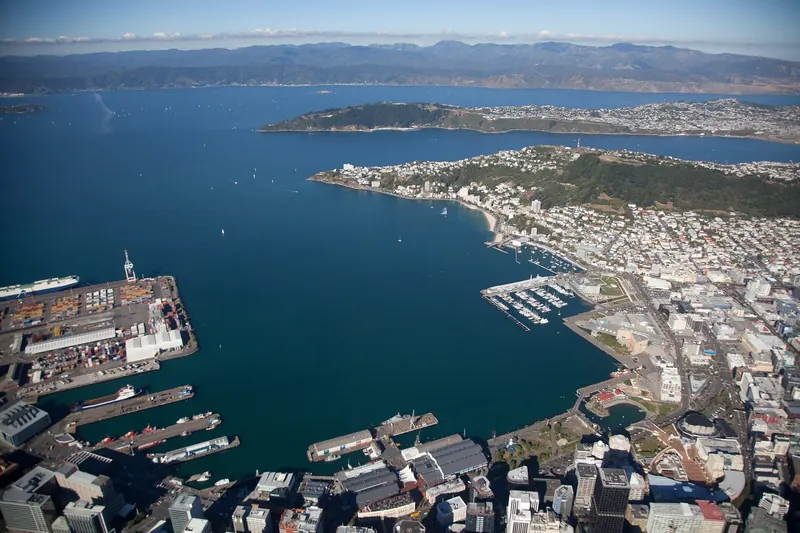
- Wellington
- Language
- English and Te Reo Maori, both official languages, with English used in almost all visitor contexts.
- Currency
- New Zealand Dollar (NZ$, NZD)
- Cards and cash
- Card payment is widely accepted nationwide, including contactless for small purchases, though carrying some cash is worthwhile in smaller rural towns.
- Entry and visas
- Most visitors need an NZeTA (New Zealand Electronic Travel Authority) applied for online before arrival, even for visa-waiver countries — apply at least 72 hours ahead.
- Power sockets
- Type I (the same three-pin type used in Australia), 230 V, 50 Hz.
- Emergency number
- 111 for all emergencies, nationwide.
- Tipping
- Not expected or customary. Restaurant prices already reflect fair wages, and tipping can seem confusing to service staff.
- Safety
- Very safe overall, consistently ranked among the world's safest countries. The greater real risk is from nature — changeable weather, strong currents and remote hiking terrain — rather than crime.
- Internet and SIM
- Good 4G coverage in towns and cities, thinning out considerably in remote and mountainous areas — a local SIM covers most visitor needs.
- Time zone
- New Zealand Standard Time (UTC+12), New Zealand Daylight Time (UTC+13) from late September to early April — among the first countries in the world to see each new day.
Daily budget guide (per person)
- Backpacker
- NZ$100–150 per day — hostels, casual meals, buses
- Mid-range
- NZ$220–350 per day — 3-star hotels, restaurant dinners, a rental car
- Comfortable
- NZ$450–700+ per day — boutique lodges, fine dining, guided tours
Excludes international flights. Figures are typical rather than absolute — cities and peak season run higher.