Israel is about 420 km from north to south and rarely more than 100 km wide, and it falls into five zones that differ sharply in landscape, history and mood.
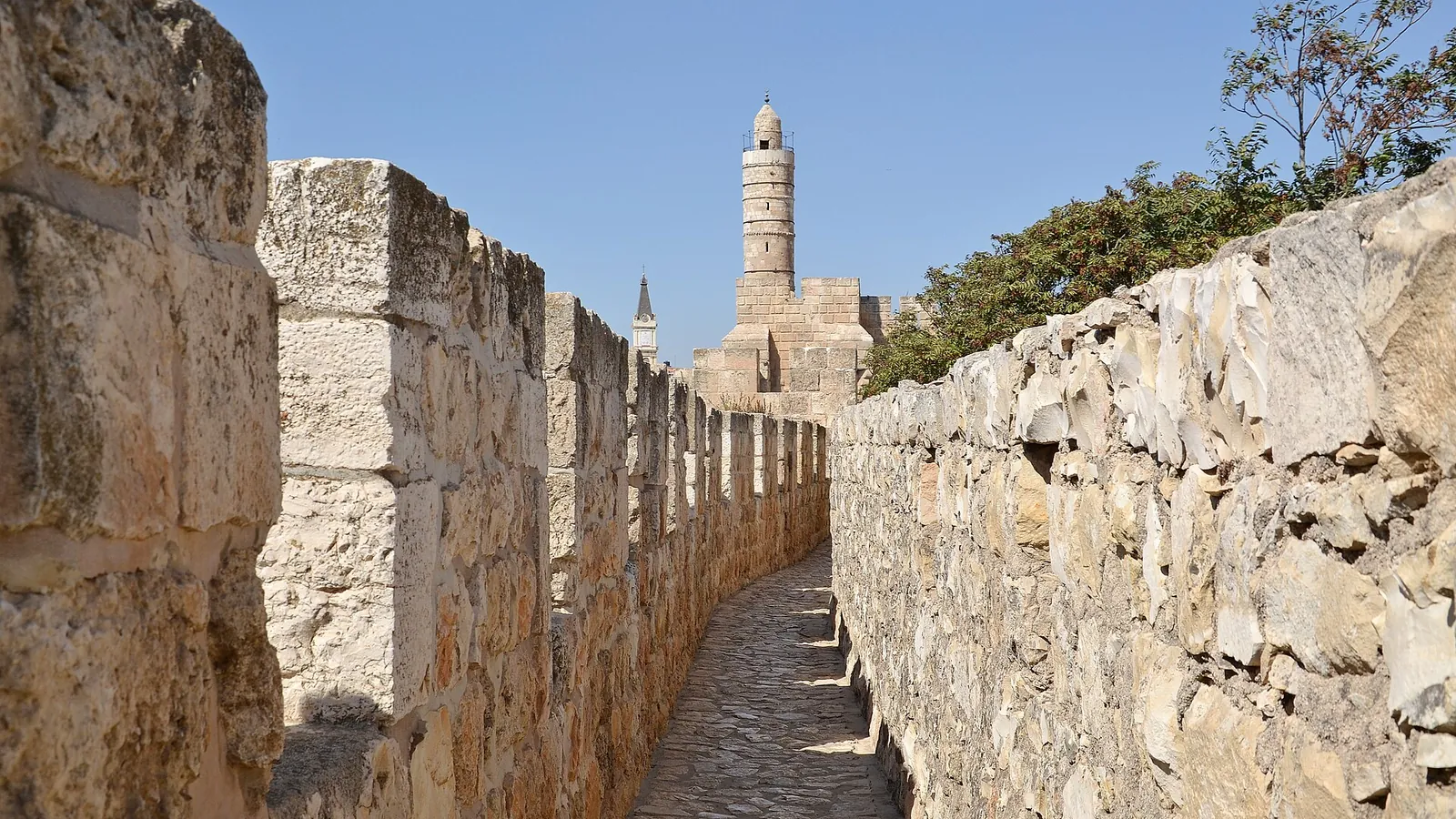
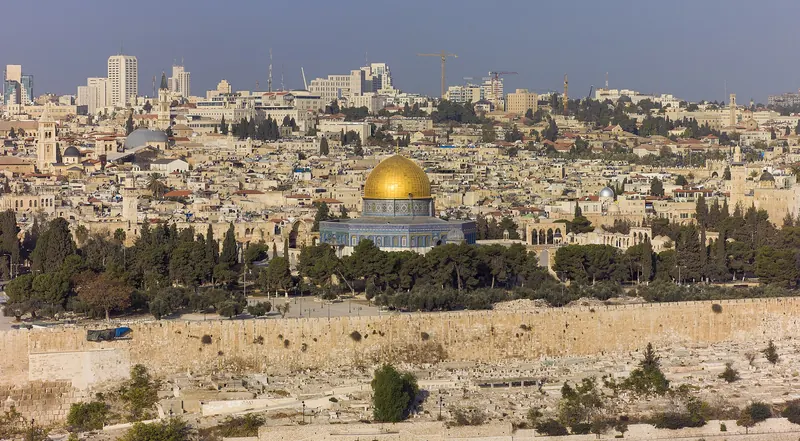
Jerusalem and the Judean hills. The historic and religious centre. Jerusalem holds the Western Wall, the Church of the Holy Sepulchre, the Dome of the Rock and Al-Aqsa Mosque, within a few hundred metres of each other in the Old City. The city is high, cool in winter and more conservative in feel than the coast.
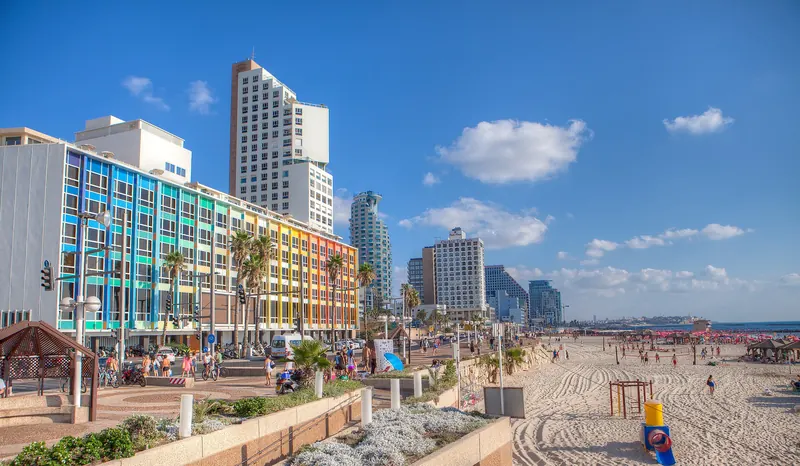
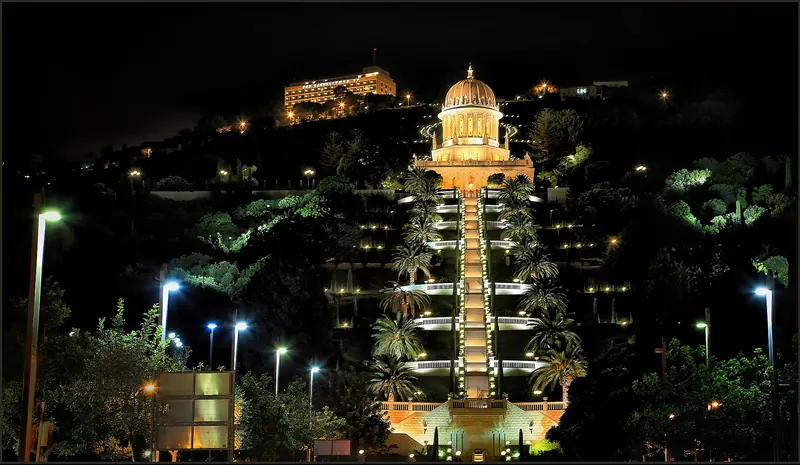
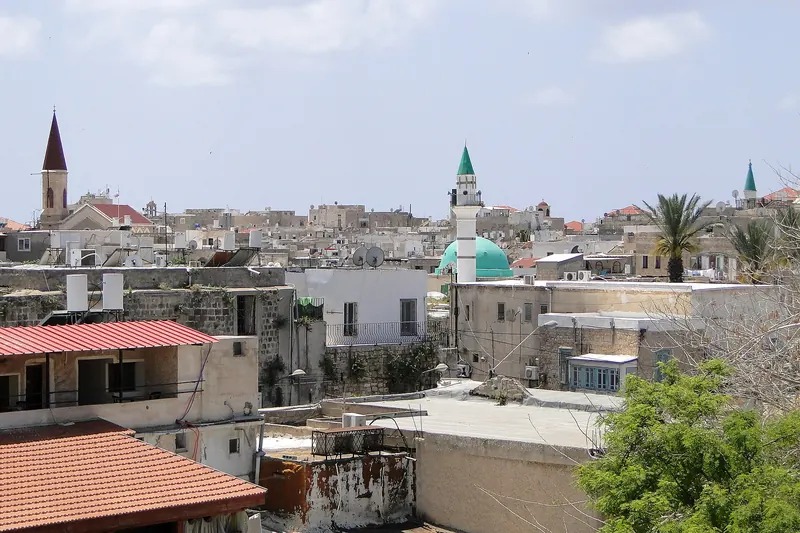
The coast. A Mediterranean strip of beaches and cities. Tel Aviv and Jaffa are the country's secular, cosmopolitan heart, with a huge stock of Bauhaus architecture and a beach culture. To the north, Haifa climbs Mount Carmel with the Baháʼí Gardens, and Acre is an Ottoman port built over a Crusader city.
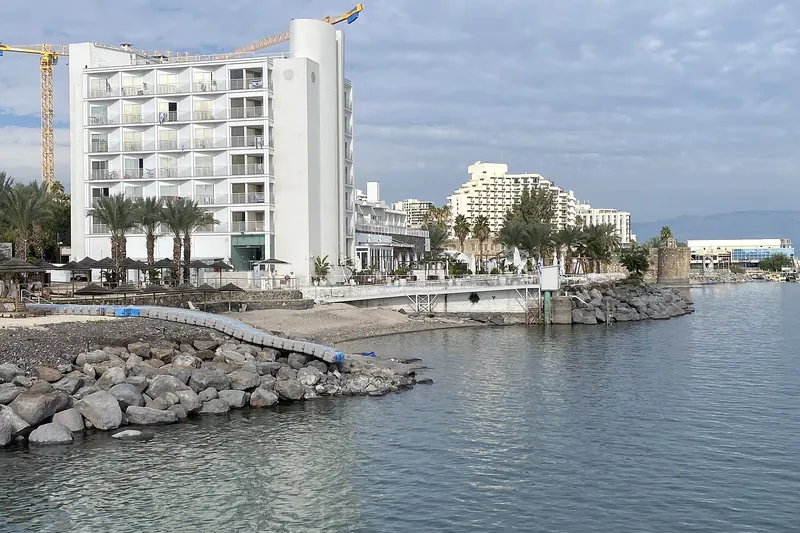
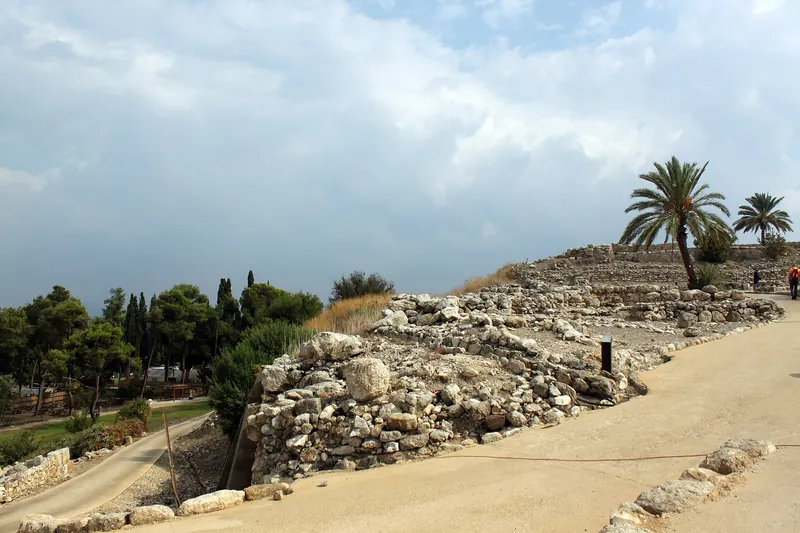
The Galilee and the north. Green, hilly and multi-faith. Nazareth is the largest Arab city in Israel and holds the traditional site of the Annunciation. The Sea of Galilee is central to the Gospel stories, and Safed is a hilltop centre of Jewish mysticism. In the valleys, Megiddo and Beit She'an hold two of the country's finest archaeological sites.
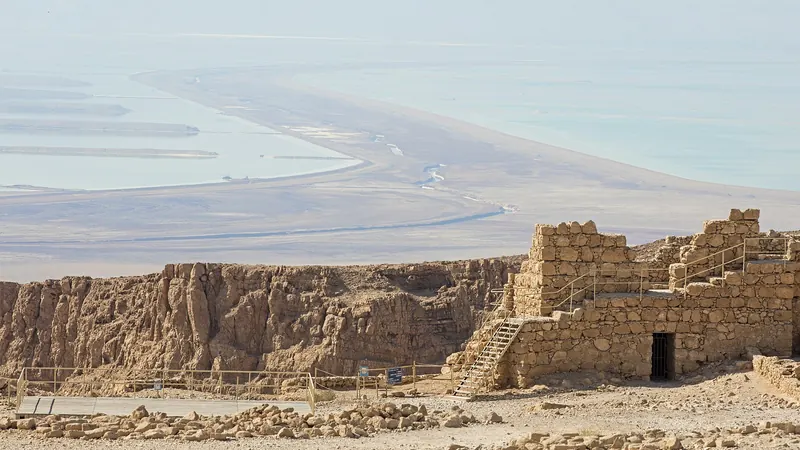
The Dead Sea and the Judean Desert. A short drive east of Jerusalem the land falls to the lowest point on land. Masada and the Dead Sea combine a hilltop fortress, an oasis at Ein Gedi and salt-water swimming.
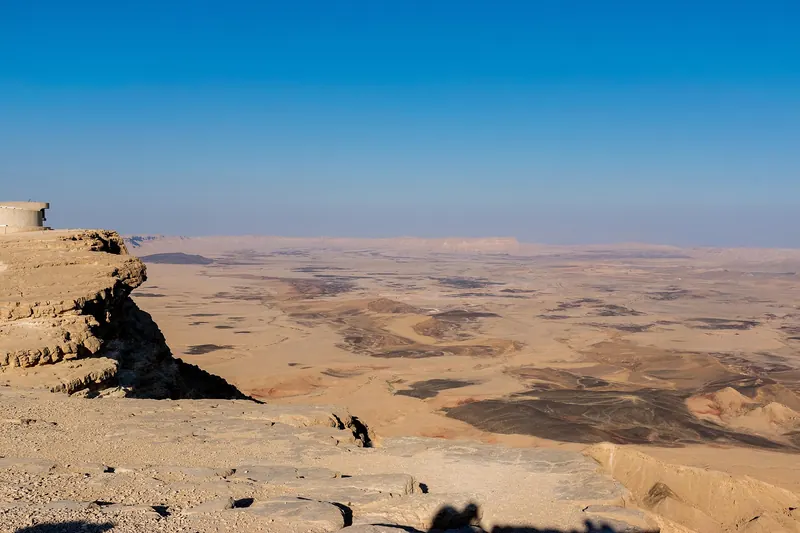
The Negev. More than half of Israel's land area is desert. The Negev and Mitzpe Ramon offer craters, Nabataean ruins and some of the country's clearest night skies, and the Red Sea resort of Eilat lies at the far end.