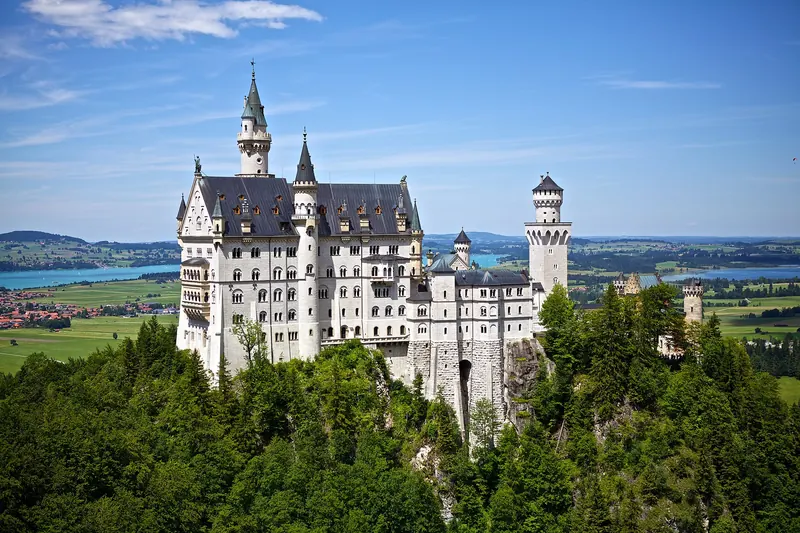
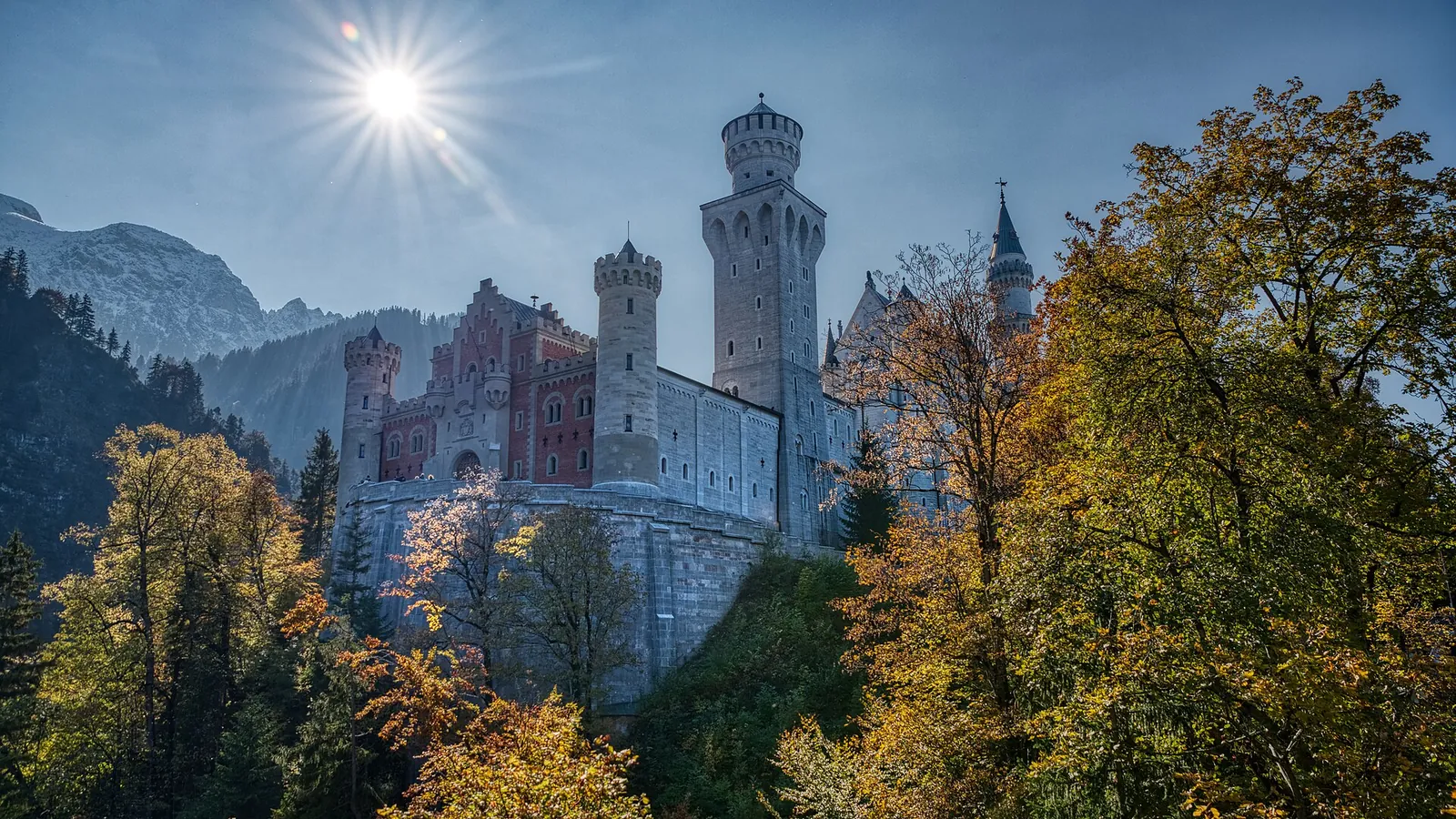
Neuschwanstein Castle in autumn sunlight, Bavaria

Central Europe

Germany Travel Guide

A federal country of sixteen states that never fully merged into one culture, from Bavarian beer halls to Hanseatic ports, threaded together by a rail network and a history it faces more directly than almost any other nation.

  • Destinations 10 hand-picked
  • Best time May–June and September
  • Ideal trip 10–14 days for a first trip

Photo: Christoph Strässler · CC BY-SA 2.0

Why go to Germany

Germany only became a single nation in 1871, and reunified only in 1990, and both facts still shape how the country feels to travel through. Bavaria's Catholic beer-hall culture, Hamburg's Protestant maritime trading history, and the former East's very different 20th century all remain distinct rather than smoothed into one national identity — this is a country of sixteen states that still think of themselves as states first.

That regional variety comes with a shared seriousness about history that visitors consistently find striking. Berlin's Holocaust memorials, the preserved sections of the Wall, and museums across the country confront the 20th century directly rather than around it — a level of public reckoning with a national past that few countries attempt this openly.

The practical spine is one of Europe's best rail networks, connecting Berlin, Munich, Hamburg and everywhere between in a few hours each, alongside a food and drink culture — regional beer styles, excellent bread, a wine industry along the Rhine and Mosel most visitors don't expect — that goes considerably deeper than the sausage-and-lager stereotype.

Where to go

Best Places to Visit in Germany

Ordered roughly by how strongly we would recommend each for a first visit — though Dresden, the Black Forest and the Baltic coast reward a second trip just as much as a first.

CityHistoric Site

Berlin

Berlin

Germany's capital: a city that confronts its 20th-century history directly, rebuilt into one of Europe's most creative, affordable and alive capitals.

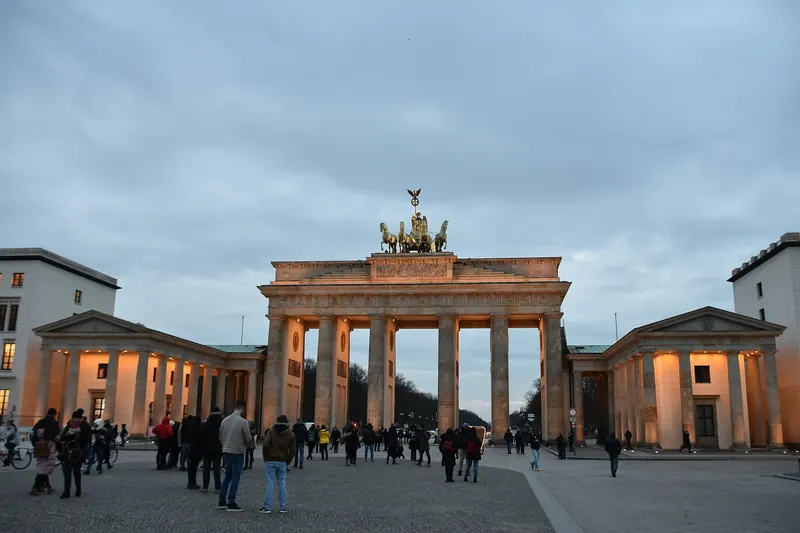
Don't miss The Brandenburg Gate at dusk, once the literal dividing line of the city, now the backdrop to a Berlin that has spent three decades reunifying in more than just name.

Explore Destination — Berlin
CityCulture

Munich

Bavaria

Bavaria's capital: beer halls, world-class museums, a genuine mountain backdrop and a confident regional identity distinct from the rest of Germany.

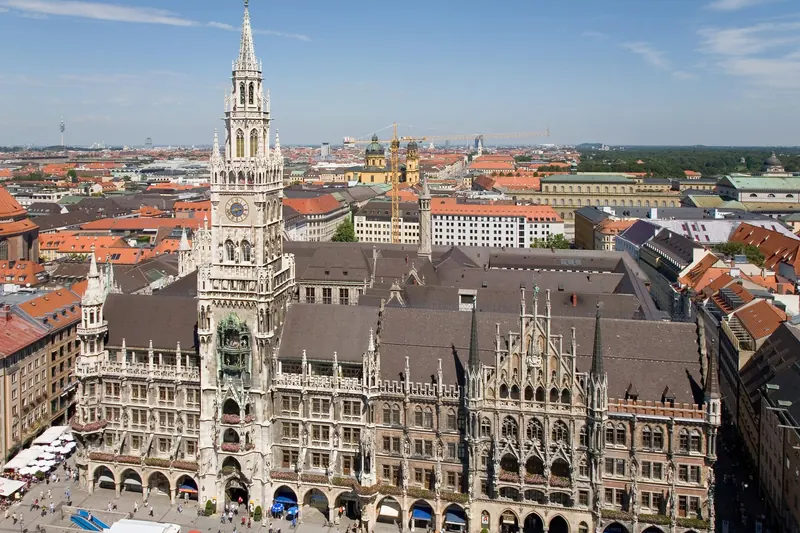
Don't miss The Marienplatz's Glockenspiel chiming above the Gothic New Town Hall, with the Bavarian Alps visible on a clear day from the tower above.

Explore Destination — Munich
CityCoast & Beaches

Hamburg

Hamburg

Germany's great port city: a Hanseatic trading history, a working harbour, and a distinct maritime identity in the north.

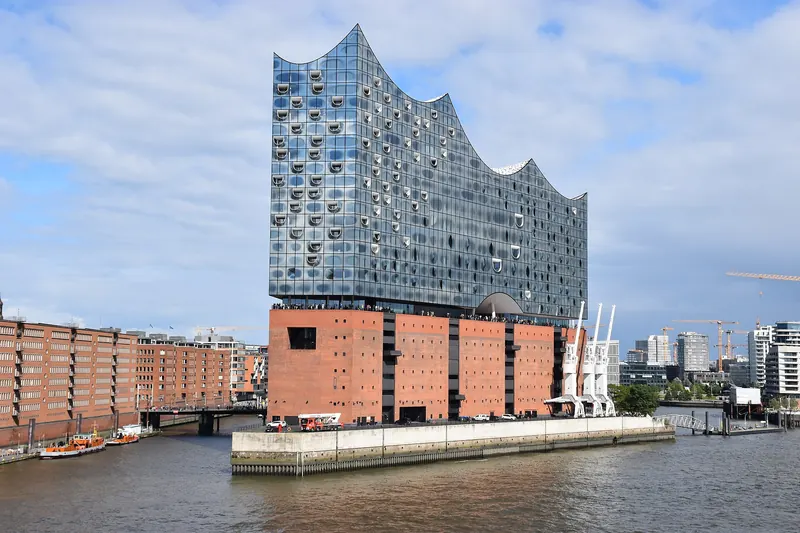
Don't miss The Elbphilharmonie's glass wave-shaped crown rising above the harbour, a concert hall built on top of a century-old warehouse and now the city's defining new landmark.

Explore Destination — Hamburg
Historic SiteScenic Region

Cologne & the Rhine Valley

North Rhine-Westphalia and Rhineland-Palatinate

Germany's fourth-largest city, its landmark Gothic cathedral, and the UNESCO-listed Rhine Gorge downstream — castles, vineyards and river towns in close succession.

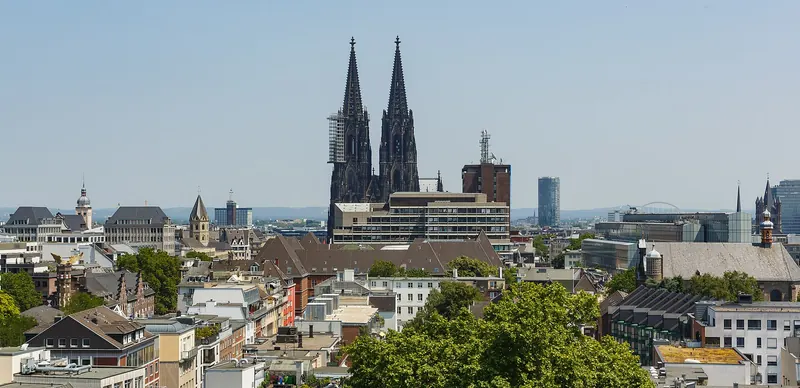
Don't miss Cologne Cathedral's twin spires, the tallest twin-spired church in the world, somehow surviving World War II's bombing of the city around it almost completely intact.

Explore Destination — Cologne & the Rhine Valley
Historic SiteCity

Dresden

Saxony

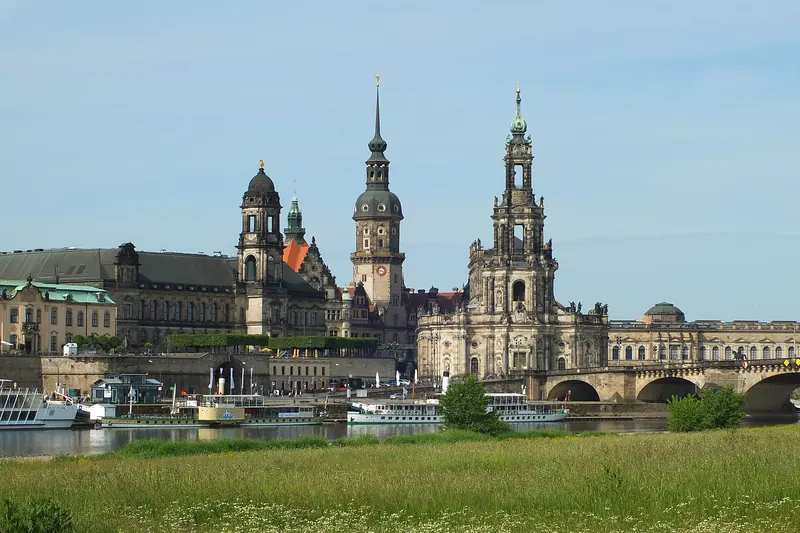
Saxony's capital: a baroque old town meticulously rebuilt after 1945's devastating bombing, holding some of Germany's finest art collections along the Elbe.

Don't miss The Frauenkirche's rebuilt dome, its facade a genuine patchwork of blackened original stones and pale new ones, standing again after firebombing left it a heap of rubble for over four decades.

Explore Destination — Dresden
Nature WildlifeMountains

The Black Forest

Baden-Württemberg

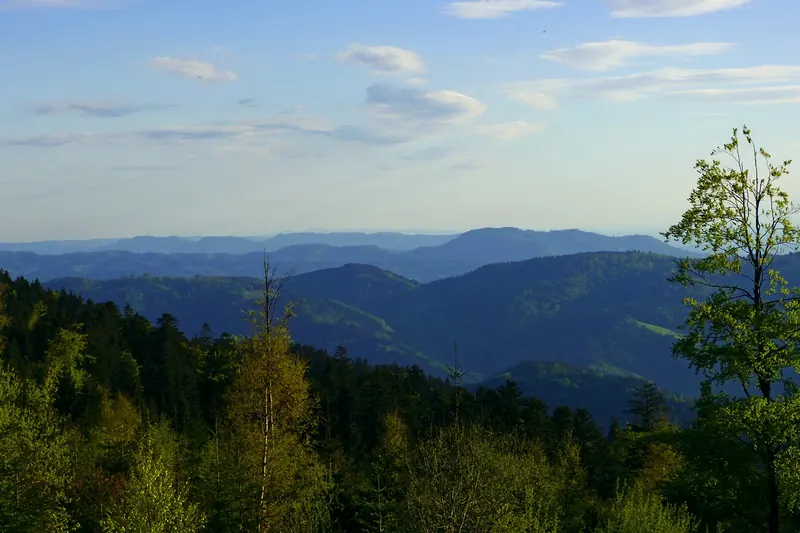
A dense forested mountain region in Germany's southwest, home to spa towns, cuckoo clocks, Black Forest gateau and some of the country's best hiking.

Don't miss Triberg's waterfall crashing through the forest, Germany's highest, and the small town beneath it that essentially invented the cuckoo clock as a global souvenir industry.

Explore Destination — The Black Forest
Historic SiteCity

Nuremberg

Bavaria

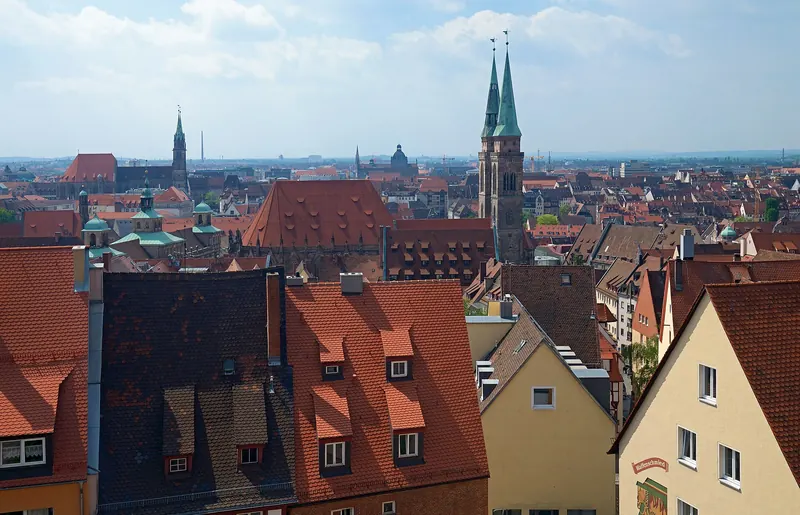
A medieval Franconian city, rebuilt after wartime destruction, carrying both a genuine imperial past and a direct, honestly presented Nazi-era history.

Don't miss The Kaiserburg's fortified silhouette above Nuremberg's rebuilt medieval old town, a skyline that has represented imperial power, propaganda and reckoning within the same century.

Explore Destination — Nuremberg
Coast & BeachesNature & Wildlife

Rügen and the Baltic Coast

Mecklenburg-Vorpommern

Germany's largest island, its white chalk cliffs and elegant seaside resorts forming a Baltic coastline most visitors never associate with the country.

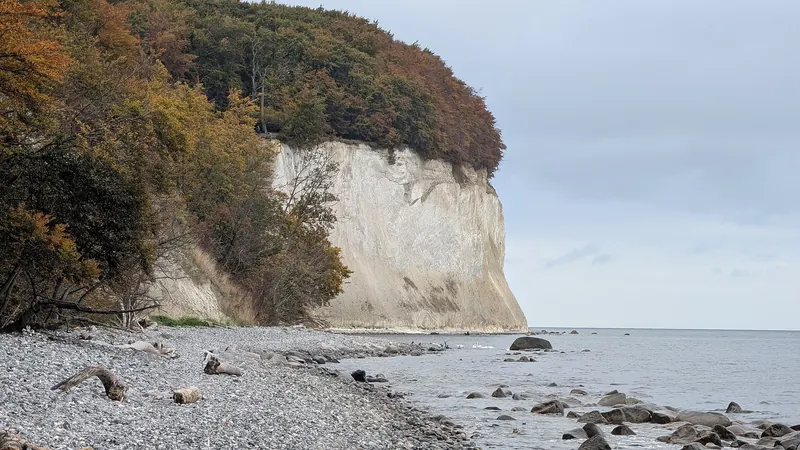
Don't miss The Königsstuhl chalk cliff dropping sheer into the Baltic's blue-green water, framed by beech forest, one of Germany's most photographed natural views.

Explore Destination — Rügen and the Baltic Coast

Browse all 510 destinations

Experiences

Best things to do in Germany

The experiences that recur across the country and that make a Germany trip feel like more than a checklist of cities.

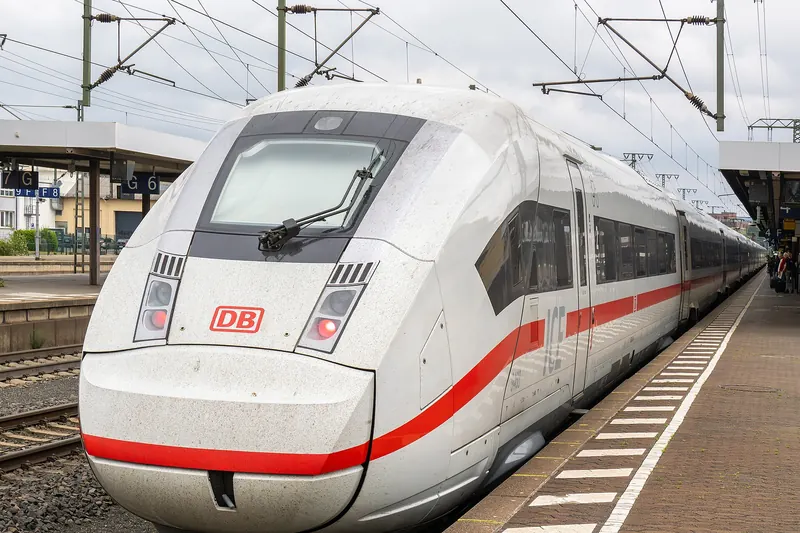
  1. An ICE high-speed train at a German station

    Take the trains, and understand the ticket system

    Germany's rail network reaches almost everywhere in this guide, and the Deutschland-Ticket offers excellent value for regional travel across the whole country on one monthly pass.

    Tip ICE high-speed trains need separate reservations and tickets from regional services — book directly via Deutsche Bahn's app for the clearest fare comparison.

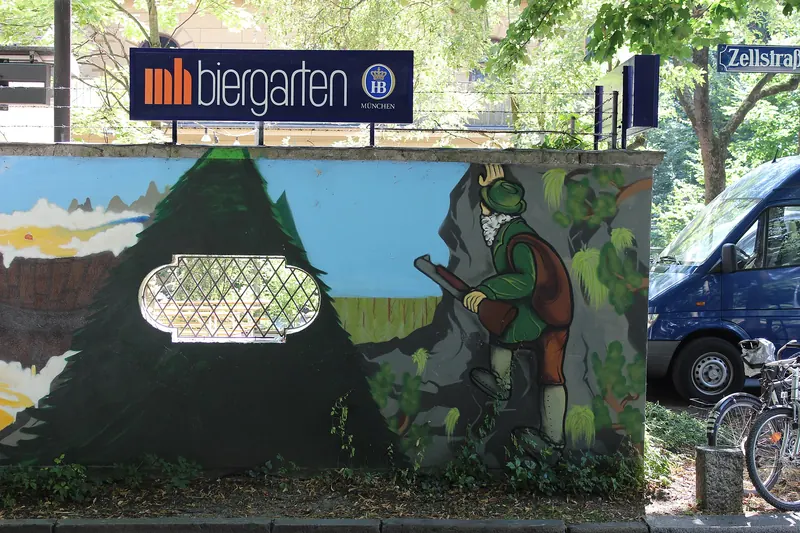
  2. A traditional beer garden with long communal tables in Munich

    Sit in a proper beer garden

    A genuine Bavarian and southern German institution: long communal tables, self-service or table service, and a tradition of bringing your own food to some gardens as long as you buy the beer.

    Tip Look for a 'Biergarten' sign specifically — a 'Kneipe' is a different, more bar-like drinking tradition worth trying separately.

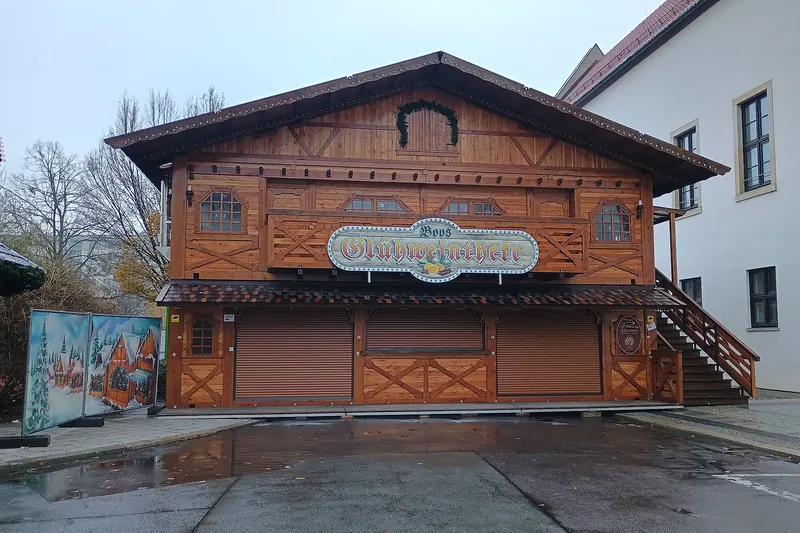
  3. Stalls at a German Christmas market

    Visit a Christmas market, in season

    From late November, Christmas markets — Weihnachtsmärkte — take over town squares across the country with mulled wine, crafts and food stalls, a genuine seasonal institution rather than a tourist add-on.

    Tip Nuremberg's and Dresden's markets are among the oldest and most famous, but even small-town versions are usually worthwhile.

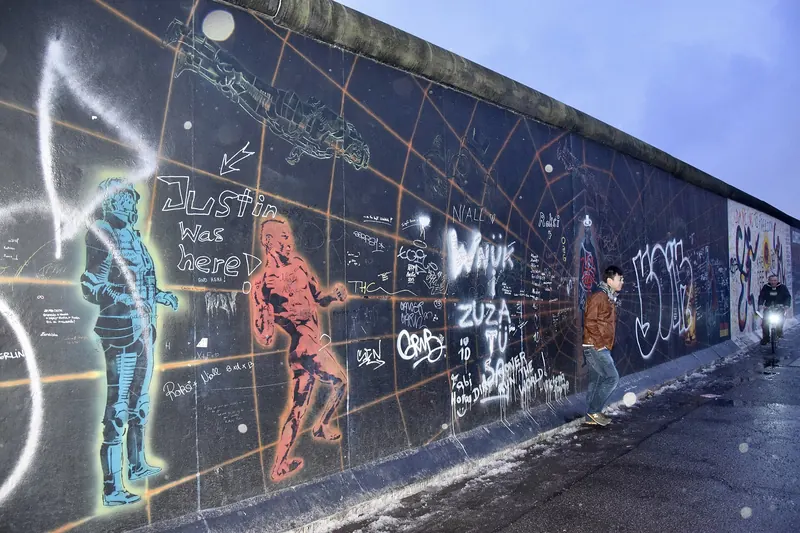
  4. A painted section of the East Side Gallery, a surviving stretch of the Berlin Wall

    Engage seriously with Germany's 20th-century history

    Memorials, museums and preserved sites across the country present the Nazi era and the divided Cold War decades with real honesty, an essential part of understanding modern Germany.

    Tip Berlin alone justifies a full day for this alone — the Holocaust Memorial, Topography of Terror and East Side Gallery are all free to visit.

  5. Fresh rye bread from a German bakery

    Try a proper German bakery

    German bread culture is serious, with hundreds of recognised regional bread types and a bakery on nearly every corner, alongside pastries well beyond the stereotype of pretzels alone.

    Tip A Bäckerei with a queue of locals in the morning is a reliable sign of quality — breakfast pastries sell out early at the best ones.

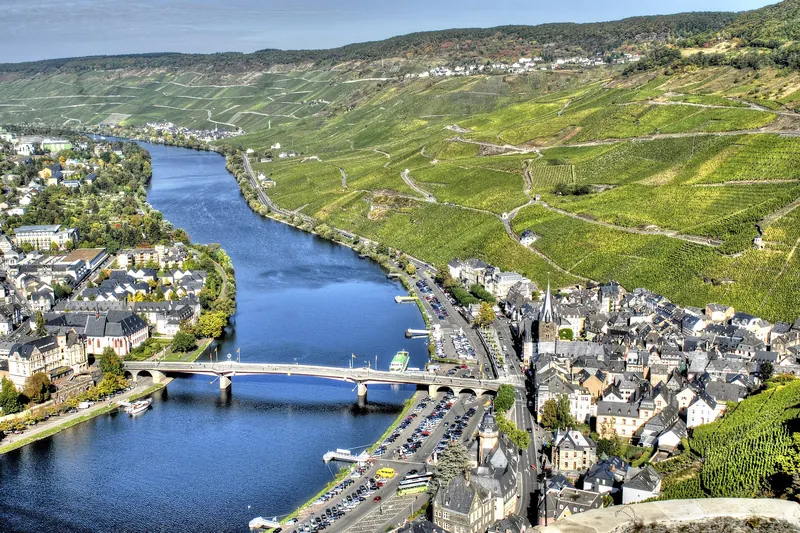
  6. Terraced vineyards above the Mosel valley near Bernkastel-Kues

    Hike or cycle the wine and river valleys

    The Rhine, Mosel and Neckar valleys combine vineyard-covered slopes, riverside paths and hilltop castles into some of Europe's most rewarding gentle walking and cycling country.

    Tip Riverside cycle paths are generally flat and well maintained, making a multi-day valley ride achievable without serious cycling experience.

Food and drink

Germany foods to try

German food's international reputation undersells it badly. Deep regional variety, a serious bread and beer culture and an increasingly excellent modern restaurant scene make the case on their own.

  • Currywurst, sliced sausage with curry-spiced ketchup, a Berlin invention

    Currywurst

    Sliced sausage doused in curry-spiced ketchup, a genuine Berlin invention and one of the country's most beloved fast foods, eaten standing up from a paper tray.

    Where to try it Street stalls and dedicated Currywurst shops across Berlin, though the dish is found nationwide.

  • A basket of fresh Bavarian pretzels

    Pretzels and Bavarian beer hall food

    Soft pretzels, roast pork knuckle (Schweinshaxe) and white sausage (Weisswurst) alongside Bavaria's beer, the classic southern German beer-hall spread.

    Where to try it Munich's beer halls, particularly for a proper Weisswurst breakfast before noon, traditionally.

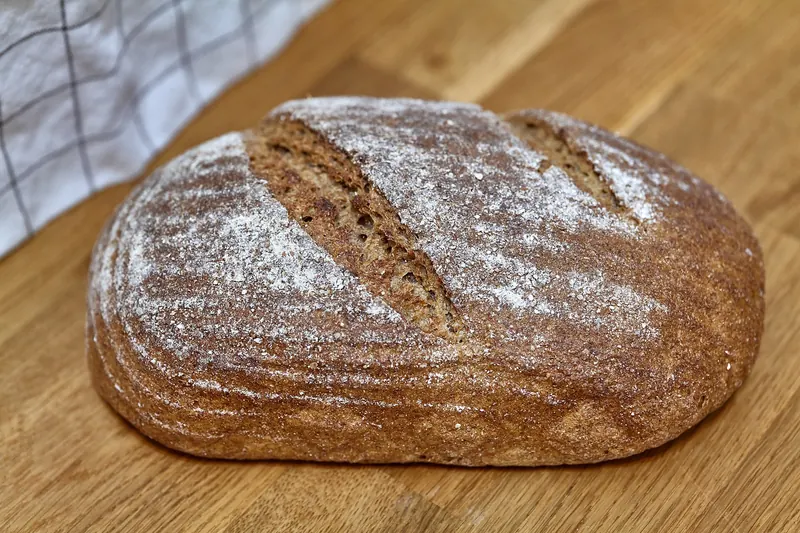
  • A dense German rye bread loaf

    Bread, seriously

    Germany has well over a thousand recognised bread varieties, from dense rye Vollkornbrot to Bavarian pretzel rolls, a genuine point of national culinary pride recognised by UNESCO.

    Where to try it Any proper Bäckerei — look for a morning queue of locals rather than a tourist-facing shopfront.

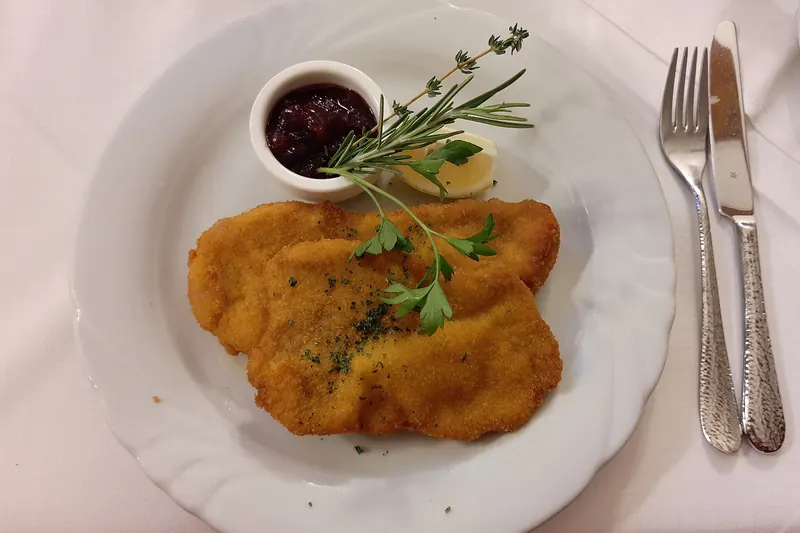
  • A breaded, pan-fried schnitzel with a lemon wedge

    Schnitzel

    A thin, breaded, pan-fried cutlet, usually pork or veal, found on menus nationwide with genuine regional variations in preparation and accompaniment.

    Where to try it Traditional Gasthaus restaurants across the country, often served simply with potatoes and a lemon wedge.

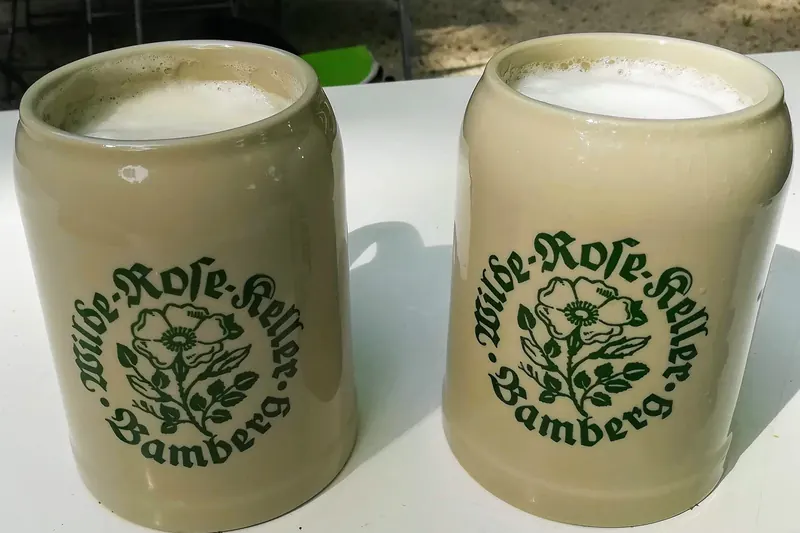
  • Regional German beer steins at a Franconian beer garden

    German beer, regionally

    The 1516 Reinheitsgebot purity law still shapes brewing today, and regional styles — Kölsch in Cologne, Helles in Bavaria, Pils nationwide — are distinct rather than interchangeable lagers.

    Where to try it Drink Kölsch only in Cologne and Altbier only in Düsseldorf, by strong local tradition — each city defends its own style fiercely.

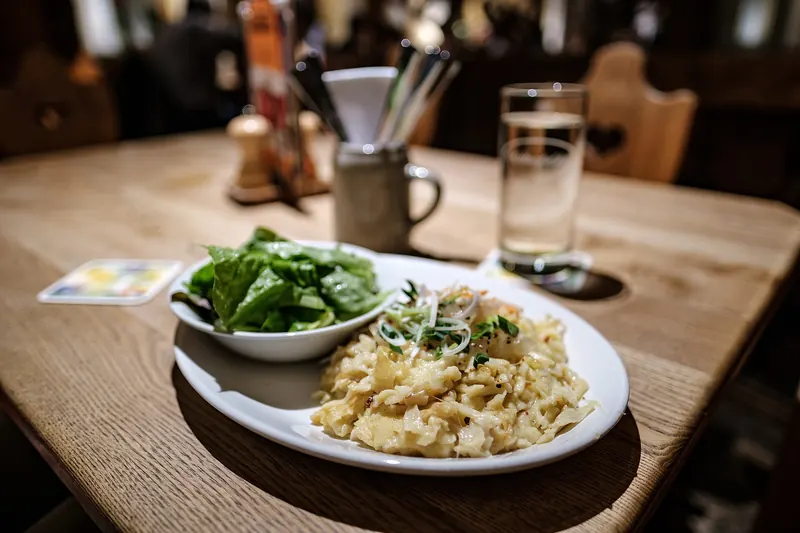
  • Käsespätzle, Swabian egg noodles baked with cheese and onions

    Käsespätzle and regional specialities

    Swabian egg noodles baked with cheese and caramelised onions, a southern German comfort dish alongside countless other strong regional specialities across the country's sixteen states.

    Where to try it Traditional restaurants in Baden-Württemberg and the Black Forest region especially.

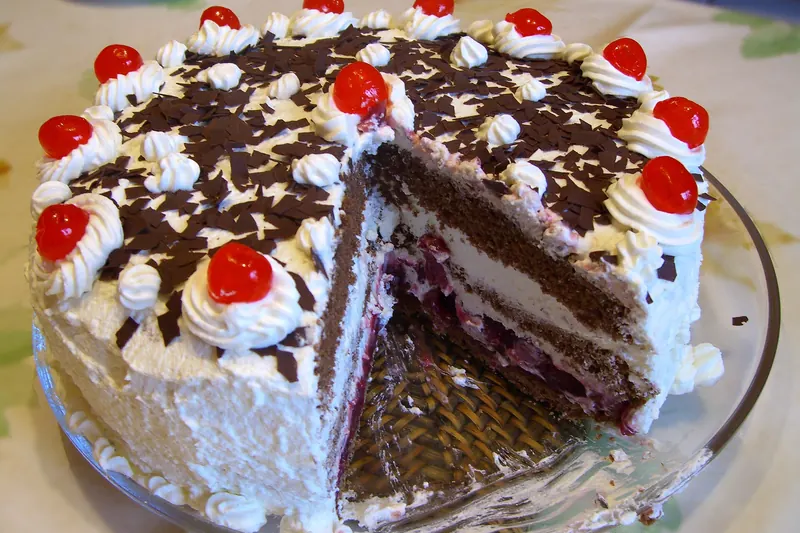
  • A slice of Black Forest gateau, a Kaffee und Kuchen classic

    Cake and coffee culture

    Kaffee und Kuchen — coffee and cake, typically mid-afternoon — is a genuine social institution, with Black Forest gateau (Schwarzwälder Kirschtorte) among the best-known regional specialities.

    Where to try it Traditional Konditorei cake shops and cafes nationwide, with the Black Forest itself the natural home of its namesake cake.

Before you go

Practical travel information for Germany

The essentials, current for 2026. Germany is straightforward and well organised to travel in, with cash culture and Sunday closures the two practicalities that most often catch visitors out.

Capital
Berlin
Language
German nationally, with Sorbian recognised as a minority language in parts of the east and widespread English ability in cities and among younger Germans.
Currency
Euro (€, EUR)
Cards and cash
Card payment is now widely accepted, though Germany remains more cash-reliant than many neighbouring countries — some smaller shops, market stalls and traditional restaurants still take cash only. Carry some cash as a backup.
Entry and visas
Visa-free entry for up to 90 days within a 180-day period for many nationalities including the US, Canada, Australia and UK, under the Schengen Area's common rules.
Power sockets
Type C and F (Europlug/Schuko), 230 V, 50 Hz — standard continental European two-pin plugs.
Emergency number
112 for all emergencies, nationwide, alongside 110 specifically for police.
Tipping
Modest and rounding-based rather than percentage-driven. Round up or add roughly 5–10% for good restaurant service, handed directly to the server rather than left on the table.
Safety
Very safe overall, with low rates of violent crime against visitors. Pickpocketing occurs in crowded tourist areas and on public transport in major cities — standard vigilance is enough to avoid it.
Internet and SIM
Excellent 4G and 5G in cities, though rural mobile coverage lags some neighbouring countries. Public WiFi is less universal than in some countries — a local SIM or eSIM is worth arranging on arrival.
Time zone
Central European Time (UTC+1) in winter, Central European Summer Time (UTC+2) from late March to late October.

Daily budget guide (per person)

Backpacker
€55–85 per day — hostels, bakery lunches, regional trains
Mid-range
€110–180 per day — three-star hotels, restaurant meals, ICE trains
Comfortable
€200–350 per day — good hotels, guided tours, first-class rail
Munich and Berlin supplement
Add roughly 15–25% to any budget band specifically in these two cities

Excludes international flights. Figures are typical rather than absolute — cities and peak season run higher.
When to go

Best time to visit Germany

Germany's weather is changeable across its size, but late spring and early autumn offer the best balance of daylight, mild temperatures and manageable crowds.

  • Spring (April–May)

    Best time

    Mild and increasingly green, with beer gardens reopening and crowds still below summer peak. April can still be cool, especially in the north.

  • Summer (June–August)

    Good

    Long daylight hours, the best chance of warm weather, and Oktoberfest preparations building through August — also the most crowded and expensive months in Munich and Berlin.

  • Autumn (September–October)

    Best time

    Comfortable temperatures, wine harvest season along the Rhine and Mosel, and Oktoberfest itself running from mid-September into early October.

  • Winter (November–March)

    Shoulder

    Short, often grey days and genuine cold, but Christmas markets from late November bring real seasonal charm, and December is an excellent time for city breaks.

Worth planning around: Oktoberfest weekends in Munich if you have not booked accommodation and beer tent reservations many months ahead — the city's capacity is stretched during the festival.

Trip length

How long to spend in Germany

Germany's rail network makes an ambitious multi-region itinerary workable, though the Black Forest and the Baltic coast reward more time than a rushed loop allows.

  • 4–5 days

    Berlin alone fills five days without repeating itself, or Berlin plus a single day trip to Potsdam or Dresden.

    A short Germany trip is better spent deeply in one city than spread thin across the country.

  • 8–10 days

    Berlin, then south to Munich by train via Nuremberg — the classic first-trip route connecting the capital and Bavaria.

    Add a day in the Romantic Road towns for a well-paced journey rather than a single long transfer.

  • 12–16 days

    The itinerary on this page: Berlin, Dresden, Nuremberg, Munich, the Romantic Road, the Rhine Valley and Cologne, covering the country's east-to-west range without a car for most of it.

    Enough time to add real countryside — the Black Forest or the Rhine Valley — to the classic cities route.

  • 3 weeks or more

    Add Hamburg and the Baltic coast properly, or the Black Forest with a hire car for its smaller villages and hiking trails.

    The Baltic coast and the Black Forest's back roads are where a second Germany trip belongs, and both reward a full week rather than a rushed add-on.

Getting around

Transportation in Germany

Germany's rail network connects every destination in this guide, and understanding ICE versus regional fares is the single biggest lever on cost.

  • ICE high-speed trains

    Berlin to Munich is about 4 hours, Berlin to Hamburg under 2, Cologne to Munich around 4h30. Advance Sparpreis tickets, released months ahead, are dramatically cheaper than walk-up fares.

    Book via the DB Navigator app for the clearest comparison between Sparpreis and flexible fares.

  • Regional trains and the Deutschland-Ticket

    A single monthly ticket covers regional and local transport nationwide, excellent value for a trip combining several nearby destinations, such as the Romantic Road towns.

    Regional trains are slower than ICE services but the Deutschland-Ticket makes them a genuine budget option for shorter hops.

  • Rental car

    Useful for the Black Forest's smaller villages and hiking trailheads, and for a flexible Rhine Valley castle-hopping route beyond the riverside towns' rail stops.

    Germany's autobahns have unrestricted sections but also frequent speed-limited stretches — do not assume open-road driving throughout.

  • Coaches

    FlixBus connects most of the country more cheaply than rail, if considerably slower — a useful budget option for longer, less time-sensitive journeys.

    Booking ahead secures the cheapest fares, similar to rail.

  • Ferries

    To Rügen and other Baltic islands, and across to Scandinavia from northern ports including Hamburg's wider region.

    Book ahead in summer for popular island crossings, particularly with a car.

Sample route

Two weeks in Germany

Berlin, Dresden and Nuremberg, then Bavaria and the Rhine. Covers six of the ten destinations in this guide by train, with a short car hire for the Romantic Road leg.

  1. Day1

    Arrive in Berlin

    • Morning Land and take the train or express bus into the city.
    • Afternoon A first walk around the Brandenburg Gate and Unter den Linden.
    • Evening Dinner in Kreuzberg or Prenzlauer Berg.
  2. Day2

    Berlin's history

    • Morning The Holocaust Memorial and the Reichstag, booked ahead.
    • Afternoon The East Side Gallery and Checkpoint Charlie.
    • Evening A traditional beer hall dinner.
  3. Day3

    Museum Island and beyond

    • Morning Museum Island's collections.
    • Afternoon A neighbourhood walk through Kreuzberg or Neukölln.
    • Evening Berlin's nightlife, at whatever pace suits.
  4. Day4

    To Dresden

    • Morning Train to Dresden, under two hours.
    • Afternoon The rebuilt Frauenkirche and the Zwinger Palace.
    • Evening Dinner in Dresden's old town.
  5. Day5

    To Nuremberg

    • Morning Train to Nuremberg.
    • Afternoon The old town and Nuremberg Castle.
    • Evening Dinner featuring Nuremberg's famous small sausages.
  6. Day6

    To Munich

    • Morning Train to Munich.
    • Afternoon Marienplatz and the Viktualienmarkt.
    • Evening A proper Bavarian beer hall dinner.
  7. Day7

    Munich's museums

    • Morning The Deutsches Museum or the Pinakothek galleries.
    • Afternoon The English Garden's beer gardens.
    • Evening A final Munich dinner.
  8. Day8

    Into the Romantic Road

    • Morning Hire a car and drive to Neuschwanstein Castle.
    • Afternoon Tour the castle and its surrounding scenery.
    • Evening Dinner in Füssen.
  9. Day9

    Rothenburg ob der Tauber

    • Morning Drive north to Rothenburg's walled old town.
    • Afternoon Walk the town walls and explore the medieval streets.
    • Evening Dinner within the walls.
  10. Day10

    To the Rhine Valley

    • Morning Return the hire car and train to the Rhine Valley.
    • Afternoon A river cruise past vineyard-covered slopes and castles.
    • Evening Dinner in a riverside town.
  11. Day11

    Rhine castles

    • Morning Visit a hilltop castle, such as Marksburg.
    • Afternoon Continue along the valley by train or boat.
    • Evening A wine tasting in a valley village.
  12. Day12

    To Cologne

    • Morning Train to Cologne.
    • Afternoon Cologne Cathedral and the old town.
    • Evening Kölsch beer in a traditional Brauhaus.
  13. Day13

    Free day

    • Morning Shopping or a museum you missed.
    • Afternoon Anything left on the list.
    • Evening Pack and prepare for departure.
  14. Day14

    Depart

    • Morning Train back to Berlin, or fly directly from Cologne.
    • Afternoon Transfer to the airport.
    • Evening Fly home.

Culture

Culture and etiquette in Germany

German culture varies by region, but a handful of broadly shared norms — punctuality, directness, and a particular relationship with rules — hold across most of it.

  • Punctuality is taken seriously

    Arriving on time, for a business meeting or a dinner invitation alike, is a genuine expectation rather than a flexible guideline — being even five minutes late is worth a brief apology.

  • Directness is normal, not rudeness

    Germans generally communicate more directly than many cultures find comfortable at first — a blunt opinion or correction is not meant as hostile, just efficient.

  • Jaywalking is frowned upon

    Crossing against a red pedestrian light, even with no traffic present, draws real disapproval, especially with children nearby — Germans wait for the green man.

  • Sundays are for rest, by law and custom

    Most shops close on Sundays nationwide, and loud activities like mowing a lawn are restricted in many areas — plan grocery shopping accordingly.

  • Formal address matters on first meeting

    The formal 'Sie' rather than the informal 'du' is expected with strangers and in business contexts until invited to switch — a small but noticed courtesy.

  • Recycling and waste sorting are taken seriously

    Germany's multi-bin recycling system is comprehensive, and visitors staying in apartments or with locals are expected to sort correctly.

Do

  • Arrive on time, or a few minutes early, for any appointment or reservation
  • Wait for pedestrian crossing lights even when no traffic is visible
  • Carry some cash, since not all businesses accept cards
  • Use formal address ('Sie') with strangers until invited to switch to 'du'
  • Book Oktoberfest accommodation and beer tent tables many months ahead if visiting in September
  • Plan grocery shopping around Sunday closures, which are close to universal

Don't

  • Don't jaywalk, even on an empty street — it is noticed and disapproved of
  • Don't assume every business takes cards — some smaller restaurants and shops are cash-only
  • Don't bring up Nazi-era history casually or jokingly — it is treated with real seriousness
  • Don't expect shops to be open on Sundays outside of bakeries, some tourist areas and train stations
  • Don't be late without a brief apology, even by a few minutes
  • Don't assume the autobahn is entirely speed-limit-free — many stretches are restricted

Travel tips

Germany travel tips

The things that most often go wrong on a Germany trip, in rough order of how much they cost people.

  • Book ICE Sparpreis train tickets as far ahead as possible — fares released months out can be a fraction of the walk-up price for the same journey.
  • Carry some cash — Germany remains more cash-reliant than many neighbouring countries, especially at smaller restaurants and market stalls.
  • Plan around Sunday closures — most shops close nationwide, though bakeries, restaurants and train station shops generally stay open.
  • Book Oktoberfest accommodation and beer tent reservations many months ahead if visiting Munich in September.
  • Consider the Deutschland-Ticket if combining several regional destinations — it covers regional trains and local transport nationwide for one monthly price.
  • Wait for pedestrian crossing lights — jaywalking is frowned upon and sometimes fined.
  • Pack for real regional weather variation — the Baltic coast and the Bavarian Alps can differ sharply even on the same day.
  • Reserve Neuschwanstein Castle tickets online well ahead in summer, when walk-up queues can mean missing the day's tour slots entirely.

FAQ

Visiting Germany: frequently asked questions

How many days do you need in Germany?

Ten to fourteen for a first trip. Eight to ten covers Berlin, Nuremberg and Munich by train with reasonable pacing; twelve to sixteen lets you add real countryside like the Rhine Valley or the Romantic Road, which is the itinerary on this page. Four or five days is enough for Berlin alone, and Berlin alone justifies a trip.

What is the best time of year to visit Germany?

May to June and September are the sweet spots — mild weather, long daylight in early summer, and the wine harvest and Oktoberfest in autumn. Summer brings the best odds of warm weather at the cost of crowds; winter is cold but the Christmas markets from late November bring real seasonal charm.

Do I need a car in Germany?

Only for specific regions. The rail network covers Berlin, Munich, Hamburg, Cologne, Dresden and Nuremberg extremely well. A car becomes useful for the Black Forest's smaller villages and a flexible Rhine Valley castle route, and is the practical way to see several Romantic Road towns in one trip.

Is Germany expensive?

Mid-range travel runs about €110–180 per person per day, with Munich and Berlin adding a modest premium over that figure. Booking ICE trains and Oktoberfest accommodation well ahead is the single biggest lever on cost, alongside eating at bakeries and traditional Gasthaus restaurants rather than tourist-focused ones.

Is Germany safe for tourists?

Very. Violent crime against visitors is rare, and most cities are safe to walk in the evening. The practical risk is pickpocketing in crowded tourist areas and on public transport in major cities, manageable with ordinary vigilance around bags and phones.

Is it easy to get by with English in Germany?

Generally yes in cities and among younger Germans, especially in tourism-facing roles, though learning a few basic German phrases is appreciated and occasionally necessary in smaller towns and rural areas.

Ready to plan your Germany trip?

The full travel guide covers routes, budgets, regional differences and how to string these ten destinations into a trip that actually works.

Read the Germany travel guide

Advertisement