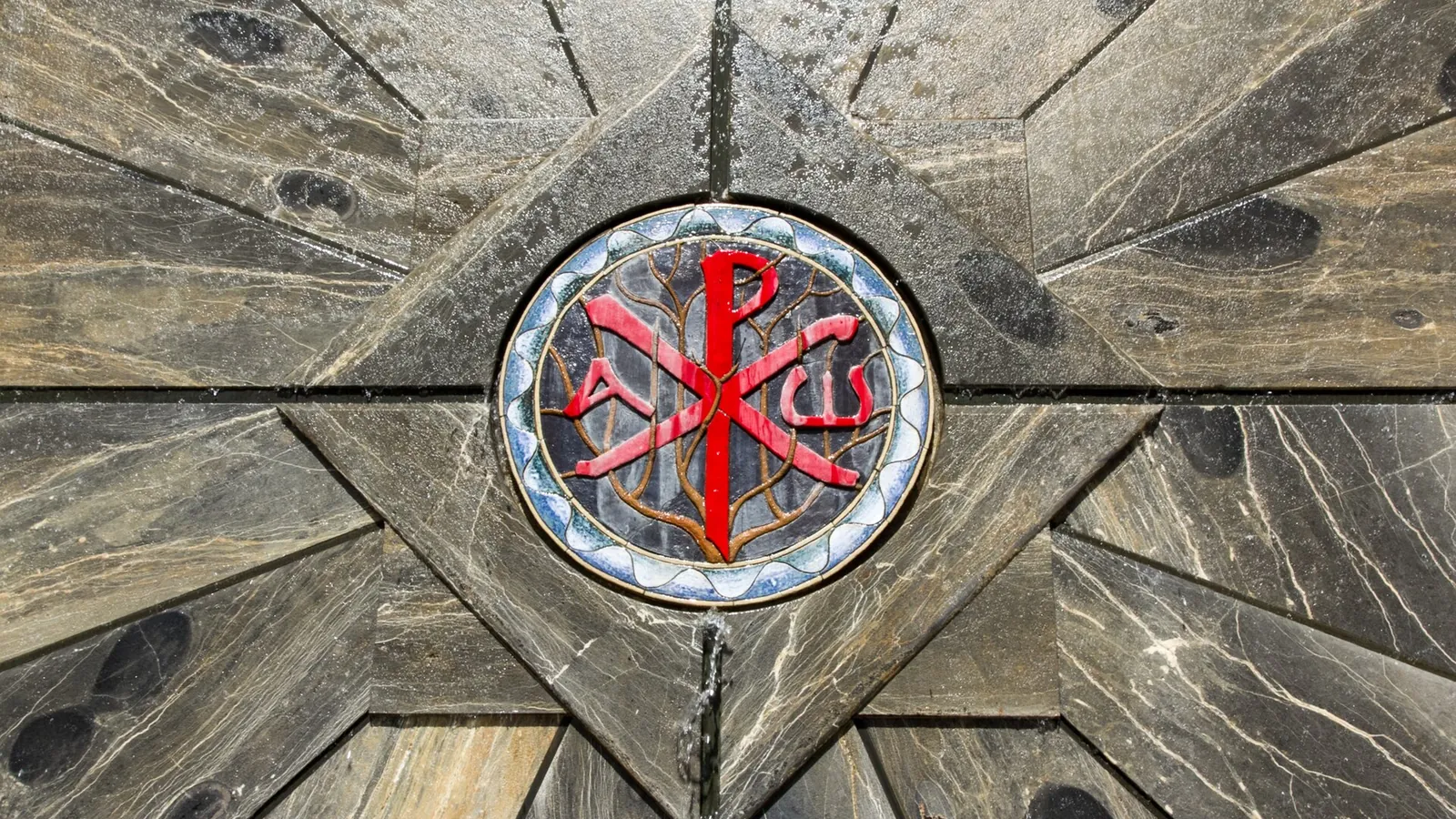
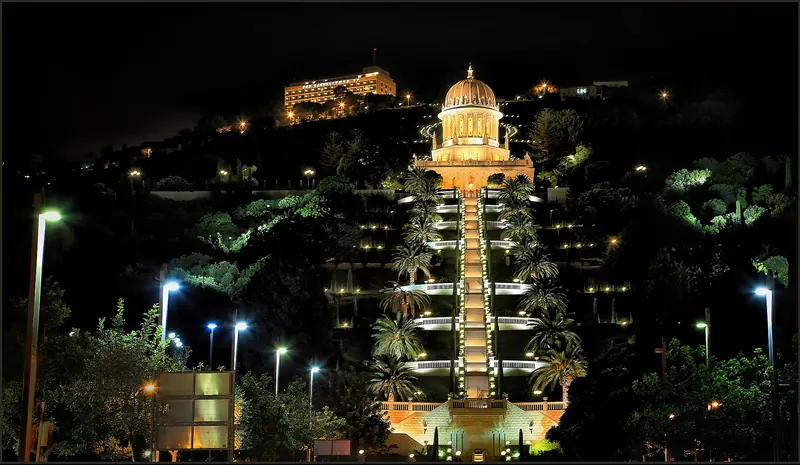
The Basilica of the Annunciation and its dome in Nazareth

Northern District, Lower Galilee · Israel

Nazareth

The hillside town where Christian tradition places the Annunciation and Jesus's childhood, and today the largest Arab city in Israel.

  • Best time March–May and September–November
  • Stay 1 day
  • Good for Christian pilgrimage, food, culture, day trips

Photo: Oren Rozen · CC BY-SA 3.0

Welcome to Nazareth

Nazareth appears in the Gospels as the hometown of Mary and Joseph, where, according to the Gospel of Luke, the angel Gabriel announced to Mary that she would bear a son, and where Jesus grew up. It was a small village in the time of Jesus, and archaeological finds suggest a farming community of a few hundred people. Over the centuries Christian pilgrims built churches on the traditional sites.

Today Nazareth is the largest Arab city in Israel, with a population of about 80,000 that is roughly two-thirds Muslim and one-third Christian. It is a working town rather than a museum piece, with a busy market, a strong food culture and a thriving Arab arts and business scene. The pilgrimage sites are close together in the old quarter, and the surrounding hills of the Lower Galilee offer day trips.

Nazareth can feel overlooked, squeezed between the Sea of Galilee and the coast. It rewards visitors who stay for a meal and an evening, and gives a picture of Arab life in Israel that is rarely seen in a tourist itinerary.

  • Historic Site
  • Culture & Arts
  • Major City

Why visit

Why visit Nazareth?

Nazareth is one of the most important sites in Christianity, and it offers much more than the church.

  • The Basilica of the Annunciation

    The largest Christian church in the Middle East, completed in 1969 over the traditional site of Mary's house, with a lower church that preserves the grotto and mosaics from many countries in the upper church.

  • A different side of Israel

    Nazareth is an Arab city, and visiting it gives a view of Palestinian-Arab culture, cuisine and daily life inside Israel.

  • A superb market

    The old souk, with its spices, sweets and street food, is one of the best in the north.

  • Some of the best food in the north

    Arab restaurants here serve Galilean dishes that are hard to find elsewhere, and many are excellent value.

  • An easy base

    The Sea of Galilee, Mount Tabor, Cana and Sepphoris are all within half an hour.

Main attractions

Top things to see in Nazareth

The main sites are within a few minutes' walk of each other in the old quarter. A full day covers them and the market.

  1. The Basilica of the Annunciation

    A large modern church built in the 1960s over earlier Byzantine and Crusader churches. The lower level has the Grotto of the Annunciation, and the upper church has huge mosaics of Mary from Catholic communities around the world.

    Tip Dress modestly, and expect crowds around midday. Mass times are posted.

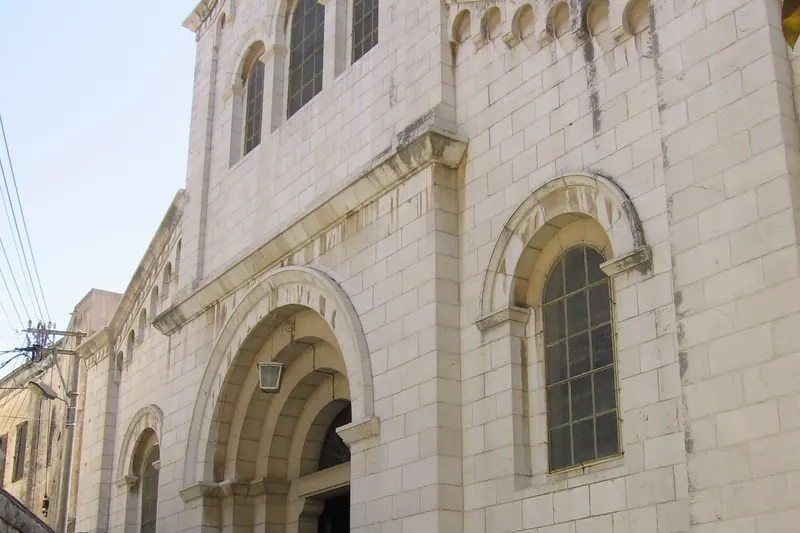
  2. The Franciscan Church of St Joseph in Nazareth

    St Joseph's Church

    A Franciscan church next to the Basilica, built over a site traditionally identified with Joseph's carpentry workshop. The lower level has caves and cisterns that date from the time of Jesus.

    Tip It is quieter than the Basilica, and combine the two.

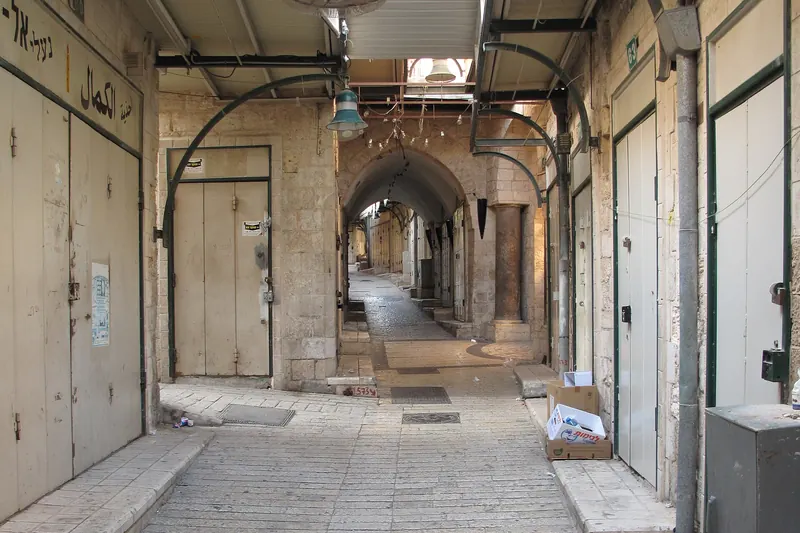
  3. A street in the old market in Nazareth

    The Old Market (Souk)

    A network of stone alleys near the Basilica with spice merchants, sweet shops, textile stalls and cafés. It is lively in the morning and late afternoon.

    Tip Taste the sweets and buy spices. Most shops close on Sunday.

  4. Mary's Well and the Greek Orthodox Church of the Annunciation

    A spring in a nearby church that Orthodox Christians hold to be where Mary received the annunciation while drawing water. It is an atmospheric church with icons and painted walls.

    Tip Check opening hours, which are limited.

  5. The White Mosque

    An Ottoman-era mosque with a green-and-white minaret in the old town, one of the town's main Muslim landmarks. It sits in the centre of the market.

    Tip Respect the dress code and prayer times.

  6. Nazareth Village

    A living-history site that recreates a first-century farming village, with costumed guides, terraces, a synagogue and a carpenter's workshop. It shows how ordinary people lived in Jesus's time.

    Tip Book a guided visit, and allow about two hours.

  7. Mount Precipice

    A cliff on the edge of the city, identified by tradition as the place where the townspeople tried to throw Jesus off a hill. It has a fine view across the Jezreel Valley to Mount Tabor.

    Tip Go in the late afternoon for the view.

Things to do

Best things to do in Nazareth

Nazareth is best on foot and best with an appetite.

  1. Visit the Basilica early

    The Basilica is quiet in the first hour, and the grotto is much more atmospheric without a crowd.

    Tip Check opening hours and Mass times.

  2. Wander the old souk

    Explore the stone alleys, taste sweets, and pick up spices. The souk is a good place to see everyday life.

    Tip Go in the morning, and dress modestly.

  3. Have a long Arab lunch

    Nazareth has some of the best Palestinian-Arab food in Israel, with dozens of restaurants serving mezze, grills and Galilean specialities.

    Tip Ask about the day's specials.

  4. Visit Nazareth Village

    A guided walk through a reconstructed first-century village, useful for context on Jesus's life and the landscape.

    Tip Book ahead for a guided tour.

  5. Take a day trip to Cana, Sepphoris and Mount Tabor

    Sepphoris (Tzippori) has Roman mosaics, including the famous 'Mona Lisa of the Galilee', Cana is the traditional site of the wedding miracle, and Mount Tabor is the traditional site of the Transfiguration.

    Tip A car or a taxi is essential.

  6. Watch the sunset from Mount Precipice

    The Jezreel Valley spreads out beneath you, and Mount Tabor rises in the distance.

    Tip Go late in the afternoon in clear weather.

Local food

What to eat in Nazareth

Nazareth is a food destination in its own right, and one of the best places in Israel to eat Palestinian-Arab cooking.

  • Galilean mezze

    Dozens of small dishes, from hummus and baba ghanoush to stuffed vine leaves, salads and cheeses, served at the start of a meal.

    Where to try it Family restaurants in the old town.

  • Grilled meats

    Kebabs, lamb chops and shishlik grilled over charcoal and served with salads and bread.

    Where to try it Grill restaurants on the main streets.

  • Knafeh

    A hot cheese pastry with syrup, and Nazareth's speciality. Locals eat it for breakfast or dessert.

    Where to try it Sweet shops in the old town.

  • Musakhan

    Roasted chicken with sumac, caramelised onions and olive oil on taboon bread, a dish from the West Bank and Galilee.

    Where to try it Traditional restaurants.

  • Fresh bread and pastries

    Bakeries make bread, pastries and sfiha, and open early.

    Where to try it Bakeries near the market.

  • Arabic coffee and tea

    Strong cardamom coffee and sweet tea, served in cafés and shops.

    Where to try it Cafés in the old town.

Accommodation

Where to stay in Nazareth

Most visitors visit Nazareth as a day trip, but staying overnight gives you a quiet evening and a proper meal. Options range from pilgrim guesthouses to boutique hotels.

  • The old town

    A handful of boutique hotels and guesthouses in restored Ottoman houses, close to the Basilica and the market.

    Best for: Atmosphere and walking

  • Upper Nazareth and the Mount Precipice area

    Larger hotels with parking and views, a short drive from the old town.

    Best for: Modern hotels and parking

What a night costs

Guesthouse or hostel
₪200–400 per night
Boutique hotel
₪500–900 per night
Basilica entry
Free, with donations welcome
Lunch in the old town
₪50–100 per person

Transport

Getting to and around Nazareth

Nazareth is about 100 km from Tel Aviv and 150 km from Jerusalem, and most visitors arrive by car or bus.

Getting there

  • Car

    About 90 minutes from Tel Aviv and 40 minutes from Haifa. Parking in the old town is limited, so use a car park at the edge and walk.

    The roads are good.

  • Bus

    Buses run from Tel Aviv, Haifa and Tiberias to Nazareth's central bus station.

    Buses are less frequent on Shabbat.

  • Train and bus

    Trains reach Afula or Haifa, with onward buses to Nazareth.

    Check the timetable and connections.

Getting around

The old town is walkable, and the hills are steep.

  • Walking

    The Basilica, the market and the old town are within a 15-minute walk.

    The streets are steep and sometimes crowded.

  • Taxi

    Taxis take you to Mount Precipice, Cana, Sepphoris and Nazareth Village.

    Agree the fare in advance.

  • Car

    Useful for day trips, with parking outside the old town.

    Traffic in the centre can be heavy.

When to go

Best time to visit Nazareth

Nazareth sits in the hills of the Lower Galilee and has a Mediterranean climate. It is pleasant for much of the year, hot in summer and wet in winter.

  • Spring (March–May)

    Best time

    Green hills and warm, clear weather. Easter is very busy.

  • Summer (June–August)

    Shoulder

    Hot, typically around 30°C, but milder than the coast. Go early and late.

  • Autumn (September–November)

    Best time

    Warm, quiet and clear, with good light.

  • Winter (December–February)

    Quiet

    Cool, wet and occasionally cold. Christmas brings a festive atmosphere and pilgrims.

Worth planning around: Sunday mornings, when many shops are closed, and Easter and Christmas weeks if you want quiet.

Itinerary

One day in Nazareth

The churches and the market in the morning, a long lunch and a trip to Sepphoris or Mount Precipice in the afternoon. Assumes a car or taxi.

  1. Day1

    Churches, the souk and a long lunch

    The pilgrimage sites and the town's food.

    • Morning The Basilica of the Annunciation and St Joseph's Church.
    • Afternoon The old souk, then lunch at a family restaurant.
    • Evening Sunset at Mount Precipice, or a trip to Sepphoris.

Travel tips

Nazareth travel tips

Nazareth is friendly and easy, and these tips help.

  • Start with the Basilica, early. The church fills up by late morning.
  • Dress modestly for the churches and mosques, with shoulders and knees covered.
  • Have lunch in the old town. The food is a highlight and much better value than the tourist restaurants near the coach parks.
  • Sunday is quieter, as many Christian-owned businesses close. Friday is the day of prayer for Muslims and some shops close at midday.
  • Take a taxi or a car to the day-trip sites. Public transport is limited.
  • Ask before photographing people, and be respectful of worshippers.
  • Check the security advice for the north, and avoid areas your government advises against.

FAQ

Nazareth: frequently asked questions

Is Nazareth worth visiting?

Yes, for its significance to Christianity and for its living Arab culture and food. It is a good addition to a Galilee trip, and one day is enough to see the main sites.

Why is Nazareth important?

It is the traditional site of the Annunciation and the hometown of Jesus in the Gospels. The Basilica of the Annunciation is one of the most important Christian pilgrimage sites.

Is Nazareth safe for tourists?

Nazareth is generally regarded as safe for visitors, and it is a popular stop for pilgrims and tourists. Check current advice for the north, and follow local guidance.

What is the best way to see Nazareth?

On foot in the old town, and by car or taxi for day trips to Cana, Sepphoris and Mount Tabor. A guided tour can help with the history.

Is Nazareth an Arab city?

Yes. It is the largest Arab city in Israel, with a majority Muslim and a large Christian population. Arabic is the main language, and Hebrew and English are widely understood.

Can I visit Nazareth from Tel Aviv or Jerusalem in a day?

Yes, though it is a long day. Staying overnight and combining it with the Sea of Galilee is much more relaxed.

Read next

Related travel articles

Food

A Country-by-Country Food Primer

Eating well abroad is mostly a matter of knowing when meals happen, how the menu is structured and which dish belongs to the place you are standing in. This covers all three for the five countries in this guide, plus the signals that separate a restaurant that feeds locals from one that feeds coaches.

Heritage

UNESCO Sites Worth Planning a Trip Around

A UNESCO listing tells you a place matters; it does not tell you whether it is worth two days and a detour. This is how to read the list usefully — and which sites reward building a trip around them.

Advertisement