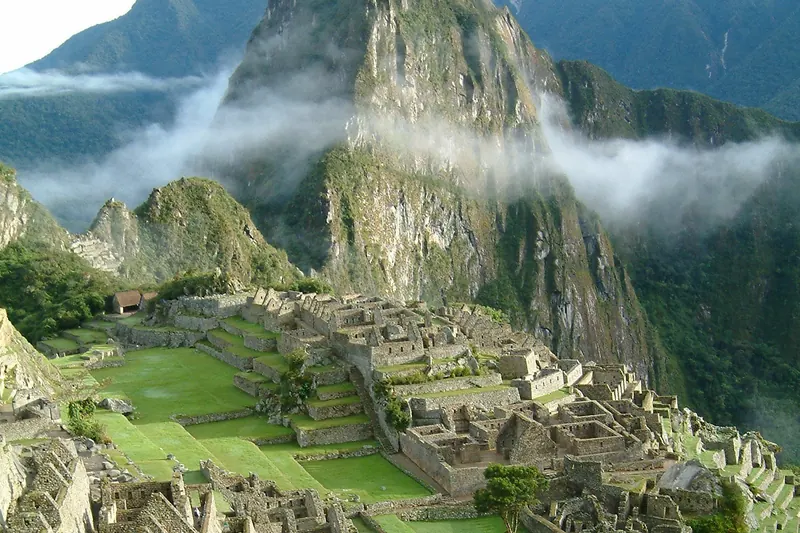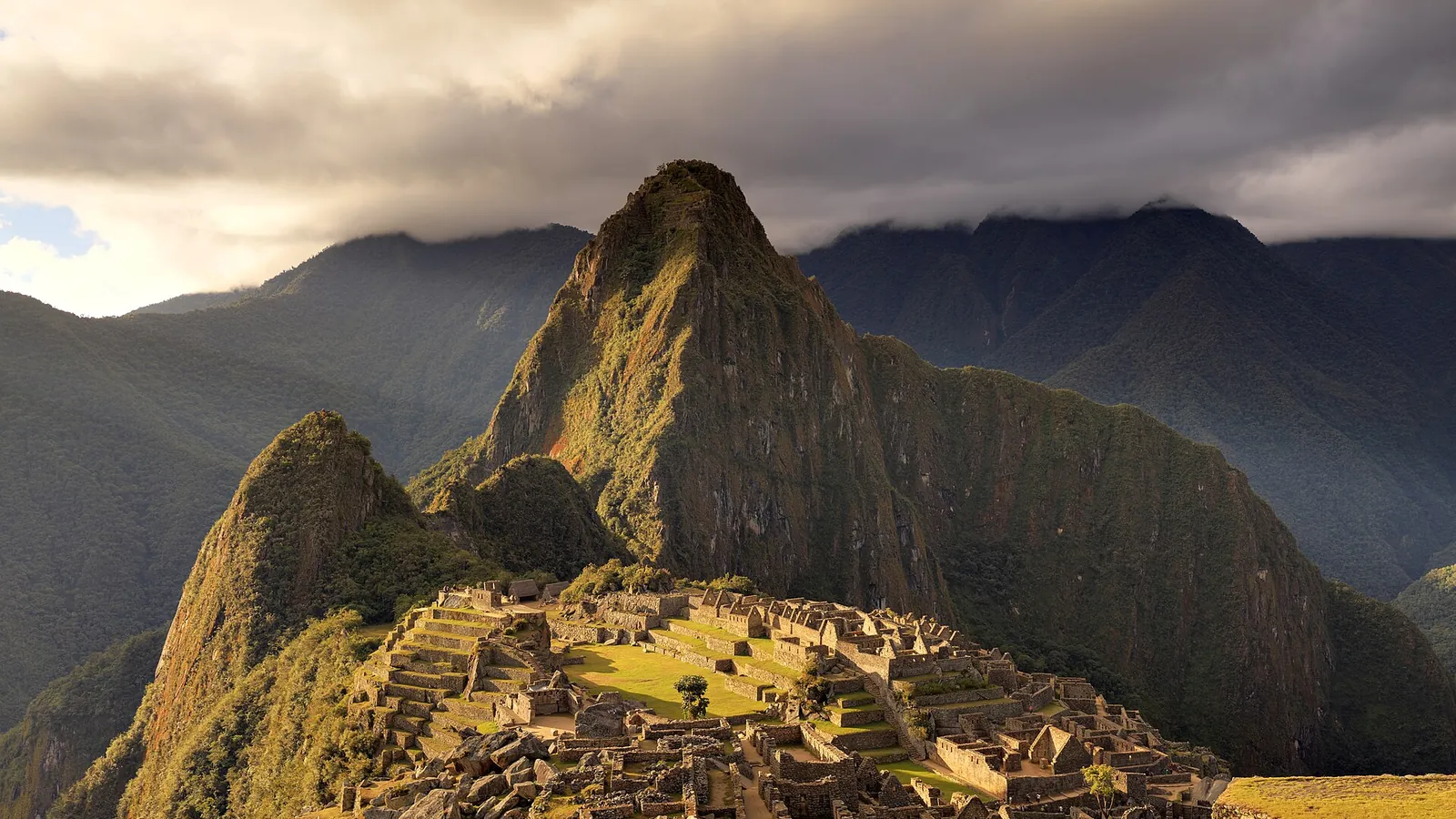
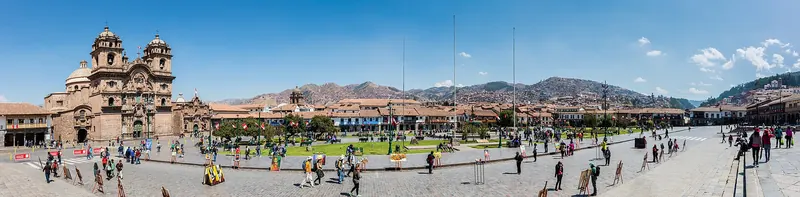
Machu Picchu, the ancient Inca citadel high in the Andes

South America

Peru Travel Guide

A country of lost Inca cities, high-altitude lakes and desert oases, where three thousand years of history sit in plain sight above the clouds.

  • Destinations 10 hand-picked
  • Best time May to September for the dry season, best for Machu Picchu and the Andes
  • Ideal trip 10–14 days for a first trip

Photo: Martin St-Amant (S23678) · CC BY-SA 3.0

Why go to Peru

Peru is a country where extraordinary history is never far from the surface — Inca stonework still forms the foundations of colonial buildings in Cusco, and Machu Picchu remains one of the only major ancient wonders the Spanish conquest never found.

That history sits within dramatic geography, from Andean peaks over 4,000 metres and the world's deepest canyons to the Amazon basin's dense rainforest and a Pacific coastline hiding lines in the desert visible only from the air.

It's also a country that rewards a slower pace — high altitude in Cusco and Lake Titicaca demands real acclimatisation time, and the distances between the coast, the Andes and the jungle are considerably greater than a map first suggests.

Where to go

Best Places to Visit in Peru

Ordered roughly by how strongly we would recommend each for a first visit — though the Amazon and the far south coast reward a second trip just as much as a first.

HistoryCulture

Cusco

Cusco Region

The former capital of the Inca Empire, a high-altitude city where colonial architecture sits directly on Inca foundations, and Peru's essential gateway to Machu Picchu.

Don't miss Running a hand along Sacsayhuamán's massive stone walls, some blocks weighing well over 100 tonnes, fitted together without mortar so precisely a knife blade still can't slip between them.

Explore Destination — Cusco
HistoryUNESCO Site

Machu Picchu

Cusco Region

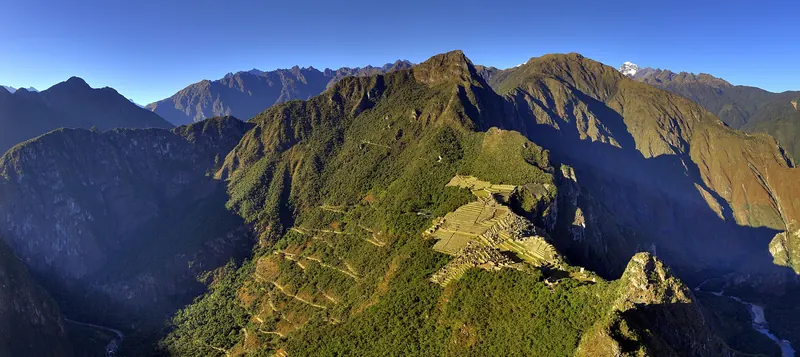
The Inca citadel high above the Urubamba River, one of the only major ancient wonders the Spanish conquest never found, and Peru's single most iconic sight.

Don't miss Watching the first sunlight hit the citadel's stone terraces from the classic overlook, Huayna Picchu's peak still wrapped in morning mist behind it.

Explore Destination — Machu Picchu
HistoryNature & Wildlife

The Sacred Valley

Cusco Region

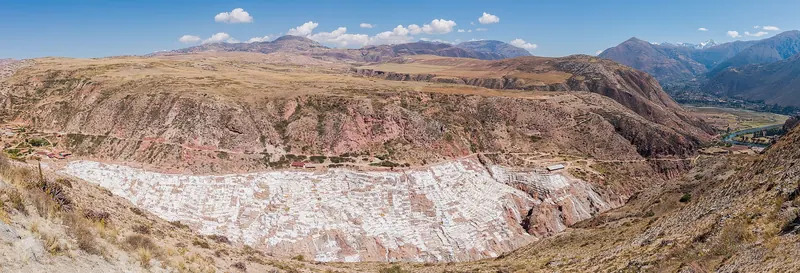
The Inca Empire's fertile agricultural heartland, a valley of ruins, salt pans and living villages between Cusco and Machu Picchu.

Don't miss Standing at the rim of Moray's perfectly concentric circular terraces, each level once its own distinct microclimate for testing crops.

Explore Destination — The Sacred Valley
CityCulture

Lima

Lima Region

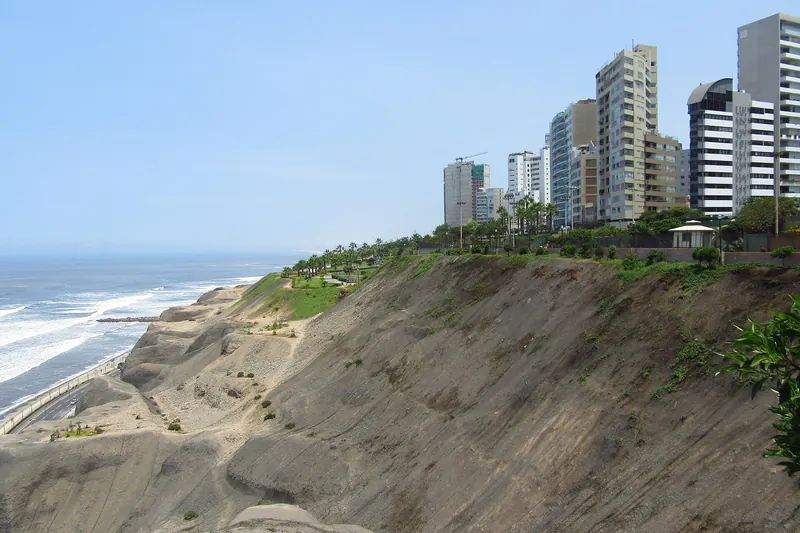
Peru's coastal capital, a sprawling city of colonial grandeur, pre-Inca pyramids and a food scene now recognised among the best in the world.

Don't miss Watching the sun set over the Pacific from Huaca Pucllana's ancient clay pyramid, the modern skyline of Miraflores rising just beyond its earthen walls.

Explore Destination — Lima
Nature & WildlifeCulture

Lake Titicaca & Puno

Puno Region

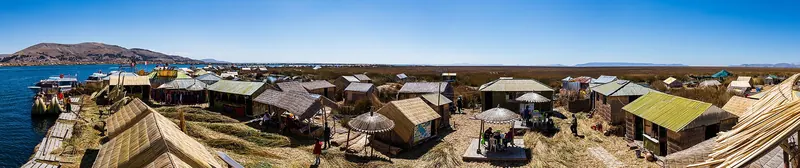
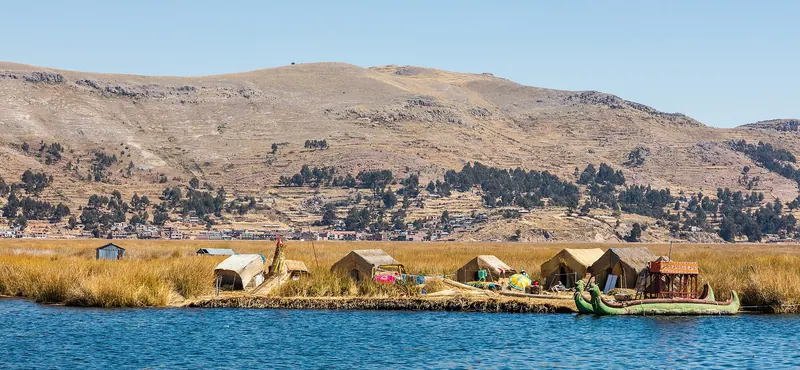
The world's highest navigable lake, home to the Uros people's floating reed islands and the traditional weaving villages of Taquile and Amantaní.

Don't miss Stepping onto a Uros floating island for the first time, the spongy reed ground shifting slightly underfoot, unlike anywhere else on Earth.

Explore Destination — Lake Titicaca & Puno
CityNature & Wildlife

Arequipa & Colca Canyon

Arequipa Region

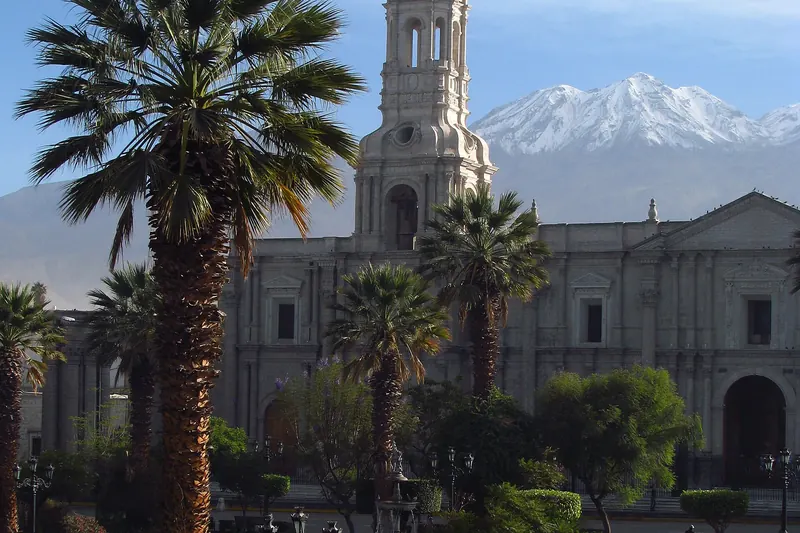
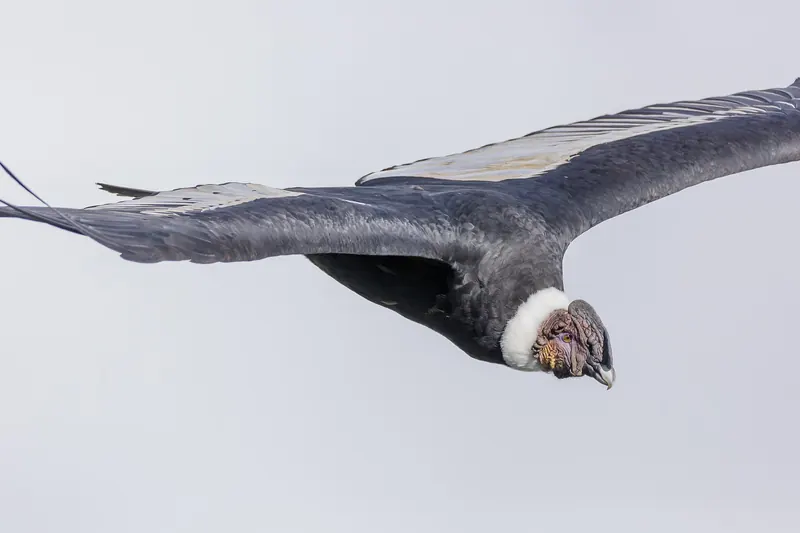
Peru's beautifully preserved white volcanic-stone city, paired with Colca Canyon, one of the world's deepest, and reliable Andean condor sightings.

Don't miss Watching an Andean condor rise on a thermal at eye level from Cruz del Cóndor, close enough to see every feather of its three-metre wingspan.

Explore Destination — Arequipa & Colca Canyon
HistoryUNESCO Site

The Nazca Lines

Ica Region

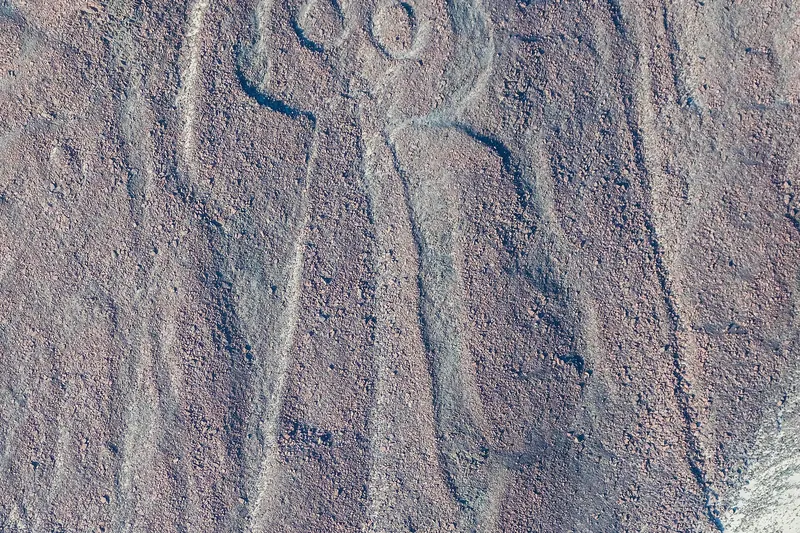
Massive ancient geoglyphs etched into Peru's southern desert, so large they're only fully legible from the air, and still not fully explained after a century of study.

Don't miss Watching the Hummingbird geoglyph resolve into perfect focus from a small plane window, a shape etched into the desert floor by people who never saw it from above.

Explore Destination — The Nazca Lines
DesertAdventure

Huacachina

Ica Region

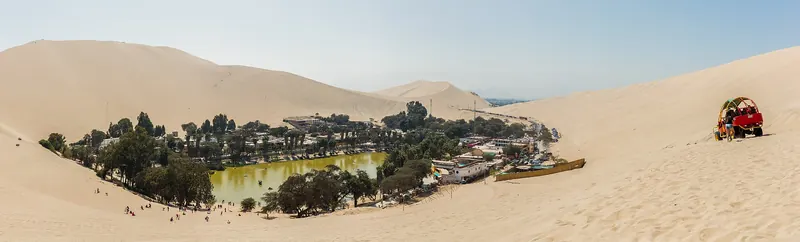
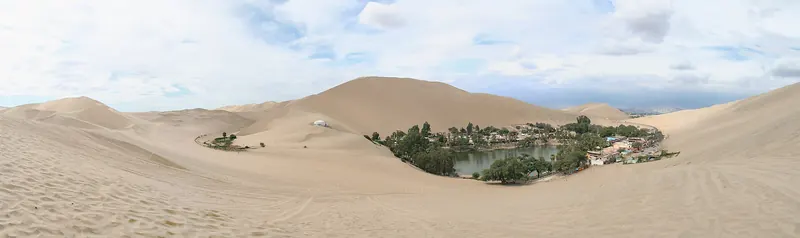
A small, genuine oasis village surrounded by towering desert dunes, built almost entirely around dune buggy rides, sandboarding and desert sunsets.

Don't miss Cresting a towering dune at sunset in a dune buggy, the whole oasis suddenly visible below, a tiny green circle in an ocean of sand.

Explore Destination — Huacachina
HikingNature & Wildlife

Rainbow Mountain

Cusco Region

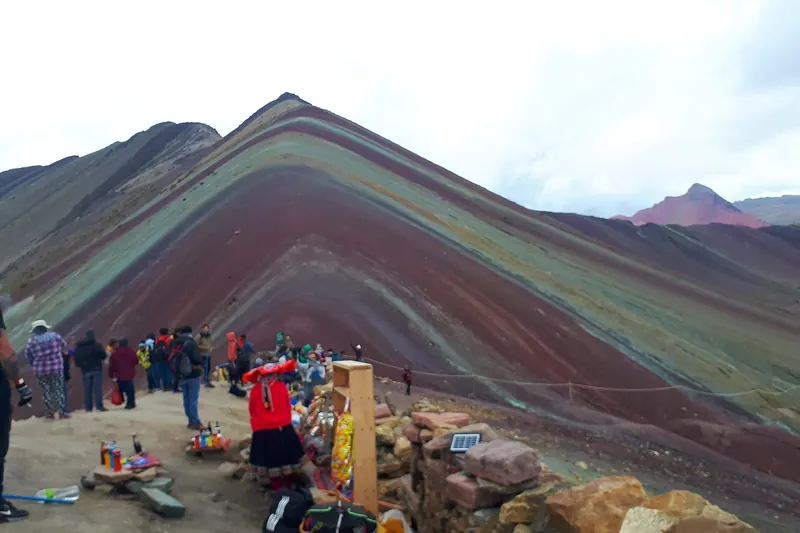
A real mineral-striped mountain at over 5,000 metres above sea level, its bands of colour among the most photographed natural sights in the Andes.

Don't miss Cresting the final ridge after hours of high-altitude hiking to see Vinicunca's full band of colours spread out below, more vivid in person than in any photo.

Explore Destination — Rainbow Mountain

Browse all 510 destinations

Experiences

Best things to do in Peru

The experiences that recur across the country and that make a Peru trip feel like more than a checklist of ruins.

  1. Sunrise over the ancient citadel of Machu Picchu

    Watch sunrise over Machu Picchu

    The essential Peru experience, watching the first light reveal the Inca citadel's full scale from the classic viewpoint.

    Tip Book the first entry slot of the day for both the best light and the thinnest crowds.

  2. The floating reed islands of the Uros people on Lake Titicaca

    Ride a reed boat on Lake Titicaca

    A living tradition, not a museum piece, visiting the Uros people's floating islands built entirely from woven totora reeds.

    Tip Combine with a stay on Taquile or Amantaní island for a fuller, less rushed experience.

  3. Hike a stretch of the Inca Trail

    One of the world's great treks, following stone paths laid by the Inca themselves toward Machu Picchu.

    Tip Book months ahead — permits for the classic four-day trail sell out well in advance.

  4. An Andean condor soaring over Colca Canyon

    Spot condors over Colca Canyon

    A thrilling sight, Andean condors riding thermals at eye level from the canyon's rim at Cruz del Cóndor.

    Tip Arrive by 8am — the condors' morning flights are far more reliable than later in the day.

  5. Towering sand dunes surrounding the Huacachina oasis

    Sandboard the dunes at Huacachina

    A thrilling desert detour, racing dune buggies and sandboarding towering dunes around a palm-fringed oasis.

    Tip Go in the late afternoon for cooler sand and dramatic desert light.

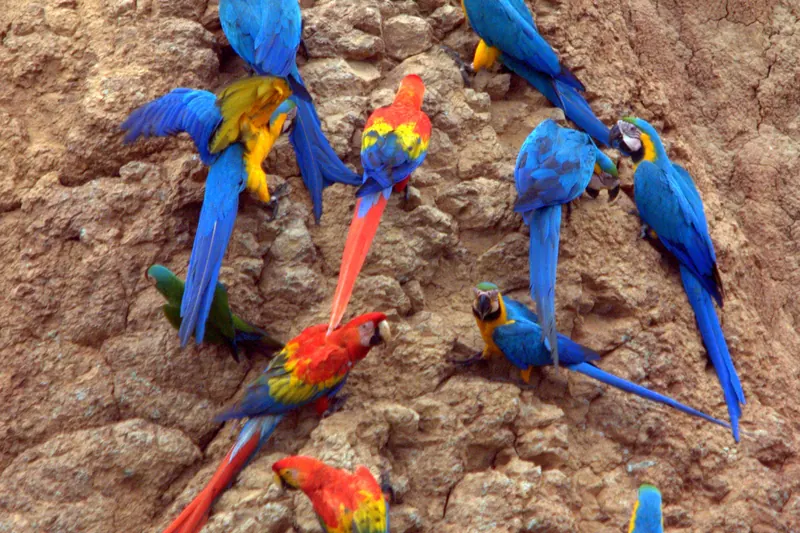
  6. Macaws at a clay lick in the Peruvian Amazon

    Search for wildlife in the Amazon

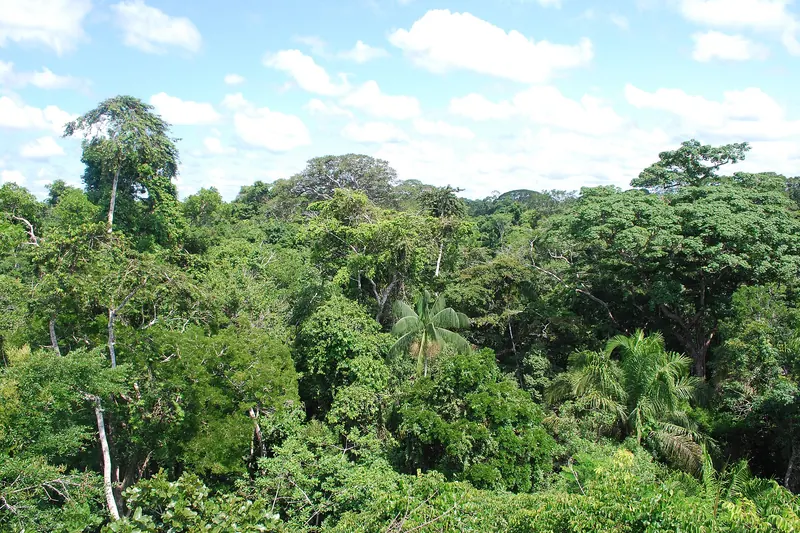
    One of the most biodiverse places on Earth, with real chances of macaws, monkeys and giant river otters.

    Tip A multi-day lodge stay reveals far more wildlife than a rushed day trip.

Food and drink

Peru foods to try

Peruvian food's growing global reputation is well earned, built on serious seafood, Andean ingredients and centuries of cultural fusion.

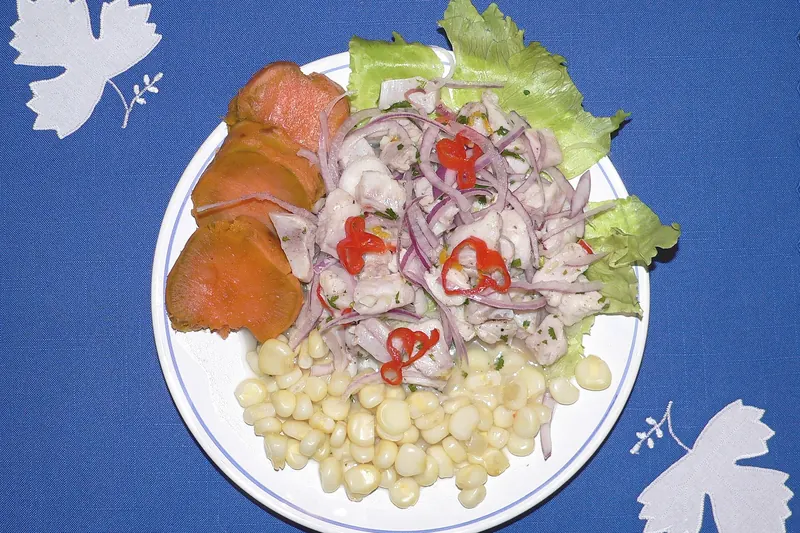
  • Ceviche, Peru's national dish of citrus-cured raw fish

    Ceviche

    Peru's national dish, fresh raw fish cured in citrus with onion and chili, best eaten fresh at midday.

    Where to try it Coastal cevicherías nationwide, especially in Lima.

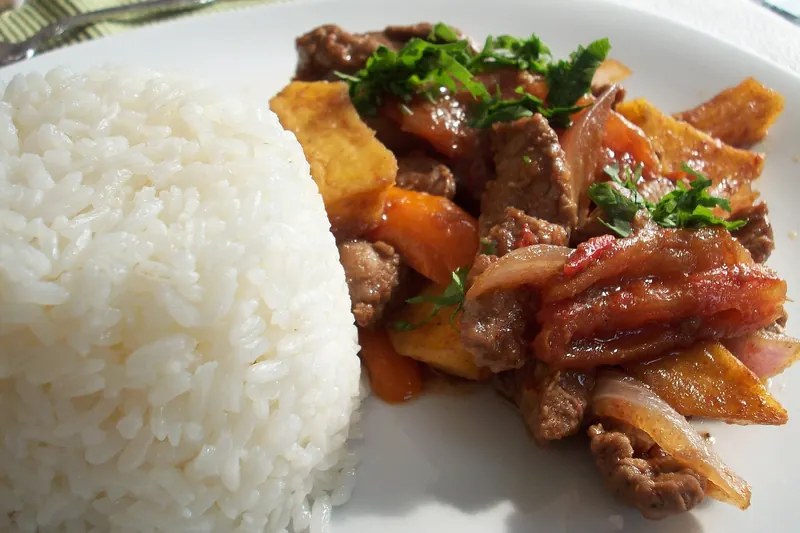
  • Lomo saltado, a Peruvian stir-fry of beef, onions and fries

    Lomo saltado

    A beloved fusion dish, beef stir-fried with onions, tomatoes and soy sauce, served with fries and rice.

    Where to try it Restaurants nationwide, from street stalls to fine dining.

  • A pisco sour, Peru's national cocktail

    Pisco sour

    Peru's national cocktail, a frothy mix of pisco brandy, lime, egg white and bitters.

    Where to try it Bars and restaurants nationwide.

  • Causa limeña, a layered Peruvian potato dish

    Causa limeña

    A Lima classic, mashed yellow potato layered with chicken, avocado or seafood, seasoned with lime and chili.

    Where to try it Restaurants throughout Lima and nationwide.

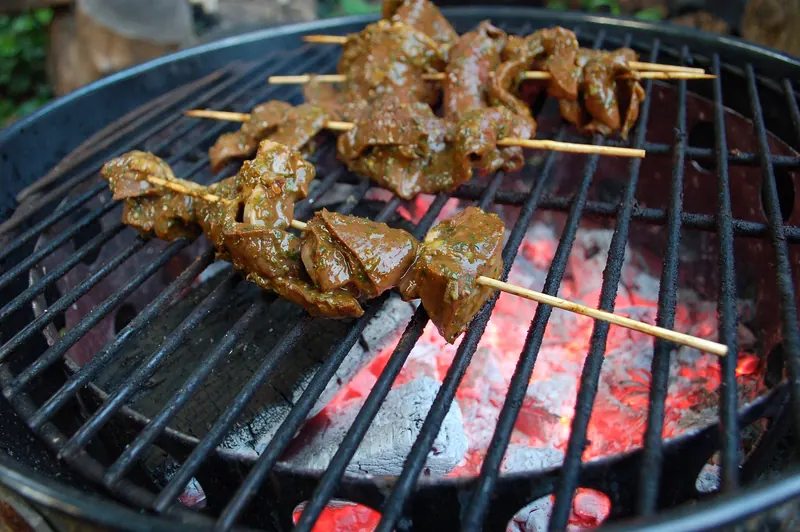
  • Anticuchos, grilled beef heart skewers

    Anticuchos

    A beloved street food, marinated and grilled beef heart skewers with a real depth of smoky flavour.

    Where to try it Street stalls nationwide, especially in the evening.

  • Coca tea

    A common remedy for altitude sickness in the Andes, a mild herbal tea made from coca leaves.

    Where to try it Hotels and cafés throughout Cusco and Puno.

Before you go

Practical travel information for Peru

The essentials, current for 2026. Peru is straightforward to travel in, with altitude and long distances between regions the two practicalities that most often catch visitors out.

Capital
Lima
Language
Spanish nationally, with Quechua and Aymara widely spoken in Andean regions.
Currency
Peruvian sol (S/)
Cards and cash
A mix of card and cash — cash is still preferred at markets and smaller rural businesses.
Entry and visas
Visa-free entry for up to 90 or 183 days for many nationalities including the US, Canada, Australia and EU citizens, depending on nationality.
Power sockets
Type A and C, 220 V, 60 Hz.
Emergency number
105 for police, 106 for ambulance, nationwide.
Tipping
Not obligatory but appreciated — 10% at restaurants and small tips for guides and porters.
Safety
Generally safe for tourists in main destinations, with sensible precautions needed around petty theft in Lima and Cusco's busier areas.
Internet and SIM
Good 4G coverage in cities and Cusco, patchy in the Amazon and remote Andean areas.
Time zone
Peru Time (UTC-5), no daylight saving.

Daily budget guide (per person)

Backpacker
S/120–200 per day — hostels, local menus, buses
Mid-range
S/300–550 per day — guesthouses, restaurant meals, guided tours
Comfortable
S/700–1,200 per day — hotels, private guides, domestic flights
Machu Picchu entry and train
Add significantly — tickets and train fares are the trip's biggest single cost

Excludes international flights. Figures are typical rather than absolute — cities and peak season run higher.

When to go

Best time to visit Peru

Peru's diverse geography means the best time varies by region, though the dry Andean season suits most first-time itineraries.

  • Dry season (May–September)

    Best time

    The best window for Machu Picchu, Cusco and the Andes, with clear skies and reliable trails, also the busiest season.

  • Shoulder months (April, October)

    Good

    Fewer crowds with still-decent weather odds across the Andes.

  • Wet season (November–March)

    Good

    Lush and green, though trails can be muddy and the Inca Trail itself closes each February for maintenance.

  • Amazon dry season (June–October)

    Good

    The easiest time for jungle lodges and wildlife spotting, with lower water levels concentrating animals near rivers.

Worth planning around: Attempting the classic Inca Trail in February, when it closes nationwide for annual maintenance.

Trip length

How long to spend in Peru

Peru's long distances and high-altitude acclimatisation needs make a rushed itinerary the most common planning mistake.

  • 5–6 days

    Lima, Cusco and Machu Picchu as a focused highlights trip.

    Enough for the essential Inca sites, though rushed for altitude acclimatisation.

  • 7–9 days

    Lima, Cusco, the Sacred Valley and Machu Picchu at a more comfortable pace.

    A solid, well-paced introduction to Peru's Andean highlights.

  • 10–14 days

    The itinerary on this page: Lima, Cusco, the Sacred Valley, Machu Picchu, Rainbow Mountain and Lake Titicaca.

    A complete first look at Peru's classic highlights.

  • 3 weeks or more

    Add Arequipa, Colca Canyon, the Amazon and the southern desert coast in full.

    The Amazon and far south are where a second Peru trip belongs.

Getting around

Transportation in Peru

A mix of domestic flights, trains and buses is the standard way to see Peru — the country's scale and mountainous terrain make overland travel alone impractical for most itineraries.

  • Domestic flights

    Essential for connecting Lima to Cusco, Arequipa and Puerto Maldonado.

    Flights are short but save days compared to overland travel across the Andes.

  • The PeruRail and Inca Rail trains

    The only practical way to reach Machu Picchu without hiking.

    Scenic, if pricey, routes run from Cusco and the Sacred Valley to Aguas Calientes.

  • Long-distance buses

    Comfortable and affordable for routes like Cusco to Puno or Nazca to Ica.

    Overnight buses with reclining seats cover Peru's longer distances well.

  • Private or shared tours

    The standard way to reach Rainbow Mountain and Colca Canyon.

    Both involve early starts and high-altitude driving best left to experienced local operators.

  • Taxis and rideshare apps

    The easiest way around within Lima and Cusco themselves.

    Widely available and inexpensive in the main cities.

Sample route

Ten days in Peru

A classic route from Lima into the Andes for Cusco, the Sacred Valley and Machu Picchu, with Rainbow Mountain and Lake Titicaca added on. Covers six of the ten destinations in this guide.

  1. Day1

    Arrive in Lima

    • Morning Land in Lima and check in to your hotel.
    • Afternoon Explore Miraflores and the coastal Malecón.
    • Evening Dinner in Barranco or Miraflores.
  2. Day2

    Lima's historic centre

    • Morning The historic Plaza Mayor and cathedral.
    • Afternoon A museum visit, such as the Larco Museum.
    • Evening A final Lima dinner before flying on.
  3. Day3

    Fly to Cusco

    • Morning Fly to Cusco and check in to your hotel.
    • Afternoon Rest and acclimatise to the altitude.
    • Evening A gentle first walk around the Plaza de Armas.
  4. Day4

    Cusco's sights

    • Morning Cusco Cathedral and the Qorikancha.
    • Afternoon Sacsayhuamán and the nearby Inca ruins.
    • Evening Dinner in San Blas.
  5. Day5

    The Sacred Valley

    • Morning Drive to Pisac and its ruins and market.
    • Afternoon Continue to Ollantaytambo's fortress.
    • Evening Overnight in the Sacred Valley.
  6. Day6

    Machu Picchu

    • Morning Train to Aguas Calientes, then bus up to Machu Picchu.
    • Afternoon Explore the citadel with a guide.
    • Evening Return to Cusco or the Sacred Valley.
  7. Day7

    Rainbow Mountain

    • Morning Early departure for Rainbow Mountain.
    • Afternoon The high-altitude hike to the viewpoint.
    • Evening Return to Cusco for the night.
  8. Day8

    On to Lake Titicaca

    • Morning Travel to Puno by bus or flight via Juliaca.
    • Afternoon Settle in and enjoy the lakeside views.
    • Evening Dinner in Puno.
  9. Day9

    The Uros and Taquile islands

    • Morning Boat to the floating Uros islands.
    • Afternoon Continue to Taquile Island.
    • Evening Return to Puno.
  10. Day10

    Return and depart

    • Morning Fly back to Lima via Juliaca or Cusco.
    • Afternoon A final wander or last-minute shopping.
    • Evening Depart for home.

Culture

Culture and etiquette in Peru

Peruvian culture is shaped by a genuine blending of Andean, Spanish colonial and Amazonian traditions, with real, living pride in Inca heritage rather than treating it as distant history.

  • Greetings are warm

    A handshake is standard, and a light cheek kiss between women or mixed pairs is common in social settings.

  • Altitude is taken seriously

    Locals expect visitors to rest and hydrate on arrival in Cusco or Puno, not push through symptoms.

  • Bargaining is expected at markets

    Politely negotiating prices at craft markets is normal, though fixed-price shops don't expect it.

  • Photographing people requires asking first

    Especially in traditional dress at markets or festivals — a small tip is often appropriate.

  • Tipping is modest but appreciated

    Around 10% at restaurants, and small tips for guides and porters on tours.

  • Time runs more relaxed outside Lima

    Tours and buses in rural areas may run behind schedule — build in buffer time.

Do

  • Rest and hydrate on arrival at high altitude before any strenuous activity.
  • Book Machu Picchu tickets and trains well ahead, especially in the June–August dry season.
  • Carry small cash for markets, tips and rural areas with limited card access.
  • Bring layers — Andean days can swing from hot sun to cold within hours.

Don't

  • Don't skip acclimatisation days in Cusco before attempting Rainbow Mountain or the Inca Trail.
  • Don't drink tap water — stick to bottled or purified water nationwide.
  • Don't photograph people without asking first, especially at traditional markets.
  • Don't rush a Peru itinerary — the distances and altitude demand a realistic pace.

Travel tips

Peru travel tips

The things that most often go wrong on a Peru trip, in rough order of how much they cost people.

  • Book Machu Picchu entry tickets and train tickets well ahead, especially for June–August travel.
  • Spend at least a full day acclimatising in Cusco before any high-altitude activity.
  • Drink coca tea or carry altitude sickness medication if prone to symptoms.
  • Pack layers regardless of season — Andean temperatures swing dramatically between day and night.
  • Book Inca Trail permits months ahead if hiking the classic route — it sells out early.
  • Carry cash for markets and rural areas, even though cities are increasingly card-friendly.
  • Drink only bottled or purified water throughout the trip.
  • Budget realistic travel days between regions — Peru's distances are larger than they look on a map.

FAQ

Visiting Peru: frequently asked questions

How many days do you need in Peru?

Ten to fourteen days covers Lima, Cusco, the Sacred Valley, Machu Picchu and Lake Titicaca comfortably, which is the itinerary on this page. A week is enough for Lima, Cusco and Machu Picchu alone, and still worthwhile.

What is the best time of year to visit Peru?

May to September, the dry season, offers the most reliable weather for Machu Picchu and the Andes. The Amazon has its own separate dry season, roughly June to October.

Do I need to worry about altitude sickness?

Yes in Cusco and Puno, both above 3,300 metres — rest on arrival, stay hydrated, and consider coca tea or medication if you're prone to symptoms.

Is Peru expensive?

Moderate overall, affordable outside Machu Picchu's own costs — mid-range travel runs about S/300–550 per person per day, with tickets and trains to Machu Picchu the trip's biggest single expense.

Do you need to book Machu Picchu tickets in advance?

Yes, essential — daily visitor numbers are capped, and tickets, especially for popular time slots, sell out well ahead in peak season.

Is Peru safe to visit?

Generally yes for tourists in the main destinations, with sensible precautions around petty theft in Lima and Cusco's busier tourist areas.

Ready to plan your Peru trip?

The full travel guide covers routes, budgets, regional differences and how to string these ten destinations into a trip that actually works.

Read the Peru travel guide

Advertisement