Welcome to Negev and Mitzpe Ramon
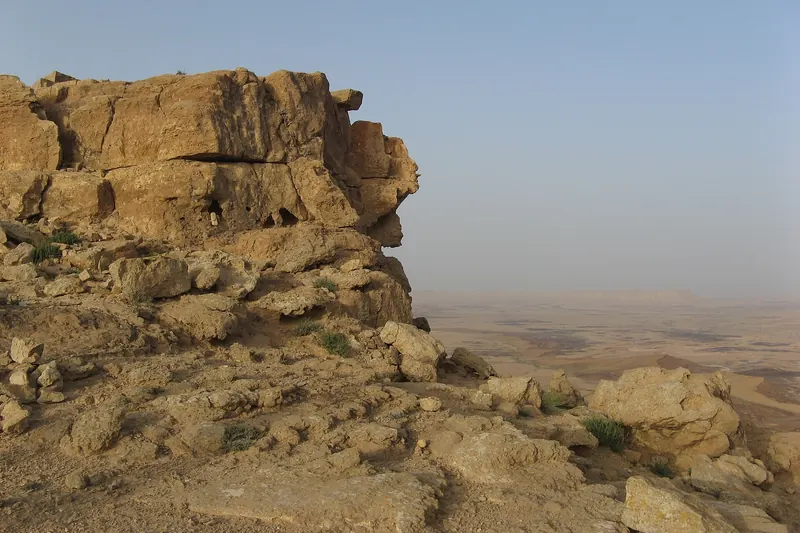
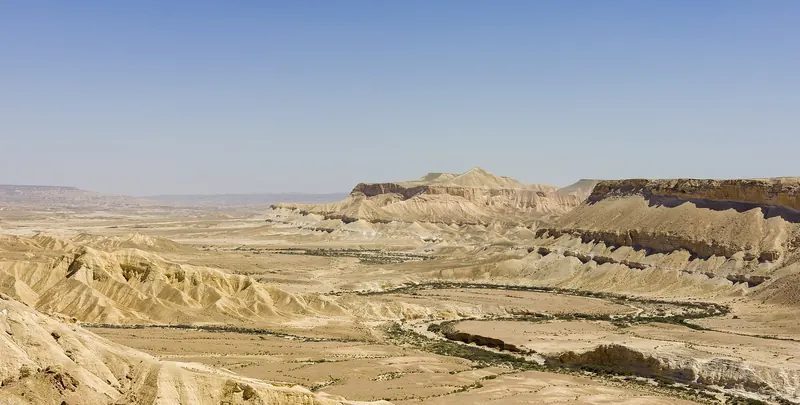
The Negev covers more than half of Israel, about 12,000 square kilometres of desert that stretches south from Beersheba to the Red Sea at Eilat. It is a landscape of dry riverbeds, limestone plateaus, canyons and craters, punctuated by oases and small kibbutzim, and home to a large Bedouin population. Although it is sparsely populated, it has a great deal to see.
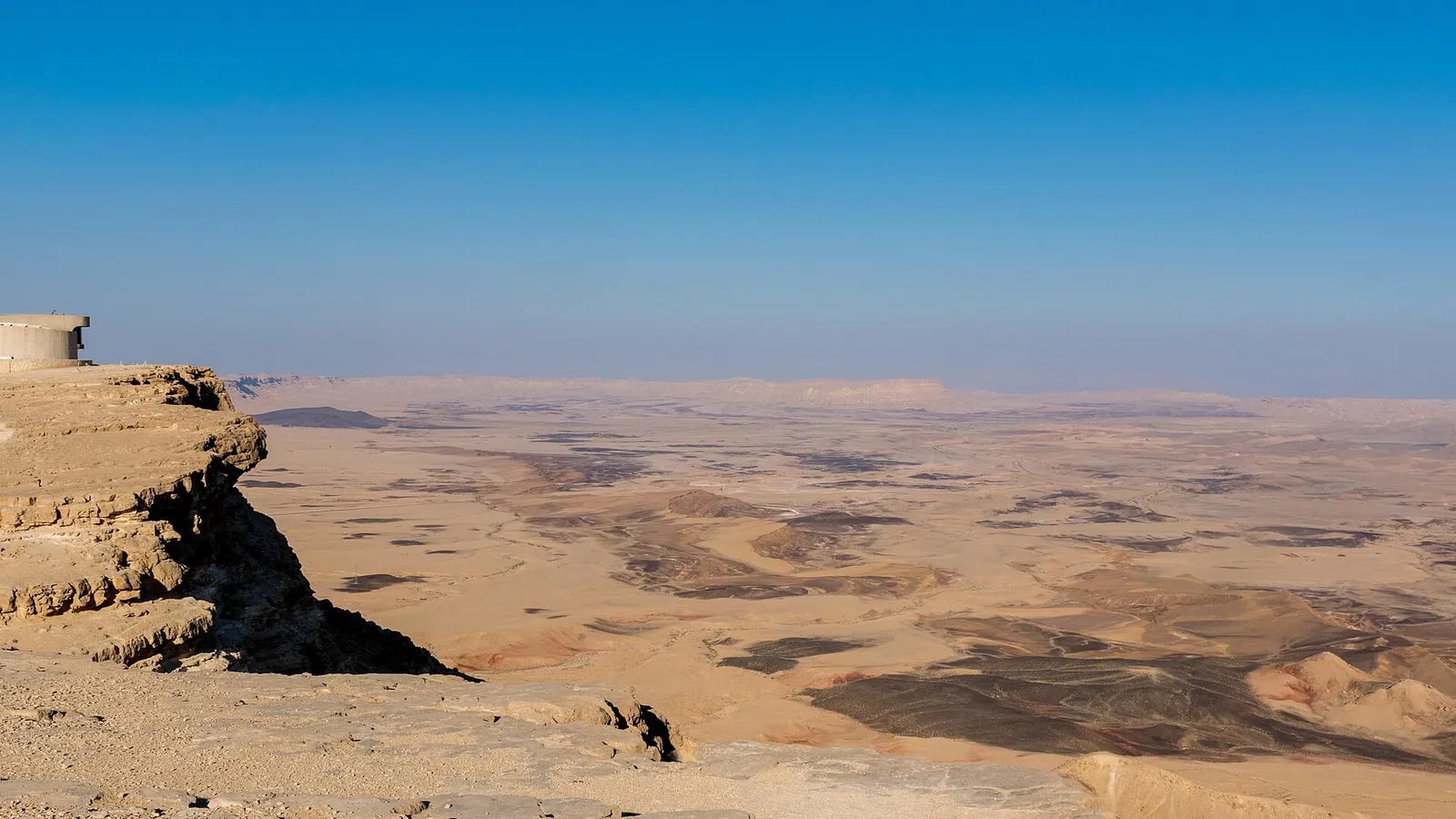
The centrepiece is Makhtesh Ramon, a crater-shaped landform about 40 kilometres long, 9 kilometres wide and up to 500 metres deep. It is not a meteor crater, but a 'makhtesh', an erosion cirque unique to the Negev and Sinai, formed as water and wind wore away layers of rock. Its walls show bands of red, yellow, black and white sandstone. The small town of Mitzpe Ramon perches on the northern rim.
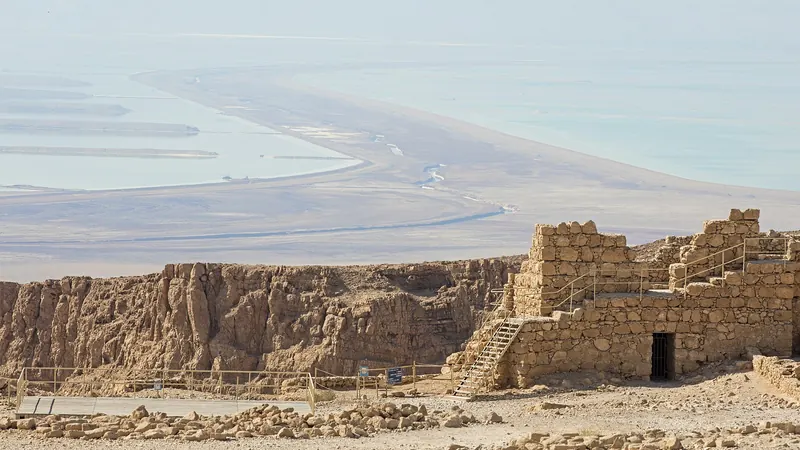
The Negev also holds the remains of a string of Nabataean and Byzantine towns along the Incense Route, which carried frankincense and myrrh from Arabia to the Mediterranean. Four of them — Haluza, Mamshit, Avdat and Shivta — are listed by UNESCO, with their fortresses and farmland, as the Incense Route and Desert Cities in the Negev. Together with Ein Avdat's canyon and the night skies, they make the Negev a rewarding stop for anyone who likes open landscapes.
- Nature & Wildlife
- UNESCO Site
- Off the Beaten Path