A stone lane in Safed's old city with blue doors and shutters

Northern District, Upper Galilee · Israel

Safed (Tzfat)

A hilltop town of blue-doored synagogues and artists' galleries, and for five centuries the centre of Kabbalah, the tradition of Jewish mysticism.

  • Best time April–June and September–November
  • Stay Half a day to a day
  • Good for Jewish history and mysticism, art, walking, cooler summer days

Photo: Herman1975 · CC BY-SA 3.0

Welcome to Safed

Safed is one of the four holy cities of Judaism, along with Jerusalem, Hebron and Tiberias, and at about 900 metres it is the highest city in Israel. It sits on a ridge in the Upper Galilee, with views over the surrounding hills and, on a clear day, Mount Hermon and the Sea of Galilee. Its climate is cooler than the coast, and it has long been a summer retreat.

The town's fame comes from the 16th century, when Jews expelled from Spain settled here and it became a centre of Kabbalah, the mystical tradition of Judaism. Scholars such as Isaac Luria and Joseph Karo lived and taught in Safed, and Karo compiled the Shulchan Aruch, a major code of Jewish law. Their synagogues, named after them, are still in use.

Today the town is a mix of ultra-Orthodox and Hasidic communities, artists who moved to the old quarter after 1948, and visitors. Its atmosphere is relaxed in the day and very quiet on Shabbat. It is small, it takes only a few hours to see, and it is a good place for a day trip from the Sea of Galilee.

  • Historic Site
  • Culture & Arts
  • Mountains

Why visit

Why visit Safed?

Safed is worth visiting for its setting and its atmosphere, and even more if you are interested in Jewish history and thought.

  • A centre of Kabbalah

    For centuries, scholars from around the world came here to study Jewish mysticism, and their synagogues and study houses still stand.

  • An atmospheric old quarter

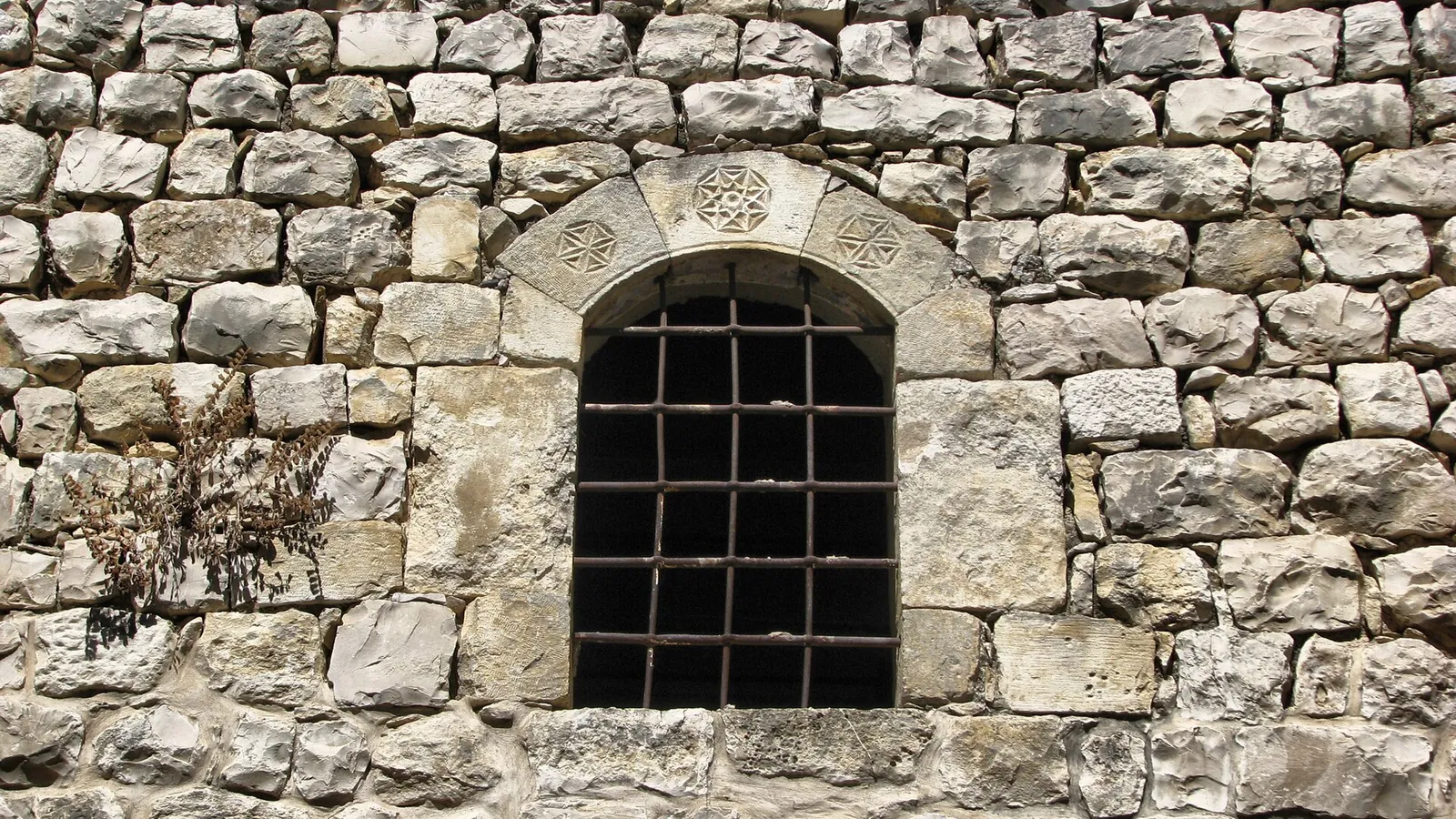
    Narrow stone lanes, blue-painted doors and shutters, courtyards and arched passages make the old city one of the most photogenic in Israel.

  • The artists' quarter

    Painters, sculptors and jewellers have galleries and workshops in the old Arab quarter, and it is a good place to buy something original.

  • Cool air and views

    At 900 m, Safed is cooler than the coast and the Jordan Valley, with views over the Galilee that are especially good in the evening.

  • Close to the Sea of Galilee

    The lake is about 30 minutes away, so Safed makes an easy add-on to a Galilee trip.

Main attractions

Top things to see in Safed

Safed's sights are within a few minutes' walk of each other, and the town can be seen in a morning or afternoon.

  1. The Old Jewish Quarter

    A network of lanes and stairs lined with synagogues, study houses and houses painted in shades of blue, a colour that is traditionally used to ward off the evil eye. It is a quiet and photogenic area.

    Tip Go in the morning, and dress modestly.

  2. The Ari Ashkenazi Synagogue

    A synagogue named after Rabbi Isaac Luria, known as the Ari, the great 16th-century Kabbalist. It has an ornate Torah ark and a courtyard that overlooks the hills.

    Tip Men should cover their heads, and women should dress modestly. Check the opening hours.

  3. The Joseph Karo Synagogue

    A synagogue named after Rabbi Joseph Karo, the author of the Shulchan Aruch. It stands next to his study house and has an atmospheric interior.

    Tip It is one of the oldest in the town, and often quiet.

  4. The Artists' Quarter

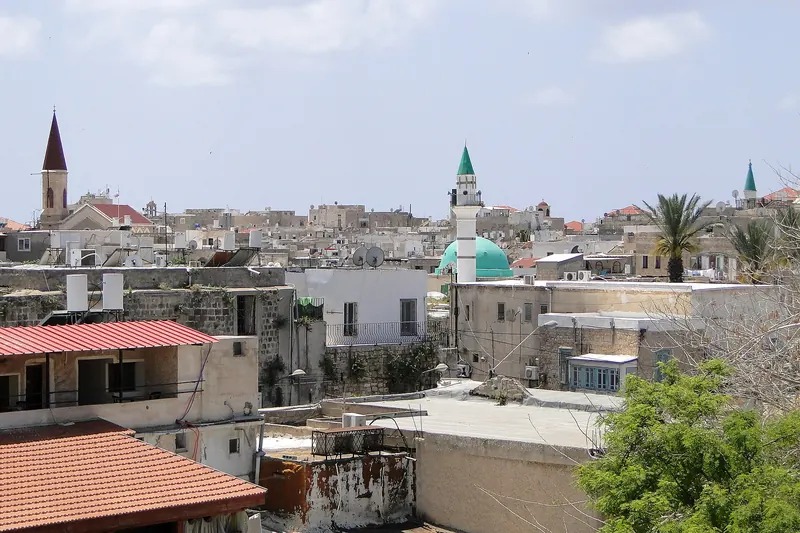
    A neighbourhood of galleries and studios in the former Arab quarter, with an Ottoman-era mosque, a Khan and an art museum. The Safed Glass Museum and other small museums are nearby.

    Tip Combine it with lunch or coffee.

  5. The Citadel Park (Metzudat Tzfat)

    A hilltop park with the ruins of a Crusader castle and views of the surrounding hills. It is the best place in town for a view.

    Tip Go at sunset.

  6. The Ancient Cemetery

    A hillside cemetery with the graves of Kabbalists and scholars, including Isaac Luria and Joseph Karo, painted in blue and white. It is a place of pilgrimage.

    Tip Be respectful, and dress modestly.

  7. Meron

    A village about 10 km away with the tomb of Rabbi Shimon bar Yochai, a great teacher in Jewish tradition, and a place of huge pilgrimages on Lag BaOmer in spring. The mountain and the village are also a nature reserve.

    Tip It is very crowded on Lag BaOmer, and access is restricted on that day.

Things to do

Best things to do in Safed

Safed is best enjoyed slowly.

  1. Walk the old lanes

    Wander the stairs and arches of the Old Jewish Quarter and the artists' area, and stop for coffee.

    Tip Go on a weekday morning.

  2. Visit the synagogues

    See the Ari, Karo and Abuhav synagogues, each with its own history and design.

    Tip Check the opening hours, as they vary, and dress modestly.

  3. Meet the artists

    Visit studios in the Artists' Quarter, where many painters and craftspeople work, and buy something to take home.

    Tip Studios are usually closed on Saturdays.

  4. Try a Kabbalah class or tour

    Several institutes offer introductory lectures and guided tours on Kabbalah and its history.

    Tip Book in advance.

  5. Enjoy the Klezmer festival

    The Safed Klezmer Festival, held in summer, brings Jewish folk music to the streets and the old town.

    Tip Check dates, and book accommodation early.

  6. Visit Meron or hike in the Upper Galilee

    Mount Meron, the highest peak in Israel proper, has hiking trails and a nature reserve.

    Tip Go in spring or autumn.

Local food

What to eat in Safed

Safed's food is mostly kosher, and it is a good place to try local Galilee ingredients, cheeses and honey.

  • Local cheese

    The Upper Galilee is known for goat and sheep cheeses, produced on small farms and sold in the town.

    Where to try it Shops in the old city and farms nearby.

  • Falafel and hummus

    Classic Israeli street food, available in the town centre.

    Where to try it Stalls near the main street.

  • Fresh salads and dips

    Many restaurants serve a spread of salads with tahini, olives and bread.

    Where to try it Cafés in the old city.

  • Galilee wine

    Wineries in the hills around Safed produce good wines, some of which are kosher.

    Where to try it Restaurants and wine shops in the town.

  • Honey and sweets

    Honey, halva and dried fruit are sold in shops and markets.

    Where to try it The main street and the old city.

  • Shabbat meals

    Challah, fish and cholent are served at Shabbat meals, and some guesthouses open their tables to visitors.

    Where to try it Guesthouses and synagogues that offer Shabbat hospitality.

Accommodation

Where to stay in Safed

Most visitors go as a day trip, but a night in Safed is quiet and atmospheric. Guesthouses are simple, and many are run by religious families.

  • The old city

    Guesthouses and boutique hotels in restored old buildings, with views over the hills. They are quiet at night.

    Best for: Atmosphere

  • The upper town

    Larger hotels along the ridge, with panoramic views and easier access by car.

    Best for: Modern hotels and parking

What a night costs

Guesthouse
₪250–450 per night
Boutique hotel
₪500–900 per night
Synagogue entry
Free, with donations welcome
Kabbalah class or tour
₪50–150

Transport

Getting to and around Safed

Safed is about 2.5 hours from Tel Aviv, and easiest by car or bus.

Getting there

  • Car

    About 30–40 minutes from Tiberias and 1 hour 30 minutes from Haifa. The road climbs steeply, with views.

    Parking in the old city is limited.

  • Bus

    Buses run to Safed from Tiberias, Haifa and Tel Aviv. The central bus station is a short taxi ride from the old city.

    Buses do not run on Shabbat.

  • Tour

    Day tours of the north often include Safed, Nazareth and the Sea of Galilee.

    Check the itinerary.

Getting around

The old city is pedestrian and hilly.

  • Walking

    The sights are within 10–15 minutes' walk, but the lanes are steep and there are many steps.

    Wear comfortable shoes.

  • Taxi

    Taxis take you to the bus station, Meron and the upper town.

    Agree the fare.

  • Car

    Useful for Meron and the area, but park outside the old city.

    Parking is difficult at weekends.

When to go

Best time to visit Safed

Safed's altitude makes it cooler than most of Israel, and summer is a popular season. Winters are cold and can bring snow.

  • Spring (March–May)

    Best time

    Warm and green, with flowers on the hills. The best time for walking.

  • Summer (June–August)

    Best time

    Warm and comfortable, often 25–30°C, and a popular getaway from the heat of the coast. It is busy with domestic tourists.

  • Autumn (September–November)

    Best time

    Clear and mild, with fewer visitors. The High Holidays affect opening hours.

  • Winter (December–February)

    Quiet

    Cold and often rainy or misty, sometimes with snow. Many guesthouses close.

Worth planning around: Shabbat, when almost everything is closed, and holiday weeks such as Lag BaOmer, when Meron is extremely crowded.

Itinerary

One day in Safed

The old quarter and synagogues in the morning, the artists' quarter and lunch, and sunset at the citadel.

  1. Day1

    Kabbalah, art and views

    A slow day in a hill town.

    • Morning The Old Jewish Quarter and the Ari and Karo synagogues.
    • Afternoon The artists' quarter, lunch, and the ancient cemetery.
    • Evening Sunset from the Citadel Park.

Travel tips

Safed travel tips

Safed is small and traditional, and a few tips help.

  • Avoid Shabbat unless you are staying for it. From Friday afternoon to Saturday evening, almost everything is closed, and driving in the old city is offensive to residents.
  • Dress modestly. Shoulders and knees should be covered, and women should wear long skirts in the synagogues.
  • Take a jacket in the evening and in the shoulder seasons, as it is cooler than the coast.
  • Check synagogue opening hours, which vary, and some are open only in the morning.
  • Ask before photographing people, especially religious residents.
  • Combine Safed with the Sea of Galilee, but do not rush it.
  • Follow local advice on security. The north has been affected by conflict, and Safed is near the northern border.

FAQ

Safed: frequently asked questions

What is Safed known for?

It is one of Judaism's four holy cities and a centre of Kabbalah since the 16th century. It is also known for its artists' quarter, its cool climate and its picturesque old town.

How long do you need in Safed?

Half a day to a day. It is small, and you can see the main synagogues and the artists' quarter in a few hours.

What is Kabbalah?

A mystical tradition within Judaism that seeks to understand the nature of God and the universe. The best-known Kabbalists lived in Safed in the 16th century.

Is Safed open on Shabbat?

Most shops and restaurants close from Friday afternoon to Saturday evening. It is a beautiful time to visit if you want to experience a Shabbat in a religious town, but plan food and transport ahead.

Is Safed safe?

It is generally regarded as safe, but it lies close to Israel's northern border, and the region has been affected by conflict. Check your government's advice.

Is Safed worth visiting?

Yes, for its atmosphere, views and history, and particularly if you are interested in Jewish religion and culture. It combines well with the Sea of Galilee.

Read next

Related travel articles

Heritage

UNESCO Sites Worth Planning a Trip Around

A UNESCO listing tells you a place matters; it does not tell you whether it is worth two days and a detour. This is how to read the list usefully — and which sites reward building a trip around them.

Where to go

Beyond the Big Names: Places Worth the Detour

The most visited place in a country is rarely its best, and it is almost never its best value. This is a method for finding the destinations that do not make the postcards — and a set of examples from five of the 50 countries on this site.

Advertisement