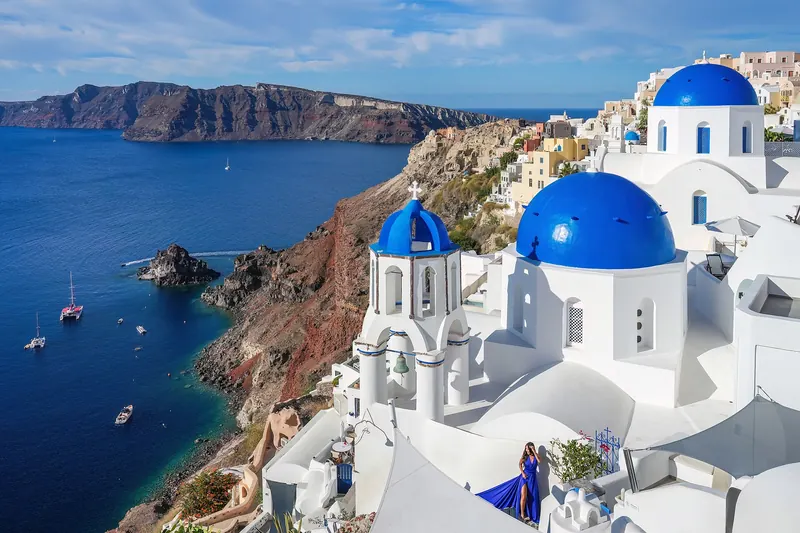
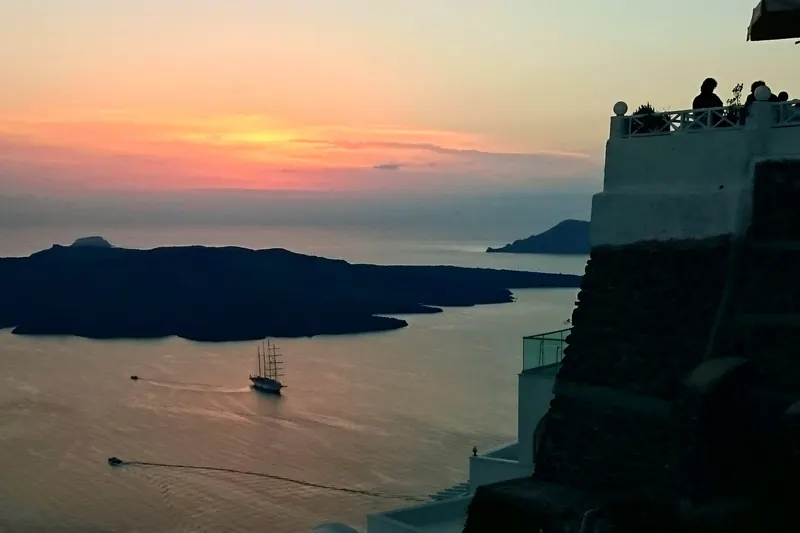
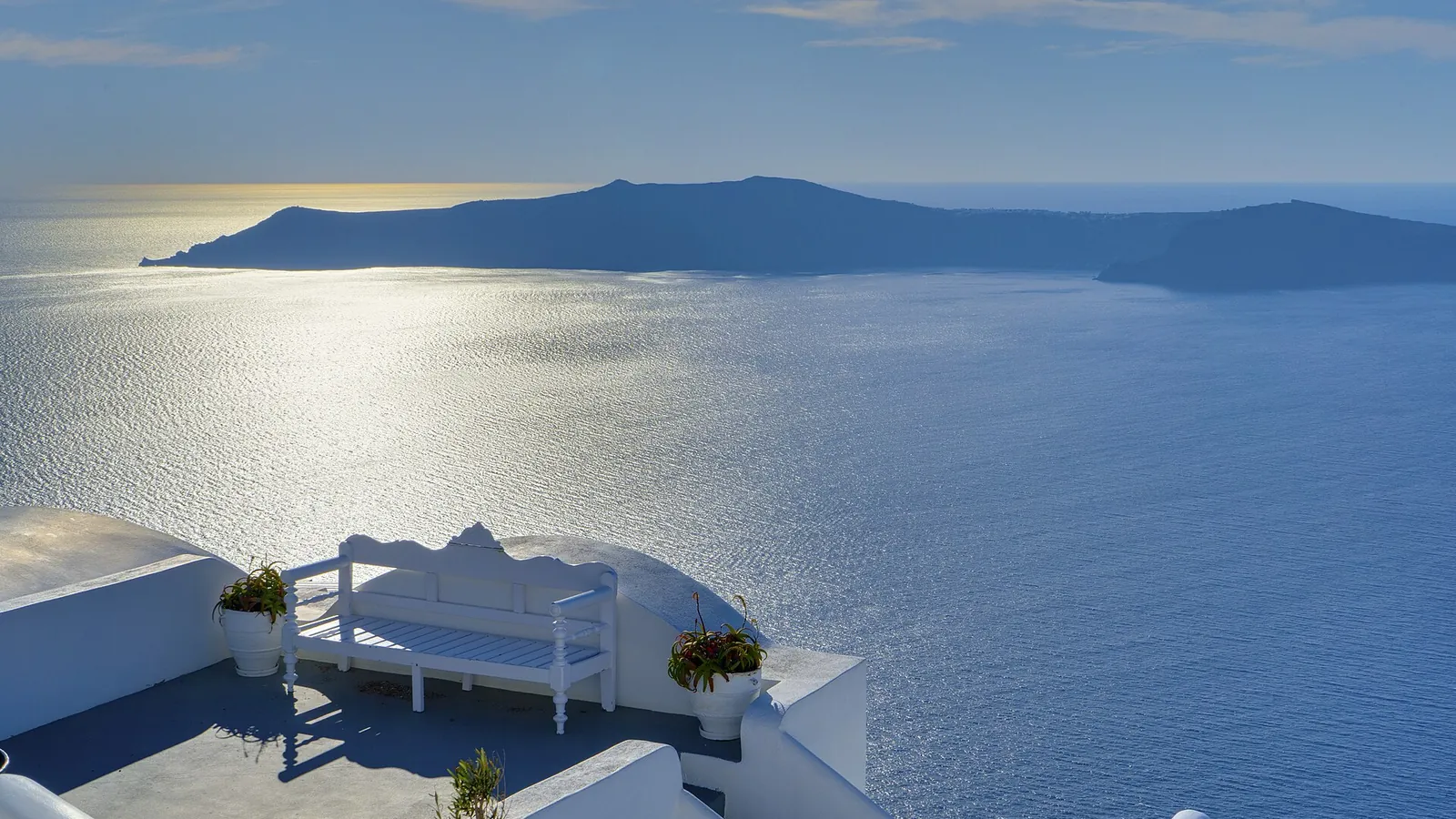
Santorini's whitewashed villages above the volcanic caldera at sunset

Southern Europe

Greece Travel Guide

The birthplace of Western civilization's founding myths and monuments, spread across a mainland and thousands of islands where ancient ruins, Byzantine monasteries and whitewashed villages sit within a single, well-connected country.

  • Destinations 10 hand-picked
  • Best time May–June and September
  • Ideal trip 10–14 days for a first trip

Photo: User:Anna.Tsolidou · CC BY-SA 4.0

Why go to Greece

Greece holds a disproportionate share of the ideas and monuments that shaped Western civilization — democracy, philosophy, theatre and the Olympic Games all trace directly back here, and the country's ancient sites remain standing, walkable and central to a visit rather than curated behind glass alone. The Acropolis, Delphi and Olympia are not just ruins but the actual physical settings where these ideas took shape.

That ancient inheritance sits alongside a different Greece scattered across more than 200 inhabited islands, each with its own distinct character — Santorini's volcanic caldera views, Mykonos' nightlife, Crete's scale and Corfu's Venetian-influenced architecture all coexist within ferry or short-flight reach of each other and the mainland.

The practical spine connecting all of this is a well-developed network of ferries and short domestic flights, alongside a food and hospitality culture — genuine philoxenia, the traditional obligation of welcoming strangers — that consistently exceeds what visitors expect even after reading about Greek hospitality in advance.
Where to go

Best Places to Visit in Greece

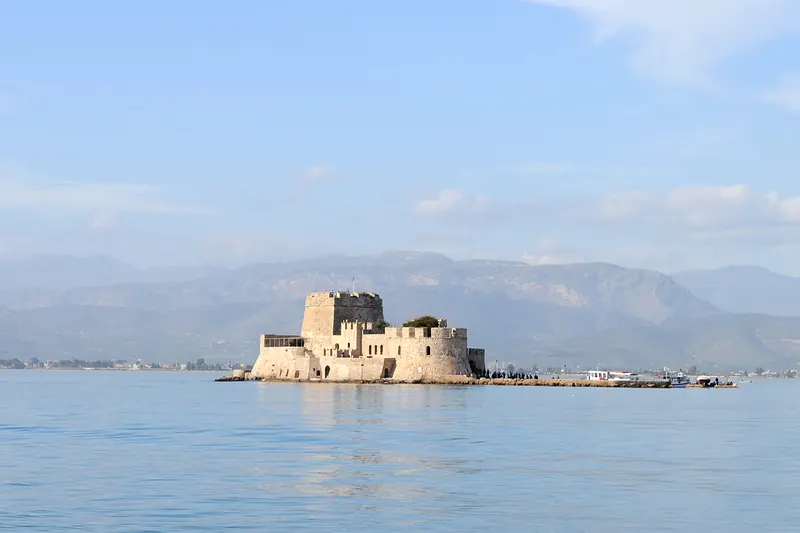
Ordered roughly by how strongly we would recommend each for a first visit — though Meteora, Nafplio and Thessaloniki reward a second trip just as much as a first.

Historic SiteCity

Athens

Attica

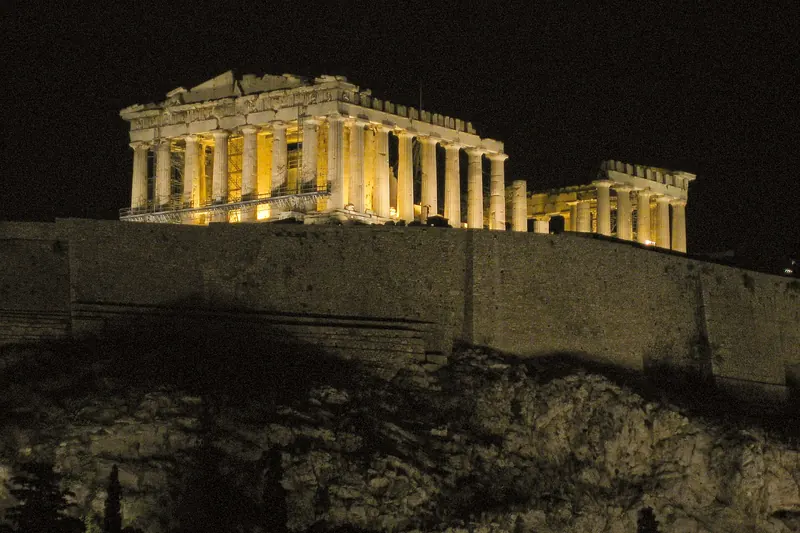
Greece's capital, its ancient monuments standing directly within a lively modern city rather than curated apart from it.

Don't miss The Parthenon at dusk, floodlit above the city, the same silhouette that has crowned Athens for nearly 2,500 years.

Explore Destination — Athens
IslandRomantic

Santorini

Cyclades

A volcanic caldera island, its whitewashed villages perched along the rim above brilliant blue water, Greece's most photographed island for real reason.

Don't miss Oia's blue-domed churches and cave houses at sunset, the single most photographed view in Greece, and deserving of the reputation.

Explore Destination — Santorini
IslandNightlife

Mykonos

Cyclades

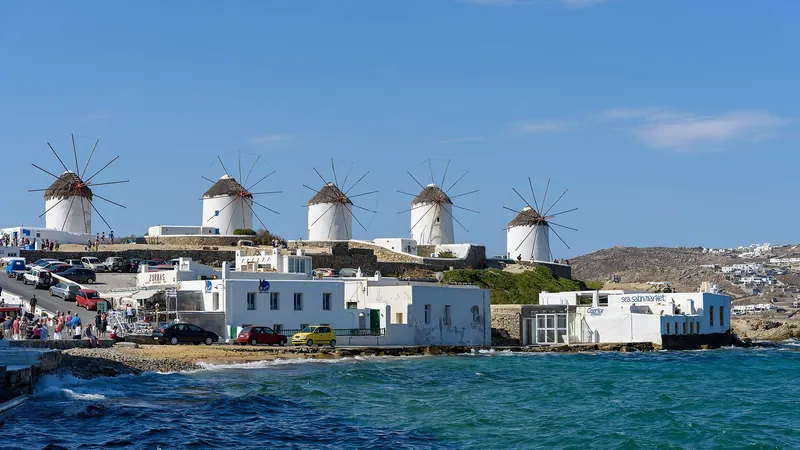
Greece's most famous nightlife island, its beautiful whitewashed old town and windmills often overshadowed by its reputation for beach clubs and parties.

Don't miss Little Venice's waterfront houses, their balconies hanging directly over the sea, lit warm at sunset alongside the row of historic windmills above.

Explore Destination — Mykonos
IslandHistoric Site

Crete

Crete

Greece's largest island, its scale rewarding a dedicated trip across Minoan ruins, Venetian harbour towns, mountain gorges and excellent beaches.

Don't miss The Palace of Knossos, the ceremonial heart of Europe's oldest advanced civilization, still standing nearly 4,000 years after it was first built.

Explore Destination — Crete
IslandHistoric Site

Rhodes

Dodecanese

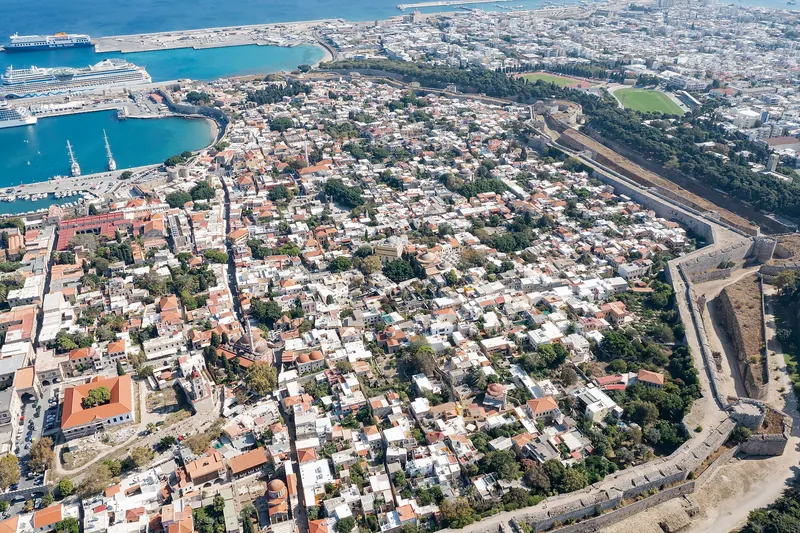
A Dodecanese island pairing one of Europe's best-preserved medieval walled towns with the clifftop Acropolis of Lindos and dependable Aegean beaches.

Don't miss The medieval Old Town of Rhodes, a UNESCO World Heritage site and one of Europe's largest inhabited medieval towns, its walls and knights'-era streets still standing largely intact.

Explore Destination — Rhodes
Historic SiteUNESCO Site

Meteora

Thessaly

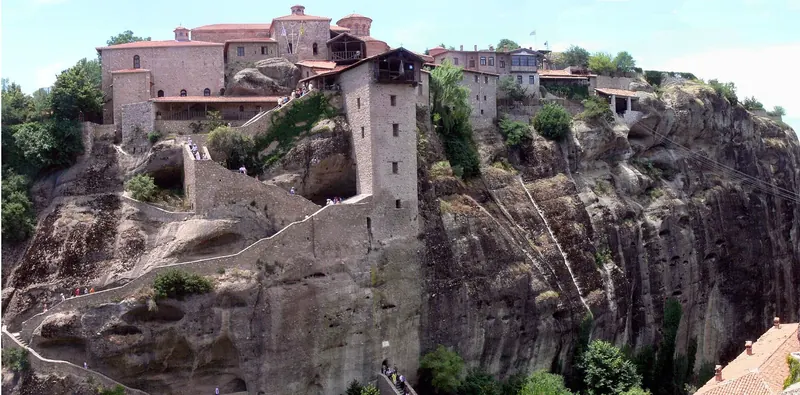
Six working monasteries perched atop sheer sandstone pillars in central Greece, a UNESCO World Heritage site unlike anywhere else in the country.

Don't miss The Holy Trinity Monastery, standing alone atop its own isolated rock pillar, reachable only by a steep staircase carved into the stone itself.

Explore Destination — Meteora
Historic SiteUNESCO Site

Delphi

Central Greece

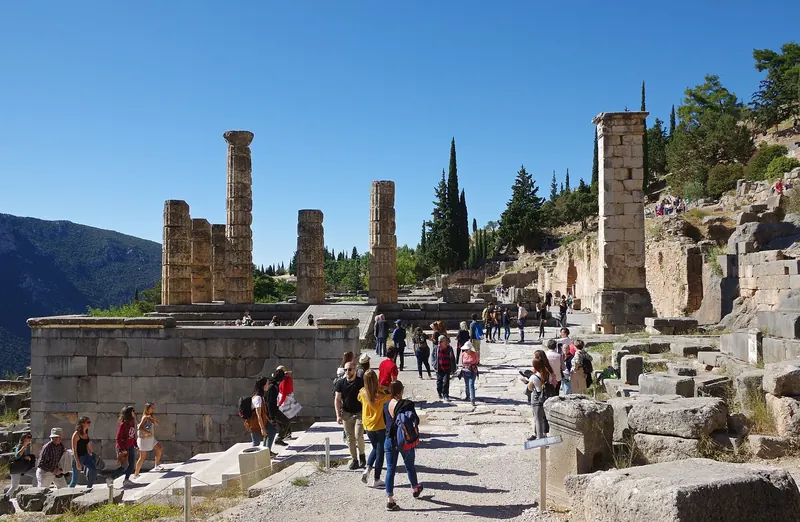
The ancient world's most important oracle site, its ruined sanctuary spread dramatically across a mountainside once believed to mark the centre of the earth.

Don't miss The Temple of Apollo, home to the Oracle of Delphi, whose pronouncements shaped decisions across the ancient Greek world for centuries.

Explore Destination — Delphi
IslandHistoric Site

Corfu

Ionian Islands

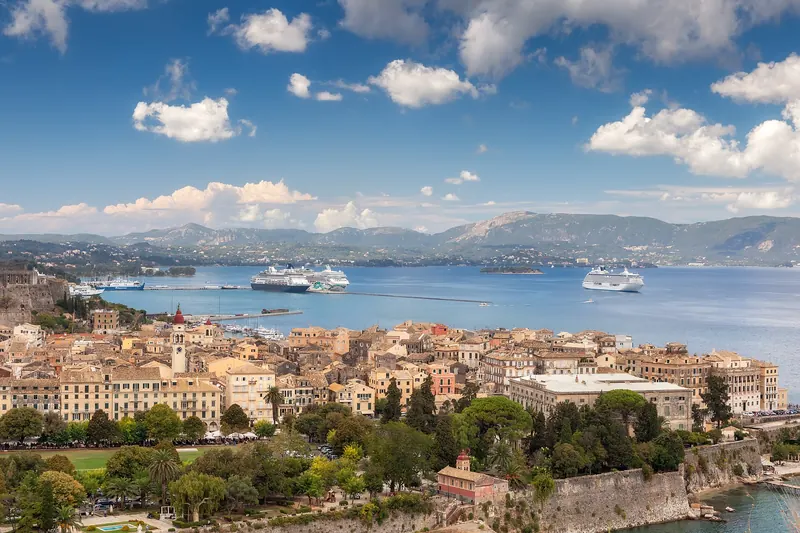
A lush Ionian island shaped by centuries of Venetian rule, its UNESCO-listed old town paired with striking coastline and green scenery.

Don't miss Corfu's Old Town, a well-preserved Venetian fortress town and UNESCO World Heritage Site, its architecture unlike anywhere else in Greece.

Explore Destination — Corfu
CityHistoric Site

Thessaloniki

Central Macedonia

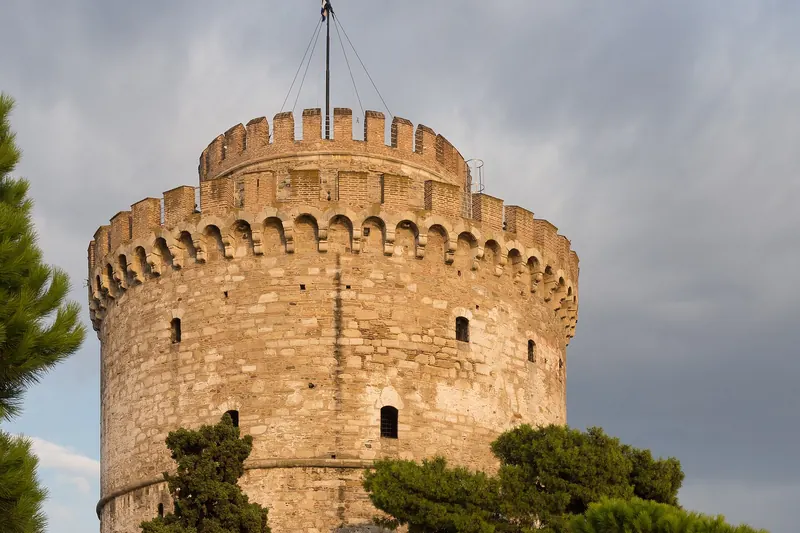
Greece's underrated second city, a Byzantine and Ottoman crossroads with a food and nightlife scene many Greeks rate above Athens's own.

Don't miss The White Tower on Thessaloniki's waterfront, the city's defining Byzantine and Ottoman-era landmark and the anchor of its lively seafront promenade.

Explore Destination — Thessaloniki

Browse all 510 destinations

Experiences

Best things to do in Greece

The experiences that recur across the country and that make a Greece trip feel like more than a checklist of ruins and beaches.

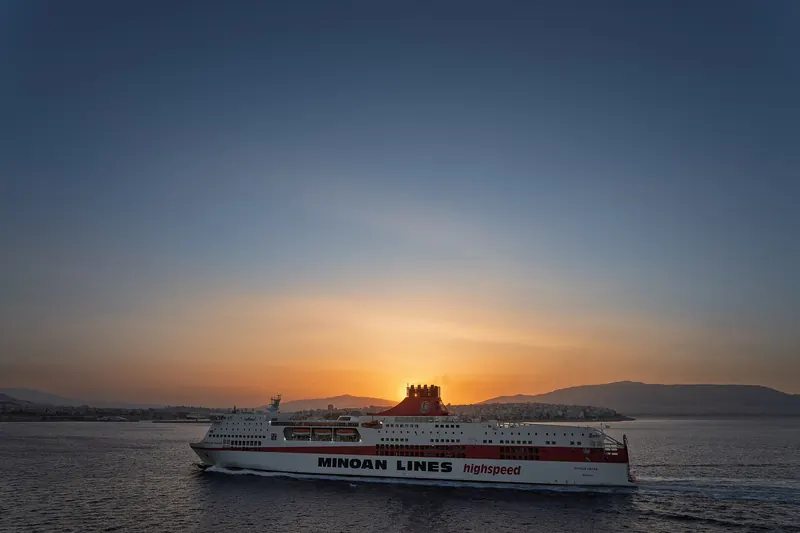
  1. A ferry in Piraeus harbour, the main gateway to the Greek islands

    Island-hop by ferry

    Greece's ferry network makes combining several islands in one trip straightforward, from high-speed catamarans to slower, more scenic conventional ferries.

    Tip Book high-speed ferries ahead in peak summer season, when popular routes between the Cyclades islands can sell out.

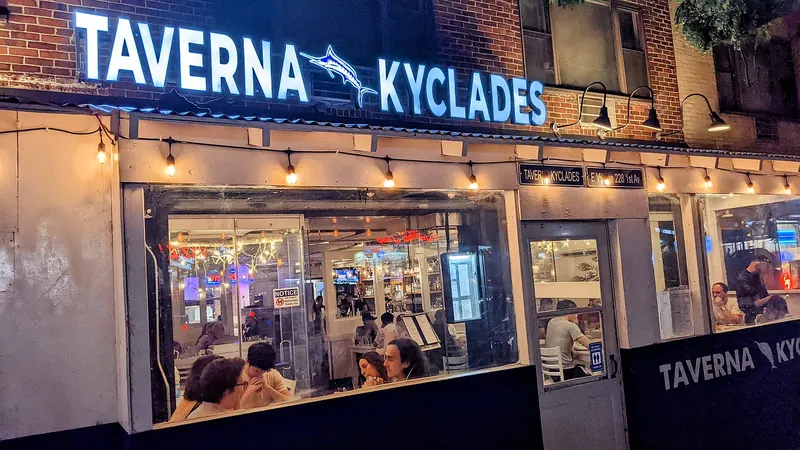
  2. Outdoor seating at a traditional Greek taverna

    Eat a proper taverna meal

    A long, unhurried meal of shared mezze plates, grilled fish or meat and local wine, eaten at a genuine neighbourhood taverna rather than a tourist-strip restaurant.

    Tip A taverna filled with Greek families rather than tour groups is a reliable sign of quality and fair pricing.

  3. Sunset over Santorini's caldera, seen from Imerovigli

    Watch the sunset from a caldera or hilltop

    Santorini's caldera is the most famous version, but spectacular sunset viewpoints exist across the islands and mainland alike.

    Tip Arrive at least 30 minutes ahead of sunset at Santorini's most famous viewpoints, which fill with crowds well before the sun actually sets.

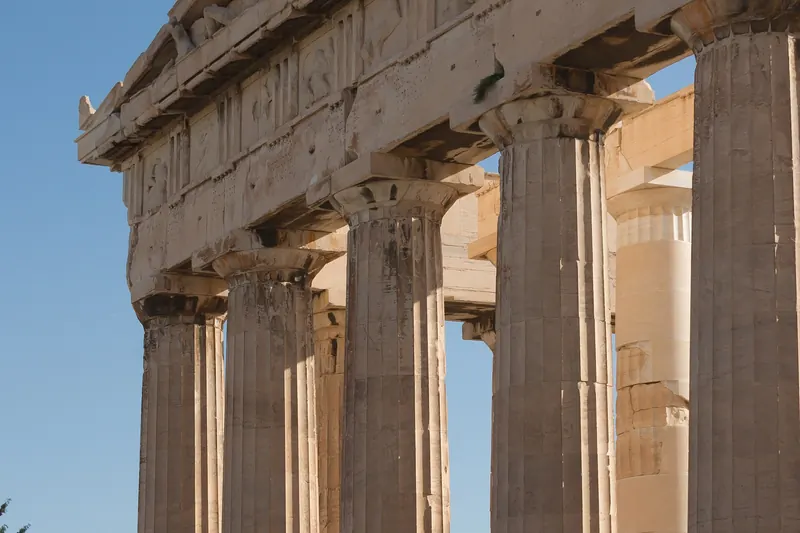
  4. The Parthenon on the Acropolis in Athens

    Visit an ancient site with real context

    Hiring a local guide or reading ahead transforms a visit to the Acropolis, Delphi or Olympia from a photo stop into something considerably more meaningful.

    Tip Visit major ancient sites at opening time in summer, both for the light and to beat the heat and the crowds.

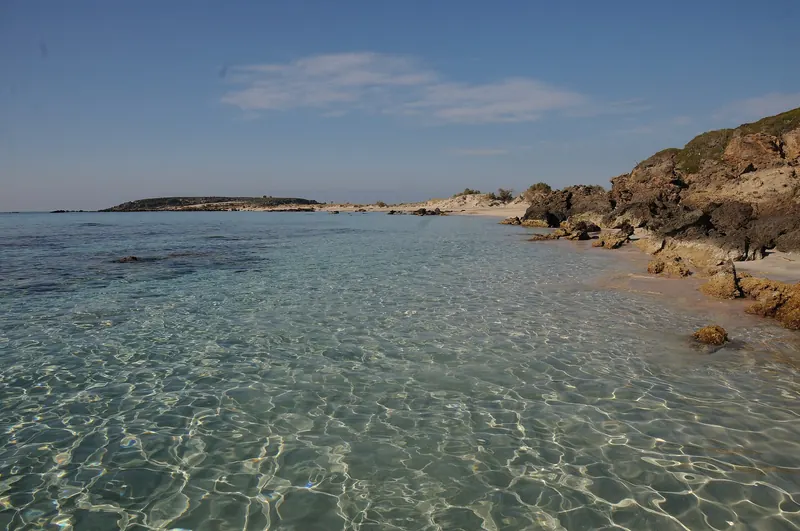
  5. Clear shallow water at Elafonisi Beach, Crete

    Swim in clear water

    Greece's beaches and coves offer some of the Mediterranean's clearest, bluest water, from organised beach clubs to quiet, undeveloped coves reachable only by boat or a short hike.

    Tip Sperlonga-style beach umbrella rental fees are common at organised beaches — bring your own gear if you'd rather avoid the charge.

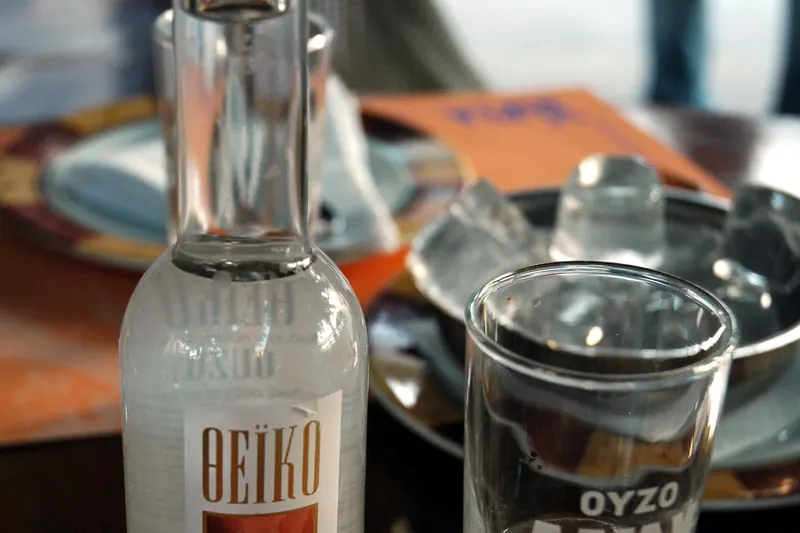
  6. A bottle of ouzo, Greece's anise-flavoured spirit

    Try a Greek coffee or ouzo, properly

    Greek coffee, brewed slowly and served with the grounds settled at the bottom, and ouzo, sipped slowly with water and mezze, are both genuine social rituals rather than quick drinks.

    Tip Order Greek coffee 'metrio' for medium sweetness if you don't have a strong preference — it's the most commonly served default.

Food and drink

Greece foods to try

Greek food's international reputation as gyros and Greek salad undersells it badly. Genuine regional variety, fresh seafood and a deep olive oil and wine culture make the case on their own.

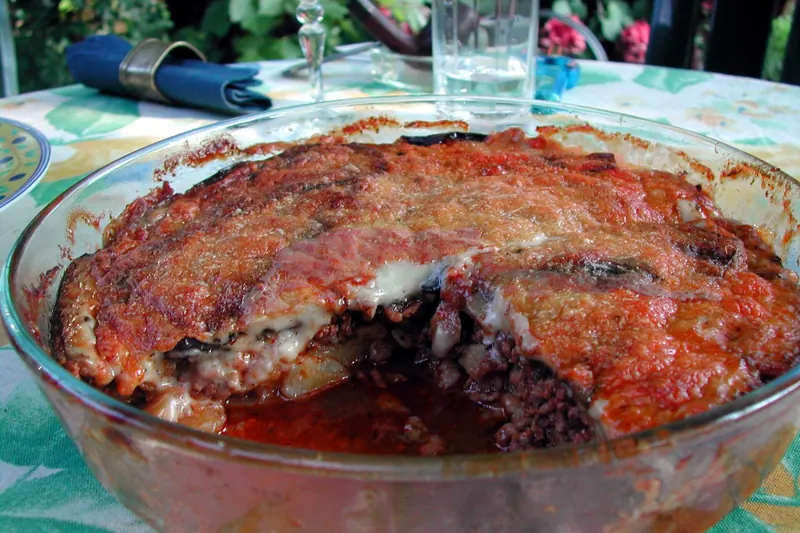
  • Moussaka, layered aubergine, spiced meat and béchamel

    Moussaka

    Layered aubergine, spiced minced meat and a genuine béchamel top, a defining Greek comfort dish found on menus nationwide with real regional variation.

    Where to try it Traditional tavernas across the country, ideally made fresh rather than reheated from a steam tray.

  • A chicken gyros wrap, Greece's beloved everyday fast food

    Souvlaki and gyros

    Grilled skewered meat or a rotisserie wrap, Greece's most beloved everyday fast food, eaten standing up from a paper wrap or on a plate with fries.

    Where to try it Dedicated souvlaki shops nationwide — a queue of locals is a reliable sign of quality.

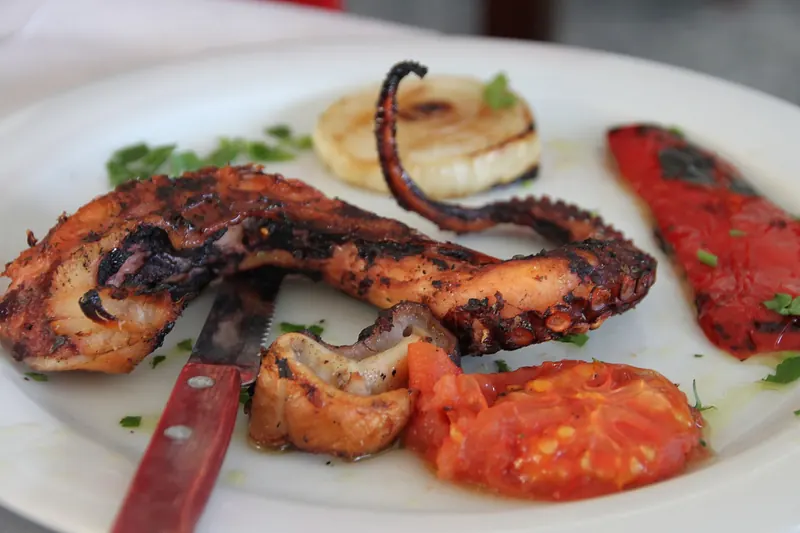
  • Grilled octopus, a classic Greek seafood dish

    Fresh Greek seafood

    Grilled octopus, whole fish and shellfish, excellent around the islands and coastal towns, typically priced by weight.

    Where to try it Harbourside tavernas in fishing towns, where the day's catch is often on genuine display.

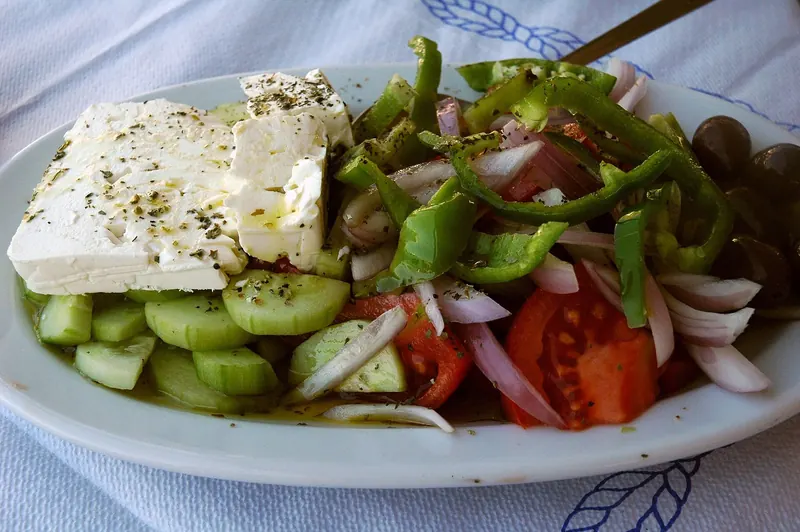
  • Horiatiki, a traditional Greek salad with feta

    Greek salad (horiatiki)

    Tomatoes, cucumber, olives and a genuine slab of feta, dressed simply in olive oil, a dish that tastes considerably better in Greece than its export version ever suggests.

    Where to try it Any taverna nationwide, though tomato quality peaks in summer.

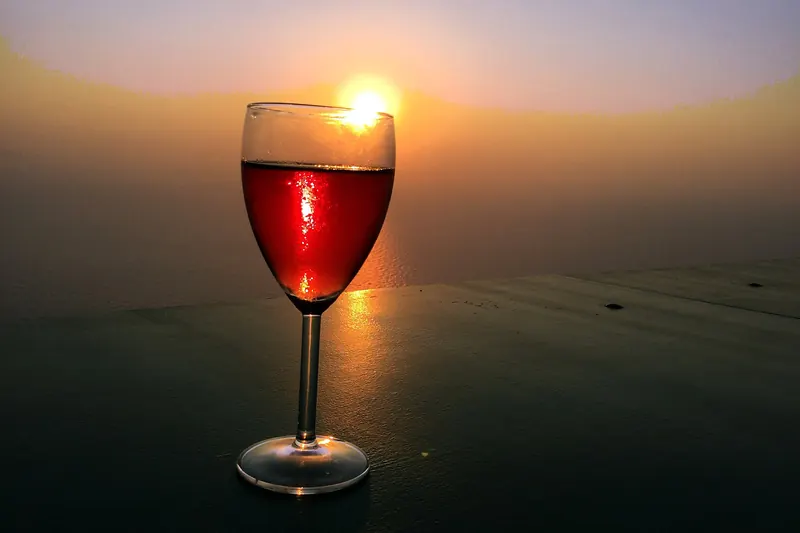
  • A glass of wine at a Greek island winery

    Greek wine

    A winemaking tradition dating back millennia, with distinct regional grape varieties like Assyrtiko from Santorini increasingly recognised internationally.

    Where to try it Island and mainland wineries offering tastings, and any taverna's house wine, often a good value option.

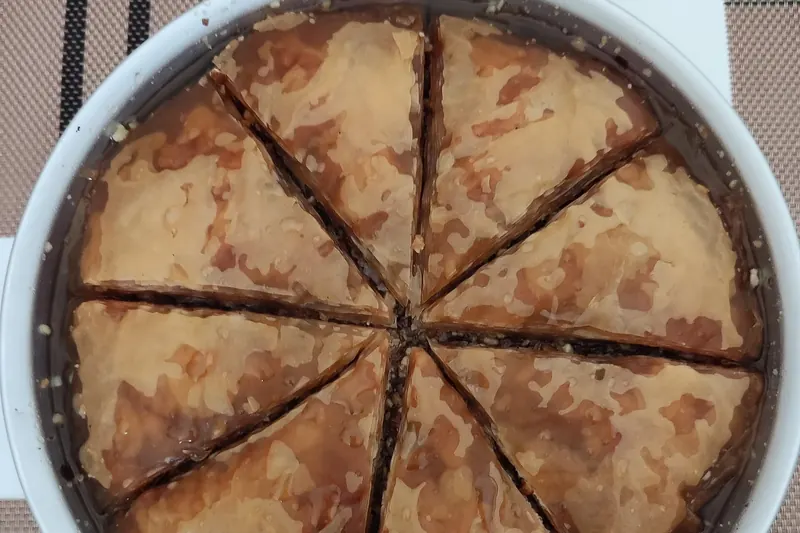
  • Baklava, a honey-soaked filo pastry dessert

    Baklava and Greek sweets

    Honey-soaked filo pastry desserts, alongside loukoumades (honey doughnuts) and other rich, syrup-soaked sweets shaped by centuries of Ottoman and Byzantine influence.

    Where to try it Traditional zaharoplasteio (sweet shops) nationwide, particularly strong in Thessaloniki.

  • A bottle of extra virgin Cretan olive oil

    Olive oil, seriously

    Greece is among the world's largest olive oil producers, and the genuine quality difference between a proper Greek olive oil and an export supermarket bottle is considerable.

    Where to try it Family-run producers across the Peloponnese and Crete, several offering tastings and direct sales.

Before you go

Practical travel information for Greece

The essentials, current for 2026. Greece is straightforward and well organised to travel in, with ferry timing and August crowds the two practicalities that most often catch visitors out.

Capital
Athens
Language
Greek nationally, with widespread English ability in tourist areas, hotels and restaurants across the mainland and islands.
Currency
Euro (€, EUR)
Cards and cash
Card payment is widely accepted in cities and tourist areas, though small island tavernas, kiosks and taxis sometimes remain cash-preferring. Carry some cash as a backup, especially on smaller islands.
Entry and visas
Visa-free entry for up to 90 days within a 180-day period for many nationalities including the US, Canada, Australia and UK, under the Schengen Area's common rules.
Power sockets
Type C and F (Europlug/Schuko), 230 V, 50 Hz — standard continental European two-pin plugs.
Emergency number
112 for all emergencies, nationwide.
Tipping
Not obligatory but appreciated. Rounding up or adding roughly 5–10% for good restaurant service is standard practice.
Safety
Very safe overall, with low rates of violent crime against visitors. Pickpocketing occurs in crowded tourist areas and on public transport in Athens — standard vigilance is enough to avoid it.
Internet and SIM
Good 4G and 5G in cities and larger islands, though coverage can thin out on smaller islands and in mountain areas. A local SIM or eSIM is worth arranging on arrival.
Time zone
Eastern European Time (UTC+2) in winter, Eastern European Summer Time (UTC+3) from late March to late October.

Daily budget guide (per person)

Backpacker
€50–80 per day — hostels, taverna lunches, ferry deck class
Mid-range
€100–170 per day — three-star hotels, restaurant meals, ferry cabins
Comfortable
€190–320 per day — good hotels, guided tours, domestic flights
Santorini and Mykonos supplement
Add roughly 25–40% to any budget band specifically on these two islands

Excludes international flights. Figures are typical rather than absolute — cities and peak season run higher.

When to go

Best time to visit Greece

Greece's summer heat and crowds peak hard in July and August, and late spring and early autumn offer the best balance of warm weather, open facilities and manageable crowds.

  • Spring (April–June)

    Best time

    Mild, increasingly warm weather with wildflowers across the countryside and crowds well below the July-August peak.

  • Summer (July–August)

    Good

    Hot, dry and the most reliable weather for swimming, but also the most crowded and expensive months, especially on the islands.

  • Autumn (September–October)

    Best time

    Warm sea temperatures lingering from summer, comfortable air temperatures and noticeably thinner crowds than August.

  • Winter (November–March)

    Shoulder

    Mild on the mainland but quiet on the islands, where many hotels, restaurants and ferry routes reduce service or close entirely.

Worth planning around: Mid-August without accommodation and ferry tickets booked far ahead — the Greek domestic August holiday period pushes the islands to their busiest, most expensive point of the year.

Trip length

How long to spend in Greece

Greece's ferry and flight network makes an ambitious island-and-mainland itinerary workable, though the Cyclades and Crete each reward more time than a rushed loop allows.

  • 4–5 days

    Athens alone fills four or five days, or Athens plus a single island like Santorini or Mykonos reached by short flight or ferry.

    A short Greece trip is better spent deeply in one or two places than spread thin across the islands.

  • 8–10 days

    Athens, then island-hop between Santorini and Mykonos — the classic first-trip route connecting ancient history and the Cyclades.

    Add a day in Delphi for a well-rounded route without extending the core itinerary much.

  • 12–16 days

    The itinerary on this page: Athens, Delphi, Meteora, then island-hopping through Santorini, Mykonos and Crete, covering both the mainland's ancient history and the islands' range.

    Enough time to add Nafplio and the Peloponnese or Thessaloniki to the classic Athens-and-islands route.

  • 3 weeks or more

    Add Rhodes, Corfu or a slower, multi-week island-hopping route through the Cyclades and Dodecanese.

    The outer islands and an unhurried ferry-hopping pace are where a second Greece trip belongs.

Getting around

Transportation in Greece

Greece's ferry network connects the islands in this guide, while domestic flights and a growing rail network cover the mainland.

  • Ferries

    Connect Athens' port of Piraeus to Santorini, Mykonos and Crete, with high-speed and conventional options on most routes.

    Book high-speed ferries ahead in July and August, when popular Cyclades routes can sell out days in advance.

  • Domestic flights

    Short flights from Athens reach Santorini, Mykonos, Crete, Rhodes and Corfu in under an hour, considerably faster than the ferry alternative.

    Book budget carrier fares a little ahead for low prices, particularly outside peak summer weekends.

  • Intercity buses (KTEL)

    A comprehensive network connects Athens to Delphi, Meteora, Nafplio and Thessaloniki reliably and affordably.

    Buy tickets a day ahead for popular routes in peak season rather than relying on walk-up availability.

  • Rental car

    Useful for exploring Crete's scale and the wider Peloponnese at a flexible pace beyond the main towns.

    An International Driving Permit is recommended, and mountain roads can be narrow and winding.

  • Athens Metro and local transport

    A clean, efficient system covering central Athens well, including a direct airport line.

    A combined ticket covers metro, bus and tram within the same fare period.

Sample route

Two weeks in Greece

Athens and ancient mainland sites first, then island-hopping through the Cyclades and Crete. Covers six of the ten destinations in this guide.

  1. Day1

    Arrive in Athens

    • Morning Land and take the metro or taxi into the city.
    • Afternoon A first walk around the Plaka neighbourhood.
    • Evening Dinner with an Acropolis view.
  2. Day2

    The Acropolis and ancient Athens

    • Morning The Acropolis and Parthenon, booked ahead.
    • Afternoon The Acropolis Museum and the Ancient Agora.
    • Evening Dinner in Psiri or Monastiraki.
  3. Day3

    Day trip to Delphi

    • Morning Bus or drive to Delphi.
    • Afternoon The sanctuary of Apollo and the archaeological museum.
    • Evening Return to Athens, or overnight near Delphi.
  4. Day4

    To Meteora

    • Morning Travel to Meteora.
    • Afternoon Visit two or three of the cliff-top monasteries.
    • Evening Sunset from a Meteora viewpoint.
  5. Day5

    To Santorini

    • Morning Fly or ferry to Santorini.
    • Afternoon Fira's caldera-edge walk.
    • Evening Sunset in Oia.
  6. Day6

    Santorini's villages and beaches

    • Morning Explore Pyrgos or Imerovigli.
    • Afternoon A red or black sand beach afternoon.
    • Evening A wine tasting at a caldera-view winery.
  7. Day7

    Santorini's volcano

    • Morning A boat trip to the volcanic caldera and hot springs.
    • Afternoon Free time or Akrotiri's excavated ruins.
    • Evening A final Santorini dinner.
  8. Day8

    To Mykonos

    • Morning Ferry to Mykonos.
    • Afternoon Mykonos Town's Little Venice and windmills.
    • Evening Dinner and nightlife in town.
  9. Day9

    Mykonos beaches

    • Morning A beach day at Paradise or Super Paradise.
    • Afternoon Free time or a Delos day trip.
    • Evening A final Mykonos evening.
  10. Day10

    To Crete

    • Morning Ferry or flight to Crete.
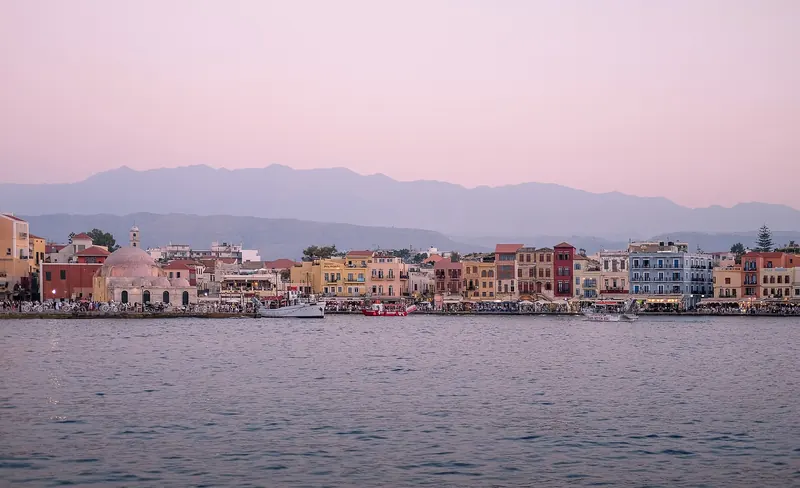
    • Afternoon Explore Chania's old town and harbour.
    • Evening Dinner by the Venetian harbour.
  11. Day11

    Crete's history and coast

    • Morning The Palace of Knossos.
    • Afternoon A beach afternoon on Crete's coast.
    • Evening Dinner in Heraklion.
  12. Day12

    Free day in Crete

    • Morning The Samaria Gorge or a quieter beach.
    • Afternoon Anything left on the list.
    • Evening A final Crete dinner.
  13. Day13

    Return to Athens

    • Morning Fly back to Athens.
    • Afternoon Last-minute shopping in Plaka.
    • Evening A final Athens dinner.
  14. Day14

    Depart

    • Morning Transfer to the airport.
    • Afternoon Fly home.
    • Evening Fly home.

Culture

Culture and etiquette in Greece

Greek culture varies between the mainland and the islands, but a handful of broadly shared norms — hospitality, a relaxed relationship with time, and a strong family and community focus — hold nationwide.

  • Philoxenia, hospitality to strangers, is taken seriously

    Greeks have a real cultural tradition of welcoming visitors warmly, and hospitality offered is generally meant sincerely rather than as a transaction.

  • Time runs more relaxed than in northern Europe

    Greek time ('siga siga', slowly slowly) means schedules and reservations are treated with more flexibility than visitors from punctuality-focused cultures may expect.

  • Meals are a genuine social occasion

    Dinner runs late by many countries' standards, often starting after 9pm, and is meant to be lingered over rather than rushed.

  • Church and tradition still hold real weight

    Greek Orthodox Christianity shapes daily life, holidays and etiquette even for visitors who aren't religious themselves — dress modestly when visiting churches and monasteries.

  • Directness and warmth coexist

    Greeks are often direct in conversation, which is not meant as rudeness — it typically comes paired with real warmth once you get past first impressions.

  • August is a genuine national holiday month

    Many Greek businesses close for part of August as owners take their own holidays — this is a real cultural institution, not poor planning.

Do

  • Dress modestly when visiting churches and monasteries — cover shoulders and knees
  • Greet with a warm hello and accept hospitality graciously when offered
  • Linger over meals rather than rushing — it's part of the social occasion
  • Learn a few basic Greek phrases — the effort is appreciated
  • Book ferries and island accommodation well ahead for July and August travel
  • Carry some cash for smaller island tavernas, kiosks and taxis

Don't

  • Don't rush a taverna meal — service is deliberately unhurried, not slow
  • Don't wear beach clothes into churches or monasteries
  • Don't assume every small island business takes cards — some remain cash-only
  • Don't be surprised if some businesses close for part of August
  • Don't skip travel insurance for ferry-dependent island itineraries — weather can delay crossings
  • Don't rent a moped without genuine experience and a proper licence — road conditions vary considerably by island

Travel tips

Greece travel tips

The things that most often go wrong on a Greece trip, in rough order of how much they cost people.

  • Book inter-island ferries and flights as early as possible for July and August travel — popular routes sell out.
  • Build a buffer day into ferry-dependent itineraries — weather can delay or cancel crossings, especially in shoulder season.
  • Carry some cash — smaller island tavernas, kiosks and taxis can be cash-preferring.
  • Book Santorini and Mykonos accommodation many months ahead for summer — both islands' rooms fill and prices spike early.
  • Dress modestly for churches and monasteries — cover shoulders and knees, particularly at Meteora.
  • Avoid renting a moped without real experience — road conditions and traffic vary considerably by island.
  • Pack for real heat in July and August, particularly on the Cyclades islands, and plan around the midday sun for sightseeing.
  • Reserve Acropolis tickets online well ahead in summer, when walk-up queues can mean significant waiting in the heat.

FAQ

Visiting Greece: frequently asked questions

How many days do you need in Greece?

Ten to fourteen for a first trip. Eight to ten covers Athens and two islands with reasonable pacing; twelve to sixteen lets you add Delphi and Meteora to the classic Athens-and-islands route, which is the itinerary on this page. Four or five days is enough for Athens alone, and Athens alone justifies a trip.

What is the best time of year to visit Greece?

May to June and September are the sweet spots — warm weather, manageable crowds and lower prices than peak summer. July and August bring the most reliable sunshine at the cost of genuine crowds and heat; winter is quiet but many island businesses close.

Do I need a car in Greece?

Only for specific regions. Ferries and flights cover the islands well, and Athens' metro covers the capital. A car becomes useful for exploring Crete's scale and the wider Peloponnese at a flexible pace.

Is Greece expensive?

Mid-range travel runs about €100–170 per person per day, with Santorini and Mykonos adding a genuine premium over that figure. Booking ferries and flights well ahead and eating at neighbourhood tavernas rather than tourist-strip restaurants are the biggest levers on cost.

Is Greece safe for tourists?

Very. Violent crime against visitors is rare, and most areas are safe to walk in the evening. The practical risk is pickpocketing in crowded tourist areas and on Athens' public transport, manageable with ordinary vigilance around bags and phones.

How does island-hopping actually work?

Book ferries or flights between your chosen islands ahead of time, particularly in summer, and build a buffer day or two into the itinerary in case of weather delays — most visitors combine two to four islands in a single trip rather than attempting more.

Ready to plan your Greece trip?

The full travel guide covers routes, budgets, regional differences and how to string these ten destinations into a trip that actually works.

Read the Greece travel guide

Advertisement