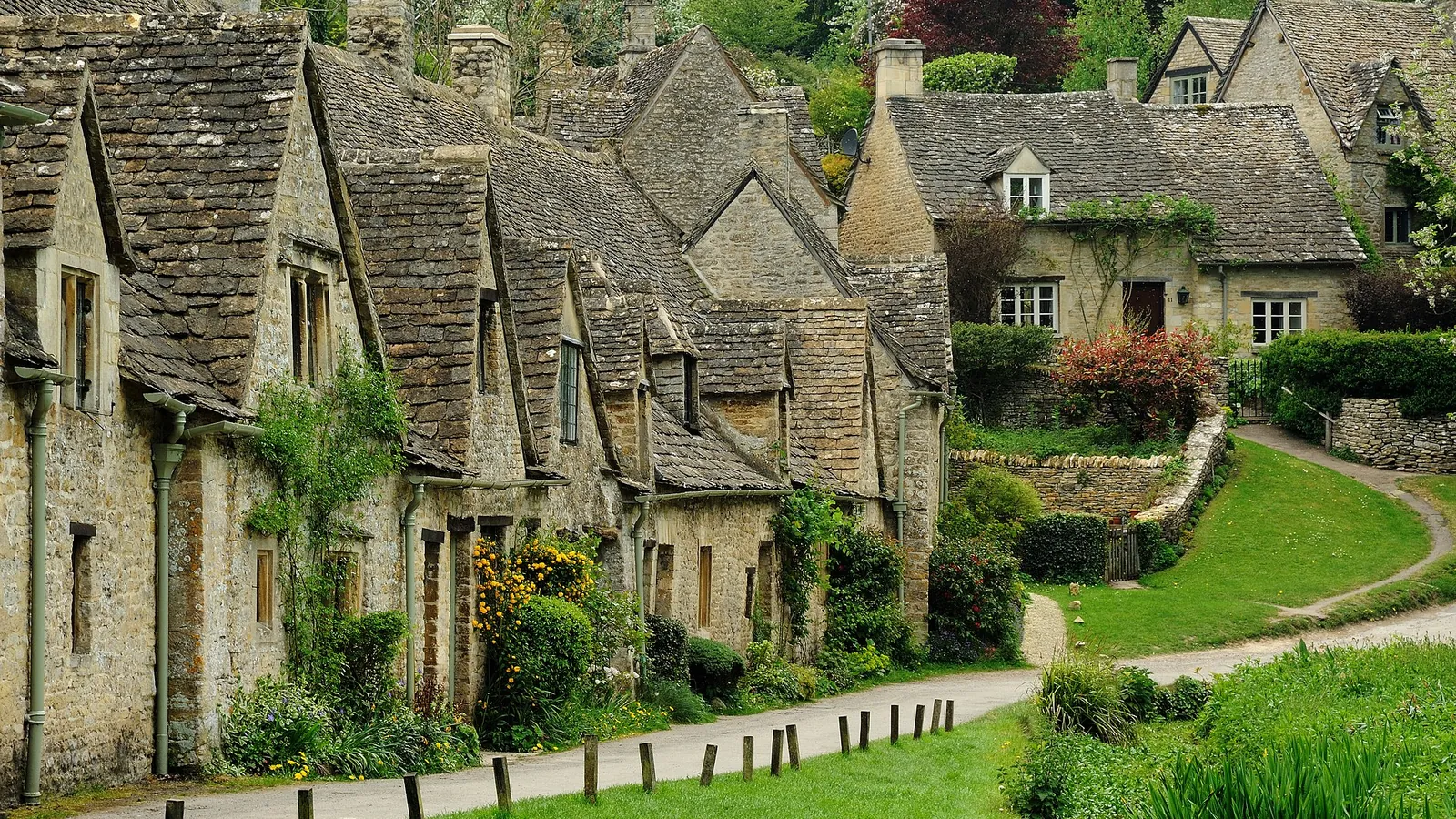
The golden-stone cottages of Arlington Row in the Cotswolds village of Bibury

Northern Europe

United Kingdom Travel Guide

Four nations under one crown, a rail network that reaches every one of them, and a landscape that runs from Cotswolds villages to Highland glens in the space of a single, fairly small island.

  • Destinations 10 hand-picked
  • Best time May–June and September
  • Ideal trip 10–14 days for a first trip

Photo: Saffron Blaze · CC BY-SA 3.0

Why go to United Kingdom

The United Kingdom packs four constituent nations — England, Scotland, Wales and Northern Ireland — into an island group smaller than most single American states, and the range that results is surprising to first-time visitors. London alone would justify a trip several times over, but it is also, in a real sense, the least representative place in the country: cross into the Cotswolds, the Highlands or the Welsh mountains and the pace, architecture and even the language change within a couple of hours' travel.

History sits close to the surface almost everywhere. Bath's Roman baths and Georgian crescents, York's Viking and medieval streets, Edinburgh's medieval Old Town beside its Georgian New Town, Oxford and Cambridge's eight-hundred-year-old university colleges — the country's past is not curated behind glass so much as still standing, still in use, and often still walkable at street level.

The practical spine holding it together is one of the world's oldest and, at its best, still one of its most useful rail networks, connecting London to Edinburgh in about four and a half hours and reaching deep into the Highlands, Wales and the West Country besides. A car becomes useful only once you leave the rail network's reach — the Highlands, rural Wales, parts of Cornwall — and is actively unhelpful almost everywhere else.

Where to go

Best Places to Visit in United Kingdom

Ordered roughly by how strongly we would recommend each for a first visit — though the Highlands, Snowdonia and Cornwall reward a second or third UK trip just as much as a first.

Capital CityMajor City

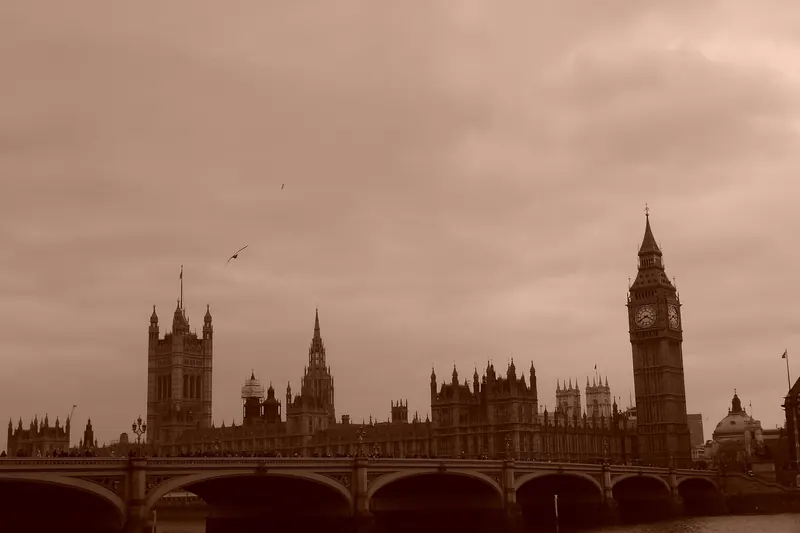
London

Greater London

A genuine world city where free museums holding some of humanity's greatest treasures sit blocks from a medieval fortress and a still-working royal palace.

Don't miss The British Museum, free to enter — the Rosetta Stone, the Parthenon sculptures and several million years of human history under one roof.

Explore Destination — London
Capital CityHistoric Site

Edinburgh

Scotland

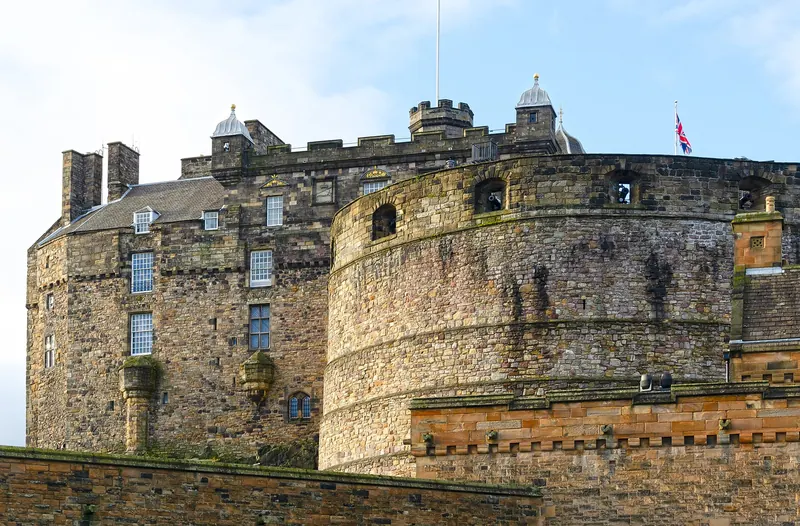
Scotland's capital, where a medieval Old Town climbs to a castle on an extinct volcano's crag, a Georgian New Town spreads below it, and August brings the largest arts festival on earth.

Don't miss Edinburgh Castle at dusk, floodlit above the Royal Mile — a fortress that has watched over the city for over a thousand years.

Explore Destination — Edinburgh
Historic SiteScenic Region

Bath & the Cotswolds

Somerset & Gloucestershire

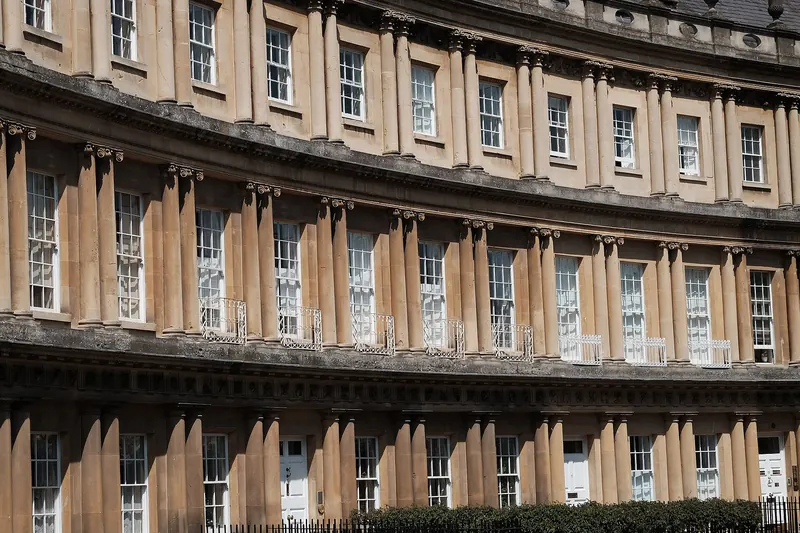
A UNESCO-listed Georgian city built around genuine Roman baths, with the golden-stone villages of the Cotswolds an easy day trip beyond it.

Don't miss The Roman Baths — a two-thousand-year-old bathing complex, its original lead-lined pool still filled by a natural hot spring.

Explore Destination — Bath & the Cotswolds
Nature WildlifeMountains

The Lake District

Cumbria, North West England

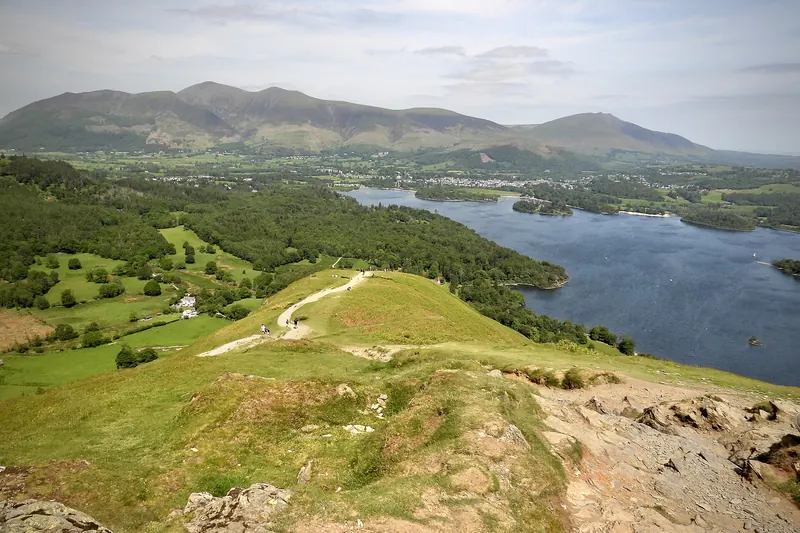
A compact national park of lakes, fells and stone villages in England's north west, walkable, boatable and scenic on a scale that punches well above its actual size.

Don't miss Derwentwater and the fells above Keswick — the classic Lake District view, and the easiest place to understand in an afternoon why Wordsworth never really left.

Explore Destination — The Lake District
Historic SiteCity

York

North Yorkshire, England

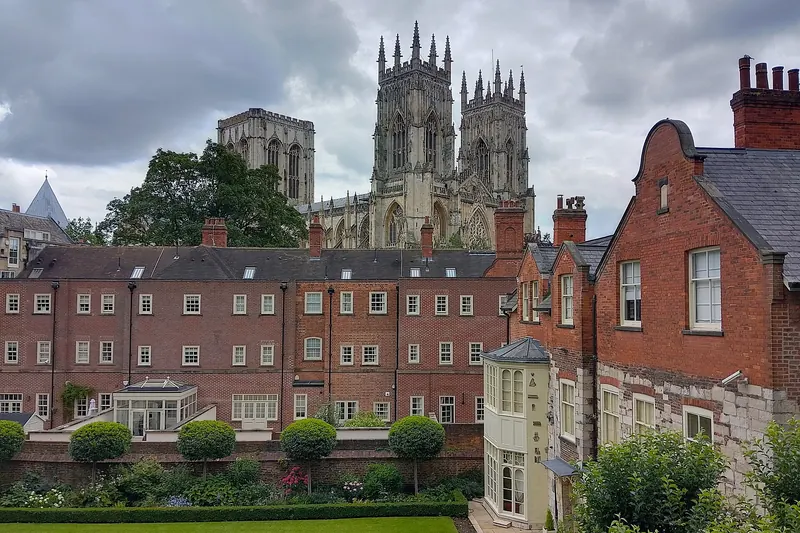
A compact, walkable walled city in the north of England layering Roman, Viking, medieval and Victorian history, with one of Europe's great Gothic cathedrals at its centre.

Don't miss York Minster's Gothic towers rising above a skyline of medieval streets still enclosed by their original city walls.

Explore Destination — York
Historic SiteCity

Oxford & Cambridge

England

Two historic university towns, each built around a cluster of centuries-old colleges, best visited as a pair or chosen individually depending on time.

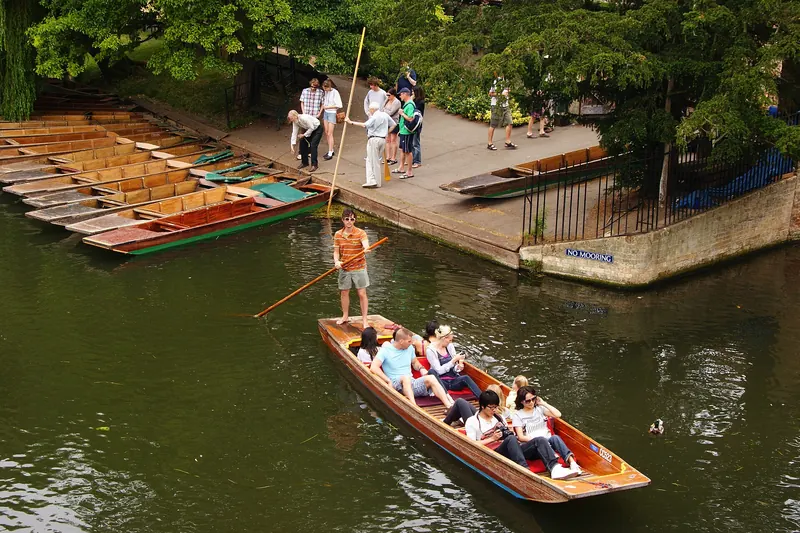
Don't miss Punting along the Backs in Cambridge, or through Oxford's Christ Church Meadow — the classic view of spires and college walls from the water.

Explore Destination — Oxford & Cambridge
Nature WildlifeMountains

Snowdonia & North Wales

Gwynedd and Conwy, Wales

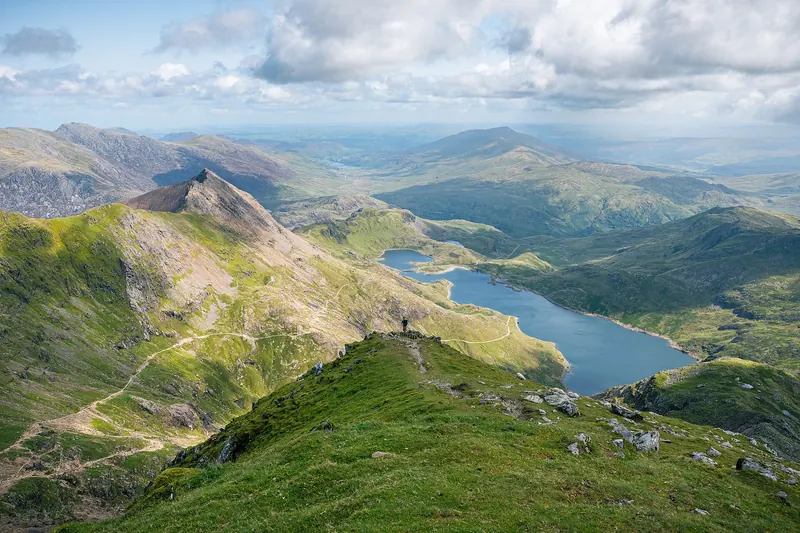
A mountainous national park in north Wales, built around Yr Wyddfa's peak, ringed by medieval castles and slate heritage towns, with a dramatic coastline nearby.

Don't miss Yr Wyddfa (Snowdon) at sunrise, Wales's highest peak and the reason the whole national park carries its old English name.

Explore Destination — Snowdonia & North Wales
Coast & BeachesScenic Region

Cornwall

South West England

A peninsula of dramatic coastline in England's far south-west, mixing fishing harbours, surf beaches, clifftop paths and a distinct Cornish identity.

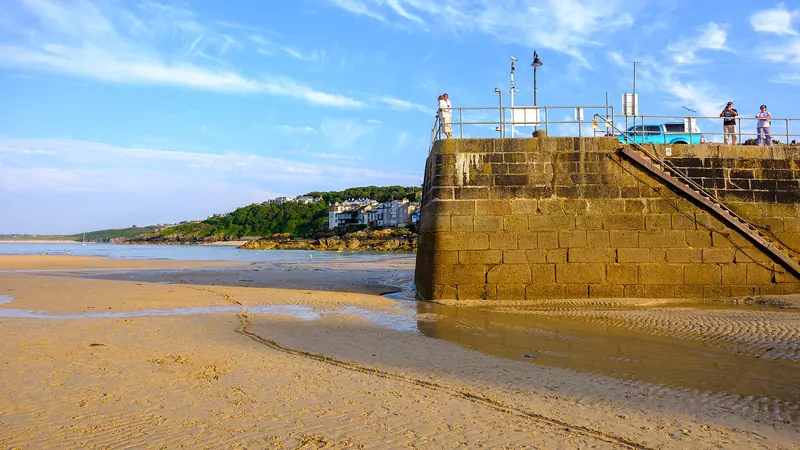
Don't miss St Ives' turquoise-watered harbour and beaches, framed by whitewashed cottages and one of Britain's best small art scenes.

Explore Destination — Cornwall

Browse all 510 destinations

Experiences

Best things to do in United Kingdom

The experiences that recur across the country and that make a UK trip feel like more than a checklist of cities.

  1. Take the rail network seriously

    Britain's train network reaches almost everywhere in this guide, and booking in advance — often weeks ahead for long-distance routes — can cut fares by more than half compared with a walk-up ticket.

    Tip Use Trainline or National Rail's own site, and look for split-ticketing tools that can legally reduce the fare on longer journeys.

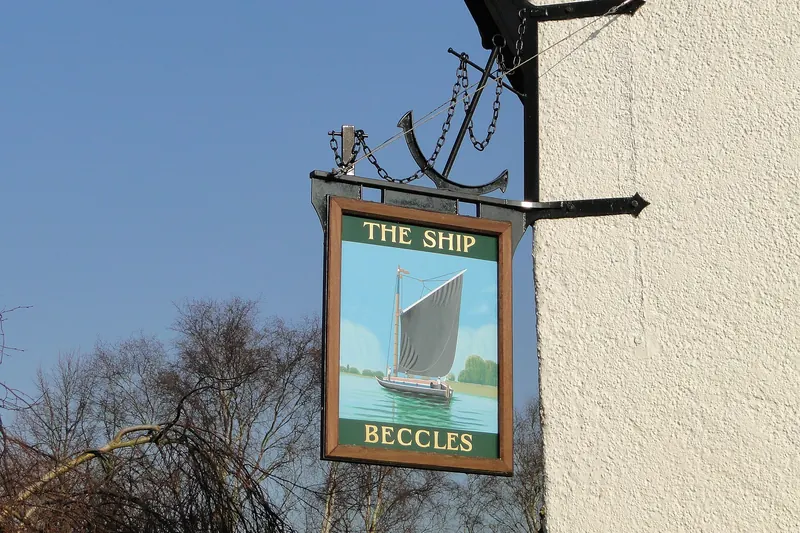
  2. A traditional hanging pub sign outside an English inn

    Do a proper pub session

    Not a quick drink but an evening: a pint of cask ale, a pub quiz or live music if you find one, and a genuine cross-section of a British town or neighbourhood in one room.

    Tip Cask ale is served at cellar temperature, not fridge-cold — do not send it back thinking it is warm by mistake.

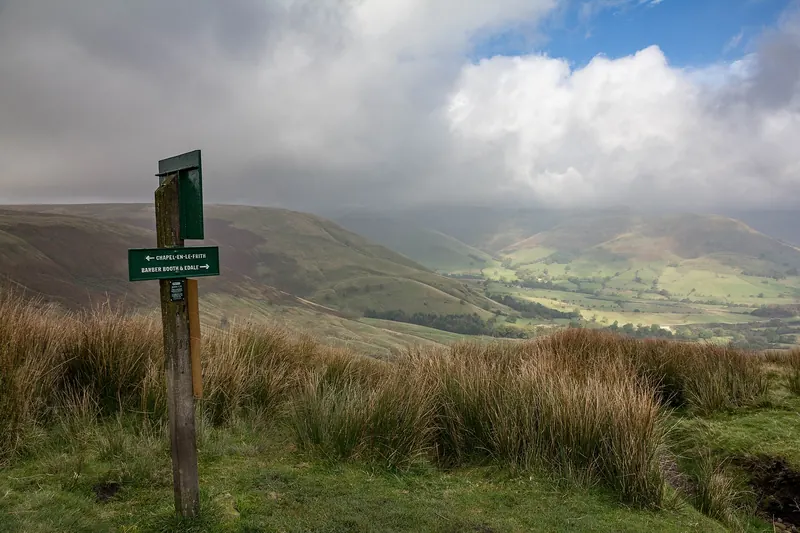
  3. A footpath crossing open countryside in the Peak District

    Walk a stretch of proper countryside

    The right to roam and a dense network of public footpaths mean genuine countryside walking is accessible almost everywhere, from a gentle Cotswolds ramble to a serious Highland ascent.

    Tip Ordnance Survey maps, in paper or app form, are the gold standard for route planning and still worth the investment.

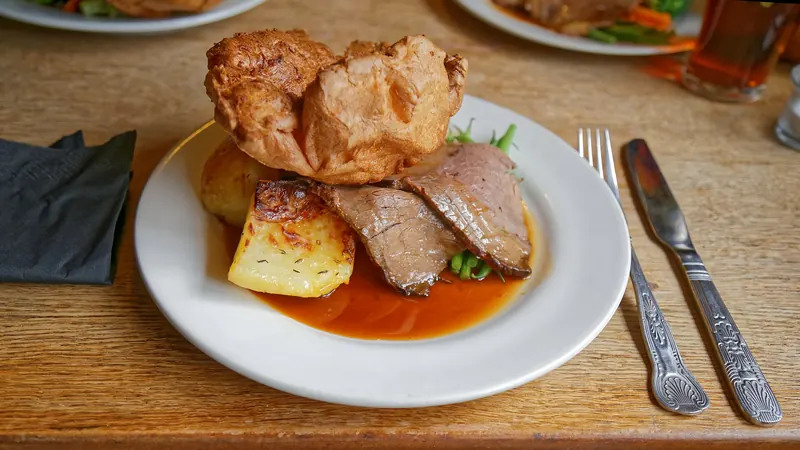
  4. Eat a proper Sunday roast

    Roast meat, potatoes, vegetables and Yorkshire pudding, served at pubs and restaurants specifically on Sundays — a genuine weekly institution rather than a tourist performance.

    Tip Book ahead at well-regarded pubs — good Sunday roasts sell out, especially in villages with only one or two options.

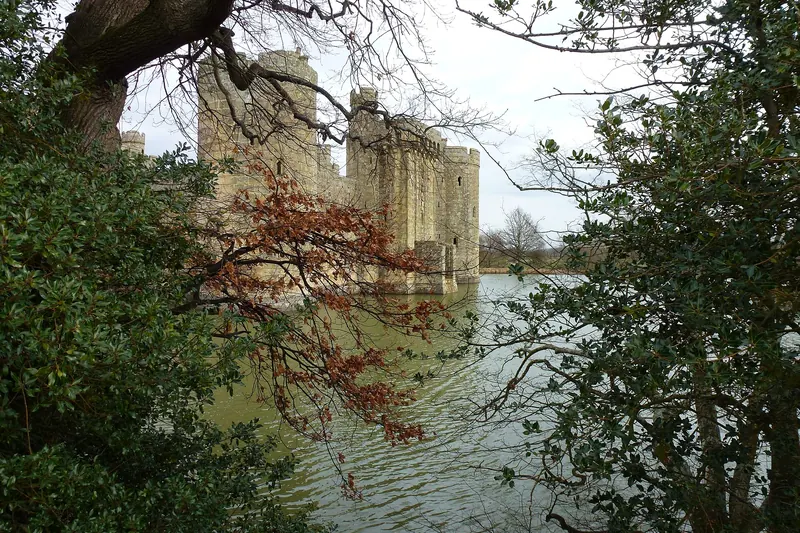
  5. The moated medieval Bodiam Castle in spring

    Visit a National Trust or Historic Scotland property

    Castles, stately homes and gardens across the country are maintained by these two heritage bodies, and a short-term membership pays for itself after just a few visits.

    Tip If visiting more than three or four properties, buy an overseas visitor pass before arrival — it is cheaper than paying single entry each time.

  6. Watch the weather and pack for all of it

    Britain's weather changes fast and rarely commits to one forecast for a full day, in any season — a genuine part of the travel experience rather than an inconvenience to plan around.

    Tip A proper waterproof layer matters more than an umbrella, which struggles against the country's frequent wind.

Food and drink

United Kingdom foods to try

British food's reputation undersells it badly. Regional specialities, a strong pub-food tradition and an increasingly excellent restaurant scene make the case on their own.

  • A plate of battered haddock and chips at an English pub

    Fish and chips

    Battered fish, chunky chips and mushy peas, wrapped in paper and eaten by the seaside or from a proper chippy — done well, it is one of the best simple meals in the country.

    Where to try it Coastal towns generally do it best, though good chippies exist in every city — look for a queue of locals rather than a tourist-strip location.

  • A Sunday roast dinner with lamb, potatoes and vegetables

    Sunday roast

    Roast meat — beef, lamb, chicken or pork — with roast potatoes, vegetables, gravy and Yorkshire pudding, the definitive British Sunday meal at pubs across the country.

    Where to try it Village and gastropubs generally outdo city-centre chains — ask locally for the best roast within reach.

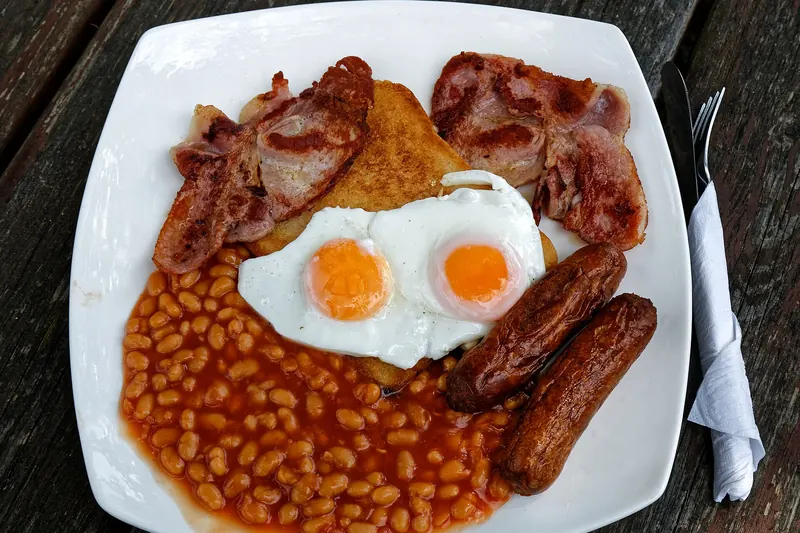
  • A full English breakfast with eggs, bacon, sausage and beans

    A full English (or Scottish, or Welsh) breakfast

    Eggs, bacon, sausage, beans, grilled tomato and toast, with regional variations — black pudding features more in the north, and Scotland adds tattie scones and, if you are brave, haggis.

    Where to try it Cafes and B&Bs across the country — a genuine daily ritual rather than a tourist novelty.

  • A traditional Cornish pasty, crimped along one edge

    Regional pies and pasties

    The Cornish pasty, a pastry parcel of meat and vegetables designed to be eaten by hand, alongside pork pies, steak and ale pies and countless other regional variations across England.

    Where to try it Cornwall for a proper pasty from a bakery, ideally one with Protected Geographical Indication status.

  • A board of assorted British cheeses

    Cheese, regionally

    From Cheddar in Somerset to Stilton in the East Midlands and a strong modern artisan cheese movement across the country, British cheese is considerably more varied than its export reputation suggests.

    Where to try it Farmers' markets and specialist cheesemongers, or the source towns themselves where geography allows.

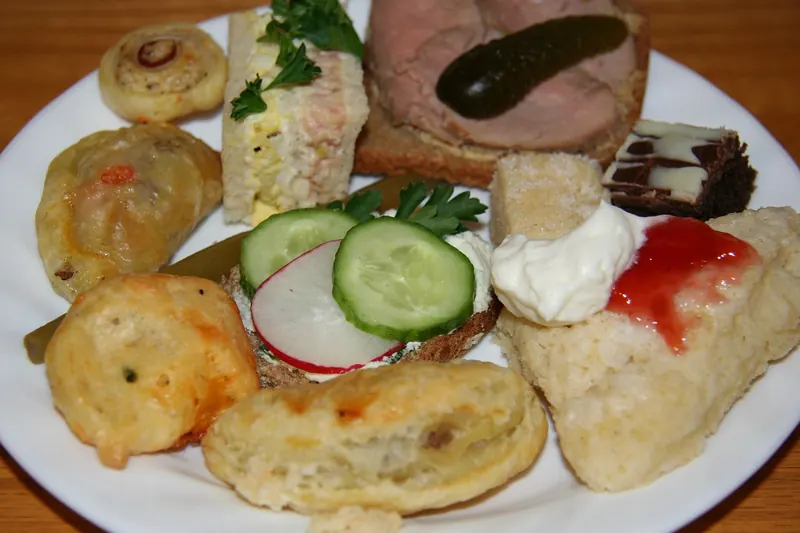
  • A traditional afternoon tea with scones, jam and clotted cream

    Tea, properly done

    Strong black tea with milk, taken throughout the day, and afternoon tea — sandwiches, scones with jam and clotted cream, and pastries — as a genuine occasion rather than just a drink.

    Where to try it Traditional tearooms across the country; Bath and the Cotswolds have a particularly strong afternoon tea tradition.

  • A bowl of chicken tikka masala, Britain's own curry invention

    Curry, a genuine national dish

    Britain's South Asian communities have made curry one of the most commonly eaten meals in the country, with regional variations like the Birmingham balti developed locally rather than imported unchanged.

    Where to try it Birmingham's Balti Triangle, London's Brick Lane, or any city's established curry district.

Before you go

Practical travel information for United Kingdom

The essentials, current for 2026. The UK is straightforward to travel in, with two practicalities that catch visitors out: rail booking, and healthcare cover.

Capital
London
Language
English nationally, with Welsh co-official and widely used in Wales, Scottish Gaelic spoken by a minority in parts of Scotland, and Irish spoken by a minority in Northern Ireland.
Currency
Pound sterling (£, GBP)
Cards and cash
Contactless card payment is close to universal, including on public transport in most cities. Carry a little cash for small rural shops and some markets, though even these increasingly accept cards.
Entry and visas
Visa-free entry for up to six months for many nationalities including the US, Canada, Australia and the EU, though an Electronic Travel Authorisation (ETA) is required in advance for a growing list of non-visa-national countries — check your specific requirement before booking, as this has expanded significantly since 2023.
Power sockets
Type G, 230 V, 50 Hz — the same three-pin plug used across the whole UK and Ireland, distinct from the rest of Europe.
Emergency number
999 or 112 for all emergencies, nationwide.
Tipping
Not obligatory. Around 10% for good restaurant service if a service charge is not already included; rounding up is normal for taxis; tipping is not expected in pubs for drinks at the bar.
Safety
Very safe overall, with low rates of violent crime against visitors. Pickpocketing occurs in crowded tourist areas and on the London Underground — standard vigilance is enough to avoid it.
Internet and SIM
Excellent 4G and 5G in cities and most towns, patchier in remote parts of the Highlands, rural Wales and Cornwall. EU roaming does not apply post-Brexit — check your provider's UK rates or get a local SIM.
Time zone
Greenwich Mean Time (UTC+0) in winter, British Summer Time (UTC+1) from late March to late October.

Daily budget guide (per person)

Backpacker
£55–85 per day — hostels, pub meals, off-peak trains
Mid-range
£120–200 per day — three-star hotels, restaurant meals, advance-booked trains
Comfortable
£220–380 per day — good hotels, guided tours, first-class rail
London supplement
Add roughly 25–40% to any budget band specifically in London

Excludes international flights. Figures are typical rather than absolute — cities and peak season run higher.
When to go

Best time to visit United Kingdom

The UK's weather is famously changeable in any season, but late spring and early autumn offer the best balance of daylight, mild temperatures and manageable crowds.

  • Spring (April–May)

    Best time

    Mild and increasingly green, with gardens and countryside at their best and crowds still below summer peak. April can still be wet and cool.

  • Summer (June–August)

    Good

    Long daylight hours, the best chance of warm weather, and the height of the festival season, particularly Edinburgh's August festivals — also the most crowded and expensive months.

  • Autumn (September–October)

    Best time

    Often the best-kept secret: comfortable temperatures, autumn colour in the countryside, and noticeably thinner crowds than summer.

  • Winter (November–March)

    Shoulder

    Short, often grey days and genuine cold in Scotland and the north, but cheap, quiet, and atmospheric for cities — Christmas markets and log-fire pubs have their own appeal.

Worth planning around: Late August's UK-wide school holiday crush is largely priced in rather than avoidable, but note that Edinburgh in August is at an entirely different level of both brilliance and crowding during its festivals.

Trip length

How long to spend in United Kingdom

The UK's rail network makes an ambitious multi-region itinerary workable, though the Highlands and Cornwall reward more time than a rushed loop allows.

  • 4–5 days

    London alone fills five days without repeating itself, or London plus a single day trip to Bath, Oxford or Cambridge.

    A short UK trip is better spent deeply in London than spread thin across the country.

  • 8–10 days

    London, Bath and the Cotswolds, then north to Edinburgh by train — the classic first-trip route connecting England's south and Scotland's capital.

    Add York as a stop between the two for a well-paced rail journey rather than a single long transfer.

  • 12–16 days

    The itinerary on this page: London, the Cotswolds, Wales, the Lake District and Edinburgh, covering England, Wales and Scotland without a car for most of it.

    Enough time to add real countryside — the Lake District or Snowdonia — to the classic cities route.

  • 3 weeks or more

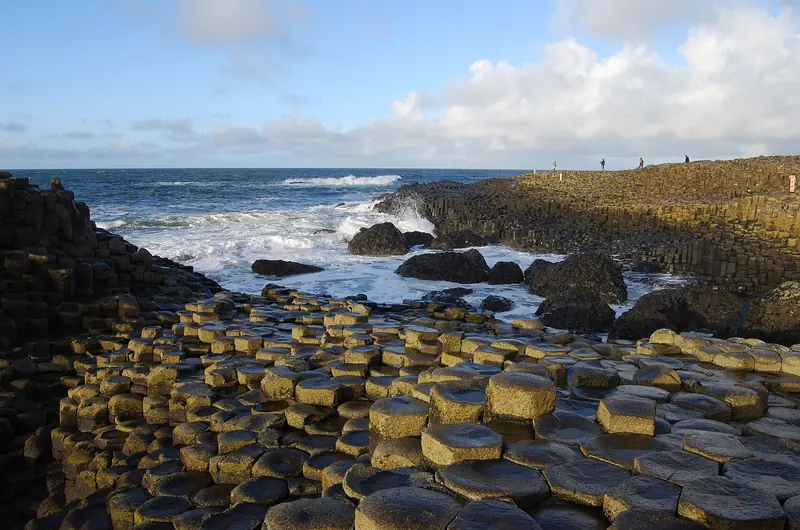
    Add the Scottish Highlands and Isle of Skye properly, with a hire car, or Northern Ireland and the Giant's Causeway as a self-contained extension.

    The Highlands and Northern Ireland are where a second UK trip belongs, and both reward a full week rather than a rushed add-on.

Getting around

Transportation in United Kingdom

Britain's rail network connects every destination in this guide bar the remotest parts of the Highlands, and advance booking is the single biggest lever on cost.

  • Inter-city trains

    London to Edinburgh is about 4h30, London to Bath 1h30, London to York 2h. Advance tickets, released around twelve weeks ahead, are dramatically cheaper than walk-up fares.

    Book via Trainline or National Rail directly. A Railcard, if you qualify by age or status, cuts fares further.

  • Regional and branch trains

    Reach smaller towns and the edges of national parks, including into the Lake District and toward Snowdonia, though often requiring a bus connection for the final stretch.

    Regional day-return tickets are often not worth booking far ahead — flexibility can matter more than the discount.

  • Rental car

    Essential for the Scottish Highlands, rural Wales, and reaching Cornwall's smaller villages and coves beyond the rail line.

    Driving is on the left. Single-track roads with passing places are common in the Highlands — learn the etiquette before setting off.

  • Coaches

    National Express and Megabus connect most of the country more cheaply than rail, if considerably slower — a useful budget option for longer, less time-sensitive journeys.

    Booking ahead secures the cheapest fares, similar to rail.

  • Ferries

    To the Isle of Skye (though also reachable by bridge), other Scottish islands, and across to Northern Ireland and the Isle of Man.

    Book ahead in summer for popular island crossings, particularly with a car.

Sample route

Two weeks in the United Kingdom

London, the Cotswolds and Wales, then the Lake District and Edinburgh. Covers five of the ten destinations in this guide by train, with a short car hire for the Welsh and Lakeland legs.

  1. Day1

    Arrive in London

    • Morning Land and take the Elizabeth line or Heathrow Express into the city.
    • Afternoon A first walk around Westminster and the South Bank.
    • Evening Dinner in Soho or Borough Market's evening stalls.
  2. Day2

    Central London

    • Morning The British Museum, or the Tower of London if booked ahead.
    • Afternoon Covent Garden and a walk along the Thames.
    • Evening A West End show, if tickets allow.
  3. Day3

    Royal London

    • Morning Buckingham Palace and St James's Park.
    • Afternoon The National Gallery or the Tate Modern.
    • Evening A pub dinner in a neighbourhood like Borough or Shoreditch.
  4. Day4

    To Bath

    • Morning Train to Bath, under two hours.
    • Afternoon The Roman Baths and the Georgian crescents.
    • Evening Dinner in Bath's old town.
  5. Day5

    The Cotswolds

    • Morning Hire a car and drive into the Cotswolds' villages.
    • Afternoon Bourton-on-the-Water and Bibury, or Castle Combe.
    • Evening A village pub dinner.
  6. Day6

    Into Wales

    • Morning Drive west into Snowdonia.
    • Afternoon A hike or the train up Snowdon, weather permitting.
    • Evening Dinner in a Welsh mountain village.
  7. Day7

    Snowdonia's coast

    • Morning The castles of the North Wales coast — Conwy or Caernarfon.
    • Afternoon A coastal walk or beach, weather permitting.
    • Evening Return the hire car and train onward.
  8. Day8

    The Lake District

    • Morning Train and bus to the Lake District.
    • Afternoon A lake cruise on Windermere or Ullswater.
    • Evening A fellside pub dinner.
  9. Day9

    Lakeland walking

    • Morning A proper fell walk, sized to your fitness and the weather.
    • Afternoon Grasmere or Hawkshead's villages.
    • Evening An early night before a long travel day.
  10. Day10

    To Edinburgh

    • Morning Train north to Edinburgh via a change, or direct where available.
    • Afternoon The Royal Mile and Edinburgh Castle.
    • Evening Dinner in the Old Town.
  11. Day11

    Edinburgh properly

    • Morning The National Museum of Scotland.
    • Afternoon Arthur's Seat, weather permitting, or the New Town's Georgian streets.
    • Evening A whisky bar or traditional folk music session.
  12. Day12

    A day trip from Edinburgh

    • Morning The Scottish Highlands' southern edge, or Rosslyn Chapel.
    • Afternoon Return to Edinburgh.
    • Evening A final dinner in the Old Town.
  13. Day13

    Free day

    • Morning Shopping or a museum you missed.
    • Afternoon Anything left on the list.
    • Evening Pack and prepare for departure.
  14. Day14

    Depart

    • Morning Train back to London, or fly directly from Edinburgh.
    • Afternoon Transfer to the airport.
    • Evening Fly home.

Culture

Culture and etiquette in United Kingdom

The UK's culture varies by nation and region, but a handful of broadly shared norms — queuing, understatement, and a particular relationship with small talk — hold across most of it.

  • Queuing is close to sacred

    Jumping a queue, for a bus, a shop till or a pub bar, is one of the more reliable ways to draw genuine disapproval. When in doubt, ask who is last rather than guess.

  • Understatement is the norm

    Enthusiasm and complaint are both typically expressed more mildly than the underlying feeling — 'not bad' can mean impressed, and 'a bit of an issue' can mean a serious problem.

  • Round buying at the pub

    If you are in a group at the pub, it is customary to take turns buying a round for everyone rather than each person buying their own drink each time.

  • Sorry is used constantly, and not always as an apology

    'Sorry' functions as a filler word, an acknowledgement, and a way to get someone's attention as much as a genuine apology — do not read too much into its frequency.

  • Regional and national identity matters

    Scottish, Welsh and Northern Irish people generally do not appreciate being called simply 'English' or having their nation's distinctiveness flattened into a generic 'British' label.

  • Small talk about weather is a genuine social lubricant

    Commenting on the weather is a normal, expected way to open a conversation with a stranger, not small talk to be dismissed as meaningless.

Do

  • Queue properly and wait your turn without exception
  • Book popular restaurants, National Trust sites and rail tickets ahead where possible
  • Carry a proper waterproof layer regardless of the season
  • Tip modestly for good restaurant service if it is not already included
  • Use each nation's correct name rather than defaulting to 'English' for Scottish, Welsh or Northern Irish people or places
  • Validate that you understand left-hand driving before hiring a car

Don't

  • Don't jump a queue, ever, for any reason
  • Don't assume EU roaming applies to your phone plan post-Brexit
  • Don't expect city-centre pace or prices to be the national average — the regions differ hugely
  • Don't skip travel insurance — NHS emergency care has limits for visitors and is not the same as full free healthcare
  • Don't plan a Highlands or island trip without checking ferry or road conditions in winter
  • Don't assume all pubs serve food all day — many have specific kitchen hours

Travel tips

United Kingdom travel tips

The things that most often go wrong on a UK trip, in rough order of how much they cost people.

  • Book long-distance trains as far ahead as possible — advance fares released around twelve weeks out can be a fraction of the walk-up price for the same journey.
  • Buy travel insurance with medical cover. The NHS provides emergency treatment, but it is not automatically free for all visitors and does not cover repatriation or many non-emergency situations.
  • Check your phone plan's UK roaming rates before arrival — EU roaming agreements do not apply here post-Brexit, and rates can be steep without a local SIM or specific add-on.
  • Pack proper waterproofs regardless of season or forecast — British weather changes fast and rarely holds to one forecast for a full day.
  • Book Edinburgh accommodation many months ahead if travelling in August, when the festivals push prices and demand to their annual peak.
  • If hiring a car for the Highlands or rural Wales, budget extra time for single-track roads and check fuel stops on your route — rural petrol stations can be sparse and close early.
  • Many sites, especially National Trust and Historic Scotland properties, offer meaningful savings on a short-term membership if you plan to visit more than two or three.
  • England, Scotland, Wales and Northern Ireland each have their own bank holidays on slightly different dates — check before assuming something will be open.

FAQ

Visiting United Kingdom: frequently asked questions

How many days do you need in the United Kingdom?

Ten to fourteen for a first trip. Eight to ten covers London, Bath and Edinburgh by train with reasonable pacing; twelve to sixteen lets you add real countryside like the Lake District or Snowdonia, which is the itinerary on this page. Four or five days is enough for London alone, and London alone justifies a trip.

What is the best time of year to visit the United Kingdom?

May to June and September are the sweet spots — mild weather, long daylight in early summer, and thinner crowds than peak August. Summer brings the best odds of warm weather and the Edinburgh festivals, at the cost of crowds and higher prices. Winter is cold and grey but quiet, cheap and atmospheric in the cities.

Do I need a car in the UK?

Only for specific regions. The rail network covers London, Edinburgh, Bath, York, Oxford, Cambridge and the edges of most national parks well. A car becomes necessary for the Scottish Highlands, rural Wales, and reaching Cornwall's smaller coastal villages — hire it only for that leg of the trip.

Is the United Kingdom expensive?

Mid-range travel runs about £120–200 per person per day, with London adding a genuine 25–40% premium over that figure. Booking trains and popular attractions well ahead is the single biggest lever on cost, alongside eating at pubs rather than tourist-focused restaurants.

Is the United Kingdom safe for tourists?

Very. Violent crime against visitors is rare, and most cities are safe to walk in the evening. The practical risk is pickpocketing in crowded tourist areas and on the London Underground, manageable with ordinary vigilance around bags and phones.

Do I need travel insurance if the UK has the NHS?

Yes. The NHS provides emergency treatment to visitors, but this is not the same as comprehensive free healthcare, does not cover many non-emergency situations, and does not cover repatriation. Genuine travel insurance with medical cover remains essential.

Ready to plan your United Kingdom trip?

The full travel guide covers routes, budgets, regional differences and how to string these ten destinations into a trip that actually works.

Read the United Kingdom travel guide

Advertisement