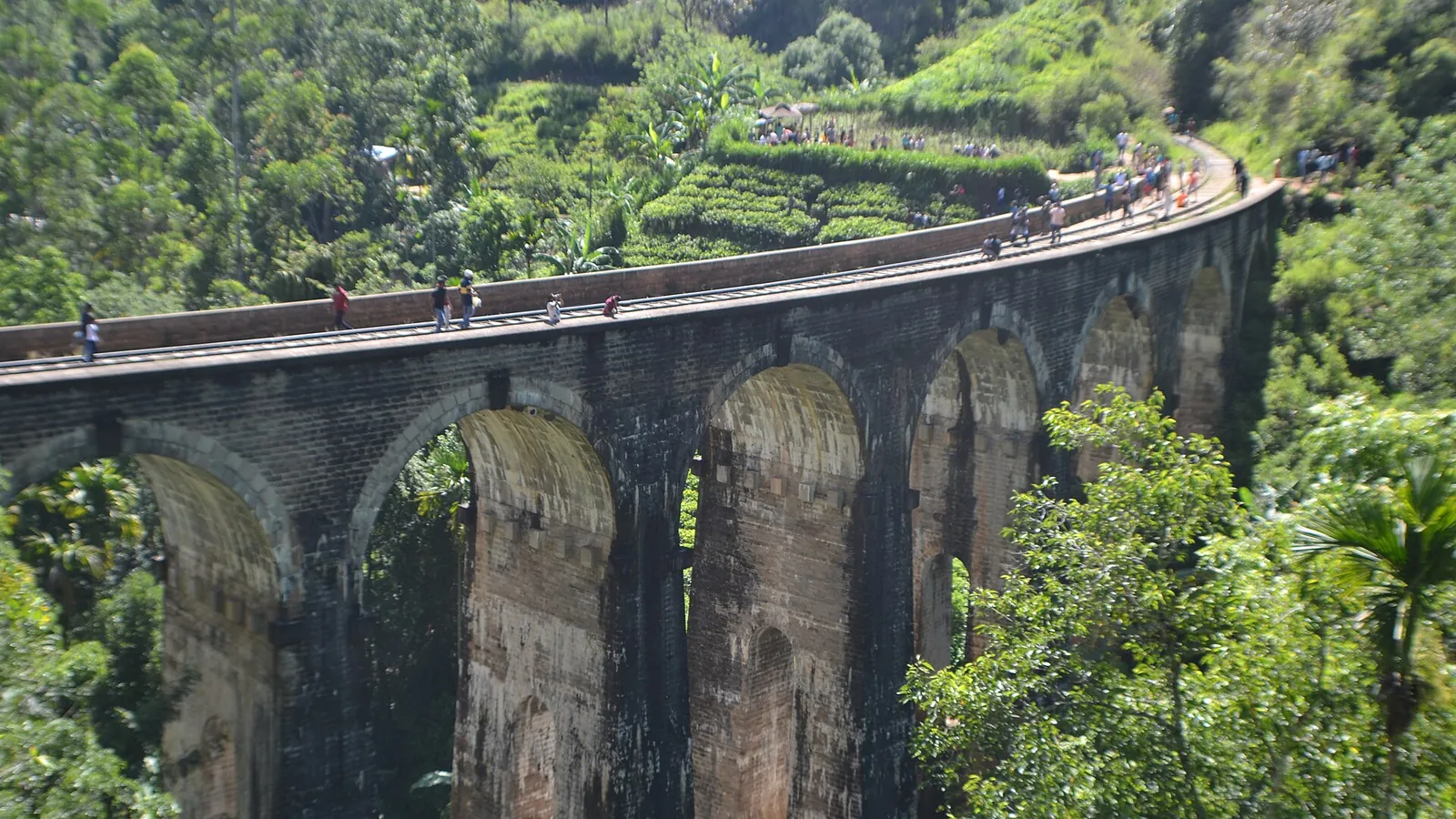
The Nine Arch Bridge among jungle and tea hills near Ella

Asia

Sri Lanka Travel Guide

A teardrop island of ancient Buddhist kingdoms, rock fortresses, tea-covered hills, misty trains, leopards, elephants and golden beaches, all within a few hours of each other.

  • Destinations 10 hand-picked
  • Best time Varies by coast, see below
  • Ideal trip 10–14 days for a first trip

Photo: Dbulathwatta · CC BY-SA 4.0

Why go to Sri Lanka

Sri Lanka is an island about the size of Ireland or West Virginia, off the southern tip of India, with roughly 22 million people. Its history is long: the Buddhist kingdom of Anuradhapura was founded in the 4th century BCE, the rock fortress of Sigiriya was built in the 5th century CE, and successive Portuguese, Dutch and British colonisers left forts, churches and tea plantations. Sinhalese Buddhists form the majority, alongside Tamil Hindus, Muslims and Christians.

For visitors, the main appeal is variety in a small space. In a single trip you can climb a rock fortress, see ruins of ancient cities, watch elephants gather at a reservoir, take a slow train through misty tea country, go on a leopard safari, and finish on a palm-lined beach where blue whales pass offshore. The distances are short, though roads are slow, so two weeks covers much of the island.

Sri Lanka went through a severe economic crisis in 2022, and the situation has stabilised, with tourism growing again. Visitors are warmly welcomed, and prices are low. The island has two monsoons, so the best region depends on the season, and a flexible plan lets you follow the sun.

Where to go

Best Places to Visit in Sri Lanka

Ordered roughly by how strongly we would recommend each for a first visit. Sigiriya, Kandy, Ella and Galle are the essentials; Yala and Mirissa add wildlife and beaches, and the others reward those with more time.

UNESCO SiteArchaeology

Sigiriya and Dambulla

Central Province, Cultural Triangle

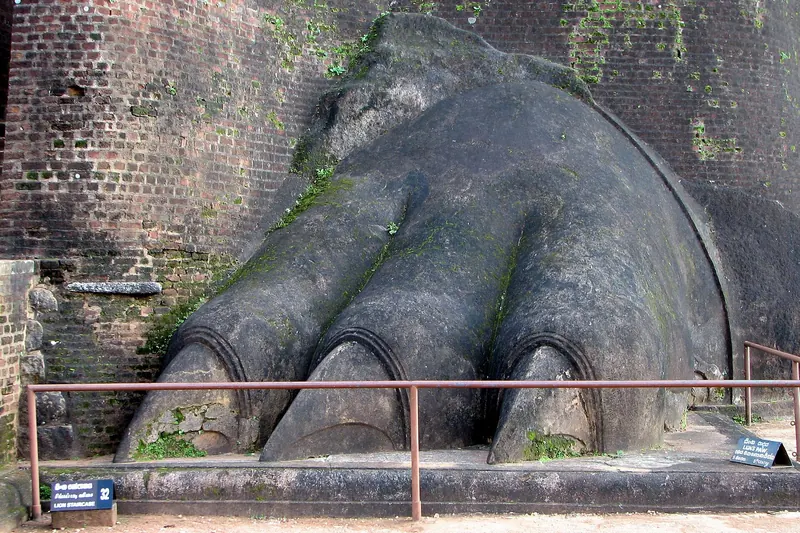
The 5th-century rock fortress of Sigiriya, a UNESCO World Heritage Site, with frescoes, water gardens and lion's paw gates, plus Pidurangala Rock and the cave temples of Dambulla.

Don't miss Reaching the summit of Sigiriya Rock, with the ruined palace beneath your feet and the jungle spread to the horizon.

Explore Destination — Sigiriya and Dambulla
UNESCO SiteHistoric Site

Kandy

Central Province, hill country

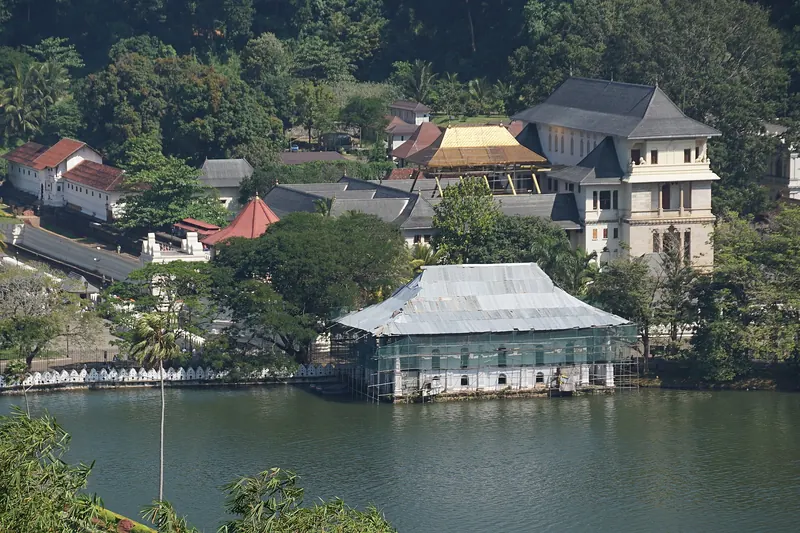
A hill-country city with the Temple of the Sacred Tooth Relic, Kandy Lake, Kandyan dance, Peradeniya Botanical Gardens and the base for tea country trains.

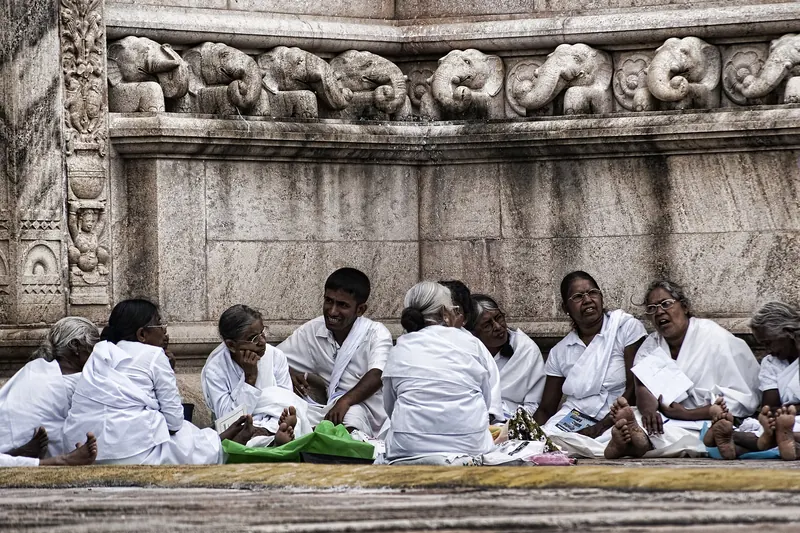
Don't miss The evening puja at the Temple of the Tooth, with drummers, incense and pilgrims in white.

Explore Destination — Kandy
UNESCO SiteHistoric Site

Galle

Southern Province

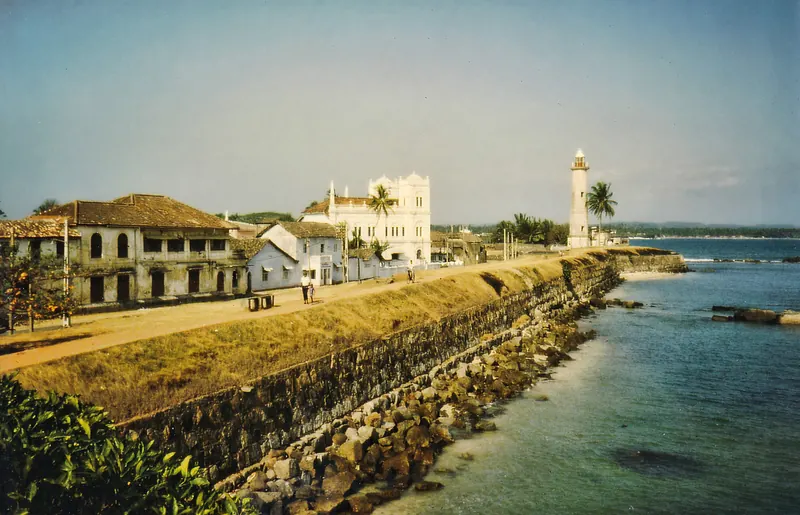
A 17th-century Dutch fort that is still a living community, with ramparts, a lighthouse, mosques and churches, boutiques, cafés and the beaches of the south coast nearby.

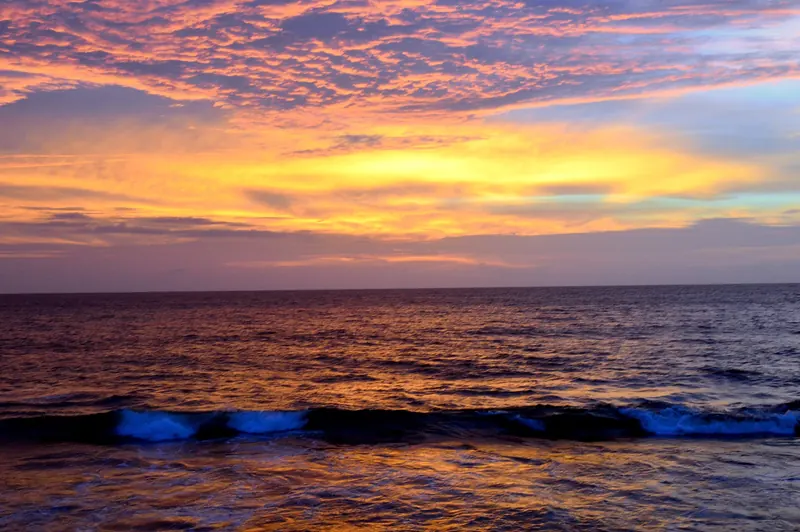
Don't miss Walking the ramparts of Galle Fort at sunset, with waves crashing below and the lighthouse glowing.

Explore Destination — Galle
MountainsScenic Region

Ella

Uva Province, hill country

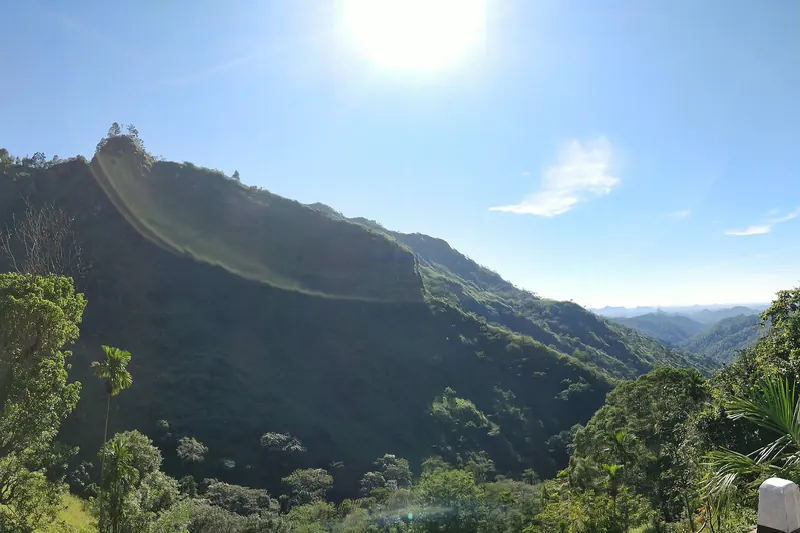
A small hill-country village with Little Adam's Peak, Ella Rock, the Nine Arch Bridge, Ravana Falls and cafés overlooking the Ella Gap.

Don't miss Watching a blue train cross the Nine Arch Bridge among the jungle and tea bushes.

Explore Destination — Ella
National ParkNature & Wildlife

Yala National Park

Southern and Uva Provinces

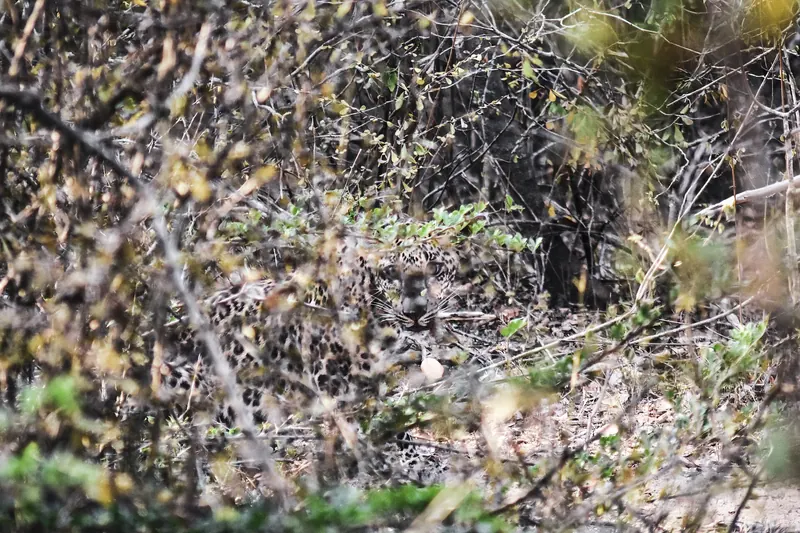
Sri Lanka's most famous safari park, with one of the highest densities of leopards in the world, elephants, buffalo, crocodiles and birds, explored in jeep safaris.

Don't miss A leopard stretched along a rock in early morning light, watched from the safety of a jeep.

Explore Destination — Yala National Park
UNESCO SiteArchaeology

Anuradhapura

North Central Province

A UNESCO-listed ancient capital, active as a pilgrimage centre, with the Sri Maha Bodhi tree, the Ruwanwelisaya and Jetavanaramaya stupas, monasteries, ponds and palace ruins.

Don't miss Watching pilgrims in white circle the Ruwanwelisaya stupa at dawn with flowers and lamps.

Explore Destination — Anuradhapura
UNESCO SiteArchaeology

Polonnaruwa

North Central Province

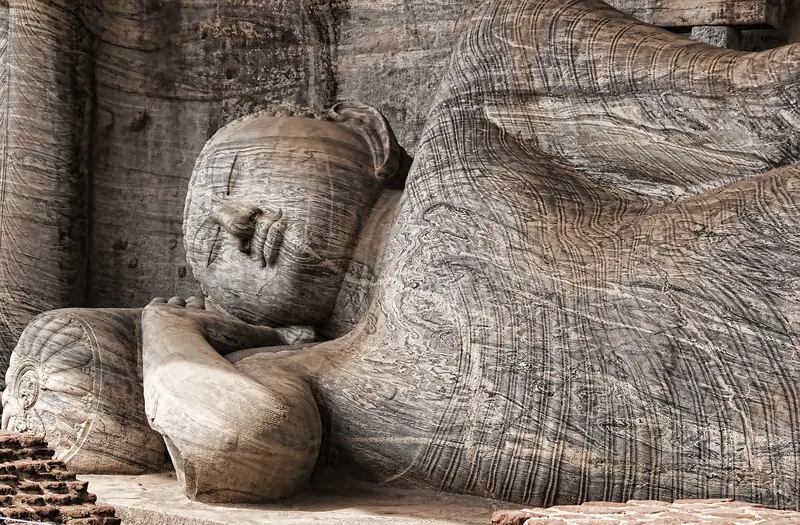
A UNESCO-listed 11th to 13th century capital, with the Gal Vihara Buddhas, Vatadage, the Royal Palace and Parakrama Samudra lake, plus Minneriya elephant safaris nearby.

Don't miss Standing before the Gal Vihara, four colossal Buddha figures carved from a single granite rock face.

Explore Destination — Polonnaruwa
Coast & BeachesNature & Wildlife

Mirissa

Southern Province, south coast

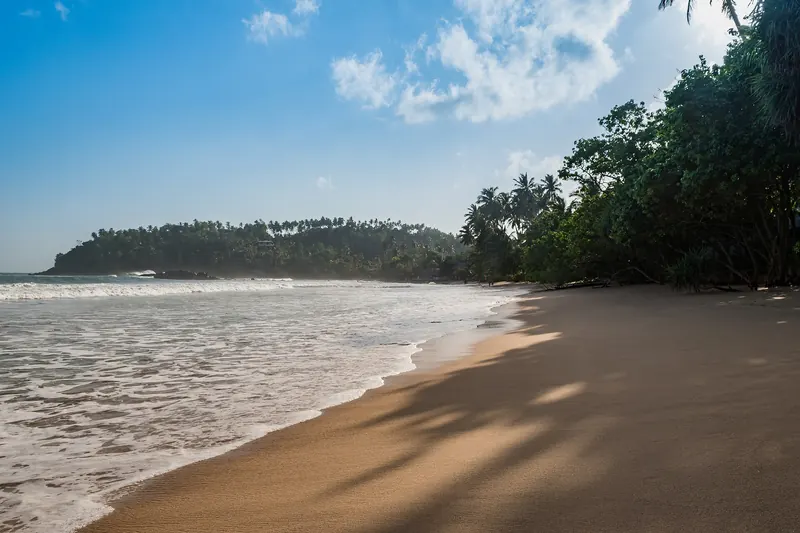
A relaxed beach town on Sri Lanka's south coast, with whale and dolphin watching, Coconut Tree Hill, Parrot Rock, surfing at Weligama and seafood on the sand.

Don't miss Seeing the vast back of a blue whale rise from the Indian Ocean off Mirissa.

Explore Destination — Mirissa
Major CityCapital City

Colombo

Western Province

Sri Lanka's commercial capital, with Galle Face Green, Pettah market, the Gangaramaya Temple, colonial Fort, the National Museum and a strong food scene, the gateway to the island.

Don't miss Watching kite-flying families and street-food vendors at sunset on Galle Face Green.

Explore Destination — Colombo

Browse all 510 destinations

Experiences

Best things to do in Sri Lanka

The experiences that recur across the country and make a Sri Lankan trip feel like one.

  1. Ride a scenic train

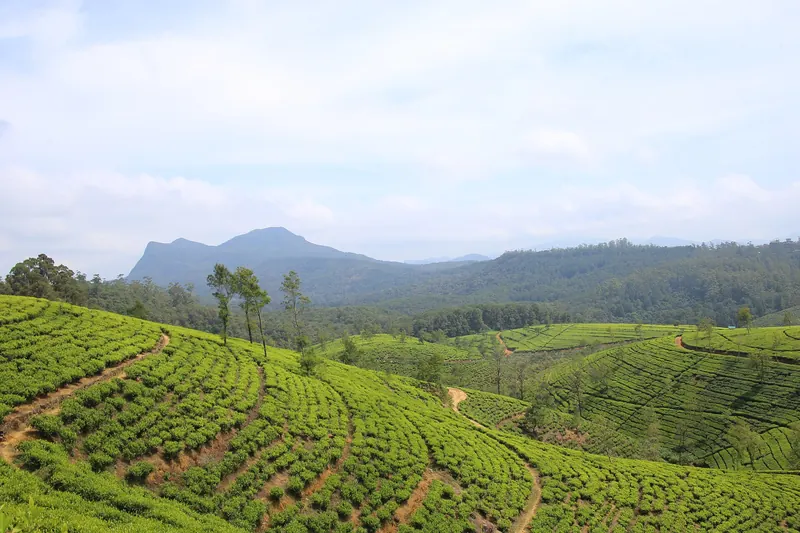
    The line from Kandy through Nuwara Eliya to Ella is one of the world's most beautiful rail journeys, through tea plantations and cloud forest. See Ella and Nuwara Eliya.

    Tip Book reserved seats well ahead, or take a second-class carriage for the open doors.

  2. Climb Sigiriya

    The 200-metre rock fortress with frescoes and a mirror wall is Sri Lanka's most famous landmark. See Sigiriya.

    Tip Go at opening time to avoid the heat and crowds.

  3. Go on safari

    Yala has one of the world's highest densities of leopards, and Minneriya has huge seasonal gatherings of elephants. See Yala.

    Tip Book early morning jeeps.

  4. Visit ancient cities

    Anuradhapura and Polonnaruwa were royal capitals with huge stupas and carved Buddhas. See Anuradhapura and Polonnaruwa.

    Tip Hire a bicycle.

  5. Watch whales

    Mirissa is one of the best places in the world to see blue whales. See Mirissa.

    Tip Choose a responsible operator.

  6. Tour a tea estate

    See how Ceylon tea is picked and processed in the hill country. See Nuwara Eliya.

    Tip Try a fresh cup on the estate.

  7. Stroll a Dutch fort

    Galle Fort's ramparts, cafés and shops are a delight at sunset. See Galle.

    Tip Walk the ramparts at sunset.

Food and drink

Sri Lanka foods to try

Sri Lankan food is fiery, coconut-rich and full of spices, based on rice and curry, with hoppers, string hoppers, sambols and seafood.

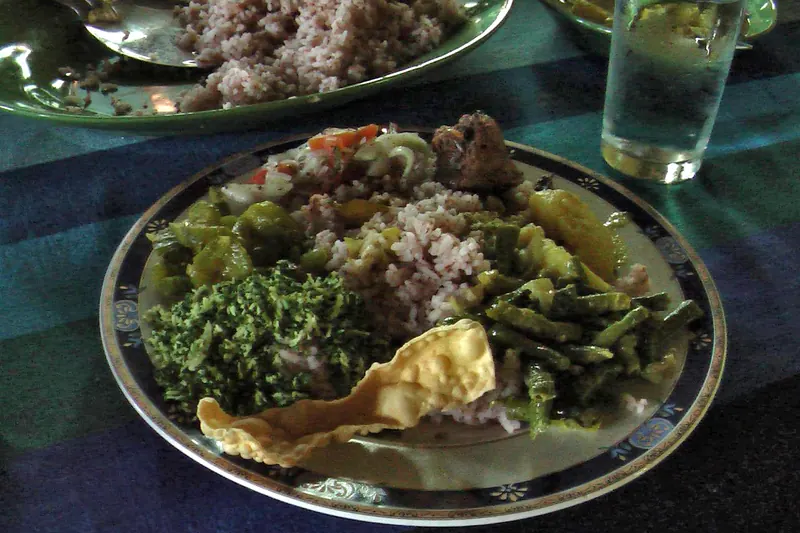
  • A Sri Lankan rice and curry meal with several small dishes

    Rice and curry

    A plate of rice with several small curries: dhal, vegetables, fish or chicken, sambols and papadum. Meals vary by region.

    Where to try it Local restaurants and guesthouses, especially at lunch.

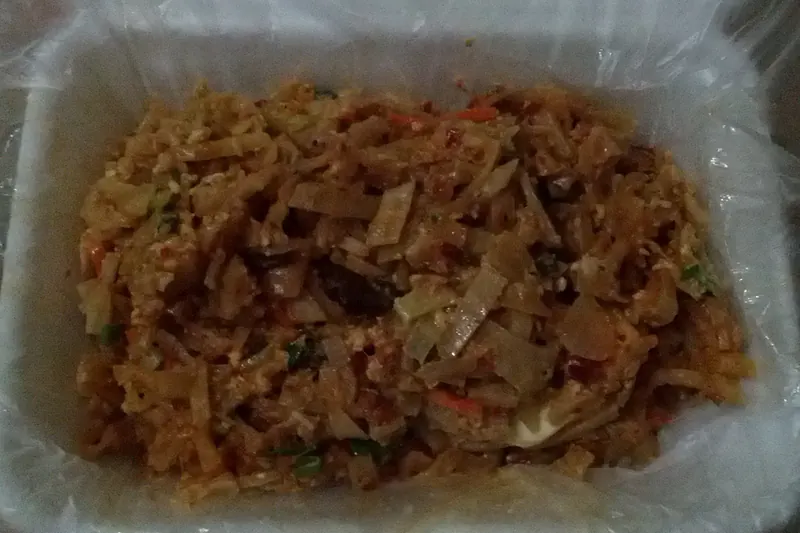
  • Chopped kottu roti with vegetables and egg

    Kottu roti

    Chopped flatbread stir-fried on a hot griddle with vegetables, egg, spices and meat, noisily prepared with two metal blades.

    Where to try it Street stalls and cafés at night.

  • Hoppers and string hoppers

    Bowl-shaped fermented rice-flour pancakes (appa), often with an egg, and steamed noodle nests, served with curries and sambol.

    Where to try it Breakfast and dinner cafés.

  • Fish curry and seafood

    Spicy fish curries, crab and prawn dishes on the coast, especially in Galle and Mirissa.

    Where to try it Coastal restaurants, such as in Mirissa and Galle.

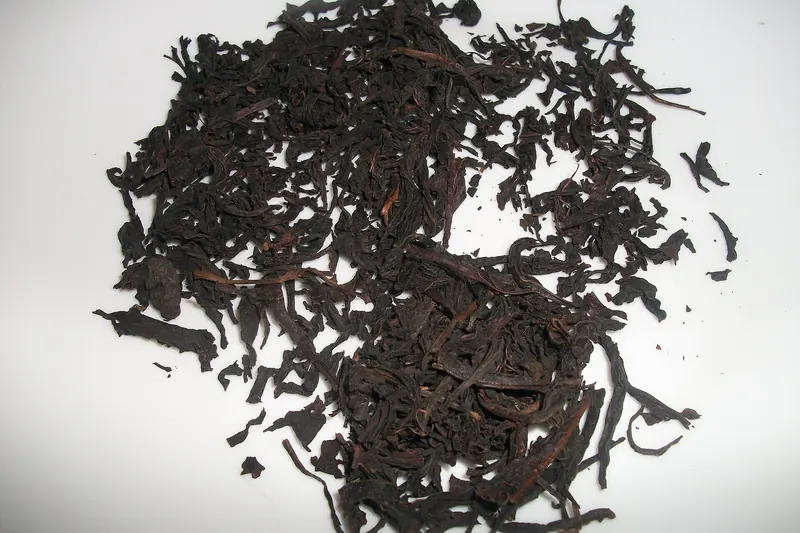
  • Dried Ceylon tea leaves

    Ceylon tea

    Black tea grown in the highlands, served with milk and sugar or plain. The best comes from the Nuwara Eliya region.

    Where to try it Tea estates in Nuwara Eliya.

  • Watalappan and sweets

    A coconut milk and jaggery custard, served at celebrations, alongside treacle-drenched curd.

    Where to try it Restaurants and sweet shops.

Before you go

Practical travel information for Sri Lanka

The essentials, current for 2026. Sri Lanka is easy and friendly, though roads are slow and rules change often.

Capital
Sri Jayawardenepura Kotte (administrative), Colombo (commercial)
Language
Sinhala and Tamil are official. English is widely understood in tourism and cities.
Currency
Sri Lankan rupee (LKR). Roughly 300–330 rupees to the US dollar in recent years, following a sharp fall in 2022.
Cards and cash
Cards are accepted in hotels and larger restaurants, and cash is needed for tuk-tuks, markets and small guesthouses. ATMs are common in towns, and tourist-price trades in US dollars occur.
Entry and visas
Almost all visitors need an Electronic Travel Authorisation (ETA), applied for online before travel. A visa-free scheme has been trialled for some nationalities, and fees and rules change often, so check the official ETA site.
Power sockets
Type D, M and G, 230 V, 50 Hz. UK plugs (type G) fit many sockets, but a universal adaptor is safest.
Emergency number
119 for police, 110 for ambulance, 111 for fire, and 1912 for the Tourist Police.
Tipping
A 10% service charge is often added in restaurants. Small tips for drivers, guides and hotel staff are appreciated.
Safety
Sri Lanka is generally safe for visitors. Watch for scams and overcharging by tuk-tuk drivers and touts, and be careful in the sea, as rip currents are strong. Women travelling alone sometimes face harassment. Check government travel advice, and note that political and economic conditions can change quickly.
Internet and SIM
Good in towns, with cheap SIM cards at the airport. Coverage is patchy in the hills and national parks.
Time zone
Sri Lanka Standard Time, UTC+5:30 all year, with no daylight saving.

Daily budget guide (per person)

Backpacker
US$30–50 per day — guesthouses, buses, local food
Mid-range
US$70–130 per day — hotels, drivers, safaris
Comfortable
US$150–250 per day — boutique hotels, private car
Luxury
US$350+ per day — top hotels, private guides

Excludes international flights. Figures are typical rather than absolute — cities and peak season run higher.
When to go

Best time to visit Sri Lanka

Sri Lanka has two monsoons. The south-west coast and hills are best from December to March, and the east coast from April to September. The cultural triangle is best from May to September, and warm all year.

  • December–March

    Best time

    The best time for the south and west coasts, Yala and the hills. The peak season, with high prices around Christmas and New Year.

  • April–May

    Quiet

    Inter-monsoon, hot and humid, with afternoon thunderstorms. The east coast begins to warm up.

  • June–September

    Good

    The south-west monsoon brings rain and rough seas to the south and west, but the cultural triangle, east coast and Kandy are dry. Elephant gatherings at Minneriya peak from July to September.

  • October–November

    Think twice

    The second inter-monsoon, with heavy rain and storms across much of the island.

Worth planning around: October and November for the wettest conditions almost everywhere.

Trip length

How long to spend in Sri Lanka

Sri Lanka is small, but roads and trains are slow. A week covers the cultural triangle and hill country, and two weeks allows the south coast and Yala.

  • 7–8 days

    Sigiriya, Kandy and Ella, or Galle and the south coast.

    A first taste.

  • 12–14 days

    The itinerary on this page: the cultural triangle, Kandy, the hill country, Yala and the south coast.

    The classic first trip, and our recommendation.

  • 3 weeks

    Adds Jaffna, Trincomalee and Arugam Bay.

    For a slower pace.

  • 4 weeks or more

    Adds the north and east, and more hiking.

    For those with time.

Getting around

Transportation in Sri Lanka

Trains are scenic and cheap, buses are packed and fast, tuk-tuks are everywhere, and hiring a car with a driver is the most popular way to see the island.

  • Car with driver

    The most popular option for visitors, giving flexibility. Rates are around US$50–90 per day including fuel and accommodation for the driver.

    Book through your guesthouse or a reputable agency.

  • Trains

    The Kandy–Ella line is world-famous. Book first-class or reserved seats early on popular routes.

    Use the official railway booking system or an agent.

  • Buses

    Cheap and frequent, though crowded and fast.

    Avoid with large luggage.

  • Tuk-tuks and PickMe

    Three-wheeled taxis are everywhere. PickMe and Uber operate in Colombo.

    Agree the fare or use the app.

  • Domestic flights

    Limited, but small seaplane and helicopter services exist.

    Rarely needed.

Sample route

Two weeks in Sri Lanka

Colombo, the ancient cities, Kandy, the hill country, Yala and the south coast, mostly by car with a driver and one train. Covers all ten destinations in this guide.

  1. Day1

    Arrive in Colombo

    • Morning Land and check in.
    • Afternoon Pettah and the Gangaramaya temple.
    • Evening Galle Face Green sunset.
  2. Day2

    Anuradhapura

    • Morning Drive to Anuradhapura.
    • Afternoon The stupas and Sri Maha Bodhi.
    • Evening Rest.
  3. Day3

    Sigiriya

    • Morning Climb Sigiriya Rock.
    • Afternoon Dambulla Cave Temple.
    • Evening Pidurangala at sunset.
  4. Day4

    Polonnaruwa

    • Morning Cycle the ancient city.
    • Afternoon Minneriya elephant safari.
    • Evening Return.
  5. Day5

    Kandy

    • Morning Drive to Kandy.
    • Afternoon Temple of the Tooth.
    • Evening Kandyan dance.
  6. Day6

    Kandy

    • Morning Peradeniya Botanical Gardens.
    • Afternoon Kandy Lake.
    • Evening Free evening.
  7. Day7

    Nuwara Eliya

    • Morning Drive through tea country.
    • Afternoon Tea estate tour.
    • Evening Fire and a warm dinner.
  8. Day8

    Ella by train

    • Morning Horton Plains World's End walk.
    • Afternoon Train to Ella.
    • Evening Rooftop dinner.
  9. Day9

    Ella

    • Morning Little Adam's Peak.
    • Afternoon Nine Arch Bridge.
    • Evening Rest.
  10. Day10

    Yala

    • Morning Drive to Yala.
    • Afternoon Leopard safari.
    • Evening Camp or lodge.
  11. Day11

    Mirissa

    • Morning Yala dawn safari.
    • Afternoon Drive to Mirissa.
    • Evening Beach sunset.
  12. Day12

    Whales

    • Morning Whale watching.
    • Afternoon Coconut Tree Hill.
    • Evening Seafood dinner.
  13. Day13

    Galle

    • Morning Drive to Galle.
    • Afternoon Walk the fort ramparts.
    • Evening Fort dinner.
  14. Day14

    Departure

    • Morning Expressway to Colombo.
    • Afternoon Fly home.
    • Evening Home.

Culture

Culture and etiquette in Sri Lanka

Sri Lankans are warm, hospitable and curious about visitors. Religion matters: Buddhism is the majority faith, with strong Hindu, Muslim and Christian communities, and temples are active places of worship. Modesty and respect are expected.

  • Dress modestly at temples

    Cover shoulders and knees, and remove shoes and hats before entering.

  • Never pose with your back to a Buddha

    Turning your back to a statue for photos is seen as disrespectful and has led to visitors being detained or deported.

  • Greet with 'Ayubowan'

    Say hello with palms together, or shake hands with men.

  • Use your right hand

    Eat, give and receive with the right hand.

  • Respect monks

    Women should not touch monks, and everyone should give them seats.

  • Dress modestly on beaches

    Bikinis are fine at resort beaches, but cover up in villages.

Do

  • Learn a few words: sthuthi (thank you, Sinhala), nandri (thank you, Tamil)
  • Carry a scarf for temples
  • Book trains early
  • Negotiate tuk-tuk fares or use PickMe
  • Use bottled or filtered water
  • Bargain politely in markets

Don't

  • Don't pose with your back to Buddha statues
  • Don't wear shoes in temples
  • Don't touch monks (women)
  • Don't feed wild animals
  • Don't swim in strong surf
  • Don't take drones without a permit

Travel tips

Sri Lanka travel tips

The things that most often catch visitors out in Sri Lanka, several of which are specific to how the country works.

  • Apply for your ETA online before you fly, using the official site.
  • Book trains between Kandy and Ella weeks ahead, and consider a second-class ticket if reserved seats sell out.
  • Budget more travel time than the map suggests, since roads are slow.
  • Book safari jeeps for dawn and choose reputable operators.
  • Respect temple dress codes, carrying a sarong or scarf.
  • Agree the tuk-tuk fare first, or use the PickMe app.
  • Keep an eye on the weather, since monsoons decide which coast to visit.
  • Carry cash for small purchases.

FAQ

Visiting Sri Lanka: frequently asked questions

Is Sri Lanka safe for tourists?

Generally yes. Watch for scams and rip currents, and check government advice.

How many days do you need in Sri Lanka?

Ten to fourteen days for a first trip, covering the cultural triangle, hill country and south coast.

When is the best time to visit Sri Lanka?

December to March for the south and hills, and May to September for the cultural triangle and east coast.

Do I need a visa for Sri Lanka?

Most visitors need an ETA. Check the official site, since fees and eligible nationalities change.

Is Sri Lanka cheap?

Yes. Food, transport and accommodation are inexpensive, though safaris and entrance fees add up.

Do I need a driver?

It is the easiest way to see the island, but trains and buses work well for many routes.

Ready to plan your Sri Lanka trip?

The full travel guide covers routes, budgets, regional differences and how to string these ten destinations into a trip that actually works.

Read the Sri Lanka travel guide

Advertisement