Why go to Portugal
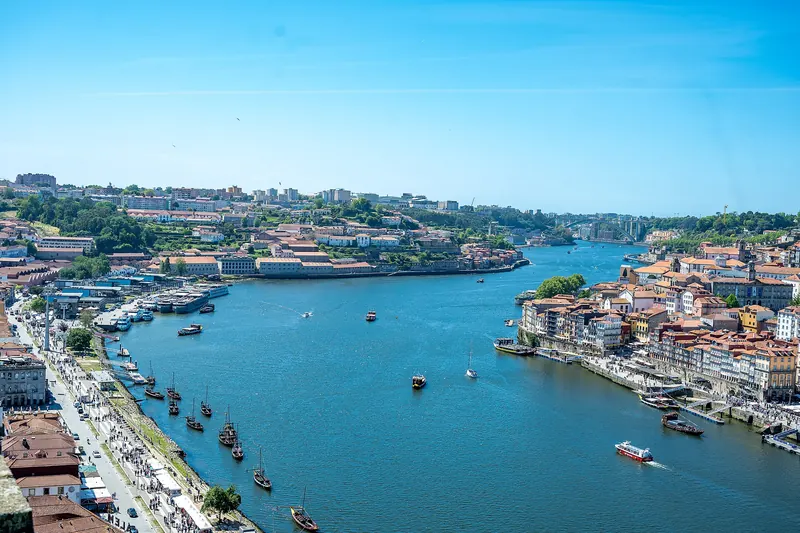
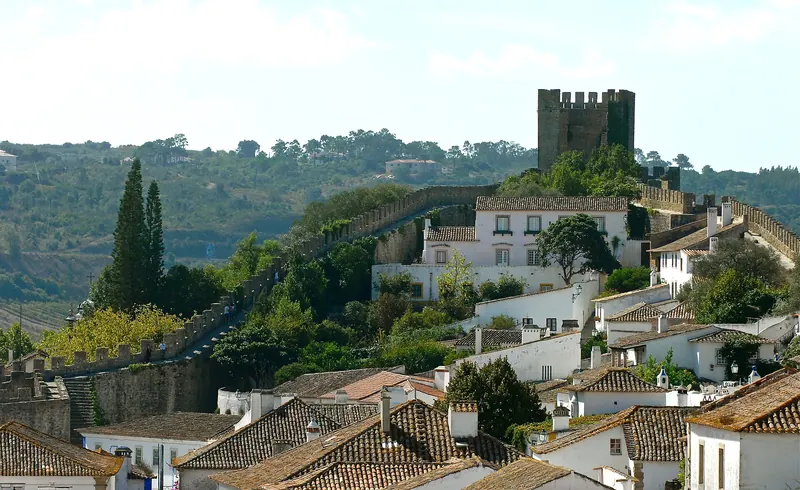
Portugal has spent the last decade quietly becoming one of Europe's most talked-about destinations, and the case for it holds up in person: Lisbon and Porto both pair genuine hillside charm — tiled facades, steep funiculars, pastel houses stacked above a river — with a cost of living noticeably lower than Spain, France or Italy for a comparable quality of food, wine and history.
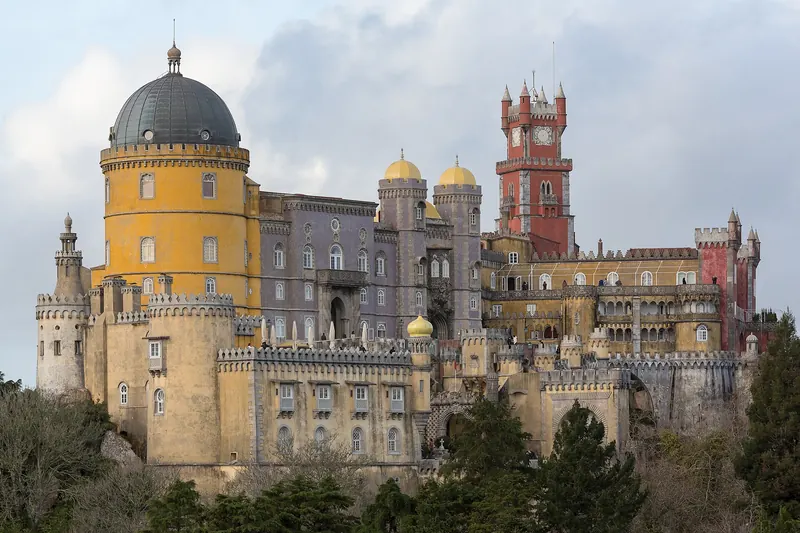
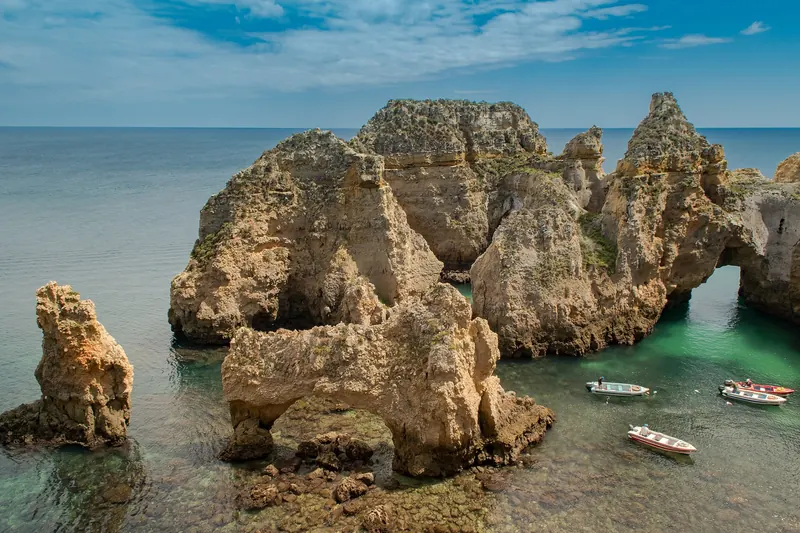
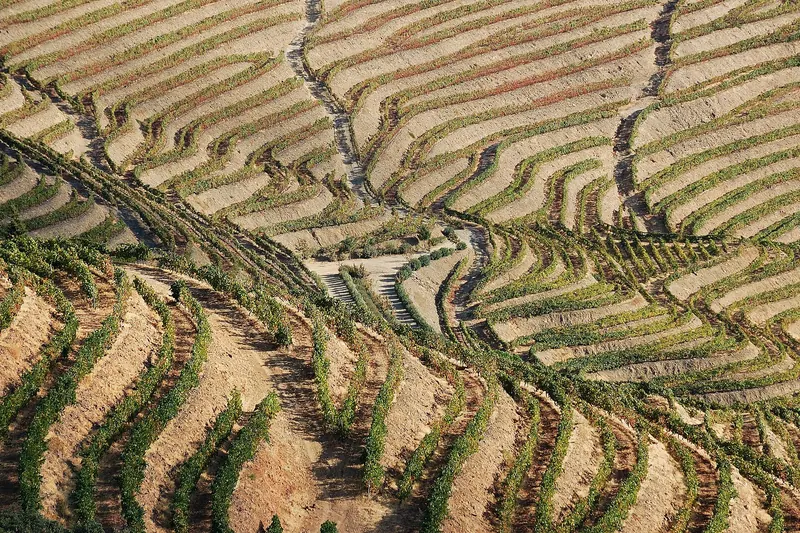
That value extends well beyond the two big cities. The Douro Valley's terraced vineyards have grown wine for over two thousand years, port wine among them since the 17th century, Sintra's hillside palaces look like they were designed for a fairy tale rather than a Portuguese king's actual summer retreat, and the Algarve's dramatic limestone cliffs meet Atlantic water that stays swimmable without the Mediterranean's summer crowds.
Portugal's islands push the range further still — Madeira's volcanic peaks and levada trails, and the Azores' wild, still-active volcanic landscape, are both a short flight from the mainland yet feel like an entirely different country. A well-developed train network between the mainland's cities, plus the islands' own domestic flight connections, make combining several of these in one trip straightforward.