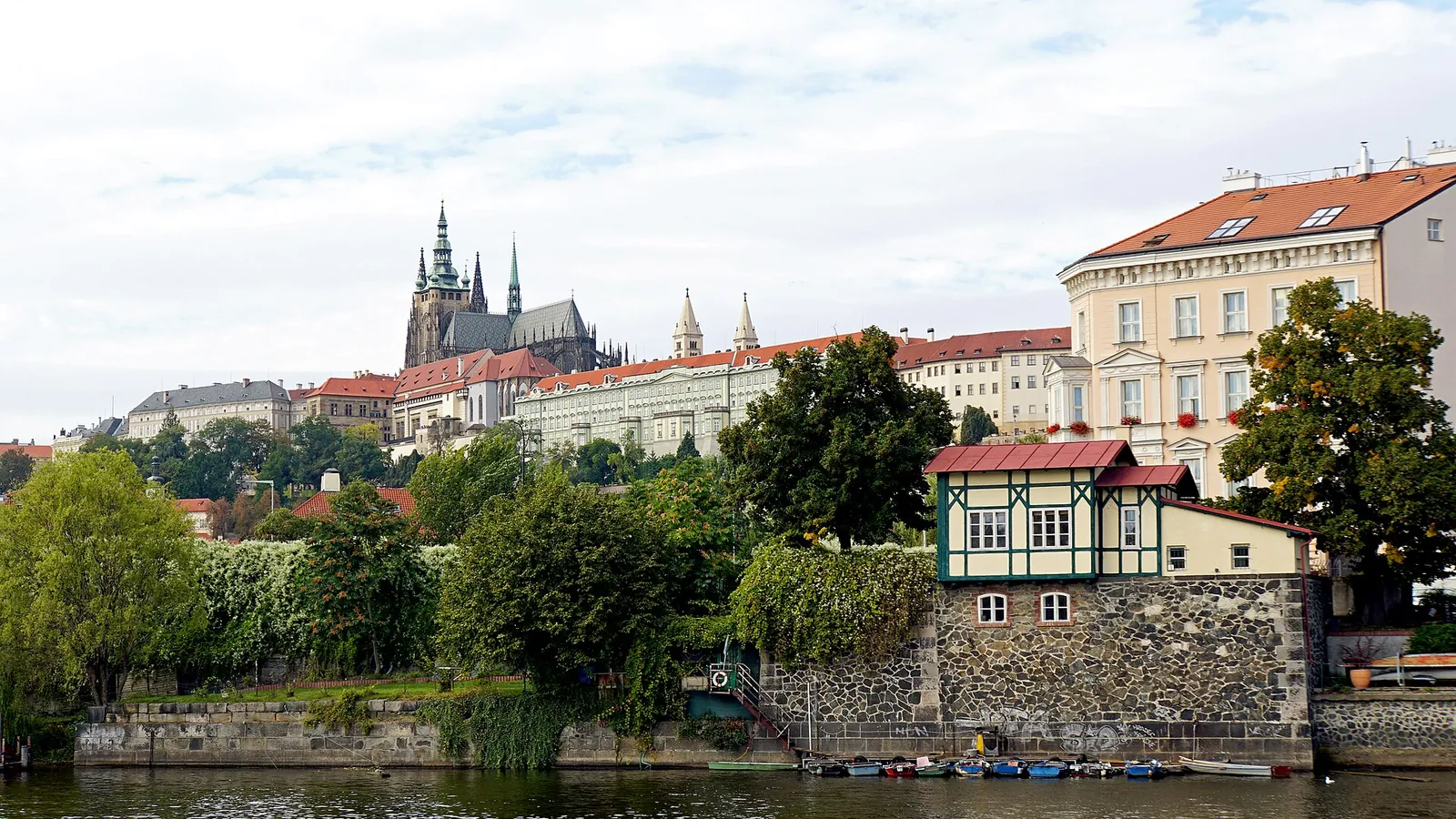
Prague's skyline along the Vltava River, with St Vitus Cathedral rising above Prague Castle

Central Europe

Czech Republic Travel Guide

Prague's fairy-tale skyline, fairy-tale towns beyond it, and a beer culture so central to daily life that pubs function as the country's real town squares.

  • Destinations 10 hand-picked
  • Best time May, June and September for the best balance of weather and crowds
  • Ideal trip 7–10 days for a first trip

Photo: Dennis G. Jarvis · CC BY-SA 2.0

Why go to Czech Republic

The Czech Republic is one of Central Europe's most rewarding destinations, its capital Prague among the continent's most beautiful and best-preserved historic cities, its hundred spires largely untouched by the wars that levelled so much of the region.

Beyond Prague, the country rewards slower exploration — fairy-tale towns like Český Krumlov, spa resorts like Karlovy Vary, and a Moravian region in the east with its own wine culture, dialect and noticeably slower pace.

It's also a country built for beer, home to the world's first pale lager and a pub culture that runs through daily life as a genuine social institution rather than sitting apart from it.

Where to go

Best Places to Visit in Czech Republic

Ordered roughly by how strongly we would recommend each for a first visit — though Moravia rewards a second trip just as much as a first.

Capital CityMajor City

Prague

Bohemia

Central Europe's best-preserved historic capital, home to Prague Castle, Charles Bridge and one of the world's great beer cultures.

Don't miss Crossing Charles Bridge at first light, its baroque statues silhouetted against the castle before the day's crowds arrive.

Explore Destination — Prague
Historic SiteUNESCO Site

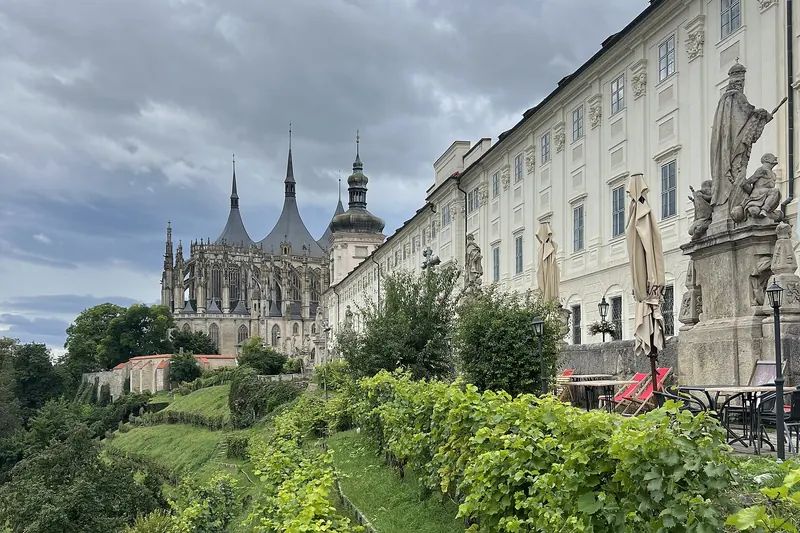
Kutná Hora

Central Bohemia

A once-fabulously wealthy medieval silver-mining town near Prague, home to the Sedlec Ossuary's bone-decorated chapel and the soaring Gothic St Barbara's Cathedral.

Don't miss Stepping into the Sedlec Ossuary and realising the chandeliers, garlands and coat of arms overhead are all built from real human bones.

Explore Destination — Kutná Hora
Historic SiteUNESCO Site

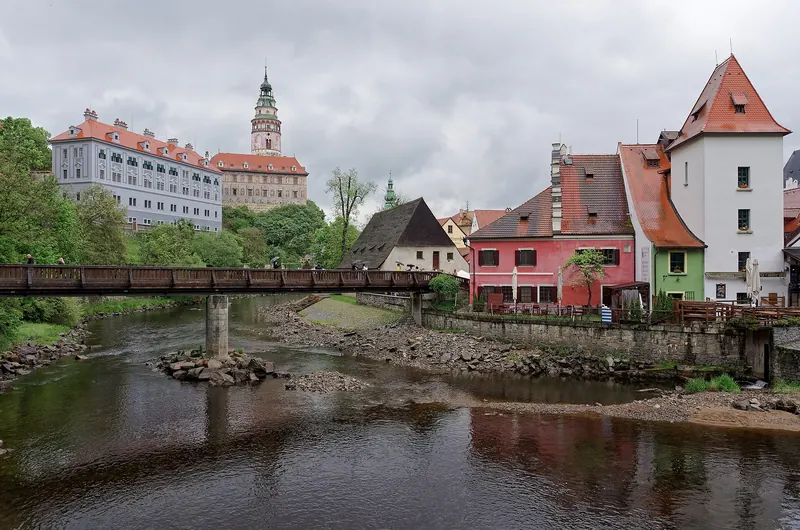
Český Krumlov

South Bohemia

Bohemia's fairy-tale town, a UNESCO-listed medieval old town wrapped in a horseshoe bend of the Vltava River beneath a dramatic hilltop castle.

Don't miss Looking down from the castle tower at dusk, the old town's red rooftops curling around the river exactly as they have for centuries.

Explore Destination — Český Krumlov
SpaHistoric Site

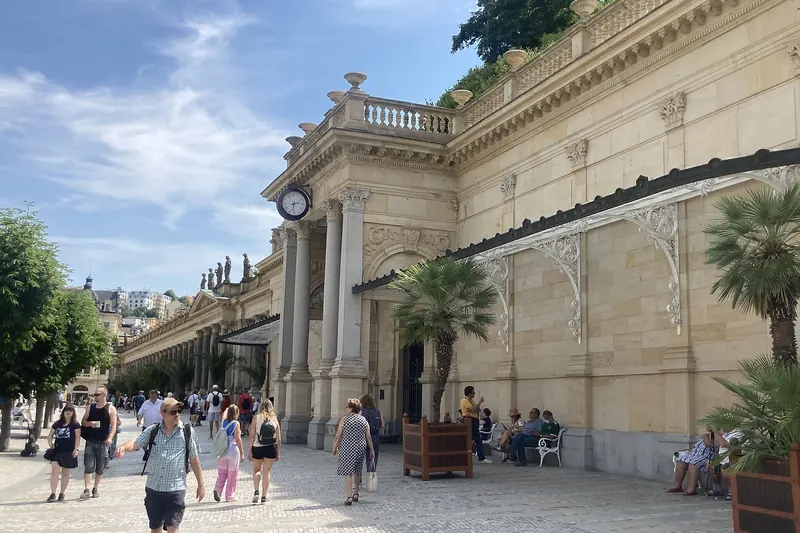
Karlovy Vary

West Bohemia

Bohemia's grandest 19th-century spa town, its mineral hot springs framed by ornate colonnades, the Grandhotel Pupp and forested hills.

Don't miss Sipping warm mineral water from a spa cup while strolling the Mill Colonnade's arcades, exactly as visitors have for two centuries.

Explore Destination — Karlovy Vary
Historic SiteFood & Wine

Plzeň

West Bohemia

The birthplace of pilsner, home to the original Pilsner Urquell brewery, a soaring Gothic cathedral and Europe's second-largest synagogue.

Don't miss Watching unfiltered, unpasteurised Pilsner Urquell poured straight from an oak tank in the brewery's original cellars.

Explore Destination — Plzeň
Nature & WildlifeHiking

Bohemian Switzerland

North Bohemia

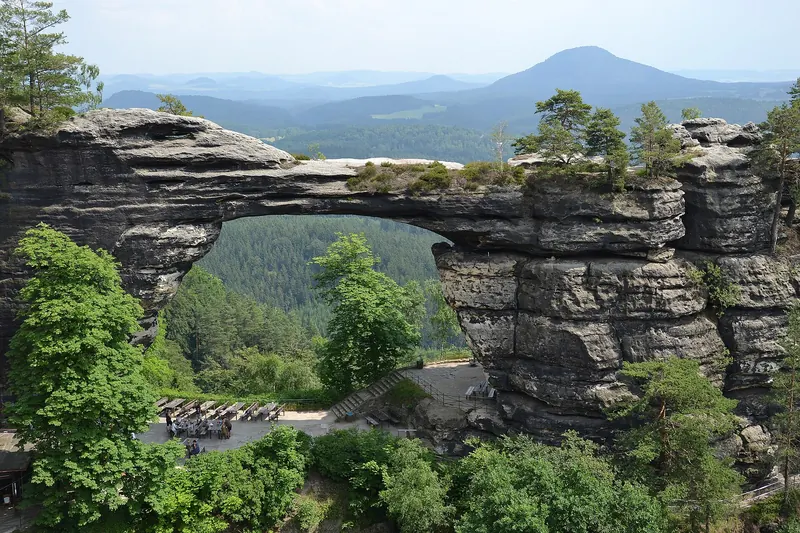
A dramatic sandstone wilderness in North Bohemia, home to Europe's largest natural rock arch, deep river gorges and towering rock formations.

Don't miss Drifting silently through Edmund Gorge on a small boat, sheer sandstone walls rising on both sides of the narrow, still river.

Explore Destination — Bohemian Switzerland
Historic SiteUNESCO Site

Telč

Vysočina (Bohemian-Moravian Highlands)

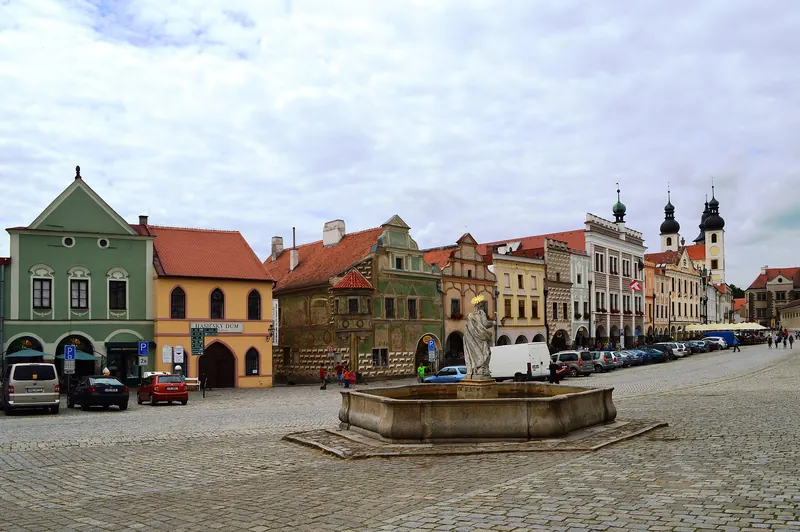
A near-perfectly preserved Renaissance square on the Bohemia-Moravia border, its gabled arcaded houses and castle ringed by artificial ponds.

Don't miss Standing in the empty square at dawn, pastel Renaissance gables reflected perfectly in the still surface of the surrounding ponds.

Explore Destination — Telč
Major CityHistoric Site

Brno

South Moravia

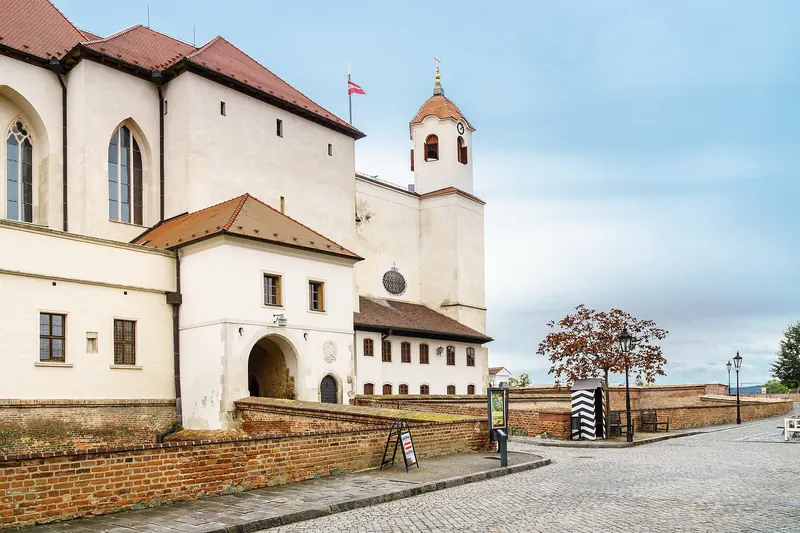
Moravia's underrated capital, home to Špilberk Castle, the mummified Capuchin Crypt and the UNESCO-listed modernist Villa Tugendhat.

Don't miss Standing in Villa Tugendhat's open-plan living space, realising an entire century of modernist architecture traces back to this single 1930 house.

Explore Destination — Brno
Food & WineHistoric Site

Lednice-Valtice

South Moravia

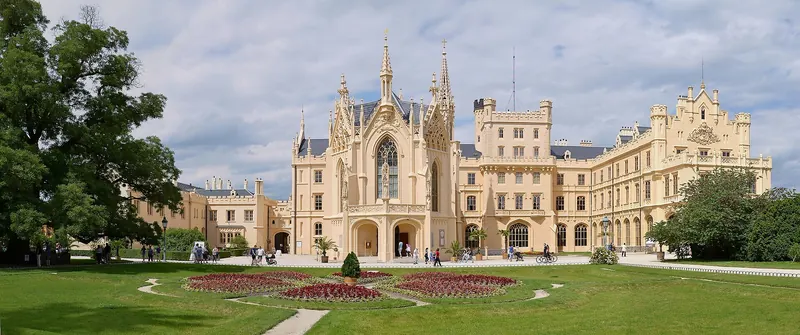
A vast UNESCO-listed landscaped garden shared by two fairy-tale chateaux, Lednice and Valtice, at the heart of Moravia's wine country.

Don't miss Cycling a quiet lane between vineyard villages, stopping at a family-run cellar for wine poured by the person who actually made it.

Explore Destination — Lednice-Valtice
Historic SiteUNESCO Site

Olomouc

Central Moravia

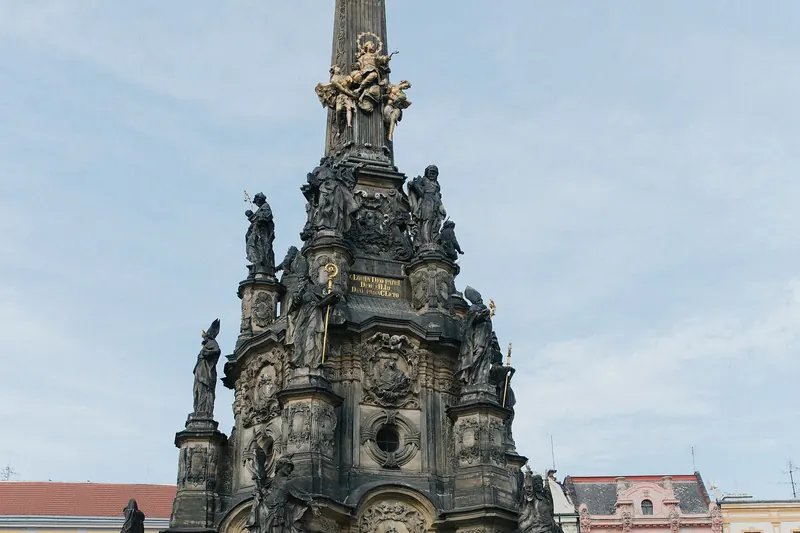
Moravia's historic university city, home to the UNESCO-listed Holy Trinity Column, a striking socialist-realist astronomical clock and its own pungent cheese.

Don't miss Standing beneath the Holy Trinity Column at dusk, floodlights picking out four decades of baroque sculpture stacked 35 metres into the sky.

Explore Destination — Olomouc

Browse all 510 destinations

Experiences

Best things to do in Czech Republic

The experiences that recur across the country and make a Czech Republic trip feel like more than a checklist of castles.

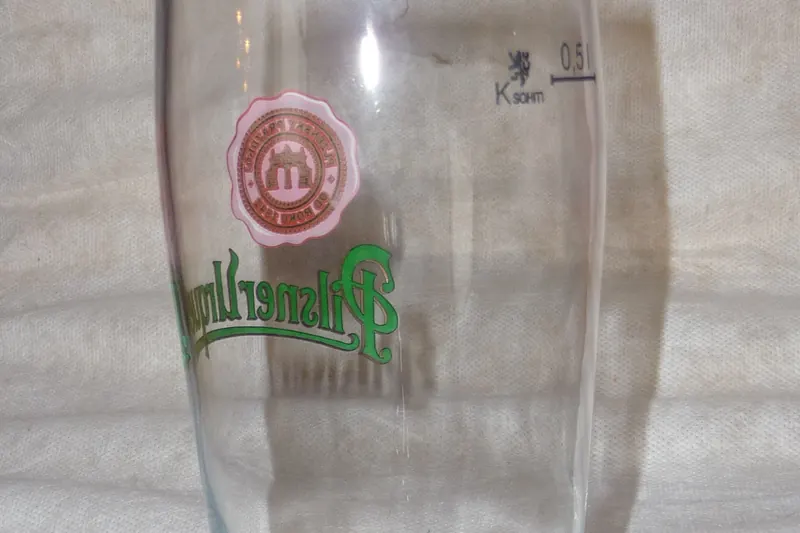
  1. A glass of Czech pilsner beer

    Drink a proper Czech pilsner

    An essential Czech experience, in the country that invented pale lager and still drinks more beer per capita than anywhere else on Earth.

    Tip Order by the round in a proper pub — a server will keep bringing beers until you place a coaster over your glass.

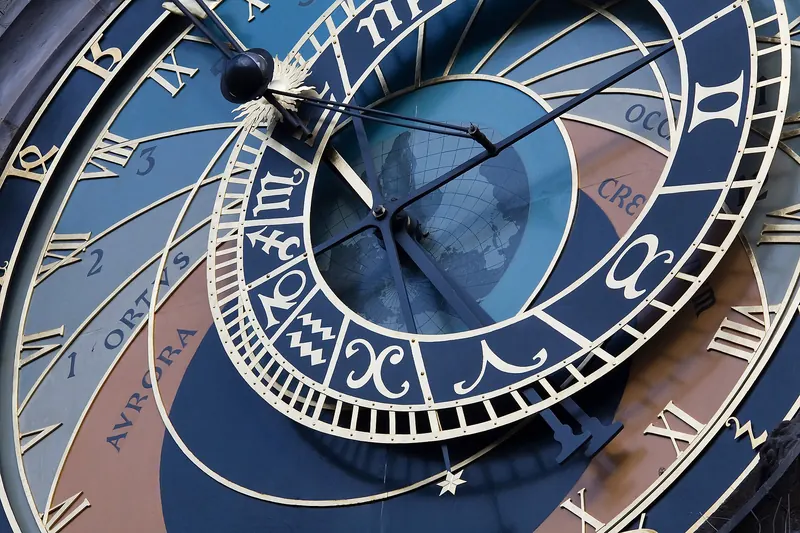
  2. The Prague Astronomical Clock in Old Town Square

    Watch the Prague Astronomical Clock strike the hour

    A medieval spectacle, the clock's procession of apostle figures still drawing a crowd every hour, just as it has since 1410.

    Tip The view is better than the show itself — watch from a café terrace rather than fighting the crowd below.

  3. The Mill Colonnade in the spa town of Karlovy Vary

    Soak up a thermal spa town's colonnades

    An elegant tradition, sipping mineral spring water from a spa cup while strolling ornate 19th-century colonnades.

    Tip Buy a lázeňský oplatek (spa wafer) from a colonnade kiosk to go with the mineral water.

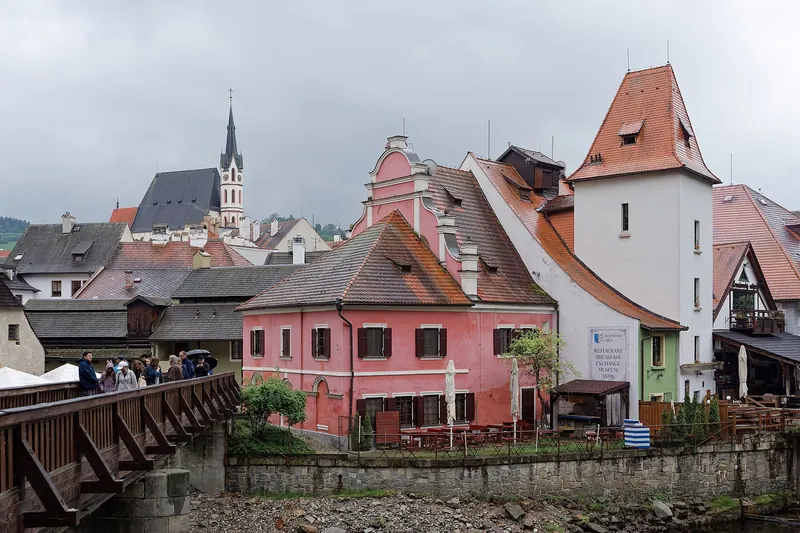
  4. The old town of Český Krumlov beside the Vltava River

    Wander a fairy-tale old town away from Prague's crowds

    A different pace from the capital, Bohemia's smaller UNESCO towns offering the same architecture with a fraction of the visitors.

    Tip Stay overnight if you can — day-trippers clear out by early evening, leaving these towns wonderfully quiet.

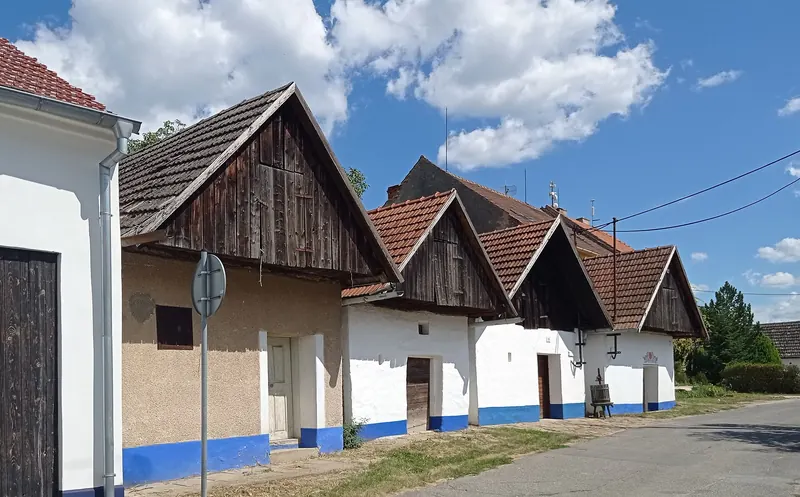
  5. Traditional wine cellars in a Moravian village

    Taste Moravian wine straight from a village cellar

    A different side of Czech drinking culture, South Moravia's rolling vineyards producing wine most visitors never expect to find here.

    Tip Rent a bicycle to tour several village cellars along the region's marked wine trails.

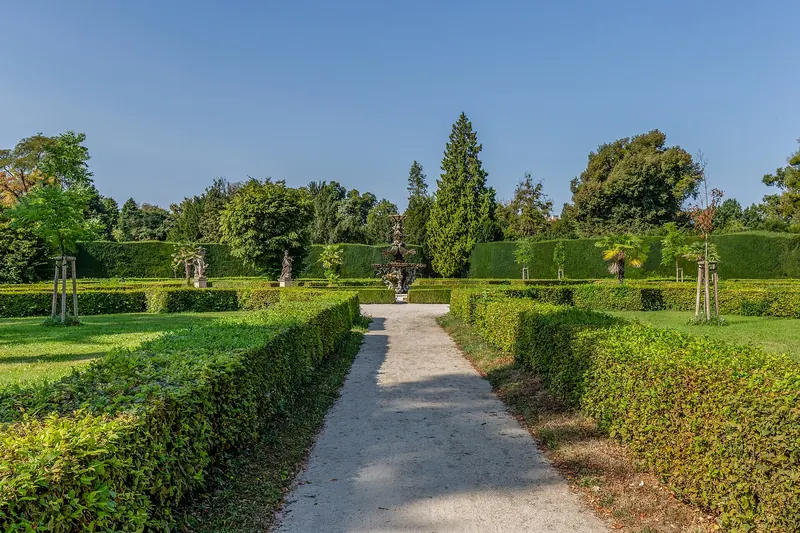
  6. The chateau gardens at Lednice

    Explore a country castle or chateau garden

    A rewarding day out, the Czech countryside scattered with more castles and chateaux per square kilometre than almost anywhere in Europe.

    Tip Book interior tours ahead in summer — the most famous chateaux sell out their guided time slots.

Food and drink

Czech Republic foods to try

Czech food means hearty, warming classics built around meat, dumplings and, of course, beer.

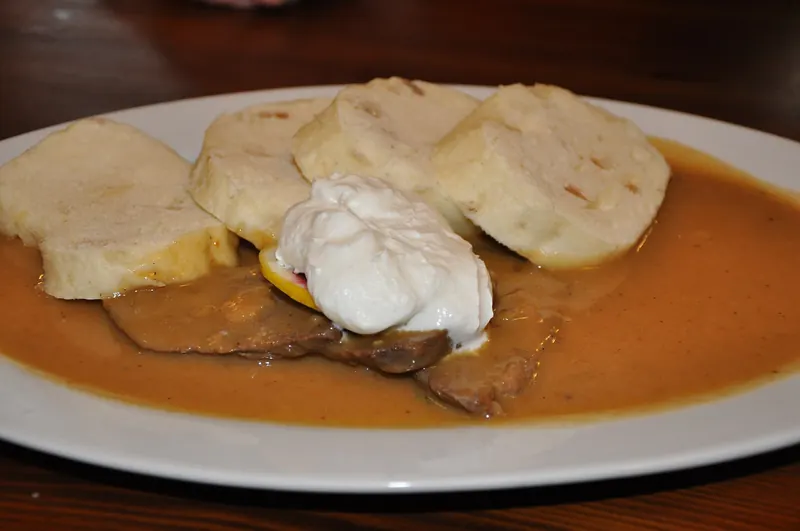
  • Svíčková, marinated beef in cream sauce with bread dumplings

    Svíčková (marinated beef in cream sauce)

    The national dish for many Czechs, tender beef in a vegetable cream sauce, served with bread dumplings and a dollop of cranberry sauce.

    Where to try it Traditional restaurants throughout the country.

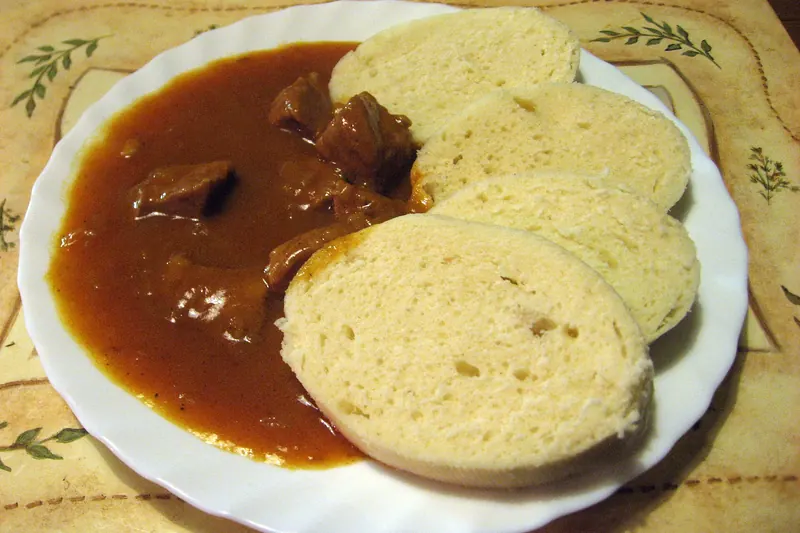
  • Czech goulash served with bread dumplings

    Guláš with dumplings

    A Czech take on goulash, a rich, paprika-spiced beef stew mopped up with sliced bread dumplings.

    Where to try it Pubs and traditional restaurants nationwide.

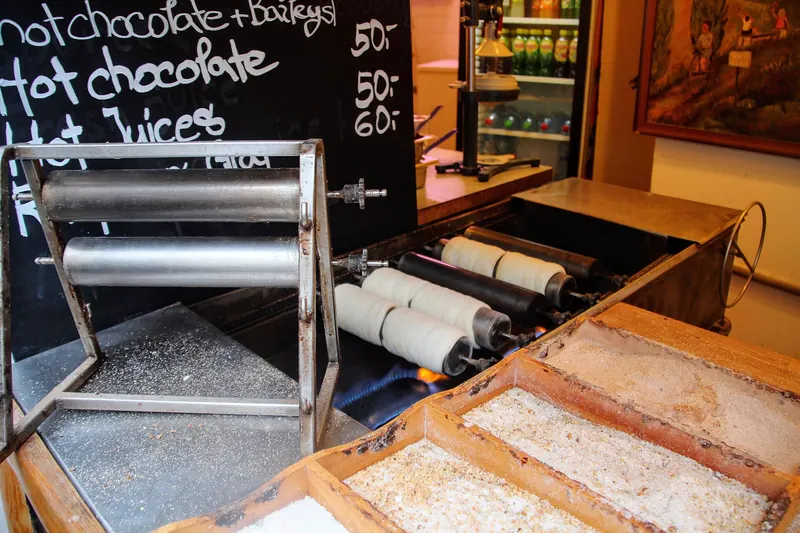
  • Trdelník, a rolled pastry cooked over an open flame

    Trdelník (chimney cake)

    More a Prague tourist-street tradition than an old Czech recipe, a sugar-and-cinnamon pastry cooked on a rotating spit.

    Where to try it Street stalls throughout central Prague's tourist areas.

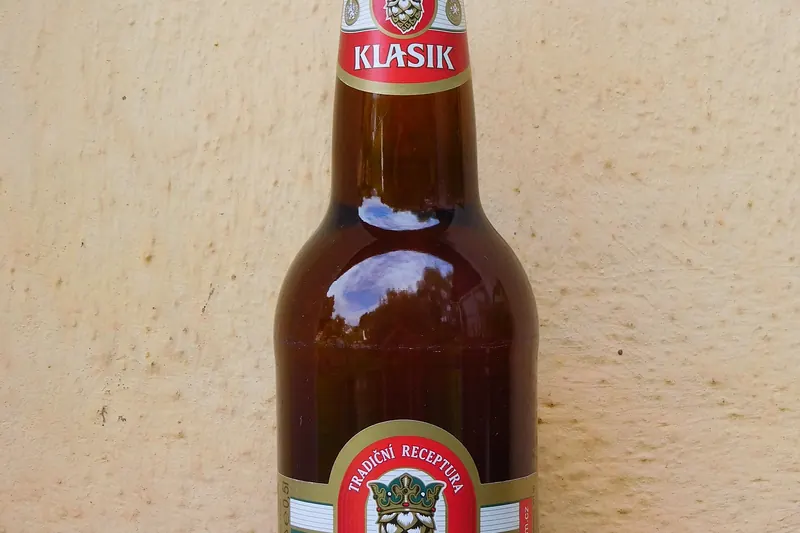
  • A glass of classic Czech pale lager

    Czech beer (pivo)

    The country's defining drink, from world-famous Pilsner Urquell to countless excellent small regional breweries.

    Where to try it Pubs and breweries in every town, large and small.

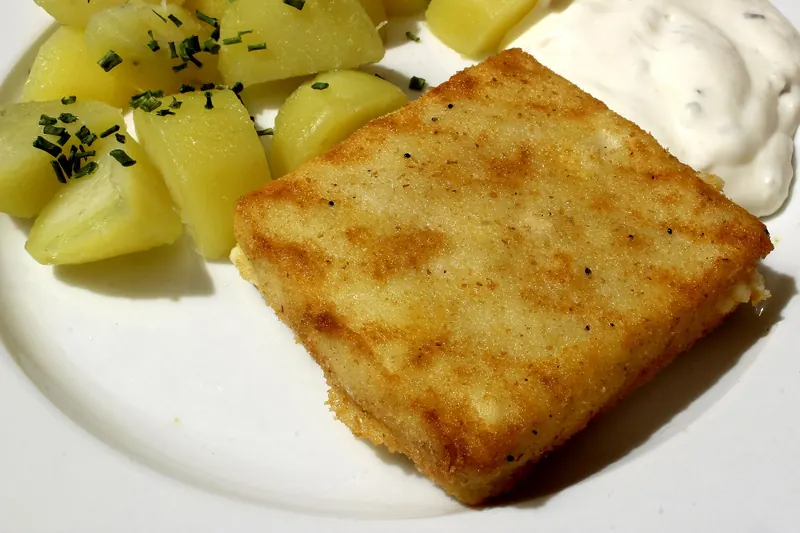
  • Smažený sýr, breaded fried cheese with tartar sauce and potatoes

    Smažený sýr (fried cheese)

    A beloved pub classic, breaded and deep-fried cheese served with tartar sauce and fries or potatoes.

    Where to try it Pubs throughout the country.

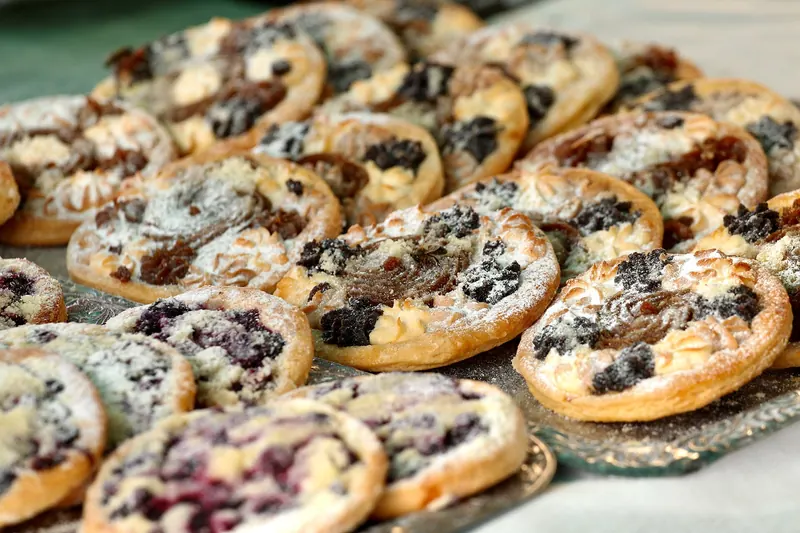
  • Traditional koláče pastries filled with fruit

    Koláče (fruit-filled pastries)

    A homely regional favourite, soft yeasted pastry rounds topped with fruit, poppyseed or sweet cheese.

    Where to try it Bakeries and cafés throughout Bohemia and Moravia.

Before you go

Practical travel information for Czech Republic

The essentials for planning a Czech Republic trip, gathered in one place.

Capital
Prague
Language
Czech, a West Slavic language; English is widely understood in Prague and other tourist areas, less so in smaller towns.
Currency
Czech koruna (Kč / CZK)
Cards and cash
Widely card-friendly in cities and larger towns, though cash still helps at small pubs, markets and rural guesthouses.
Entry and visas
Schengen Area member; visa-free entry for up to 90 days in any 180-day period for many nationalities including the US, Canada, Australia and the UK.
Power sockets
Type C and E, 230 V, 50 Hz.
Emergency number
112 for general emergencies nationwide; 158 police, 155 ambulance, 150 fire.
Tipping
Not obligatory but expected — around 10% at restaurants, told to the server rather than left on the table.
Safety
One of Europe's safer countries, with petty theft and currency-exchange scams around busy Prague tourist spots the main things to watch for.
Internet and SIM
Excellent 4G and 5G coverage, with wifi widely available in cafés and accommodation.
Time zone
Central European Time (UTC+1), Central European Summer Time (UTC+2) from late March to late October.

Daily budget guide (per person)

Backpacker
Kč1,200–2,000 per day — hostels, tram tickets, pub lunches
Mid-range
Kč2,500–4,500 per day — 3-star hotels, restaurant dinners, museum entry
Comfortable
Kč5,500–9,000+ per day — boutique hotels, fine dining, private guides
Day trip from Prague
Add roughly Kč600–1,200 for transport and entry fees to Český Krumlov or Kutná Hora

Excludes international flights. Figures are typical rather than absolute — cities and peak season run higher.
When to go

Best time to visit Czech Republic

The Czech Republic has warm, long days in summer and a magical Christmas market season, with the shoulder months offering the best overall value.

  • Late spring (May–June)

    Best time

    Mild temperatures, blooming parks and manageable crowds before peak summer arrives.

  • Summer (July–August)

    Good

    The warmest, busiest season, with long evenings perfect for riverside terraces, though central Prague gets crowded.

  • Autumn (September–October)

    Best time

    Golden light over the castles and vineyards, with noticeably thinner crowds than summer.

  • Winter (November–February)

    Good

    Magical around Christmas markets and snow-dusted spires, though short days and cold call for proper layers.

Worth planning around: Nothing strongly, though August's heat and crowds in central Prague are worth planning around.

Trip length

How long to spend in Czech Republic

A compact country, with Prague working as an easy hub for day trips before heading further afield.

  • 3–4 days

    Prague alone, at an unhurried pace.

    Enough for the castle, Old Town and a couple of nearby day trips.

  • 5–7 days

    Prague plus Český Krumlov and Kutná Hora.

    A well-rounded first trip covering Bohemia's essentials.

  • 7–10 days

    The itinerary on this page: Prague, Kutná Hora, Český Krumlov, Karlovy Vary and Moravia.

    A complete first look at both Bohemia and Moravia.

  • 2 weeks or more

    Add Plzeň, Bohemian Switzerland and slower travel through the Moravian wine country.

    Rewards travellers who want to go well beyond the highlights.

Getting around

Transportation in Czech Republic

One of Europe's best rail networks for a country this size, with buses filling in the gaps.

  • Trains (České dráhy and private operators)

    The backbone of Czech travel between Prague, Brno, Olomouc and Plzeň.

    Frequent, comfortable and inexpensive compared to Western Europe.

  • RegioJet and FlixBus coaches

    A comfortable, budget-friendly alternative on popular routes.

    Often cheaper than the train, with onboard snacks and entertainment on RegioJet.

  • Organised day trips from Prague

    The easiest way to reach Český Krumlov or Kutná Hora without a car.

    Widely available and reasonably priced, though a direct train or bus is often just as easy.

  • Renting a car

    Useful for Bohemian Switzerland and Lednice-Valtice's wine country.

    Public transport reaches both, but a car gives far more flexibility.

  • Prague's public transport

    Excellent — trams, metro and buses all run on one unified ticket.

    The easiest way to get around the capital itself.

Sample route

Nine days in Czech Republic

A classic route through Prague and Bohemia, with Moravia added on. Covers six of the ten destinations in this guide.

  1. Day1

    Arrive in Prague

    • Morning Land in Prague and check in to your hotel.
    • Afternoon Old Town Square and the Astronomical Clock.
    • Evening Dinner near Charles Bridge, lit up after dark.
  2. Day2

    Prague Castle and Malá Strana

    • Morning Prague Castle and St Vitus Cathedral.
    • Afternoon Malá Strana's lanes and palace gardens.
    • Evening Dinner at a restaurant with a castle view.
  3. Day3

    Kutná Hora

    • Morning Travel out to Kutná Hora and the Sedlec Ossuary.
    • Afternoon St Barbara's Cathedral and the old silver-mining town.
    • Evening Return to Prague.
  4. Day4

    Český Krumlov

    • Morning Travel south to Český Krumlov.
    • Afternoon Český Krumlov Castle and its bear moat.
    • Evening Dinner beside the Vltava's horseshoe bend.
  5. Day5

    More of Český Krumlov, then Karlovy Vary

    • Morning Wander the old town's quiet lanes.
    • Afternoon Travel on to Karlovy Vary.
    • Evening An evening stroll along the spa colonnades.
  6. Day6

    Karlovy Vary to Brno

    • Morning Sip mineral water from the Mill Colonnade.
    • Afternoon Travel across the country to Brno.
    • Evening Dinner in Brno's old town.
  7. Day7

    Brno

    • Morning Špilberk Castle and its views over the city.
    • Afternoon Brno's old town and the Capuchin Crypt.
    • Evening A second night exploring Brno's restaurant scene.
  8. Day8

    Lednice-Valtice

    • Morning Travel into the Moravian wine country.
    • Afternoon Lednice Chateau and its landscaped grounds.
    • Evening A wine tasting in a village cellar.
  9. Day9

    Return and depart

    • Morning Travel back toward Prague.
    • Afternoon A final wander or last-minute shopping.
    • Evening Depart for home.

Culture

Culture and etiquette in Czech Republic

Czech culture blends a deep literary and musical tradition with a famously dry, understated sense of humour and one of the world's great beer cultures.

  • Greetings are polite but reserved

    A firm handshake and direct eye contact are standard; save hugs for people you know well.

  • Beer culture runs deep

    Ordering by the round and saying 'na zdraví' (cheers) before drinking is expected pub etiquette.

  • Punctuality is valued

    Arrive on time for both social plans and reserved restaurant tables.

  • Dress is practical and modest

    Smart-casual works almost everywhere; only the fanciest restaurants expect more.

  • Small talk is kept brief

    Czechs tend to be direct and reserved with strangers, warming up considerably once you know them.

  • Tipping is modest but expected

    Round up or add about 10% in restaurants, telling the server the total rather than leaving cash on the table.

Do

  • Say 'dobrý den' (good day) when entering small shops, cafés and pubs.
  • Validate public transport tickets before boarding — inspectors do check, and fines are steep.
  • Try a proper neighbourhood pub over a touristy one near major squares for better beer and prices.
  • Book Prague Castle's interiors and popular restaurants ahead in peak summer months.

Don't

  • Don't expect tap water automatically at restaurants — ask, or you may be served, and charged for, bottled.
  • Don't jaywalk carelessly — Czech drivers expect pedestrians to use marked crossings.
  • Don't block a tram or metro doorway — step fully inside to let others board.
  • Don't rush Prague's Old Town at the expense of Bohemia and Moravia beyond it.

Travel tips

Czech Republic travel tips

Practical notes that make travel through the Czech Republic noticeably smoother.

  • Buy a Prague public transport ticket or pass rather than risk an unvalidated-ticket fine.
  • Carry some cash for small pubs, markets and rural areas, even though cards are widely accepted.
  • Book Prague Castle's interiors and popular restaurants ahead in summer.
  • Learn a few basic Czech phrases — English is widely spoken in Prague but less so in smaller towns.
  • Pack comfortable shoes — most historic centres are best explored on foot over cobblestones.
  • Avoid currency exchange booths advertising 'no commission' — compare rates before handing over cash.
  • Try a lunch menu (denní menu) for the best-value midday meals at sit-down restaurants.
  • Consider basing yourself in Brno for a few days to explore Moravia at an easier pace.

FAQ

Visiting Czech Republic: frequently asked questions

How many days do you need in the Czech Republic?

Seven to ten days covers Prague plus day trips and a stretch of Moravia; three to four days suits a Prague-only visit.

Is the Czech Republic on the euro?

No, not — it uses the Czech koruna (Kč), even though it's an EU member.

Is Prague expensive?

More affordable than Western Europe overall, though central Prague's restaurants and attractions have crept close to Western prices in recent years.

Do you need a car to see the Czech Republic?

No, not — trains and buses cover the country well, though a car helps for Bohemian Switzerland and the Moravian wine country.

What's the difference between Bohemia and Moravia?

The country's two historic regions — Bohemia in the west around Prague, Moravia in the east around Brno, with its own dialect, wine and traditions.

Is the Czech Republic safe?

Yes — one of Europe's safer countries, with petty theft in busy Prague tourist spots the main thing to watch for.

Ready to plan your Czech Republic trip?

The full travel guide covers routes, budgets, regional differences and how to string these ten destinations into a trip that actually works.

Read the Czech Republic travel guide

Advertisement