- Capital
- Santiago
- Language
- Spanish is the official language. English is spoken in tourism, but less so elsewhere.
- Currency
- Chilean peso (CLP). Roughly 900-1,000 pesos to the US dollar in recent years.
- Cards and cash
- Cards are widely accepted. Carry cash for rural areas, markets and small shops. ATMs are common.
- Entry and visas
- Many nationalities, including the US, UK, EU and Australia, can enter visa-free for tourism for up to 90 days, but rules change, so check before you go.
- Power sockets
- Type C and L, 220 V, 50 Hz. Bring an adaptor.
- Emergency number
- 133 for police, 131 for ambulance, 132 for fire. 911 is not used.
- Tipping
- Around 10% is customary in restaurants and is often added to the bill as a suggested tip.
- Safety
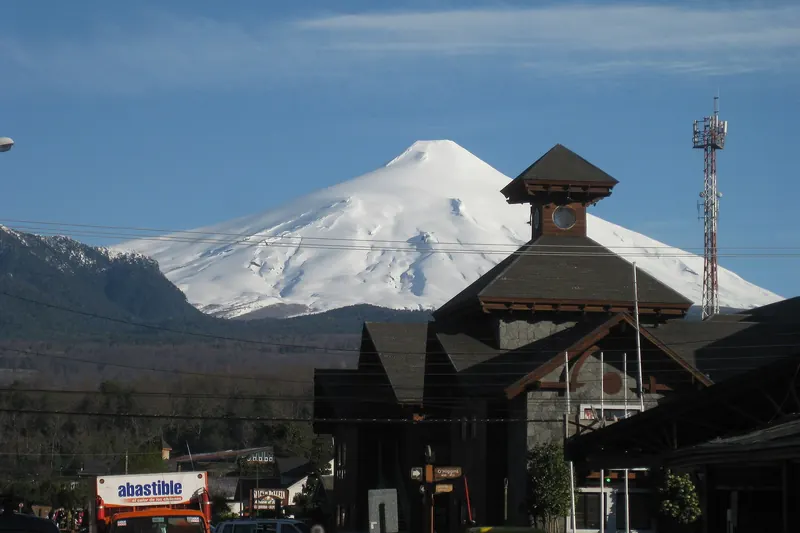
- Chile is one of the safest countries in South America. Take normal precautions against pickpockets in cities, follow advice on volcanoes and trails, and be prepared for earthquakes.
- Internet and SIM
- Good in cities and towns, patchy in Patagonia and the Atacama. Local SIMs from Entel, Movistar or Claro are inexpensive.
- Time zone
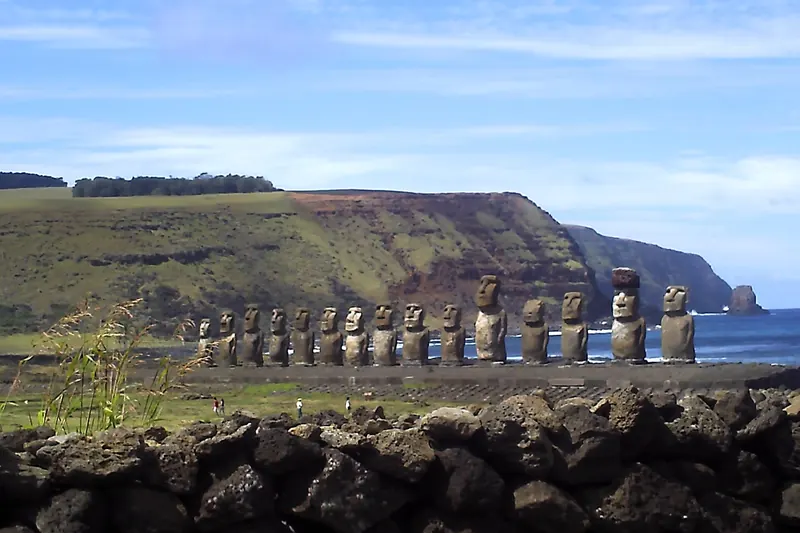
- Chile Standard Time (UTC-4), with daylight saving in the southern summer. Easter Island is two hours behind the mainland.
Daily budget guide (per person)
- Budget
- US$50-90 per person per day - hostels, buses and cooking your own food
- Mid-range
- US$120-200 per person per day - hotels, restaurants and some tours
- Comfortable
- US$250-400 per person per day - boutique stays and guided trips
- Splurge
- US$500+ per person per day - Patagonian lodges and private tours
Excludes international flights. Figures are typical rather than absolute — cities and peak season run higher.