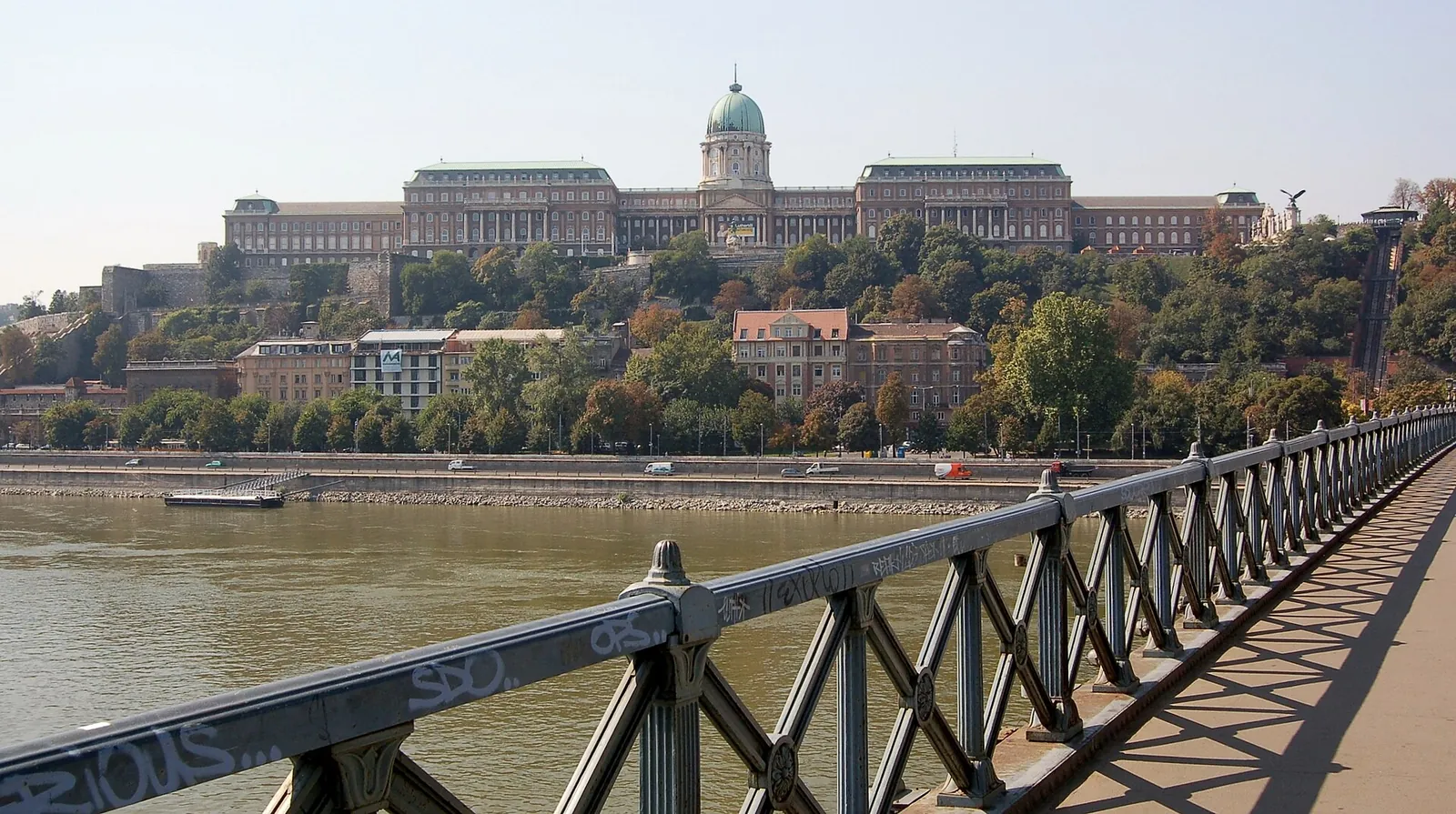
Buda Castle above the Danube seen from the Széchenyi Chain Bridge

Europe

Hungary Travel Guide

Thermal baths beneath grand Habsburg boulevards, castle hills, sweet Tokaji wine, the wide plains of the puszta and a Danube capital that shines after dark.

  • Destinations 10 hand-picked
  • Best time April–June and September–October
  • Ideal trip 7–12 days for a first trip

Photo: Bahnfrend · CC BY-SA 4.0

Why go to Hungary

Hungary lies in the Carpathian Basin in the heart of Europe, a landlocked country of about 9.5 million people, roughly the size of Portugal. Its language, Hungarian, is unrelated to its Slavic, Germanic and Romance neighbours, and its culture is distinctive, shaped by the Magyars who arrived in the 9th century, by Ottoman rule, by the Habsburg empire and by the Soviet era. It has been an EU member since 2004.

Most visitors come for Budapest, which is one of the great capitals of Europe. It has thermal baths fed by hot springs, a hilltop castle and grand boulevards, and a dining and nightlife scene that includes the famous ruin bars. But beyond the capital, Hungary has medieval towns, baroque wine regions, the biggest lake in Central Europe, folk traditions on the puszta plains and a thousand years of history.

It is also excellent value, with train and bus links that reach nearly everywhere, comfortable hotels, and food and wine that cost far less than in Austria next door. English is widely spoken by younger people in Budapest, and less so in the countryside. The best months are April to June and September to October.

Where to go

Best Places to Visit in Hungary

Ordered roughly by how strongly we would recommend each for a first visit. Budapest is the essential; the Danube Bend, Eger and Lake Balaton add variety, and the others reward those with more time.

Capital CityMajor City

Budapest

Central Hungary, on the Danube

Hungary's capital, with the Parliament, Buda Castle, Fisherman's Bastion, Széchenyi thermal baths, the Great Market Hall, ruin bars and Danube views.

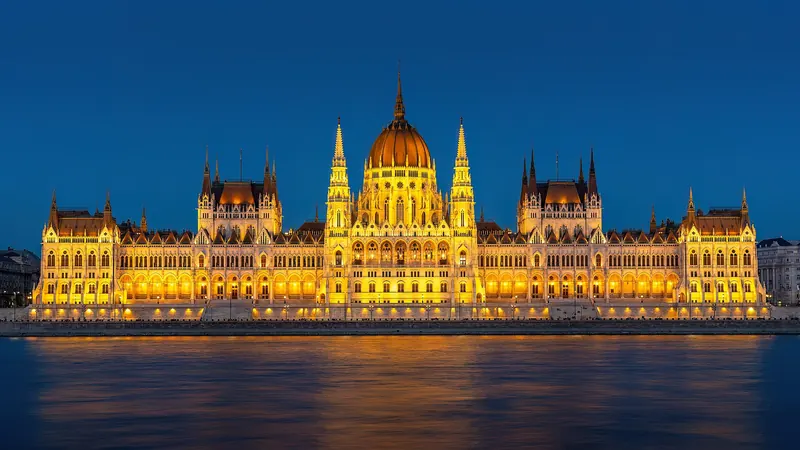
Don't miss The Parliament building lit up on the Danube at night, seen from a river cruise or the Buda bank.

Explore Destination — Budapest
Scenic RegionHistoric Site

The Danube Bend

Pest and Komárom-Esztergom, north of Budapest

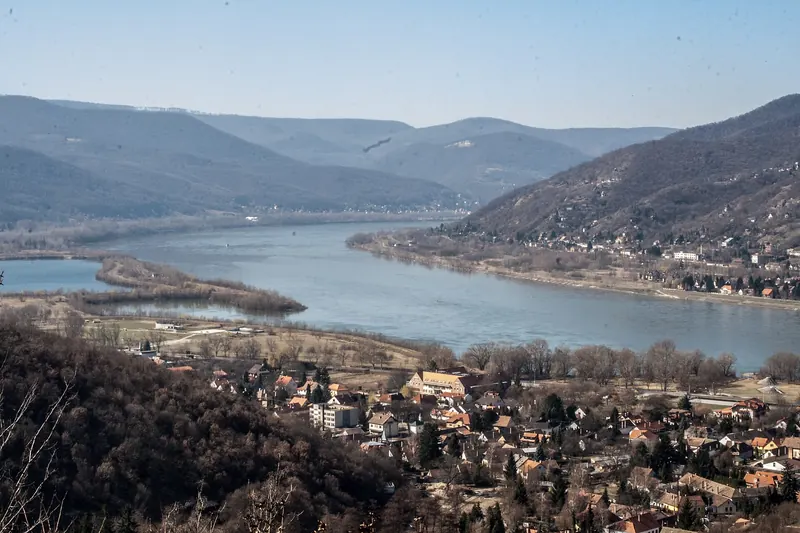
A day-trip loop from Budapest to the baroque artists' town of Szentendre, the royal citadel at Visegrád and the basilica at Esztergom, along a picturesque stretch of the Danube.

Don't miss The view from Visegrád's citadel over the Danube's great S-shaped bend.

Explore Destination — The Danube Bend
Historic SiteFood & Wine

Eger

Heves, northern Hungary

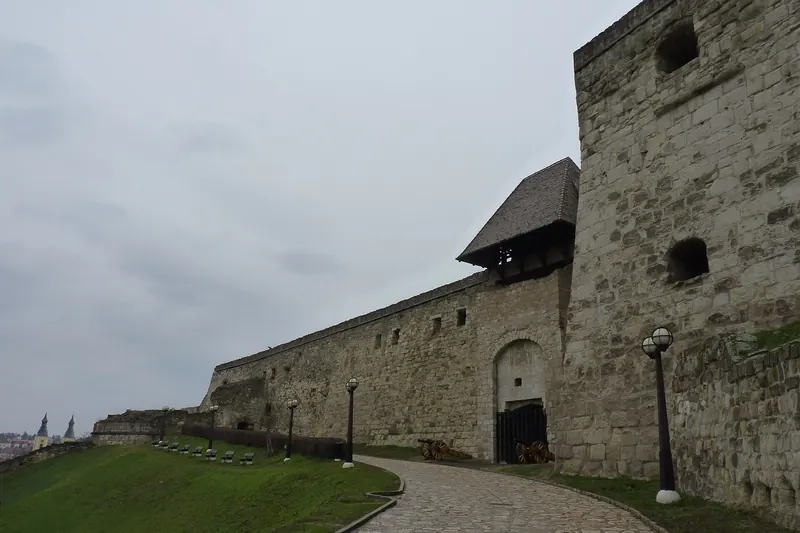
A baroque town with a 16th-century castle, Europe's northernmost minaret, thermal baths and family cellars in the Szépasszony-völgy, home of Egri Bikavér, Bull's Blood wine.

Don't miss Tasting Bull's Blood red wine in a cellar carved into the hillside of the Valley of the Beautiful Women.

Explore Destination — Eger
Coast & BeachesScenic Region

Lake Balaton

Transdanubia, western Hungary

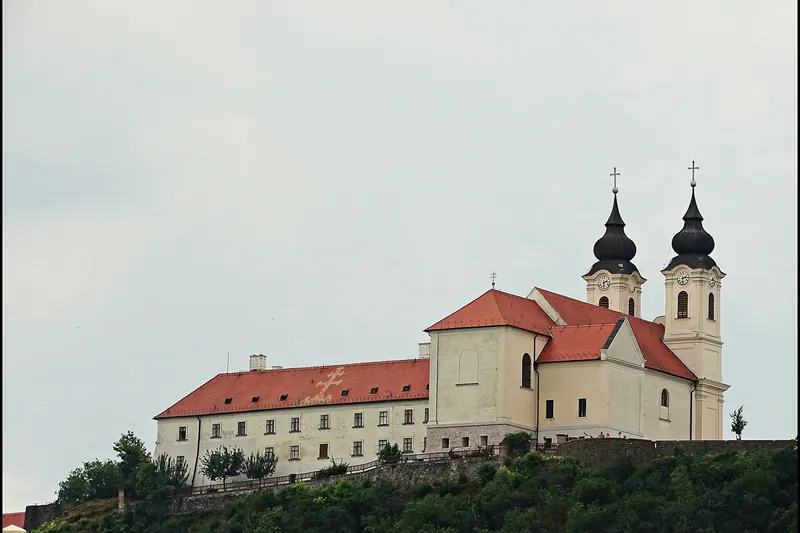
A 77-km-long lake with the Tihany Peninsula, Badacsony's basalt hills and wine, Balatonfüred's promenade and the Festetics Palace at Keszthely, popular for swimming, sailing and wine.

Don't miss Tihany Abbey on its peninsula above the lake at sunset, with lavender fields in July.

Explore Destination — Lake Balaton
Food & WineUNESCO Site

Tokaj

Borsod-Abaúj-Zemplén, north-east Hungary

A UNESCO-listed wine region and small town at the meeting of two rivers, with cellars, vineyard villages, sweet Aszú wine and dry Furmint.

Don't miss Tasting a glass of amber Tokaji Aszú in a centuries-old cellar cut into volcanic rock.

Explore Destination — Tokaj
Historic SiteUNESCO Site

Pécs

Baranya, southern Hungary

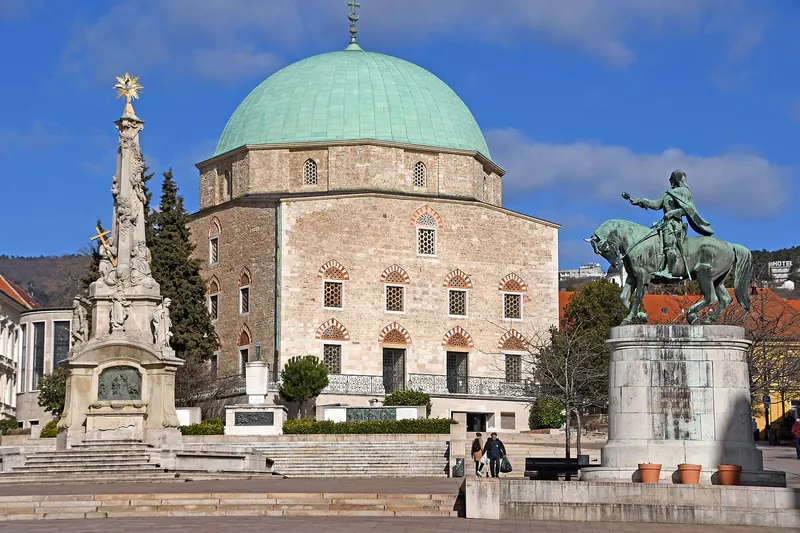
A Mediterranean-feeling city with early Christian tombs, the Gazi Kasim Pasha Mosque, a four-towered cathedral, Zsolnay ceramics and nearby Villány red wines.

Don't miss The Mosque-Church on Széchenyi Square, a domed Ottoman mosque topped with a cross.

Explore Destination — Pécs
Historic SiteCulture & Arts

Sopron

Győr-Moson-Sopron, western Hungary

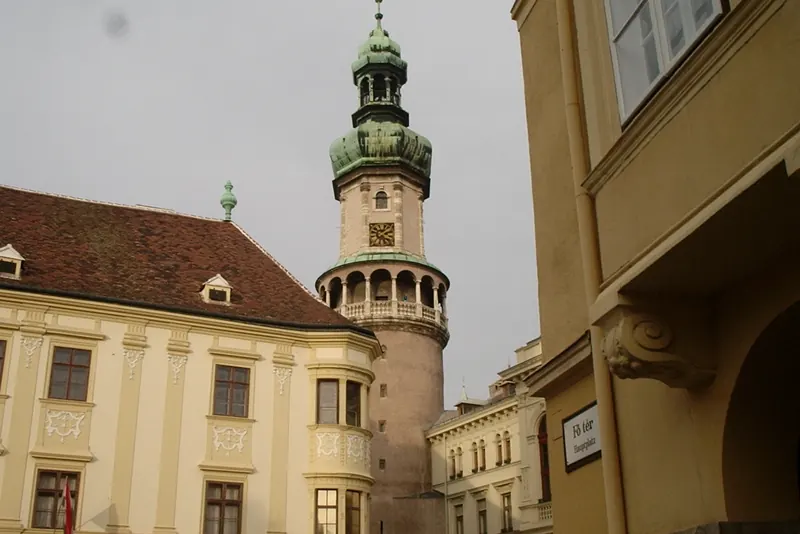
A well-preserved medieval town on the Austrian border, with the Fire Tower, Roman and Gothic remains, Baroque streets, Kékfrankos wine and an easy trip to Lake Fertő.

Don't miss The view from the Fire Tower's balcony over the medieval rooftops of the old town.

Explore Destination — Sopron
Major CityCulture & Arts

Szeged

Csongrád-Csanád, southern Hungary

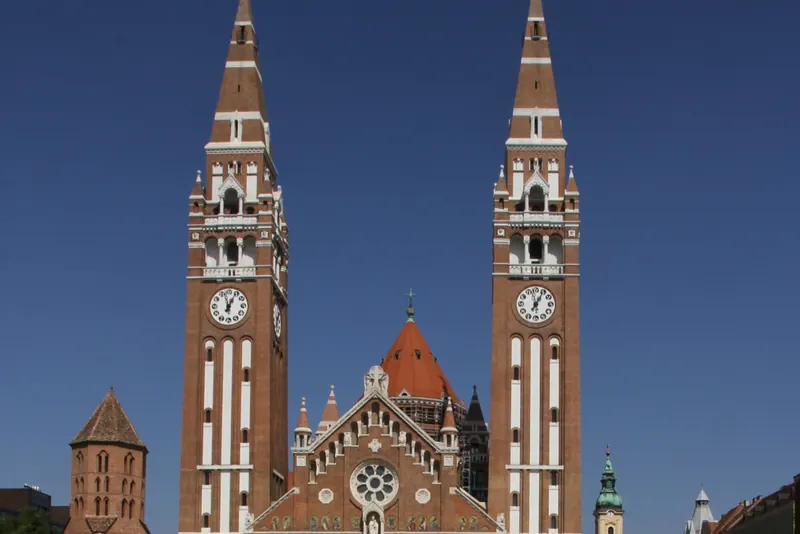
A lively southern city rebuilt after a great flood in 1879, with the Votive Church, Reök Palace, riverside promenades, halászlé fish soup and Szeged paprika and salami.

Don't miss The Votive Church's twin spires above Dóm Square, the heart of the city.

Explore Destination — Szeged
UNESCO SiteCulture & Arts

Hollókő

Nógrád, northern Hungary

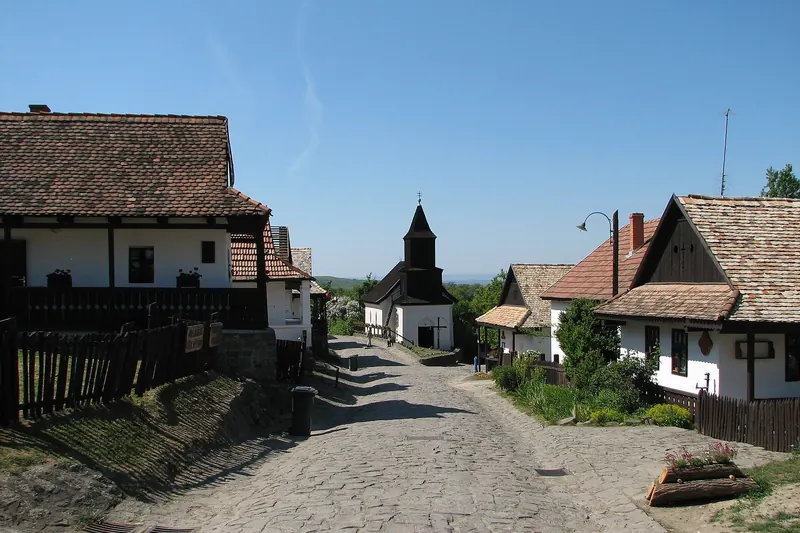
A UNESCO-listed old village of about 55 preserved houses in the Cserhát hills, with a 13th-century castle, folk museums, Palóc crafts and Easter festivities.

Don't miss The Old Village's whitewashed houses and wooden gables in the hills, still lived in today.

Explore Destination — Hollókő

Browse all 510 destinations

Experiences

Best things to do in Hungary

The experiences that recur across the country and make a Hungarian trip feel like one.

  1. Soak in a thermal bath

    Hungary sits on hot springs, and its baths are part of daily life, from the palatial Széchenyi in Budapest to small spa towns. See Budapest.

    Tip Bring flip-flops, a towel and a swimsuit, or rent them.

  2. Cruise the Danube

    The river passes Parliament and Buda Castle, and reaches the Danube Bend. See Budapest and the Danube Bend.

    Tip Go at night for the lit-up views.

  3. Drink in a ruin bar

    Budapest's bars in derelict buildings are eclectic and lively. See Budapest.

    Tip Go on weekday evenings for elbow room.

  4. Taste Tokaji wine

    The sweet Tokaji Aszú has been called the wine of kings. See Tokaj.

    Tip Book a cellar tour.

  5. Ride on the puszta

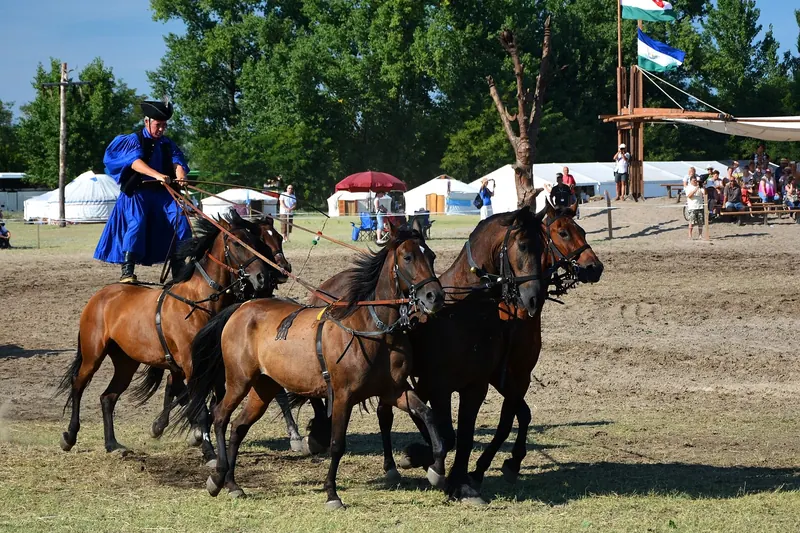
    The great plains have horsemen, cattle and traditional farms. See Hortobágy.

    Tip Go in summer for the horse shows.

  6. Relax at Lake Balaton

    Central Europe's largest lake has beaches, vineyards and a lively summer season. See Lake Balaton.

    Tip Visit in June or September to avoid crowds.

  7. Wander a medieval castle town

    Eger, Sopron and Visegrád have castles and walls. See Eger and Sopron.

    Tip Combine with a wine tasting.

Food and drink

Hungary foods to try

Hungarian food is rich and paprika-red, with stews, dumplings, sausages and pastries, plus some of Europe's most underrated wines.

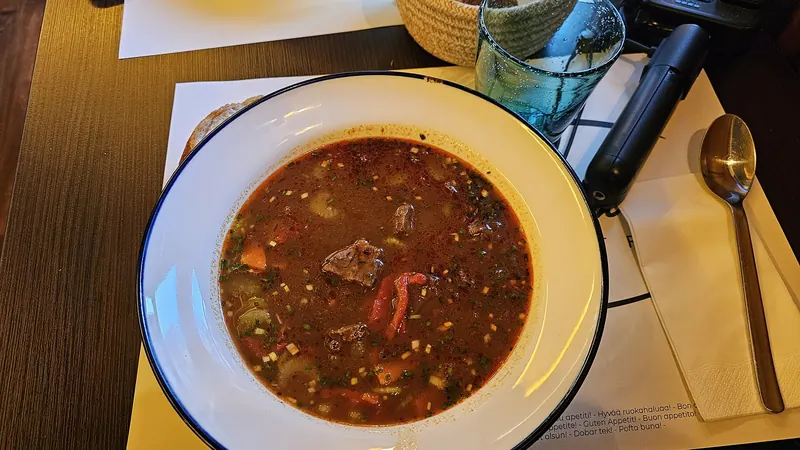
  • A bowl of Hungarian goulash soup with beef and vegetables

    Goulash

    A paprika-spiced soup or stew of beef, potatoes and vegetables, traditionally cooked in a cauldron by herdsmen.

    Where to try it Restaurants across Budapest and the puszta.

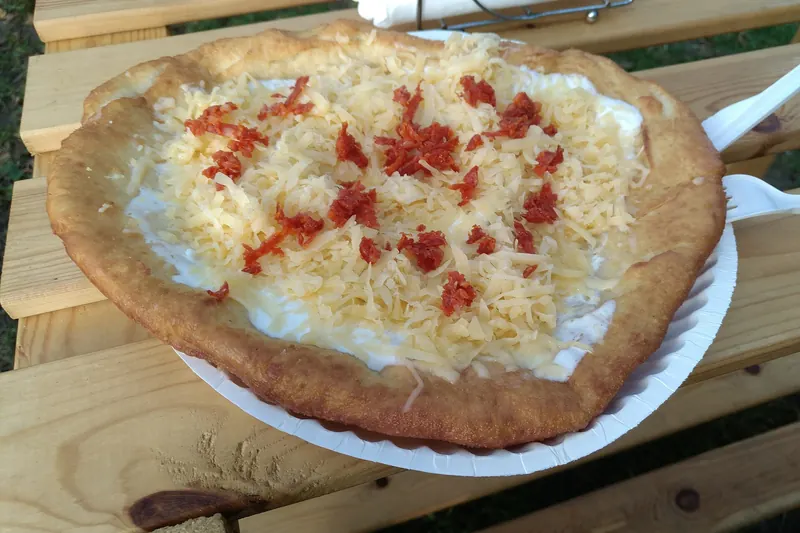
  • A deep-fried lángos topped with sour cream and cheese

    Lángos

    Deep-fried flatbread topped with sour cream, garlic and cheese, a favourite street snack at markets and by Lake Balaton.

    Where to try it Markets, beaches and food stalls.

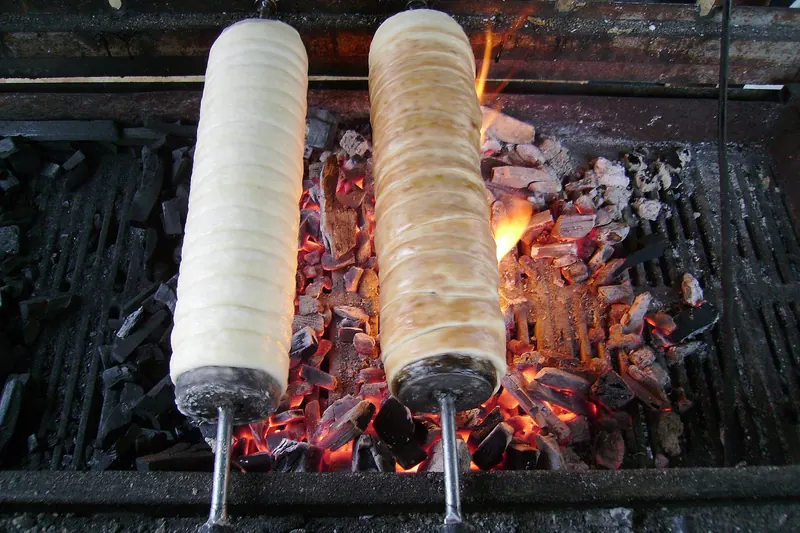
  • A chimney cake rolled in sugar and baked over coals

    Kürtőskalács

    A sweet spiral cake baked over coals, rolled in sugar and cinnamon, and sold hot at fairs and in Budapest.

    Where to try it Christmas markets and street stalls.

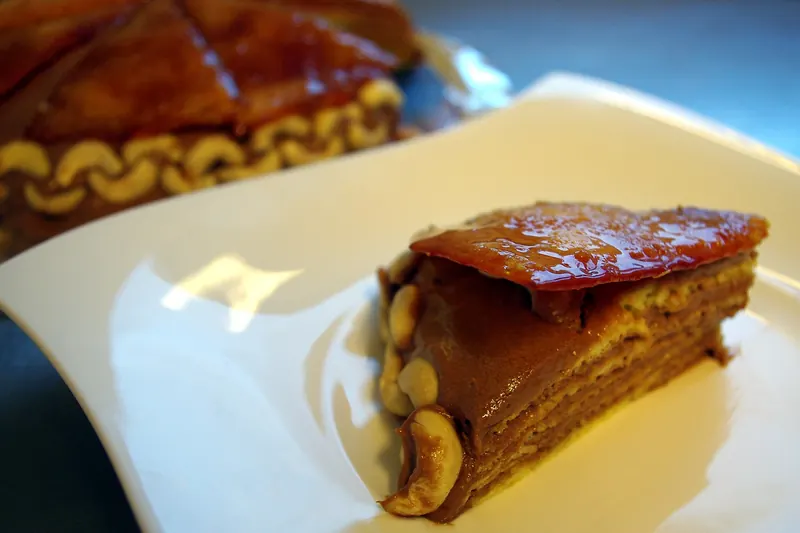
  • A slice of Dobos torte with layers of sponge and chocolate cream

    Dobos torte

    A layered sponge cake with chocolate buttercream and a caramel top, created in Budapest in 1885.

    Where to try it Historic cafés such as Gerbeaud in Budapest.

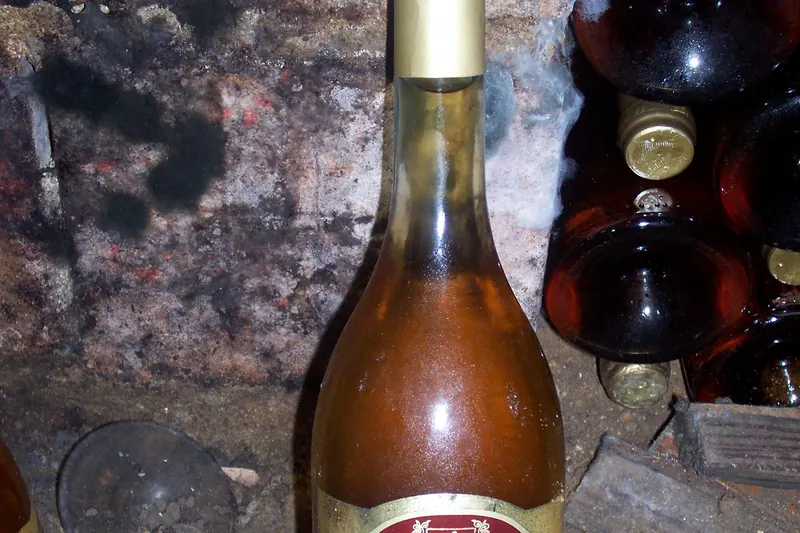
  • A bottle of Tokaji Aszú sweet wine

    Tokaji Aszú

    A sweet wine from grapes affected by noble rot, with honeyed and apricot flavours, produced in the Tokaj region.

    Where to try it Cellars in Tokaj.

  • Halászlé

    A hot, red fish soup with paprika, made with carp or catfish, a Danube and Tisza speciality.

    Where to try it Riverside restaurants in Szeged and along the Danube.

Before you go

Practical travel information for Hungary

The essentials, current for 2026. Hungary is easy and safe, though language, currency and a few local scams are worth knowing.

Capital
Budapest
Language
Hungarian (Magyar), unrelated to most European languages. English is widely spoken in Budapest and tourist areas, German is common in the west, and English is limited in rural areas.
Currency
Hungarian forint (HUF, Ft). Roughly 330–400 forints to the US dollar in recent years. Hungary is in the EU but not the eurozone, and some tourist places quote euro prices at poor rates.
Cards and cash
Cards are accepted almost everywhere in cities, and contactless payment is common. Use bank ATMs (OTP, K&H), decline dynamic currency conversion, and beware of currency exchange booths with poor rates. Carry some forints for markets and small towns.
Entry and visas
Hungary is in the EU and the Schengen Area. Many nationalities, including the United Kingdom, United States, Canada and Australia, can stay up to 90 days in any 180 without a visa. The EU's ETIAS authorisation has been planned, so check current rules.
Power sockets
Type C and F (two round pins), 230 V, 50 Hz. UK and US visitors need an adaptor.
Emergency number
112 for all emergencies.
Tipping
About 10–15% in restaurants if a service charge is not already included. Check the bill, since many places add it.
Safety
Hungary is generally safe. Watch for pickpockets in Budapest's tourist areas and on public transport, and be wary of overpricing scams in some nightlife venues and unlicensed taxis. Use licensed taxis or apps such as Bolt and Főtaxi.
Internet and SIM
Very good. EU roaming applies to EU SIMs, and prepaid SIMs and eSIMs are cheap. Free Wi-Fi is common in cafés.
Time zone
Central European Time, UTC+1, and UTC+2 in summer.

Daily budget guide (per person)

Backpacker
US$40–70 per day — hostels, street food, trains
Mid-range
US$90–160 per day — hotels, restaurant meals, baths
Comfortable
US$180–300 per day — boutique hotels, guided tours
Luxury
US$400+ per day — five-star hotels, private guides

Excludes international flights. Figures are typical rather than absolute — cities and peak season run higher.
When to go

Best time to visit Hungary

Hungary has a continental climate, with hot summers, cold winters, and pleasant springs and autumns.

  • Spring (April–May)

    Best time

    Mild, green and less crowded, with blossom and outdoor terraces opening.

  • Summer (June–August)

    Good

    Hot, sometimes over 35°C. Lake Balaton is at its liveliest, and festivals fill Budapest.

  • Autumn (September–October)

    Best time

    Warm days, grape harvests and golden leaves, with lower prices.

  • Winter (November–March)

    Quiet

    Cold and grey, but Christmas markets and steaming outdoor baths are magical.

Worth planning around: July and August heatwaves in cities, and January and February for long sightseeing.

Trip length

How long to spend in Hungary

Hungary is small, and Budapest is the focus. A week covers the capital with a couple of day trips, and two weeks allows a loop through wine country and the south.

  • 3–4 days

    Budapest with a day on the Danube Bend.

    A city break.

  • 7–8 days

    Budapest, the Danube Bend and Eger.

    A good short trip.

  • 12–14 days

    The itinerary on this page: Budapest, Eger, Tokaj, Hortobágy, Szeged, Pécs, Balaton and Sopron.

    Our recommendation.

  • 3 weeks or more

    Adds Hollókő, more of Balaton and neighbouring countries.

    For slow travel.

Getting around

Transportation in Hungary

Trains and buses are cheap and cover the country. Budapest is the hub, and most journeys radiate from it.

  • Trains (MÁV)

    InterCity trains link Budapest with Eger, Szeged, Pécs and Sopron in two to three hours. Book on the MÁV app.

    Cheap, though slower than in Western Europe.

  • Buses (Volánbusz)

    Serve smaller towns and Lake Balaton.

    Book online.

  • Budapest public transport

    Metro, trams and buses, with a 24- or 72-hour travel card.

    Validate your ticket before boarding.

  • Taxis and ride-hailing

    Use Bolt or Főtaxi, and avoid street taxis.

    Agree the fare.

  • Hire cars

    Useful for Tokaj, Hortobágy and Hollókő. Motorways need an e-vignette, and the alcohol limit is zero.

    Buy the vignette online.

Sample route

Two weeks in Hungary

Budapest, the Danube Bend, Eger, Tokaj, the puszta, Szeged, Pécs, Balaton and Sopron. Covers nine of the ten destinations in this guide.

  1. Day1

    Arrive in Budapest

    • Morning Land and check in.
    • Afternoon Buda Castle and Fisherman's Bastion.
    • Evening Danube cruise.
  2. Day2

    Budapest

    • Morning Parliament and St. Stephen's Basilica.
    • Afternoon Great Market Hall.
    • Evening Ruin bars.
  3. Day3

    Baths and Pest

    • Morning Széchenyi thermal bath.
    • Afternoon Heroes' Square and City Park.
    • Evening Dinner.
  4. Day4

    The Danube Bend

    • Morning Train to Szentendre.
    • Afternoon Visegrád and Esztergom.
    • Evening Return to Budapest.
  5. Day5

    To Eger

    • Morning Train to Eger.
    • Afternoon Eger Castle.
    • Evening Wine in the Valley of the Beautiful Women.
  6. Day6

    Tokaj

    • Morning Bus toward Tokaj.
    • Afternoon Cellar tour.
    • Evening Aszú dinner.
  7. Day7

    Hortobágy

    • Morning Drive to Hortobágy.
    • Afternoon The Nine-Hole Bridge and horses.
    • Evening Goulash dinner.
  8. Day8

    Szeged

    • Morning Train to Szeged.
    • Afternoon The Votive Church and Reök Palace.
    • Evening Halászlé.
  9. Day9

    To Pécs

    • Morning Train to Pécs.
    • Afternoon Széchenyi Square and the Mosque-Church.
    • Evening Dinner.
  10. Day10

    Pécs

    • Morning The Cathedral and the Zsolnay Quarter.
    • Afternoon Villány wine.
    • Evening Free evening.
  11. Day11

    Lake Balaton

    • Morning Bus to Balaton.
    • Afternoon Tihany Abbey.
    • Evening Lakeside dinner.
  12. Day12

    Balaton

    • Morning Badacsony vineyards.
    • Afternoon Swim or ferry.
    • Evening Sunset.
  13. Day13

    Sopron

    • Morning Travel to Sopron.
    • Afternoon The Fire Tower and the old town.
    • Evening Local wine.
  14. Day14

    Departure

    • Morning Train to Budapest.
    • Afternoon Fly home.
    • Evening Home.

Culture

Culture and etiquette in Hungary

Hungarians are proud, direct and hospitable, with a strong sense of history and a dry sense of humour. Family meals and toasts matter, and formal manners are appreciated in first meetings.

  • Greet with a handshake

    Shake hands with everyone, including at the start and end of meetings.

  • Avoid clinking beer glasses

    By tradition, Hungarians do not clink beer glasses, a custom linked to the 1849 revolution, though wine and spirits are fine.

  • Use formal address

    Use titles and formal speech with strangers and elders.

  • Bring a gift

    Flowers or wine if invited home.

  • Remove your shoes

    In homes, guests are often offered slippers.

  • Respect baths etiquette

    Shower before entering pools, and wear swim caps where required.

Do

  • Learn a few words: köszönöm (thank you), szia (hi), egészségedre (cheers)
  • Take a swim cap or rent one at some baths
  • Try pálinka, the local fruit brandy
  • Validate transit tickets
  • Book popular baths and restaurants
  • Check the service charge on bills

Don't

  • Don't clink beer glasses
  • Don't use unlicensed taxis
  • Don't exchange money on the street
  • Don't drink and drive, since the limit is zero
  • Don't compare Hungary to its neighbours
  • Don't assume everyone speaks English

Travel tips

Hungary travel tips

The things that most often catch visitors out in Hungary, several of which are specific to how the country works.

  • Use Bolt or Főtaxi instead of hailing taxis.
  • Decline currency conversion on card machines, and pay in forints.
  • Validate metro and tram tickets before boarding.
  • Book Széchenyi Baths and the Parliament tour in advance.
  • Check the service charge before adding a tip.
  • Buy an e-vignette before driving on motorways.
  • Bring cash for small towns and markets.
  • Watch for pickpockets on trams and in Váci Street.

FAQ

Visiting Hungary: frequently asked questions

Is Hungary safe for tourists?

Yes, generally very safe. Watch for pickpockets and overpricing in tourist bars.

How many days do you need in Hungary?

Three to four days for Budapest, and ten to fourteen for a wider trip.

Is Hungary cheap?

Yes, compared with Western Europe, and Budapest is very good value.

What is the best time to visit Hungary?

April to June and September to October.

Do I need a visa for Hungary?

Many nationalities can visit visa-free for 90 days under Schengen rules. Check current rules, including ETIAS.

Can I use euros in Hungary?

Some places accept euros but at poor rates. Use forints.

Ready to plan your Hungary trip?

The full travel guide covers routes, budgets, regional differences and how to string these ten destinations into a trip that actually works.

Read the Hungary travel guide

Advertisement