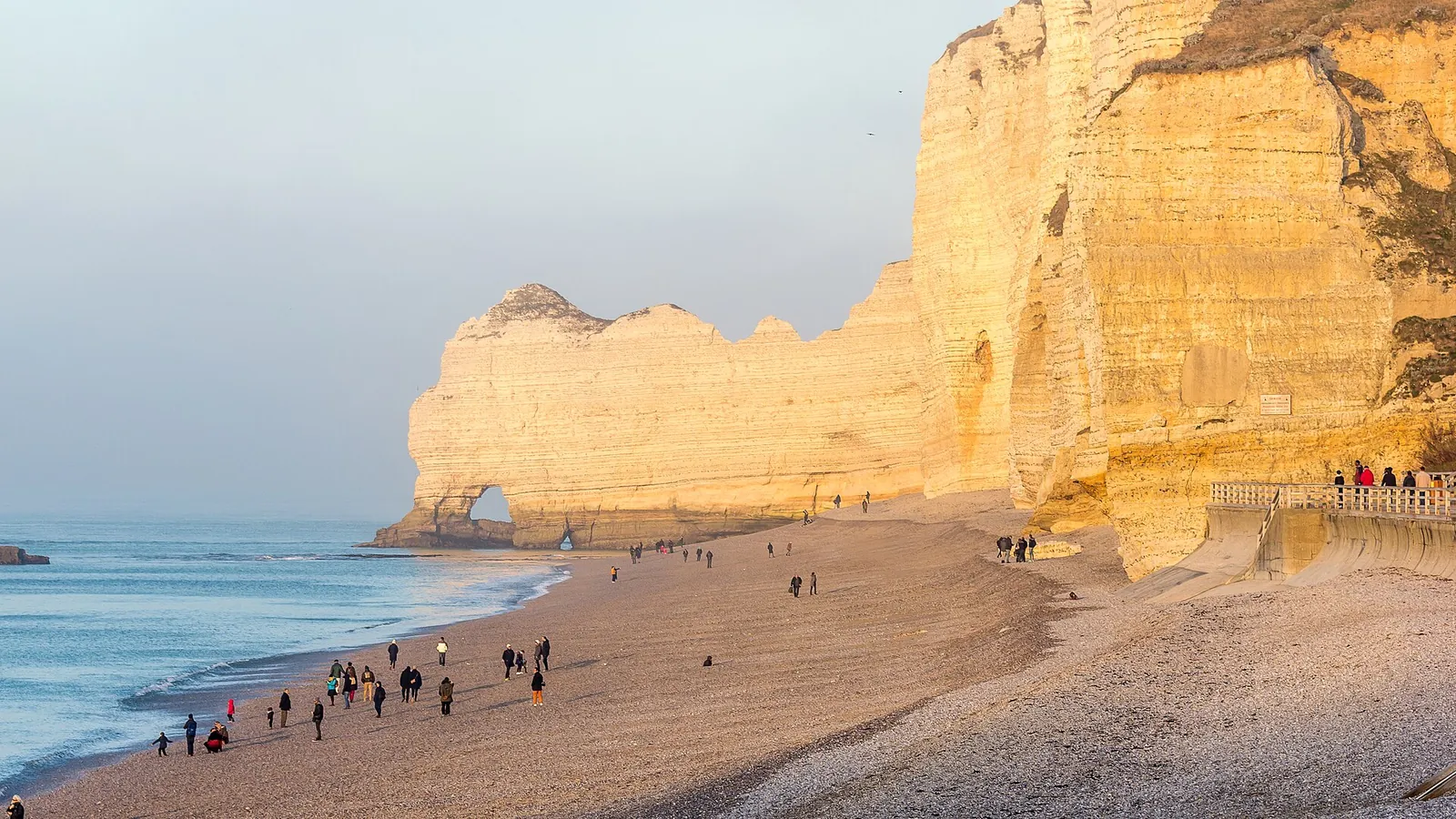
The white chalk arch and needle rock of Étretat rising from the sea in Normandy

Western Europe

France Travel Guide

Alpine summits, Atlantic oyster beds, Roman ruins and the world's most visited city — inside one very well-connected country.

  • Destinations 10 hand-picked
  • Best time May–June and September–October
  • Ideal trip 10–14 days for a first trip

Photo: Raimond Spekking · CC BY-SA 4.0

Why go to France

France receives around 100 million international visitors a year, more than any other country, and a startling share of them see only Paris. That is a shame, because France's real advantage is not any single city — it is how much genuine variety it packs into a country roughly the size of Texas, and how easy the high-speed rail network makes moving between the pieces.

In one week you can stand under Mont Blanc, walk a Roman aqueduct, eat oysters pulled from the Atlantic that morning and sleep in a village that has not changed shape since the 14th century. The regions are not variations on a theme; Alsace has half-timbered houses and sauerkraut, Provence has olive groves and Roman theatres, Brittany has menhirs and salted butter. They feel like different countries because, until relatively recently, they were.

This guide covers ten destinations chosen to give you that range rather than a list of the ten most photographed spots. There is one unavoidable capital, two coastlines that could not be less alike, the country's greatest concentration of châteaux, a mountain town, a wine city, two regions most itineraries skip entirely, and a tidal island that is arguably the single most striking sight in Western Europe.

Where to go

Best Places to Visit in France

Ranked roughly by how strongly we would recommend them to a first-time visitor, though the honest answer is that the right order depends on the season you are travelling and how much you like cities. Each has its own full guide.

Major CityCapital City

Paris

Île-de-France

France's capital packs more world-class museums, monuments and neighbourhood restaurants into six square miles than anywhere else in Europe. It rewards walking more than ticking off a list.

Don't miss The Louvre, the Musée d'Orsay and Sainte-Chapelle — three of Europe's great collections within one Métro ride of each other.

Explore Destination — Paris
Scenic RegionFood & Wine

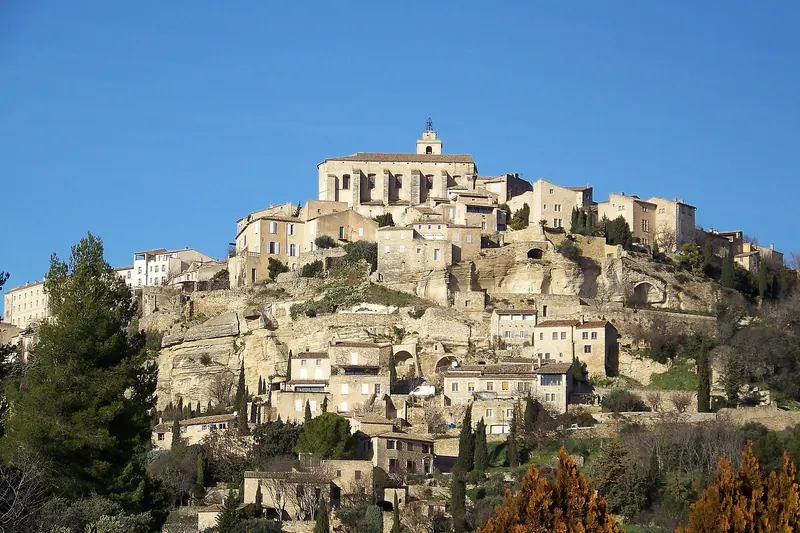
Provence & the Luberon

Vaucluse, Provence-Alpes-Côte d'Azur

A landscape of ochre cliffs, perched stone villages and vineyards between the Rhône and the Alps, with the best-preserved Roman monuments outside Italy on its western edge.

Don't miss The Pont du Gard, a three-tier Roman aqueduct that has stood for two thousand years without mortar.

Explore Destination — Provence & the Luberon
Coast & BeachesMajor City

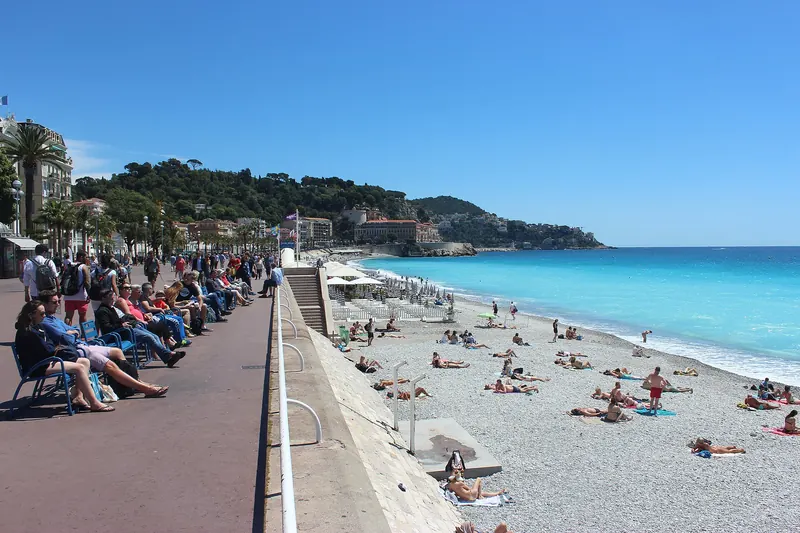
Nice & the French Riviera

Alpes-Maritimes, Provence-Alpes-Côte d'Azur

France's fifth city curves around a two-mile bay of blue water, with an old town that was Italian until 1860 and a local rail line linking a dozen coastal villages.

Don't miss The Cours Saleya flower market, then the coastal train to Villefranche, Èze and Menton for €2 a hop.

Explore Destination — Nice & the French Riviera
Historic SiteUNESCO Site

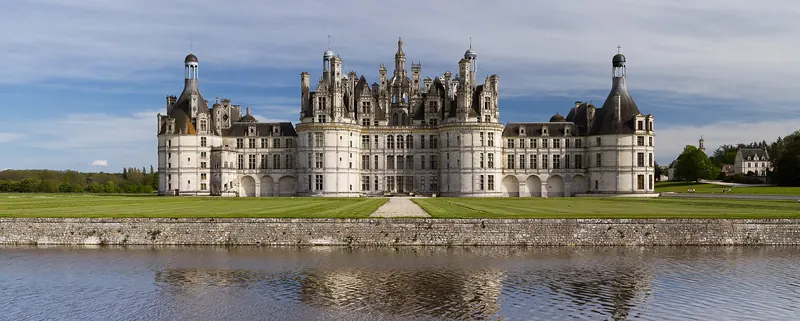
The Loire Valley

Centre-Val de Loire

France's royal playground for two centuries: Renaissance châteaux, formal gardens and crisp white wine strung along 170 miles of the country's longest river, an hour from Paris.

Don't miss Chenonceau, arched on five spans across the River Cher — the most beautiful building in France by most reckonings.

Explore Destination — The Loire Valley
UNESCO SiteHistoric Site

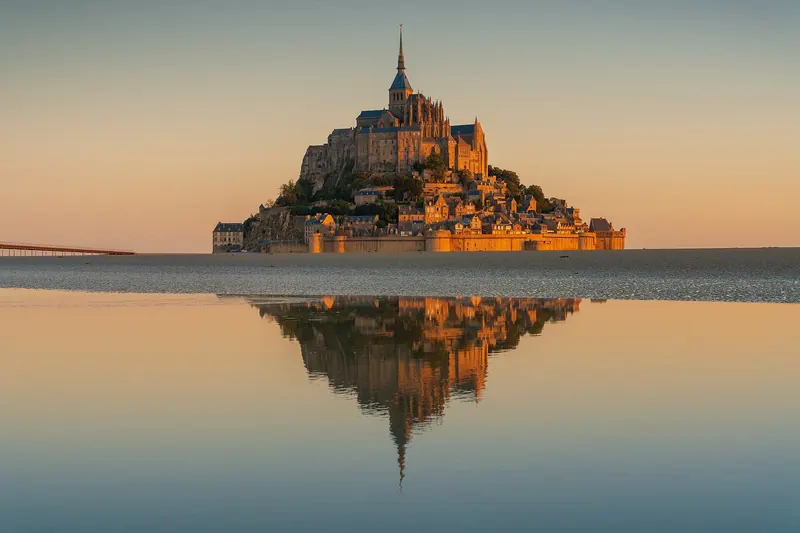
Mont-Saint-Michel

Manche, Normandy

A rock in a vast tidal bay, crowned by an abbey that took five centuries to build. Some three million people visit a year, and almost all of them leave before the best hours.

Don't miss The abbey after the day-trippers leave, when the village empties and the bay goes silent.

Explore Destination — Mont-Saint-Michel
MountainsNature & Wildlife

Chamonix & Mont Blanc

Haute-Savoie, Auvergne-Rhône-Alpes

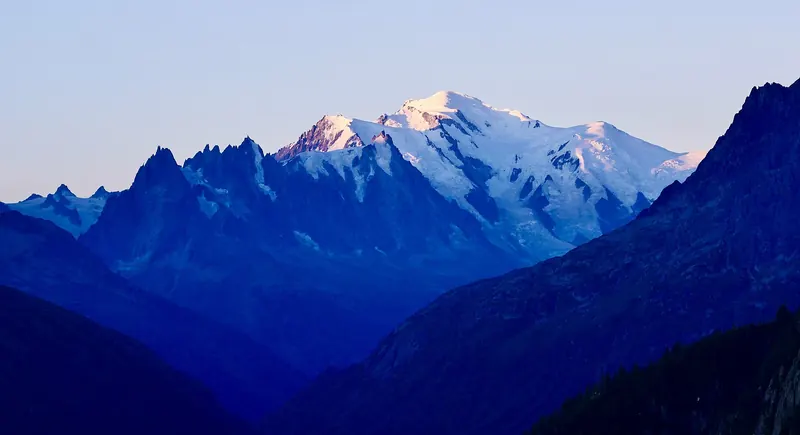
A valley town beneath a 4,808-metre summit, where glaciers reach almost to the treeline and a network of lifts puts high-alpine terrain within reach of anyone.

Don't miss The Aiguille du Midi: a rock spire with a viewing terrace at 3,842 m, reached by the highest vertical-ascent cable car in the world.

Explore Destination — Chamonix & Mont Blanc
Major CityFood & Wine

Bordeaux

Gironde, Nouvelle-Aquitaine

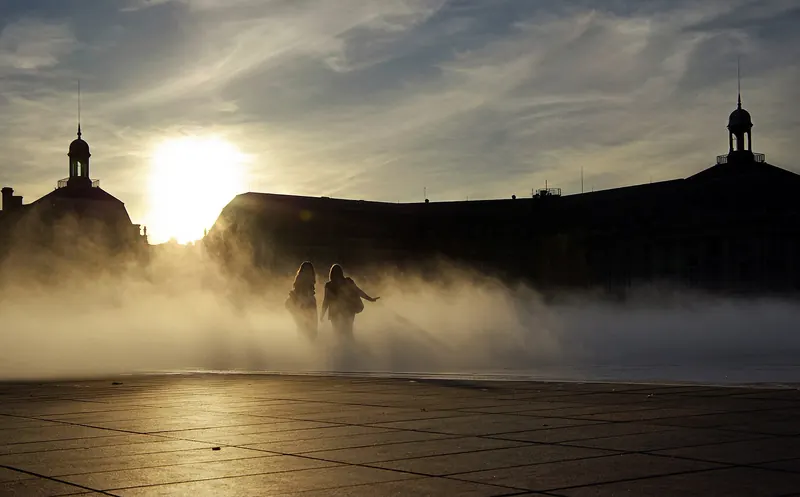
An 18th-century city of pale limestone facades along a curving river, transformed over two decades from soot-blackened port to one of France's most liveable cities.

Don't miss The Miroir d'Eau opposite the Place de la Bourse: the world's largest reflecting pool, and the best free show in France.

Explore Destination — Bordeaux
Culture & ArtsUNESCO Site

Strasbourg & Alsace

Bas-Rhin and Haut-Rhin, Grand Est

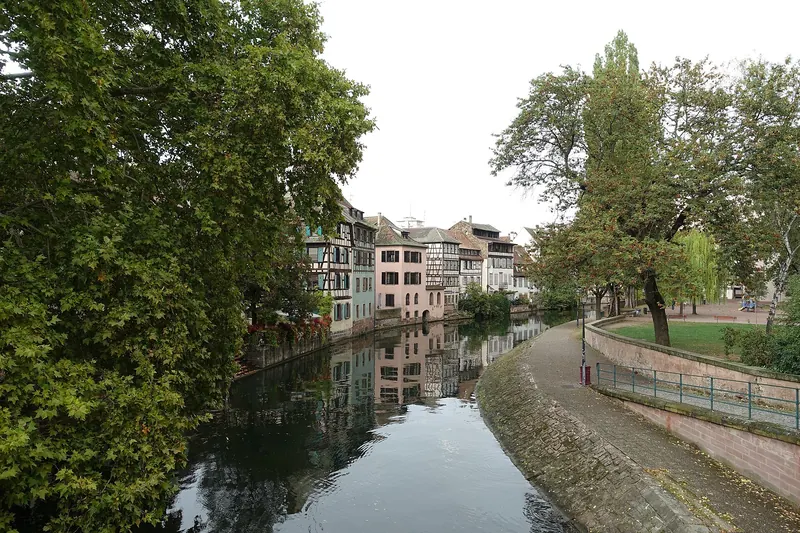
A region that changed nationality four times in seventy-five years and kept both cultures — French administration, German architecture, and a food and wine tradition that belongs to neither.

Don't miss Strasbourg Cathedral's astronomical clock and the 142-metre spire you can climb for a view into three countries.

Explore Destination — Strasbourg & Alsace
Historic SiteNature & Wildlife

The Dordogne & Sarlat

Dordogne, Nouvelle-Aquitaine

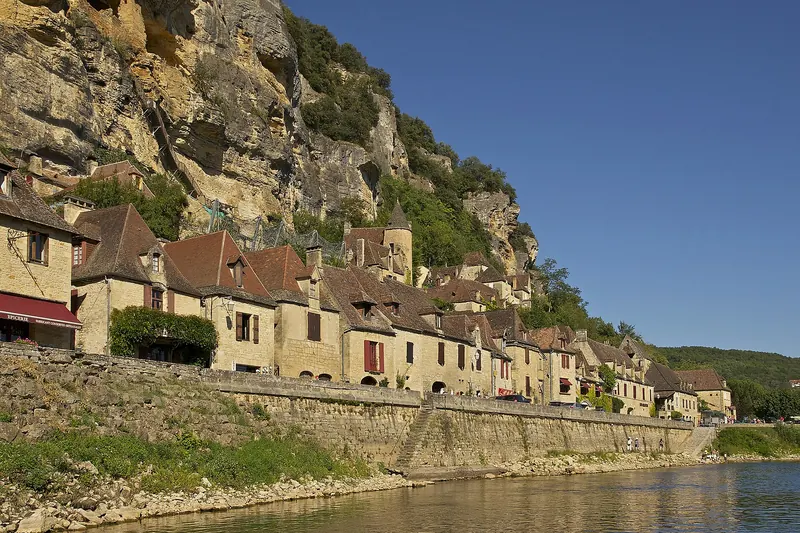
A limestone valley of castles, walnut groves and honey-coloured villages, holding the densest concentration of prehistoric sites in Europe and France's richest regional cooking.

Don't miss Lascaux — the most sophisticated prehistoric art ever found, seen through a replica so exact you forget it is one.

Explore Destination — The Dordogne & Sarlat

Browse all 510 destinations

Experiences

Best things to do in France

The experiences that recur across regions — the things that make a French trip feel French regardless of which corner you end up in.

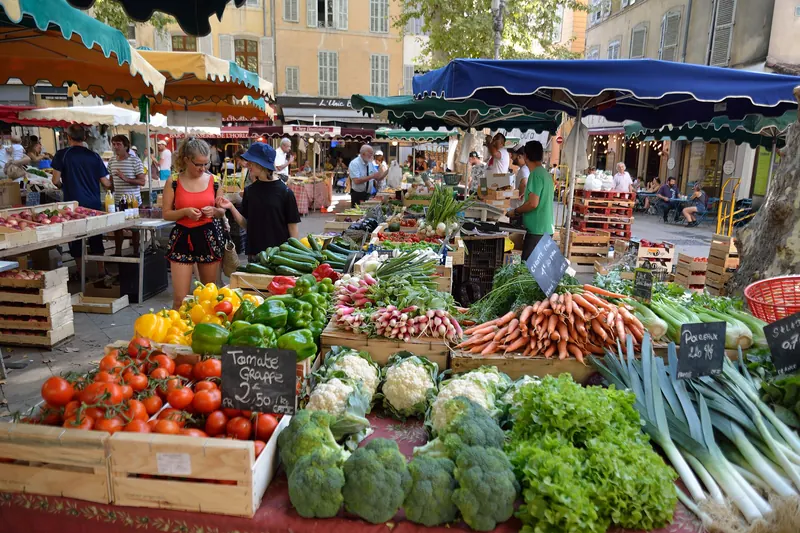
  1. Fruit and vegetable stalls at a French weekly market

    Shop a weekly market

    Almost every French town has one, on a fixed day, in the main square. This is not a tourist performance — it is where people buy food. Rotisserie chickens, cheese cut to order, regional charcuterie, and produce that was in the ground yesterday. Assembling lunch from a market is one of the cheapest and best meals you will eat in France.

    Tip Ask which day the marché runs before booking a town — arriving the morning after is a genuine missed opportunity.

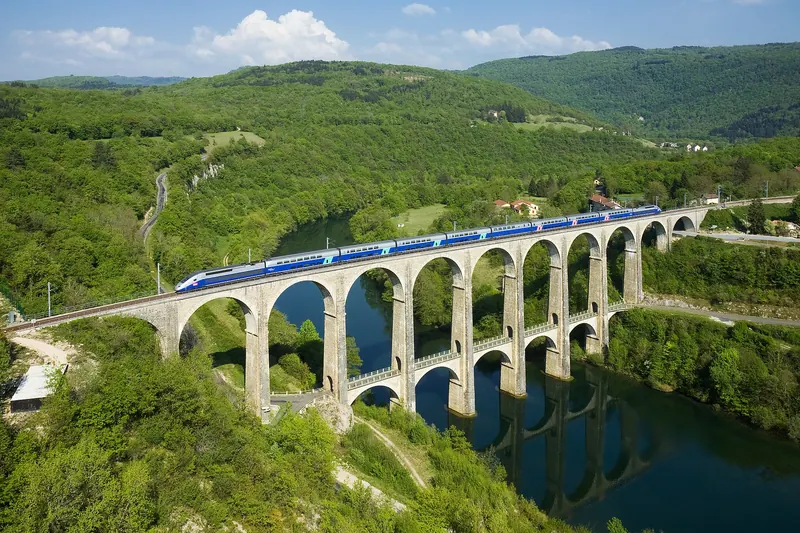
  2. A TGV Duplex high-speed train crossing a viaduct

    Ride the TGV

    France's high-speed network reaches 320 km/h and turns the country into a series of two-hour hops. Paris to Bordeaux is 2h05, to Strasbourg 1h50, to Marseille 3h10. Booked a month ahead it is often cheaper than flying and always less hassle.

    Tip Fares are dynamic and rise sharply near departure. Book as soon as tickets open — usually four to six months ahead.

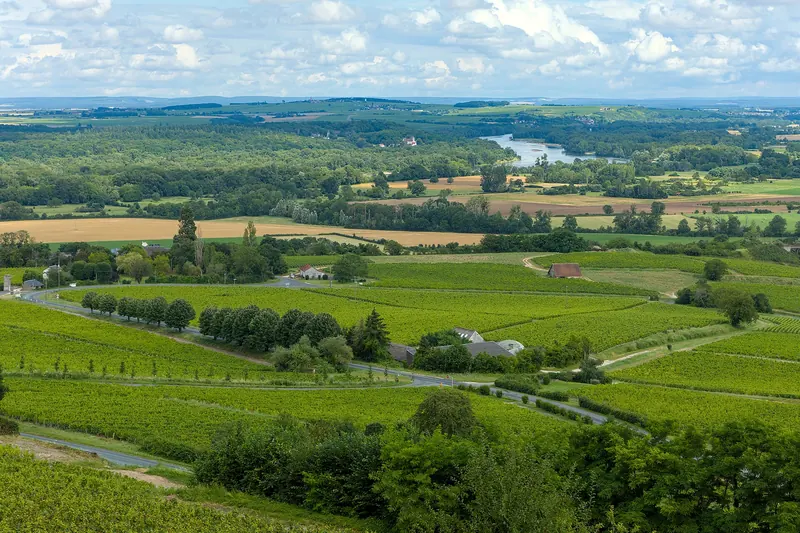
  3. Vineyards on the slopes around Sancerre

    Visit a working vineyard

    Bordeaux, Burgundy, the Rhône, Champagne, Alsace and the Loire all run tastings that welcome visitors without ceremony. A small family domaine will typically give you half an hour and four glasses for nothing or a token fee, on the reasonable assumption you will buy a bottle.

    Tip Book small producers ahead by email — many are two-person operations with no tasting room staff.

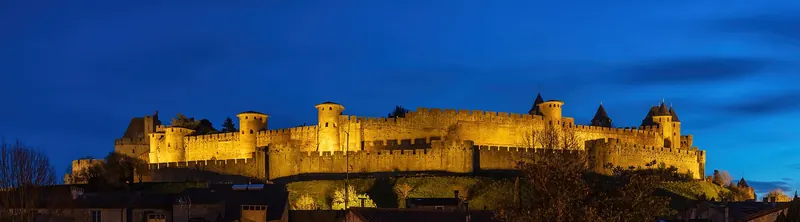
  4. The towers and curtain walls of the fortified city of Carcassonne

    Walk a fortified old town

    France has an extraordinary density of intact medieval centres — Sarlat, Carcassonne, Strasbourg's Petite France, Dinan, Pérouges. These are living towns rather than museums, and the trick is to be there early or late, when the day-trip coaches are not.

    Tip The best hour in any French old town is 08:00, when the bakeries are open and nothing else is.

  5. Take the long lunch seriously

    The two-hour midday meal is still standard outside big cities, and the formule or menu du jour — two or three courses for €16–24 — is the single best value in French dining. Many small-town restaurants serve lunch only.

    Tip Between roughly 14:00 and 19:00 most kitchens are closed. Eat when the French eat or plan on a bakery.

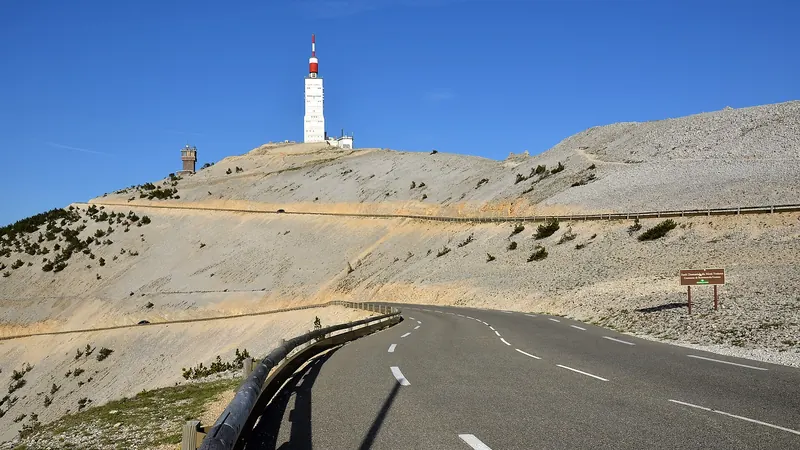
  6. The road climbing to the bare summit of Mont Ventoux

    Drive one great road

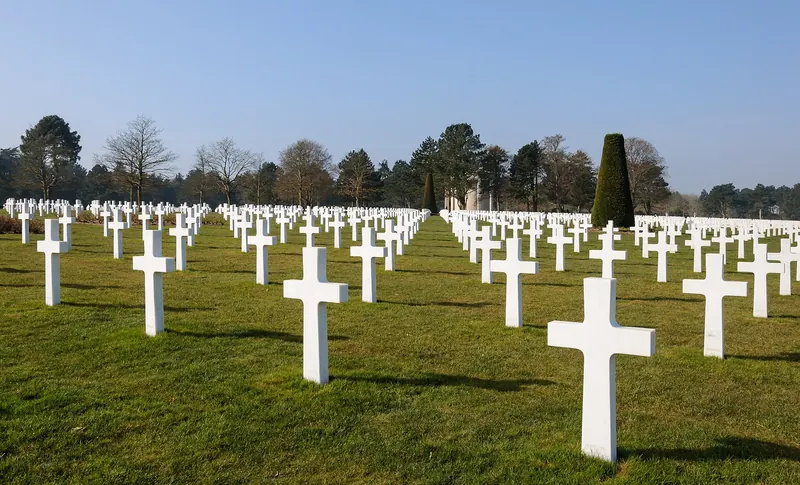
    The rail network is excellent but it does not reach the lavender plateaus, the Dordogne valley or the Alpine passes. One rental car for two or three days in the right region transforms a trip — the Route des Vins in Alsace, the Luberon's hill villages, or the D-Day coast.

    Tip Book automatic transmission well ahead if you need one; the French default is manual and automatics sell out.

Food and drink

France foods to try

France's national dishes are mostly regional dishes that travelled. These are the ones worth planning a meal around, and where they actually come from.

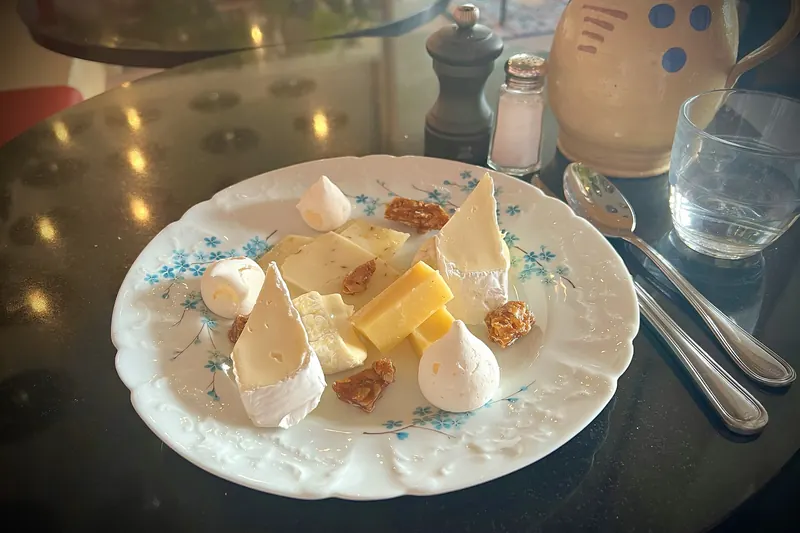
  • A plate of assorted French cheeses served in a restaurant

    Bread, cheese and butter

    Not a dish, but the foundation. France produces well over a thousand cheeses, and a proper fromagerie will ask when you intend to eat it before choosing a piece. Salted butter with visible crystals is standard in Brittany and Normandy and worth seeking out.

    Where to try it Any market or neighbourhood fromagerie, in any town, on any day except Monday.

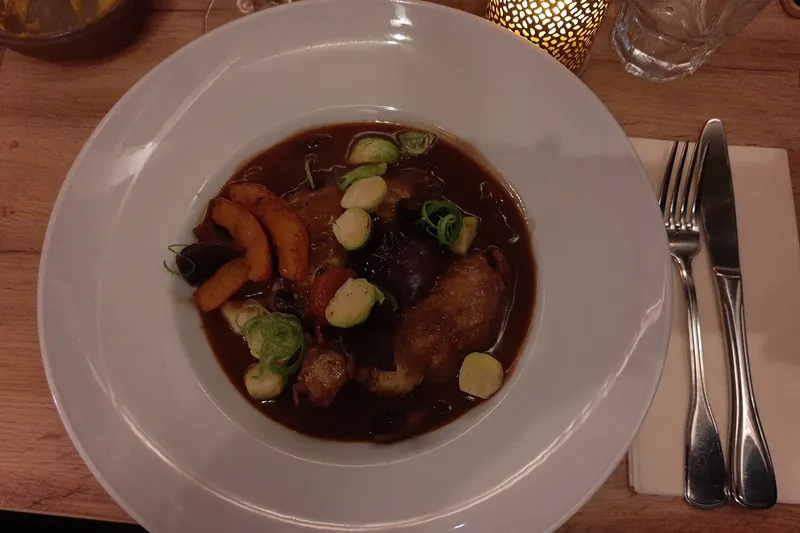
  • Coq au vin — chicken braised in red wine with lardons and mushrooms

    Coq au vin and boeuf bourguignon

    The two great Burgundian braises — chicken and beef slow-cooked in red wine with lardons, mushrooms and onions. Served everywhere, best in the region itself, and a reliable test of whether a bistro is cooking or reheating.

    Where to try it Traditional bistros nationwide; Burgundy and Lyon for the originals.

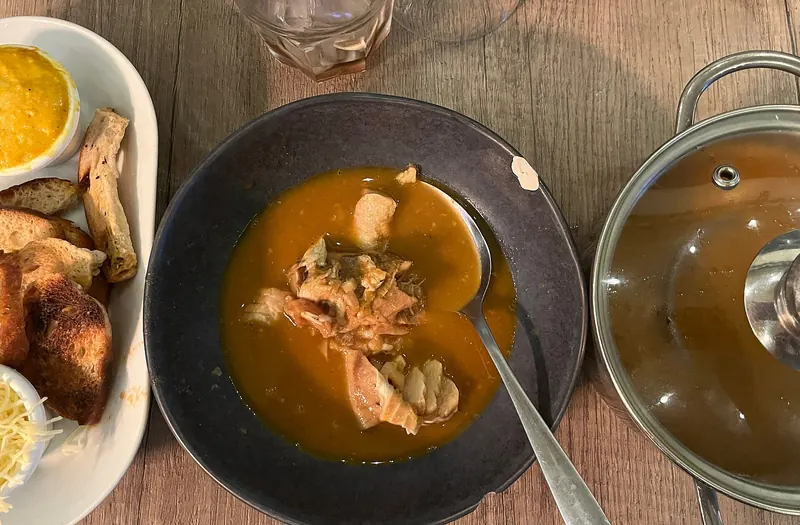
  • Bouillabaisse served in a restaurant on the Vieux-Port in Marseille

    Bouillabaisse

    Marseille's fisherman's stew, made from rockfish that were once too bony to sell, served as a broth with rouille and croutons followed by the fish itself. A real one is expensive and takes a day's notice; the cheap versions along tourist ports are not the same dish.

    Where to try it Marseille and the Provençal coast near Nice. Look for restaurants that signed the Bouillabaisse Charter.

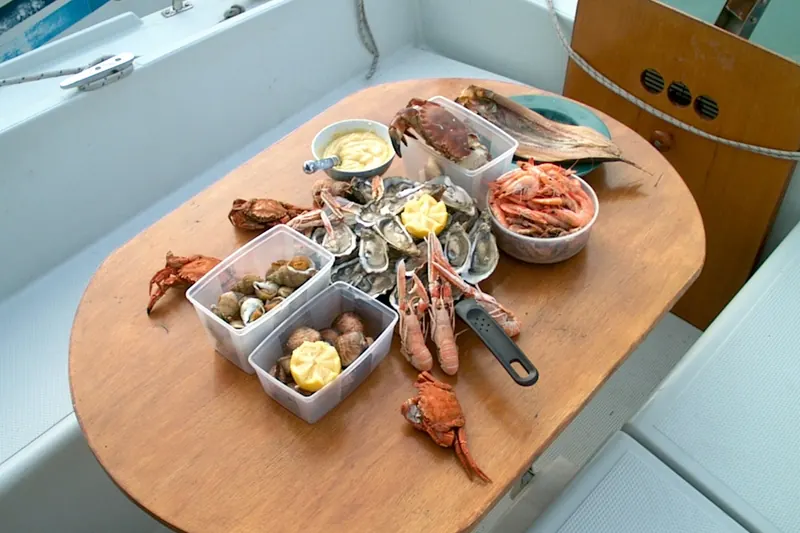
  • A plateau de fruits de mer of oysters and shellfish

    Oysters and seafood platters

    France is Europe's largest oyster producer, and the plateau de fruits de mer — oysters, langoustines, whelks, crab, on ice — is the Atlantic coast's signature. Cancale in Brittany, Arcachon near Bordeaux and the Normandy coast are the heartlands.

    Where to try it Coastal Normandy, Brittany and Arcachon Bay. Traditionally eaten in months containing an 'r'.

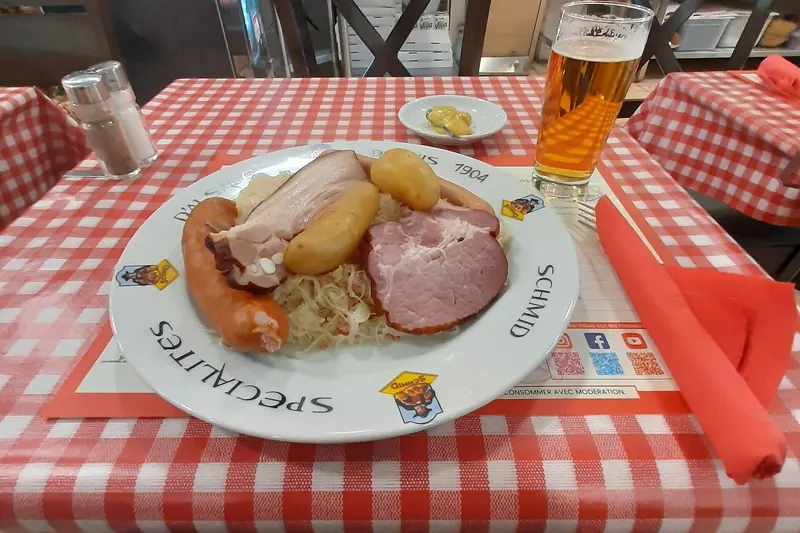
  • Choucroute garnie — sauerkraut with sausages and cured pork

    Choucroute and tarte flambée

    Alsace's German inheritance — fermented cabbage with sausages and smoked pork, and a paper-thin flatbread of crème fraîche, onion and bacon that arrives on a wooden board. Nothing else in France tastes like this.

    Where to try it Strasbourg and the villages along the Alsace wine route.

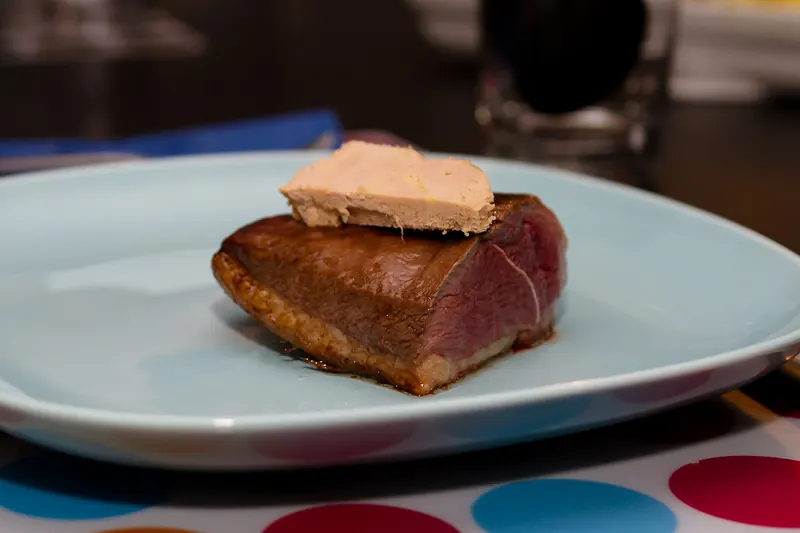
  • Magret de canard served with foie gras

    Duck, in every form

    The southwest runs on it: confit de canard, magret, and foie gras, alongside walnuts and truffles. It is the richest regional cooking in France and portions reflect that.

    Where to try it The Dordogne and the wider southwest around Sarlat and Toulouse.

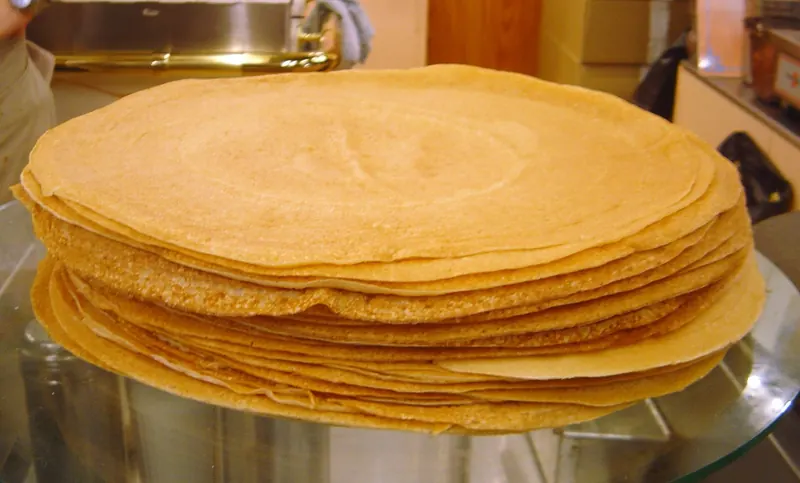
  • A stack of freshly made crêpes

    Crêpes and galettes

    Brittany's contribution: sweet crêpes of wheat flour, and savoury galettes of buckwheat filled with ham, egg and cheese. Traditionally eaten with dry cider served in a ceramic cup rather than a glass.

    Where to try it Brittany and Normandy, and crêperies in every French city.

Before you go

Practical travel information for France

The essentials, current for 2026. Nothing here should surprise a visitor from another European country; the notes matter more if you are arriving from outside the Schengen Area.

Capital
Paris
Language
French. English is widely spoken in cities, tourist areas and by younger people; much less so in rural areas.
Currency
Euro (€)
Cards and cash
Cards are accepted almost everywhere, contactless is universal, and many places no longer take cash at all. Carry €30–50 for markets, rural bakeries and small village restaurants.
Entry and visas
Part of the Schengen Area. Many nationalities — including UK, US, Canadian, Australian and NZ passport holders — can enter visa-free for up to 90 days in any 180. The EU's new EES biometric checks and the ETIAS travel authorisation are being phased in; check the current requirement before you book.
Power sockets
Type E, 230 V, 50 Hz. Two round pins with an earth pin in the socket — most Type C plugs fit.
Emergency number
112 for any emergency. 15 for medical, 17 for police, 18 for fire.
Tipping
Service is included by law and staff are paid a proper wage. Rounding up or leaving a few euros for good service is normal and appreciated; 15–20% is not expected anywhere.
Safety
Very safe by any measure. The realistic risks are pickpocketing in Paris, Nice, Marseille and Lyon — busy Métro lines, station concourses and crowded monuments — and vehicle break-ins at rural trailheads. Violent crime against visitors is rare.
Internet and SIM
Excellent 4G and 5G nationwide, patchy in Alpine valleys. EU roaming applies for EU SIMs; others should look at an eSIM, which is typically far cheaper than a carrier's roaming pass.
Time zone
Central European Time (UTC+1), with daylight saving from late March to late October.

Daily budget guide (per person)

Backpacker
€75–110 per day — hostels, markets, trains booked early
Mid-range
€150–230 per day — three-star hotels, one restaurant meal a day
Comfortable
€260–400 per day — good hotels, restaurants, some car hire
Paris premium
Add roughly 25–35% to any of the above

Excludes international flights. Figures are typical rather than absolute — cities and peak season run higher.
When to go

Best time to visit France

France is a four-season destination with different answers by region. The general rule holds well: late spring and early autumn give you warm weather, long days, everything open and none of the August crush. July and August are the exception rather than the default — hot, expensive, and the one period when parts of the country partially close for holidays.

  • Spring (April–June)

    Best time

    The strongest all-round window. Paris and the Loire are at their best, Provence's landscape is green rather than scorched, the Alps switch from ski season to hiking from late June, and coastal water is still cold. Lavender does not bloom until late June at the earliest.

  • Summer (July–August)

    Shoulder

    Peak season everywhere, and the only time the Riviera, Corsica and the Alps are all fully in swing. Also peak prices, peak crowds and 30°C+ across the south. Note that many French people take their own holiday in August, so some city restaurants close for weeks.

  • Autumn (September–October)

    Best time

    September is arguably the single best month in France: warm sea, harvest under way in the wine regions, and the crowds gone by mid-month. October brings colour to the Dordogne and Alsace and the first properly wet weather in the north.

  • Winter (November–March)

    Quiet

    The Alps are in full ski season and the cities are cheap, empty and atmospheric — Strasbourg's Christmas market is the oldest in France. Against that, many rural hotels and restaurants in Provence, the Dordogne and along the coast simply close from November to March.

Worth planning around: The first two weeks of August, when French holidays peak, and the school half-terms in late February and late October if you are heading for the Alps. Also check for Bastille Day (14 July) and the mid-August public holiday, when transport is packed and much of the country is shut.

Trip length

How long to spend in France

France is bigger than it looks on a map — Paris to Nice is 930 km — but the TGV compresses it. The mistake is not the distance, it is trying to see three regions in a week and spending the trip on trains.

  • 4–5 days

    Paris only, with one day trip — Versailles, Giverny or Reims. Enough to see the city properly rather than sprint it. Do not try to add the Loire and Normandy on top of this.

    Best paired with a direct flight or Eurostar so you lose no time in transit.

  • 7–8 days

    Paris plus one region. The natural pairings are Paris and the Loire, Paris and Normandy, or Paris and Alsace — each is under two hours by train. Roughly three days in the capital and four outside it.

    This is the sweet spot for a first visit and the itinerary most people should choose.

  • 10–14 days

    Paris, one northern region and the south. For example Paris → the Loire → the Dordogne → Provence → Nice, or Paris → Alsace → the Alps. Two or three bases, no more, with a rental car for the rural leg.

    Fourteen days is where France starts to feel like several countries rather than one.

  • 3 weeks or more

    Adds the parts most visitors never reach — Brittany, Corsica, the Pyrenees, the Jura. At this length it is worth pointing the trip at a theme: the Atlantic coast, the wine regions, or a long walk such as a section of the GR routes.

    A car becomes close to essential beyond about two weeks.

Getting around

Transportation in France

France has one of the best rail networks in the world and a road network to match. The right answer is usually trains between regions and a car within them.

  • TGV high-speed rail

    The backbone. Paris is the hub, with lines radiating to every corner: Lille 1h, Strasbourg 1h50, Bordeaux 2h05, Lyon 2h, Marseille 3h10, Nice 5h30. Trains are comfortable, reliable and reach 320 km/h.

    Reservations are compulsory on TGV. Book early — the same seat can cost €29 or €140 depending on when you buy.

  • TER regional trains

    Slower local services connecting smaller towns, with no reservation needed and fixed fares. This is how you reach the Loire châteaux towns, the Alsace wine villages and much of Normandy.

    Cross-country journeys that avoid Paris are often slow — France's network is deliberately radial.

  • Rental car

    Essential for Provence's hill villages, the Dordogne, the D-Day beaches, Alsace's wine route and the Alps beyond the main valleys. Roads are excellent and well signed; motorway tolls are significant, roughly €25–35 for a three-hour drive.

    Most French hire cars are manual. Many city centres are low-emission zones requiring a Crit'Air sticker ordered in advance.

  • Domestic flights

    Rarely worth it. France has banned short domestic flights where a train does the same journey in under 2h30, and for most other routes the train wins once you count airport transfers.

    The exception is Corsica, and Paris to Nice or Toulouse if you are very short on time.

  • Buses and coaches

    Long-distance coaches are markedly cheaper than the TGV and markedly slower. Useful on a tight budget or for routes the railway does not serve well, such as between smaller southern towns.

    City buses and trams are excellent in Bordeaux, Strasbourg, Nice and Lyon.

Sample route

Two weeks in France

A route that crosses the country without doubling back, using trains between regions and a car for the two rural legs. It covers six of the ten destinations in this guide and can be cut to ten days by dropping the Dordogne.

  1. Day1

    Arrive in Paris

    • Morning Land at Charles de Gaulle and take the RER B into the city. Check in and resist the urge to schedule anything demanding.
    • Afternoon The Île de la Cité and Sainte-Chapelle, then the Île Saint-Louis and the Left Bank quays on foot.
    • Evening Dinner in the 5th or 6th, and an early night to break the jet lag.
  2. Day2

    Paris — museums and the grand axis

    • Morning The Louvre or the Musée d'Orsay on a pre-booked morning slot. Three hours, two wings, no more.
    • Afternoon The Tuileries, the Orangerie's Monet rooms, Place de la Concorde and the Arc de Triomphe.
    • Evening The Champ de Mars for the Eiffel Tower after dark.
  3. Day3

    Paris — Montmartre and the Marais

    • Morning Montmartre's back streets up to Sacré-Cœur, then down the quiet north slope.
    • Afternoon The Marais — Place des Vosges, Rue des Rosiers, and the streets around Rue de Bretagne.
    • Evening A wine bar in the 11th.
  4. Day4

    To the Loire Valley

    • Morning Train to Tours or Blois, about an hour from Paris. Collect a rental car at the station.
    • Afternoon Château de Chambord — the largest and strangest of them, with a double-helix staircase attributed to Leonardo.
    • Evening Stay in Amboise or Blois, both walkable riverside towns.
  5. Day5

    Loire châteaux

    • Morning Chenonceau, arched across the River Cher and the most beautiful of the group. Arrive at opening.
    • Afternoon Villandry's Renaissance gardens, or Amboise and Leonardo's final home at Clos Lucé.
    • Evening Dinner in Amboise, then drop the car back.
  6. Day6

    South to the Dordogne

    • Morning Train south via Bordeaux or Limoges to Sarlat, picking up a car on arrival. It is a long travel day — use it.
    • Afternoon Sarlat's medieval centre in the late afternoon, once the coaches have gone.
    • Evening Duck, walnuts and a bottle of Bergerac.
  7. Day7

    The Dordogne valley

    • Morning Canoe the Dordogne past La Roque-Gageac and the cliff-top castles at Beynac and Castelnaud.
    • Afternoon Lascaux IV's replica of the painted caves, or the clifftop village of Rocamadour.
    • Evening Back to Sarlat for the night.
  8. Day8

    Bordeaux

    • Morning Drive or take the train west to Bordeaux, roughly two and a half hours.
    • Afternoon The 18th-century waterfront, Place de la Bourse and the water mirror, and the Cité du Vin.
    • Evening Oysters and white wine at the Marché des Capucins district.
  9. Day9

    Saint-Émilion or the dunes

    • Morning A vineyard morning in Saint-Émilion, 40 minutes east — a UNESCO-listed medieval wine town.
    • Afternoon Or, in warm weather, the Dune du Pilat at Arcachon — the tallest sand dune in Europe.
    • Evening Return to Bordeaux.
  10. Day10

    TGV to Provence

    • Morning The high-speed line east to Avignon, around four hours with one change.
    • Afternoon The Palais des Papes and the walled centre of Avignon.
    • Evening Dinner on Place de l'Horloge.
  11. Day11

    The Luberon

    • Morning Collect a car and drive into the hill villages — Gordes, Roussillon's ochre cliffs, Ménerbes.
    • Afternoon The Abbaye de Sénanque, and in late June or July the lavender on the Valensole plateau.
    • Evening Stay in a village rather than driving back to the city.
  12. Day12

    Roman Provence

    • Morning The Pont du Gard aqueduct, then Nîmes or the amphitheatre and theatre at Arles.
    • Afternoon Aix-en-Provence for the afternoon markets and Cézanne's studio.
    • Evening Drop the car and take the train to Nice.
  13. Day13

    Nice and the Riviera

    • Morning Vieux Nice, the Cours Saleya market and the climb up Castle Hill for the bay view.
    • Afternoon The train along the coast to Villefranche-sur-Mer, Èze or Menton.
    • Evening Dinner in the old town, then the Promenade des Anglais after dark.
  14. Day14

    Depart

    • Morning The Matisse or Chagall museums in Cimiez if your flight is late.
    • Afternoon Fly home from Nice, or take the TGV back to Paris in five and a half hours.

Culture

Culture and etiquette in France

France has a reputation for rudeness that is mostly a misunderstanding of formality. French social interaction is more scripted than in English-speaking countries, and visitors who skip the script get a cool response and conclude the French are unfriendly. Learn three phrases and the country becomes noticeably warmer.

  • Always greet first

    Say 'bonjour' — or 'bonsoir' after about 18:00 — on entering any shop, café, bakery, lift or waiting room, before you say anything else. Leaving without 'merci, au revoir' is equally noticeable. This is the single most important thing on this page.

  • Ask before switching to English

    'Bonjour, parlez-vous anglais?' is met with goodwill almost everywhere. Opening a conversation in English without asking is what generates the frosty reception people complain about.

  • Meals have a shape and a time

    Lunch runs 12:00–14:00, dinner from 19:30 or 20:00. Courses come in order and cheese arrives before dessert. Asking for substitutions or splitting a main course is unusual and mildly awkward.

  • The bill comes when you ask

    Staff will not bring it unprompted — clearing you out would be rude. Catch an eye and say 'l'addition, s'il vous plaît'. Equally, nobody will rush you: the table is yours for the evening.

  • Volume and space

    Conversation in restaurants and on public transport is quieter than in the US, UK or Australia. Loud phone calls on trains attract genuine irritation.

  • Dress is a little more considered

    Not formal, but tidier. Athletic wear outside a gym, beachwear away from the beach and flip-flops in a restaurant all read as odd. Churches expect shoulders and knees covered.

Do

  • Say bonjour on entering and au revoir on leaving — every single time
  • Try a few words of French, however badly; the effort counts more than the accuracy
  • Ask for 'une carafe d'eau' to get free tap water at any restaurant
  • Eat at French hours, or plan around the 14:00–19:00 gap when kitchens close
  • Validate regional train tickets where a machine is provided
  • Carry a little cash for markets and small rural businesses

Don't

  • Don't open with English before greeting and asking
  • Don't expect shops to be open on Sunday, or anything much on Monday morning
  • Don't tip 20% — service is included and it is not expected
  • Don't snap your fingers or call 'garçon' to get a waiter's attention
  • Don't assume dinner is available at 18:00 outside tourist districts
  • Don't leave anything visible in a parked car, particularly at rural trailheads

Travel tips

France travel tips

The things that most often catch visitors out, and the small habits that make a French trip run more smoothly.

  • Book TGV tickets the moment they open, usually four to six months ahead. The difference between an early booking and a walk-up fare on the same train can be four-fold.
  • Sunday closing is real and catches people out constantly. Supermarkets shut early or entirely, and many small towns have nothing open at all. Shop on Saturday.
  • Many museums close one day a week — the Louvre on Tuesday, most others on Monday — and nearly all stop selling tickets 45 to 60 minutes before closing.
  • The lunchtime formule at a neighbourhood restaurant is the best value in French dining: two or three courses for €16–24, often the same kitchen that charges double at dinner.
  • If you rent a car, check whether your route enters a low-emission zone. Paris, Lyon, Strasbourg and several other cities require a Crit'Air sticker, which must be ordered in advance and posted to you.
  • Pharmacies with a green cross handle far more than in most countries — pharmacists diagnose minor complaints and can dispense without a prescription. They are the sensible first stop for anything small.
  • Train stations are often not the same station: Paris has six terminals serving different directions, and getting the wrong one costs you an hour. Check the departure station, not just the city.
  • Rural France largely shuts from November to March, particularly in Provence, the Dordogne and along the coast. Confirm that hotels and restaurants are open before building a winter trip around them.

FAQ

Visiting France: frequently asked questions

What is the best time of year to visit France?

May to June and September to October. Both give you warm weather, long daylight, everything open and none of the August crowding or pricing. September is particularly good — the sea is still warm on both coasts, the wine harvest is under way, and the crowds thin out sharply after the first week.

How many days do you need in France?

Ten to fourteen for a first trip that goes beyond Paris. Seven to eight days works well for Paris plus one nearby region such as the Loire, Normandy or Alsace. Four or five days is enough for Paris alone with a single day trip, and trying to add a second region at that length means spending the trip in transit.

Do I need a car in France?

Not between cities — the TGV network is faster and easier. But you do need one within rural regions. Provence's hill villages, the Dordogne valley, the D-Day beaches, the Alsace wine route and much of the Alps are impractical without one. The usual answer is trains between regions and a rental car for two or three days inside each.

Is France expensive to travel in?

Mid-range travel runs roughly €150–230 per person per day outside Paris, and 25–35% more in the capital. Costs are dominated by accommodation and restaurant dinners. Markets, bakery lunches, the lunchtime formule and early-booked train tickets bring it down substantially — a careful traveller manages €75–110 a day.

Is it rude to speak English in France?

No, but opening in English without a greeting is. Start with 'Bonjour' and then 'parlez-vous anglais?' and you will almost always get a friendly response and often fluent English. The perceived rudeness that visitors report is nearly always a reaction to a missing greeting rather than to the language itself.

What is the best region of France for a first visit?

Paris plus the Loire Valley is the easiest and most rewarding first pairing — an hour apart by train, with the capital's museums balanced against Renaissance châteaux and small riverside towns. If you would rather have coast and light, Provence and the Riviera is the strongest alternative, though it needs a car and is best avoided in August.

Do I need a visa to visit France?

France is in the Schengen Area. Passport holders from the UK, US, Canada, Australia, New Zealand and many other countries can visit visa-free for up to 90 days in any 180-day period. The EU is phasing in biometric Entry/Exit checks and the ETIAS travel authorisation, so check the current requirement close to your travel date.

Ready to plan your France trip?

The full travel guide covers routes, budgets, regional differences and how to string these ten destinations into a trip that actually works.

Read the France travel guide

Advertisement