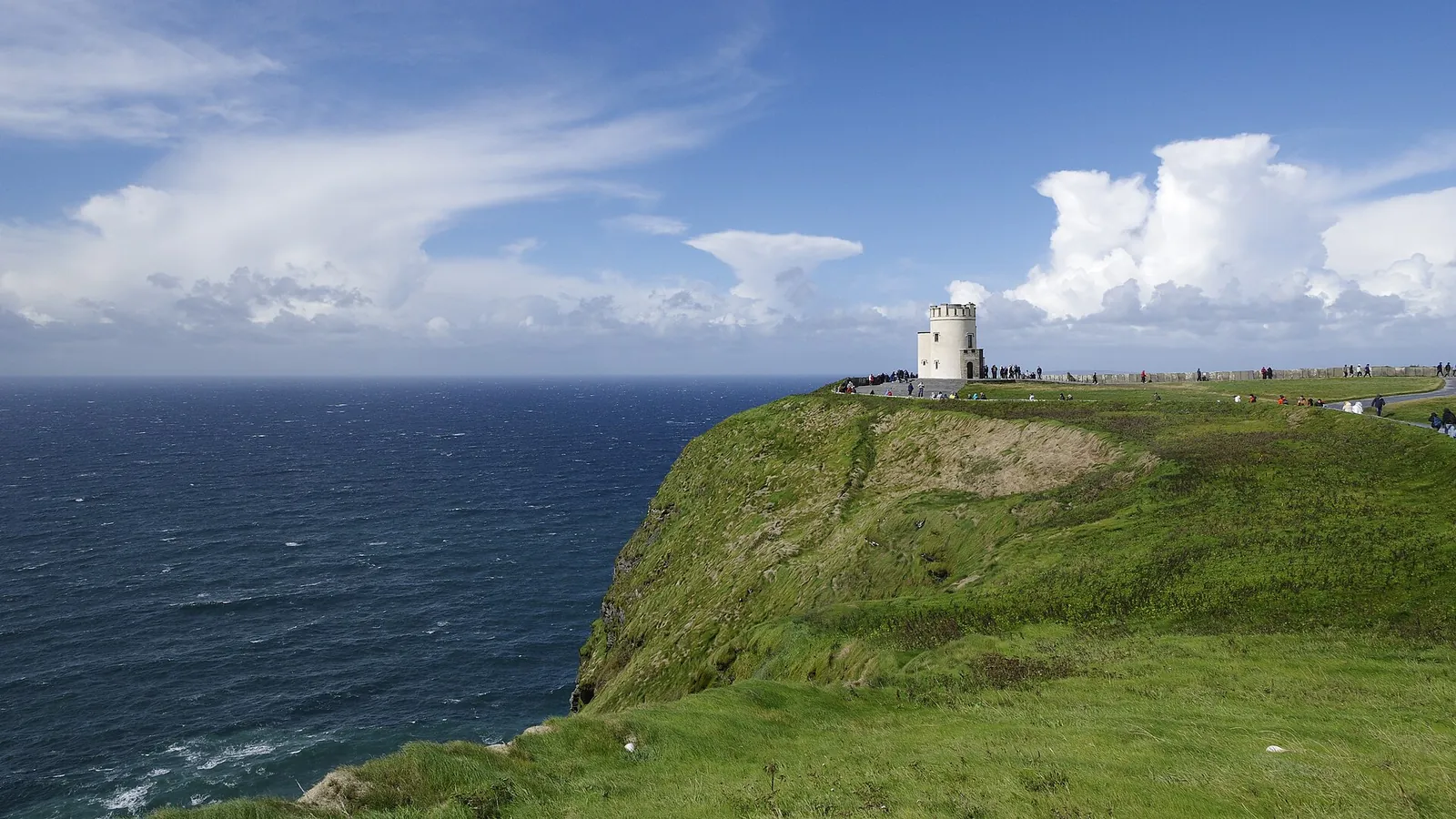
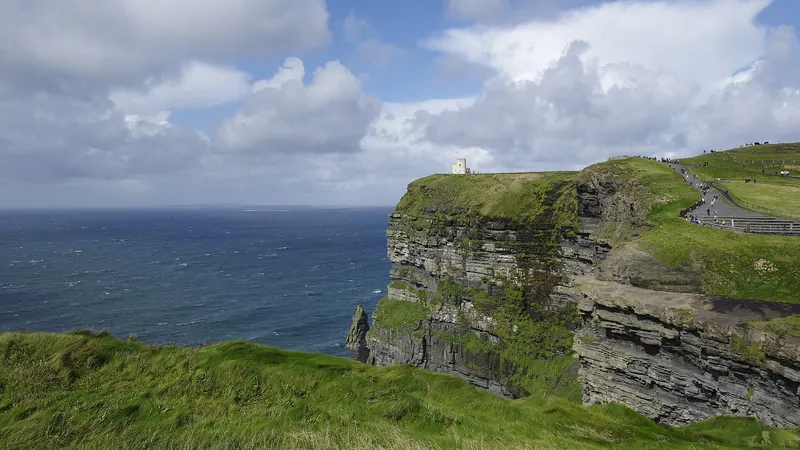
The Cliffs of Moher rising sheer from the Atlantic in County Clare, Ireland

Northern Europe

Ireland Travel Guide

A small island of green hills, sheer Atlantic cliffs and medieval towns, where a warm welcome and a good story are never far away.

  • Destinations 10 hand-picked
  • Best time May, June and September for the best balance of weather and fewer crowds
  • Ideal trip 9–12 days for a first trip

Photo: Berthold Werner · CC BY-SA 4.0

Why go to Ireland

Ireland is a small island that rewards slow travel — no single drive is ever that long, but the coast roads switchback so much, and stop at so many things worth seeing, that distances take far longer than a map suggests.

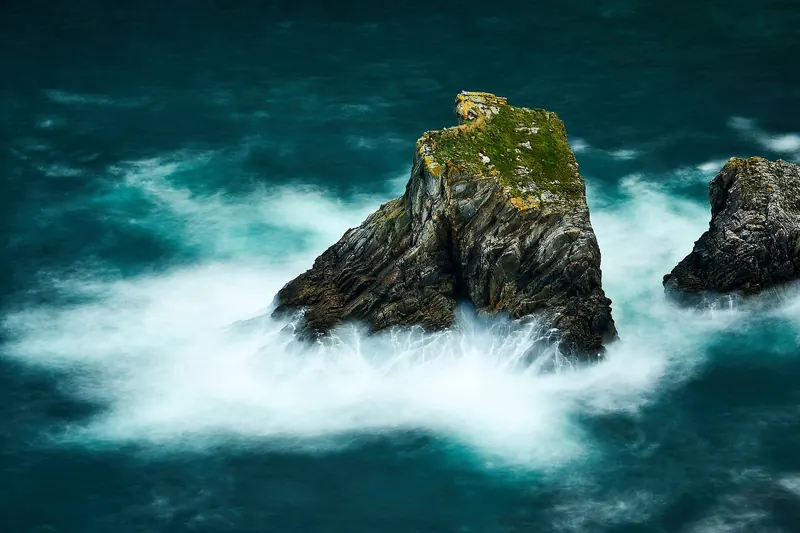
The country's real draw is its edge, where the Wild Atlantic Way traces sheer cliffs, hidden coves and stone-walled peninsulas from Donegal down to Cork, alongside a string of historic towns and a capital, Dublin, with an outsized literary and musical reputation for its size.

It's also a social country — a pub isn't just somewhere to drink but the default venue for live traditional music, conversation with strangers, and a slower pace that shapes the whole rhythm of a visit.

Where to go

Best Places to Visit in Ireland

Ordered roughly by how strongly we would recommend each for a first visit — though Donegal and the Aran Islands reward a second trip just as much as a first.

CityCulture

Dublin

Leinster

Ireland's capital, a compact, walkable city of medieval castles, world-class museums and a legendary pub and music culture.

Don't miss Standing in the Long Room of Trinity College's Old Library, beneath its barrel-vaulted ceiling and thousands of ancient volumes, feet from the Book of Kells.

Explore Destination — Dublin
CityCulture

Galway

County Galway

A compact, music-filled city on Galway Bay, known for its medieval Latin Quarter, festivals and easy access to Connemara and the west coast.

Don't miss Standing on the Spanish Arch as the tide comes in off Galway Bay, with a fiddle session already starting up in a pub across the street.

Explore Destination — Galway
CityHistory

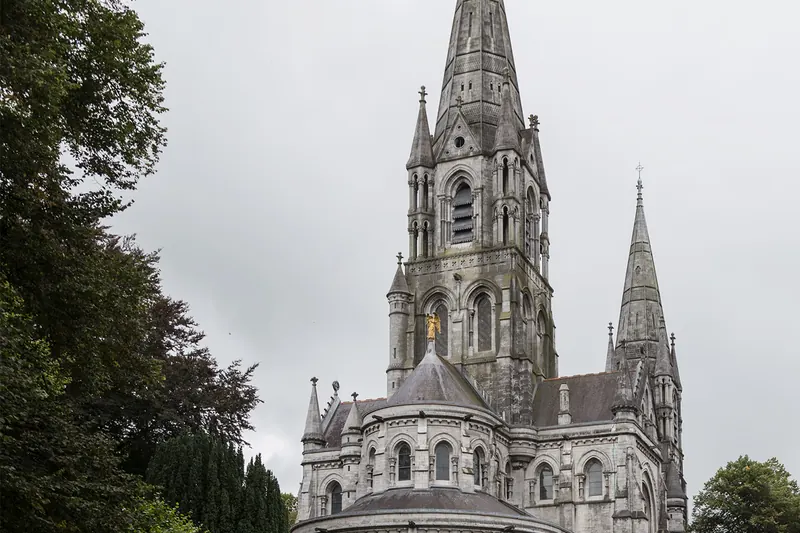
Cork & Cobh

County Cork

Ireland's food-loving second city and the historic harbour town of Cobh, the Titanic's last port of call and the departure point for millions of Irish emigrants.

Don't miss Standing at the rail of Cobh's harbourfront, looking out at the exact spot where the Titanic made her final stop before crossing the Atlantic.

Explore Destination — Cork & Cobh
Nature & WildlifeScenic Drive

Connemara

County Galway

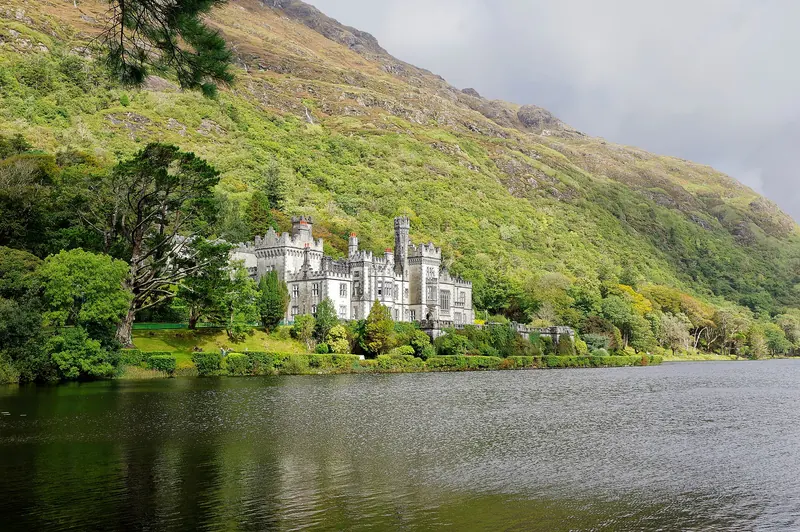
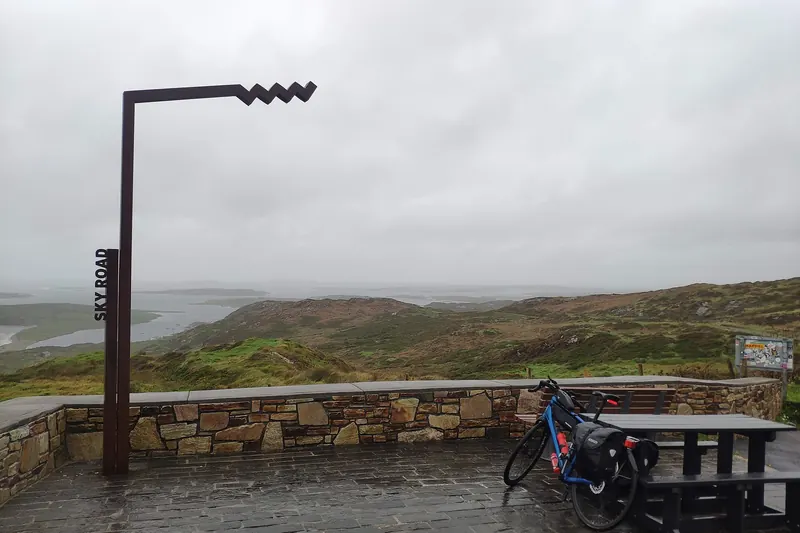
A wild stretch of bogland, mountains and jagged coastline west of Galway, home to Kylemore Abbey, wild ponies and some of Ireland's emptiest, most dramatic scenery.

Don't miss Rounding a bend on the Sky Road outside Clifden to a sudden, sweeping view of the Atlantic and its scattering of small green islands.

Explore Destination — Connemara
HistoryCulture

Kilkenny

County Kilkenny

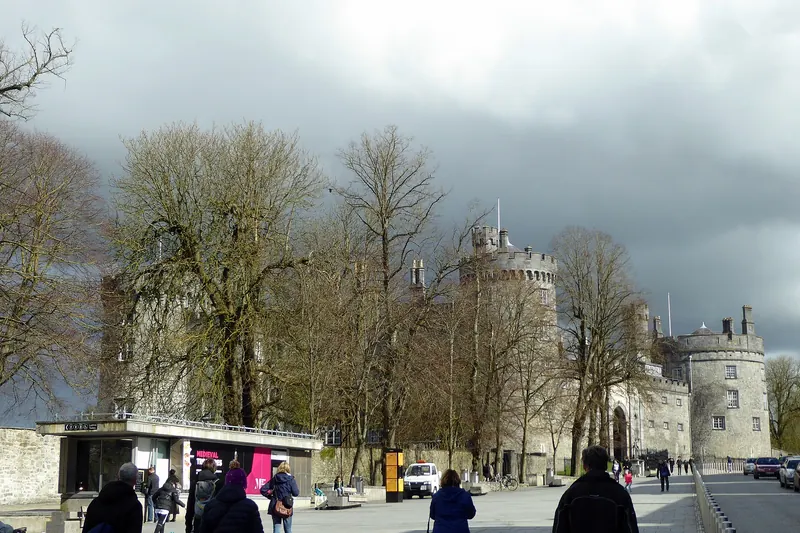
A compact, exceptionally well-preserved medieval city in southeast Ireland, anchored by its castle, a 6th-century round tower and a genuine brewing heritage.

Don't miss Walking the Medieval Mile from the castle to St Canice's Cathedral as the round tower comes into view above the rooftops.

Explore Destination — Kilkenny
Scenic DriveNature & Wildlife

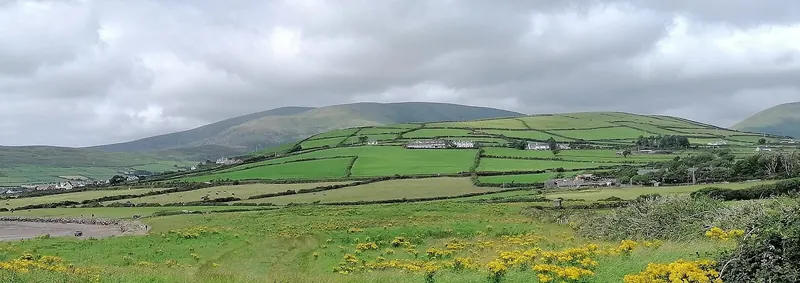
The Dingle Peninsula

County Kerry

A compact peninsula of ancient beehive huts, a dramatic mountain pass and Dingle town, one of Ireland's most beloved harbour towns for food and music.

Don't miss Cresting Conor Pass and seeing the whole peninsula spread out below, mountains dropping straight into the Atlantic on both sides.

Explore Destination — The Dingle Peninsula
Nature & WildlifeCoast & Beaches

Donegal

County Donegal

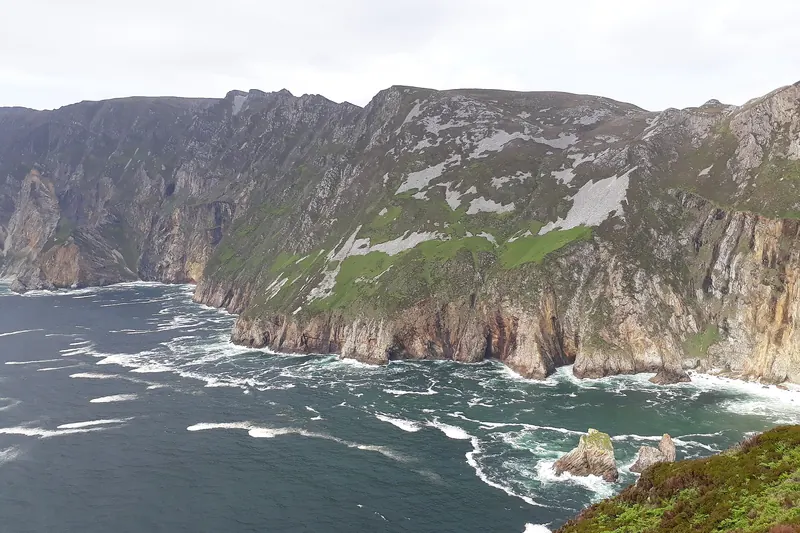
Ireland's remote northwestern county, home to Slieve League's towering sea cliffs, Glenveagh National Park and some of the country's least-visited coastline.

Don't miss Standing at the top of Slieve League as the cliffs drop 600 metres straight to the Atlantic, with barely another visitor in sight.

Explore Destination — Donegal
IslandsCulture

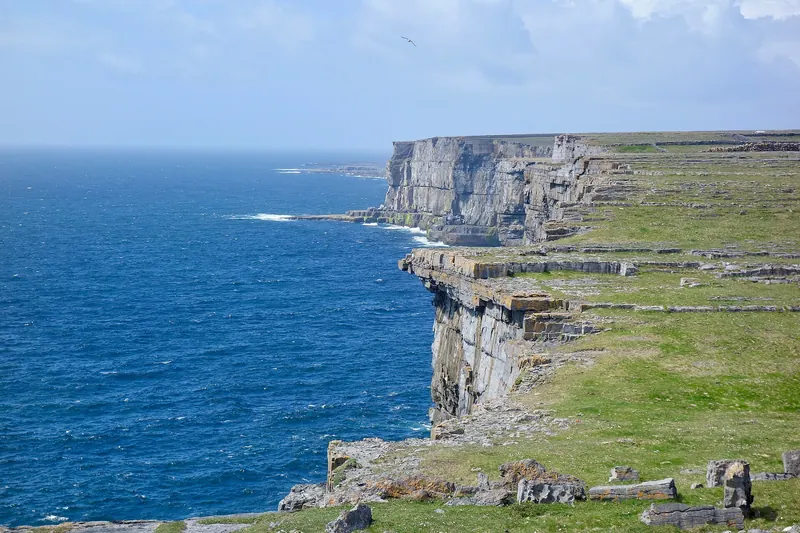
The Aran Islands

County Galway

Three small, Irish-speaking islands off Galway Bay, criss-crossed with stone walls and home to Dún Aengus, a dramatic Iron Age cliff-edge fort.

Don't miss Standing at the unguarded edge of Dún Aengus, a 2,000-year-old fort perched on a sheer 100-metre cliff, with nothing but a drop to the Atlantic below.

Explore Destination — The Aran Islands

Browse all 510 destinations

Experiences

Best things to do in Ireland

The experiences that recur across the country and that make an Ireland trip feel like more than a list of towns.

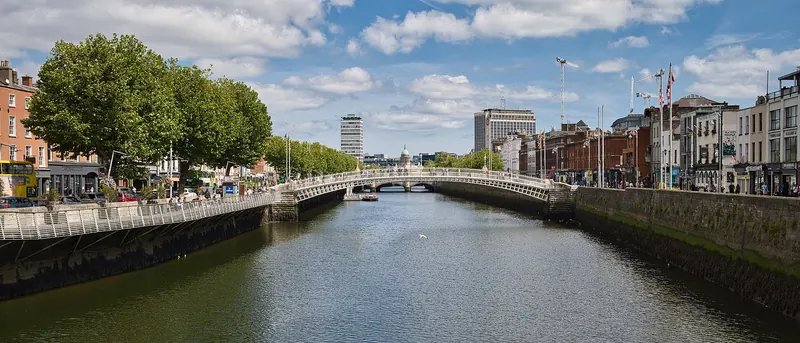
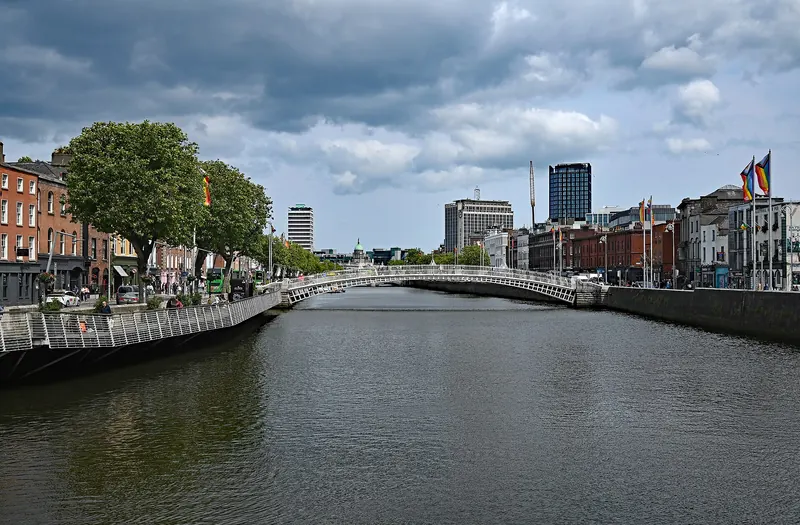
  1. The white cast-iron Ha'penny Bridge over the River Liffey in Dublin

    Cross Dublin's Ha'penny Bridge

    The classic Dublin photo, a graceful cast-iron footbridge over the River Liffey connecting the city's two halves since 1816.

    Tip The bridge is at its best lit up after dark, reflected in the Liffey.

  2. A Wild Atlantic Way signpost on Ireland's west coast

    Drive the Wild Atlantic Way

    An epic signposted coastal route stringing together cliffs, beaches and fishing villages along the entire west coast.

    Tip Nobody drives the whole thing in one trip — pick a section and take it slowly rather than rushing the distance.

  3. Hear live traditional music in a pub

    A nightly occurrence in towns across the country, informal sessions of fiddle, bodhrán and tin whistle that anyone can wander in to hear.

    Tip Arrive early for a seat near the musicians — the best sessions fill up fast with no advance notice.

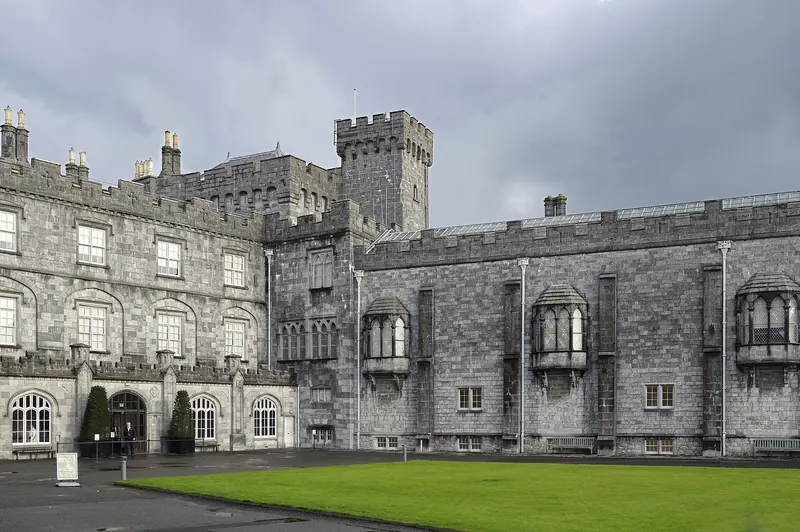
  4. Kilkenny Castle overlooking the River Nore

    Explore a medieval castle

    Everywhere, from grand restored residences to ivy-covered ruins in open fields, a visible layer of the country's long history.

    Tip Smaller, free-to-enter ruined castles are often as atmospheric as the famous paid ones.

  5. The Slieve League sea cliffs in County Donegal

    Walk a dramatic sea-cliff trail

    Among Europe's best coastal walking, with cliff-edge paths at the Cliffs of Moher, Slieve League and countless quieter headlands.

    Tip Stay well back from cliff edges — sudden gusts are a real hazard even on calm-looking days.

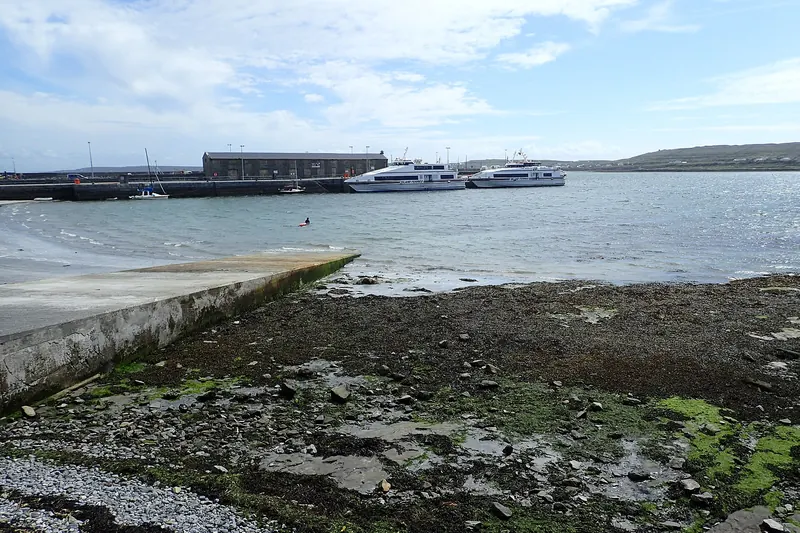
  6. The harbour at Kilronan on Inis Mór, the largest Aran Island

    Take the ferry to the Aran Islands

    A step back in time, three small islands off Galway Bay where Irish is still the everyday language and stone walls outnumber people.

    Tip Rent a bicycle on arrival — it's the best way to cover Inis Mór's quiet lanes at an easy pace.

Food and drink

Ireland foods to try

Irish food's quiet reputation abroad rarely does justice to excellent seafood, dairy and a hearty, unpretentious pub-food tradition.

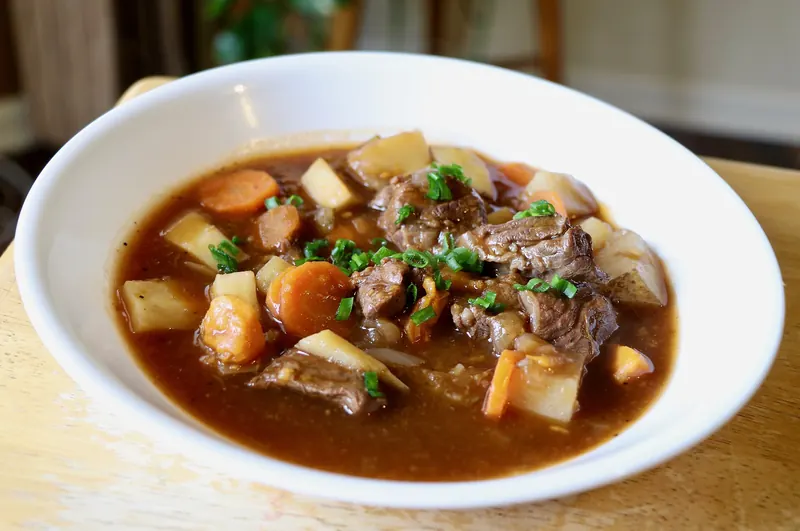
  • A bowl of hearty Irish stew

    Irish stew

    The national dish, a simple, slow-cooked stew traditionally made with lamb, potatoes and root vegetables.

    Where to try it Traditional pubs nationwide, especially on a cold or wet day.

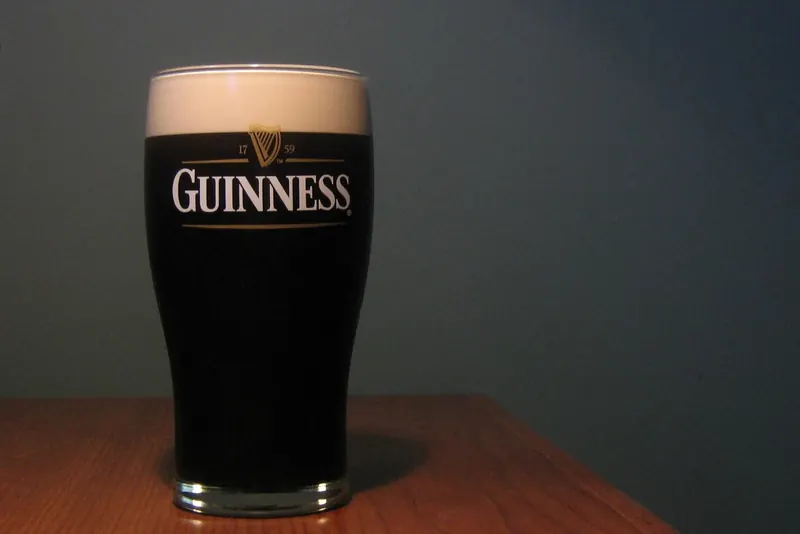
  • A freshly poured pint of Guinness stout

    A pint of Guinness

    Tastes different here, poured with the traditional two-part method and served fresh from breweries across the country.

    Where to try it Any traditional pub — locals have strong opinions on which pours it best.

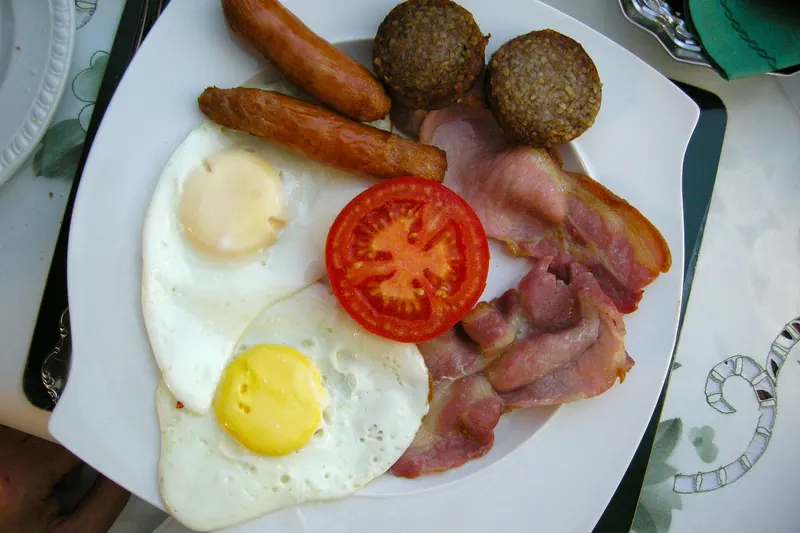
  • A full Irish breakfast with rashers, sausages, egg and black pudding

    Full Irish breakfast

    A substantial start to the day — rashers, sausages, eggs, black and white pudding, and often boxty on the side.

    Where to try it Cafés, B&Bs and hotels nationwide.

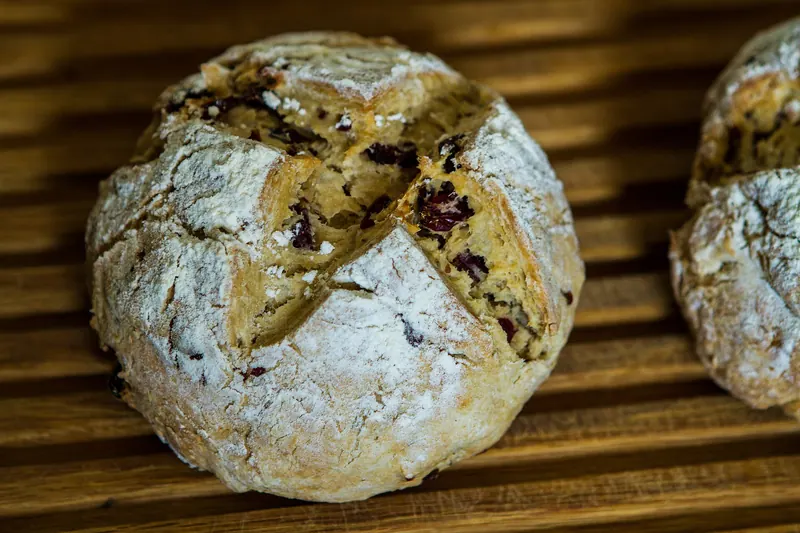
  • A loaf of traditional Irish soda bread

    Irish soda bread

    An essential daily staple, a dense, slightly sweet bread leavened with buttermilk rather than yeast.

    Where to try it Bakeries, cafés and alongside soup or stew nationwide.

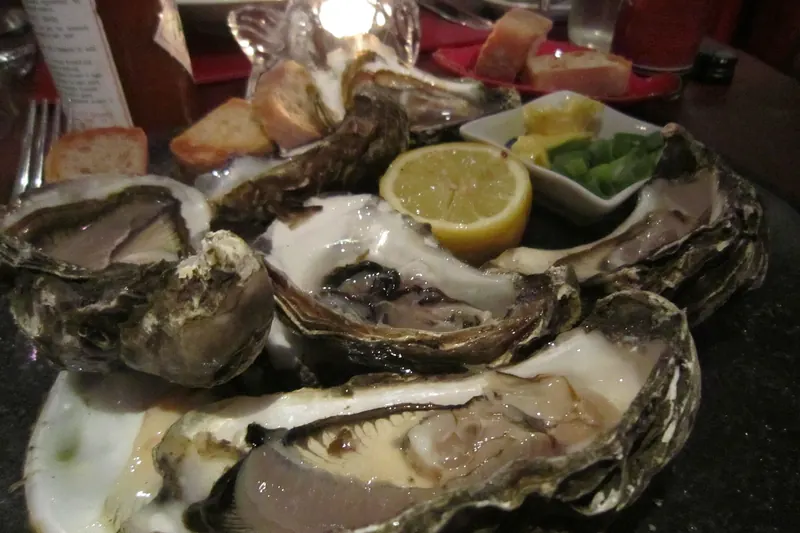
  • A plate of fresh oysters, an Irish coastal specialty

    Fresh oysters

    Some of Europe's best, harvested along the west coast and celebrated every September at Galway's international oyster festival.

    Where to try it Seafood restaurants and pubs along the west coast, especially around Galway.

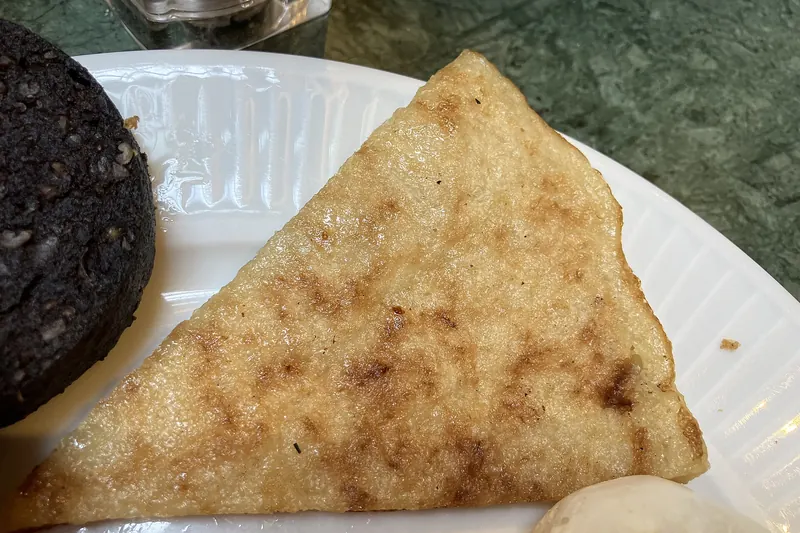
  • Boxty, a traditional Irish potato pancake

    Boxty

    A traditional potato pancake, crisp outside and soft within, served plain or wrapped around a savoury filling.

    Where to try it Traditional restaurants nationwide, especially in the west and northwest.

Before you go

Practical travel information for Ireland

The essentials, current for 2026. Ireland is easy to travel in, with unpredictable weather and rural driving distances the two practicalities that most often catch visitors out.

Capital
Dublin
Language
English and Irish (Gaelic), both official; English is used in practice almost everywhere outside Gaeltacht regions.
Currency
Euro (€)
Cards and cash
Card-first in cities and towns, though small rural pubs and shops sometimes still prefer cash.
Entry and visas
Visa-free entry for up to 90 days for many nationalities including the US, Canada, Australia and UK, under Ireland's own national rules — Ireland is not part of the Schengen Area.
Power sockets
Type G (three-pin, same as the UK), 230 V, 50 Hz.
Emergency number
112 or 999 for police, ambulance and fire, nationwide.
Tipping
Not obligatory — 10% for good restaurant service is appreciated, and rounding up is common in pubs and cafés.
Safety
Very safe overall, with low rates of violent crime. Petty theft in Dublin's busier tourist areas and hazardous cliff edges nationwide are the real practical risks.
Internet and SIM
Excellent 4G and 5G coverage in cities and towns, patchy in remote parts of the west coast and the islands.
Time zone
Greenwich Mean Time (UTC+0), Irish Standard Time (UTC+1) late March to late October.

Daily budget guide (per person)

Backpacker
€60–90 per day — hostels, self-catering, buses
Mid-range
€120–200 per day — guesthouses, restaurant meals, a rental car
Comfortable
€250–400 per day — hotels, fine dining, private tours
Car rental
From about €35–60 per day — the best way to see the west coast

Excludes international flights. Figures are typical rather than absolute — cities and peak season run higher.

When to go

Best time to visit Ireland

Ireland is a year-round destination, but its notoriously changeable weather makes shoulder season the sweet spot for most visitors.

  • Late spring (May–June)

    Best time

    The best odds of dry, mild weather with long daylight hours and fewer crowds than midsummer.

  • Summer (July–August)

    Good

    The warmest and busiest season, with the longest days, though also the most popular and priciest time to visit.

  • Early autumn (September)

    Good

    A quieter, often surprisingly mild window with thinner crowds than summer.

  • Winter (November–February)

    Good

    Short days and frequent rain and wind, though atmospheric, with cosy pubs and far fewer visitors.

Worth planning around: Expecting reliably dry weather in any season — a waterproof jacket is essential year-round, whatever the forecast says.

Trip length

How long to spend in Ireland

Ireland's compact size makes a satisfying loop possible in under two weeks, without the rushed feeling of a longer, larger country.

  • 3–4 days

    Dublin alone, or Dublin with a day trip to Kilkenny or the Wicklow countryside.

    Enough for the capital's major sights at a relaxed pace.

  • 5–7 days

    Dublin plus a loop through Kilkenny, Cork and Killarney or the Cliffs of Moher.

    A solid taste of both the capital and the southwest coast.

  • 9–12 days

    The itinerary on this page: a full loop from Dublin through the south and west coast to Galway.

    A complete first look at Ireland's classic highlights.

  • 2 weeks or more

    Add Connemara, Donegal and the Aran Islands in full, all worth dedicated time rather than a rushed detour.

    The northwest and the islands are where a second Ireland trip belongs.

Getting around

Transportation in Ireland

A rental car is the standard way to see rural Ireland — trains and buses cover the main towns well, but the coast roads are built for driving.

  • Rental car

    Essential for the Ring of Kerry, Dingle and Connemara at a flexible pace.

    Driving is on the left, and rural roads are narrower than they look on a map.

  • Intercity trains

    Comfortable and direct between Dublin, Cork, Galway and Kilkenny.

    Iarnród Éireann's main lines radiate out from Dublin's two mainline stations.

  • Intercity buses

    Reach nearly everywhere the trains don't, including smaller towns across the west.

    Bus Éireann and private operators cover the full country at a lower cost than the train.

  • Domestic and regional ferries

    Essential for reaching the Aran Islands and other offshore islands.

    Regular sailings run from Galway, Doolin and Rossaveal, weather permitting.

  • Domestic flights

    A fast link between Dublin and Donegal or Kerry for a time-limited trip.

    Rarely necessary given the country's compact size, but useful on a short schedule.

Sample route

Nine days in Ireland

A classic loop from Dublin down through the southeast and southwest to the west coast, ending in Galway. Covers seven of the ten destinations in this guide.

  1. Day1

    Arrive in Dublin

    • Morning Land in Dublin and check in to your hotel.
    • Afternoon Walk Trinity College and the Book of Kells.
    • Evening Dinner and a first pint in Temple Bar.
  2. Day2

    Dublin's sights

    • Morning The Guinness Storehouse and Dublin Castle.
    • Afternoon Kilmainham Gaol and Phoenix Park.
    • Evening A traditional music session in a city-centre pub.
  3. Day3

    On to Kilkenny

    • Morning Drive south to Kilkenny.
    • Afternoon Kilkenny Castle and the Medieval Mile.
    • Evening Dinner in the medieval city centre.
  4. Day4

    Cork and Cobh

    • Morning Drive to Cork and browse the English Market.
    • Afternoon Blarney Castle, or the harbour town of Cobh.
    • Evening Dinner in central Cork.
  5. Day5

    Into Killarney National Park

    • Morning Drive to Killarney and settle in.
    • Afternoon Killarney National Park and Muckross House.
    • Evening Dinner in Killarney town.
  6. Day6

    The Ring of Kerry

    • Morning Set off early on the full Ring of Kerry loop.
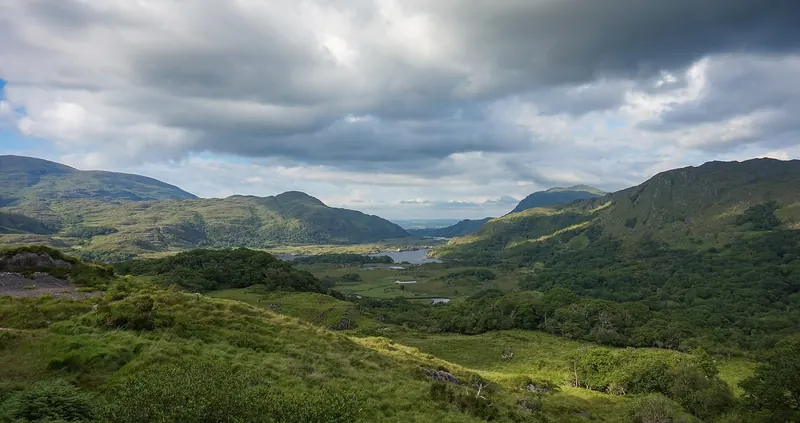
    • Afternoon Stop at Ladies View and the Gap of Dunloe.
    • Evening Return to Killarney for the night.
  7. Day7

    The Dingle Peninsula

    • Morning Drive to Dingle town.
    • Afternoon The Slea Head Drive past beehive huts and cliffs.
    • Evening Dinner and live music in Dingle town.
  8. Day8

    The Cliffs of Moher and the Burren

    • Morning Drive north to County Clare.
    • Afternoon Walk the Cliffs of Moher and the Burren's limestone landscape.
    • Evening Dinner in Doolin, known for its traditional music.
  9. Day9

    Galway and departure

    • Morning Drive to Galway and explore the Latin Quarter.
    • Afternoon The Spanish Arch and Galway Cathedral.
    • Evening Depart from Galway or return to Dublin.

Culture

Culture and etiquette in Ireland

Irish culture is shaped by a genuine warmth toward visitors, a deep love of conversation and storytelling, and a lived connection to music and literature that runs through everyday life, not just performance venues.

  • Buying rounds is a pub tradition

    In a group, it's customary to take turns buying a round of drinks for everyone present.

  • Small talk with strangers is welcomed

    Chatting with people in a pub queue or on a bus is completely normal and often expected.

  • Irish humour leans dry and self-deprecating

    Gentle slagging between friends is a sign of affection, not hostility.

  • Punctuality is relaxed for social plans

    Arriving a little late to a casual meetup is rarely an issue, though business meetings expect promptness.

  • Tipping is modest

    Around 10% at restaurants is generous; it's not expected in pubs for a round of drinks.

  • Weather changes fast, and locals plan around it

    Don't be surprised if plans shift with the forecast — it's a normal part of daily life.

Do

  • Join in if invited to buy a round at the pub — it's how the tradition works.
  • Book popular restaurants and B&Bs ahead in summer, especially along the west coast.
  • Bring a proper waterproof jacket regardless of season or forecast.
  • Slow down for narrow rural roads — locals know the bends better than visitors.

Don't

  • Don't expect to rush between west-coast towns — the roads are scenic but slow.
  • Don't ignore posted warnings at cliff edges — sudden gusts are a real, serious hazard.
  • Don't assume every pub session is a tourist performance — many are just locals playing for themselves.
  • Don't skip travel insurance — rural medical access can involve real distances.

Travel tips

Ireland travel tips

The things that most often go wrong on an Ireland trip, in rough order of how much they cost people.

  • Book accommodation and popular restaurants well ahead for a June–August trip, especially in Killarney, Dingle and Galway.
  • Pack a proper waterproof layer regardless of season — Ireland's weather changes within the same day.
  • Rent a car with a driver comfortable on narrow, high-hedged rural roads, especially for the Ring of Kerry and Dingle.
  • Budget extra time for west-coast drives — the roads are scenic but much slower than the map distance suggests.
  • Never approach cliff edges at the Cliffs of Moher or Slieve League without care — sudden gusts are a genuine hazard.
  • Check ferry schedules and weather before any Aran Islands day trip — sailings are weather-dependent.
  • Carry some cash for small rural pubs and shops, even though cards are widely accepted elsewhere.
  • Book Titanic and Guinness Storehouse-style timed-entry attractions online ahead to skip the queue.

FAQ

Visiting Ireland: frequently asked questions

How many days do you need in Ireland?

Nine to twelve days covers Dublin and a loop through the south and west coast comfortably, which is the itinerary on this page. Four to five days is enough for Dublin and one nearby region, and still worthwhile.

What is the best time of year to visit Ireland?

May, June and September offer the best balance of mild weather and thinner crowds. July and August are warmest but busiest and most expensive.

Do you need a car in Ireland?

For the west coast, yes — a rental car is the standard way most visitors see the Ring of Kerry, Dingle and Connemara. Trains and buses cover the main towns well without one.

Is Ireland expensive?

Moderately, on the higher side for Europe — mid-range travel runs about €120–200 per person per day. Self-catering and guesthouses help keep costs down.

Is Ireland part of the Schengen Area?

No, not — Ireland has its own visa rules, distinct from mainland Europe's Schengen Area, though the same 90-day visa-free window applies to many nationalities.

Is Ireland safe to visit?

Yes, very safe, with low rates of violent crime. Watch for petty theft in Dublin's busiest tourist areas and take real care at coastal cliff edges.

Ready to plan your Ireland trip?

The full travel guide covers routes, budgets, regional differences and how to string these ten destinations into a trip that actually works.

Read the Ireland travel guide

Advertisement