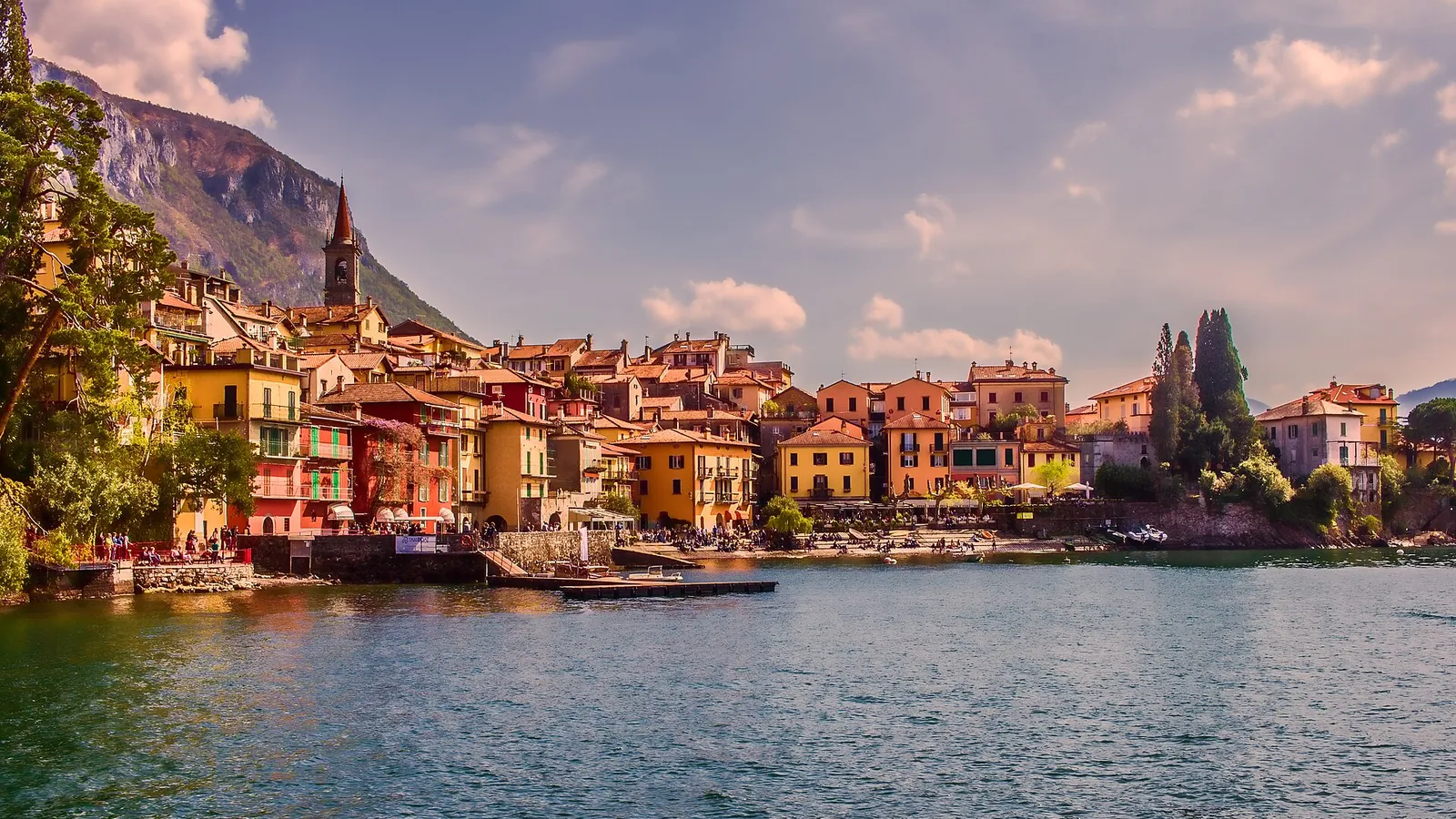
The lakeside village of Varenna on Lake Como with mountains rising behind it

Southern Europe

Italy Travel Guide

More UNESCO World Heritage Sites than any other country, twenty regions that cook completely differently, and the Alps and the Mediterranean in the same day's drive.

  • Destinations 10 hand-picked
  • Best time April–June and September–October
  • Ideal trip 10–14 days for a first trip

Photo: Ray in Manila · CC BY 2.0

Why go to Italy

Italy has more UNESCO World Heritage Sites than any other country, which is a statistic that undersells the problem rather than solving it. The real difficulty of planning an Italian trip is that the famous three — Rome, Florence, Venice — are as good as their reputations, and are also the most crowded places in the country, and are also less than a fifth of what is worth seeing.

The country only unified in 1861, and before that it was a collection of kingdoms, republics, duchies and papal territories that spent centuries competing with each other. That history is why every provincial town has a cathedral and a picture gallery that would be a national treasure elsewhere, why the food changes completely every hundred kilometres, and why a Milanese and a Sicilian will tell you they have almost nothing in common.

Geographically it runs 1,200 km from the Alps to within 150 km of Africa. You can ski in the Dolomites in the morning and, in the same country, swim off a Salento beach that looks Caribbean. The practical consequence is that Italy rewards going deep on one or two regions far more than it rewards a lap of the greatest hits — and that the less obvious regions, Puglia and Sicily especially, deliver more per day than a fourth museum in Florence.

Where to go

Best Places to Visit in Italy

Ordered roughly by how strongly we would recommend each for a first visit — though the last five are where a second or third Italian trip should go, and several are better value than the first five.

Capital CityHistoric Site

Rome

Lazio

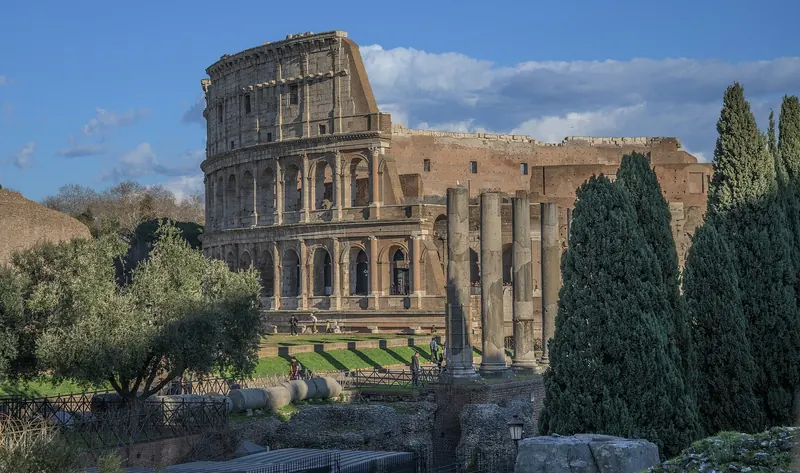
The only capital where a Roman amphitheatre, a Renaissance basilica and a Baroque fountain are all a ten-minute walk apart, and where the best paintings are free in parish churches.

Don't miss The Pantheon — a working building since AD 126, still holding the largest unreinforced concrete dome on earth.

Explore Destination — Rome
Historic SiteCulture & Arts

Florence & Tuscany

Tuscany

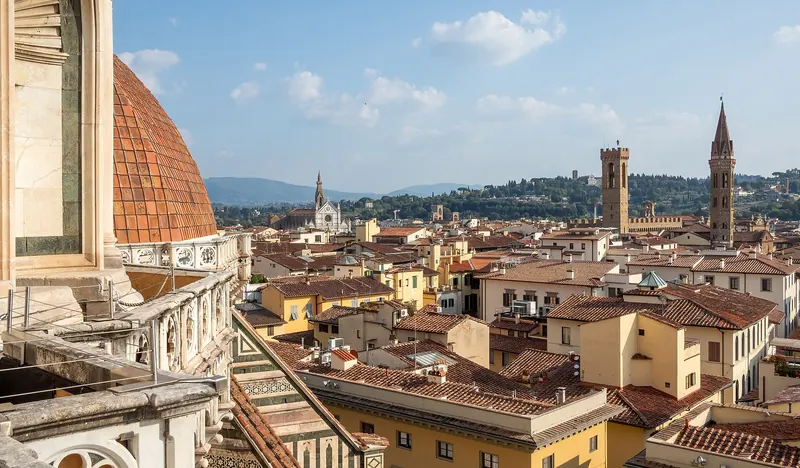
A compact city holding the densest concentration of Renaissance art anywhere, with Chianti, Siena and the Val d'Orcia within an hour of its walls.

Don't miss Brunelleschi's dome of 1436 — still the largest masonry dome ever built, and you can climb inside it.

Explore Destination — Florence & Tuscany
Historic SiteUNESCO Site

Venice

Veneto

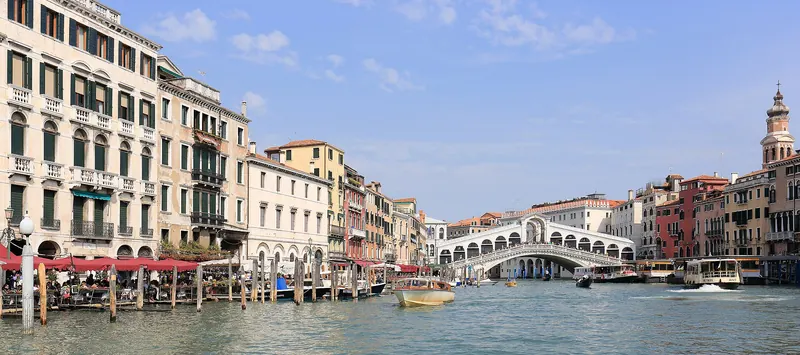
The strangest working city in Europe — Byzantine mosaics, Tintoretto by the acre, cicchetti bars down alleys, and a lagoon of glass furnaces and coloured houses behind it.

Don't miss The Grand Canal from the deck of a number 1 vaporetto, which costs the price of a bus ticket.

Explore Destination — Venice
Coast & BeachesUNESCO Site

The Amalfi Coast

Campania

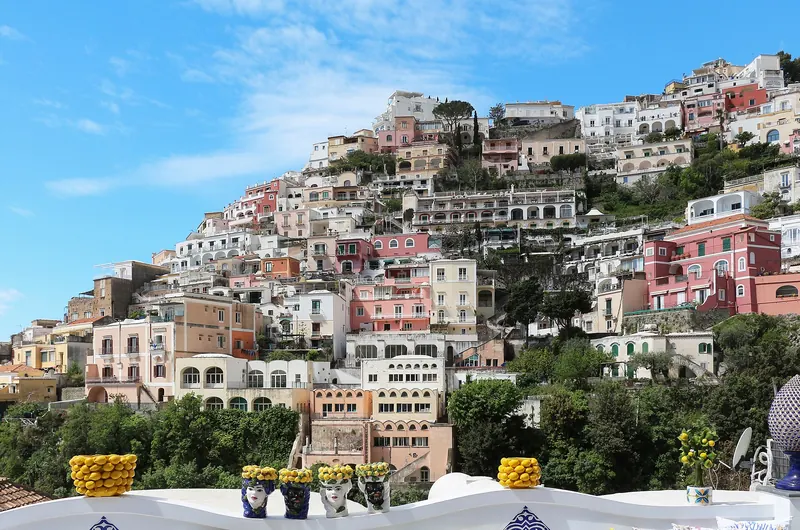
A UNESCO-listed stretch of Campanian cliff with lemon terraces, ceramic-domed churches, a Norman-Arab cathedral at Amalfi and Ravello's gardens hanging over the sea.

Don't miss The Path of the Gods — a ridge trail 600 metres above the water, looking down on Positano and across to Capri.

Explore Destination — The Amalfi Coast
Major CityArchaeology

Naples & Pompeii

Campania

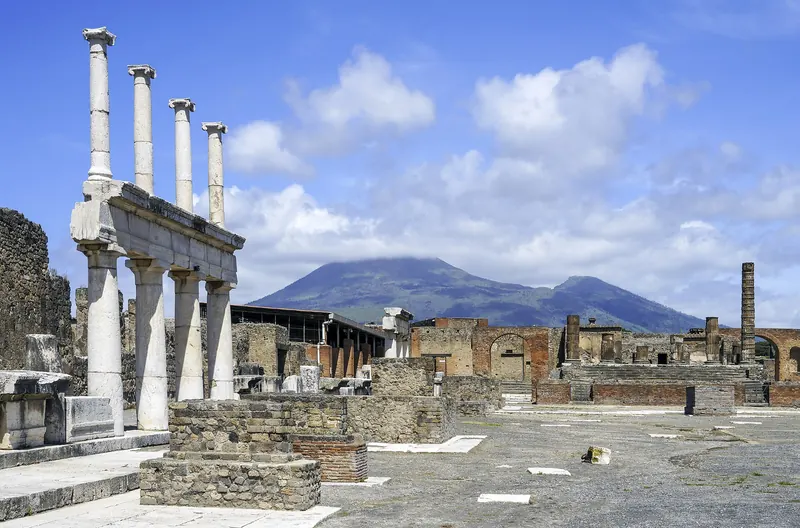
A UNESCO-listed historic centre of Greek street plans and Baroque churches, the museum holding everything dug out of Pompeii, and the birthplace of pizza.

Don't miss Pompeii — 66 hectares of a Roman town stopped mid-morning in AD 79, with the volcano that did it still on the skyline.

Explore Destination — Naples & Pompeii
IslandArchaeology

Sicily

Sicily

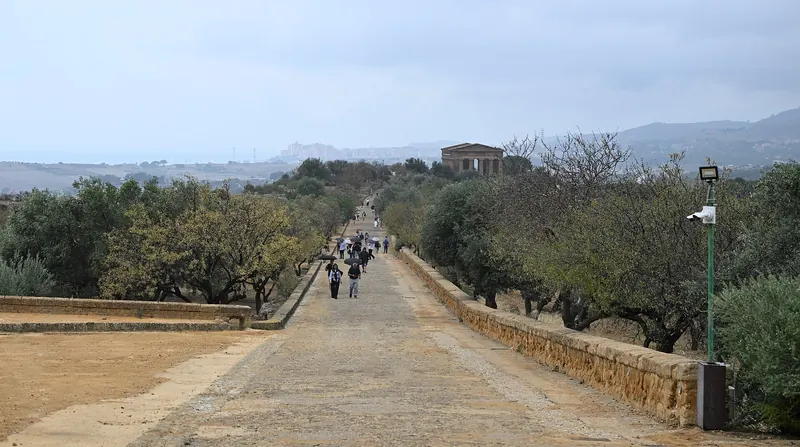
The Mediterranean's largest island and its most layered: Greek, Roman, Arab, Norman, Spanish and Baroque, with the best food in Italy and seven UNESCO listings.

Don't miss The Temple of Concordia at Agrigento — a Doric temple of the 440s BC still standing almost complete.

Explore Destination — Sicily
Coast & BeachesUNESCO Site

The Cinque Terre

Liguria

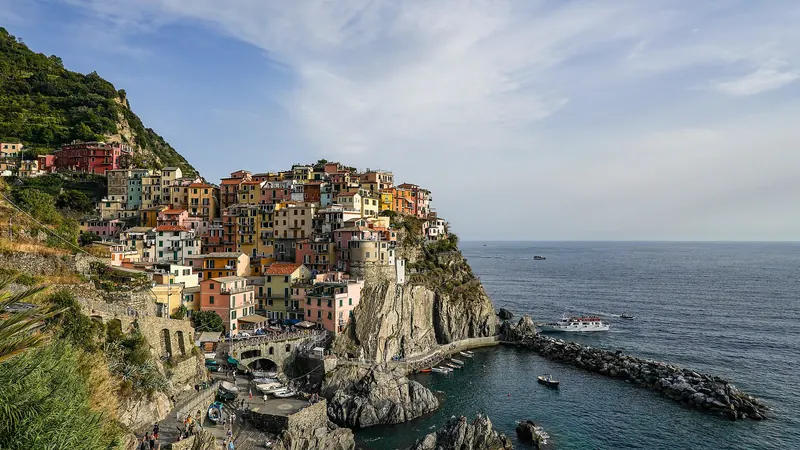
A UNESCO cultural landscape on the Ligurian coast where vines are grown on cliff terraces, no cars reach the villages, and the local train is the bus.

Don't miss Walking the coast path between the villages, four hundred metres above the sea on walls built by hand over eight centuries.

Explore Destination — The Cinque Terre
MountainsUNESCO Site

The Dolomites

Trentino-Alto Adige and Veneto

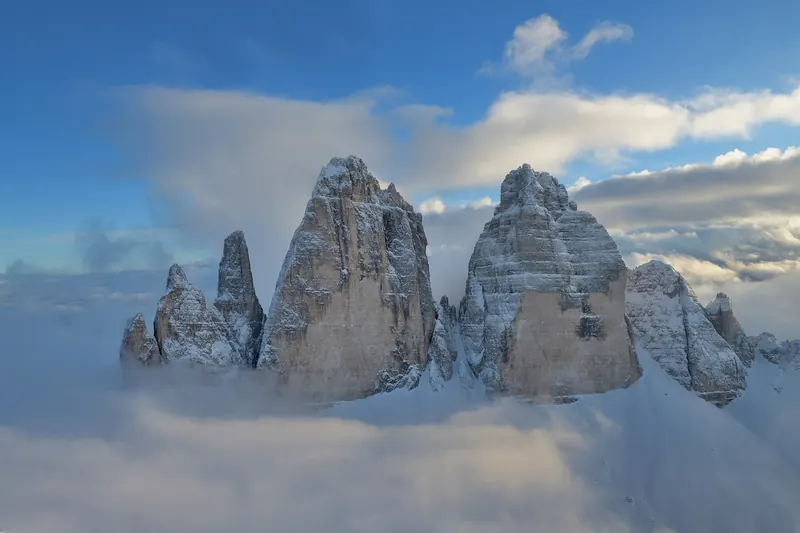
A UNESCO-listed range of nine mountain systems, with cable cars to 2,500 metres, mountain huts serving lunch, and a First World War front line still visible in the rock.

Don't miss The Tre Cime di Lavaredo — three vertical rock towers with a ten-kilometre loop path around their base.

Explore Destination — The Dolomites
Historic SiteUNESCO Site

Puglia & Matera

Puglia and Basilicata

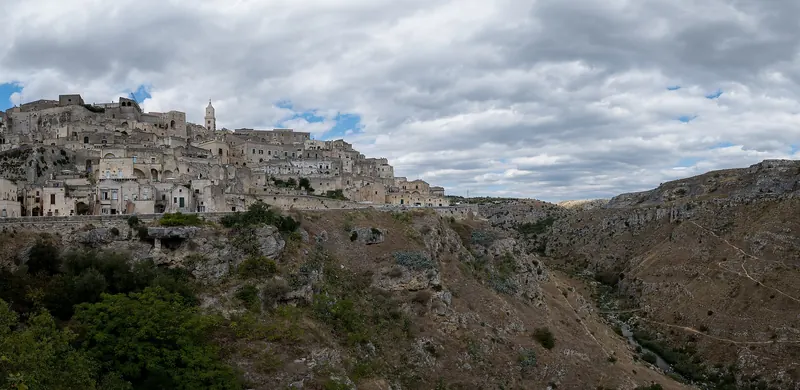
The heel of Italy and the region above it: 800 km of coast, olive groves that have been worked since antiquity, three UNESCO sites and the best value in the country.

Don't miss The Sassi of Matera — a whole town carved into a ravine, lived in for millennia, emptied in the 1950s and reoccupied since.

Explore Destination — Puglia & Matera
Major CityCulture & Arts

Milan

Lombardy

The city most Italian itineraries skip, holding one of Europe's great cathedrals, a Leonardo fresco you must book months ahead, and a design culture that shapes how the world looks.

Don't miss The roof of the Duomo, among 135 marble spires, with the Alps on the horizon on a clear day.

Explore Destination — Milan

Browse all 510 destinations

Experiences

Best things to do in Italy

The experiences that recur the length of the country, and that make an Italian trip feel Italian rather than simply European.

  1. Take the passeggiata seriously

    The evening walk before dinner, done by everyone, in their good clothes, up and down the main street or around the piazza. It is the most reliable way to see a town as it actually is rather than as it presents itself to visitors.

    Tip Between roughly 18:00 and 20:00. Smaller towns do it better than big cities.

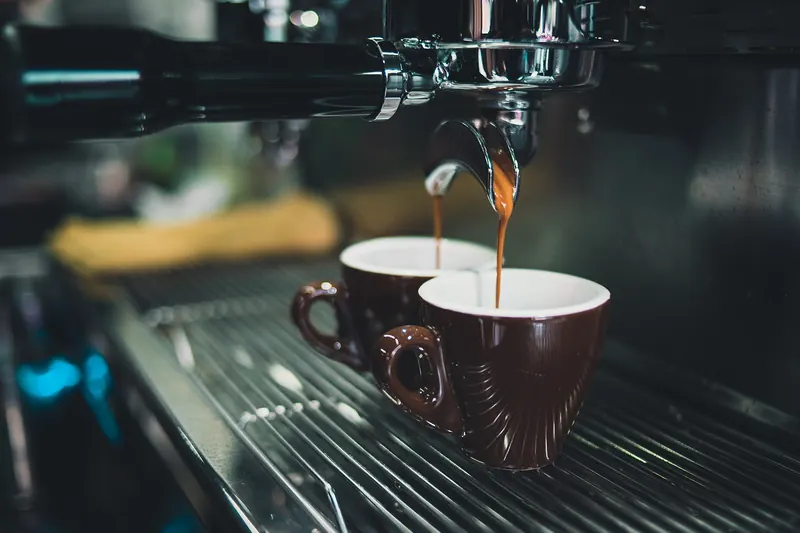
  2. Espresso cups at a bar counter

    Drink your coffee standing up

    At the bar, in one gulp, for about a euro. Sitting at a table can cost three or four times as much for exactly the same espresso, and in some places you pay at the till first and take the receipt to the barista.

    Tip Cappuccino is a morning drink. Ordering one after lunch marks you out, though nobody will actually mind.

  3. Eat what the region eats

    Italian food is not national, it is municipal. Carbonara belongs to Rome, pesto to Liguria, cotoletta to Milan, orecchiette to Puglia. Ordering the local dish is almost always the best decision on the menu.

    Tip If a menu offers pizza, pasta and steak with photographs, walk on. If it offers six things you have not heard of, sit down.

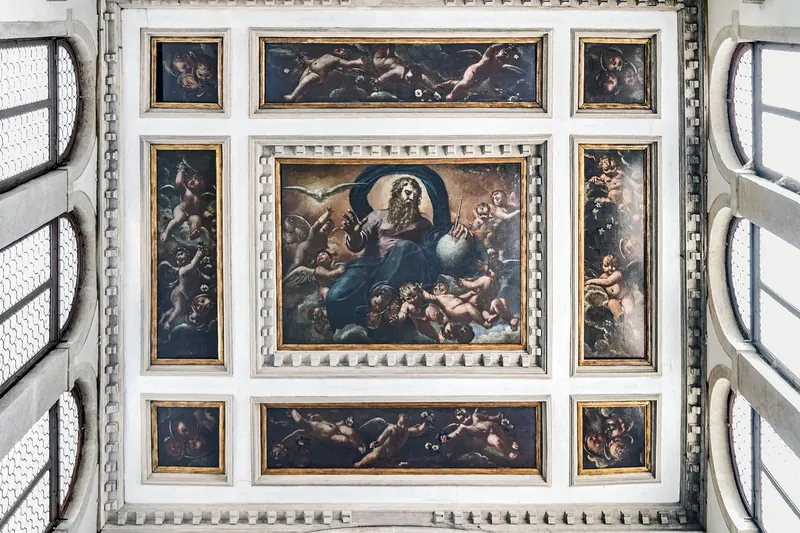
  4. A fresco inside an ordinary Italian parish church

    Walk into churches

    Ordinary parish churches routinely hold Caravaggios, Titians and Giottos, free and unattended. Some of the best paintings in Italy are not in museums at all — they are where they were painted to be.

    Tip Cover shoulders and knees, carry coins for the light boxes that illuminate side chapels, and avoid Mass times.

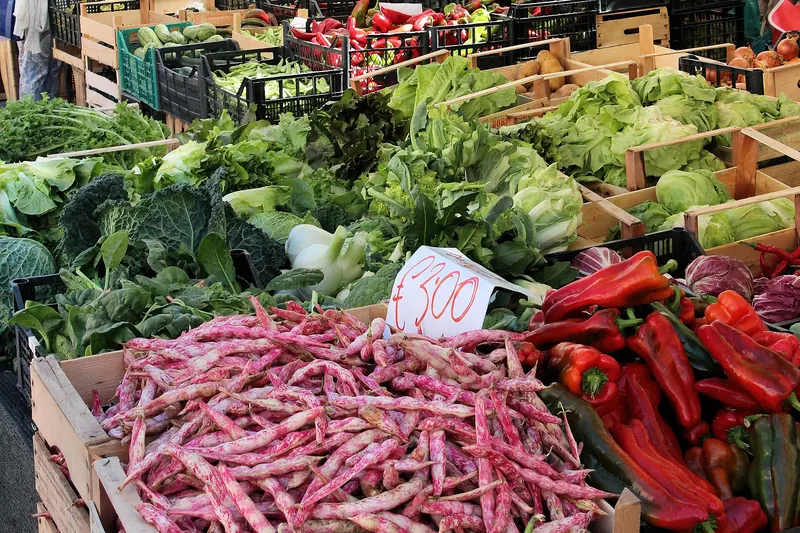
  5. A vegetable stall at an Italian morning market

    Go to the market in the morning

    Every town has one, and by one o'clock it is over. Markets are where the regional differences are most obvious — the vegetables, the cheeses, the cuts of meat and the arguments are all local.

    Tip Palermo's Ballarò, Bologna's Quadrilatero, Venice's Rialto and Florence's Sant'Ambrogio are among the best.

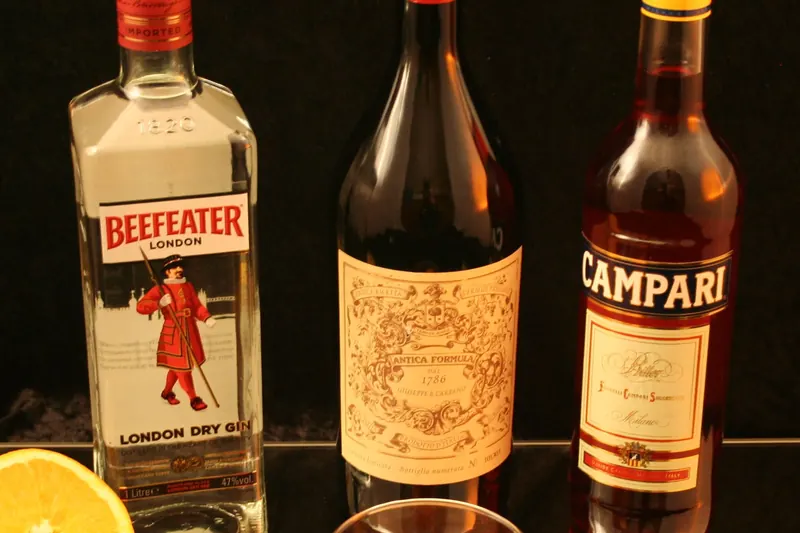
  6. A Negroni and its ingredients, the classic Italian aperitivo

    Take the aperitivo hour

    A drink between about 18:00 and 20:00 that comes with food — olives and crisps at minimum, a laid-out buffet in Milan. It is a social institution rather than a happy hour, and in the north it can replace dinner.

    Tip A spritz in the Veneto, a Negroni in Tuscany, a Campari in Milan. Ask for the local one.

Food and drink

Italy foods to try

There is no such thing as Italian food, only the food of twenty regions that were separate countries until 1861 and have not forgiven each other since. These are the threads that run through all of them.

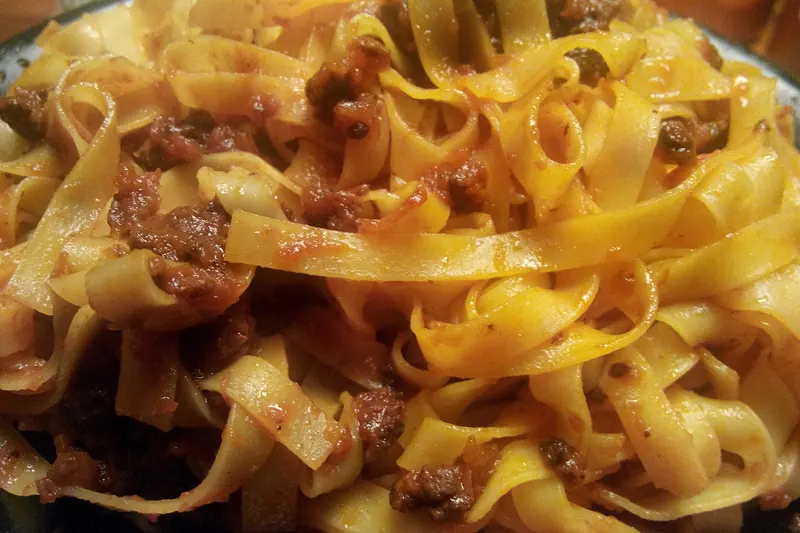
  • Tagliatelle al ragù, Bologna's regional pasta

    Pasta, regionally

    Shape and sauce are matched by region and defended fiercely: carbonara, cacio e pepe, amatriciana and gricia in Rome; trofie al pesto in Liguria; orecchiette with turnip tops in Puglia; pasta alla Norma in Sicily; ragù in Bologna.

    Where to try it Whichever region you are in. Ordering Bolognese in Rome is the culinary equivalent of asking for chips.

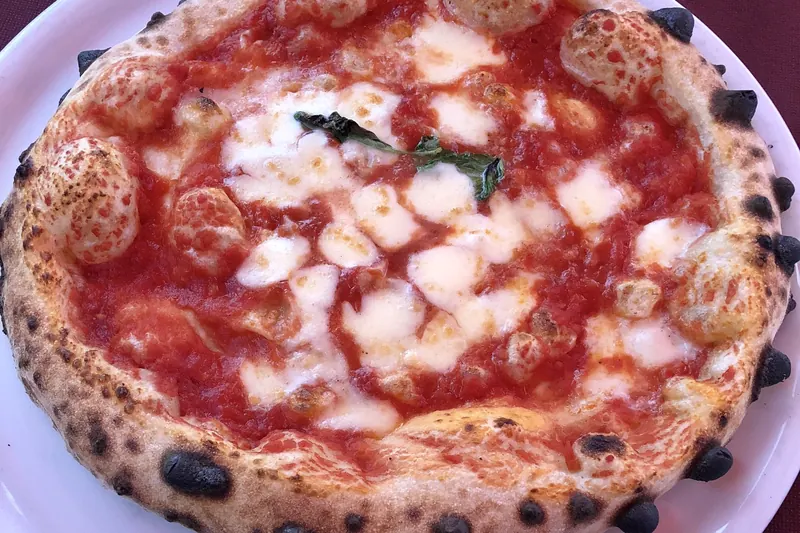
  • A leopard-spotted Neapolitan pizza

    Pizza, and its two schools

    Neapolitan pizza — soft, blistered, wet in the middle, cooked in 90 seconds — is a UNESCO-listed craft. Roman pizza is thin and crisp, and pizza al taglio is sold by weight from a tray and eaten walking.

    Where to try it Naples for the original, Rome for al taglio at any decent forno.

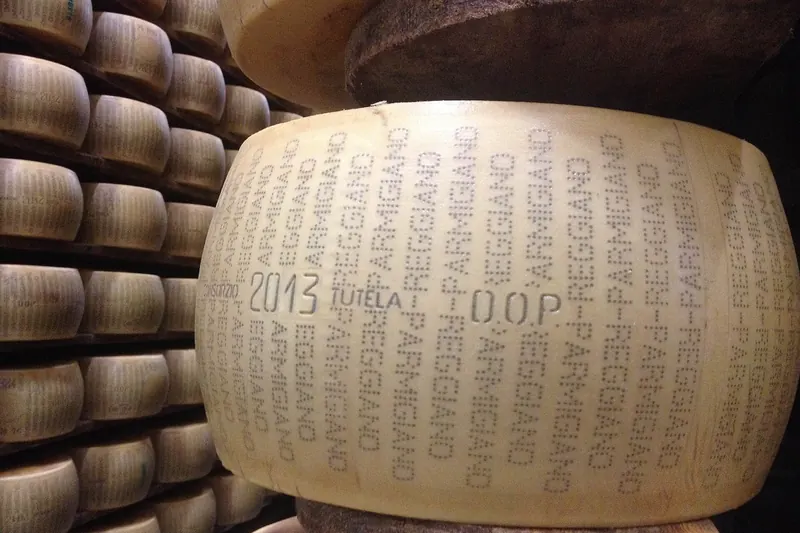
  • A wheel of Parmigiano Reggiano

    Cured meat and cheese

    Parma ham and Parmigiano Reggiano from Emilia, speck in the Dolomites, 'nduja in Calabria, burrata in Puglia, buffalo mozzarella in Campania, pecorino across the centre and south.

    Where to try it Alimentari and salumerie — buy 100 g of two or three things and a piece of bread for lunch.

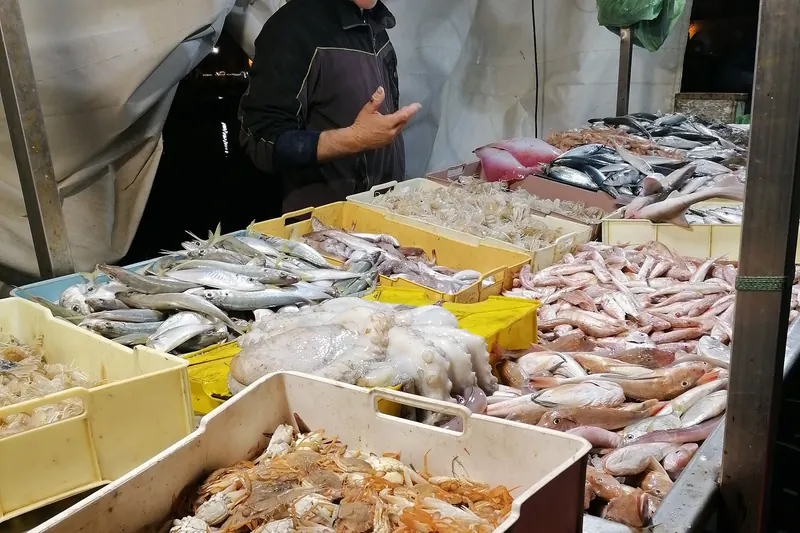
  • A fish market on the Puglia coast at Trani

    Seafood on every coast

    Anchovies in Liguria and Cetara, sarde a beccafico and swordfish in Sicily, raw prawns and octopus in Puglia, cuttlefish and soft-shell crab in the Venetian lagoon. Almost always simply cooked.

    Where to try it Ports rather than resorts, and whatever the board says is in today rather than whatever is printed on the menu.

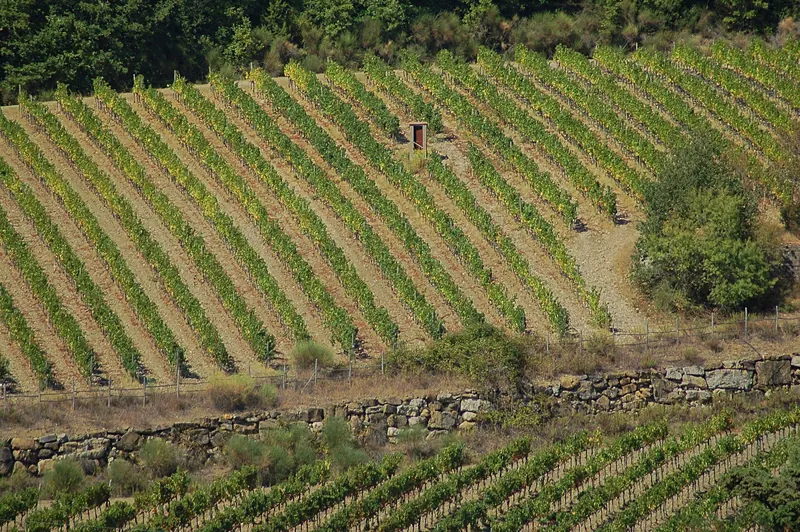
  • Vineyards in the Chianti Classico valleys of Tuscany

    Wine by the region

    Barolo and Barbaresco in Piedmont, Amarone in the Veneto, Chianti and Brunello in Tuscany, Etna reds in Sicily, Primitivo in Puglia. House wine by the carafe is usually local, cheap and perfectly good.

    Where to try it Enoteche for tasting; trattorias for a litre of the local red at a price that will surprise you.

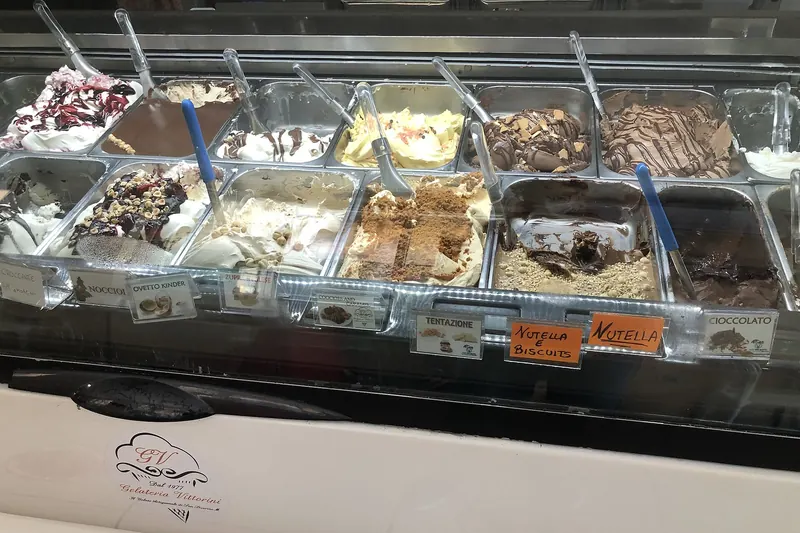
  • Tubs of gelato in an Italian gelateria

    Gelato, properly made

    Real gelato is denser and less cold than ice cream, made in small batches, and stored in covered steel tubs rather than heaped into fluorescent mountains. Pistachio should be brown-green, not lurid.

    Where to try it Anywhere advertising 'produzione propria' and keeping its tubs covered. Avoid banana that is yellow.

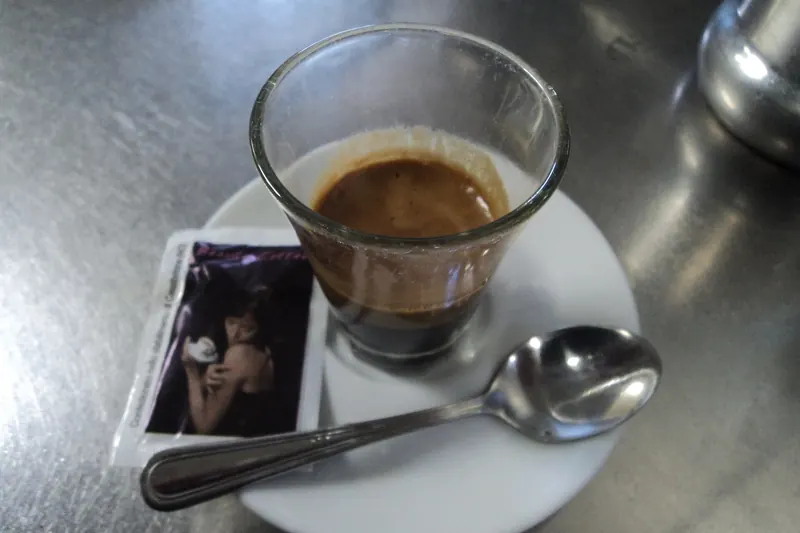
  • Espresso served in an Italian bar

    Coffee and the bar

    The bar is the social unit of Italian daily life: espresso standing up in the morning, a pastry with it, a spritz in the evening. Coffee culture is a set of rules that everyone follows without discussing them.

    Where to try it Any neighbourhood bar. Naples makes the strongest and takes it the most seriously.

Before you go

Practical travel information for Italy

The essentials, current for 2026. Italy is easy to travel in, with two exceptions that catch people out repeatedly: driving into historic centres, and August.

Capital
Rome
Language
Italian. English is widely spoken in cities, tourist areas and by younger people; much less so in the rural south. German is co-official in South Tyrol.
Currency
Euro (€)
Cards and cash
Cards are accepted almost everywhere and contactless is standard, but carry some cash for small bars, markets, rural trattorias and tourist taxes, which are sometimes collected in cash at check-out.
Entry and visas
Italy is in the Schengen area. Many nationalities enter visa-free for 90 days in any 180. The EU's biometric Entry/Exit System began a phased rollout in late 2025 and the ETIAS pre-travel authorisation is expected to follow — check the current requirement for your passport before booking.
Power sockets
Types C, F and L, 230 V, 50 Hz. Italian sockets vary, so a universal adapter is more useful here than a single-standard one.
Emergency number
112 for all emergencies, nationwide.
Tipping
Not expected and not built into wages. Round up a bill or leave a couple of euros for good service. Most restaurants add a per-person 'coperto' cover charge, which is not a tip.
Safety
Very safe overall. The real risks are pickpocketing on crowded transport — Rome's metro, the Circumvesuviana to Pompeii, Naples and Milan stations — and scooter-borne bag snatching in a few southern cities.
Internet and SIM
Excellent 4G and 5G nationally, weaker in Alpine valleys and rural Sicily. EU roaming applies for EU SIMs; eSIMs are cheap for everyone else.
Time zone
Central European Time, UTC+1, with daylight saving from late March to late October.

Daily budget guide (per person)

Backpacker
€65–100 per day — hostels, pizza al taglio, regional trains
Mid-range
€140–220 per day — three-star hotels, restaurant meals, high-speed trains
Comfortable
€250–420 per day — good hotels, guides, car hire
Tourist tax
€1–10 per person per night, charged separately by most cities

Excludes international flights. Figures are typical rather than absolute — cities and peak season run higher.
When to go

Best time to visit Italy

Italy runs from the Alps to the latitude of North Africa, so 'the best time' depends on which Italy. The shoulder seasons work almost everywhere; July and August work almost nowhere except the mountains.

  • Spring (April–June)

    Best time

    The strongest window for the cities and the south. Warm without being punishing, long days, everything open, and the coast becoming swimmable through June. Easter is the one very busy week.

  • Summer (July–August)

    Think twice

    Hot — regularly 35°C and above in Rome, Florence and the south — and at maximum crowding and price. Italians take August off, so cities empty of locals and fill with visitors, and many restaurants close. The Dolomites are the exception and are at their best.

  • Autumn (September–October)

    Best time

    Arguably the best of all: the sea is still warm in September, the harvest and truffle seasons run through October, the light is superb and the crowds fall away sharply after the first week of September.

  • Winter (November–March)

    Shoulder

    Cities are cheap, quiet and atmospheric, and the museums are a pleasure. The coast and the islands largely close. The Dolomites switch to their ski season, which is a completely separate and excellent trip.

Worth planning around: Ferragosto, 15 August, when much of the country stops entirely — family businesses close for a fortnight around it, cities are shuttered and the coast is at its most crowded. It is the single worst week to arrive without a plan.

Trip length

How long to spend in Italy

Italy is long and the high-speed rail spine is fast, which makes an ambitious itinerary tempting. Resist it: two or three bases beat five, and the country will still be there next time.

  • 4–5 days

    One city. Rome fills five days without repeating itself; Florence and Venice work as a pair over the same period with a 2h train between them.

    A short Italian trip is better spent deeply in one place than spread over three.

  • 8–10 days

    The classic triangle — Rome, Florence and Venice — connected by high-speed trains, with a day out into Tuscany or the lagoon islands from each.

    It is the standard first trip for good reason, and it is also the most crowded route in the country.

  • 12–16 days

    Rome, Florence, the Amalfi Coast and Naples, or the itinerary on this page: the north and the classic cities with a proper southern leg attached.

    Enough time to include one region that is not on everyone's first list.

  • 3 weeks or more

    Add Sicily or Puglia as a self-contained trip within the trip — a week each, with a car — or trade a city for the Dolomites in summer.

    The south and the mountains are where a second Italian trip belongs, and both reward a week more than a weekend.

Getting around

Transportation in Italy

Italy's high-speed rail is one of the best networks in Europe and makes the classic cities effortless. Everything off that spine — Tuscany's hill towns, Puglia, Sicily, the Dolomites — needs a car.

  • High-speed trains

    Frecciarossa and Italo compete on the same routes, which keeps fares low. Rome–Florence 1h30, Rome–Milan 3h, Milan–Venice 2h15, Rome–Naples 1h10.

    Book ahead for the cheap fares; walk-up prices are two to three times higher. Both operators sell online in English.

  • Regional trains

    Slower, cheaper, unreserved and the way to reach smaller places — the Cinque Terre villages, Tuscan towns, the Circumvesuviana to Pompeii.

    Validate paper tickets before boarding or risk a fine. Regional fares are fixed, so there is no advantage to booking early.

  • Rental car

    Essential for Tuscany's Val d'Orcia, Puglia, Sicily and the Dolomites. Motorways are tolled and good; mountain and coastal roads are slow and often spectacular.

    Never drive into a historic centre — see the ZTL warning below. Park outside the walls and walk in.

  • Ferries

    To Sicily, Sardinia, Capri and Ischia, and along the Amalfi Coast, where boats are usually faster and always pleasanter than the coast road in summer.

    Summer services are frequent; most reduce sharply or stop between November and March.

  • Buses

    The only public transport in much of the south and on the Amalfi Coast, where SITA buses run the corniche road. Slower and less predictable than trains but they reach everywhere.

    Buy tickets before boarding from a bar or tabaccheria — drivers often cannot sell them.

Sample route

Two weeks in Italy

Rome, Florence and Venice by high-speed train, then south to Naples, Pompeii and the Amalfi Coast. Covers five of the ten destinations in this guide and needs a car only for the last two days.

  1. Day1

    Arrive in Rome

    • Morning Land at Fiumicino and take the train into Termini.
    • Afternoon A first walk: the Pantheon, Piazza Navona and the Trevi Fountain.
    • Evening Dinner in Trastevere across the river.
  2. Day2

    Ancient Rome

    • Morning The Colosseum at opening on a timed ticket.
    • Afternoon The Roman Forum and Palatine Hill on the same ticket.
    • Evening The Capitoline terrace over the Forum at dusk, then dinner in Monti.
  3. Day3

    The Vatican

    • Morning The Vatican Museums and Sistine Chapel, booked, at opening.
    • Afternoon St Peter's Basilica and the dome climb.
    • Evening Testaccio for the most Roman food in Rome.
  4. Day4

    Rome's other layer

    • Morning The Borghese Gallery — timed entry, booked well ahead.
    • Afternoon The Appian Way and the catacombs, or Ostia Antica by train.
    • Evening Aperitivo in Campo de' Fiori, then the night train of the passeggiata.
  5. Day5

    Train to Florence

    • Morning Frecciarossa to Florence, 1h30.
    • Afternoon The Duomo complex — Brunelleschi's dome, the Baptistery doors.
    • Evening Piazzale Michelangelo for the whole city at sunset.
  6. Day6

    The Renaissance

    • Morning The Uffizi at opening, three hours, booked.
    • Afternoon The Accademia for the David, then the Bargello or Santa Croce.
    • Evening Bistecca alla fiorentina, shared, in Sant'Ambrogio.
  7. Day7

    Into Tuscany

    • Morning Hire a car and drive south into the Chianti hills.
    • Afternoon Siena's Piazza del Campo and its striped cathedral.
    • Evening San Gimignano's towers at dusk, then back to Florence.
  8. Day8

    Train to Venice

    • Morning Two hours by train, arriving at Santa Lucia on the Grand Canal.
    • Afternoon The vaporetto down the Grand Canal, then get lost in Cannaregio.
    • Evening Cicchetti and an ombra along a canal in Dorsoduro.
  9. Day9

    St Mark's and the lagoon

    • Morning The Basilica and the Doge's Palace, both booked.
    • Afternoon The Accademia or the Peggy Guggenheim.
    • Evening The Zattere at sunset, looking across to the Giudecca.
  10. Day10

    The islands

    • Morning Torcello and its mosaics, then Burano's coloured houses.
    • Afternoon Murano's glass furnaces on the way back.
    • Evening Last night in Venice — the city empties after the day boats leave.
  11. Day11

    South to Naples

    • Morning Fly or take the high-speed train south, about 5h30 by rail with a change.
    • Afternoon The National Archaeological Museum, which holds everything taken from Pompeii.
    • Evening Pizza in the centro storico, where it was invented.
  12. Day12

    Pompeii and Vesuvius

    • Morning Pompeii at opening — three hours minimum, and there is no shade.
    • Afternoon Herculaneum, smaller and better preserved, or the crater rim of Vesuvius.
    • Evening Transfer to Sorrento or the Amalfi Coast.
  13. Day13

    The Amalfi Coast

    • Morning The Path of the Gods from Bomerano down to Nocelle.
    • Afternoon Positano's beach and the ferry along the coast to Amalfi.
    • Evening Ravello, high above the sea, for dinner and the view.
  14. Day14

    Capri and home

    • Morning The ferry to Capri and the chairlift up Monte Solaro.
    • Afternoon Back to Naples for the airport.
    • Evening Fly home from Capodichino.

Culture

Culture and etiquette in Italy

Italy is formal in ways that surprise visitors and relaxed in ways that surprise them more. Presentation matters, food has rules, and family and region are the two identities that come before nation.

  • Churches have a dress code and it is enforced

    Shoulders and knees covered, for everyone, at St Peter's, Venice's Basilica, Florence's Duomo and most working churches. Guards turn people away daily. A light scarf in a bag solves it.

  • Meals have a structure

    Antipasto, primo (pasta or risotto), secondo (meat or fish) with contorni ordered separately, then dolce. You need not order all of it, but a primo is not a starter and a secondo does not come with a side unless you ask.

  • Greet people when you enter

    'Buongiorno' on entering a shop, bar or small restaurant, and 'arrivederci' on leaving, is close to compulsory. Walking in silently reads as rude in a way it does not further north.

  • The bill comes when you ask

    Nobody will bring it unprompted — hurrying a table is considered impolite. Ask for 'il conto'. Equally, service is not rushed and lingering is expected.

  • Dress a little better than you think

    La bella figura is a real social value. Beachwear stays at the beach, and being slightly smarter than necessary is normal in restaurants, churches and even on the evening walk.

  • Regional pride is not a joke

    People identify with their city and region before their country, and food is the main battleground. Asking what the local speciality is will get you a much warmer answer than comparing it to somewhere else's.

Do

  • Book Colosseum, Uffizi, Borghese, Last Supper and Doge's Palace tickets weeks ahead
  • Cover shoulders and knees for churches, and carry a scarf
  • Drink your coffee standing at the bar and pay a third of the price
  • Validate regional train tickets before boarding
  • Order what the region is known for, and the house wine by the carafe
  • Say buongiorno on the way in and arrivederci on the way out

Don't

  • Don't drive into a historic centre — ZTL cameras fine you months later
  • Don't plan a city trip around Ferragosto, 15 August
  • Don't expect a secondo to come with vegetables — contorni are ordered separately
  • Don't sit down for coffee unless you want to pay three times as much
  • Don't leave bags unattended on the Circumvesuviana or Rome's metro
  • Don't assume restaurants open before 19:30 for dinner, especially in the south

Travel tips

Italy travel tips

The things that most often go wrong on an Italian trip, in rough order of how much they cost people.

  • Do not drive into a historic centre. ZTL zones are camera-enforced limited-traffic areas covering the middle of almost every Italian town, and the fines — often several, one per camera — arrive by post months later via your hire company. Park outside the walls and walk.
  • Book the big sights weeks ahead. The Colosseum, the Uffizi, the Borghese Gallery, Leonardo's Last Supper and the Doge's Palace all use timed entry, and the Last Supper in particular sells out months in advance.
  • Avoid 15 August. Ferragosto empties the cities of Italians, closes family restaurants for a fortnight either side, and packs every beach in the country.
  • Coffee standing at the bar costs about a euro; the same cup at a table can cost four. In some bars you pay at the till first and hand the receipt to the barista.
  • Regional train tickets must be validated before boarding — in the green machines on the platform or via the app. High-speed tickets are reserved and do not need it, but inspectors fine hard for the regional ones.
  • Tourist tax is charged per person per night on top of your room rate, varies by city and star rating, and is often collected in cash at check-out. Budget €1–10 per person per night.
  • Restaurants add a 'coperto' cover charge per person. It is legal and normal, it is not a tip, and it should be printed on the menu — if it is not, that is a warning about the restaurant.
  • Tap water is safe everywhere and Rome has free drinking fountains — the nasoni — running continuously across the city. Buying bottled water is a pure transfer of money.

FAQ

Visiting Italy: frequently asked questions

How many days do you need in Italy?

Ten to fourteen for a first trip. Eight to ten covers Rome, Florence and Venice properly with a day out from each; twelve to sixteen lets you add Naples, Pompeii and the Amalfi Coast, which is the itinerary on this page. Four or five days is enough for one city, and Rome alone justifies it. Sicily and Puglia each want a week of their own.

What is the best time of year to visit Italy?

April to June and September to October. Spring is best for the cities and the south; September has warm sea and thinning crowds; October brings the harvest, the truffles and the best light. July and August are hot — regularly above 35°C in Rome and the south — expensive and extremely crowded, with much of the country closed for the fortnight around Ferragosto on 15 August. The Dolomites invert this: their season is summer.

Should I rent a car in Italy?

Only for the parts that need one. The classic cities are connected by high-speed trains that are faster and cheaper than driving, and a car in Rome, Florence, Venice or Naples is an active liability. But Tuscany's hill towns, Puglia, Sicily and the Dolomites are effectively inaccessible without one. Hire the car for that leg, and never drive into a ZTL-controlled historic centre.

What is a ZTL and why does it matter?

A zona a traffico limitato: a camera-enforced restricted zone covering the historic centre of most Italian towns, which only residents and permit holders may enter. There is no barrier and often only a small sign, so visitors drive in without realising and are photographed by each camera they pass. Fines arrive months later through the hire company, with an administration charge on top. It is the single most expensive mistake visitors make in Italy.

Is Italy expensive?

Mid-range travel runs about €140–220 per person per day, which puts it in line with France and above Spain or Portugal. The cities are where the money goes: Venice, Florence and the Amalfi Coast in summer are expensive. The south — Puglia, Sicily, Naples — is markedly cheaper for the same quality, and eating well costs far less than it does in northern Europe if you avoid restaurants with photographs on the menu.

Is Italy safe for tourists?

Very. Violent crime against visitors is rare and the practical risk is pickpocketing in predictable places: Rome's metro line A and the 64 bus, the Circumvesuviana train to Pompeii, and the areas around Naples and Milan central stations. Keep bags closed and in front of you on crowded transport and the problem largely disappears.

Do I need to book museums in advance?

For the major ones, yes, and for some it is unavoidable. Leonardo's Last Supper in Milan releases fifteen-minute slots that sell out months ahead; the Borghese Gallery in Rome is timed-entry only; the Colosseum, the Uffizi, the Accademia and the Doge's Palace all sell out in high season. Smaller museums and almost all churches can be walked into.

Ready to plan your Italy trip?

The full travel guide covers routes, budgets, regional differences and how to string these ten destinations into a trip that actually works.

Read the Italy travel guide

Advertisement