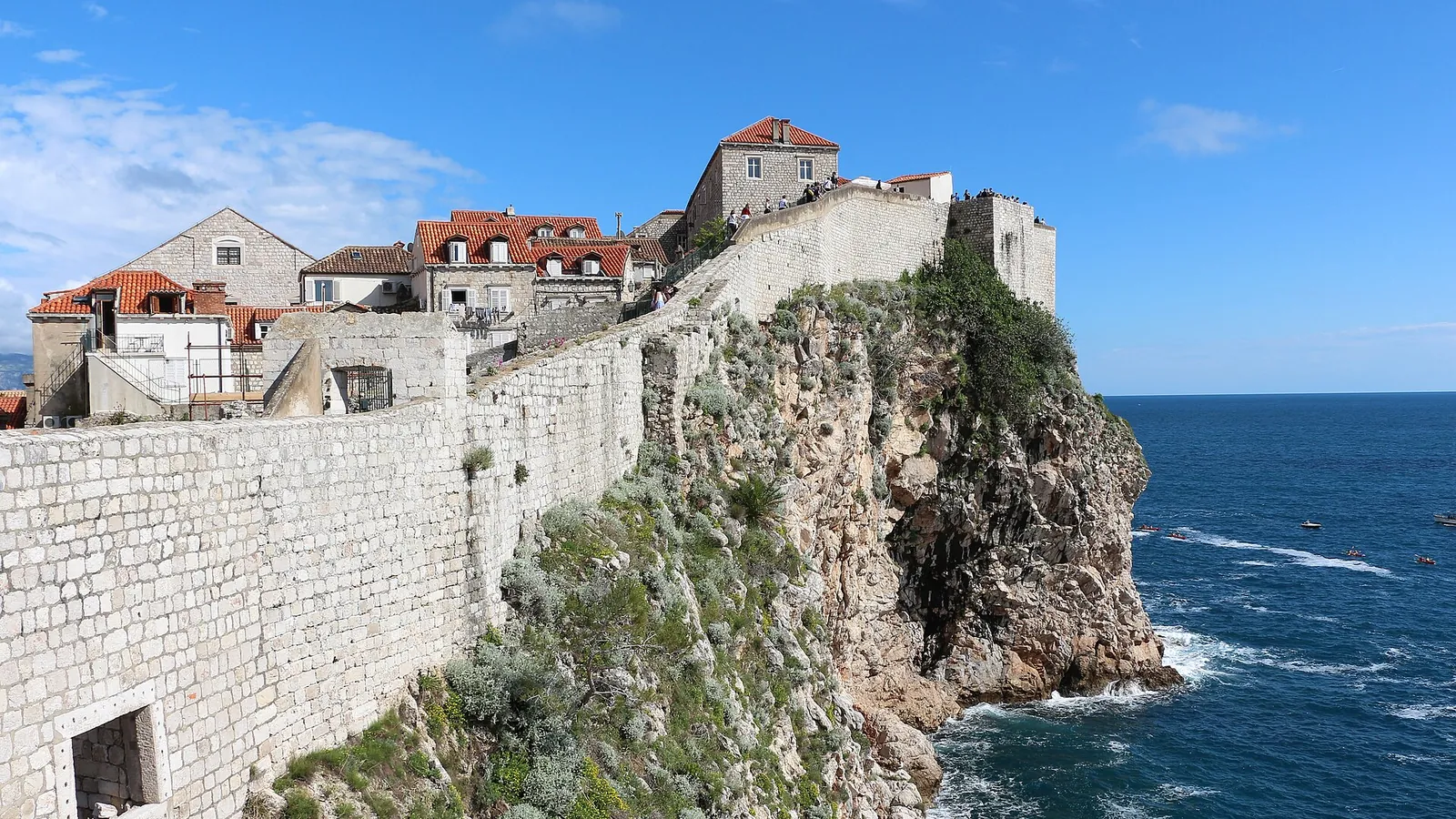
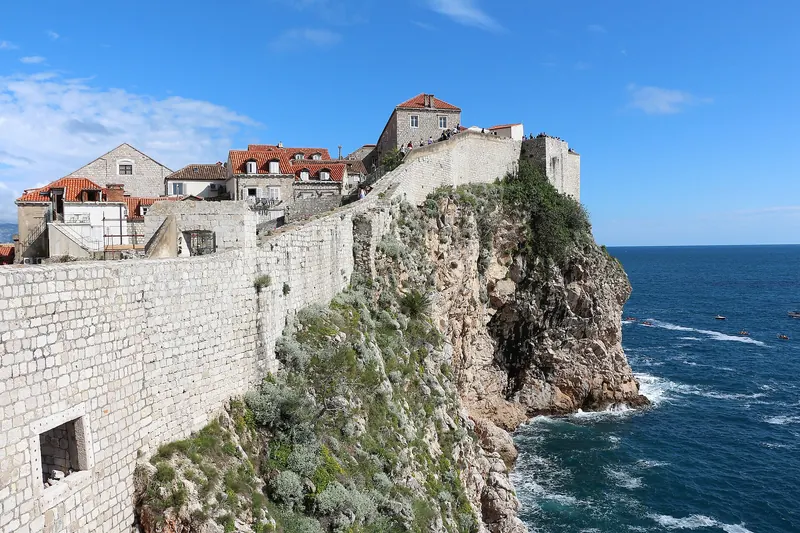
Dubrovnik's medieval city walls above the Adriatic

Southern Europe

Croatia Travel Guide

The Adriatic's walled cities and impossibly blue islands, backed by waterfalls that look retouched even before you've cropped the photo.

  • Destinations 10 hand-picked
  • Best time May, June and September for warm weather without peak-summer crowds
  • Ideal trip 10–14 days for a first trip

Photo: Bernard Gagnon · CC BY-SA 4.0

Why go to Croatia

Croatia is one of Europe's most photogenic countries, a slim crescent of coastline where medieval walled cities meet a thousand islands scattered across the Adriatic.

Its case rests on more than just the coast — Zagreb's café culture and Plitvice Lakes' cascading turquoise pools both hold their own against the Dalmatian islands that usually steal the spotlight.

Getting around means a mix of ferries, coastal driving and island-hopping, the whole country built around water in a way few destinations in Europe can match.

Where to go

Best Places to Visit in Croatia

Ordered roughly by how strongly we would recommend each for a first visit — though Istria and the smaller islands reward a second trip just as much as a first.

Historic SiteUNESCO Site

Dubrovnik

Dalmatia

The Adriatic's most complete medieval walled city, home to nearly two kilometres of intact fortifications, a marble old town and Fort Lovrijenac.

Don't miss Walking the full circuit of the City Walls at sunrise, the Old Town's terracotta rooftops glowing below and the Adriatic stretching out on the other side.

Explore Destination — Dubrovnik
Historic SiteUNESCO Site

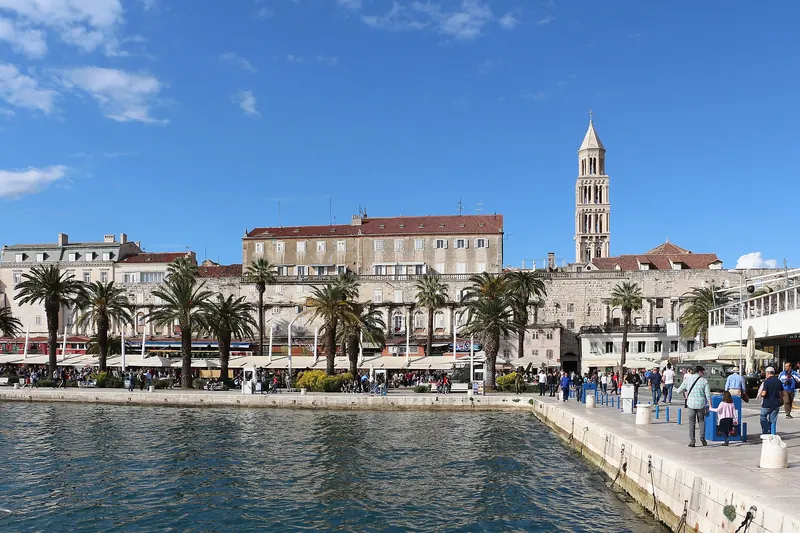
Split

Dalmatia

A 1,700-year-old Roman emperor's palace that never stopped being a living city, Croatia's second city and the main gateway to the Dalmatian islands.

Don't miss Sitting for a coffee in the Peristyle at dusk, Roman columns and a sphinx from Luxor lit up exactly where Diocletian once held court.

Explore Destination — Split
IslandCoast & Beaches

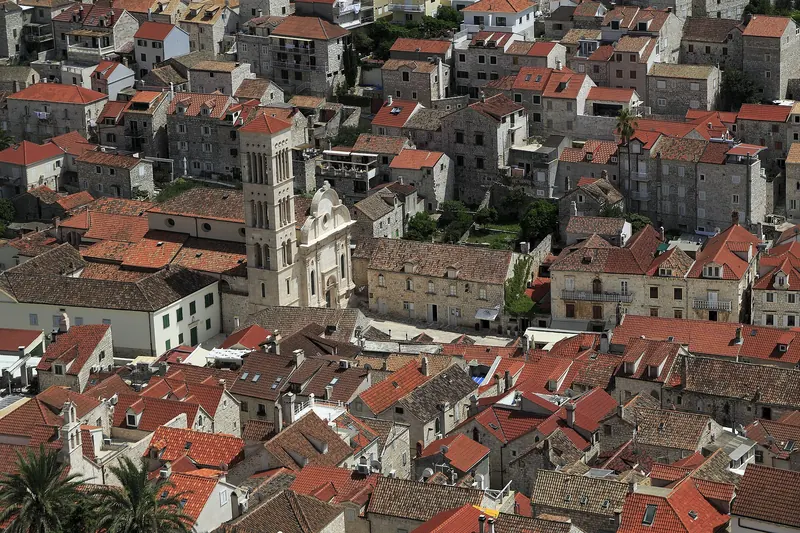
Hvar

Dalmatia

Croatia's glamorous lavender island, a medieval harbour town backed by a hilltop fortress, with the pine-covered Pakleni Islands scattered just offshore.

Don't miss Watching the sun set from Fortica's ramparts, Hvar Town's terracotta rooftops and the Pakleni Islands glowing below.

Explore Destination — Hvar
Nature & WildlifeNational Park

Plitvice Lakes

Lika

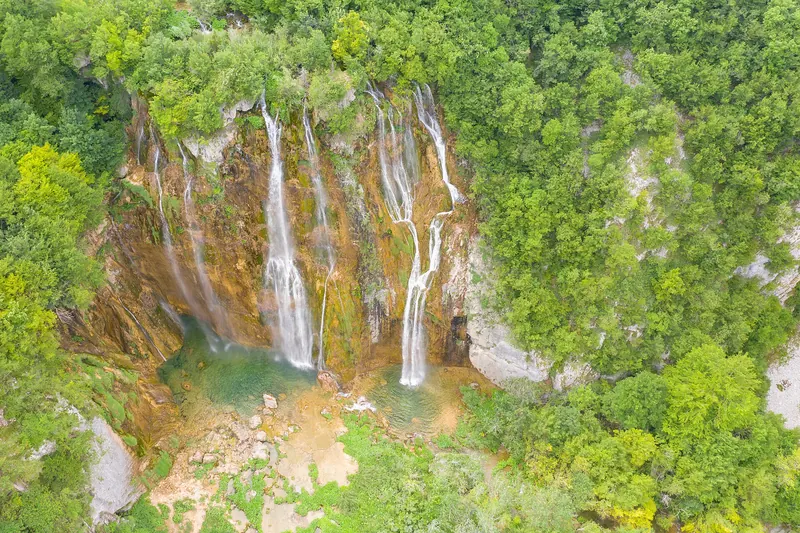
Croatia's most famous national park, sixteen terraced turquoise lakes cascading into each other through travertine dams and waterfalls.

Don't miss Standing on a boardwalk with turquoise water flowing directly beneath your feet, Veliki Slap thundering into the pool ahead.

Explore Destination — Plitvice Lakes
Capital CityMajor City

Zagreb

Central Croatia

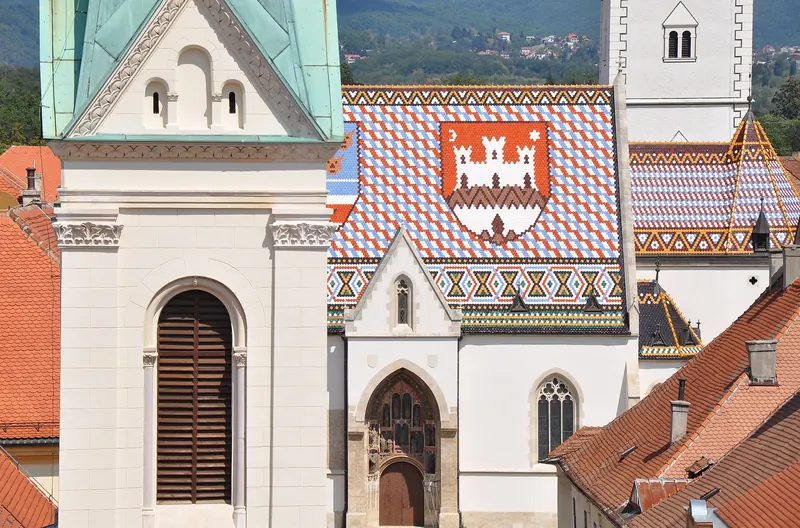
Croatia's underrated Central European capital, home to St Mark's colourfully tiled church roof, the Museum of Broken Relationships and a genuine café culture.

Don't miss Sitting for a slow coffee on Tkalčićeva Street, the whole city seemingly in no hurry to be anywhere else.

Explore Destination — Zagreb
Coast & BeachesRomantic

Rovinj

Istria

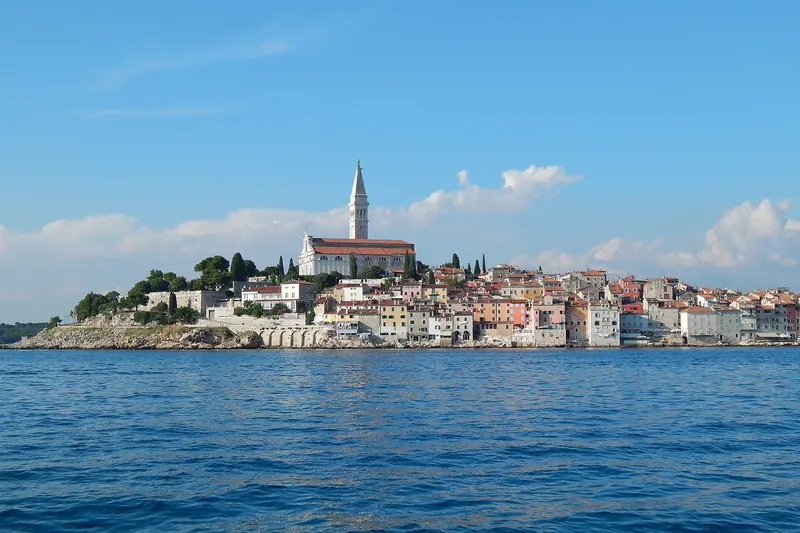
Istria's most photographed town, pastel houses rising straight from the Adriatic, with the region's celebrated truffle and wine country just inland.

Don't miss Watching the old town's lights come on from a boat just offshore, St Euphemia's bell tower catching the last of the sunset.

Explore Destination — Rovinj
Coast & BeachesHistoric Site

Zadar

Dalmatia

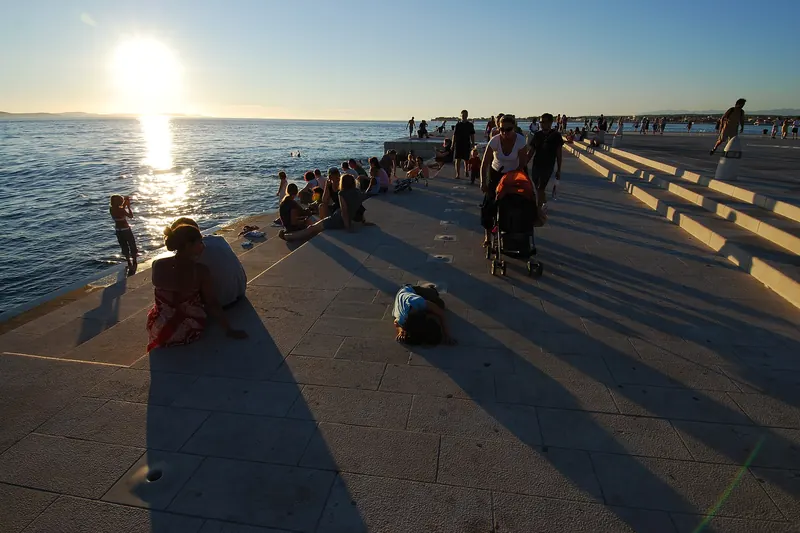
A Dalmatian coastal city where the sea makes music through the Sea Organ, backed by a Roman Forum and one of the Adriatic's best sunsets.

Don't miss Sitting on the Sea Organ's steps at dusk, waves sighing through hidden pipes as the Monument to the Sun begins to glow underfoot.

Explore Destination — Zadar
IslandHistoric Site

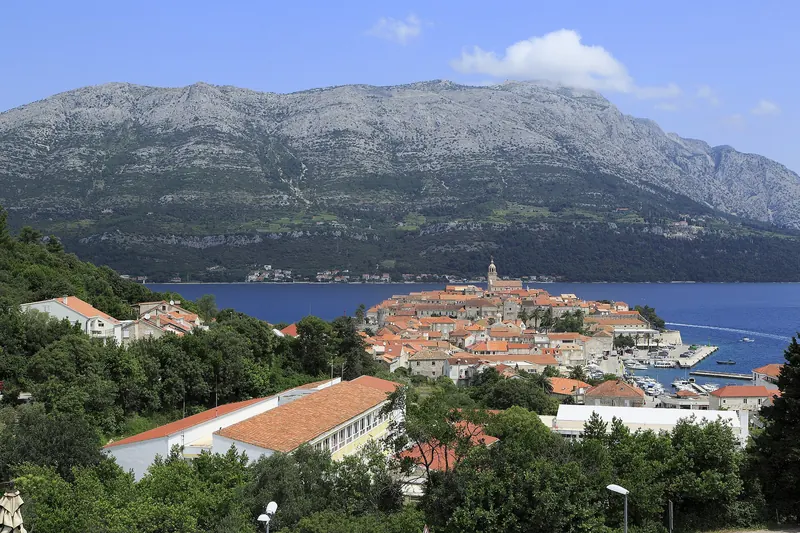
Korčula

Dalmatia

A quieter, equally beautiful alternative to Hvar, a walled medieval town that claims Marco Polo as a native son, surrounded by Korčula's own vineyards.

Don't miss Wandering the old town's herringbone streets, each angled just enough to block the wind and let the sea breeze cool every doorway.

Explore Destination — Korčula
Nature & WildlifeNational Park

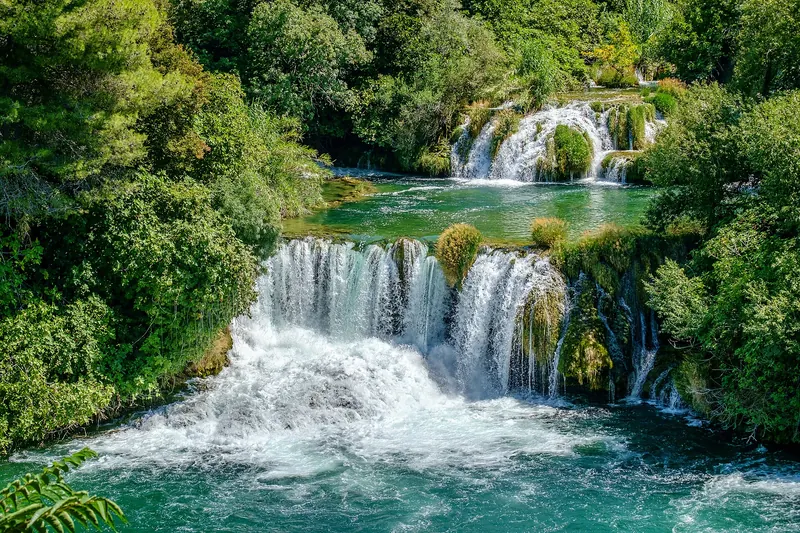
Krka National Park

Dalmatia

A quieter alternative to Plitvice Lakes, cascading travertine waterfalls in the Dalmatian hinterland, centred on Skradinski Buk and Visovac Island's monastery.

Don't miss Watching Skradinski Buk's wide curtain of falls from the boardwalk, a monastery just visible on a tiny island upstream.

Explore Destination — Krka National Park
Historic SiteCoast & Beaches

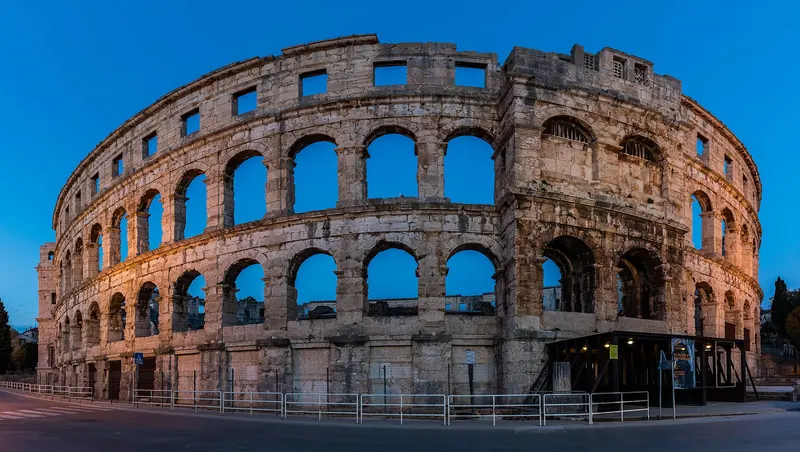
Pula

Istria

Home to one of the best-preserved Roman amphitheatres on Earth, Istria's largest city, gateway to Cape Kamenjak and the Brijuni Islands.

Don't miss Standing inside Pula Arena's full oval bowl, one of only a handful of Roman amphitheatres left this complete anywhere in the world.

Explore Destination — Pula

Browse all 510 destinations

Experiences

Best things to do in Croatia

The experiences that recur across the country and make a Croatia trip feel like more than a checklist of walled towns.

  1. The medieval city walls of Dubrovnik

    Walk Dubrovnik's city walls

    An essential Croatia experience, circling the entire Old Town on a walkway that's stood since the Middle Ages.

    Tip Start at opening time in summer — both the heat and the crowds build fast along the walls.

  2. Diocletian's Palace in Split

    Wander Split's living Roman palace

    A unique experience, an entire neighbourhood of homes, shops and cafés built inside a 1,700-year-old Roman emperor's retirement palace.

    Tip Visit the cathedral's bell tower for a view straight down into the palace's ancient layout.

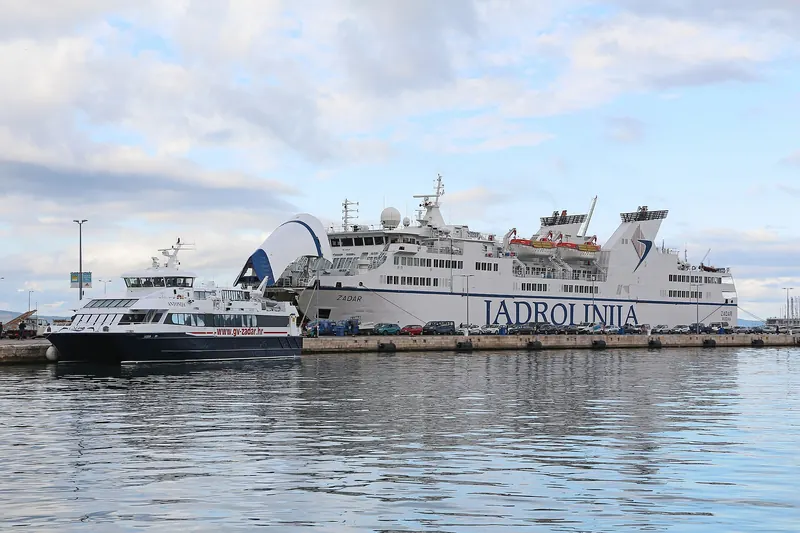
  3. A Jadrolinija ferry connecting Croatia's Dalmatian islands

    Island-hop the Dalmatian coast by ferry

    An essential part of Croatian travel, hopping between islands by an extensive, reliable ferry network.

    Tip Book car ferries ahead in peak summer; foot-passenger tickets are usually fine to buy on the day.

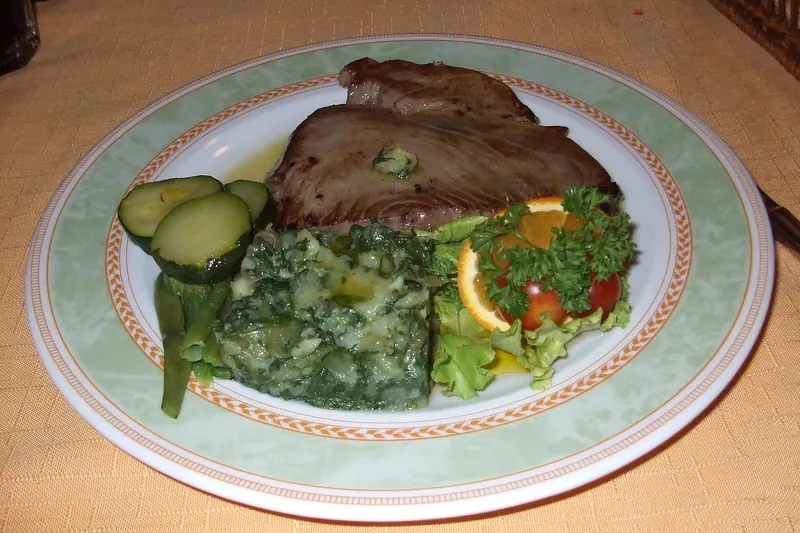
  4. Grilled tuna at a traditional Croatian konoba

    Eat fresh seafood at a konoba

    An essential ritual, simply grilled fish and seafood at a traditional family-run konoba.

    Tip Ask what came in that day — the best konobas cook around the morning's catch, not a fixed menu.

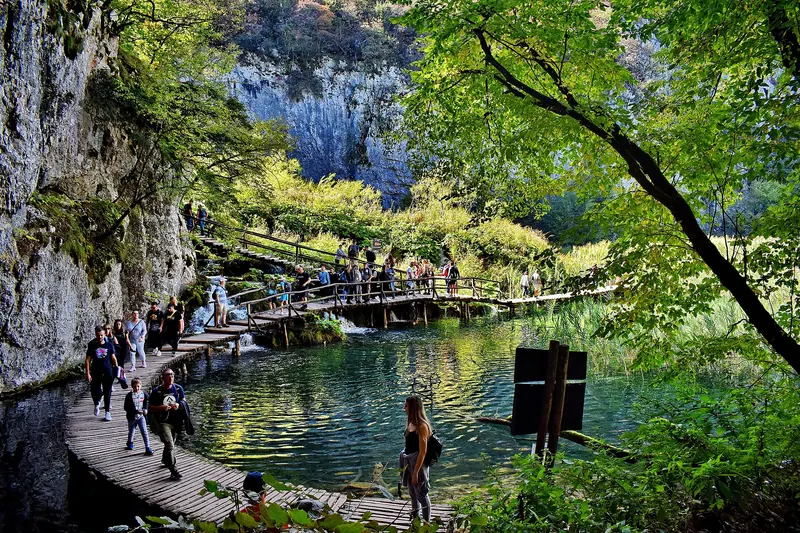
  5. Wooden boardwalks over Plitvice Lakes' turquoise water

    Follow Plitvice's boardwalks over turquoise water

    A magical walk, wooden boardwalks winding directly over and beside cascading turquoise pools.

    Tip Swimming isn't permitted in the lakes — the boardwalk views are the main event here.

  6. Drink Croatian wine

    An underrated part of a Croatia trip, with Istria and the Pelješac Peninsula both producing excellent, increasingly respected wine.

    Tip Seek out a small family winery rather than a resort wine list for the best, most distinctive bottles.

Food and drink

Croatia foods to try

Croatian food splits along its coastline and interior, from Adriatic seafood to heartier Central European cooking inland.

  • Peka (meat or seafood slow-cooked under a bell)

    A Dalmatian classic, meat, seafood and vegetables slow-cooked together under a metal dome buried in embers.

    Where to try it Traditional konobas throughout Dalmatia — usually order ahead, as it takes hours to cook.

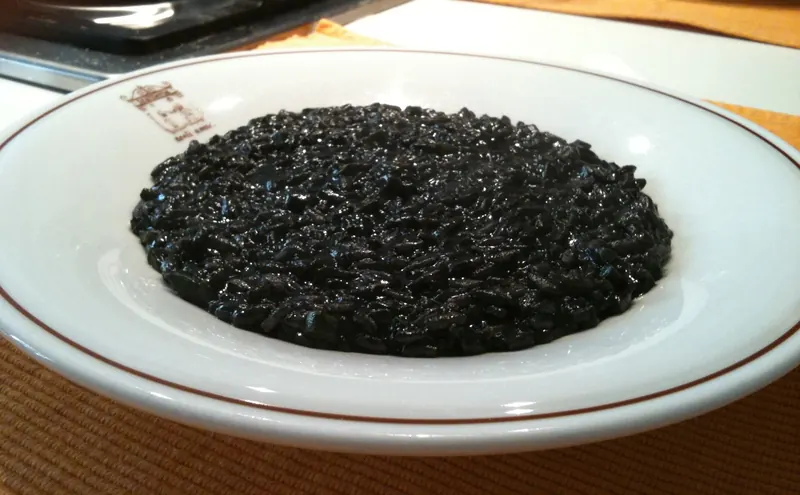
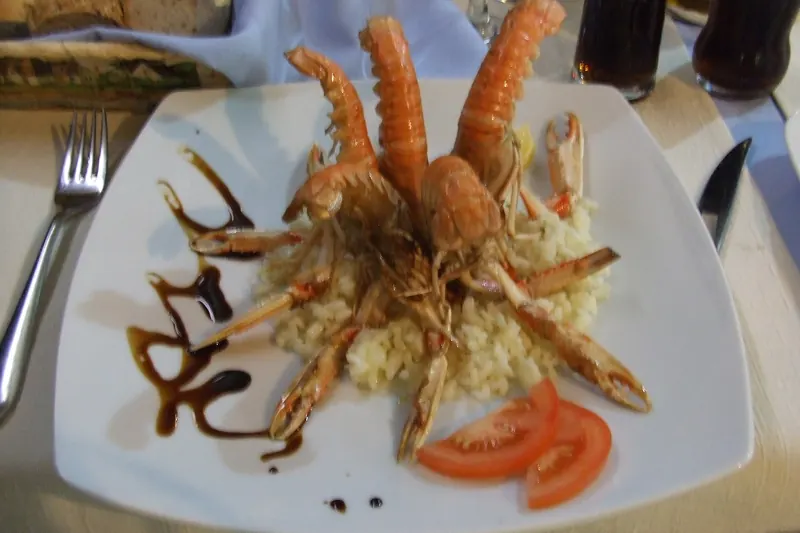
  • Black risotto made with cuttlefish ink

    Crni rižot (black risotto)

    A striking Dalmatian classic, rice cooked in cuttlefish or squid ink for a deep, briny flavour.

    Where to try it Seafood restaurants throughout the Dalmatian coast.

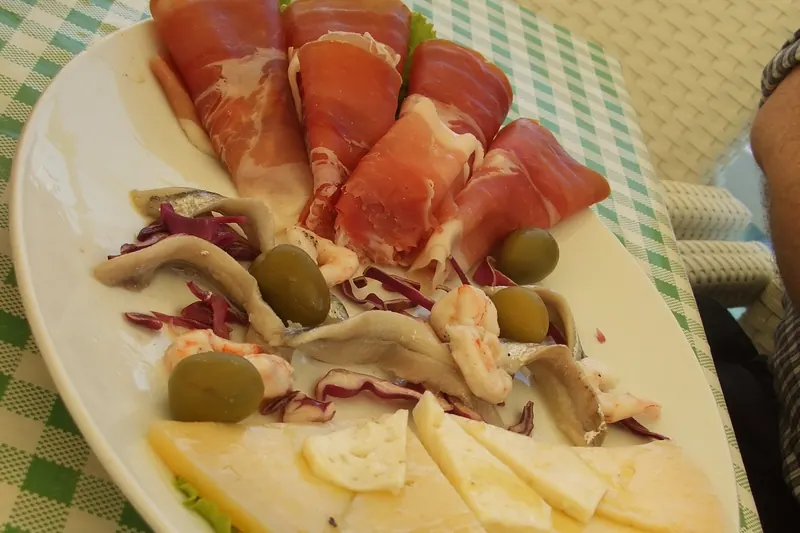
  • Dalmatinski pršut, Croatia's dry-cured ham

    Dalmatinski pršut (dry-cured ham)

    A source of real regional pride, wind-cured ham often served simply with local cheese and olives.

    Where to try it Restaurants and konobas throughout Dalmatia.

  • Grilled seafood at a traditional Croatian restaurant

    Fresh grilled seafood

    A highlight of coastal dining, fish and shellfish grilled simply to let the freshness speak for itself.

    Where to try it Konobas and seafood restaurants along the entire coast.

  • Croatian wine

    Worth exploring beyond the obvious, with Istria's whites and Pelješac's bold reds both increasingly recognised internationally.

    Where to try it Wine bars and family wineries throughout Istria and Dalmatia.

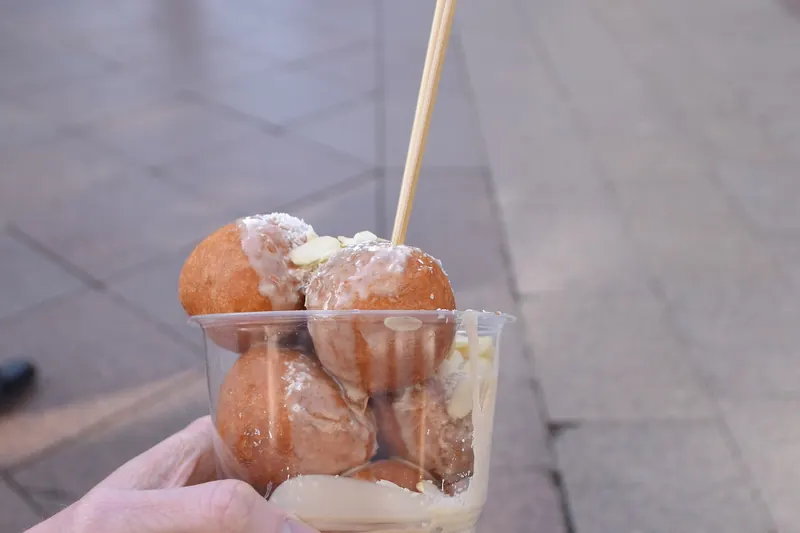
  • Fritule, small Croatian fried doughnuts

    Fritule (small fried doughnuts)

    A beloved sweet treat, bite-sized fried dough often flavoured with rum, raisins or citrus zest.

    Where to try it Bakeries and markets throughout the country, especially around winter holidays.

Before you go

Practical travel information for Croatia

The essentials for planning a Croatia trip, gathered in one place.

Capital
Zagreb
Language
Croatian; English is widely spoken in tourist areas along the coast.
Currency
Euro (€)
Cards and cash
Straightforward — Croatia adopted the euro in 2023, and cards are widely accepted, including on most islands.
Entry and visas
Schengen Area member since 2023; visa-free entry for up to 90 days in any 180-day period for many nationalities including the US, Canada, Australia and the UK.
Power sockets
Type C and F, 230 V, 50 Hz.
Emergency number
112 for general emergencies nationwide.
Tipping
Not obligatory but appreciated — around 10% at restaurants, rounding up for casual service.
Safety
One of Europe's safer countries, with normal precautions around pickpockets in busy tourist areas like Dubrovnik's Old Town.
Internet and SIM
Excellent 4G and 5G coverage, including on most islands, with wifi widely available.
Time zone
Central European Time (UTC+1), Central European Summer Time (UTC+2) from late March to late October.

Daily budget guide (per person)

Backpacker
€50–80 per day — hostels, ferries, grocery-store meals
Mid-range
€100–180 per day — 3-star hotels, restaurant dinners, some boat trips
Comfortable
€220–400 per day — boutique hotels, private tours, island-hopping charters
Dubrovnik peak-season premium
Add significantly — July and August prices run noticeably higher than the rest of the country

Excludes international flights. Figures are typical rather than absolute — cities and peak season run higher.

When to go

Best time to visit Croatia

Croatia's long, hot summer draws the biggest crowds and highest prices, with shoulder months offering the best overall balance.

  • Late spring (May–June)

    Best time

    Warm enough to swim, with noticeably thinner crowds than July and August.

  • Summer (July–August)

    Good

    Hot and lively, though Dubrovnik and Hvar get packed and prices peak.

  • Early autumn (September)

    Best time

    Still warm enough for the sea, with the summer crowds noticeably thinned out.

  • Winter (November–March)

    Good

    Quiet along the coast, with many island businesses closed for the season; Zagreb stays lively year-round.

Worth planning around: Nothing strongly, though peak July and August bring the coast's highest prices and heaviest crowds.

Trip length

How long to spend in Croatia

Croatia's elongated coastline means a rushed itinerary spends more time travelling than exploring.

  • 5–6 days

    Dubrovnik and Split as a focused Dalmatian coast trip.

    Enough for two of the country's essential cities without feeling rushed.

  • 7–9 days

    Split, Hvar and Dubrovnik, with Plitvice Lakes added on.

    A well-paced introduction to Croatia's coast and its best-known national park.

  • 10–14 days

    The itinerary on this page: Zagreb, Plitvice Lakes, Zadar, Split, Hvar and Dubrovnik.

    A complete first look at Croatia's inland capital and Dalmatian coast.

  • 3 weeks or more

    Add Istria, Korčula and Krka National Park in full.

    Istria and the smaller islands are where a second Croatia trip belongs.

Getting around

Transportation in Croatia

A mix of ferries, buses and driving is the standard way to see Croatia — the coastline and islands make this less a single road trip than a series of connected hops.

  • Ferries and catamarans

    Essential for reaching Hvar, Korčula and other islands from Split or Dubrovnik.

    Jadrolinija and several private operators run frequent routes in summer, fewer in winter.

  • Long-distance buses

    Comfortable and reliable for coastal routes between Zagreb, Zadar, Split and Dubrovnik.

    The coastal road offers spectacular views for most of the journey.

  • Renting a car

    Useful for reaching Plitvice Lakes, Krka National Park and Rovinj in Istria at your own pace.

    Not needed on the smaller car-free islands, where walking covers everything.

  • Domestic flights

    Useful for connecting Zagreb to Dubrovnik quickly.

    A short hop that saves the better part of a day compared to the coastal drive.

  • Walking within old towns

    The only way to explore Dubrovnik, Split and Rovinj's historic centres.

    All three are compact, car-free and made for wandering on foot.

Sample route

Ten days in Croatia

A classic route from inland Zagreb down the Dalmatian coast to Dubrovnik. Covers six of the ten destinations in this guide.

  1. Day1

    Arrive in Zagreb

    • Morning Land in Zagreb and check in to your hotel.
    • Afternoon Explore Zagreb's Upper Town and main square.
    • Evening Dinner in the Tkalčićeva Street area.
  2. Day2

    Plitvice Lakes

    • Morning Travel to Plitvice Lakes National Park.
    • Afternoon Walk the boardwalks between the park's turquoise lakes.
    • Evening Dinner near the park before continuing south.
  3. Day3

    Zadar

    • Morning Travel on to the coastal city of Zadar.
    • Afternoon Zadar's Roman Forum and the Sea Organ.
    • Evening Watch sunset from the waterfront promenade.
  4. Day4

    Travel to Split

    • Morning Travel south along the coast to Split.
    • Afternoon First exploration of Diocletian's Palace.
    • Evening Dinner in the palace's atmospheric old streets.
  5. Day5

    Split in full

    • Morning Climb the cathedral bell tower for the view.
    • Afternoon Explore Split's markets and waterfront promenade.
    • Evening A final Split dinner before the ferry onward.
  6. Day6

    Ferry to Hvar

    • Morning Catamaran from Split to Hvar Town.
    • Afternoon Explore Hvar's old town and fortress.
    • Evening Dinner on the harbourfront.
  7. Day7

    Hvar's beaches

    • Morning A boat trip to the Pakleni Islands.
    • Afternoon Beach time and swimming in clear water.
    • Evening Drinks at a harbourside bar.
  8. Day8

    On to Dubrovnik

    • Morning Ferry or transfer to Dubrovnik.
    • Afternoon First walk through the Old Town.
    • Evening Dinner with a view of the floodlit walls.
  9. Day9

    Dubrovnik's walls and cable car

    • Morning Walk the full circuit of the city walls.
    • Afternoon Cable car up Srđ Hill for the panoramic view.
    • Evening A final Dalmatian dinner in the Old Town.
  10. Day10

    Return and depart

    • Morning A final wander or last-minute shopping.
    • Afternoon Free time or a swim before departure.
    • Evening Depart for home.

Culture

Culture and etiquette in Croatia

Croatian culture blends Central European and Mediterranean influences, with real regional pride running deep between Dalmatia, Istria and the inland capital.

  • Greetings are warm but not overly familiar

    A handshake is standard on first meeting; closer acquaintances may greet with a cheek kiss.

  • Coffee culture runs deep

    Sitting for a slow coffee is a genuine daily ritual, not a quick grab-and-go habit.

  • Regional pride is real

    Dalmatian, Istrian and Zagreb identities are each distinct — avoid generalising too broadly about 'Croatia' to locals.

  • Dress modestly for churches

    Covered shoulders and knees are expected when visiting religious sites.

  • Tipping is modest but appreciated

    Around 10% at restaurants, rounding up for cafés and casual service.

  • Swimming spots are taken seriously

    Respect posted rules around protected areas like Plitvice Lakes, where swimming is banned to protect the ecosystem.

Do

  • Book ferries and accommodation well ahead for July and August travel.
  • Try the regional specialities — Dalmatian and Istrian cuisine differ from each other.
  • Wear comfortable shoes — old town streets are almost entirely stone and can be slippery when wet.
  • Carry a little cash for smaller island businesses, even though cards are widely accepted.

Don't

  • Don't swim or wade in Plitvice Lakes National Park — it's prohibited to protect the travertine formations.
  • Don't expect a rushed pace on the islands — service and ferries alike run on a relaxed island schedule.
  • Don't underestimate summer heat — pace outdoor sightseeing for the cooler morning and evening hours.
  • Don't skip travel insurance for ferry-heavy itineraries — schedules can shift with weather.

Travel tips

Croatia travel tips

Practical notes that make travel through Croatia noticeably smoother.

  • Book ferries and popular accommodation well ahead for a July or August trip.
  • Pack comfortable, grippy shoes — old town streets are polished stone and can be slippery.
  • Carry a little cash for smaller island businesses and konobas.
  • Check ferry schedules the day before travel — routes can shift with weather or season.
  • Visit Dubrovnik's walls first thing in the morning to beat both heat and crowds.
  • Pace outdoor sightseeing around the cooler morning and evening hours in peak summer.
  • Book Plitvice Lakes tickets online ahead in peak season — daily visitor numbers are capped.
  • Consider basing a trip around fewer islands rather than rushing between many.

FAQ

Visiting Croatia: frequently asked questions

How many days do you need in Croatia?

Ten to fourteen days covers Zagreb, Plitvice Lakes and the main Dalmatian coast at a reasonable pace, which is the itinerary in this guide. A week is enough for a focused Dubrovnik-and-Split trip.

Is Croatia expensive?

Mid-range by European standards outside peak summer, though Dubrovnik and Hvar in July and August run noticeably higher.

Do you need a car in Croatia?

No, not for the main Dalmatian coast — buses and ferries cover it well, though a car helps for Istria and the national parks.

Is Croatia on the euro?

Yes — Croatia adopted the euro in January 2023, alongside joining the Schengen Area.

Can you swim in Plitvice Lakes?

No, not — swimming is prohibited throughout the national park to protect its travertine formations.

Is Croatia safe?

Yes — one of Europe's safer countries, with petty theft in busy tourist areas the main thing to watch for.

Ready to plan your Croatia trip?

The full travel guide covers routes, budgets, regional differences and how to string these ten destinations into a trip that actually works.

Read the Croatia travel guide

Advertisement