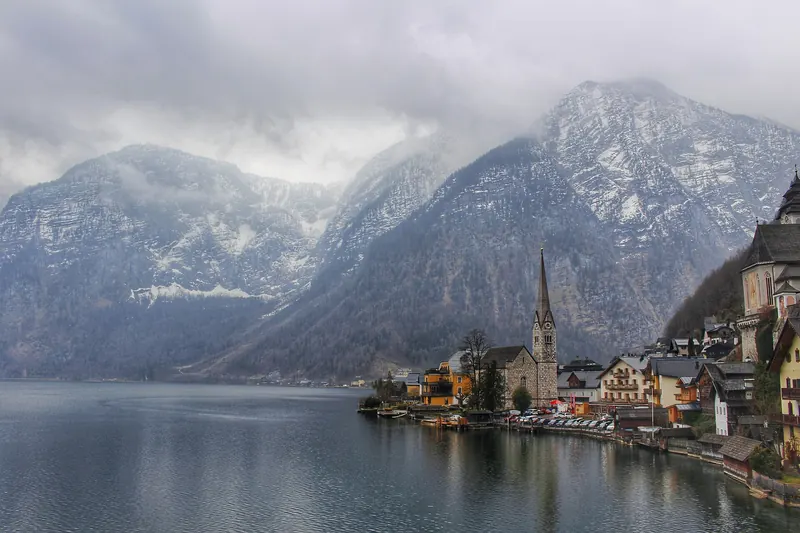
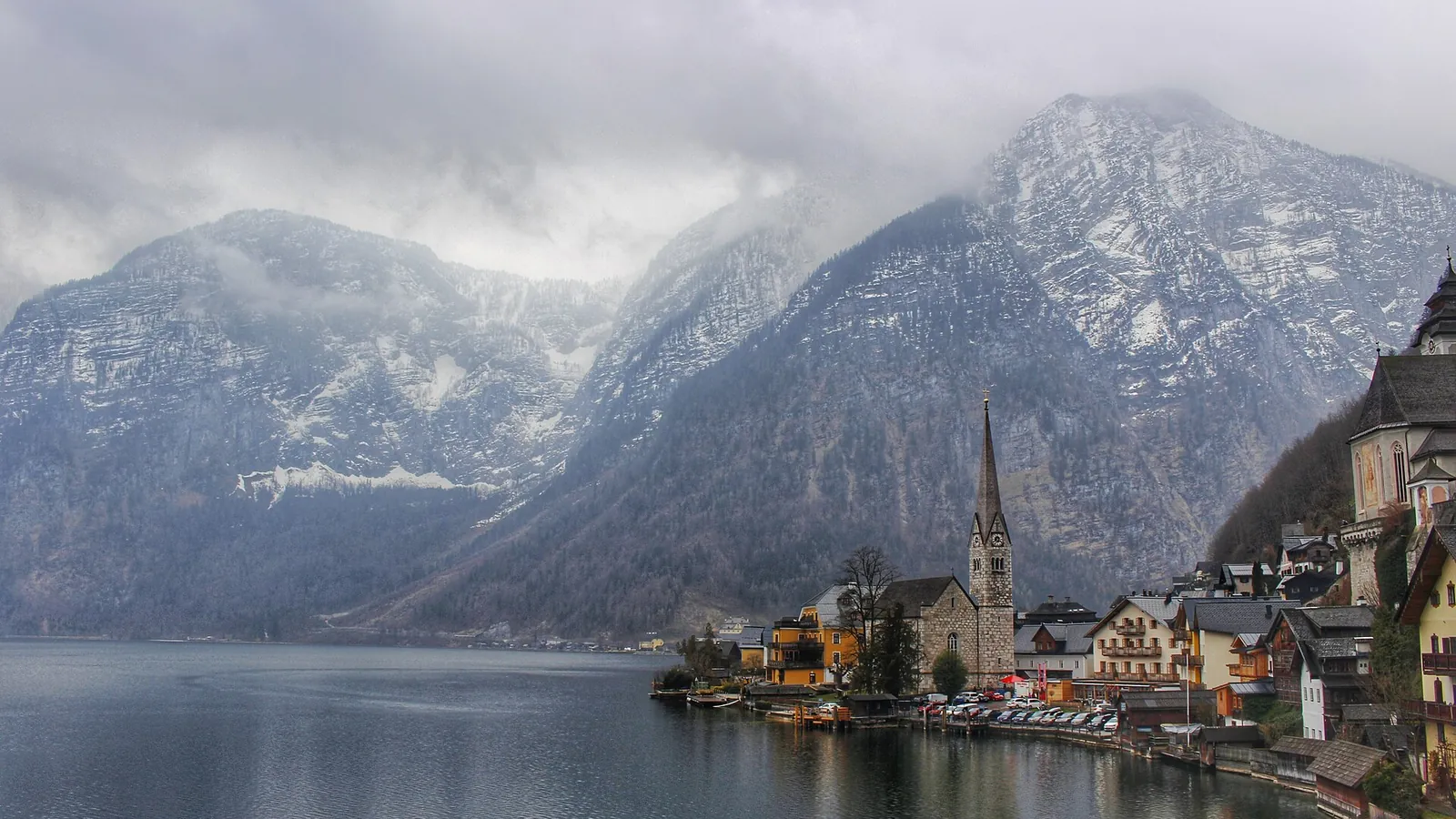
Hallstatt's lakeside village beneath the Alps in Austria's Salzkammergut

Central Europe

Austria Travel Guide

Imperial Vienna's palaces and coffee houses, Salzburg's baroque old town, and an Alpine landscape of lakes and peaks that made half the country a postcard before photography existed.

  • Destinations 10 hand-picked
  • Best time May–June and September for cities, December–March for the Alps
  • Ideal trip 10–14 days for a first trip

Photo: MontanNito · CC BY-SA 3.0

Why go to Austria

Austria packs an outsized cultural legacy into a country smaller than Maine — Vienna alone produced or hosted Mozart, Beethoven, Freud and Klimt, and its imperial Habsburg architecture still defines what most people picture when they imagine a European capital. That legacy is lived-in rather than museum-cased, from the Vienna Philharmonic's regular performances to coffee houses still run the way they were a century ago.

Beyond the cities, Austria is one of the most consistently beautiful countries in Europe to simply look at. The Alps run the length of the country, and the combination of turquoise lakes, church-topped villages and snow-capped peaks around the Salzkammergut and Tyrol regions produces scenery that looks retouched even when it isn't.

The practical spine connecting all of this is an excellent rail network — Austria's trains are punctual, comfortable and reach even small Alpine villages — alongside a food and coffee house culture, and a directness in manner that first-time visitors sometimes mistake for coldness before realizing it's simply Austrian efficiency.

Where to go

Best Places to Visit in Austria

Ordered roughly by how strongly we would recommend each for a first visit — though Graz and the Wachau Valley reward a second trip just as much as a first.

Capital CityMajor City

Vienna

Vienna

Austria's imperial capital, its Habsburg-era palaces, opera houses and coffee houses still central to how the city lives today.

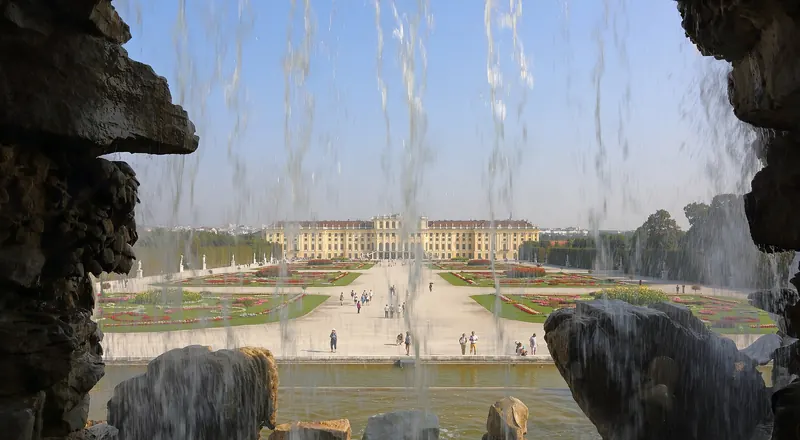
Don't miss Schönbrunn Palace's gardens at golden hour, the former imperial summer residence's gravel paths stretching toward a hilltop gloriette.

Explore Destination — Vienna
Historic SiteUNESCO Site

Salzburg

Salzburg

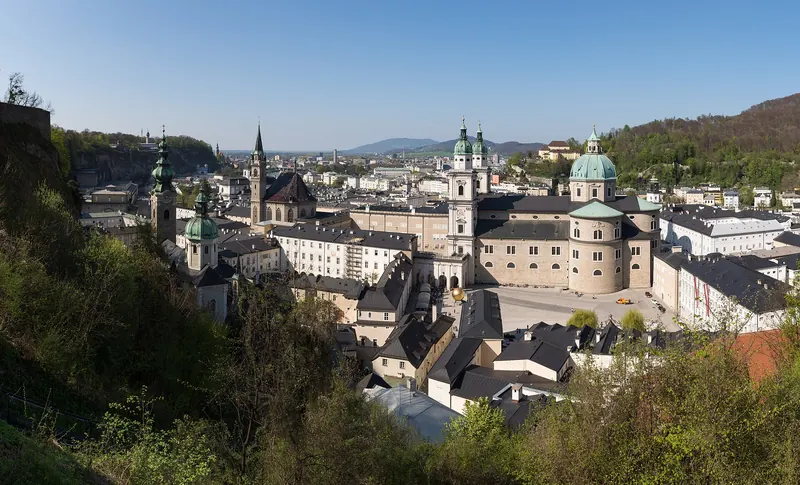
Mozart's baroque birthplace, its UNESCO-listed old town crowned by a hilltop fortress and surrounded by Sound of Music countryside.

Don't miss The view from Hohensalzburg Fortress at dusk, the baroque old town's spires and the Salzach River spread out below as the light fades.

Explore Destination — Salzburg
Scenic RegionUNESCO Site

Hallstatt

Salzkammergut, Upper Austria

Austria's most photographed village, its pastel houses wedged between a mountainside and a turquoise Alpine lake.

Don't miss The classic view of Hallstatt from across the lake, the village's church spire and pastel houses stacked beneath the mountains and reflected in the water.

Explore Destination — Hallstatt
Historic SiteMountains

Innsbruck

Tyrol

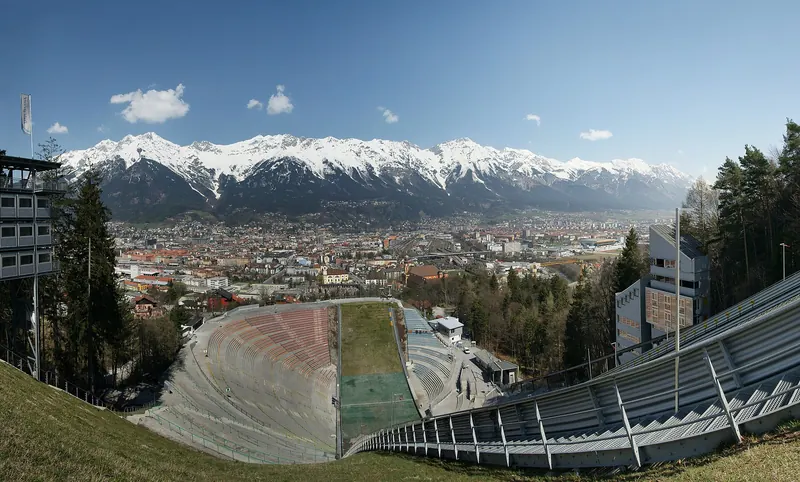
Tyrol's capital, its medieval old town wedged so tightly between the Alps that the mountains dominate the view from nearly every street.

Don't miss The view down Maria-Theresien-Strasse toward the snow-capped Nordkette range, the old town's baroque facades framed directly by the mountains behind them.

Explore Destination — Innsbruck
Historic SiteUNESCO Site

Graz

Styria

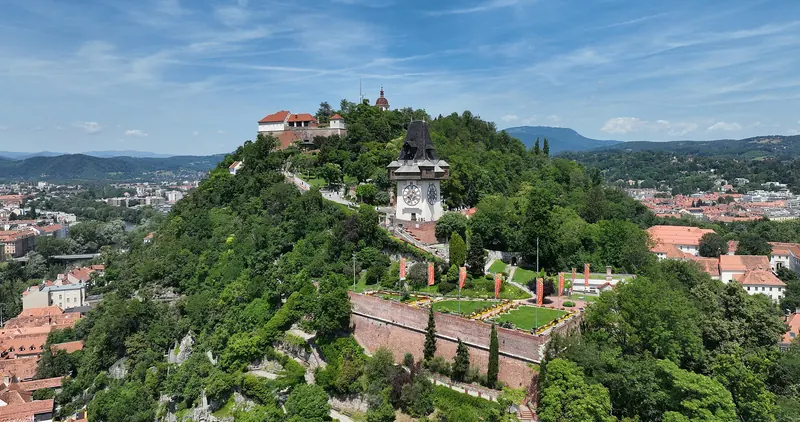
Austria's second city, its UNESCO-listed old town and lively university culture underrated relative to Vienna's fame.

Don't miss The view from Schlossberg hill at dusk, Graz's red-tiled old town spreading out below as the clock tower's silhouette catches the last light.

Explore Destination — Graz
Scenic RegionUNESCO Site

Wachau Valley

Lower Austria

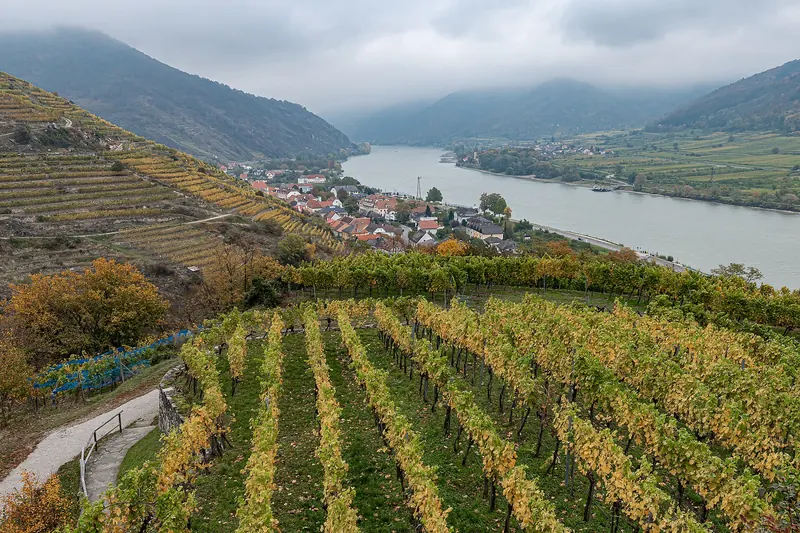
A UNESCO-listed Danube valley of terraced vineyards, castle ruins and riverside wine villages, worth more than a passing glance from a train window.

Don't miss The view from Dürnstein's castle ruins over the Danube, terraced vineyards curving with the river below and the village's blue-domed church spire in the foreground.

Explore Destination — Wachau Valley
MountainsHistoric Site

Kitzbühel

Tyrol

A medieval Tyrolean town turned world-famous ski resort, home to the legendary Hahnenkamm downhill race and a charming Alpine old town.

Don't miss The view from the top of the Hahnenkamm mountain, the legendary Streif downhill course dropping away below toward the town's colourful rooftops.

Explore Destination — Kitzbühel
Food & WineNature & Wildlife

Eisenstadt & Lake Neusiedl

Burgenland

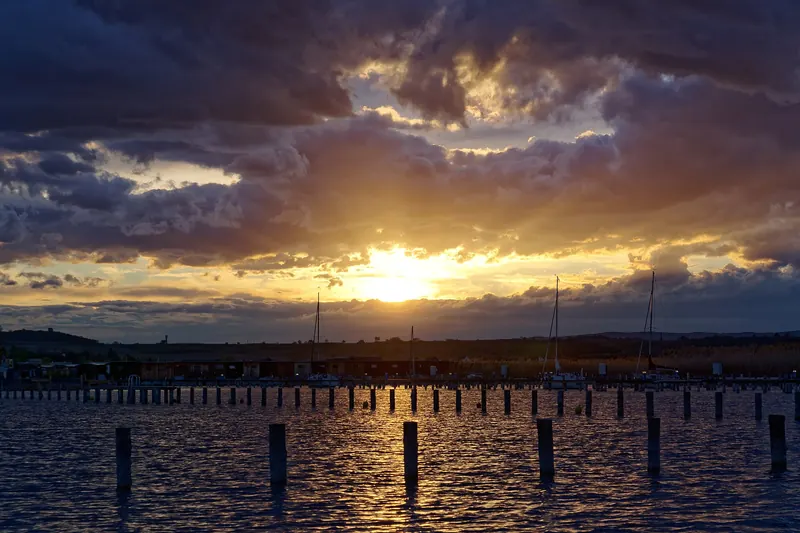
Burgenland's low-key capital and a shallow steppe lake shared with Hungary, at the centre of Austria's warmest, most overlooked wine region.

Don't miss Sunset over Lake Neusiedl's reed-lined shore, the shallow steppe lake's wide horizon a different Austrian landscape from the Alps most visitors expect.

Explore Destination — Eisenstadt & Lake Neusiedl
Scenic RegionCulture & Arts

Bregenz & Lake Constance

Vorarlberg

Austria's westernmost city, on the shore of Lake Constance where Austria, Germany and Switzerland meet, home to a spectacular floating opera stage.

Don't miss The Bregenz Festival's floating stage on Lake Constance at dusk, a surreal setting for opera with the lake and mountains as a backdrop.

Explore Destination — Bregenz & Lake Constance

Browse all 510 destinations

Experiences

Best things to do in Austria

The experiences that recur across the country and that make an Austria trip feel like more than a checklist of palaces and peaks.

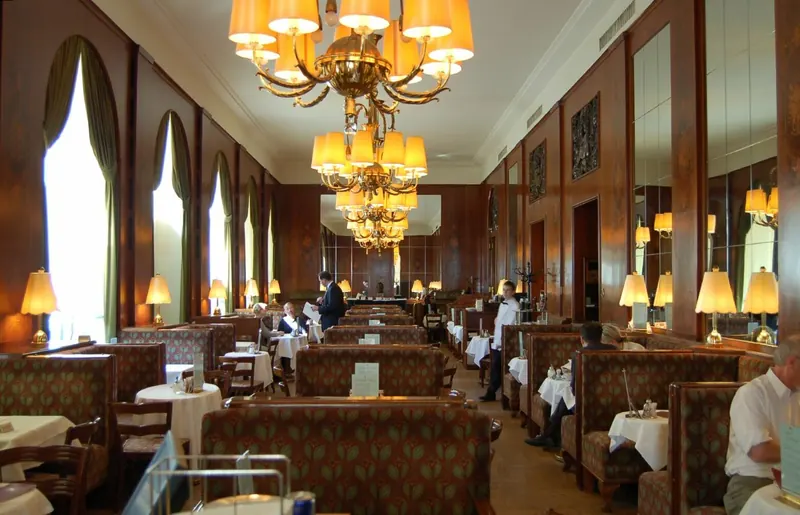
  1. The ornate interior of a traditional Viennese coffee house

    Sit in a proper Viennese coffee house

    A genuine Austrian institution, UNESCO-recognised even, where a single coffee buys the right to sit for hours with a newspaper and no one will rush you.

    Tip Order a Melange, Vienna's classic milk coffee, and expect a glass of water served alongside it without asking.

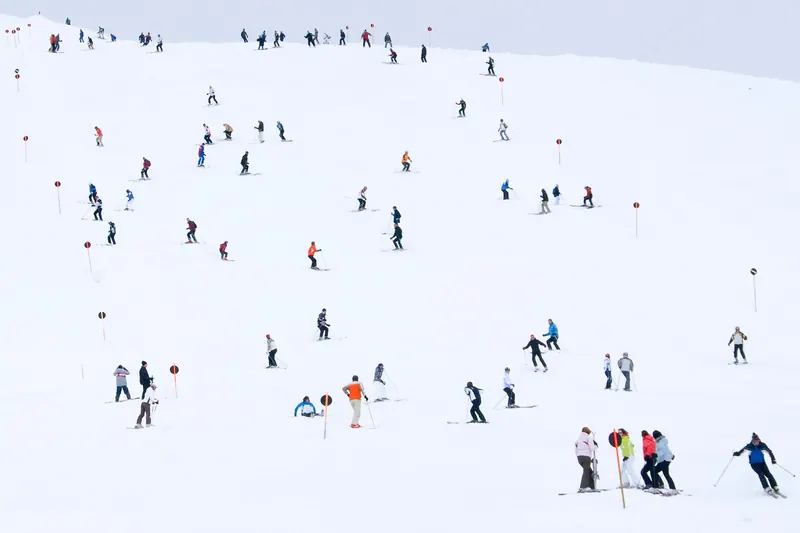
  2. Skiers on a slope in the Austrian Alps

    Ski or hike in the Alps

    Austria's Alpine regions rival Switzerland and France for skiing in winter and hiking in summer, often at a noticeably lower cost.

    Tip Summer hiking is considerably cheaper than winter skiing and avoids the peak-season crowds and prices entirely.

  3. Attend a classical music performance

    Vienna's musical heritage is still active, not just historical, with regular performances by the Vienna Philharmonic and countless smaller ensembles across the city.

    Tip Standing-room tickets at the Vienna State Opera are affordable and sold only on the day, a real Vienna institution worth queuing for.

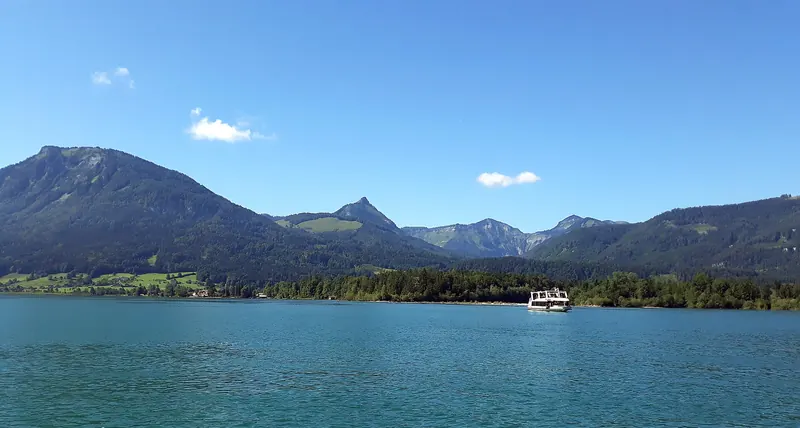
  4. The turquoise water of Wolfgangsee in Austria's Salzkammergut lake district

    Explore an Alpine lake

    The Salzkammergut region alone holds dozens of postcard-worthy Alpine lakes, several swimmable in summer and stunning year-round.

    Tip Hallstättersee and Wolfgangsee are the most visited; Grundlsee and Altaussee offer comparable beauty with noticeably fewer crowds.

  5. Vineyard terraces above the Danube in Austria's Wachau Valley

    Try Austrian wine in the Wachau Valley

    An underrated wine region along the Danube, its steep terraced vineyards producing excellent Grüner Veltliner and Riesling rarely exported widely.

    Tip A river cruise or cycle path along the Danube is a relaxed way to combine several Wachau wine villages in one day.

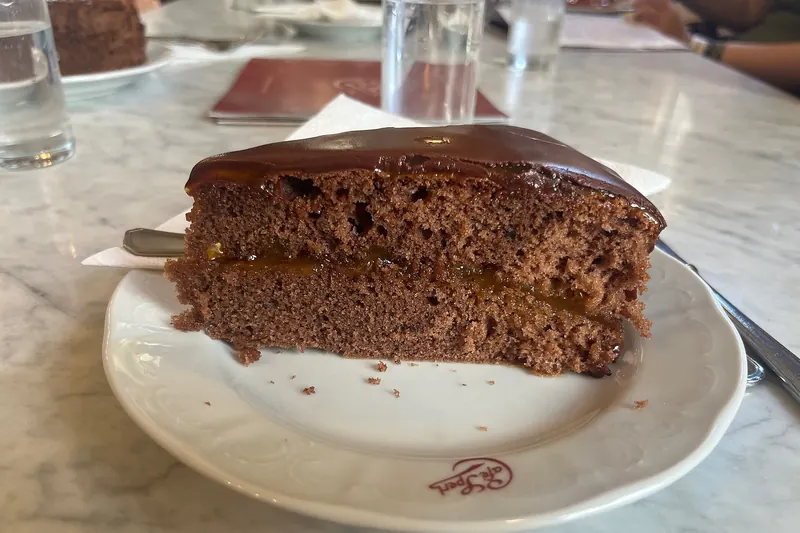
  6. A slice of Sachertorte, Austria's famous chocolate cake, with whipped cream

    Eat cake properly, with cream

    Austrian cake culture is serious business, from Sachertorte's chocolate density to the endless variety found in any proper konditorei.

    Tip Always accept the whipped cream (Schlagobers) offered alongside — it's the traditional accompaniment, not an optional extra.

Food and drink

Austria foods to try

Austrian food's reputation for schnitzel and strudel undersells a rich, hearty cuisine shaped by the old Habsburg empire's many regions.

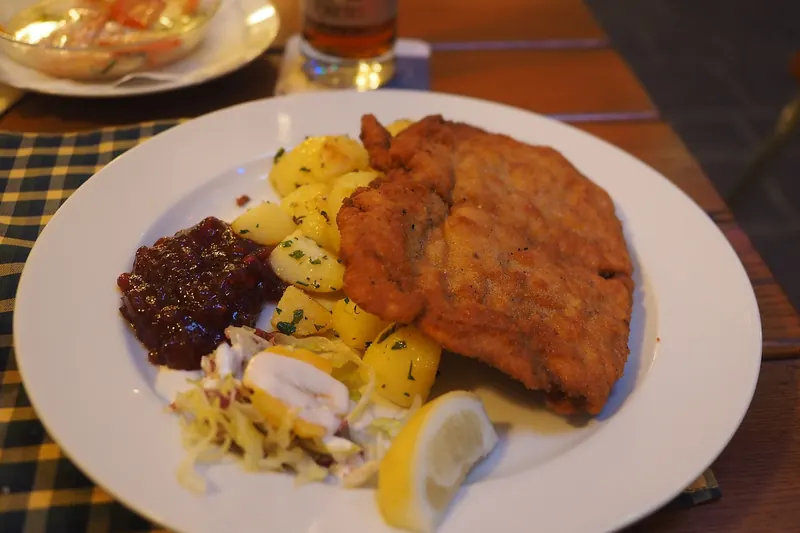
  • A Wiener schnitzel with parsley potatoes

    Wiener schnitzel

    A thin, breaded and fried veal cutlet, Austria's most famous dish and a point of national pride over how it should be properly prepared.

    Where to try it Traditional gasthauses nationwide — a genuine veal version, not the cheaper pork often substituted, is worth seeking out.

  • A slice of Sachertorte, Austria's famous chocolate cake, with whipped cream

    Sachertorte

    A dense chocolate cake with a thin layer of apricot jam, the subject of a decades-long legal dispute over which Vienna hotel owns the 'original' recipe.

    Where to try it Hotel Sacher in Vienna for the original, or Demel, its longtime rival, for a comparable version.

  • Tafelspitz

    Boiled beef served with root vegetables, apple-horseradish and chive sauce, a Habsburg-era classic said to have been Emperor Franz Joseph's favourite dish.

    Where to try it Traditional Viennese restaurants, several claiming a direct historical link to the imperial court kitchen.

  • Kaiserschmarrn

    A shredded, caramelised pancake dusted with sugar and served with fruit compote, more dessert than breakfast despite its humble origins.

    Where to try it Alpine mountain huts and traditional restaurants nationwide, particularly satisfying after a day of hiking or skiing.

  • Vineyard terraces above the Danube in Austria's Wachau Valley

    Austrian wine

    An excellent, underrated wine-producing country, particularly for crisp whites like Grüner Veltliner from the Wachau and Kamptal regions.

    Where to try it Wachau Valley wineries and Viennese heurigen, traditional wine taverns serving the current vintage alongside simple food.

  • Apfelstrudel

    Thin pastry rolled around spiced apple filling, one of the defining desserts of Austrian and wider Central European cuisine.

    Where to try it Konditoreis and traditional restaurants nationwide, best served warm with vanilla sauce or cream.

Before you go

Practical travel information for Austria

The essentials, current for 2026. Austria is straightforward and well organised to travel in, with Sunday closures and cash-preferring smaller towns the two practicalities that most often catch visitors out.

Capital
Vienna
Language
German nationally, with widespread English ability in Vienna, Salzburg and tourist areas, thinning out in rural Alpine regions.
Currency
Euro (€, EUR)
Cards and cash
Card payment is widely accepted in cities, though smaller Alpine towns, market stalls and some traditional restaurants still prefer or require cash. Carry some as a backup.
Entry and visas
Visa-free entry for up to 90 days within a 180-day period for many nationalities including the US, Canada, Australia and UK, under the Schengen Area's common rules.
Power sockets
Type C and F (Europlug/Schuko), 230 V, 50 Hz — standard continental European two-pin plugs.
Emergency number
112 for all emergencies, nationwide.
Tipping
Expected but modest. Rounding up or adding roughly 5–10% for good restaurant service, stated directly to the server rather than left on the table.
Safety
Very safe overall, with low rates of violent crime against visitors. Standard vigilance around bags on public transport in Vienna is the main practical precaution.
Internet and SIM
Excellent 4G and 5G coverage nationwide, including most Alpine valleys, with an EU roaming agreement or local SIM covering most visitor needs easily.
Time zone
Central European Time (UTC+1) in winter, Central European Summer Time (UTC+2) from late March to late October.

Daily budget guide (per person)

Backpacker
€60–90 per day — hostels, casual meals, regional trains
Mid-range
€110–180 per day — three-star hotels, restaurant meals, intercity trains
Comfortable
€200–340 per day — good hotels, guided tours, ski passes
Vienna and ski-resort supplement
Add roughly 15–30% to any budget band specifically in central Vienna or peak ski season

Excludes international flights. Figures are typical rather than absolute — cities and peak season run higher.
When to go

Best time to visit Austria

Austria has two best seasons depending on your focus: late spring and early autumn for the cities, and winter for the Alpine ski regions.

  • Spring (April–June)

    Best time

    Mild, increasingly warm weather ideal for exploring Vienna, Salzburg and Alpine hiking trails as the snow clears.

  • Summer (July–August)

    Good

    Warm and reliable for lake swimming and hiking, though the most crowded and expensive months in the popular Salzkammergut region.

  • Autumn (September–October)

    Best time

    Comfortable temperatures, thinning crowds and the wine harvest in full swing across the Wachau Valley.

  • Winter (November–March)

    Good

    Cold but magical for Vienna's Christmas markets and essential for Alpine skiing, with December through February the ski season's core.

Worth planning around: August without accommodation booked ahead in the Salzkammergut lake district — Austrian and German domestic summer holidays push the region to its busiest, most expensive point of the year.

Trip length

How long to spend in Austria

Austria's compact size and excellent train network make an ambitious city-and-Alps itinerary workable in under two weeks.

  • 4–5 days

    Vienna alone fills four or five days, or Vienna plus a day trip to the Wachau Valley or Salzburg by fast train.

    A short Austria trip is better spent deeply in Vienna than spread thin across the country.

  • 8–10 days

    Vienna, then Salzburg and Hallstatt — the classic first-trip route connecting imperial history and Alpine scenery.

    Add a day in the Wachau Valley for a well-rounded route without extending the core itinerary much.

  • 12–16 days

    The itinerary on this page: Vienna, the Wachau Valley, Salzburg, Hallstatt, then Innsbruck and the Alps, covering both imperial cities and mountain scenery.

    Enough time to add Graz or the Grossglockner High Alpine Road to the classic Vienna-and-Alps route.

  • 3 weeks or more

    Add Graz, Bregenz on Lake Constance, or a slower, unhurried pace through the Salzkammergut's smaller lake villages.

    The quieter western regions and an unhurried Alpine pace are where a second Austria trip belongs.

Getting around

Transportation in Austria

Austria's ÖBB rail network is one of Europe's best, connecting cities and even small Alpine towns reliably.

  • Intercity trains (ÖBB Railjet)

    Fast, comfortable trains connect Vienna, Salzburg, Graz and Innsbruck efficiently.

    Book ahead for discounted 'Sparschiene' fares, or use a rail pass for extensive multi-city travel.

  • Regional trains and postbuses

    Reach smaller destinations including Hallstatt, the Wachau Valley and Kitzbühel reliably from the main rail network.

    Regional day tickets often work out cheaper than individual fares for multi-stop Alpine village trips.

  • Rental car

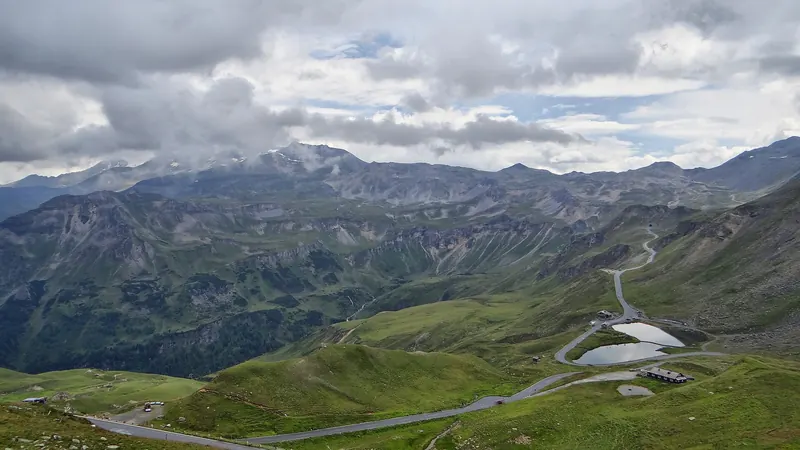
    Useful for the Grossglockner High Alpine Road and exploring smaller Alpine villages at a flexible pace beyond the rail network.

    Winter driving in the Alps requires genuine experience with snow chains and conditions — consider a guided option instead.

  • Danube river cruise or cycle path

    A scenic alternative for exploring the Wachau Valley's wine villages between Vienna and Melk.

    The Danube cycle path is one of Europe's best-maintained long-distance routes, well signed and largely flat.

  • Vienna's U-Bahn and trams

    A clean, efficient system covering central Vienna well, including direct connections to the airport.

    A 24, 48 or 72-hour Vienna City Card covers unlimited transit alongside museum discounts.

Sample route

Two weeks in Austria

Imperial Vienna and the Danube first, then the Alps and Salzkammergut lakes. Covers six of the ten destinations in this guide.

  1. Day1

    Arrive in Vienna

    • Morning Land and take the CAT or U-Bahn into the city.
    • Afternoon A first walk around the Innere Stadt.
    • Evening Dinner at a traditional Viennese restaurant.
  2. Day2

    Imperial Vienna

    • Morning Schönbrunn Palace, booked ahead.
    • Afternoon The Hofburg and St. Stephen's Cathedral.
    • Evening A concert or the Vienna State Opera.
  3. Day3

    Vienna's museums and coffee houses

    • Morning The Kunsthistorisches Museum.
    • Afternoon A proper Viennese coffee house.
    • Evening Dinner in the Naschmarkt neighbourhood.
  4. Day4

    Day trip to the Wachau Valley

    • Morning Train to Krems or Dürnstein.
    • Afternoon A wine tasting and Danube valley views.
    • Evening Return to Vienna, or overnight in the valley.
  5. Day5

    To Salzburg

    • Morning Train to Salzburg.
    • Afternoon The old town and Mirabell Gardens.
    • Evening Dinner beneath the Hohensalzburg Fortress.
  6. Day6

    Salzburg's fortress and sights

    • Morning Hohensalzburg Fortress.
    • Afternoon Mozart's birthplace and the Getreidegasse.
    • Evening A final Salzburg dinner.
  7. Day7

    To Hallstatt

    • Morning Train and boat to Hallstatt.
    • Afternoon Explore the lakeside village.
    • Evening Sunset from a lakeside viewpoint.
  8. Day8

    Hallstatt's salt mine and skywalk

    • Morning The Hallstatt salt mine tour.
    • Afternoon The World Heritage Skywalk viewpoint.
    • Evening A final Hallstatt evening.
  9. Day9

    To Innsbruck

    • Morning Train to Innsbruck via Salzburg.
    • Afternoon The Golden Roof and old town.
    • Evening Dinner with mountain views.
  10. Day10

    Innsbruck's mountains

    • Morning The Nordkette cable car.
    • Afternoon Free time or a mountain hike.
    • Evening A final Innsbruck dinner.
  11. Day11

    A Kitzbühel side trip

    • Morning A day trip to Kitzbühel.
    • Afternoon Alpine scenery and a mountain lift.
    • Evening Return to Innsbruck.
  12. Day12

    Return to Vienna

    • Morning Train back to Vienna.
    • Afternoon Last-minute shopping and sights.
    • Evening A final Vienna dinner.
  13. Day13

    Free day in Vienna

    • Morning Anything left on the list.
    • Afternoon A final museum or palace visit.
    • Evening A farewell dinner.
  14. Day14

    Depart

    • Morning Transfer to the airport.
    • Afternoon Fly home.
    • Evening Fly home.

Culture

Culture and etiquette in Austria

Austrian culture is shaped by its imperial history and Alpine geography alike, with a directness in manner and a strong respect for order and punctuality holding nationwide.

  • Titles and formality still matter

    Austrians often use formal address (Sie) and professional titles more than many visitors expect — let a local lead the shift to first names.

  • Punctuality is taken seriously

    Arriving on time, whether for a train or a dinner reservation, is expected rather than optional.

  • Directness isn't rudeness

    Austrians can come across as blunt to visitors used to more indirect cultures — it's typically efficiency, not unfriendliness.

  • Sunday is a day of rest

    Most shops close on Sundays and public holidays nationwide — plan grocery and errand needs accordingly.

  • Jaywalking is frowned upon

    Austrians overwhelmingly wait for the pedestrian light even with no traffic in sight — a small but genuine local norm.

  • Coffee house etiquette is real

    Ordering a single coffee does buy you the right to sit for hours, but flag down your server rather than expecting them to hover.

Do

  • Greet with a firm handshake and formal address until invited to switch to first names
  • Arrive on time for reservations, tours and train departures
  • Wait for pedestrian lights even when the street looks clear
  • Plan grocery shopping around Sunday closures
  • Book Alpine hotels and Salzkammergut accommodation well ahead for summer and ski season
  • Carry some cash for smaller towns and traditional restaurants

Don't

  • Don't jaywalk — it's a visible local norm, not just a rule
  • Don't assume every restaurant or shop takes cards in smaller towns
  • Don't rush a coffee house visit — lingering is the entire point
  • Don't be surprised by directness in customer service — it isn't meant unkindly
  • Don't expect shops open on Sundays outside train stations and tourist areas
  • Don't drive Alpine mountain passes in winter without genuine snow driving experience

Travel tips

Austria travel tips

The things that most often go wrong on an Austria trip, in rough order of how much they cost people.

  • Book Alpine and Salzkammergut lake accommodation well ahead for summer and peak ski season.
  • Plan grocery and errand shopping around Sunday closures, which apply nationwide.
  • Carry some cash for smaller towns, market stalls and traditional restaurants.
  • Book Vienna State Opera standing-room tickets on the day rather than assuming advance booking is possible.
  • Reserve Schönbrunn Palace and Hallstatt salt mine tickets online ahead in summer, when queues can be long.
  • Pack proper layers for Alpine regions, where temperatures can swing considerably even in summer.
  • Avoid winter mountain driving without genuine experience — consider trains or a guided tour instead.
  • Validate train tickets where required on regional lines — Austria's system relies on honesty checks.

FAQ

Visiting Austria: frequently asked questions

How many days do you need in Austria?

Ten to fourteen for a first trip. Eight to ten covers Vienna and either Salzburg or the Alps with reasonable pacing; twelve to sixteen lets you add Innsbruck and the Alps to the classic Vienna-and-Salzburg route, which is the itinerary on this page. Four or five days is enough for Vienna alone, and Vienna alone justifies a trip.

What is the best time of year to visit Austria?

May to June and September are the sweet spots for cities and hiking — warm weather, manageable crowds and lower prices than peak summer. December to March is essential if skiing matters, and Vienna's Christmas markets make winter worthwhile even without skiing.

Do I need a car in Austria?

Not for the cities or main tourist route — the train network covers Vienna, Salzburg, Hallstatt, Innsbruck and Graz excellently. A car becomes useful for the Grossglockner High Alpine Road and reaching smaller Alpine villages off the rail network.

Is Austria expensive?

Mid-range travel runs about €110–180 per person per day, with Vienna and peak ski season adding a genuine premium over that figure. Booking trains ahead and eating at traditional gasthauses rather than tourist restaurants are the biggest levers on cost.

Is Austria safe for tourists?

Very. Violent crime against visitors is rare, and most areas are safe to walk in the evening. Standard vigilance around bags on Vienna's public transport is the main practical precaution.

Should I visit Vienna or the Alps first?

Vienna, for almost everyone — it's the main international gateway and the Wachau Valley is an easy day trip from there. Salzburg and Hallstatt then work naturally as the bridge between the capital and the deeper Alpine regions like Innsbruck.

Ready to plan your Austria trip?

The full travel guide covers routes, budgets, regional differences and how to string these ten destinations into a trip that actually works.

Read the Austria travel guide

Advertisement