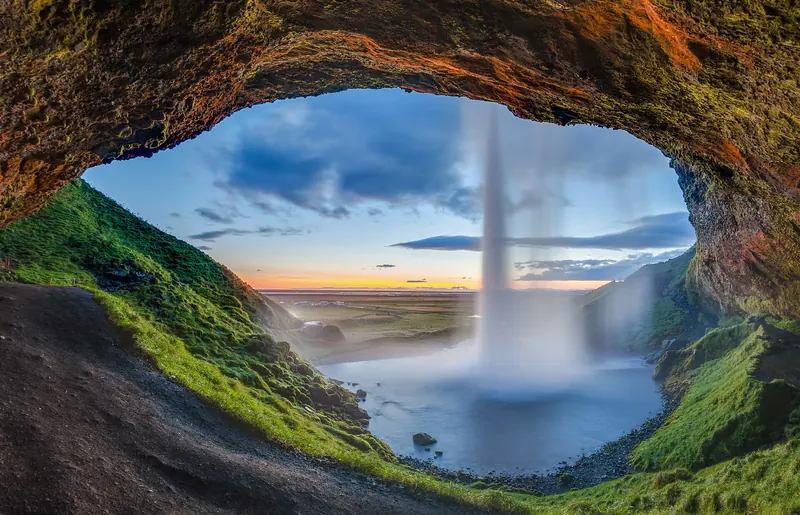
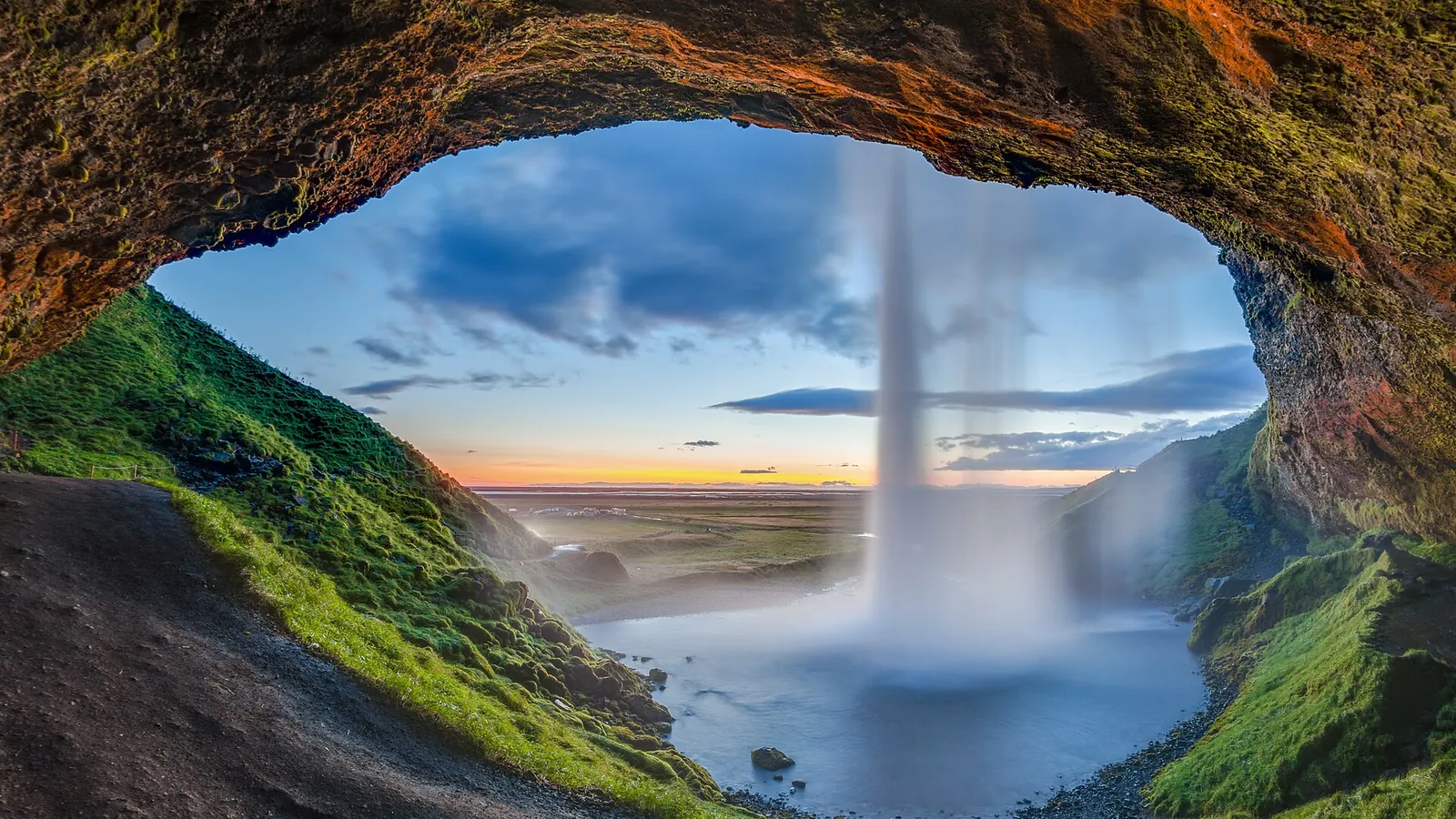
Seljalandsfoss waterfall on Iceland's South Coast, with a path running behind the falling water

Northern Europe

Iceland Travel Guide

A volcanic island where glaciers, waterfalls, geysers and black sand beaches sit within a single day's drive of a capital city, under skies that barely darken in summer or brighten in winter.

  • Destinations 10 hand-picked
  • Best time June–August for the Highlands and midnight sun, or February–March for the northern lights with fewer crowds than winter's peak
  • Ideal trip 7–10 days for a first trip

Photo: Diego Delso · CC BY-SA 4.0

Why go to Iceland

Iceland sits directly on the Mid-Atlantic Ridge, and it shows — this is a country still actively being built by volcanoes, glaciers and geothermal heat, and the landscape changes character every hour's drive: black lava fields give way to green farmland, farmland gives way to glacier tongues, and glaciers give way to geothermal valleys steaming quietly in the cold.

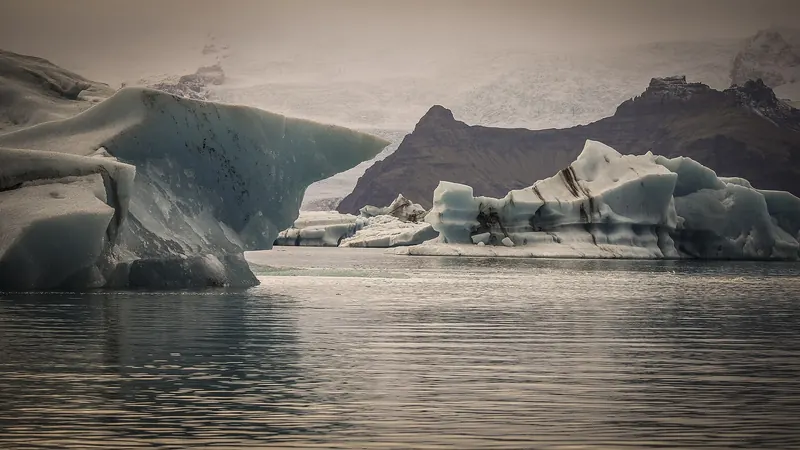
The Ring Road (Route 1) circles the whole island and makes an astonishing amount of this accessible without technical skills — waterfalls you can walk behind, a glacier lagoon where icebergs drift out to sea, and geysers that erupt on a predictable schedule all sit within range of ordinary rental cars, at least outside the wilder interior Highlands.

Reykjavik, small and walkable, anchors the whole trip and holds the great majority of the country's quarter-million-plus population, but Iceland's real case is made outside it — this is a country where the drive between two sights is very often as memorable as either sight itself.
Where to go

Best Places to Visit in Iceland

Ordered roughly by how strongly we would recommend each for a first visit — though the Westfjords and the Highlands reward a second trip just as much as a first.

Capital CityMajor City

Reykjavik

Capital Region

Iceland's small, walkable capital, its colourful rooftops, geothermal pools and harbourfront concert hall anchoring almost every trip to the country.

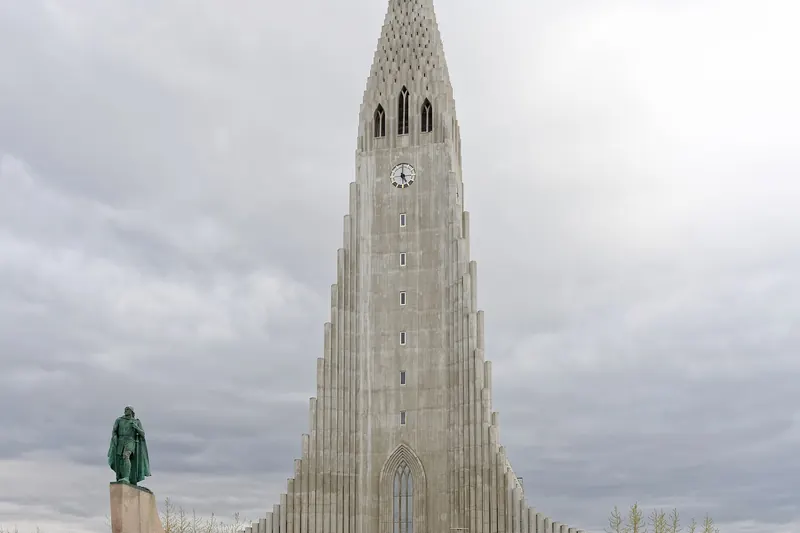
Don't miss Standing at the foot of Hallgrímskirkja's 74-metre tower, the whole colourful, low-rise city spread out below toward the bay and the mountains beyond.

Explore Destination — Reykjavik
Nature & WildlifeUNESCO Site

The Golden Circle

Southern Iceland

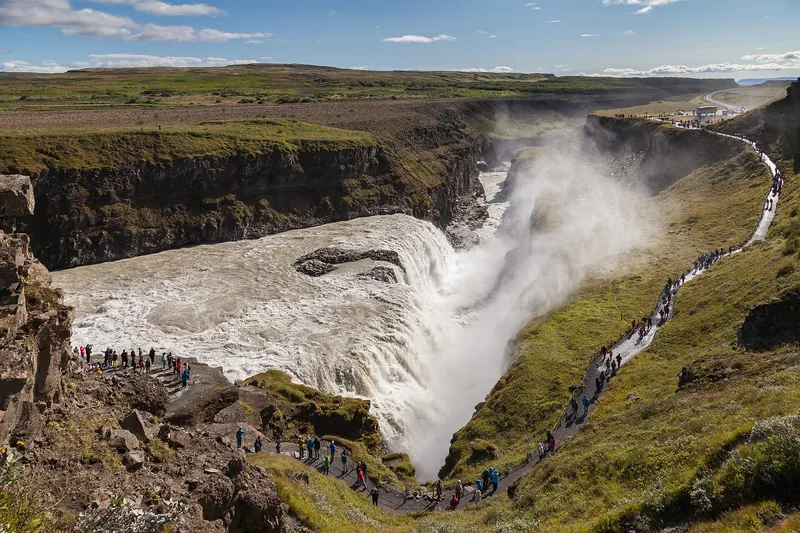
Iceland's most-visited route, looping past a UNESCO rift valley, an erupting geyser and a thundering waterfall within a single day from Reykjavik.

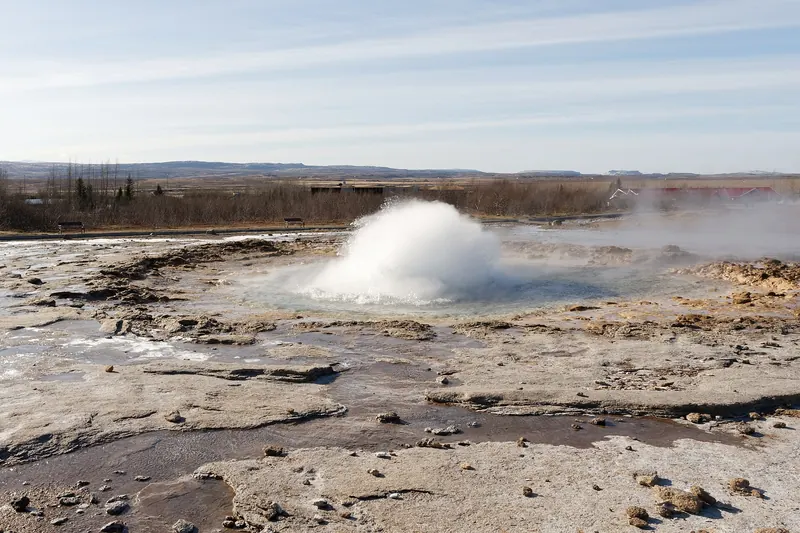
Don't miss Watching Strokkur's water dome swell for a few seconds before erupting in a sudden column of steam and spray, metres from where you're standing.

Explore Destination — The Golden Circle
Nature & WildlifeWaterfalls

The South Coast

Southern Iceland

Iceland's single most photographed stretch of coast, its waterfalls, black sand beaches and glaciers strung along one accessible road from Reykjavik.

Don't miss Walking the path that ducks fully behind Seljalandsfoss's curtain of falling water, the whole valley framed through it.

Explore Destination — The South Coast
Nature & WildlifeCoast & Beaches

Snæfellsnes Peninsula

Western Iceland

A compact peninsula holding glaciers, lava fields, black churches and dramatic coastline within a single day's loop, often called 'Iceland in miniature.'

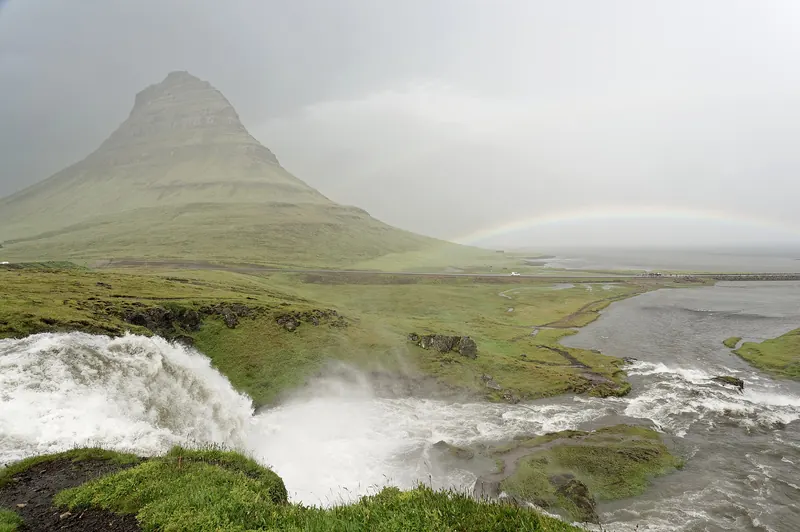
Don't miss Kirkjufell's near-perfect cone reflected in its own waterfall's pool, one of the most photographed views in Iceland.

Explore Destination — Snæfellsnes Peninsula
Nature & WildlifeWildlife

The Westfjords

Northwest Iceland

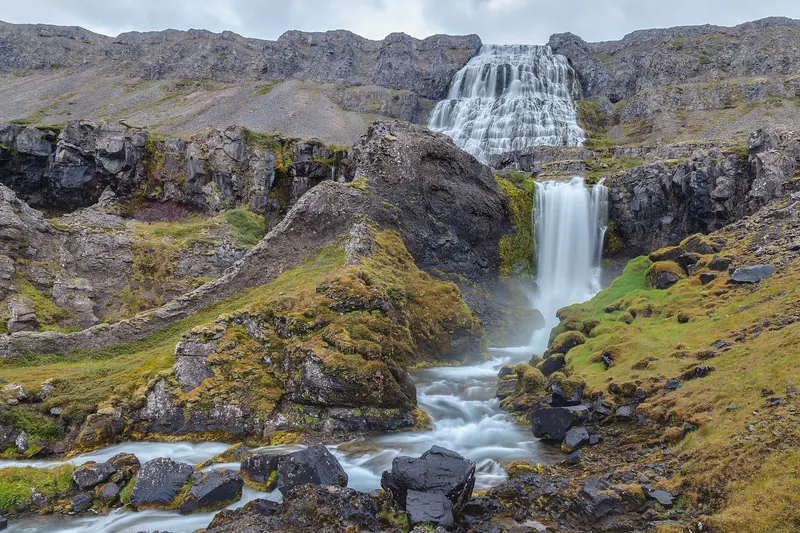
Iceland's remote northwest arm, a maze of fjords with towering bird cliffs, a red sand beach and some of the country's least-visited scenery.

Don't miss Lying flat on the grass at the top of Látrabjarg as thousands of puffins bob on the sea far below, utterly alone but for the birds.

Explore Destination — The Westfjords
Nature & WildlifeWildlife

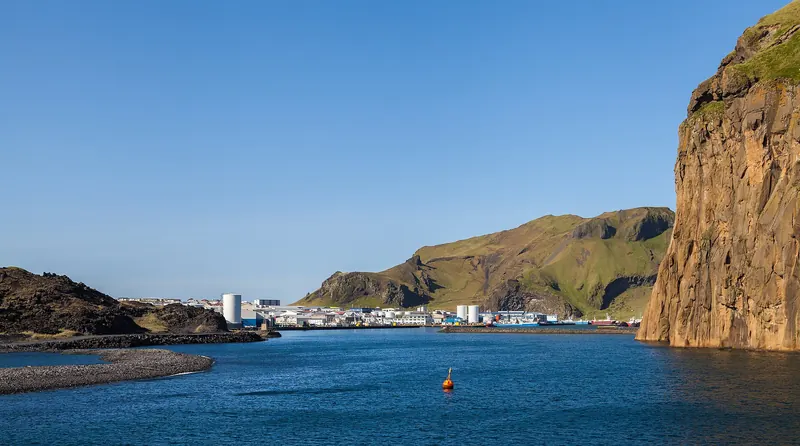
The Westman Islands

Vestmannaeyjar, South Iceland

A dramatic volcanic archipelago off Iceland's south coast, home to a 1973 eruption's frozen aftermath and vast puffin colonies.

Don't miss Standing on the rim of Eldfell, a volcano that didn't exist before 1973, looking down over the town it nearly buried.

Explore Destination — The Westman Islands

Browse all 510 destinations

Experiences

Best things to do in Iceland

The experiences that recur across the country and that make an Iceland trip feel like more than a checklist of waterfalls.

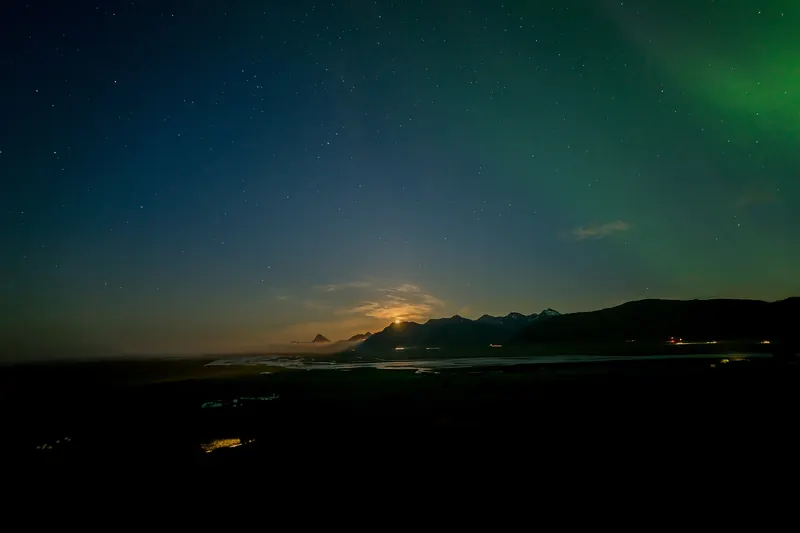
  1. The aurora borealis glowing green over an Icelandic landscape

    Chase the northern lights

    One of the best places on Earth to see the aurora, visible on clear, dark nights roughly September to April, away from Reykjavik's light pollution.

    Tip Check the Icelandic Met Office's aurora forecast and cloud cover map — clear skies matter more than the forecast's activity number.

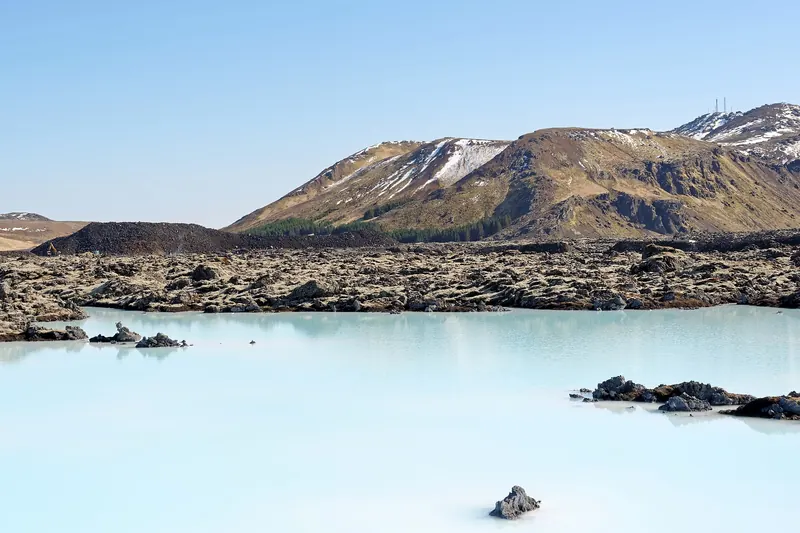
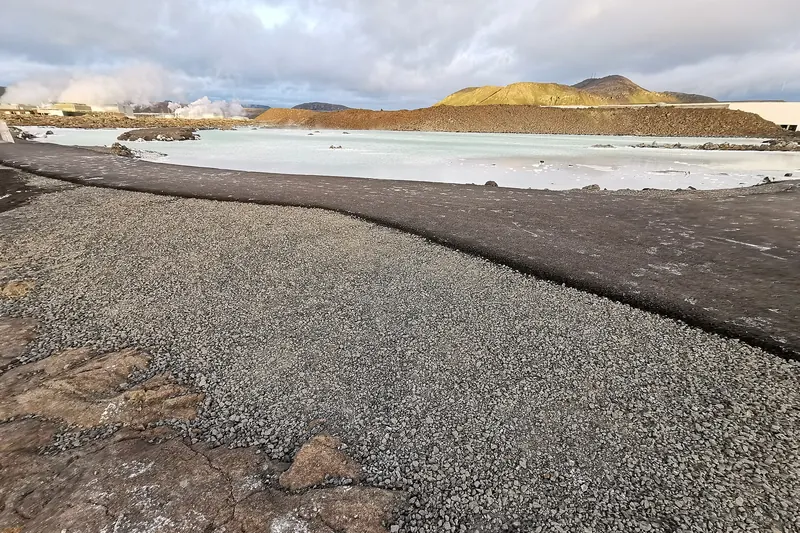
  2. The milky blue water of a geothermal lagoon in Iceland

    Soak in a geothermal pool

    The Blue Lagoon is famous, but every Icelandic town has its own naturally heated public pool, cheaper and just as authentic a local ritual.

    Tip A neighbourhood pool (sundlaug) in Reykjavik offers a more local experience than the tourist-focused lagoons, at a fraction of the price.

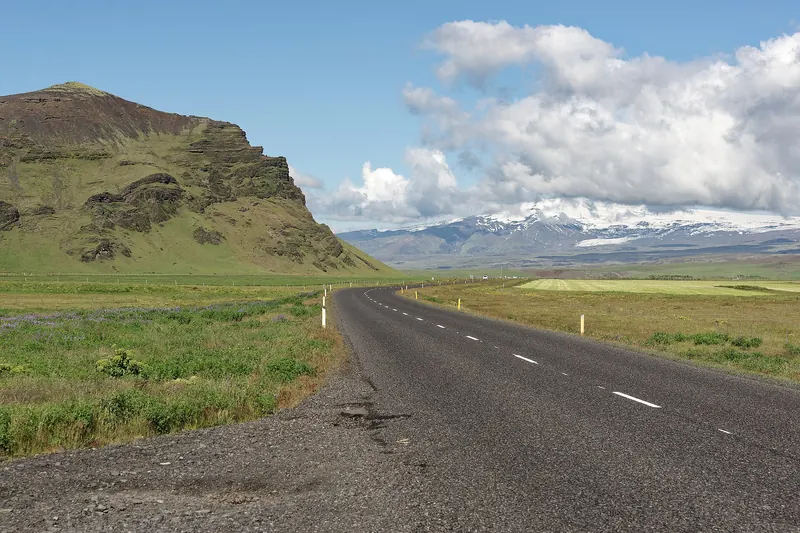
  3. A stretch of Iceland's Ring Road running through open volcanic landscape

    Drive the Ring Road

    A spectacular 1,332km loop around the whole island, taking anywhere from seven days to several weeks depending on how many detours you take.

    Tip Book accommodation well ahead in summer — the Ring Road's small towns sell out months in advance in peak season.

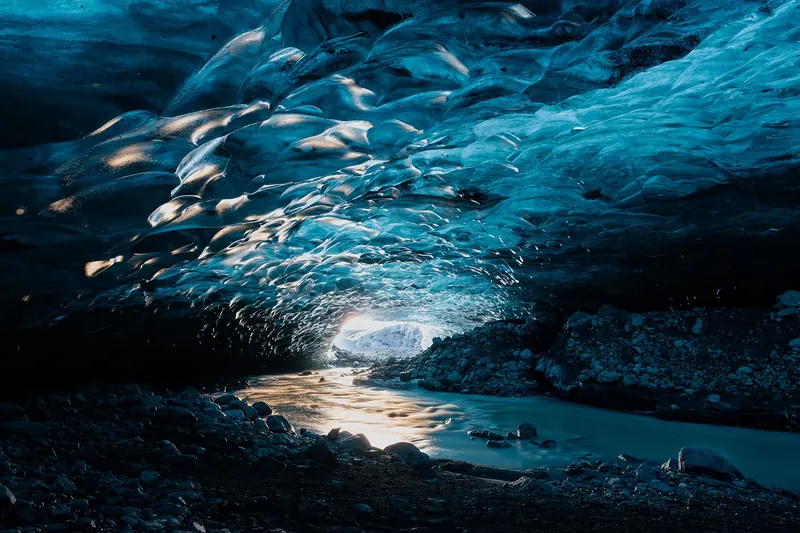
  4. A blue ice cave inside Vatnajökull glacier

    Walk on or into a glacier

    Guided glacier hikes and, in winter, otherworldly blue ice caves are widely available on Vatnajökull, Europe's largest ice cap by volume.

    Tip Ice caves are only accessible in winter, when the ice is stable enough for safe entry — book well ahead.

  5. Strokkur geyser erupting in a tall column of water and steam

    See a geyser erupt

    Strokkur, in the Golden Circle, erupts reliably every five to ten minutes, a far more active show than its dormant namesake, Geysir, next door.

    Tip Stand slightly upwind and to the side — the wind determines which direction the spray goes.

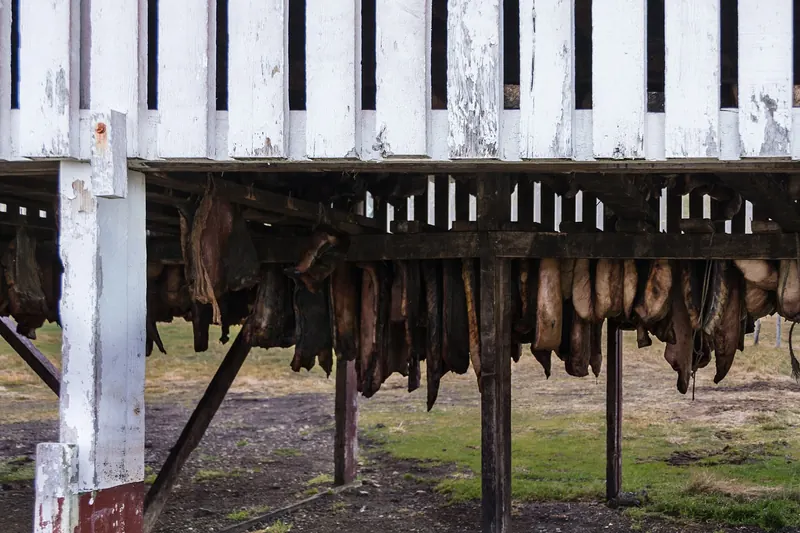
  6. Cubes of hákarl, Iceland's fermented shark meat, served on toothpicks

    Try fermented shark and other local food

    Hákarl is a rite of passage more than a regular meal, but Iceland's food is far more than this one dare — the lamb, the seafood and the skyr are all excellent.

    Tip Chase a small piece of hákarl with a shot of Brennivín, the traditional pairing that helps.

Food and drink

Iceland foods to try

Icelandic food's reputation abroad rarely does justice to a serious lamb, seafood and dairy culture found at every price point.

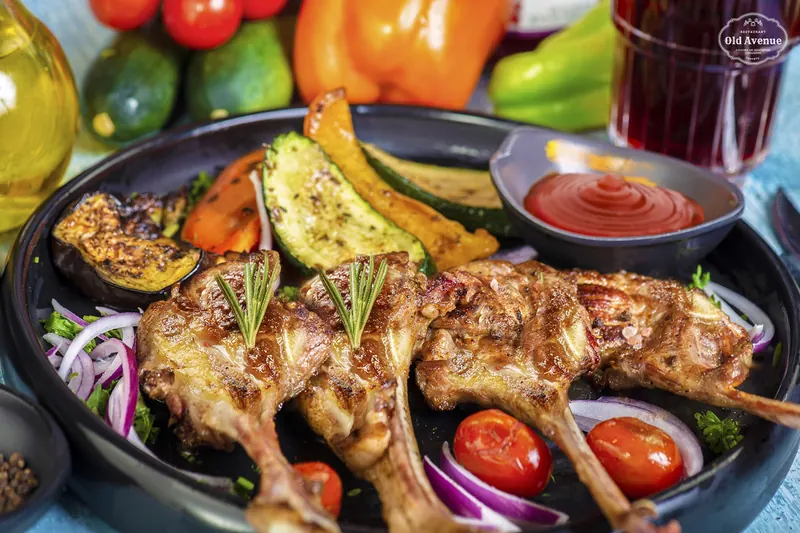
  • A roast lamb dish, an Icelandic specialty

    Icelandic lamb

    Free-range and grass-fed on wild herbs across the highlands, among the best lamb in the world, and a staple of Icelandic menus nationwide.

    Where to try it Restaurants nationwide, particularly excellent in rural guesthouses.

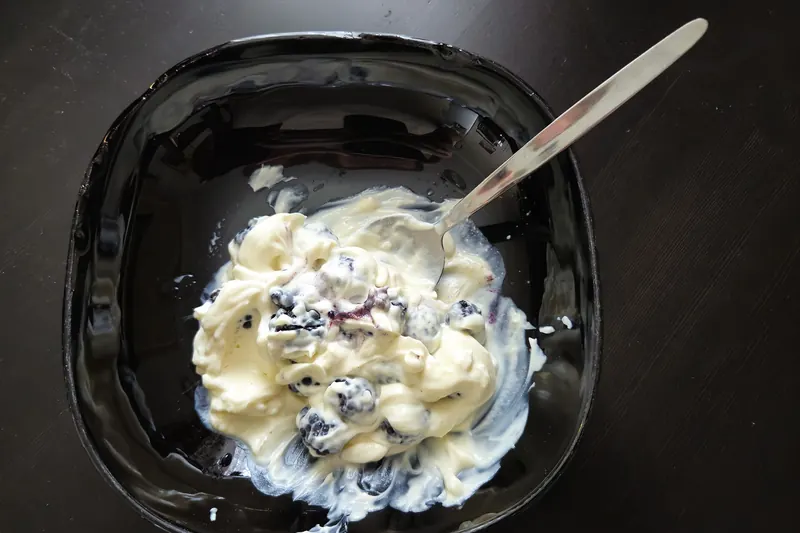
  • A bowl of skyr, Iceland's traditional dairy product, topped with berries

    Skyr

    An ancient, thick, protein-rich dairy product technically closer to strained yoghurt than cheese, eaten daily nationwide for over a thousand years.

    Where to try it Supermarkets and cafés nationwide — an essential daily staple.

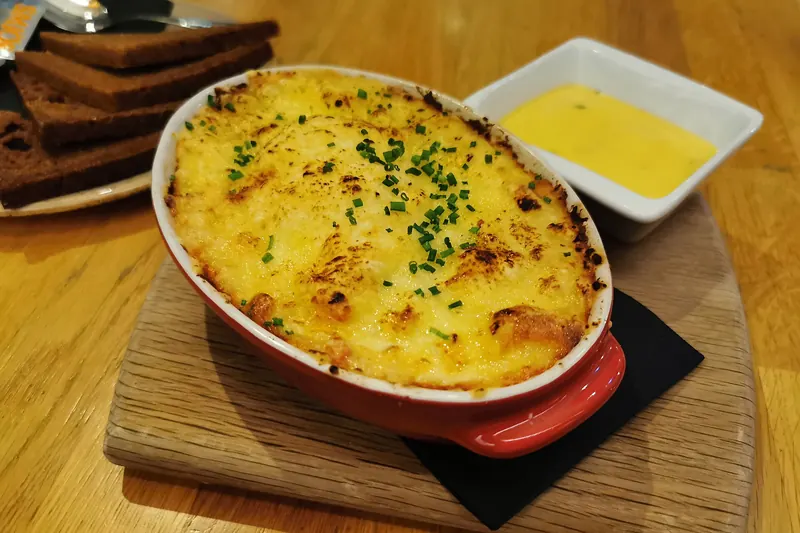
  • Plokkfiskur, a traditional Icelandic fish stew

    Fresh Icelandic seafood

    Some of the freshest seafood anywhere, from simple plokkfiskur fish stew to langoustine and Arctic char, landed daily at working harbours nationwide.

    Where to try it Harbour-side restaurants in Reykjavik and coastal fishing towns.

  • An Icelandic hot dog topped with raw and fried onions, ketchup, mustard and remoulade

    Icelandic hot dog

    A beloved lamb-and-pork sausage piled with raw and crispy onions, topped 'with everything' (ein með öllu) as the default order nationwide.

    Where to try it Bæjarins Beztu Pylsur in Reykjavik, the country's most famous hot dog stand.

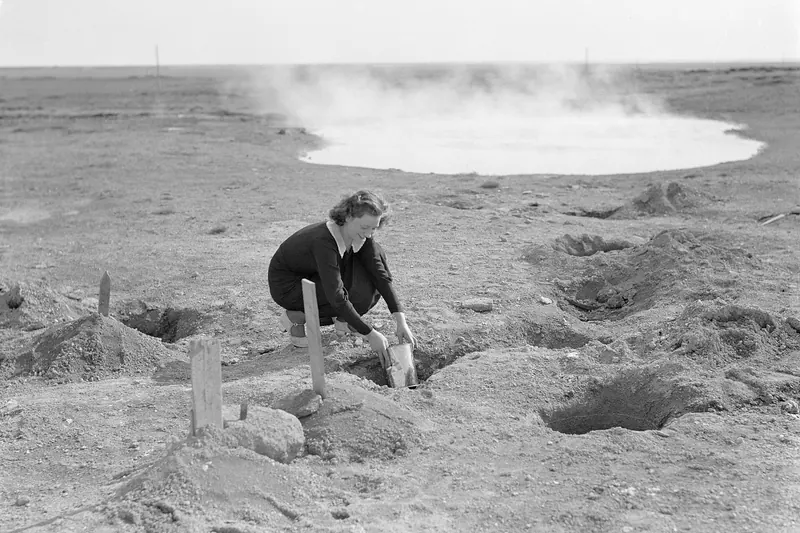
  • A dark loaf of rúgbrauð, traditional Icelandic geothermally baked rye bread

    Rúgbrauð (geothermal rye bread)

    A dense, faintly sweet dark rye bread traditionally baked for a full day buried in geothermally heated ground, still made this way in some spots.

    Where to try it Bakeries nationwide, and geothermal bakeries near Lake Mývatn for the traditional version.

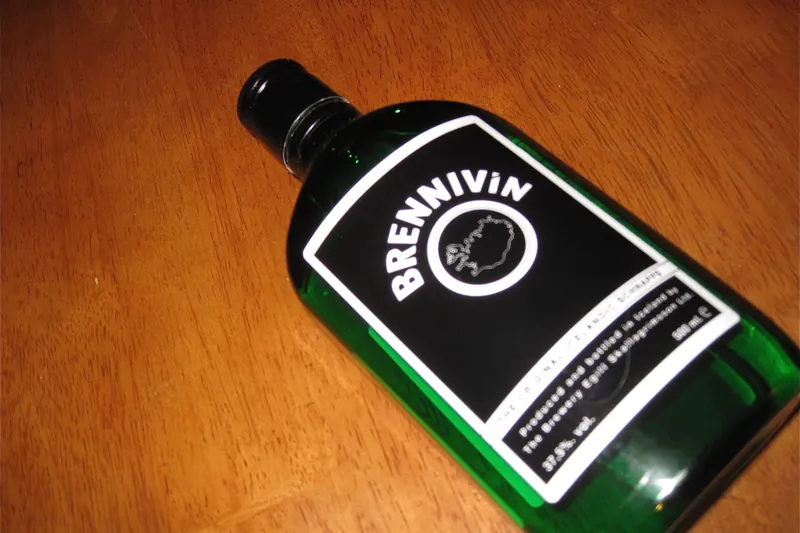
  • A bottle of Brennivín, Iceland's traditional caraway-flavoured spirit

    Brennivín

    A potent, unsweetened caraway-flavoured schnapps nicknamed 'Black Death,' traditionally the classic accompaniment to a piece of hákarl.

    Where to try it Bars nationwide, and liquor stores (Vínbúðin) for a bottle to take home.

Before you go

Practical travel information for Iceland

The essentials, current for 2026. Iceland is straightforward and exceptionally well organised to travel in, with fast-changing weather and high prices the two practicalities that most often catch visitors out.

Capital
Reykjavik
Language
Icelandic nationally, with exceptionally high English fluency virtually everywhere.
Currency
Icelandic króna (kr, ISK)
Cards and cash
Card-first — cash is rarely needed anywhere, including for the smallest purchases.
Entry and visas
Visa-free entry for up to 90 days within a 180-day period for many nationalities including the US, Canada, Australia and UK, under the Schengen Area's common rules.
Power sockets
Type C and F (Europlug/Schuko), 230 V, 50 Hz — standard continental European two-pin plugs.
Emergency number
112 for all emergencies, nationwide.
Tipping
Not customary and not expected — service is already included in prices nationwide.
Safety
Extremely safe overall, consistently ranked the world's most peaceful country. The real risks are environmental — weather, unstable coastlines and glacier crevasses — not crime.
Internet and SIM
Excellent 4G and 5G coverage along the Ring Road and in towns, though patchy in the remote Highlands and Westfjords interior.
Time zone
Greenwich Mean Time (UTC+0) year-round — Iceland does not observe daylight saving time.

Daily budget guide (per person)

Backpacker
ISK 14,000–22,000 per day — hostels, supermarket meals, buses
Mid-range
ISK 28,000–45,000 per day — guesthouses, restaurant meals, a rental car
Comfortable
ISK 55,000–90,000 per day — hotels, guided tours, fuel for a longer loop
Summer supplement
Add roughly 15–25% to any budget band specifically in June–August

Excludes international flights. Figures are typical rather than absolute — cities and peak season run higher.

When to go

Best time to visit Iceland

Iceland is a year-round destination, but summer and winter offer such different experiences that the season you choose shapes the whole trip.

  • Summer (June–August)

    Best time

    Near-endless daylight, the Highlands' interior roads open, and the mildest, most reliable weather — also the busiest and most expensive season.

  • Autumn (September–October)

    Good

    Quieter, with the northern lights becoming visible again as nights darken, though weather turns noticeably less predictable.

  • Winter (November–February)

    Good

    Short days but dramatic, with ice caves, the best northern lights odds, and a real chance of snow closing mountain roads.

  • Spring (March–May)

    Good

    Increasingly long days and thinner crowds than summer, though the Highlands' interior roads stay closed until June.

Worth planning around: Attempting the Highlands' F-roads outside June–September, when they are closed by snow and impassable without specific permission and equipment.

Trip length

How long to spend in Iceland

Iceland's Ring Road and the distances between its major sights make a full loop rewarding but time-hungry — rushing it defeats much of the point.

  • 3–4 days

    Reykjavik, the Golden Circle and the South Coast as far as Jökulsárlón and back, the classic short Iceland trip.

    The most popular short itinerary, covering the country's most famous sights without a full Ring Road commitment.

  • 5–7 days

    The South Coast, Jökulsárlón and either Snæfellsnes or a first look at North Iceland, connected by longer driving days.

    Enough time to add real depth to the classic South Coast route.

  • 8–10 days

    The itinerary on this page: the full Ring Road, covering the South Coast, the East Fjords, North Iceland and Snæfellsnes.

    A complete first circuit of the island at a reasonable, unrushed pace.

  • 2 weeks or more

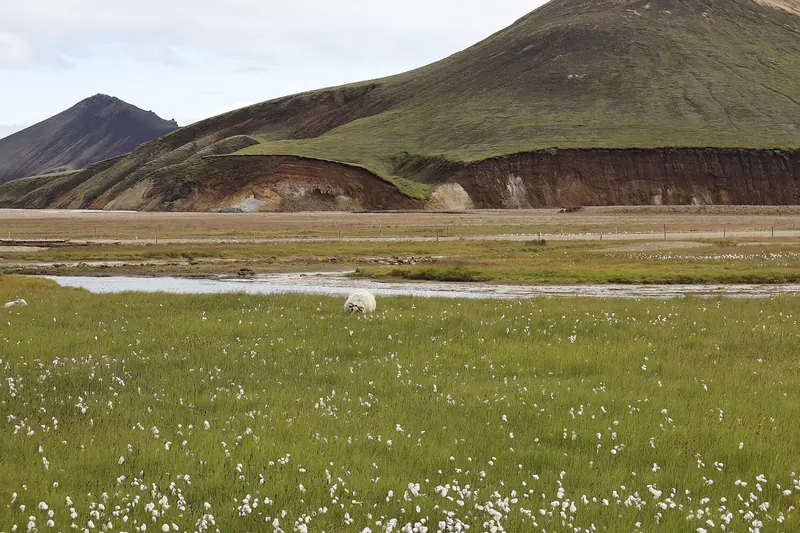
    Add the Westfjords or the Highlands in full, both worth a dedicated few days rather than a rushed detour.

    The Westfjords and Landmannalaugar are where a second Iceland trip belongs.

Getting around

Transportation in Iceland

A rental car is the standard way to see Iceland — public transport beyond Reykjavik is limited, and the whole point of the country is the drive between sights.

  • Rental car

    Essential for the South Coast, Golden Circle and Snæfellsnes at a flexible pace.

    A 4x4 is recommended outside summer, and required for any F-road into the Highlands.

  • Domestic flights

    Connect Reykjavik to Akureyri and other regional airports in under an hour, useful for reaching the north or Westfjords quickly.

    Air Iceland Connect operates most domestic routes from Reykjavik's city airport, not Keflavík.

  • Strætó buses

    A limited but workable public network connecting Reykjavik to major towns along the Ring Road.

    Far less flexible than a car, and impractical for reaching most natural sights directly.

  • Organised day tours

    Widely available from Reykjavik for the Golden Circle, glacier hikes and northern lights, handling transport for visitors without a car.

    A practical option for a short Reykjavik-based trip.

  • Guided super-Jeep and F-road tours

    The only practical way to reach the Highlands without your own properly equipped 4x4.

    Essential in shoulder season, when river crossings and road conditions change fast.

Sample route

Eight days in Iceland

A full Ring Road loop from Reykjavik, covering the South Coast, the glacier lagoon, North Iceland and Snæfellsnes on the way back. Covers six of the ten destinations in this guide.

  1. Day1

    Arrive in Reykjavik

    • Morning Land at Keflavík and drive or transfer into Reykjavik.
    • Afternoon Walk the old harbour and Laugavegur, and see Hallgrímskirkja.
    • Evening Dinner and a soak at a local geothermal pool.
  2. Day2

    The Golden Circle

    • Morning Þingvellir National Park and the rift valley.
    • Afternoon Geysir and Strokkur, then Gullfoss waterfall.
    • Evening Drive on toward the South Coast, or return to Reykjavik.
  3. Day3

    The South Coast

    • Morning Seljalandsfoss and Skógafoss waterfalls.
    • Afternoon Reynisfjara's black sand beach near Vík.
    • Evening Stay overnight near Vík or Skaftafell.
  4. Day4

    Jökulsárlón and the glacier lagoon

    • Morning Continue east through Skaftafell and Vatnajökull National Park.
    • Afternoon Jökulsárlón's icebergs, and Diamond Beach across the road.
    • Evening A glacier walk or ice cave tour, in season.
  5. Day5

    The East Fjords

    • Morning Drive the dramatic East Fjords coastal road.
    • Afternoon Stop in a small fjord town such as Seyðisfjörður.
    • Evening Continue toward North Iceland.
  6. Day6

    Lake Mývatn and North Iceland

    • Morning Goðafoss waterfall en route.
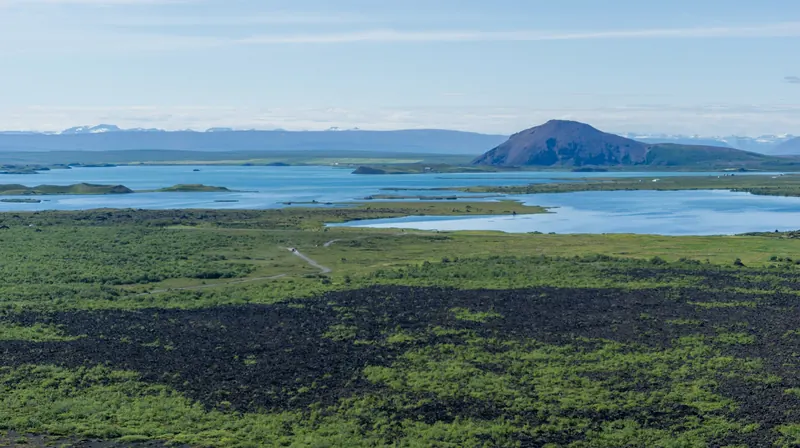
    • Afternoon Lake Mývatn's craters, lava fields and geothermal areas.
    • Evening A soak at the Mývatn Nature Baths.
  7. Day7

    Back through the north and west

    • Morning Akureyri, the 'capital of the north.'
    • Afternoon Continue west toward Snæfellsnes.
    • Evening Settle in on the Snæfellsnes peninsula.
  8. Day8

    Snæfellsnes and depart

    • Morning Snæfellsjökull glacier and the peninsula's dramatic coastline.
    • Afternoon Drive back to Reykjavik or Keflavík.
    • Evening Fly home.

Culture

Culture and etiquette in Iceland

Icelandic culture is shaped by a genuine sense of self-reliance and closeness to nature, alongside real pride in its medieval sagas and a small, tightly connected population.

  • Shoes off indoors, and before entering a pool

    Removing shoes at the door is standard in homes, and a proper shower before entering any public pool is not optional — it's enforced.

  • Icelanders are informal and direct

    First names are the norm everywhere, including with strangers and in business, and directness is not considered rude.

  • Respect the landscape and stay on marked paths

    Iceland's terrain is fragile — moss takes decades to regrow, and off-path driving is both illegal and seriously damaging.

  • Nature's risks are taken seriously here

    Unstable cliffs, sudden waves at black sand beaches and unpredictable weather are responsible for most visitor incidents — heed posted warnings.

  • Tipping is not expected

    Service is already included in prices nationwide, and offering a tip can read as slightly odd rather than generous.

  • Book ahead in summer, without exception

    Accommodation and popular tours sell out months ahead across the peak June–August season.

Do

  • Take off your shoes when entering a home, and shower thoroughly before any public pool.
  • Book accommodation and car hire well ahead for a summer trip.
  • Check road.is and the aurora forecast before any winter driving or northern lights trip.
  • Bring layers for every season — weather changes within the same day.

Don't

  • Don't drive off marked roads or tracks — it's illegal and damages fragile terrain for decades.
  • Don't ignore posted warnings at waterfalls, cliffs and black sand beaches — sneaker waves are a genuine, serious hazard.
  • Don't expect to tip — it's built into prices and not customary.
  • Don't attempt Highland F-roads without a proper 4x4 and current road conditions checked.

Travel tips

Iceland travel tips

The things that most often go wrong on an Iceland trip, in rough order of how much they cost people.

  • Book your rental car, accommodation and any glacier or ice cave tour well ahead for summer travel.
  • Check road.is and the aurora forecast before any winter driving or northern lights trip.
  • Budget for high prices — Iceland is one of the most expensive countries in Europe to visit.
  • Pack proper layers and a real waterproof shell regardless of season.
  • Never approach black sand beaches' waterline at Reynisfjara or similar spots — sneaker waves are dangerous.
  • Consider the Highlands only with a proper 4x4, and only between June and September when F-roads are open.
  • Fill up on fuel whenever you see a station outside the Ring Road's main towns — distances between them are longer than they look.
  • Buy alcohol at the duty-free shop on arrival at Keflavík — it's cheaper than anywhere else in the country.

FAQ

Visiting Iceland: frequently asked questions

How many days do you need in Iceland?

A week to ten days covers a full Ring Road loop comfortably, which is the itinerary on this page. Three to four days is enough for Reykjavik, the Golden Circle and the South Coast alone, and still worthwhile.

What is the best time of year to visit Iceland?

June to August for long daylight and full access to the Highlands; February to March for a good balance of northern lights odds and thinner crowds than the depths of winter.

Do you need a car in Iceland?

For anywhere beyond Reykjavik, yes — public transport is limited, and a rental car is the standard way most visitors see the country.

Is Iceland expensive?

Yes, one of the most expensive countries in Europe — mid-range travel runs about ISK 28,000–45,000 per person per day. Supermarket meals and a hostel or guesthouse keep costs down.

Can you see the northern lights in Iceland?

Yes, one of the best places in the world for it, roughly September to April on clear, dark nights away from Reykjavik's light pollution — never guaranteed, but a real, frequent possibility.

Is Iceland safe to visit?

Extremely safe from a crime perspective, consistently ranked the world's most peaceful country. The real risks are environmental — unstable coastlines, glacier crevasses and fast-changing weather — treated with genuine respect by visitors and locals alike.

Ready to plan your Iceland trip?

The full travel guide covers routes, budgets, regional differences and how to string these ten destinations into a trip that actually works.

Read the Iceland travel guide

Advertisement