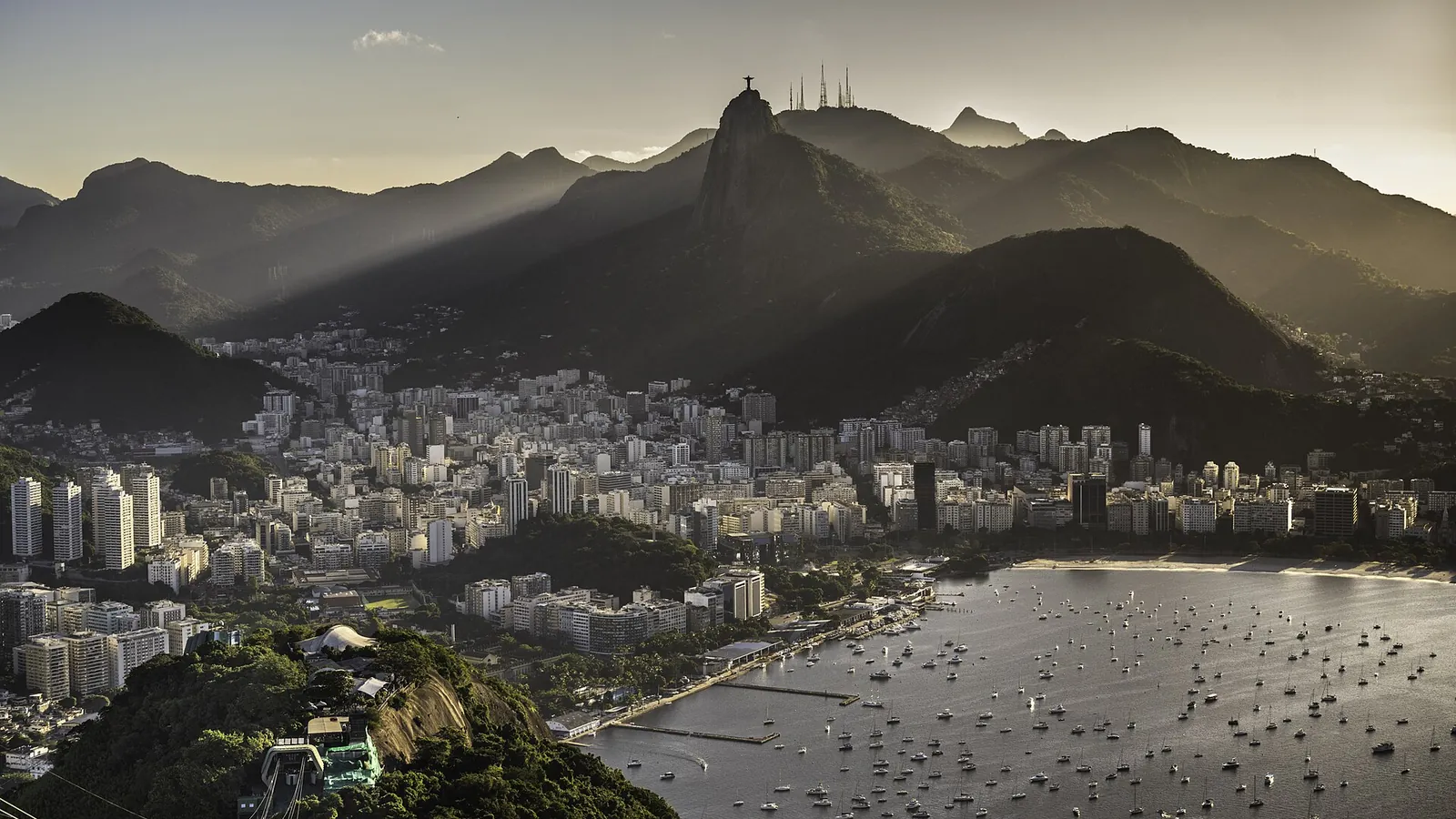
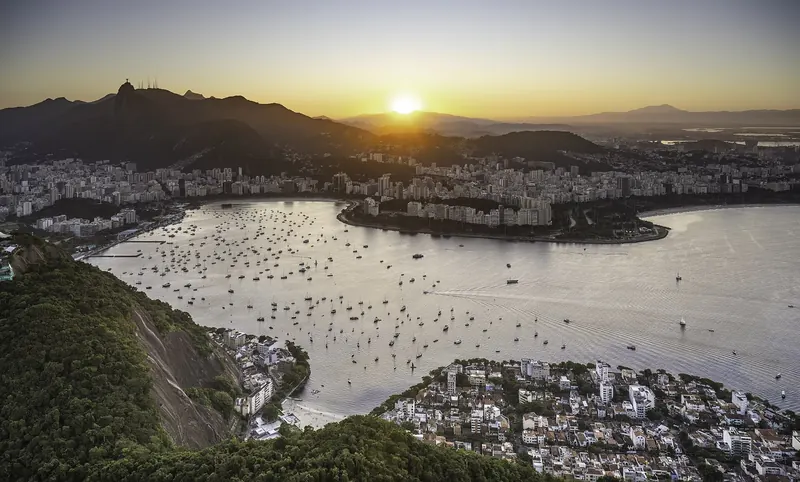
The skyline of Rio de Janeiro and Sugarloaf Mountain at sunset over Guanabara Bay

South America

Brazil Travel Guide

Samba and beaches in Rio, the world's greatest waterfalls at Iguazu, the Amazon and the Pantanal's wildlife, colonial towns and a culture of music, football and warmth.

  • Destinations 10 hand-picked
  • Best time Varies by region, see below
  • Ideal trip 2–3 weeks for a first trip

Photo: Wilfredor · CC0

Why go to Brazil

Brazil is the fifth-largest country in the world, and it takes up almost half of South America. It was colonised by the Portuguese from 1500, became an independent empire in 1822 and a republic in 1889, and it is the only Portuguese-speaking country in the Americas. Its people are a mix of Indigenous, European, African and Asian ancestry, with more people of African descent than any country outside Nigeria, and this blend gives Brazil its music, food, religion and character.

For visitors, the diversity is enormous. There are more than 7,000 km of coastline, with famous beaches and colonial ports; the Amazon, the world's largest rainforest; the Pantanal, the largest tropical wetland; the great falls of Iguazu; deserts of white dunes, and mountain towns built on gold. Rio de Janeiro is one of the world's most spectacular cities, São Paulo is the greatest megacity in the southern hemisphere, and Salvador is the heart of Afro-Brazilian culture.

The country rewards planning. Distances are huge, so flying is essential, and seasons and safety vary by region. Crime is a real concern in big cities, and a few sensible precautions make a big difference. But the welcome is warm, the food and music are joyful, and Brazil remains one of the most exciting places to travel.

Where to go

Best Places to Visit in Brazil

Ordered roughly by how strongly we would recommend each for a first visit. Rio, Iguazu and Salvador are the classic three; the Amazon and the Pantanal are the great nature stops; and the rest add beaches, colonial towns and a megacity.

Major CityCoast & Beaches

Rio de Janeiro

Rio de Janeiro State, south-east Brazil

Brazil's most famous city: Christ the Redeemer, Sugarloaf Mountain, Copacabana and Ipanema beaches, the Tijuca rainforest, Santa Teresa, samba and Carnival.

Don't miss Sunset from the top of Sugarloaf Mountain, as the city lights come on around the bay.

Explore Destination — Rio de Janeiro
UNESCO SiteNature & Wildlife

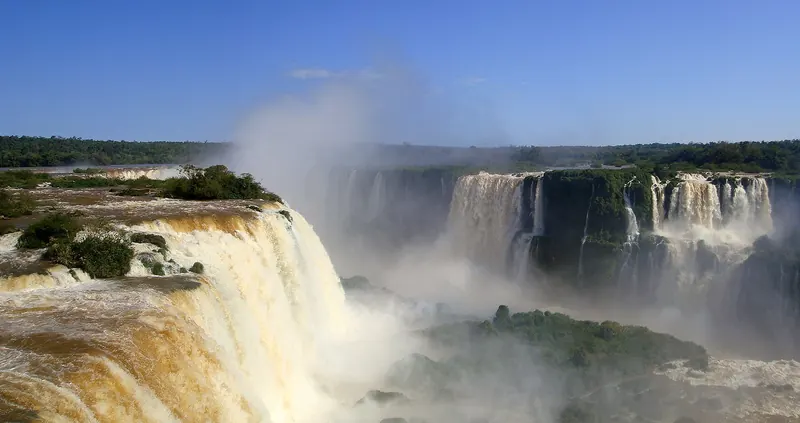
Iguazu Falls

Paraná, on the border with Argentina

One of the world's great waterfalls: a UNESCO-listed complex of cascades on the Iguazu River, seen from panoramic Brazilian walkways and the closer, more varied Argentine trails.

Don't miss Standing on the platform above the Devil's Throat, wrapped in mist and rainbows as the river plunges into the abyss.

Explore Destination — Iguazu Falls
Historic SiteUNESCO Site

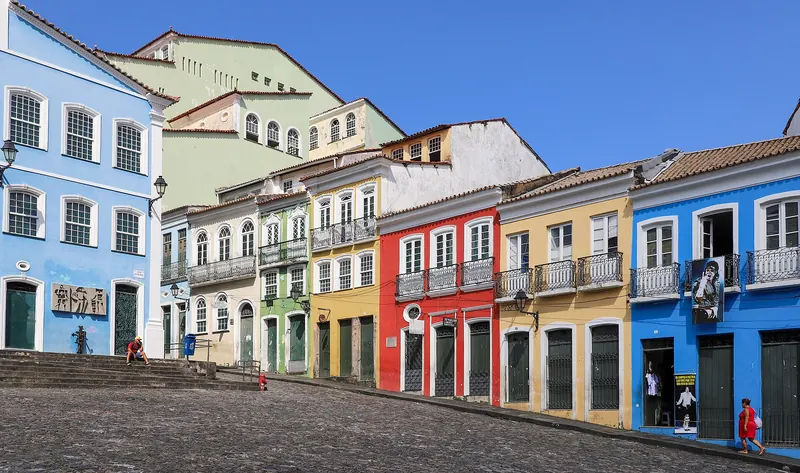
Salvador

Bahia, north-east Brazil

A UNESCO-listed colonial city on a bay, with the Pelourinho, the Elevador Lacerda, Afro-Brazilian traditions, capoeira, candomblé, beaches and unique Bahian food.

Don't miss Night falling over the Pelourinho, with drums echoing off the pastel facades and baianas selling acarajé.

Explore Destination — Salvador
Nature & WildlifeNational Park

The Amazon and Manaus

Amazonas State, northern Brazil

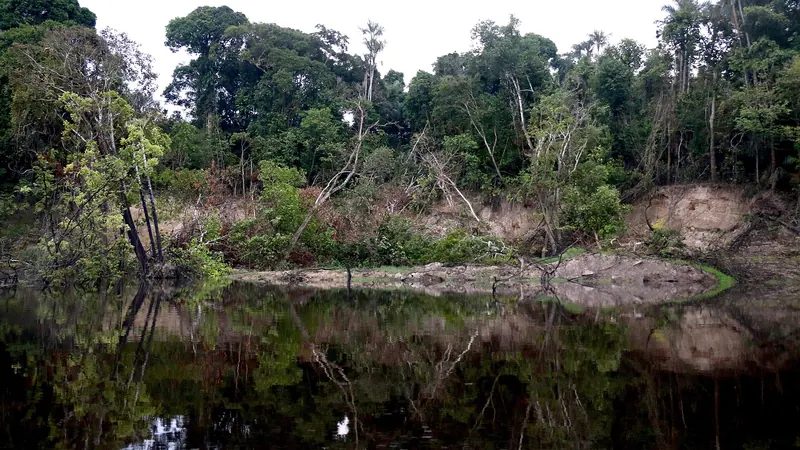
Manaus and the Rio Negro: the Meeting of the Waters, jungle lodges, the Anavilhanas archipelago, pink river dolphins, giant water lilies and the Teatro Amazonas.

Don't miss Gliding by canoe through flooded forest at dawn, with monkeys calling and the river black as coffee.

Explore Destination — The Amazon and Manaus
Nature & WildlifeUNESCO Site

The Pantanal

Mato Grosso and Mato Grosso do Sul, central-west Brazil

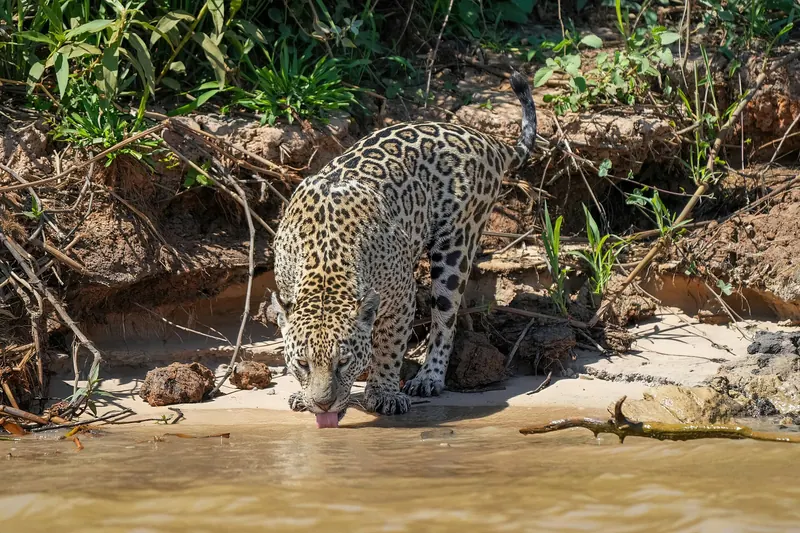
One of the world's best places for wildlife: jaguars at Porto Jofre, caimans, capybaras, giant otters and hundreds of bird species, seen by boat, safari truck and horseback.

Don't miss A jaguar padding along the riverbank in the golden light of late afternoon, from a small boat on the Cuiabá River.

Explore Destination — The Pantanal
UNESCO SiteCoast & Beaches

Paraty and Ilha Grande

Costa Verde, Rio de Janeiro State

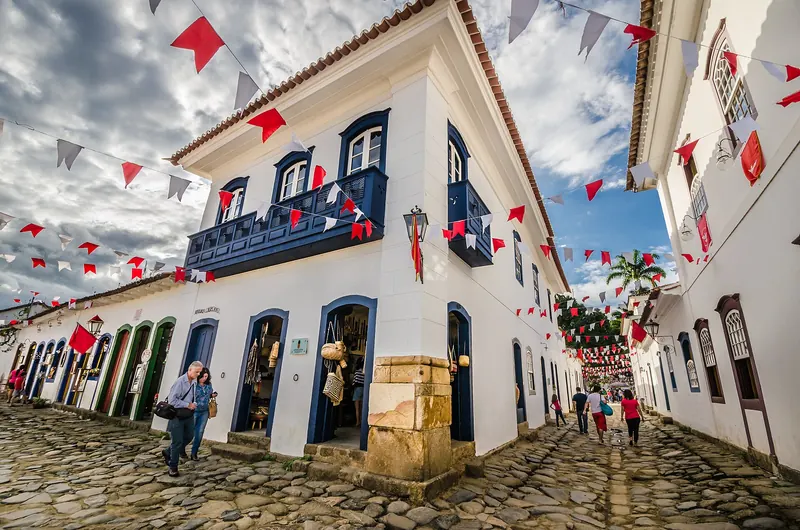
A UNESCO-listed colonial town on a bay, with cobbled streets, cachaça distilleries and schooner trips, plus the traffic-free island of Ilha Grande with jungle trails and beaches.

Don't miss A schooner cruise around the bay, with swims off deserted islands and cachaça in hand.

Explore Destination — Paraty and Ilha Grande
Major CityCulture & Arts

São Paulo

São Paulo State, south-east Brazil

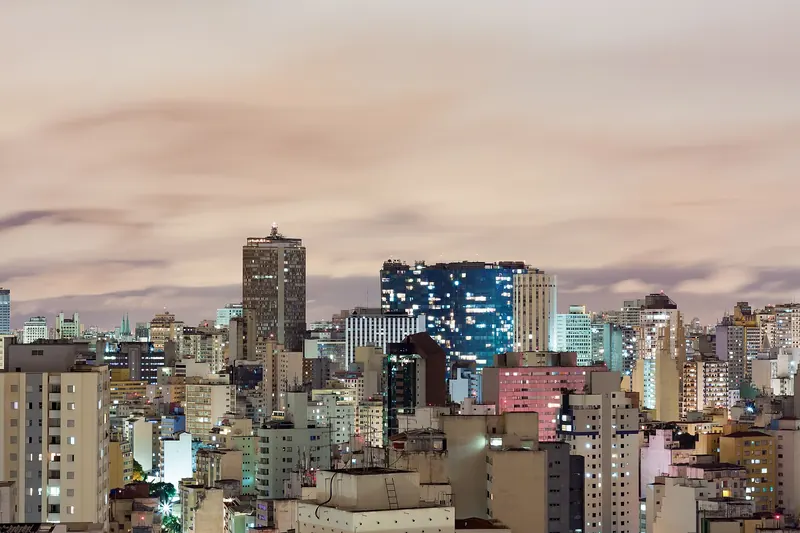
Brazil's financial and cultural capital: Avenida Paulista and MASP, Ibirapuera Park, the Municipal Market, Beco do Batman, Liberdade and a spectacular food and nightlife scene.

Don't miss A mortadella sandwich in the Mercado Municipal, followed by an evening among the murals of Vila Madalena.

Explore Destination — São Paulo
IslandUNESCO Site

Fernando de Noronha

Pernambuco, Atlantic Ocean archipelago

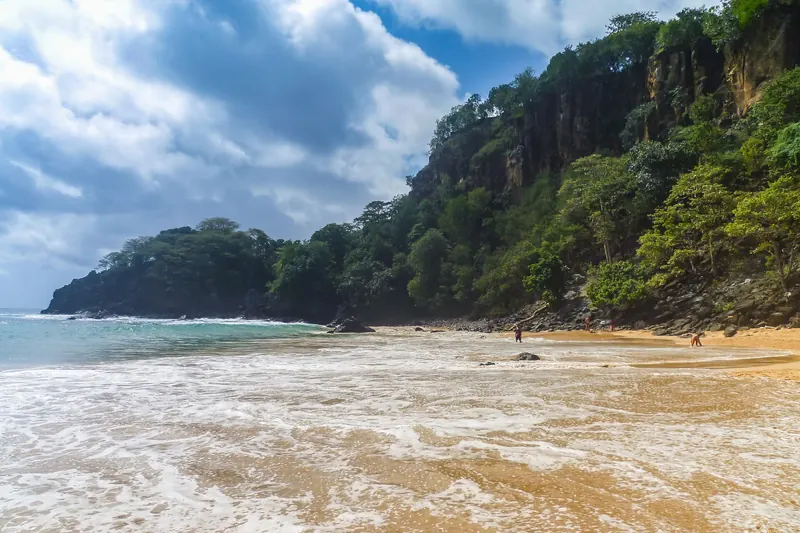
A UNESCO-listed island 350 km off the north-east coast, with turquoise bays, marine life, snorkelling, diving and a low-key, high-price resort atmosphere.

Don't miss The Baía do Sancho at sunrise, reached down a cliff-side ladder to an empty crescent of sand.

Explore Destination — Fernando de Noronha
National ParkNature & Wildlife

Lençóis Maranhenses

Maranhão, north-east Brazil

A national park of about 1,500 square kilometres of dunes and seasonal lagoons on Brazil's north coast, explored from Barreirinhas and Santo Amaro by 4x4, boat and on foot.

Don't miss Wading through a warm, clear lagoon between dunes at sunset, with not another person in sight.

Explore Destination — Lençóis Maranhenses
UNESCO SiteHistoric Site

Ouro Preto and Minas Gerais

Minas Gerais, south-east Brazil

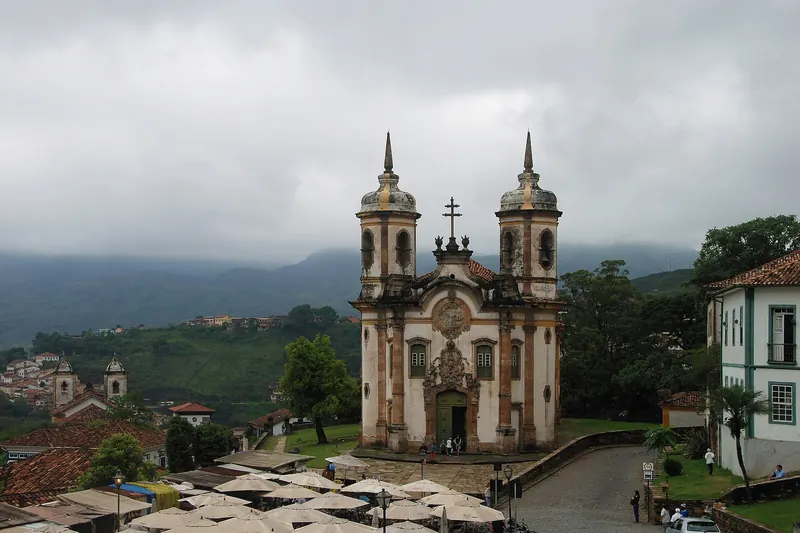
One of Brazil's first UNESCO sites: a colonial mining town with baroque churches, museums, cobbled hills and mineiro food, with historic Mariana and other colonial towns nearby.

Don't miss The interior of the Church of São Francisco de Assis, with its ceiling by Ataíde and sculptures by Aleijadinho.

Explore Destination — Ouro Preto and Minas Gerais

Browse all 510 destinations

Experiences

Best things to do in Brazil

The experiences that recur across the country and make a Brazilian trip feel like one.

  1. Stand beneath Christ the Redeemer

    The statue on Corcovado Mountain, with its outstretched arms above Rio, is one of the New Seven Wonders of the World, and the view over the city and bay is unforgettable. See Rio de Janeiro.

    Tip Go early or late for clear views, and check the cloud before you go up.

  2. Feel the spray at Iguazu Falls

    A curtain of 275 waterfalls on the border with Argentina, with walkways to the edge of the Devil's Throat. See Iguazu Falls.

    Tip See both the Brazilian and Argentine sides.

  3. See jaguars in the Pantanal

    The Pantanal is the best place in the world to see wild jaguars, as well as giant otters, caimans and hundreds of bird species. See the Pantanal.

    Tip Go in the dry season, from June to October.

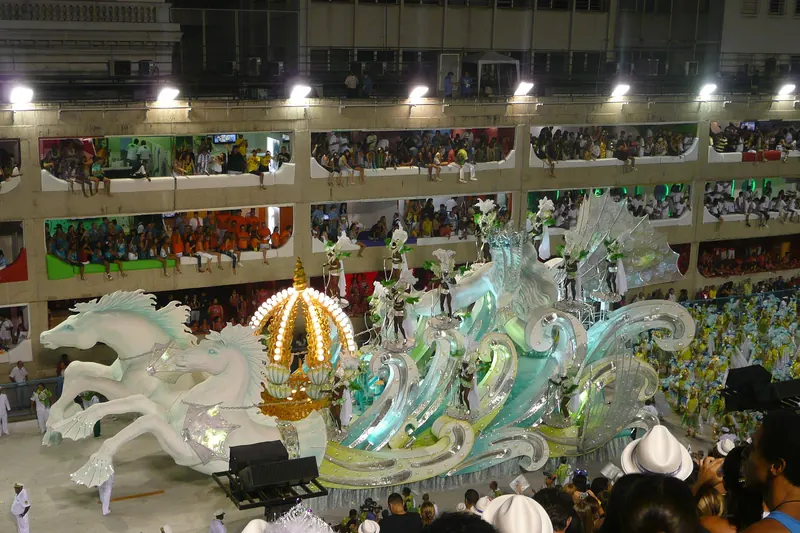
  4. A samba school parade with dancers and floats at the Rio Carnival

    Join Carnival

    Carnival, held in February or March before Lent, is a spectacle of parades, street parties and samba schools in Rio, Salvador and Recife.

    Tip Book accommodation many months ahead, and consider street blocos as an alternative to the stadium.

  5. Watch a football match

    Football is a religion, and a match at the Maracanã or another stadium is an experience of songs, drums and passion.

    Tip Go with a local or a tour, and avoid wearing team colours in rival areas.

  6. Explore the Amazon by boat

    Rivers, flooded forest and jungle lodges near Manaus give a glimpse of the world's largest rainforest. See the Amazon.

    Tip Choose a reputable lodge, and go with a local guide.

  7. Dance to samba, forró and capoeira

    Music and dance are everywhere, from Lapa's samba clubs to Salvador's capoeira circles. See Salvador.

    Tip Learn a few steps, and join in.

Food and drink

Brazil foods to try

Brazilian cooking is as varied as the country: feijoada in Rio, moqueca and acarajé in Bahia, churrasco in the south, river fish in the Amazon, and tropical fruit everywhere. Meals are social, and lunch is the main event.

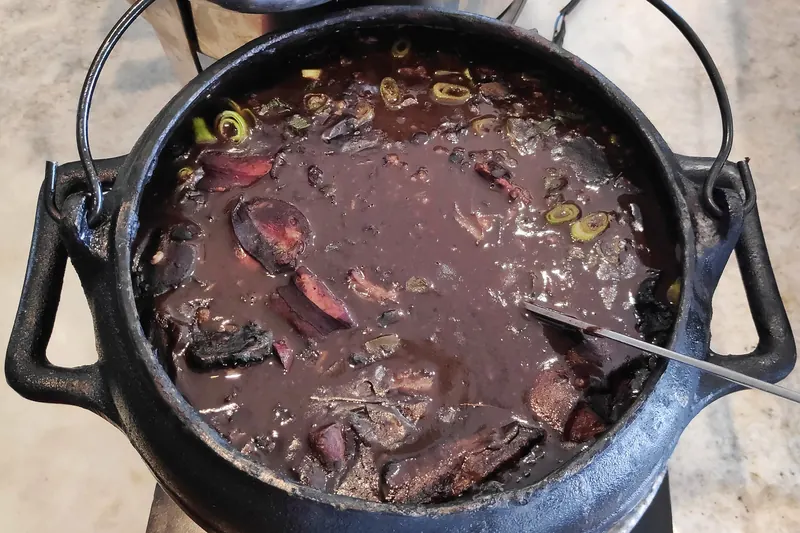
  • A pot of feijoada, black bean stew with pork, served with rice and collard greens

    Feijoada

    The national dish: a black bean stew with pork and sausage, served with rice, collard greens, farofa and orange slices. Traditionally eaten on Saturdays.

    Where to try it Restaurants in Rio and São Paulo.

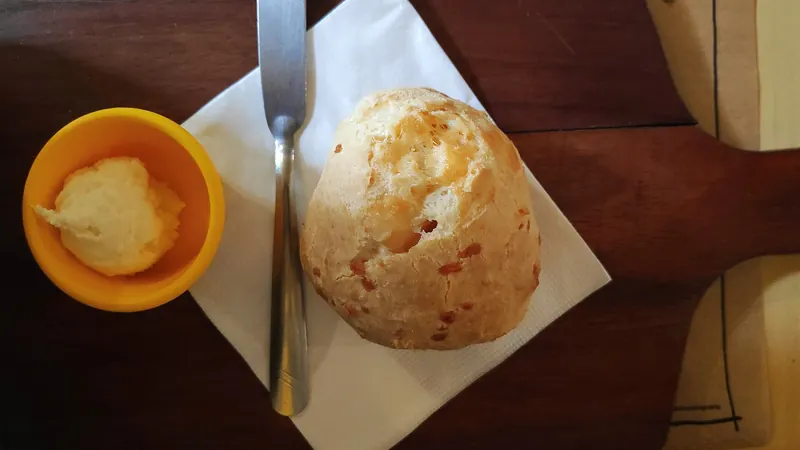
  • Warm pão de queijo cheese bread rolls

    Pão de queijo

    Small, chewy cheese rolls made from cassava flour, a staple snack from Minas Gerais and sold everywhere.

    Where to try it Bakeries and cafés, especially in Minas Gerais.

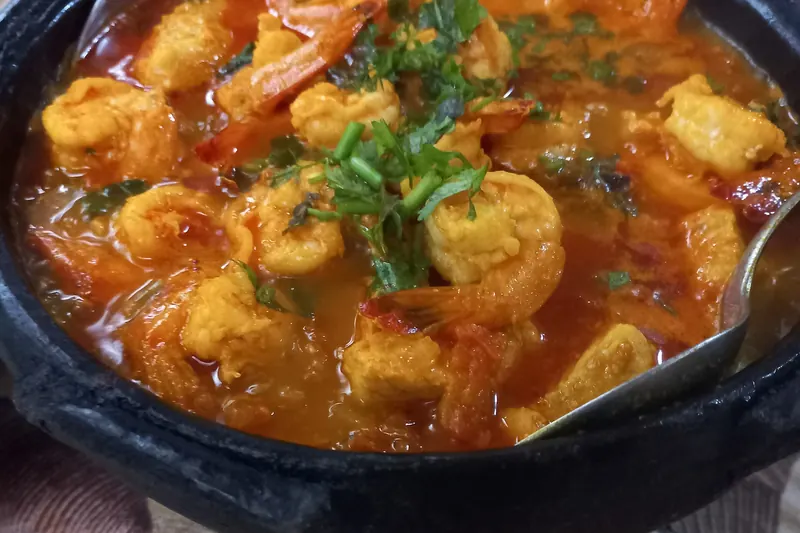
  • A clay pot of moqueca fish stew with coconut milk and peppers

    Moqueca

    A stew of fish or shrimp cooked with coconut milk, tomatoes, peppers and coriander, in a clay pot. The Bahian version adds palm oil (dendê).

    Where to try it Coastal restaurants in Salvador and Paraty.

  • Chocolate brigadeiro truffles rolled in sprinkles

    Brigadeiro

    A sweet ball of condensed milk, cocoa and butter rolled in chocolate sprinkles, served at every birthday party.

    Where to try it Bakeries and sweet shops across the country.

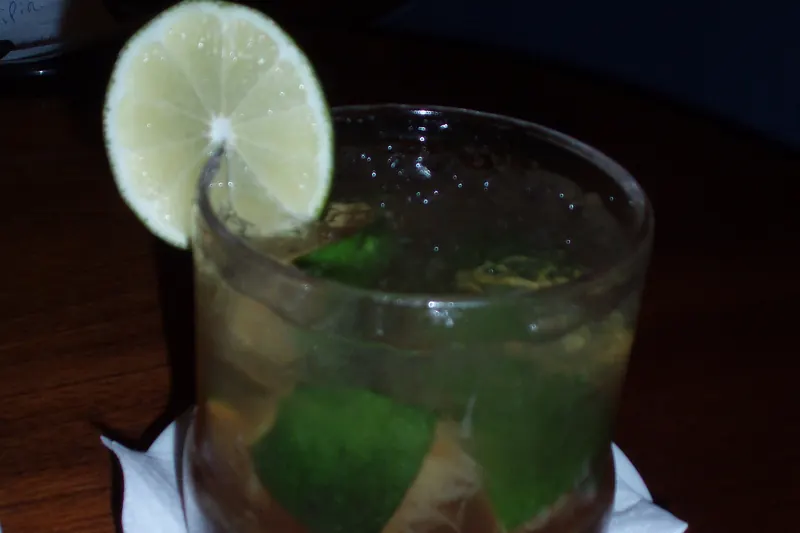
  • A caipirinha cocktail made with lime, sugar and cachaça

    Caipirinha

    Brazil's national cocktail, made with cachaça (sugar-cane spirit), lime and sugar, crushed and served over ice.

    Where to try it Beach kiosks and bars in Rio.

  • A bowl of açaí with banana, granola and honey

    Açaí

    A purple Amazonian berry blended into a thick, cold bowl with banana and granola. In the Amazon, it is eaten savoury with fish.

    Where to try it Juice bars across the country, and the Amazon.

Before you go

Practical travel information for Brazil

The essentials, current for 2026. Brazil is easy to enjoy but needs preparation on visas, health and safety.

Capital
Brasília
Language
Portuguese. English is spoken in hotels and tourist areas, but not widely elsewhere, and Spanish is only partly understood. A few Portuguese phrases help a lot.
Currency
Brazilian real (BRL, R$). Roughly 5–6 reais to the US dollar in recent years.
Cards and cash
Cards are widely accepted, and Pix, the instant-payment system, is used for almost everything by locals. ATMs are common but can have withdrawal limits, and some do not accept foreign cards. Carry some cash for markets and small places.
Entry and visas
Many nationalities, including most of Europe, can enter visa-free for up to 90 days. Citizens of the United States, Canada and Australia need an online e-visa, following Brazil's reintroduction of visa reciprocity in 2025. Rules change, so check the official government site.
Power sockets
Types N and C, with 127 V or 220 V depending on the region, 60 Hz. Check the voltage and bring a universal adaptor.
Emergency number
190 for police, 192 for ambulance and 193 for fire. Tourist police operate in Rio and other cities.
Tipping
A 10% service charge is often included in restaurant bills. Otherwise leave about 10%. Round up taxi fares, and tip guides and drivers.
Safety
Brazil has high levels of street crime in big cities, particularly muggings and phone snatching. Keep valuables out of sight, avoid walking alone at night, use ride-hailing apps rather than street taxis, and follow local advice about neighbourhoods to avoid. Favelas should be visited only with reputable guides. Outside the big cities, safety is generally better.
Internet and SIM
Good in cities and along the coast, with cheap SIM cards and eSIMs. Coverage is patchy in the Amazon, the Pantanal and remote areas.
Time zone
Most of the country is UTC−3 (Brasília time), with the Amazon and Pantanal regions at UTC−4, and Fernando de Noronha at UTC−2. There is no daylight saving time.

Daily budget guide (per person)

Backpacker
US$40–70 per day — hostels, buses, street food
Mid-range
US$100–180 per day — hotels, restaurants, flights and tours
Comfortable
US$220–400 per day — boutique hotels, private guides
Luxury
US$500+ per day — top hotels, jungle and wildlife lodges

Excludes international flights. Figures are typical rather than absolute — cities and peak season run higher.
When to go

Best time to visit Brazil

Brazil is huge, and the climate differs by region. Rio and the coast are best from April to October, the Amazon and Pantanal depend on the water level, and the north-east is warm all year.

  • Summer (December–February)

    Good

    Hot and humid on the coast, with Carnival and New Year. It is the rainy season in the Amazon and the Pantanal, and the peak season for Rio and the beaches.

  • Autumn (March–May)

    Best time

    Warm and less crowded, with lower prices. The Amazon is at high water, and Lençóis Maranhenses' lagoons start to fill.

  • Winter (June–August)

    Best time

    Dry and mild in the south and Pantanal, the best time for wildlife. Lagoons at Lençóis Maranhenses are full.

  • Spring (September–November)

    Best time

    Warm and increasingly sunny. Fernando de Noronha has its best visibility.

Worth planning around: Carnival week if you dislike crowds and high prices, and the peak of the Amazon rainy season if you want to trek.

Trip length

How long to spend in Brazil

Brazil's size means that trips need to be focused. Ten days covers Rio and one other region, and three weeks allows a mix of city, nature and beach.

  • 7–10 days

    Rio de Janeiro with Iguazu Falls, or Rio with Paraty.

    The classic short trip.

  • 12–14 days

    The itinerary on this page: Rio, Paraty, Iguazu and Salvador.

    A balanced first look, with two flights.

  • 3 weeks

    Adds the Amazon or the Pantanal and São Paulo.

    Allows for wildlife and a slower pace.

  • 4 weeks or more

    Adds Fernando de Noronha, Lençóis Maranhenses and Minas Gerais.

    For those with time to explore.

Getting around

Transportation in Brazil

Distances make flying essential for most trips. Domestic flights are frequent and often cheap, and buses cover shorter routes well.

  • Domestic flights

    LATAM, GOL and Azul link all major cities and tourist regions. Flights are frequent, and prices are moderate if booked ahead.

    Watch baggage rules on cheap fares.

  • Long-distance buses

    Comfortable coaches with reclining seats cover most routes, such as Rio to São Paulo (about 6 hours) and Rio to Paraty (about 4 hours).

    Choose semi-leito or leito classes for overnight trips.

  • Ride-hailing apps

    Uber and 99 work in most cities, and are safer and more reliable than street taxis.

    Use the app, and check the plate.

  • Metro and city transport

    Rio and São Paulo have metros, and both have buses and trains.

    Avoid crowded rush hours.

  • Boats and ferries

    Riverboats in the Amazon, ferries to Ilha Grande, and boats in the Pantanal.

    Book in advance in peak season.

Sample route

Two weeks in Brazil

Rio de Janeiro, the colonial coast at Paraty, Iguazu Falls and Salvador, with two flights. Covers four of the ten destinations in this guide.

  1. Day1

    Arrive in Rio

    • Morning Land and check in.
    • Afternoon A walk on Ipanema beach.
    • Evening Dinner and a caipirinha.
  2. Day2

    Rio icons

    • Morning Christ the Redeemer.
    • Afternoon The Selarón Steps and Santa Teresa.
    • Evening Sunset at Sugarloaf.
  3. Day3

    Rio beaches

    • Morning Copacabana and Ipanema.
    • Afternoon The Botanical Garden or a hike in Tijuca.
    • Evening Samba in Lapa.
  4. Day4

    Rio and Maracanã

    • Morning The Tijuca rainforest.
    • Afternoon A football tour of Maracanã.
    • Evening Farewell dinner.
  5. Day5

    To Paraty

    • Morning Bus along the coast.
    • Afternoon The historic centre.
    • Evening Dinner by the harbour.
  6. Day6

    Paraty bay

    • Morning A boat trip to the islands.
    • Afternoon A beach and a swim.
    • Evening Cachaça tasting.
  7. Day7

    Fly to Iguazu

    • Morning Transfer to Rio and fly.
    • Afternoon Arrive in Foz do Iguaçu.
    • Evening Dinner in town.
  8. Day8

    The Brazilian side

    • Morning The Brazilian falls walkway.
    • Afternoon The Bird Park.
    • Evening A rest.
  9. Day9

    The Argentine side

    • Morning Cross to Argentina.
    • Afternoon The Devil's Throat and the upper trails.
    • Evening Return to Foz.
  10. Day10

    Fly to Salvador

    • Morning Flight north.
    • Afternoon The Pelourinho.
    • Evening Moqueca and drums.
  11. Day11

    Salvador's old city

    • Morning Churches of the historic centre.
    • Afternoon Elevador Lacerda and the market.
    • Evening Capoeira and a show.
  12. Day12

    Salvador's coast

    • Morning Farol da Barra.
    • Afternoon A beach.
    • Evening Sunset by the sea.
  13. Day13

    Day trip

    • Morning A boat to the Bay of All Saints.
    • Afternoon An island beach.
    • Evening Last night.
  14. Day14

    Depart

    • Morning Last acarajé.
    • Afternoon Fly home.
    • Evening Home.

Culture

Culture and etiquette in Brazil

Brazilians are warm, expressive and informal, and social life revolves around family, food, music and football. People stand close, touch when talking, and use first names. Time is flexible, and things start late. Religion, both Catholic and Afro-Brazilian, is a strong part of everyday life.

  • Greet warmly

    A handshake or kiss on the cheek, depending on region, and eye contact are normal. Take time to say hello.

  • Be flexible about time

    Social events start late, and punctuality is relaxed, though business meetings are more punctual.

  • Dress casually, but neatly

    Beachwear is for the beach. In restaurants, churches and cities, cover up.

  • Respect religion

    Churches and candomblé ceremonies are places of worship. Ask before photographing.

  • Don't display valuables

    Keep phones, jewellery and cameras out of sight in cities.

  • Accept hospitality

    Refusing food or drink can seem rude. A small taste is polite.

Do

  • Learn a few Portuguese phrases: olá (hello), obrigado/obrigada (thank you), por favor (please)
  • Use ride-hailing apps in cities
  • Carry a photocopy of your passport, and lock the original in the hotel
  • Use sunscreen and insect repellent
  • Bring cash in small amounts
  • Join in with music and dancing

Don't

  • Don't walk alone on quiet streets or beaches at night
  • Don't use your phone openly on the street
  • Don't leave belongings unattended on the beach
  • Don't assume Spanish will be understood
  • Don't take photos in favelas without permission
  • Don't swim where there are warnings about currents

Travel tips

Brazil travel tips

The things that most often catch visitors out in Brazil, several of which are specific to how the country works.

  • Use ride-hailing apps instead of street taxis, and check the licence plate.
  • Keep phones, cameras and jewellery out of sight, and carry only what you need.
  • Check yellow fever and other health advice well before you travel.
  • Buy an e-visa in advance if you need one.
  • Fly between regions. The distances are huge.
  • Book Carnival, New Year and July holiday accommodation months ahead.
  • Bring cash for markets and small places, and expect to use Pix or cards elsewhere.
  • Try a rodízio, a meat-and-salad feast, and the lunchtime 'por quilo' buffets.

FAQ

Visiting Brazil: frequently asked questions

Is Brazil safe for tourists?

Millions visit safely every year, but street crime is a real problem in big cities. Take precautions, use ride-hailing apps, keep valuables hidden, and follow local advice.

How many days do you need in Brazil?

Two weeks for a first trip, focusing on Rio, Iguazu and one other region.

What is the best time to visit Brazil?

It depends where. April to October suits Rio and the Pantanal, while the north-east is warm all year.

Do I need a visa for Brazil?

Citizens of the US, Canada and Australia need an e-visa, and many other nationalities do not. Check the official site.

Do people speak English?

Some, in tourist areas. Portuguese is the language, and learning basic phrases helps.

Do I need a yellow fever vaccination?

It is recommended for many areas, including the Amazon, Pantanal and Iguazu. Check with a travel clinic.

Is it better to visit Rio or Salvador?

Rio for beaches and scenery, and Salvador for Afro-Brazilian culture and history. Ideally see both.

Ready to plan your Brazil trip?

The full travel guide covers routes, budgets, regional differences and how to string these ten destinations into a trip that actually works.

Read the Brazil travel guide

Advertisement