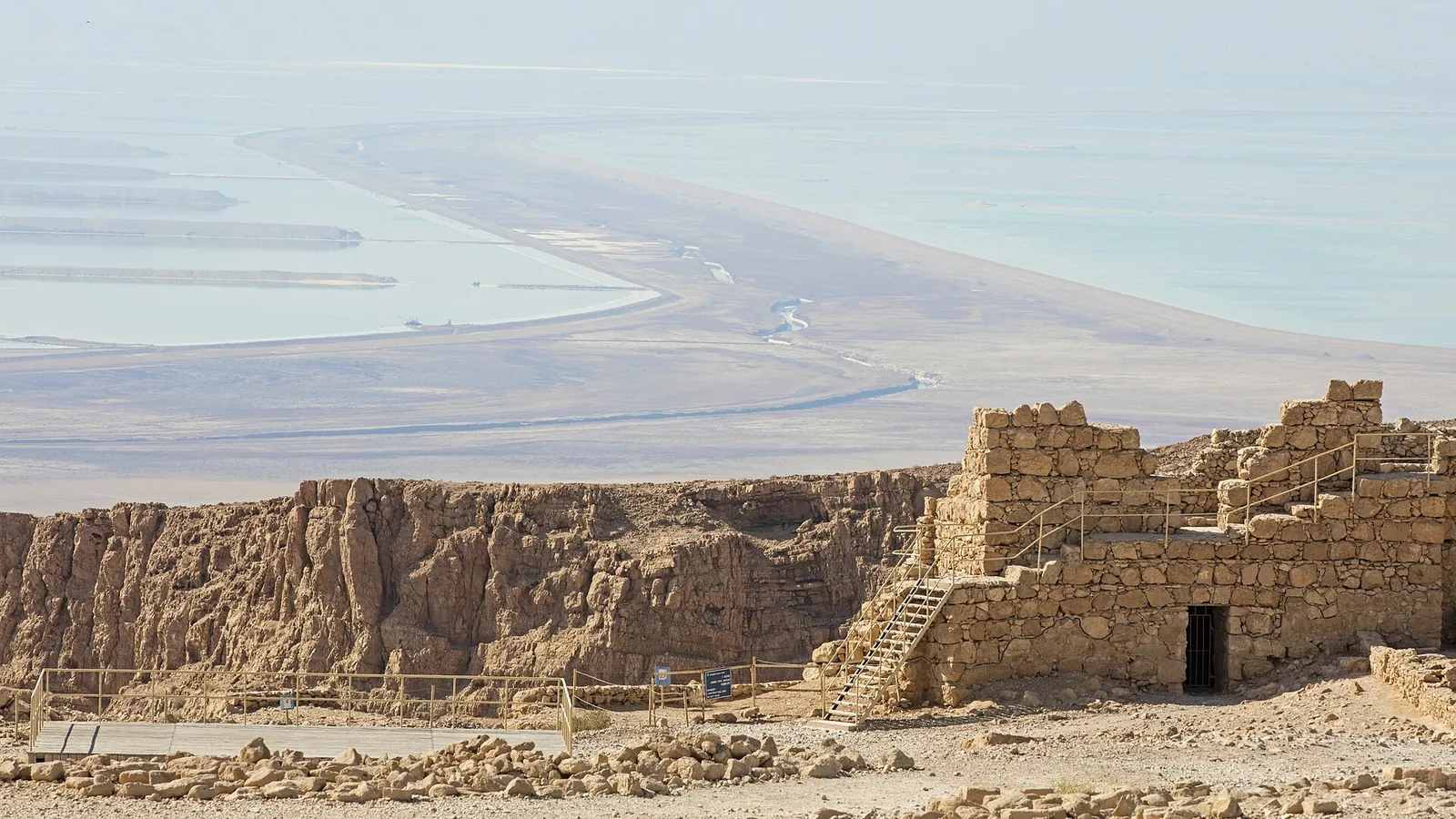
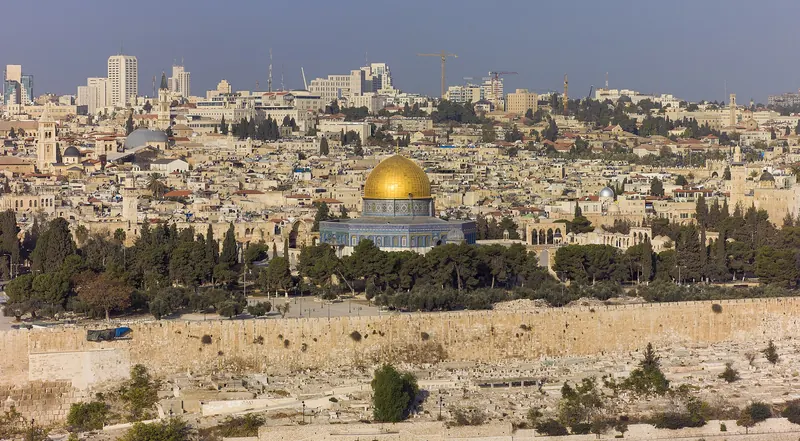
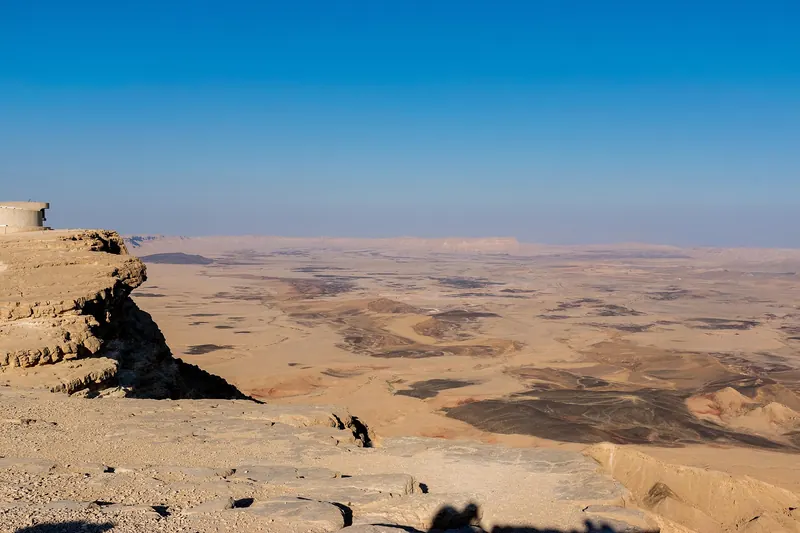
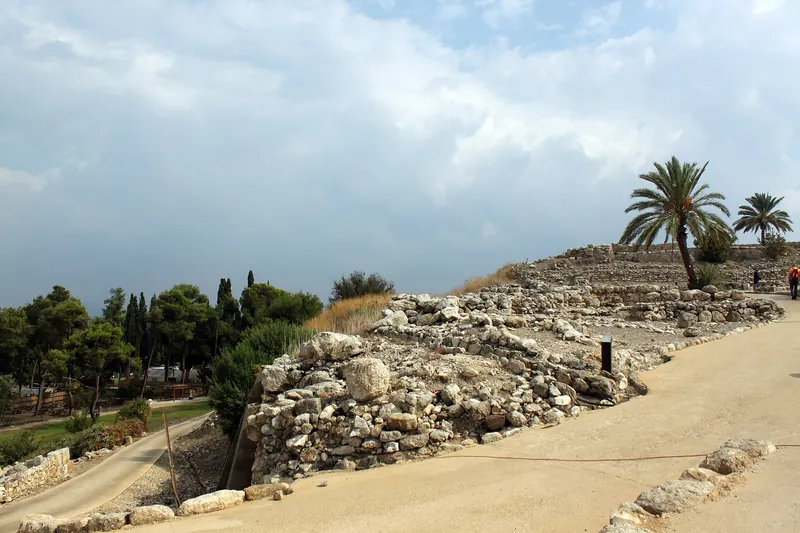
The flat-topped rock of Masada rising above the Judean Desert

Southern District, Judean Desert · Israel

Masada & the Dead Sea

A rock plateau above the Dead Sea where Herod built a palace-fortress and where, in Roman-era accounts, a Jewish revolt made its last stand.

  • Best time October–April
  • Stay 1 day
  • Good for Archaeology, hiking, sunrise, swimming, a day from Jerusalem

Photo: Godot13 · CC BY-SA 4.0

Welcome to Masada and Dead Sea

Masada is a rocky plateau that rises about 450 metres above the western shore of the Dead Sea. Herod the Great built a palace-fortress on it between about 37 and 31 BCE, with storerooms, cisterns, bathhouses and a hanging palace on three levels on the northern cliff. It is one of the most dramatic archaeological sites in the world, and it was inscribed on the UNESCO World Heritage List in 2001.

Its fame comes from the account by the Roman-Jewish historian Josephus. He wrote that in 73 or 74 CE, after the fall of Jerusalem, a group of Jewish rebels held the fortress against a Roman siege, and when the Romans breached the walls, its 960 defenders chose mass suicide rather than capture. Historians debate the details, and archaeologists have not found evidence for all of it, but Masada has long been a powerful symbol in Israel.

Below the fortress, the Dead Sea lies about 430 metres below sea level, the lowest point on land, with a shoreline of hotels, spas and public beaches. The oasis of Ein Gedi, a nature reserve with waterfalls and pools, is 20 minutes to the north. Together they make up one of the best day trips in the country.

  • UNESCO Site
  • Historic Site
  • Nature & Wildlife

Why visit

Why visit Masada and Dead Sea?

It is one of the best day trips from Jerusalem, and one of the few places where the landscape is as striking as the history.

  • A fortress on a mountain

    The remains of Herod's palaces, baths and storerooms are spread across the flat top, and the ancient Roman siege camps and ramp survive at the foot.

  • A superb sunrise

    The Snake Path climb in the dark and the view of the sunrise over the Dead Sea and the mountains of Jordan is a highlight of many visitors' trips.

  • Floating in the Dead Sea

    The water is roughly ten times saltier than the ocean, and you float without effort. It is odd, memorable and easy to do.

  • Ein Gedi's oasis

    A green canyon in the desert with waterfalls, pools and ibex, reached by short and easy trails, and a welcome relief from the heat.

  • Close to Jerusalem

    The drive down through the Judean Desert takes about 75 minutes, and the change in scenery is dramatic.

Main attractions

Top things to see in Masada and Dead Sea

Masada takes two to three hours, Ein Gedi two to four and the Dead Sea an hour or two. All three fit in one day with an early start.

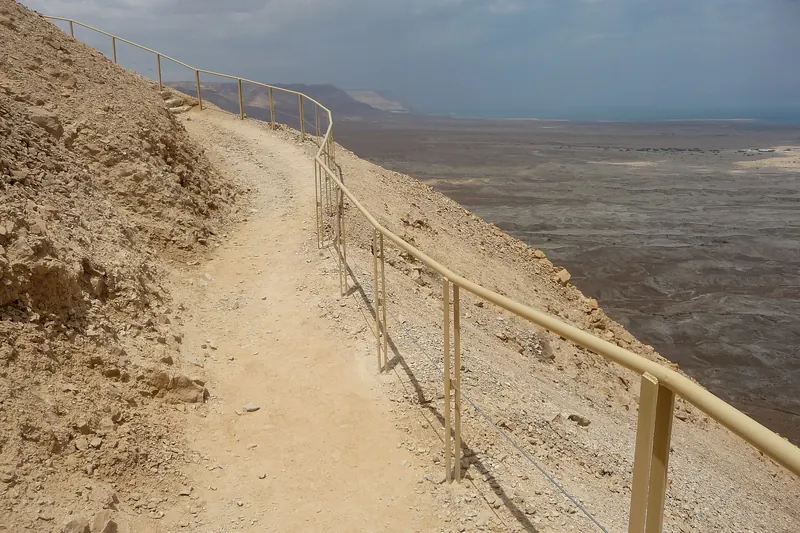
  1. The Snake Path winding up the steep eastern slope of Masada

    The Snake Path

    A winding trail from the eastern base to the summit, gaining about 350 metres in 45–60 minutes. The path opens before sunrise so that hikers can reach the top for dawn.

    Tip Bring a head torch, water and a jacket for the cold at the top. The path can close in extreme heat or weather.

  2. The cable car

    A cable car from the visitor centre carries visitors to the top in a few minutes. It is popular with families and those who prefer to avoid the climb.

    Tip Book in advance for busy periods. Consider going up by cable car and walking down.

  3. Herod's Northern Palace

    A three-tiered palace on the northern edge of the plateau, with frescoes, columns and a private bathhouse, and a spectacular position on the cliff.

    Tip Go here first, as it is the most impressive and quietest in the morning.

  4. The bathhouse, synagogue and storerooms

    The main part of the summit, with a Roman-style bathhouse, one of the oldest synagogues found in Israel, and a huge storeroom complex that held food and supplies.

    Tip Look for the mosaic floors and the cisterns cut into the rock.

  5. The Roman siege ramp and camps

    The western side of the plateau shows a huge ramp built by the Romans, and eight camps and a siege wall around the base, among the best-preserved Roman siege works in the world.

    Tip The best view of the ramp is from the top, on the western side.

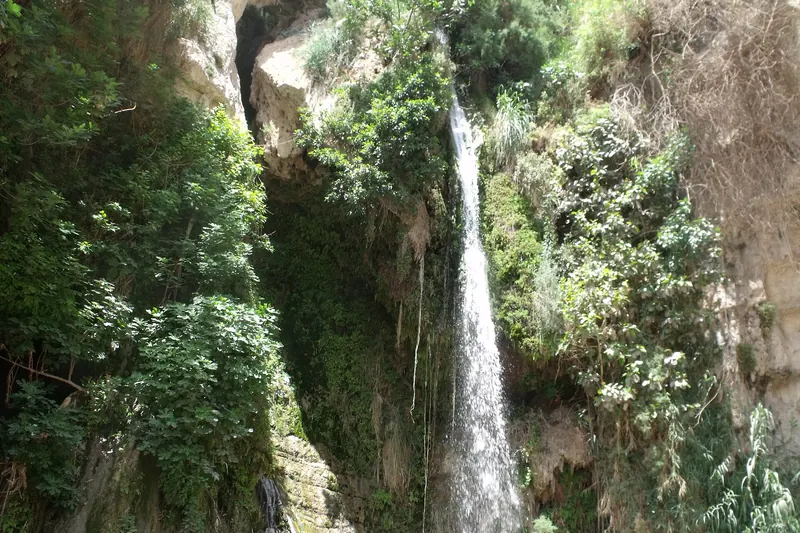
  6. A waterfall and pool in the Ein Gedi nature reserve

    Ein Gedi Nature Reserve

    An oasis in the desert with springs, waterfalls, pools and wildlife such as Nubian ibex and hyraxes. The trails are short and suitable for families, with longer hikes to the David Falls and the Ein Gedi spring.

    Tip Go early, bring water and swimming gear, and stay on the marked paths.

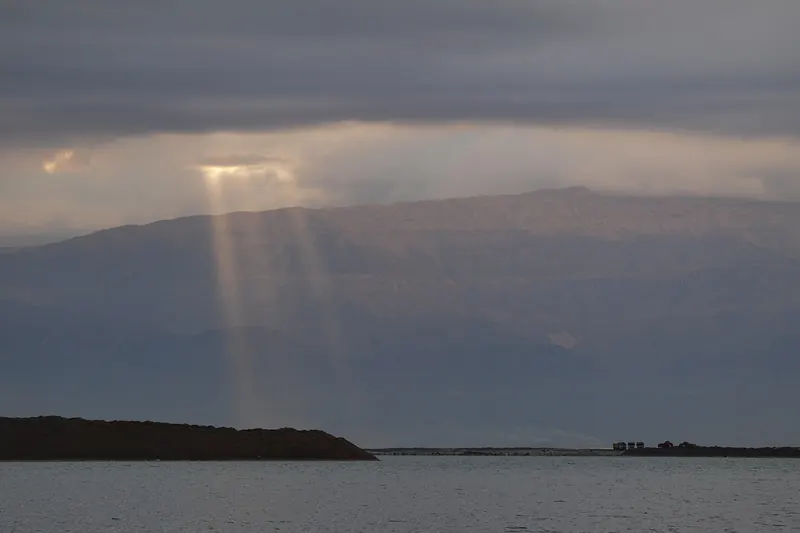
  7. Bathers on the Dead Sea shore at Ein Bokek

    Dead Sea beaches

    Public and hotel beaches such as Ein Gedi Beach and Ein Bokek offer showers, mud and access to the sea. The water is about ten times as salty as the ocean, and you float on the surface.

    Tip Do not stay in for more than 15–20 minutes, avoid getting water in your eyes, and shower afterwards.

Things to do

Best things to do in Masada and Dead Sea

Most people combine two or three of these in a day, and an early start is the key to enjoying any of them.

  1. Climb Masada for sunrise

    Start the Snake Path in the dark and reach the top as the sun rises over the Dead Sea. It is a memorable experience, and it avoids the midday heat.

    Tip Book a tour or drive to the visitor centre. The path opens in the pre-dawn hours.

  2. Explore the summit with a guide

    The ruins make more sense with a guide who can explain the palaces, baths and siege. Audio guides and guided tours are available.

    Tip Go with a guide, or read up on Josephus first.

  3. Hike at Ein Gedi

    Trails follow the streams to the waterfalls and pools, and offer refreshing dips. The longer routes climb through canyons and to the Dead Sea Scroll caves.

    Tip Pick the trail that suits your energy. The Wadi David trail is the most popular.

  4. Float in the Dead Sea

    Walk in slowly, lie back and float. Try the mineral mud on your skin and rinse off in the fresh-water showers.

    Tip Do not shave before you go, and keep the water out of your eyes.

  5. Visit a spa

    Ein Bokek and Ein Gedi have spas and hotels that use Dead Sea minerals in treatments and baths.

    Tip Check whether day access is offered at the hotels.

  6. See the Qumran caves

    Qumran, where the Dead Sea Scrolls were found in 1947, is about 30 km north of Ein Gedi, in the West Bank, and is administered by Israel. It is a national park with the remains of a settlement and a view of the caves.

    Tip It is a short detour on the way to or from Jerusalem. Check the current status and advice.

Local food

What to eat in Masada and Dead Sea

Food here is simple: cafés and restaurants at the visitor centres and hotels, and picnic supplies. Bring your own lunch for Ein Gedi.

  • Picnic lunch

    Pita, hummus, vegetables, olives and fruit bought in a supermarket or bakery before you go. There is no shade at Masada, so plan to eat somewhere cool.

    Where to try it Supermarkets in Jerusalem and Arad, or the kibbutz shop at Ein Gedi.

  • Kibbutz cafés

    Ein Gedi's kibbutz has a shop and café that serves salads, sandwiches and coffee. It is a pleasant stop.

    Where to try it Ein Gedi kibbutz.

  • Hotel buffets

    The hotels at Ein Bokek serve large Israeli-style buffets with salads, fish, eggs and pastries.

    Where to try it The hotels at Ein Bokek and Ein Gedi.

  • Dates

    Medjool dates grow in the Dead Sea region and are sold fresh and dried. They are a good snack for the trail.

    Where to try it Roadside stalls and kibbutz shops.

  • Cold drinks and ice cream

    Essential in the heat. Kiosks at the visitor centres sell water, juice and ice cream.

    Where to try it Kiosks at Masada and Ein Gedi.

Accommodation

Where to stay in Masada and Dead Sea

Most visitors visit as a day trip, but staying overnight lets you climb Masada at dawn. A range of hotels, hostels and kibbutz guesthouses is available.

  • Ein Bokek

    A resort strip of large hotels with spas and beach access, about 20 minutes from Masada.

    Best for: Spas and beach hotels

  • Ein Gedi

    A kibbutz guesthouse and a youth hostel by the nature reserve, more low-key than Ein Bokek.

    Best for: Nature and quiet

  • Masada Guest House

    A hostel at the foot of Masada, ideal for a pre-dawn ascent, with basic rooms.

    Best for: A dawn climb

What a night costs

Hostel or guesthouse
₪200–400 per night
Mid-range hotel
₪600–1,000 per night
Spa hotel
₪1,000–2,000 per night
Masada national park entry
About ₪30–40; cable car extra

Transport

Getting to and around Masada and Dead Sea

Masada is about 100 km from Jerusalem and 200 km from Tel Aviv, and a car is the easiest way to reach it.

Getting there

  • Car

    About 75 minutes from Jerusalem and 2 hours from Tel Aviv. The Dead Sea road is scenic and well maintained.

    Fill the tank before you go, and take plenty of water.

  • Bus

    Buses run from Jerusalem and Beersheba to Masada, Ein Gedi and Ein Bokek, though services are limited and do not run on Shabbat.

    Check the timetable and the last return bus.

  • Tour

    Sunrise and full-day tours run from Jerusalem and Tel Aviv, and take care of logistics.

    Confirm what is included.

Getting around

The sites are spread along the Dead Sea road, and a car or a bus is required between them.

  • Car

    Allows flexibility to fit Masada, Ein Gedi and the sea into one day.

    Parking is easy at all the main sites.

  • Bus along Route 90

    Buses stop at Ein Gedi, Masada and Ein Bokek, though the schedule is thin.

    Ask the driver where to get off.

  • On foot

    Each site is explored on foot. The Snake Path and Ein Gedi trails are the main walks.

    Wear sturdy shoes.

When to go

Best time to visit Masada and Dead Sea

The Dead Sea region is a desert below sea level, and summers are extremely hot. October to April is the comfortable season, with the sunrise climb best from late autumn to early spring.

  • Spring (March–May)

    Best time

    Warm to hot days and the desert in bloom after winter rain. Start early, and expect heat by May.

  • Summer (June–August)

    Think twice

    Extremely hot, often over 40°C, with the sites and trails close to unbearable. The Snake Path may close during the heat. Go only at sunrise if you must.

  • Autumn (September–November)

    Best time

    October and November are ideal, with warm days and cooler mornings.

  • Winter (December–February)

    Best time

    Mild, sunny and pleasant, often 18–24°C. Rain can cause flash floods in the wadis, and trails at Ein Gedi may close.

Worth planning around: Midday in summer, and rainy days when flash floods are a danger in the desert canyons.

Itinerary

One day at Masada and the Dead Sea

Sunrise at Masada, a hike at Ein Gedi and a float in the sea. Assumes a start from Jerusalem before dawn, or a night nearby.

  1. Day1

    Sunrise, oasis and salt

    A packed desert day that beats the heat.

    • Morning The Snake Path at first light, sunrise from the top, and the summit ruins.
    • Afternoon A cool-down and a hike at Ein Gedi, with a swim in the pools.
    • Evening A float in the Dead Sea and dinner at a hotel, before the drive back.

Travel tips

Masada and Dead Sea travel tips

The desert is unforgiving, and a few tips make the day comfortable.

  • Start early. Masada and Ein Gedi are much better before the heat builds, and the Snake Path can close in the afternoon.
  • Drink water constantly. Bring at least two litres per person, more in summer, and salty snacks.
  • Wear a hat, sunglasses and sunscreen. There is almost no shade on the plateau.
  • Do not swim in the Dead Sea with open cuts, and do not swallow the water or splash. Rinse off afterwards.
  • Check the weather before hiking. Flash floods in desert canyons can be deadly, and trails close when rain is forecast.
  • Bring water shoes for the pebbly Dead Sea shore and Ein Gedi pools.
  • Book the cable car and any tours in advance for busy days and holidays.

FAQ

Masada and Dead Sea: frequently asked questions

How long does it take to climb Masada?

The Snake Path takes about 45–60 minutes at a steady pace, and most people spend two to three hours on the summit. The cable car takes a few minutes.

Is Masada worth visiting?

Yes. It is a UNESCO World Heritage Site with remarkable ruins and a dramatic setting, and it has a powerful place in Israeli history. Go at sunrise if you can.

Can I swim in the Dead Sea?

Yes. It is easy and safe if you follow the rules: enter slowly, float on your back, keep the water out of your eyes, and stay in for no more than about 15–20 minutes.

What is the best time to visit?

October to April, when temperatures are comfortable. Avoid summer, when the heat is severe.

Is the Dead Sea shrinking?

Yes, by about a metre a year. The retreat is visible along the shore, where old beaches and hotels are now some distance from the water.

Can I visit Masada as a day trip from Jerusalem or Tel Aviv?

Yes. It is about 75 minutes from Jerusalem and 2 hours from Tel Aviv, and tours run daily. A sunrise visit requires an early start or a night nearby.

Read next

Related travel articles

Practical

Packing by Season and Trip Type

Most packing advice is a list of things. This is the opposite: the small number of decisions that determine whether your luggage helps or hinders, organised by the kind of trip you are actually taking.

Heritage

UNESCO Sites Worth Planning a Trip Around

A UNESCO listing tells you a place matters; it does not tell you whether it is worth two days and a detour. This is how to read the list usefully — and which sites reward building a trip around them.

Advertisement