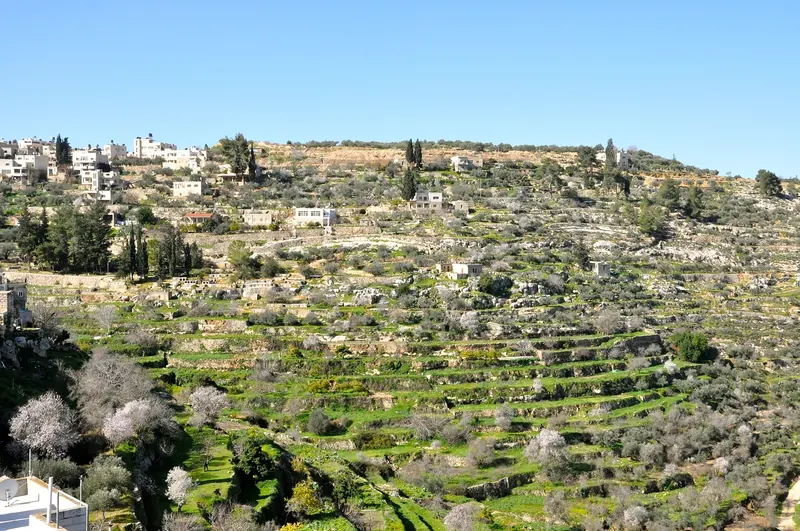
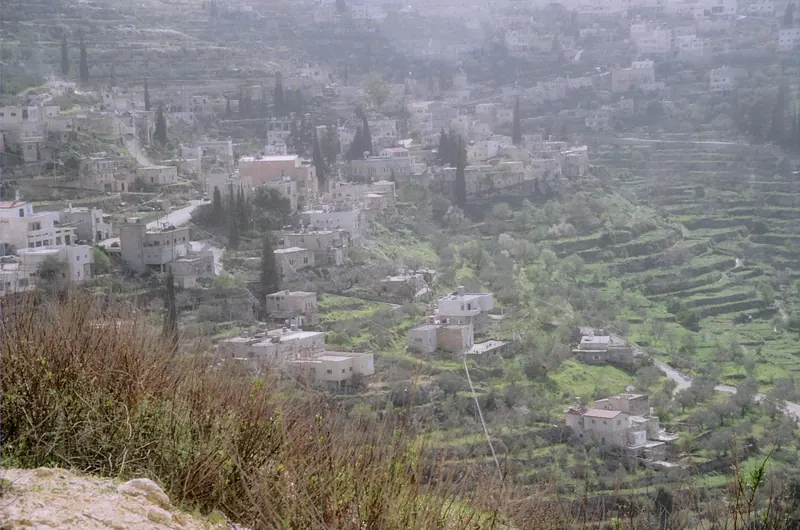
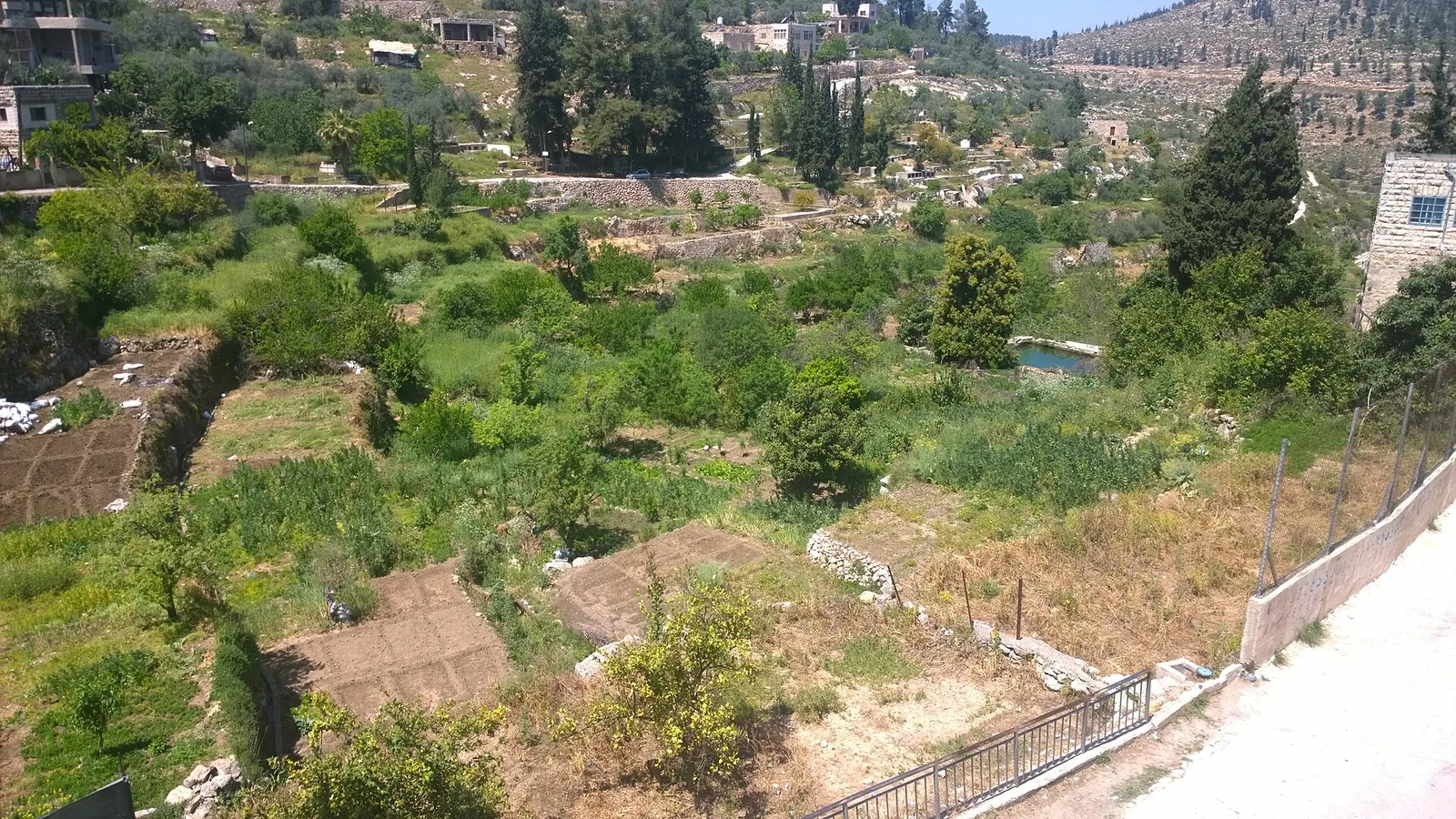
Ancient stone terraces and olive groves in the Battir valley in the West Bank

Western Asia (Middle East)

Palestinian Territories Travel Guide

The birthplace of Jesus, one of the oldest cities on Earth, a UNESCO terraced village and a monastery in a desert canyon — in the West Bank, with all the complexity that means.

  • Destinations 10 hand-picked
  • Best time March–May and September–November
  • Ideal trip 3–7 days

Photo: UAWC · CC BY-SA 4.0

Why go to the Palestinian Territories

This guide covers the West Bank, the part of the Palestinian territories that visitors can travel to. It has been under Israeli military control since 1967, and is administered in part by the Palestinian Authority. The State of Palestine is recognised by a majority of UN member states, but not by Israel and a number of other countries, and the status of the territory remains one of the most disputed questions in the world. We do not cover the Gaza Strip, which is not open to independent travel.

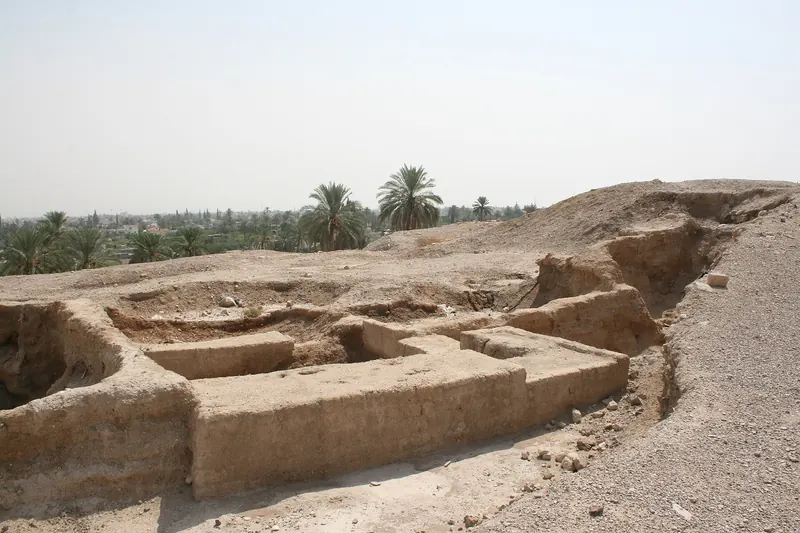
It is also a place of extraordinary depth. Bethlehem is the traditional birthplace of Jesus and holds one of the oldest continuously used churches in the world. Jericho is among the oldest inhabited cities on Earth, with a settlement at Tell es-Sultan that goes back some ten thousand years. Hebron has a market and a shrine that is holy to Jews, Muslims and Christians, and Nablus has a soap-and-sweets old city that is one of the best-preserved Ottoman centres in the region. Battir's ancient irrigated terraces are a UNESCO World Heritage Site.

Visiting also means seeing things that most travel guides skip: checkpoints, a separation barrier, restricted roads and communities living under a military occupation. The hospitality is exceptional and people are eager to tell their stories, and many visitors find the trip among the most memorable they have made. It requires more planning and more attention to current conditions than anywhere else in this guide, and we set out the practical detail and honest safety context below. Please read your government's advice before you book.

Where to go

Best Places to Visit in the Palestinian Territories

Ordered roughly by how strongly we would recommend each for a first visit. Bethlehem and Jericho are the easiest to reach and the most visited; Ramallah, Battir and Herodium are close behind. Hebron and Nablus are rewarding but subject to frequent closures and stronger travel advice, and should be checked closely before you go.

UNESCO SiteHistoric Site

Bethlehem

Bethlehem Governorate, southern West Bank

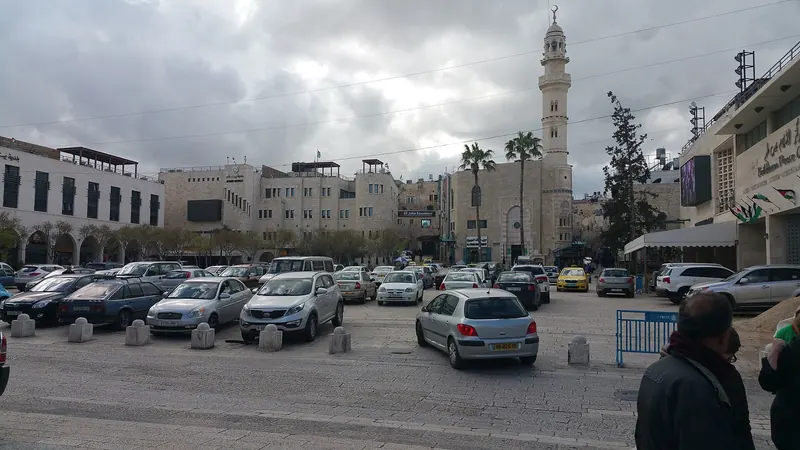
A UNESCO-listed pilgrimage town ten kilometres south of Jerusalem, with the Church of the Nativity, an old town of stone lanes and olive-wood workshops, and warm hospitality.

Don't miss The Church of the Nativity, where you stoop through the Door of Humility and descend to the grotto marked by a silver star.

Explore Destination — Bethlehem
UNESCO SiteArchaeology

Jericho

Jericho Governorate, Jordan Valley

A palm-fringed oasis about 250 metres below sea level with Neolithic ruins, an Umayyad palace and mosaics, a Greek Orthodox monastery on a cliff and a cable car above it all.

Don't miss Tell es-Sultan, where a stone tower more than ten thousand years old is among the oldest monumental structures ever found.

Explore Destination — Jericho
UNESCO SiteHistoric Site

Hebron (Al-Khalil)

Hebron Governorate, southern West Bank

A historic Palestinian commercial city and a pilgrimage site, with a Mamluk-era old city, glass and pottery workshops and a divided centre where visitors see the occupation at its most concentrated.

Don't miss The Ibrahimi Mosque (Cave of the Patriarchs), a Herodian-era enclosure over the traditional tombs of Abraham, Isaac, Jacob and their wives.

Explore Destination — Hebron (Al-Khalil)
Historic SiteFood & Wine

Nablus

Nablus Governorate, northern West Bank

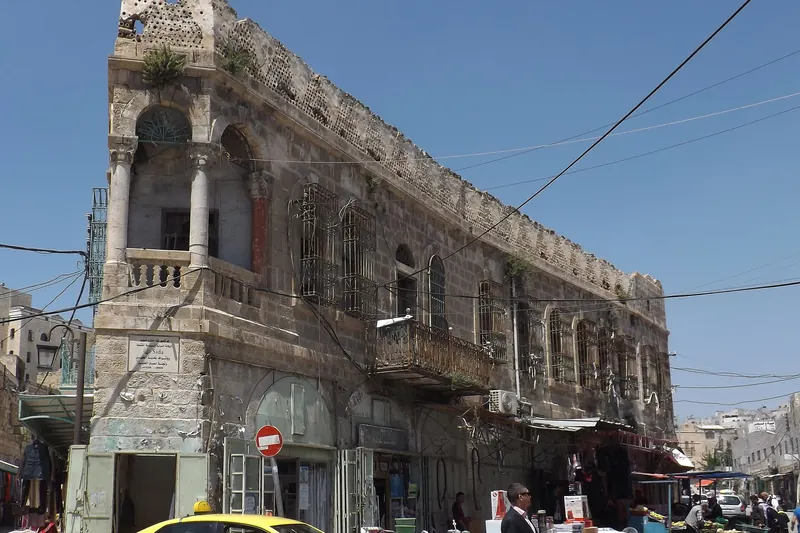
The commercial and cultural capital of the northern West Bank, with a well-preserved Ottoman old city, a famous soap-making tradition, the best knafeh in Palestine and Roman remains close by.

Don't miss The old city's souk at breakfast, with knafeh coming out of huge trays and the smell of olive-oil soap in the air.

Explore Destination — Nablus
Major CityCulture & Arts

Ramallah

Ramallah and al-Bireh Governorate, central West Bank

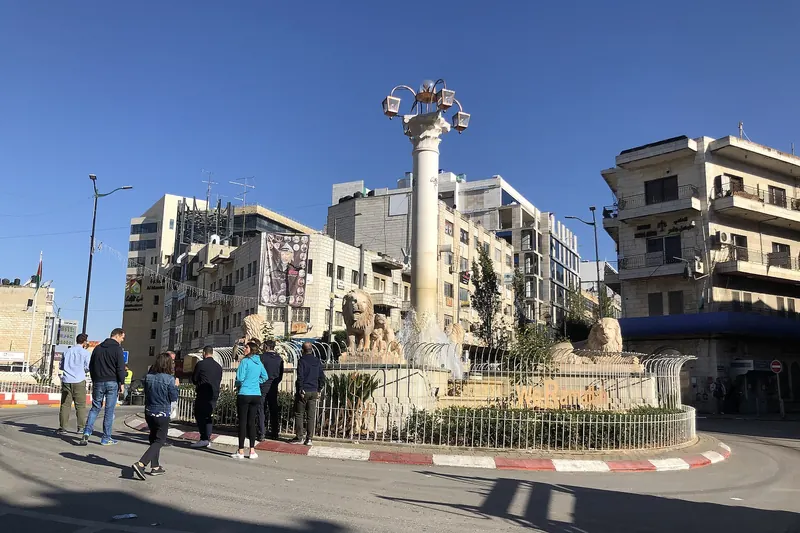
A modern, lively city 15 km north of Jerusalem with museums, a thriving arts and music scene, a good restaurant and bar scene, and the mausoleum of Yasser Arafat.

Don't miss The Arafat Museum and the Mahmoud Darwish Museum, then a long dinner of Palestinian food in the evening.

Explore Destination — Ramallah
UNESCO SiteScenic Region

Battir

Bethlehem Governorate, west of Bethlehem

A UNESCO-listed farming village near Bethlehem, known for its terraced valley, its shared irrigation and its small green aubergines, and a gentle place to walk.

Don't miss The valley floor walk along the ancient irrigation channels, with olive, fig and vegetable terraces on one side and the old railway on the other.

Explore Destination — Battir
ArchaeologyHistoric Site

Herodium

Bethlehem Governorate, southeast of Bethlehem

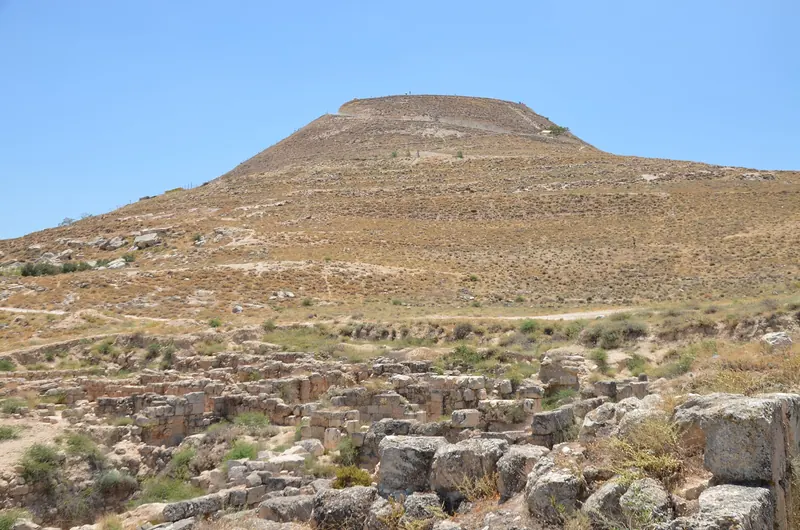
A striking man-made hill with the remains of Herod's palace, bathhouse and tomb, about 12 km south of Jerusalem and a short drive from Bethlehem.

Don't miss The tunnels beneath the mountain, first dug by Jewish rebels against Rome, and the view from the rim across the Dead Sea to Jordan.

Explore Destination — Herodium
ArchaeologyHistoric Site

Sebastia (Ancient Samaria)

Nablus Governorate, northern West Bank

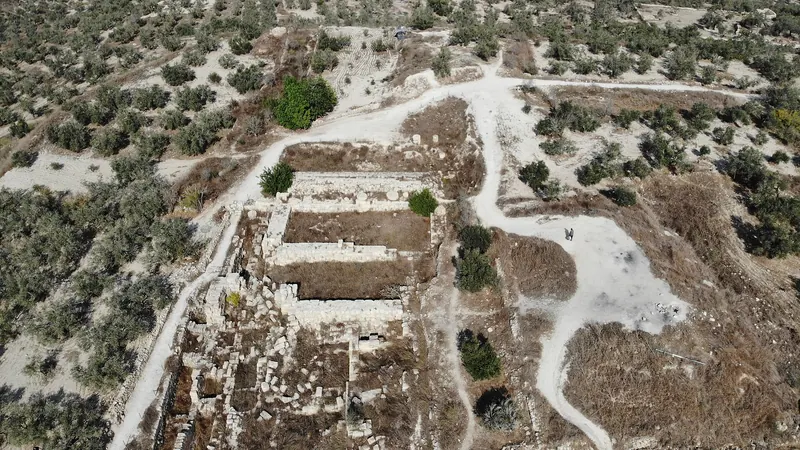
A small village on a hill above Nablus, built over the ruins of biblical Samaria and Roman Sebaste, with two thousand years of layers and almost no visitors.

Don't miss The Roman forum and its colonnade on the summit, with the olive groves of Samaria stretching away on all sides.

Explore Destination — Sebastia (Ancient Samaria)
Historic SiteCulture & Arts

Mar Saba Monastery

Bethlehem Governorate, Judean Desert

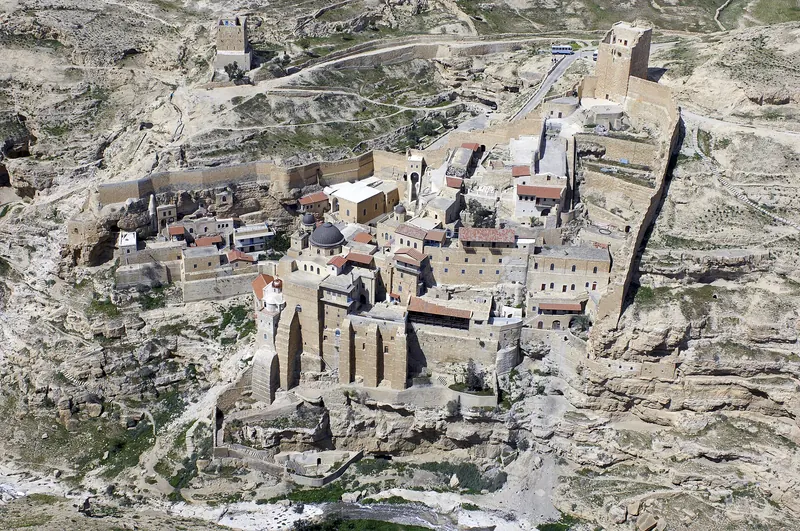
One of the oldest inhabited monasteries in the world, with cliff-hugging chapels, a tomb of St John of Damascus and a strict rule that admits only men, in a spectacular desert gorge east of Bethlehem.

Don't miss The view of the monastery's terraces and domes stacked against a bare desert cliff, best seen from the roof of the Women's Tower across the gorge.

Explore Destination — Mar Saba Monastery
Food & WineCulture & Arts

Taybeh

Ramallah and al-Bireh Governorate, central West Bank

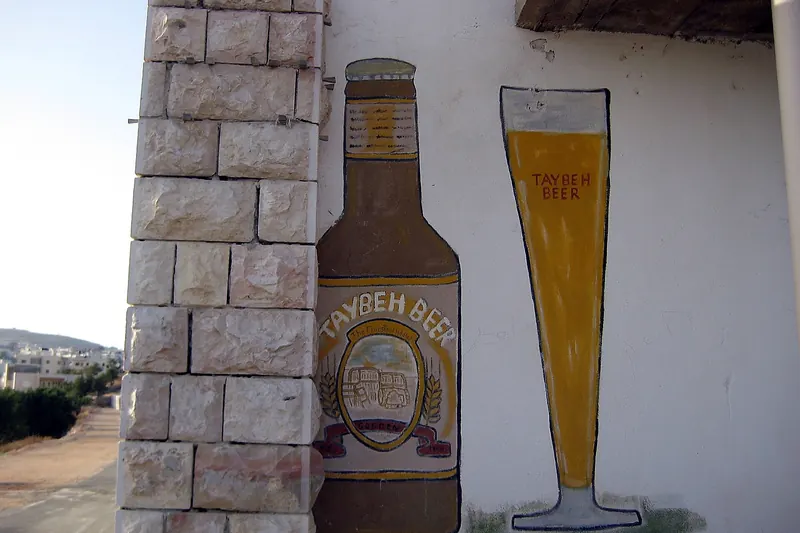
A small hilltop village of stone houses and olive groves, 13 km from Ramallah, best known for the Taybeh Brewery, its Oktoberfest and its Christian heritage.

Don't miss A tasting at the Taybeh Brewery, followed by a walk through the old village to the ruins of the Byzantine church of St George.

Explore Destination — Taybeh

Browse all 510 destinations

Experiences

Best things to do in the Palestinian Territories

The experiences that recur across the West Bank, and that give a trip here its distinctive character.

  1. Visit the Church of the Nativity

    The basilica in Bethlehem, built in the 6th century over an earlier 4th-century church, stands over the grotto that Christian tradition identifies as the birthplace of Jesus. It is one of the oldest continuously used churches in the world and a UNESCO World Heritage Site. See Bethlehem.

    Tip Go early or on a weekday, and duck through the low Door of Humility. Queues for the grotto can be long around Christmas.

  2. The village of Battir above its ancient terraced valley

    Walk the terraces at Battir

    An easy walk along ancient irrigation channels through some of the oldest terraced farmland in the Middle East, with an Ottoman-era railway line at the bottom of the valley. See Battir.

    Tip Go in spring, when the terraces are green, and ask for a local guide at the village.

  3. Stay with a Palestinian family

    Homestays and guesthouses in villages and towns give a personal way to see daily life, share meals and hear stories that do not appear in official histories.

    Tip Arrange through a local tourism cooperative, and bring a small gift such as sweets or fruit.

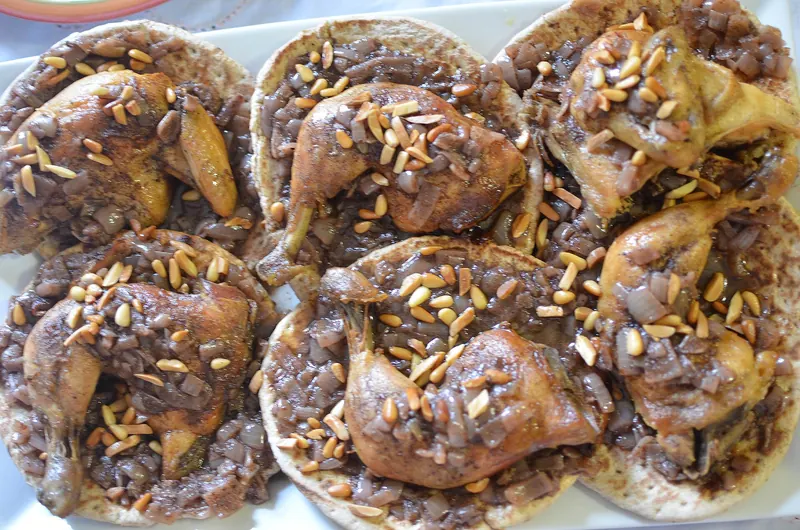
  4. A platter of musakhan, roast chicken with onions and sumac on flatbread

    Eat a proper Palestinian meal

    Musakhan, maqluba, freekeh, olive oil from ancient trees and Nablus knafeh are among the best-known dishes. Food is central to hospitality, and refusing a second helping is difficult.

    Tip Come hungry, and bring an appetite for olive oil.

  5. Go down to Jericho

    The lowest city in the world, about 250 metres below sea level, and the site of a settlement that is roughly ten thousand years old. A cable car climbs to a monastery on the Mount of Temptation. See Jericho.

    Tip Go in the cooler months, and go early.

  6. Take a walking tour with a local guide

    Palestinian guides and organisations run walking tours in Hebron, Bethlehem and Ramallah that explain the politics and history on the ground, from a Palestinian perspective. Israeli and international groups offer other perspectives.

    Tip Consider both perspectives, and book a licensed guide.

Food and drink

Palestinian Territories foods to try

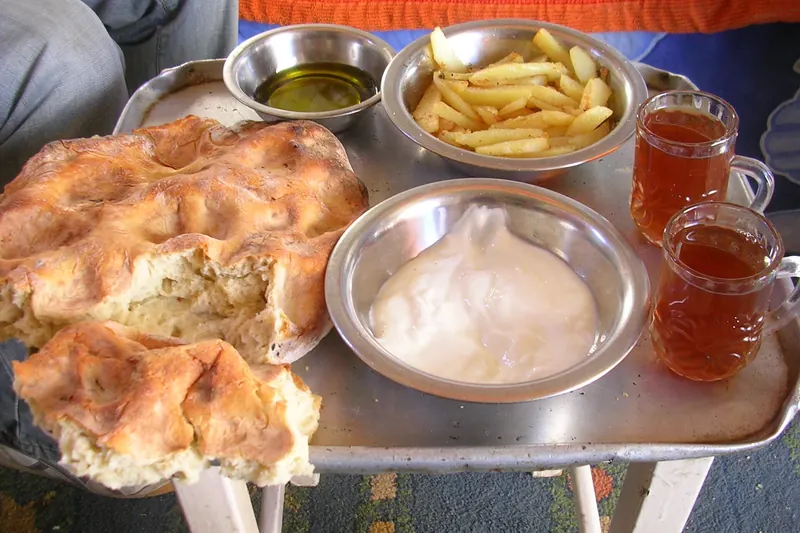
Palestinian cooking is one of the great Levantine cuisines, built on olive oil, za'atar, sumac, lamb, chicken and seasonal vegetables. Meals are generous and communal, and hospitality is taken seriously.

  • Musakhan

    Taboon bread topped with sumac-roasted chicken, caramelised onions and olive oil, eaten with the hands. It is the national dish for many Palestinians and is especially associated with the olive harvest.

    Where to try it Family restaurants in Ramallah, Nablus and village homes.

  • Maqluba

    The name means 'upside down': rice, chicken or lamb and vegetables are cooked in a pot and turned out onto a platter. A family favourite.

    Where to try it Home-style restaurants across the West Bank.

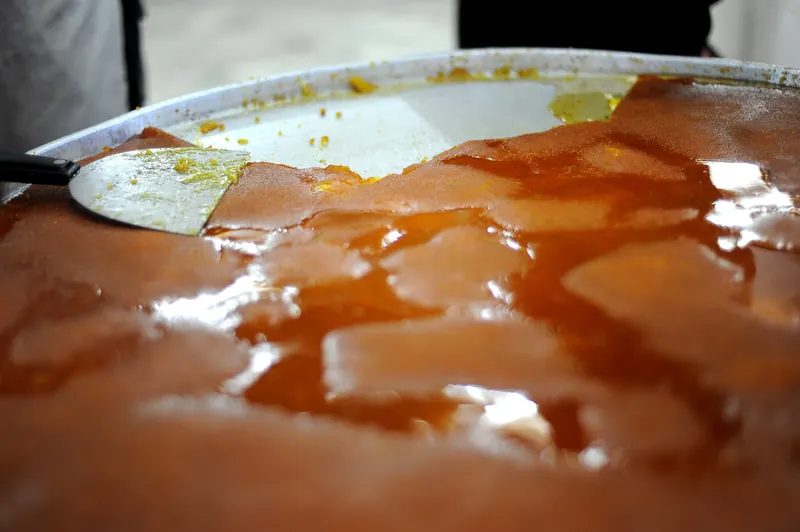
  • A large tray of Nablus knafeh in the old city souk

    Nablus knafeh

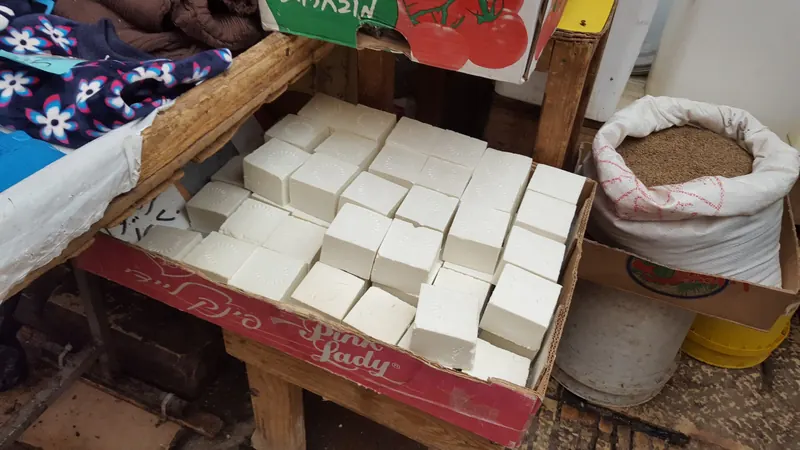
    A hot dessert of white Nabulsi cheese under crisp shredded pastry, drenched in syrup, and sold from huge trays in the old city. It is the best-known Palestinian sweet.

    Where to try it The old-city souk in Nablus.

  • A Palestinian breakfast spread with olives, labneh, hummus, eggs and bread

    Palestinian breakfast

    A spread of olive oil, za'atar, labneh, hummus, fuul, cheeses and eggs, with fresh bread. It is a leisurely start to the day.

    Where to try it Guesthouses and cafés across the West Bank.

  • Fatteh and hummus

    Hummus served warm with olive oil, and fatteh, a layered dish of chickpeas, yoghurt and toasted bread, are popular for breakfast and lunch.

    Where to try it Hummusiyot in Hebron and Bethlehem.

  • Taybeh beer and West Bank wine

    Palestine's first craft brewery, founded in 1994, is in the Christian village of Taybeh, and the Cremisan monastery near Bethlehem is known for its wine.

    Where to try it The Taybeh Brewery, and bars and restaurants in Ramallah.

Before you go

Practical travel information for the Palestinian Territories

The essentials, current for 2026. Travel in the West Bank involves Israeli-controlled borders and checkpoints, so entry rules are Israel's, and conditions can change at short notice.

Capital
Ramallah is the administrative centre of the Palestinian Authority. The State of Palestine proclaims East Jerusalem as its capital; the status of Jerusalem is disputed.
Language
Arabic. English is widely spoken in Bethlehem, Ramallah and tourist areas, and many people also speak some Hebrew.
Currency
The Israeli new shekel (₪, ILS) is the main currency. US dollars and Jordanian dinars are accepted in some places.
Cards and cash
Cards are accepted in Ramallah and Bethlehem, but cash is needed in villages, markets and small restaurants. ATMs are available in the main towns.
Entry and visas
Entry to the West Bank is through Israel or Jordan, and the rules are set by Israel. Most visitors enter with an Israeli entry permission or the Allenby/King Hussein Bridge from Jordan. Israeli border officials may ask about your plans and have sometimes refused entry to visitors who say they intend to visit the West Bank. Check the current rules on official government sites.
Power sockets
Type C and H, 230 V, 50 Hz.
Emergency number
100 for police, 101 for ambulance and 102 for fire in most Palestinian towns. Ask your hotel or host for local numbers, and keep your embassy's contact details with you.
Tipping
About 10% in restaurants if service is not included, and rounding up for taxis. Small tips for guides and drivers are appreciated.
Safety
Conditions in the West Bank have deteriorated since 2023, with more military operations, raids, checkpoint closures and settler violence in some areas. Many governments advise against travel to parts of the West Bank, particularly the north and Hebron, and some advise against all but essential travel. Bethlehem, Jericho and Ramallah are the most visited, but conditions can change quickly. Check your government's current advice, travel with local guidance, and be prepared for delays and closures.
Internet and SIM
Mobile coverage is good in towns, and Palestinian and Israeli networks overlap. Roaming can be expensive, and eSIMs work well. Wi-Fi is common in cafés and guesthouses.
Time zone
UTC+2 in winter and UTC+3 in summer, but the Palestinian Authority and Israel change their clocks on different dates, so times can differ by an hour for a few weeks in spring and autumn.

Daily budget guide (per person)

Backpacker
₪200–350 per day — hostels or homestays, falafel and hummus, service taxis
Mid-range
₪450–800 per day — guesthouses, restaurant meals, taxis and guides
Comfortable
₪900–1,500 per day — good hotels, private drivers and guides
A note on prices
The West Bank is cheaper than Israel, though tour and guide costs vary

Excludes international flights. Figures are typical rather than absolute — cities and peak season run higher.
When to go

Best time to visit the Palestinian Territories

The hills of the West Bank have a Mediterranean climate, with a dry, warm summer and a cool, wet winter. Jericho and the Jordan Valley are much hotter, and the Jordan Valley is best in winter.

  • Spring (March–May)

    Best time

    Green hills, wildflowers and warm, clear days. The best season for walking at Battir and the hills. Easter is busy in Bethlehem.

  • Summer (June–August)

    Shoulder

    Hot and dry in the hills and very hot in Jericho, often over 40°C. Evenings are pleasant, and it is the season for weddings and festivals.

  • Autumn (September–November)

    Best time

    Warm, clear and pleasant. October and November are the olive-harvest season, when families pick and press olives together.

  • Winter (December–February)

    Quiet

    Cool and often wet, sometimes with snow in the hills. Jericho is at its best. Christmas brings pilgrims and celebrations to Bethlehem.

Worth planning around: Days of heavy rain or snow, when roads and checkpoints can close, and summer in Jericho. Check for Israeli and Palestinian holidays, as checkpoints and crossings close and public transport changes.

Trip length

How long to spend in the Palestinian Territories

Many visitors see Bethlehem and Jericho on a day trip from Jerusalem, but a few days gives you time for the hospitality, food and landscapes that are the main reason to visit. Delays at checkpoints mean you should allow more time than distances suggest.

  • 1 day

    Bethlehem, on a day trip from Jerusalem, with the Church of the Nativity and lunch in the old town.

    A rushed but rewarding introduction.

  • 3 days

    Bethlehem and its surroundings, then Jericho and the Judean Desert monasteries.

    The classic short trip.

  • 5 days

    Adds Ramallah, Taybeh and Nablus, with time to eat and meet people.

    A good pace that includes the northern towns.

  • 7 days

    The itinerary on this page, covering all ten destinations, including Hebron and Sebastia.

    For visitors with time and an interest in the politics and history.

Getting around

Transportation in the Palestinian Territories

Transport in the West Bank is mostly by service taxi, bus and private driver. Checkpoints and closures can affect journey times, and Israeli-registered vehicles and drivers face restrictions in Palestinian-administered areas.

  • Service taxis (servees) and minibuses

    Shared minivans run between towns on fixed routes and leave when full. They are cheap and the local way to travel between Ramallah, Nablus, Hebron, Bethlehem and Jericho.

    Ask your host where to catch them. They do not always run on Fridays.

  • Private drivers and taxis

    The most comfortable and flexible option. Palestinian drivers know the checkpoints and the roads, and a driver can also act as a guide.

    Agree the price and route in advance, and use a driver recommended by your hotel.

  • Crossing from Jerusalem

    Bethlehem is reached from Jerusalem through Checkpoint 300 by bus 231 or a taxi, and Ramallah through the Qalandiya checkpoint. Foreign visitors are usually waved through, but conditions vary.

    Carry your passport, and expect delays.

  • Hire car

    Israeli rental cars are usually not insured for Palestinian-administered areas, and many agreements forbid driving there. Some Palestinian companies offer rentals.

    Check the terms carefully before you drive.

  • Organised tours

    Palestinian, Israeli and international operators run day and multi-day tours from Jerusalem and Tel Aviv, with different perspectives.

    Compare the operators, and check who is guiding and what is included.

Sample route

One week in the Palestinian Territories

A route through the West Bank from south to north, using Bethlehem and Ramallah as bases. Conditions in Hebron and Nablus may make parts of this impractical, so check current advice and be ready to adapt. Covers all ten destinations in this guide.

  1. Day1

    Bethlehem

    • Morning Cross from Jerusalem and visit the Church of the Nativity and the Milk Grotto.
    • Afternoon The old town, Manger Square and a Palestinian lunch.
    • Evening Dinner in the old town and a night in Bethlehem.
  2. Day2

    Battir, Herodium and Mar Saba

    • Morning A walk in the terraces at Battir.
    • Afternoon Herodium's mountain fortress, then the desert canyon at Mar Saba.
    • Evening Return to Bethlehem.
  3. Day3

    Jericho

    • Morning Tell es-Sultan and the Mount of Temptation cable car.
    • Afternoon Hisham's Palace and lunch, with a swim at a hotel pool if it is hot.
    • Evening Drive to Ramallah.
  4. Day4

    Ramallah and Taybeh

    • Morning The Arafat Museum and the city centre.
    • Afternoon The Taybeh Brewery and village.
    • Evening Dinner and a drink in Ramallah's restaurants.
  5. Day5

    Nablus

    • Morning The old city, soap factories and the souk.
    • Afternoon Knafeh, a hammam or Jacob's Well.
    • Evening Back to Ramallah.
  6. Day6

    Sebastia and the north

    • Morning The ruins of ancient Samaria at Sebastia.
    • Afternoon Lunch in a village and an olive-oil farm visit.
    • Evening A quiet evening in Ramallah.
  7. Day7

    Hebron and departure

    • Morning Hebron's Old City and the Ibrahimi Mosque, with a local guide.
    • Afternoon Glass and pottery workshops, and lunch.
    • Evening Return to Jerusalem or Bethlehem.

Culture

Culture and etiquette in the Palestinian Territories

Palestinian society is warm, family-centred and hospitable. Most Palestinians are Muslim, with a significant Christian minority, and communities are proud of their history and food. Politics is part of daily life, and people are usually happy to talk about it if you listen.

  • Accept hospitality

    You will be offered tea, coffee, sweets and meals. Accepting is a courtesy, and you should say 'shukran' and try a little of everything. Refusing repeatedly can cause offence.

  • Dress modestly

    Cover shoulders and knees, and women should consider a scarf for mosques and conservative towns such as Hebron and Nablus. Ramallah and Bethlehem are more relaxed.

  • Listen more than you speak on politics

    Conversations about the occupation, Jerusalem and history are common. Ask questions, avoid arguing, and accept that people may see things differently from you.

  • Ask before photographing

    Always ask before photographing people. Do not photograph soldiers, checkpoints or military areas, and avoid taking pictures of children without permission.

  • Respect Ramadan and Fridays

    During Ramadan, avoid eating, drinking or smoking in public in daylight in conservative areas. Friday is the day of prayer, and many shops close in the morning.

  • Be discreet about your itinerary

    Israeli border officials may ask about your plans. Answer honestly and calmly, and be aware that visiting the West Bank may be questioned, and it is best to carry evidence of your accommodation.

Do

  • Accept the tea and coffee — it is a courtesy
  • Carry your passport at all times
  • Hire local guides and drivers where you can
  • Buy from local shops, workshops and cooperatives
  • Ask before taking photographs of people
  • Learn a few Arabic words: marhaba (hello), shukran (thank you)

Don't

  • Don't photograph soldiers, checkpoints or military areas
  • Don't assume everyone shares a political view
  • Don't wear revealing clothing in conservative towns
  • Don't drive an Israeli-plated rental car into Palestinian-administered areas without checking your insurance
  • Don't approach demonstrations, checkpoints or military operations
  • Don't travel at night on unfamiliar roads

Travel tips

Palestinian Territories travel tips

The things that most often catch visitors out in the West Bank, several of which are specific to how the territory works.

  • Read your government's travel advice before you go, and check again a few days before. Conditions in the West Bank can change quickly, and advice differs by area.
  • Hire local guides. A licensed Palestinian guide will know the roads, the checkpoints and the history, and can help with logistics.
  • Carry your passport at all times. You will be asked for it at checkpoints and may be asked for it at other times.
  • Allow extra time. Checkpoints, closures and traffic can add hours to a journey, and you should not plan too tightly.
  • Book accommodation directly, or through a local tourism cooperative, so that the money stays in the community.
  • Check the rules for rental cars. Israeli rental agreements generally forbid travel to Area A, and insurance may not cover you.
  • Carry cash in shekels for markets, service taxis and small restaurants, though cards are accepted in cities.
  • Be prepared to change plans. Roads and towns can close at short notice, particularly Hebron and Nablus.

FAQ

Visiting the Palestinian Territories: frequently asked questions

Is it safe to travel in the West Bank?

It depends on where and when. Bethlehem, Jericho and Ramallah are the most visited and are generally regarded as safe for tourists in normal times, but conditions have worsened since 2023 and many governments advise against travel to parts of the West Bank, particularly the north and Hebron. Check current advice, travel with local guidance and be prepared for closures.

Can I visit the West Bank from Israel?

Yes. Bethlehem, Jericho and Ramallah are easy day trips from Jerusalem, with foreign passport holders usually crossing without difficulty. Israeli citizens are barred from Area A, and some rental cars are not permitted. Check current conditions and the rules for your nationality, and see our Israel guide for the Jerusalem side.

Do I need a visa for the West Bank?

There is no separate Palestinian visa for most visitors. Entry is through Israel or the Allenby/King Hussein Bridge from Jordan, so Israeli entry rules apply. Israeli officials have questioned visitors about travel to the West Bank, and some have been refused entry. Check the current rules.

What is the best time to visit?

March to May and September to November. Spring has green hills and mild weather, and autumn brings the olive harvest. Jericho is best in winter, and summer is hot.

How many days do you need?

One day covers Bethlehem from Jerusalem. Three to five days let you see Jericho, Ramallah and some of the countryside, and a week covers the whole territory if conditions allow.

Is Gaza open to visitors?

No. The Gaza Strip is not open to independent travel and is not covered in this guide. Conditions there have been dire since October 2023.

How can I travel responsibly in the West Bank?

Stay in local guesthouses, eat in local restaurants, hire Palestinian guides and buy from local workshops. Listen to a range of perspectives, respect local customs, and be honest with border officials.

Ready to plan your Palestinian Territories trip?

The full travel guide covers routes, budgets, regional differences and how to string these ten destinations into a trip that actually works.

Read the Palestinian Territories travel guide

Advertisement