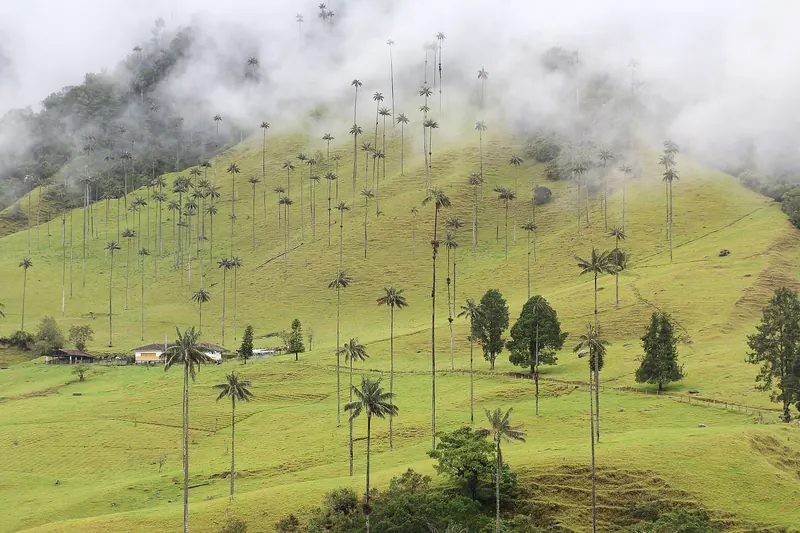
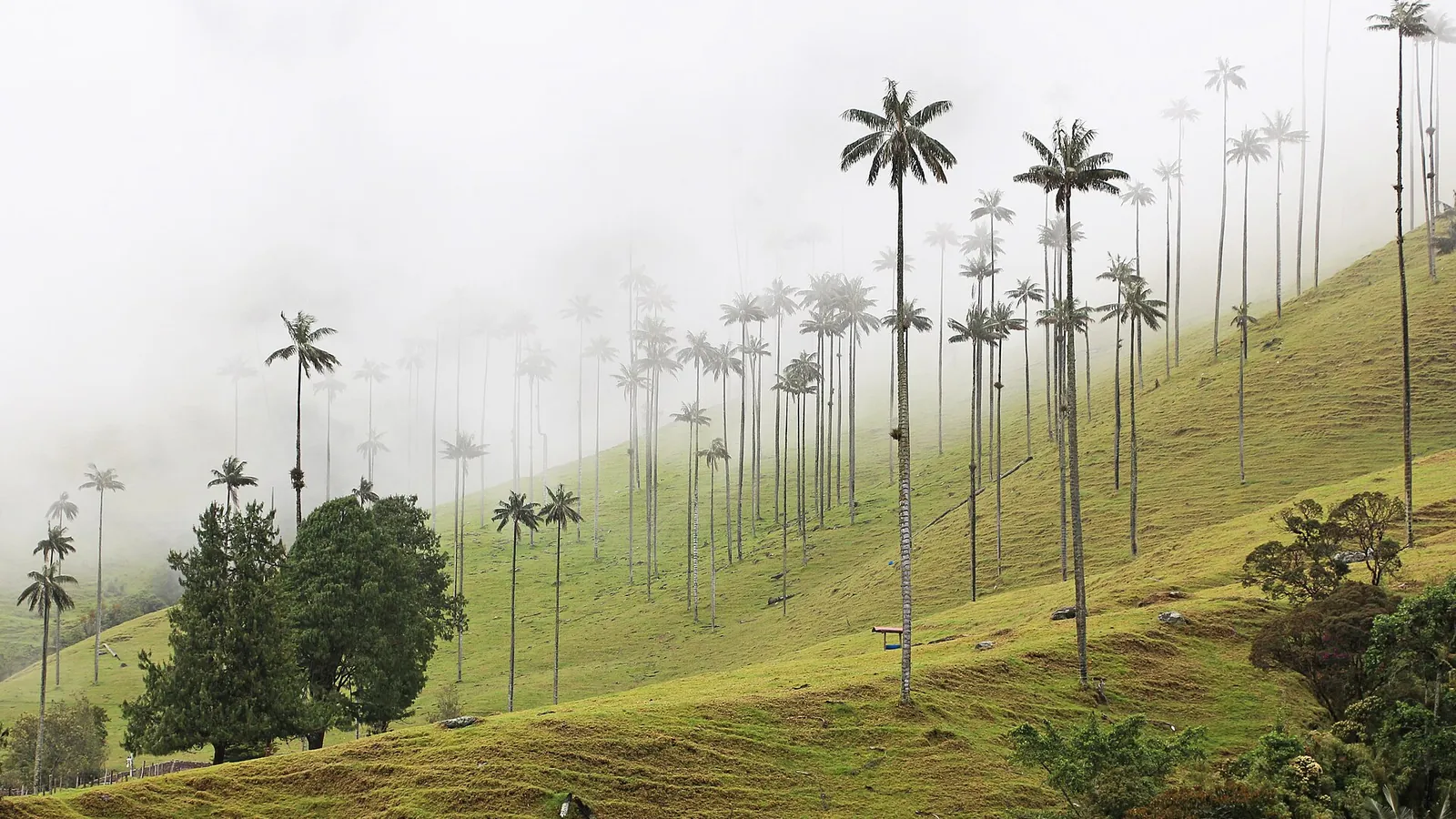
Tall wax palms rising from green hills in the Cocora Valley

South America

Colombia Travel Guide

Caribbean walled cities, Andean coffee hills, a reinvented Medellín, wax palms, cloud-forest hikes and a warmth that surprises everyone who comes.

  • Destinations 10 hand-picked
  • Best time Varies by region, see below
  • Ideal trip 10–14 days for a first trip

Photo: Bernard Gagnon · CC BY-SA 4.0

Why go to Colombia

Colombia is the only South American country with coasts on both the Caribbean and the Pacific, and it packs remarkable variety into its territory. The Andes split into three ranges that run north to south, the Amazon rainforest covers the south-east, the Llanos plains stretch to the east, and the Sierra Nevada de Santa Marta, the highest coastal mountain range in the world, rises above tropical beaches. It is one of the most biodiverse countries on earth, with more bird species than any other.

For visitors, the appeal is its mix of cultures and landscapes. Cartagena's walled colonial city sits on the warm Caribbean, Bogotá is a high-altitude capital of museums and street art, Medellín has reinvented itself as an innovative city of cable cars and spring weather, and small towns such as Villa de Leyva and Barichara preserve white-walled colonial streets. Add coffee farms, hiking among wax palms, national parks and the sound of vallenato and salsa, and it is hard not to fall for the place.

Colombia's reputation was once shaped by conflict, and while it has real challenges, tourism has grown rapidly since the 2016 peace agreement, and the popular routes are well developed and welcoming. Sensible precautions are needed, and some regions are best avoided, but most visitors find Colombians among the warmest and most helpful people they meet.

Where to go

Best Places to Visit in Colombia

Ordered roughly by how strongly we would recommend each for a first visit. Cartagena, Bogotá, Medellín and the Coffee Region are the essentials; Tayrona and Villa de Leyva add variety, and the others reward those with more time.

Historic SiteUNESCO Site

Cartagena

Bolívar, Caribbean coast

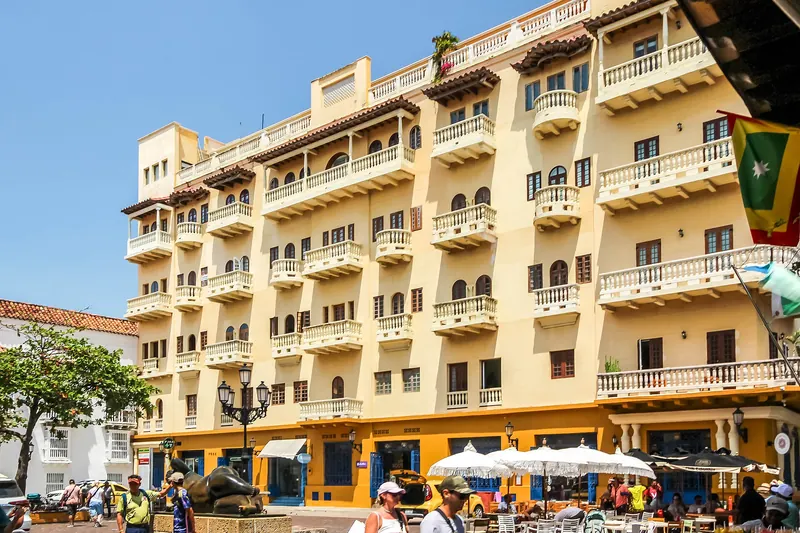
A colourful walled port city with the Clock Tower, San Felipe fortress, Getsemaní's street art, Caribbean seafood, nightlife and boat trips to the Rosario Islands.

Don't miss Watching the sun set from the old city walls with a cold drink as the plazas fill with music.

Explore Destination — Cartagena
Capital CityMajor City

Bogotá

Cundinamarca, Andean highlands

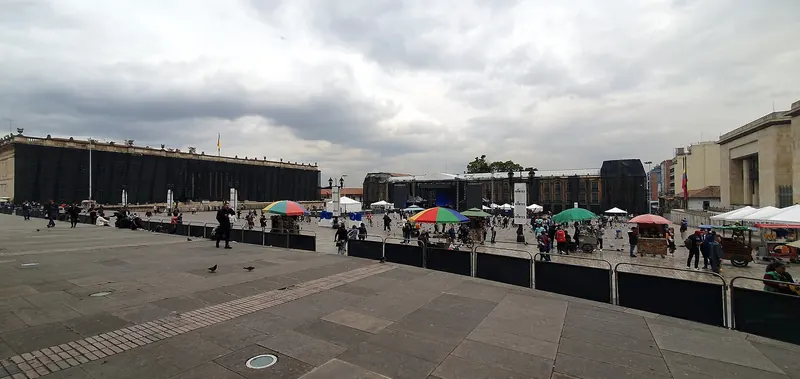
Colombia's capital at 2,640 metres, with La Candelaria's colonial streets, the Gold and Botero museums, Monserrate, street art, restaurants and the Zipaquirá Salt Cathedral.

Don't miss Riding the cable car to the Monserrate sanctuary for a view over the vast city.

Explore Destination — Bogotá
Major CityCulture & Arts

Medellín

Antioquia, Aburrá Valley

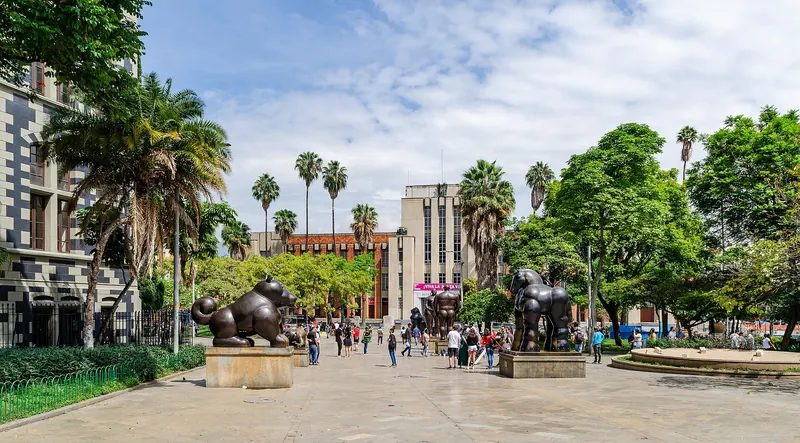
Colombia's innovation city, with Comuna 13's street art and escalators, Plaza Botero, Metrocable rides, Parque Arví, El Poblado's restaurants and a mild climate all year.

Don't miss Riding the Metrocable up to the hillside neighbourhoods, with the whole valley spread out below.

Explore Destination — Medellín
National ParkCoast & Beaches

Tayrona and Santa Marta

Magdalena, Caribbean coast

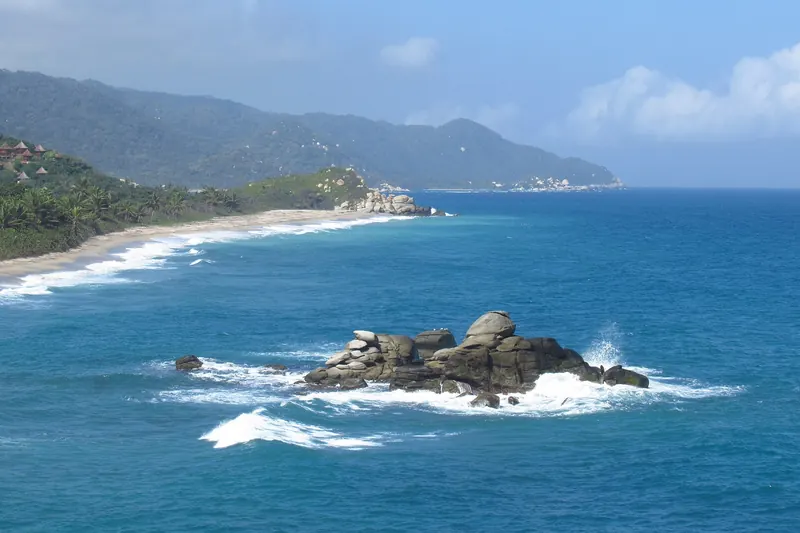
Tayrona National Park's hidden beaches and forest trails, the colonial port of Santa Marta, the cloud forest village of Minca and the multi-day trek to Ciudad Perdida.

Don't miss Reaching Cabo San Juan, a palm-fringed beach with a hammock hut on a rocky point, after a walk through the jungle.

Explore Destination — Tayrona and Santa Marta
Historic SiteCulture & Arts

Villa de Leyva

Boyacá, Andean highlands

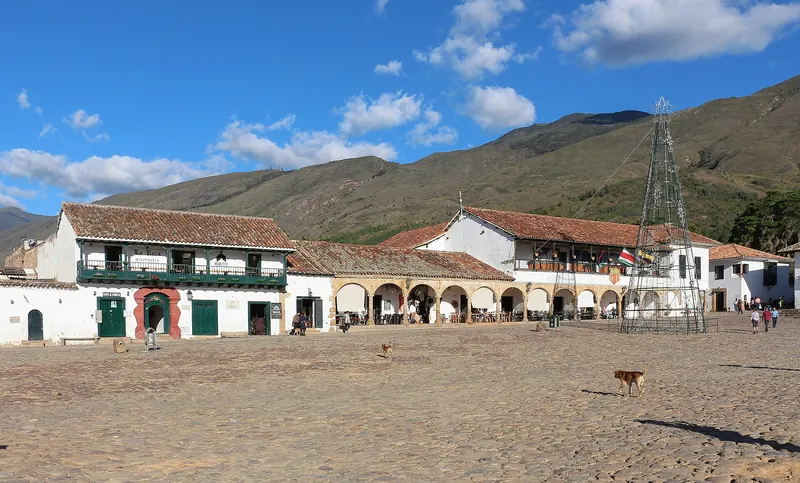
A perfectly preserved colonial town three hours from Bogotá, with the huge Plaza Mayor, whitewashed streets, Iguaque hikes, waterfalls, fossils and wineries.

Don't miss Standing in the vast Plaza Mayor, a cobbled square the size of several football pitches, with the town's white walls and red roofs around it.

Explore Destination — Villa de Leyva
Historic SiteCulture & Arts

Barichara

Santander, north-east Andes

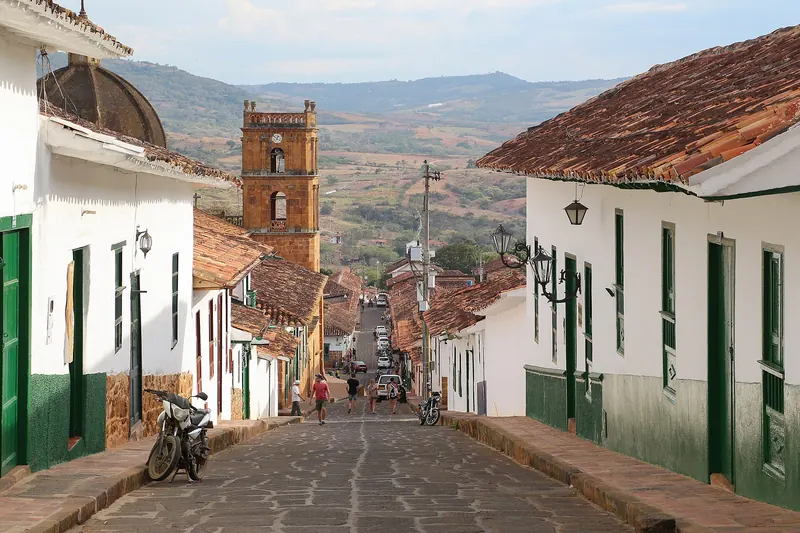
A beautifully preserved colonial town of white walls and terracotta roofs, with a stone cathedral, artisan workshops, the Camino Real hike to Guane and outdoor sports in nearby San Gil.

Don't miss Walking the old stone Camino Real trail from Barichara to the village of Guane.

Explore Destination — Barichara
IslandCoast & Beaches

San Andrés

San Andrés y Providencia, western Caribbean

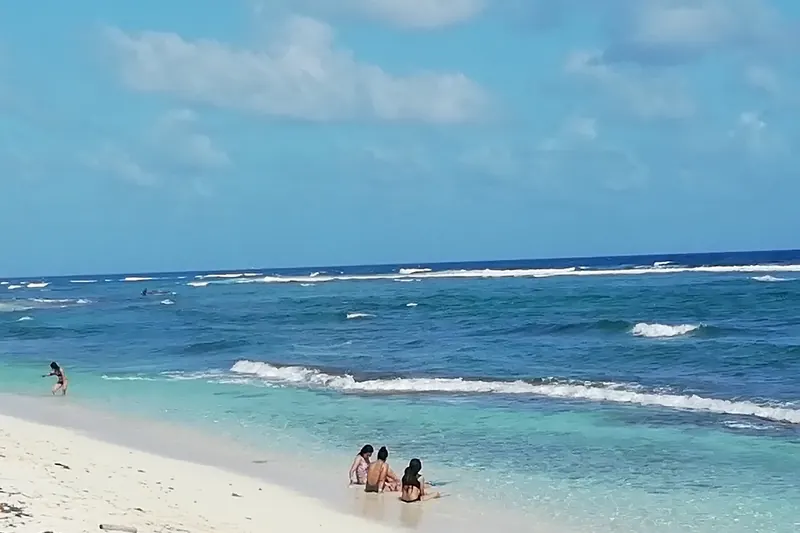
A small coral island 775 km from the Colombian mainland, with Johnny Cay, Rocky Cay, snorkelling, scuba diving, the Hoyo Soplador blowhole and Raizal Creole culture.

Don't miss Floating in the shallow, seven-shades-of-blue water off Johnny Cay.

Explore Destination — San Andrés
Nature & WildlifeNational Park

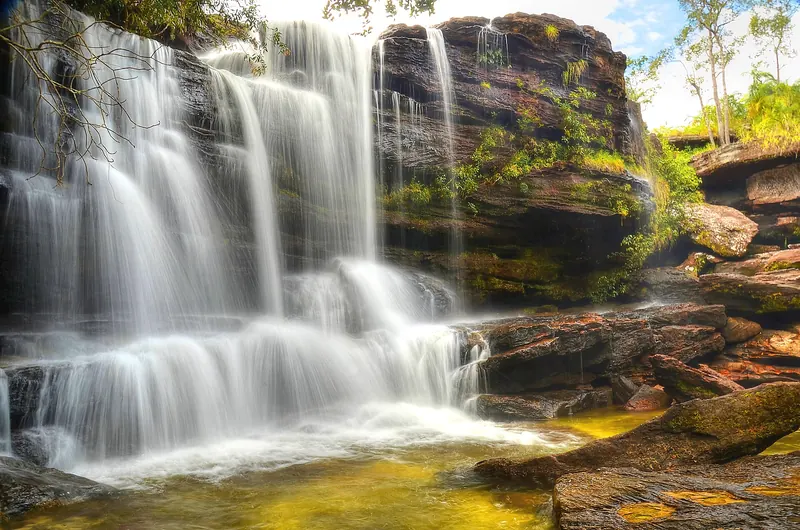
Caño Cristales

Meta, Serranía de la Macarena

A remote river in the Serranía de la Macarena whose rocks and aquatic plants turn vivid colours during the rainy-to-dry transition, reached only by flight and guided tours.

Don't miss Wading beside a rock pool where red aquatic plants glow beneath crystal-clear water.

Explore Destination — Caño Cristales

Browse all 510 destinations

Experiences

Best things to do in Colombia

The experiences that recur across the country and make a Colombian trip feel like one.

  1. Wander a walled Caribbean city

    Cartagena's colonial streets, balconies and bougainvillea are among the most photogenic in the Americas. See Cartagena.

    Tip Walk early or after sunset, when it is cooler.

  2. Visit a coffee farm

    The Coffee Axis produces some of the world's finest beans, and fincas offer tours with tastings. See Salento and Cocora.

    Tip Book a farm tour with a picking experience.

  3. Hike among wax palms

    The Cocora Valley is home to the world's tallest palms, rising up to 60 metres. See Salento and Cocora.

    Tip Start early, before the mist and the crowds.

  4. Ride the Medellín cable cars

    Metrocable lines link hillside neighbourhoods to the metro, and Comuna 13 shows the city's transformation. See Medellín.

    Tip Take a local guide to Comuna 13.

  5. Trek to a lost city

    Ciudad Perdida, the Tayrona city older than Machu Picchu, is reached by a multi-day jungle trek. See Tayrona and Santa Marta.

    Tip Book with an authorised operator.

  6. Dance salsa

    Cali is the salsa capital, and clubs across the country teach and party.

    Tip Take a class first.

  7. Explore Bogotá's museums

    The Gold Museum, the Botero Museum and street art tours reveal the capital. See Bogotá.

    Tip Book the Gold Museum early in the day.

Food and drink

Colombia foods to try

Colombian food varies by region, with hearty soups and meats in the Andes, seafood and coconut rice on the Caribbean, and superb tropical fruit and coffee everywhere.

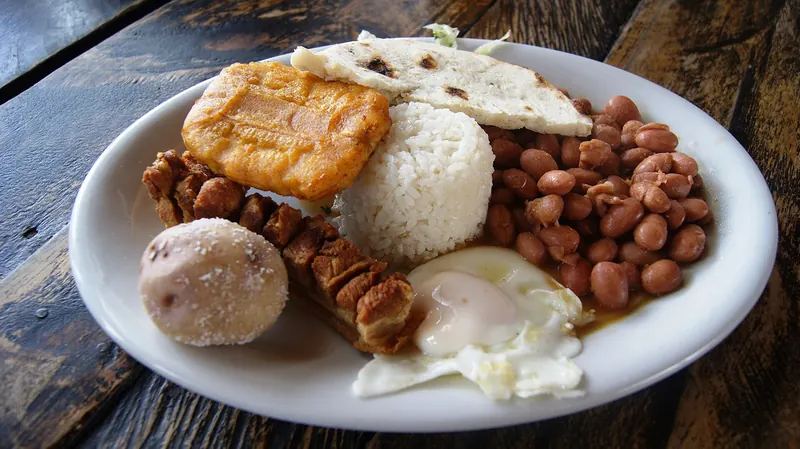
  • A large plate of bandeja paisa with beans, rice, meat, egg and plantain

    Bandeja paisa

    A huge Antioquian platter of beans, rice, minced meat, chorizo, fried pork belly, egg, plantain and arepa.

    Where to try it Restaurants in Medellín.

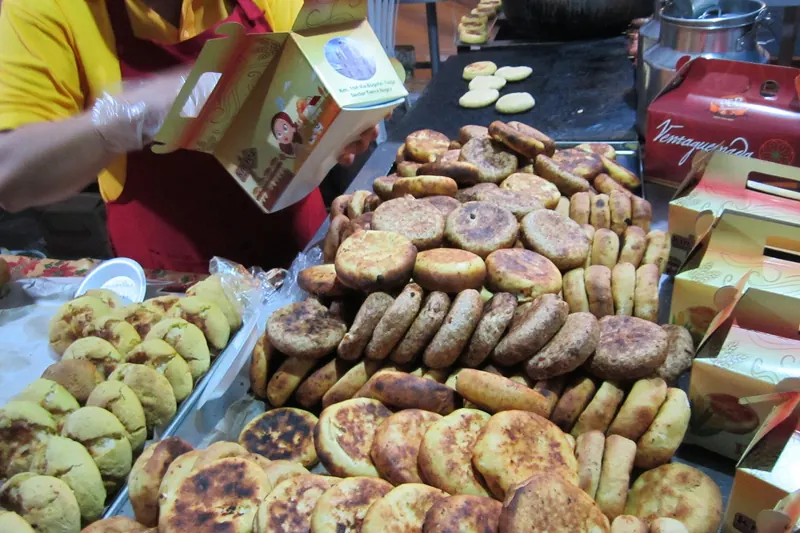
  • A grilled arepa filled with cheese

    Arepas

    Flat maize cakes, grilled or fried, served plain, with butter and cheese, or filled. Every region has its own version.

    Where to try it Street stalls and cafés everywhere.

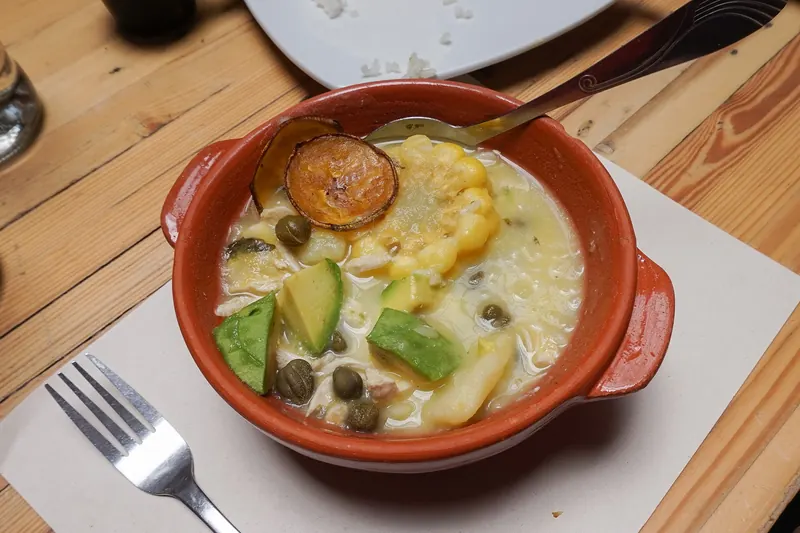
  • A bowl of ajiaco soup with chicken, potatoes and corn

    Ajiaco

    A Bogotá chicken and potato soup flavoured with guascas herb, served with corn, cream and capers.

    Where to try it Restaurants in Bogotá.

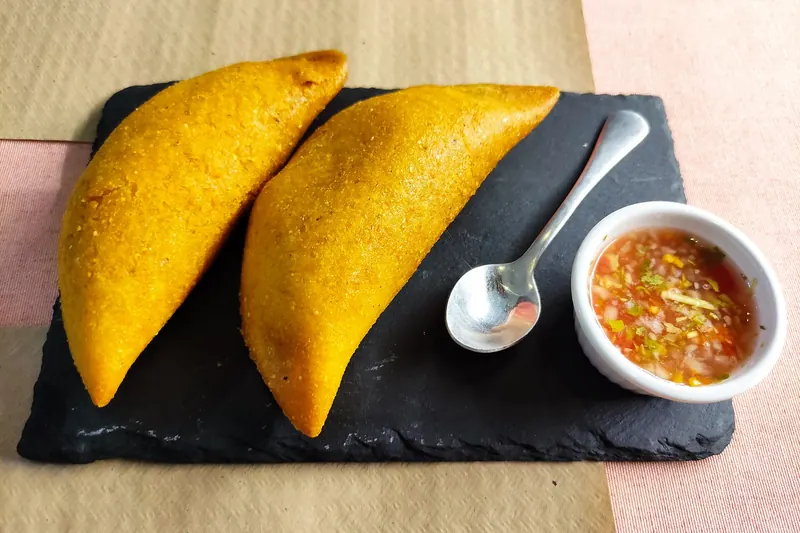
  • Fried Colombian empanadas served with aji sauce

    Empanadas

    Fried maize pastries filled with beef, chicken or potato, served with ají hot sauce.

    Where to try it Street vendors and bakeries.

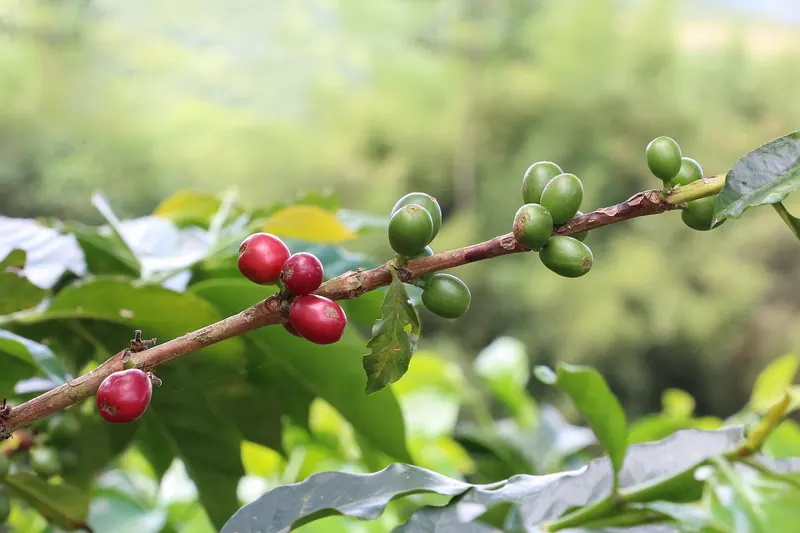
  • Ripe red coffee berries on a branch in a Colombian coffee farm

    Colombian coffee

    Mild, sweet Arabica from the highland farms, served as a tinto, small black coffee, or in specialty cafés.

    Where to try it Fincas in the Coffee Region.

  • Fresh tropical fruit and juices

    Lulo, maracuyá, guanábana, mango and more, blended into juices or eaten from street carts.

    Where to try it Markets and juice stalls.

Before you go

Practical travel information for Colombia

The essentials, current for 2026. Colombia is welcoming and increasingly easy, though safety, altitude and distances need thought.

Capital
Bogotá
Language
Spanish. English is spoken by staff in tourist hotels and hostels, and rarely elsewhere. Learning basic Spanish helps a great deal.
Currency
Colombian peso (COP, $). Roughly 3,800–4,500 pesos to the US dollar in recent years. Prices are written with dots for thousands.
Cards and cash
Cards are accepted in cities, but carry cash for small towns, markets and taxis. ATMs are common, and are safest inside malls and banks. Avoid displaying large amounts of cash.
Entry and visas
Many nationalities, including the United Kingdom, most of Europe, the United States, Canada and Australia, can enter without a visa for up to 90 days, extendable to 180 days in a year. An online Check-Mig form has been required before arrival. Rules change, so check the official migration website.
Power sockets
Type A and B (two flat pins), 110 V, 60 Hz. Bring an adaptor and check that your devices take 110 V.
Emergency number
123 for all emergencies.
Tipping
A voluntary 10% service charge is often added to restaurant bills, and tipping for guides and drivers is appreciated. Check the bill.
Safety
Tourist areas are generally safe, but crime exists. Avoid walking alone at night, do not use phones on the street, use Uber, InDrive or Cabify rather than hailing taxis, and never accept drinks from strangers, since drugging is a known risk. Avoid remote border areas, parts of Cauca and Catatumbo, and check government advice.
Internet and SIM
Good in cities and towns. Buy a local SIM or eSIM. Coverage is patchy in the mountains, jungle and Amazon.
Time zone
Colombia Time, UTC-5 all year, with no daylight saving.

Daily budget guide (per person)

Backpacker
US$30–50 per day — hostels, buses, street food
Mid-range
US$70–130 per day — hotels, restaurant meals, domestic flights
Comfortable
US$150–260 per day — boutique hotels, guides
Luxury
US$350+ per day — top hotels, private tours

Excludes international flights. Figures are typical rather than absolute — cities and peak season run higher.
When to go

Best time to visit Colombia

Colombia has no four seasons. Climate depends on altitude and region, with wet and dry seasons, so the best time varies by destination.

  • December–March

    Best time

    The main dry season in the Andes and the Caribbean coast, with the best weather for most of the country. Busiest and most expensive, especially around Christmas.

  • April–May

    Quiet

    The first wet season in the Andes, with afternoon showers. Caribbean beaches begin to get hotter and rainier.

  • June–August

    Good

    A second, drier period in the Andes, with winds in Villa de Leyva. Domestic holiday season.

  • September–November

    Think twice

    The wettest months in much of the Andes and the Caribbean coast. Caño Cristales is best from late June to November.

Worth planning around: October and November for rainy conditions in the Andes, and Holy Week and late December for crowds.

Trip length

How long to spend in Colombia

Colombia is big, and flights between regions are cheap. A week covers two or three places, and two weeks allows Bogotá, Medellín, the Coffee Region and the coast.

  • 7 days

    Cartagena and Bogotá, or Medellín and the Coffee Region.

    A first taste.

  • 12–14 days

    The itinerary on this page: Bogotá, Villa de Leyva, Medellín, Guatapé, Salento, Cartagena and Tayrona.

    The classic first trip, and our recommendation.

  • 3 weeks

    Adds Barichara, San Andrés and more of the coast.

    For a slower pace.

  • 4 weeks or more

    Adds the Amazon, the Pacific coast and Ciudad Perdida.

    For adventurers.

Getting around

Transportation in Colombia

Flights are cheap and link the main cities in an hour. Buses cover the mountains, and roads are winding and slow. There are no passenger trains.

  • Domestic flights

    Avianca, LATAM and low-cost carriers such as Wingo and JetSMART link Bogotá, Medellín, Cartagena, Santa Marta, Pereira and San Andrés.

    Book early, and watch baggage fees.

  • Long-distance buses

    Comfortable coaches link cities, but journeys are long on winding roads, for example Bogotá to Medellín takes 8 to 10 hours.

    Use reputable companies and travel by day.

  • Ride-hailing

    Uber, InDrive and Cabify operate in the main cities and are safer than street taxis.

    Confirm the plate.

  • Colectivos and local buses

    Shared jeeps and buses serve smaller towns, such as Salento and Minca.

    Ask locally.

  • Hire cars

    Possible around Villa de Leyva and the Coffee Region, though roads are demanding.

    Avoid night driving.

Sample route

Two weeks in Colombia

Bogotá, Villa de Leyva, Medellín, Guatapé, the Coffee Region, Cartagena and Tayrona, with three flights. Covers seven of the ten destinations in this guide.

  1. Day1

    Arrive in Bogotá

    • Morning Land and acclimatise.
    • Afternoon La Candelaria.
    • Evening Ajiaco dinner.
  2. Day2

    Bogotá

    • Morning Gold Museum.
    • Afternoon Monserrate.
    • Evening Zona G dining.
  3. Day3

    Zipaquirá

    • Morning Salt Cathedral.
    • Afternoon Street art tour.
    • Evening Free evening.
  4. Day4

    Villa de Leyva

    • Morning Bus to Villa de Leyva.
    • Afternoon Plaza Mayor.
    • Evening Dinner.
  5. Day5

    To Medellín

    • Morning Return to Bogotá.
    • Afternoon Fly to Medellín.
    • Evening El Poblado.
  6. Day6

    Medellín

    • Morning Comuna 13.
    • Afternoon Plaza Botero.
    • Evening Bandeja paisa.
  7. Day7

    Guatapé

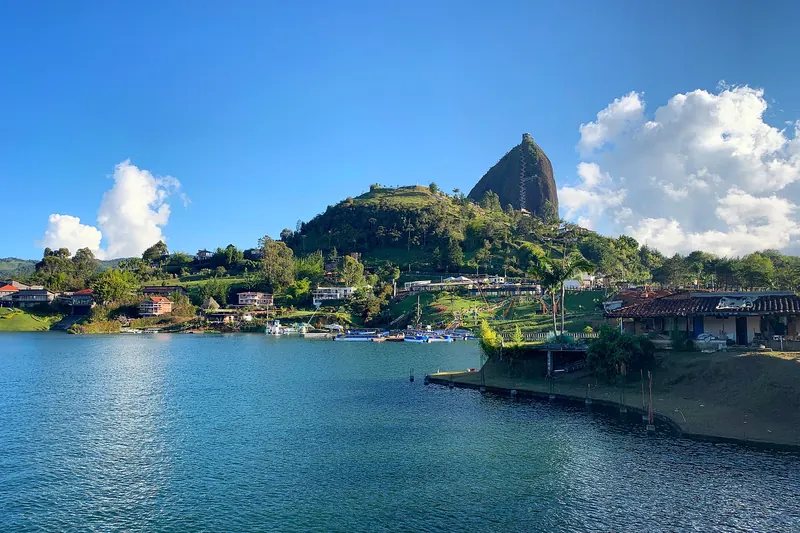
    • Morning Climb El Peñol.
    • Afternoon The colourful town.
    • Evening Return.
  8. Day8

    To Salento

    • Morning Fly to Pereira.
    • Afternoon Transfer to Salento.
    • Evening Calle Real.
  9. Day9

    Cocora Valley

    • Morning Hike among the wax palms.
    • Afternoon Coffee farm tour.
    • Evening Rest.
  10. Day10

    To Cartagena

    • Morning Fly to Cartagena.
    • Afternoon The old city.
    • Evening Sunset on the walls.
  11. Day11

    Cartagena

    • Morning Castillo San Felipe.
    • Afternoon Getsemaní.
    • Evening Ceviche and salsa.
  12. Day12

    Islands

    • Morning Boat to Rosario Islands.
    • Afternoon Swim.
    • Evening Return.
  13. Day13

    Tayrona

    • Morning Bus to Santa Marta.
    • Afternoon Tayrona National Park.
    • Evening Beach camp.
  14. Day14

    Departure

    • Morning Return to Santa Marta.
    • Afternoon Fly home via Bogotá.
    • Evening Home.

Culture

Culture and etiquette in Colombia

Colombians are warm, expressive and hospitable, and greetings matter. Family, music and food are central, and people are proud of their country's changes. Punctuality is relaxed, and conversation is friendly and close.

  • Greet everyone

    Say buenos días or buenas tardes in shops, on buses and to neighbours. A handshake or a cheek kiss is common.

  • Use polite forms

    Use usted with strangers and elders, and señor or señora.

  • Accept hospitality

    Invitations for a tinto, coffee, are a friendly gesture.

  • Dress smartly

    Locals dress well in cities, and shorts are less common in Bogotá.

  • Be discreet with valuables

    Do not flash phones, jewellery or cameras in cities.

  • Avoid talking about violence

    Do not joke about drugs or conflict, and avoid the topic of Pablo Escobar as entertainment.

Do

  • Learn basic Spanish
  • Use Uber or InDrive in cities
  • Carry a copy of your passport
  • Take altitude seriously in Bogotá
  • Try local fruit and coffee
  • Book Ciudad Perdida and Tayrona ahead

Don't

  • Don't accept drinks from strangers
  • Don't use your phone on the street in big cities
  • Don't hail street taxis at night
  • Don't buy drugs
  • Don't walk alone at night in unfamiliar areas
  • Don't carry unnecessary valuables

Travel tips

Colombia travel tips

The things that most often catch visitors out in Colombia, several of which are specific to how the country works.

  • Take altitude seriously in Bogotá, at 2,640 metres, and rest on the first day.
  • Use Uber, InDrive or Cabify rather than street taxis.
  • Never leave a drink unattended, and be cautious about accepting drinks.
  • Book internal flights early, and check baggage limits on low-cost carriers.
  • Get a yellow fever vaccination if visiting Tayrona and jungle areas, and check malaria advice.
  • Carry cash for small towns and colectivos.
  • Pack layers, since Bogotá is cool and the coast is hot.
  • Check government safety advice before travelling to remote regions.

FAQ

Visiting Colombia: frequently asked questions

Is Colombia safe for tourists?

Popular tourist areas are generally safe with sensible precautions. Avoid remote regions, be careful at night and use ride-hailing apps.

How many days do you need in Colombia?

Ten to fourteen days for a first trip, covering Bogotá, Medellín, the Coffee Region and Cartagena.

When is the best time to visit Colombia?

December to March for most of the country, with June to August as a good second window.

Do I need a visa for Colombia?

Many nationalities can enter visa-free for 90 days. Complete the online Check-Mig form and check current rules.

Is Colombia expensive?

No. It is good value, with cheap food, transport and hostels, though flights and Caribbean hotels can be pricey in peak season.

Do I need to speak Spanish?

It helps a lot, because English is limited outside tourist hotels.

Ready to plan your Colombia trip?

The full travel guide covers routes, budgets, regional differences and how to string these ten destinations into a trip that actually works.

Read the Colombia travel guide

Advertisement