Why go to Netherlands
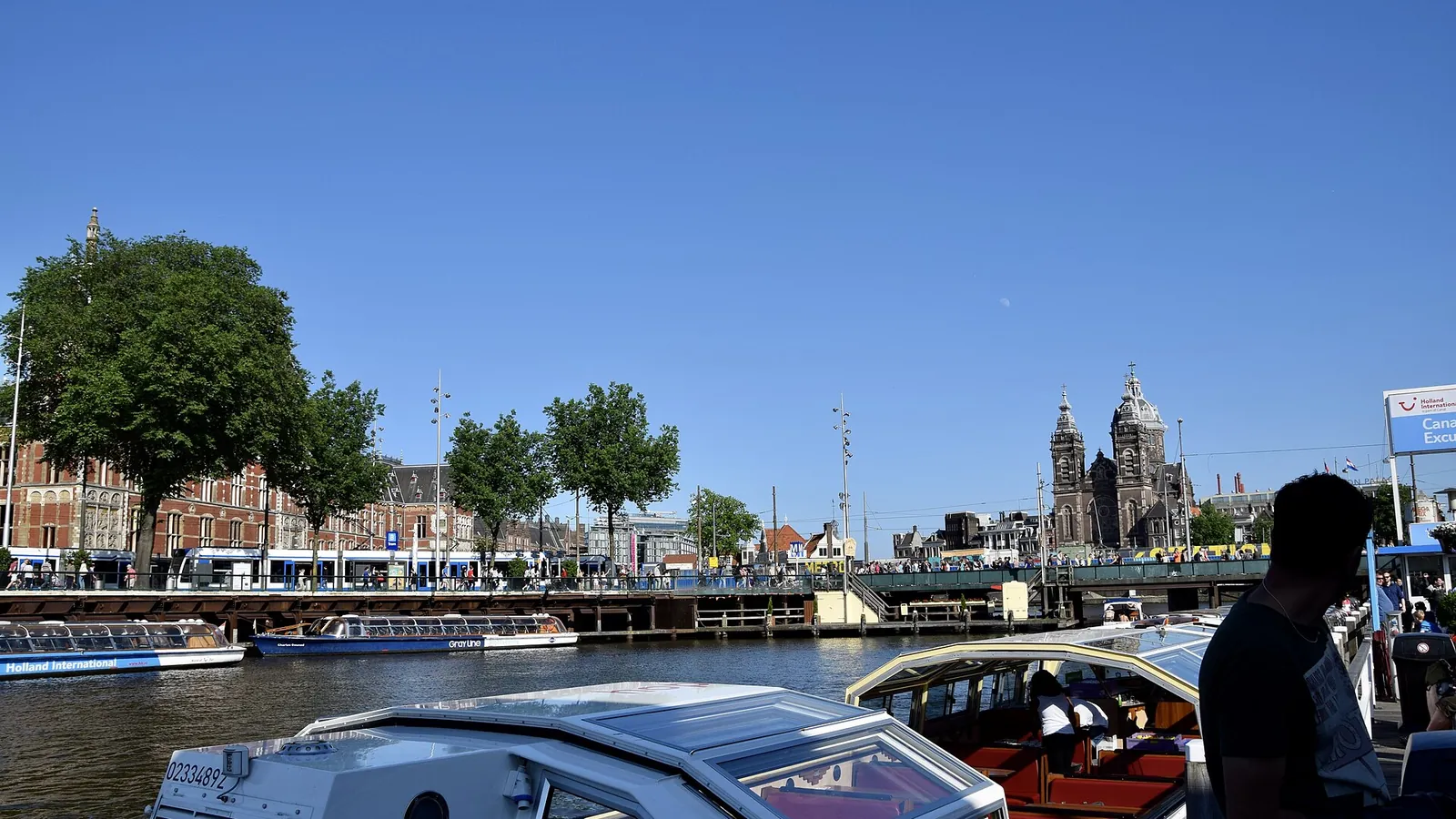
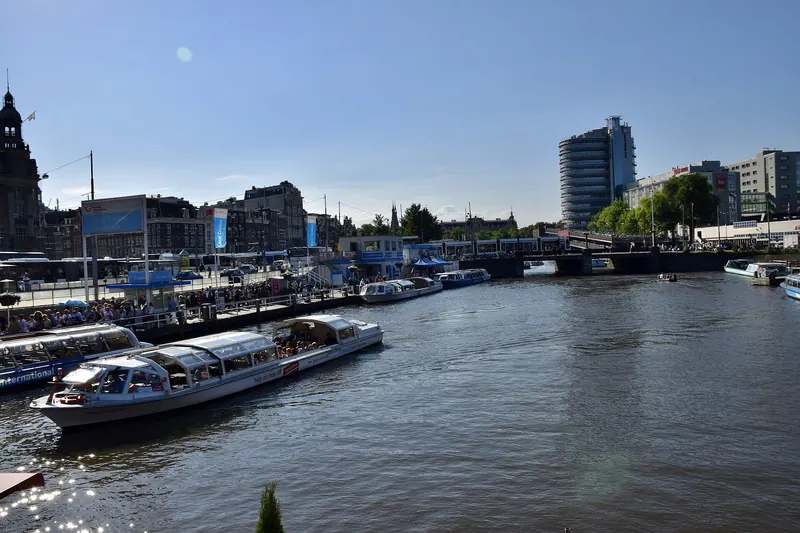
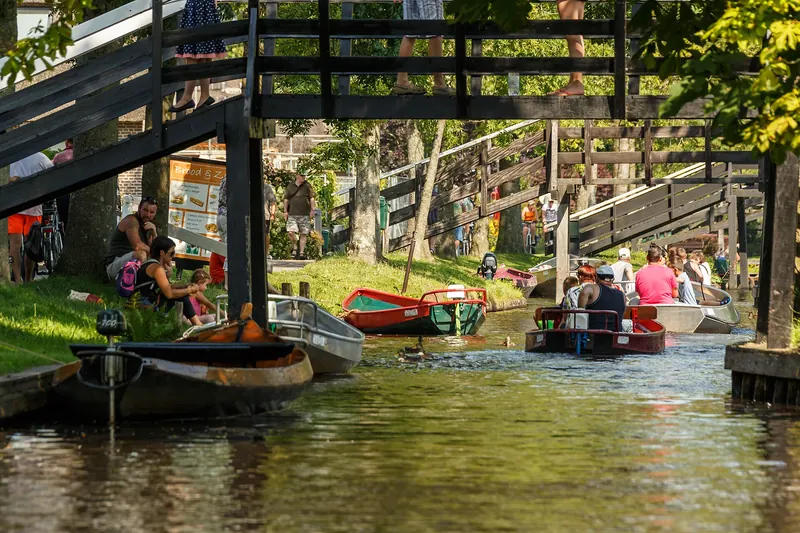
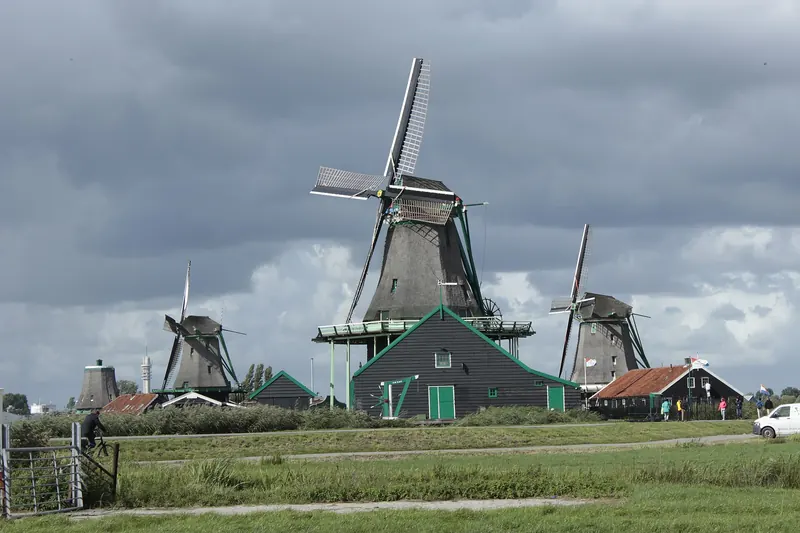
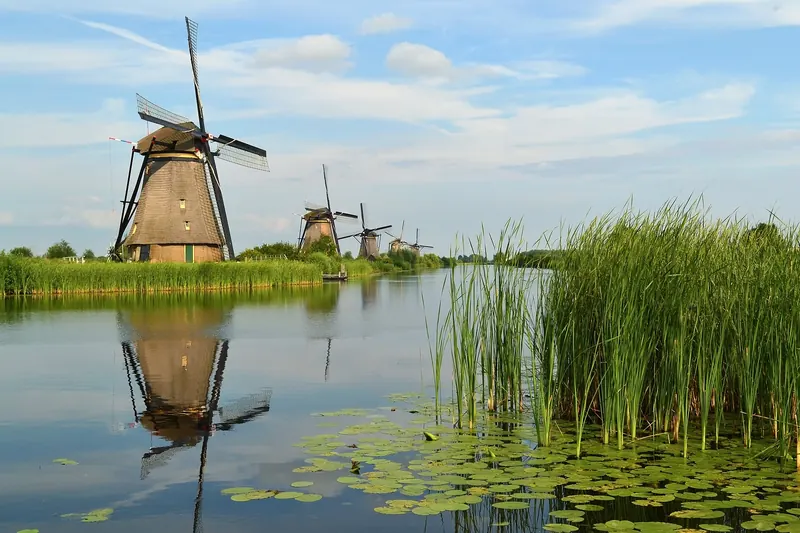
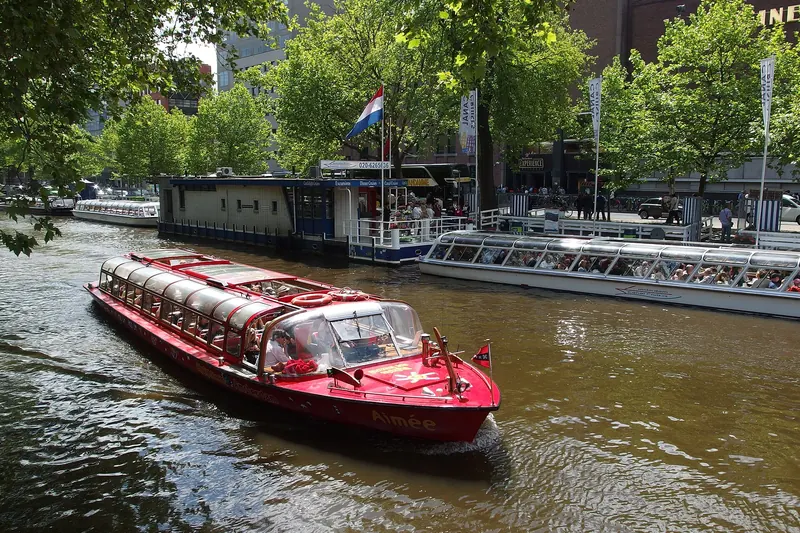
The Netherlands is a small, flat, and famously engineered country — roughly a quarter of it sits below sea level, held back by a centuries-old system of dikes, polders and pumping windmills that the Dutch built out of sheer necessity. That same engineering instinct shaped Amsterdam's concentric canal rings, a 17th-century masterplan now a UNESCO World Heritage Site, and it still shows in a rail network and cycling infrastructure that make getting around the country effortless.
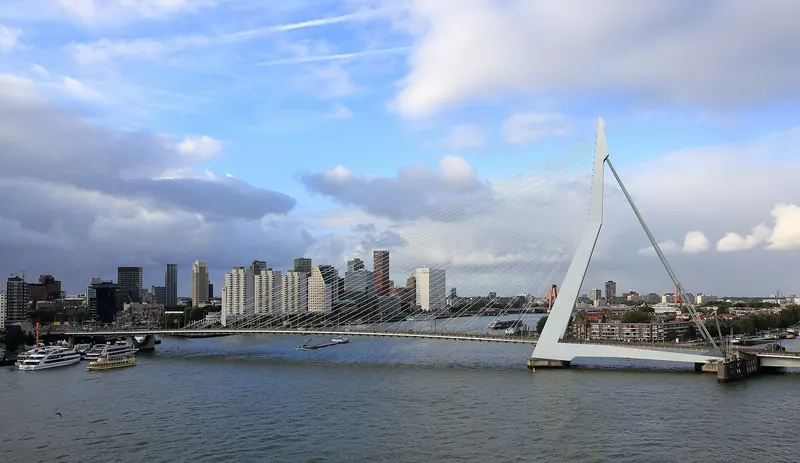
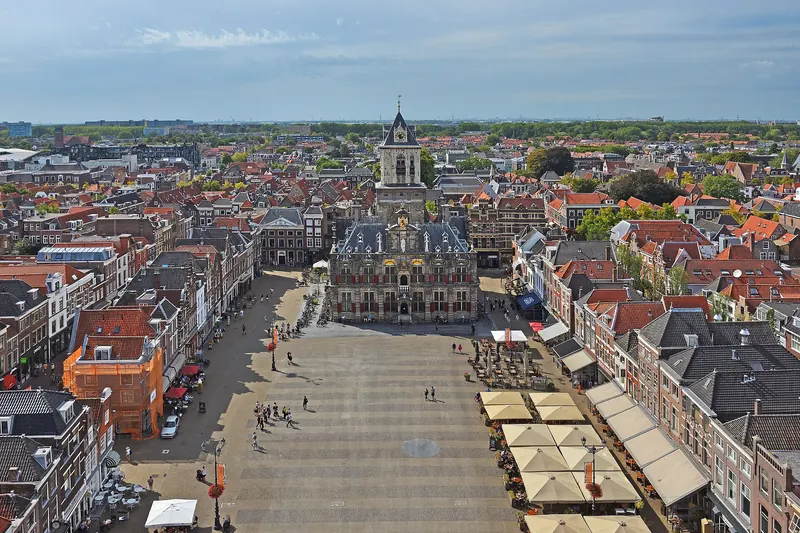
Beyond Amsterdam, the case for the Netherlands is how much variety fits into such a compact area: Rotterdam's bombed-and-rebuilt skyline of experimental modern architecture, Utrecht's canals sitting a level below street traffic rather than beside it, Delft's blue-and-white pottery tradition and Vermeer's old streets, and a UNESCO windmill landscape at Kinderdijk that looks unchanged since the 18th century.
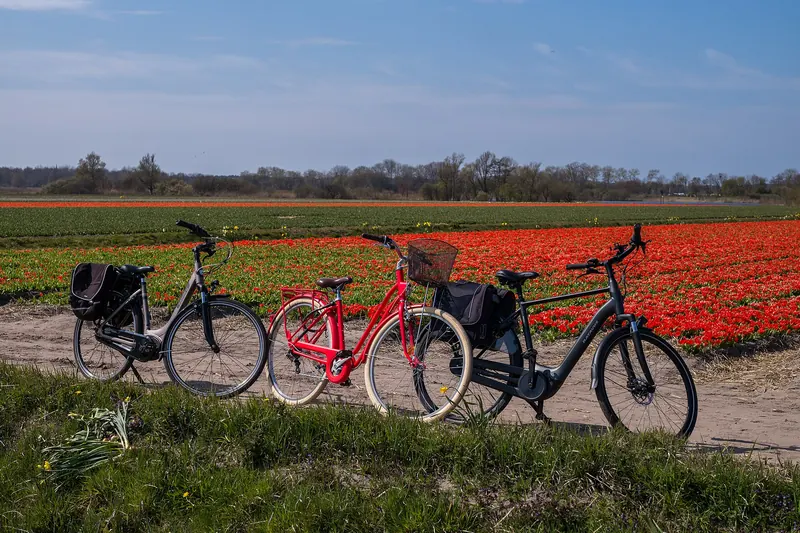
Spring adds a layer most visitors plan entire trips around — the Keukenhof gardens and the surrounding bulb fields turn parts of the country into solid blocks of tulip colour for about six weeks each year. A well-developed train network and the world's most bike-friendly infrastructure make combining several of these destinations in one trip straightforward, even without a car.