- Capital
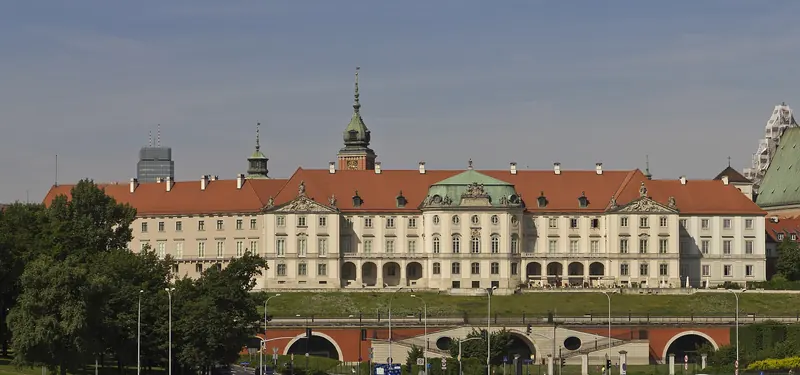
- Warsaw
- Language
- Polish. English is widely spoken by younger people and in tourism, less so among older people and in small towns.
- Currency
- Polish złoty (PLN, zł). Roughly 3.6–4.3 złoty to the US dollar in recent years. Poland is in the EU but not the eurozone.
- Cards and cash
- Cards and contactless payments are accepted almost everywhere, including small shops. Use bank ATMs and decline dynamic currency conversion. Carry some cash for markets and small towns.
- Entry and visas
- Poland is in the EU and the Schengen Area. Many nationalities, including the United Kingdom, United States, Canada and Australia, can stay up to 90 days in any 180 without a visa. The EU's ETIAS authorisation has been planned, so check current rules.
- Power sockets
- Type C and E (two round pins), 230 V, 50 Hz. UK and US visitors need an adaptor.
- Emergency number
- 112 for all emergencies, 997 for police, 998 for fire and 999 for ambulance.
- Tipping
- About 10% in restaurants if service is not included, and rounding up for taxis.
- Safety
- Poland is generally very safe. Watch for pickpockets in crowded tourist areas and on trains, use licensed taxis or ride-hailing apps, and be careful with alcohol-fuelled nightlife. Check travel advice for areas near the Ukraine and Belarus borders.
- Internet and SIM
- Very good. EU roaming applies to EU SIMs, and prepaid SIMs are cheap. Free Wi-Fi is common in cafés.
- Time zone
- Central European Time, UTC+1, and UTC+2 in summer.
Daily budget guide (per person)
- Backpacker
- US$40–70 per day — hostels, milk bars, trains
- Mid-range
- US$90–160 per day — hotels, restaurant meals, attractions
- Comfortable
- US$180–300 per day — boutique hotels, guided tours
- Luxury
- US$400+ per day — five-star hotels, private guides
Excludes international flights. Figures are typical rather than absolute — cities and peak season run higher.