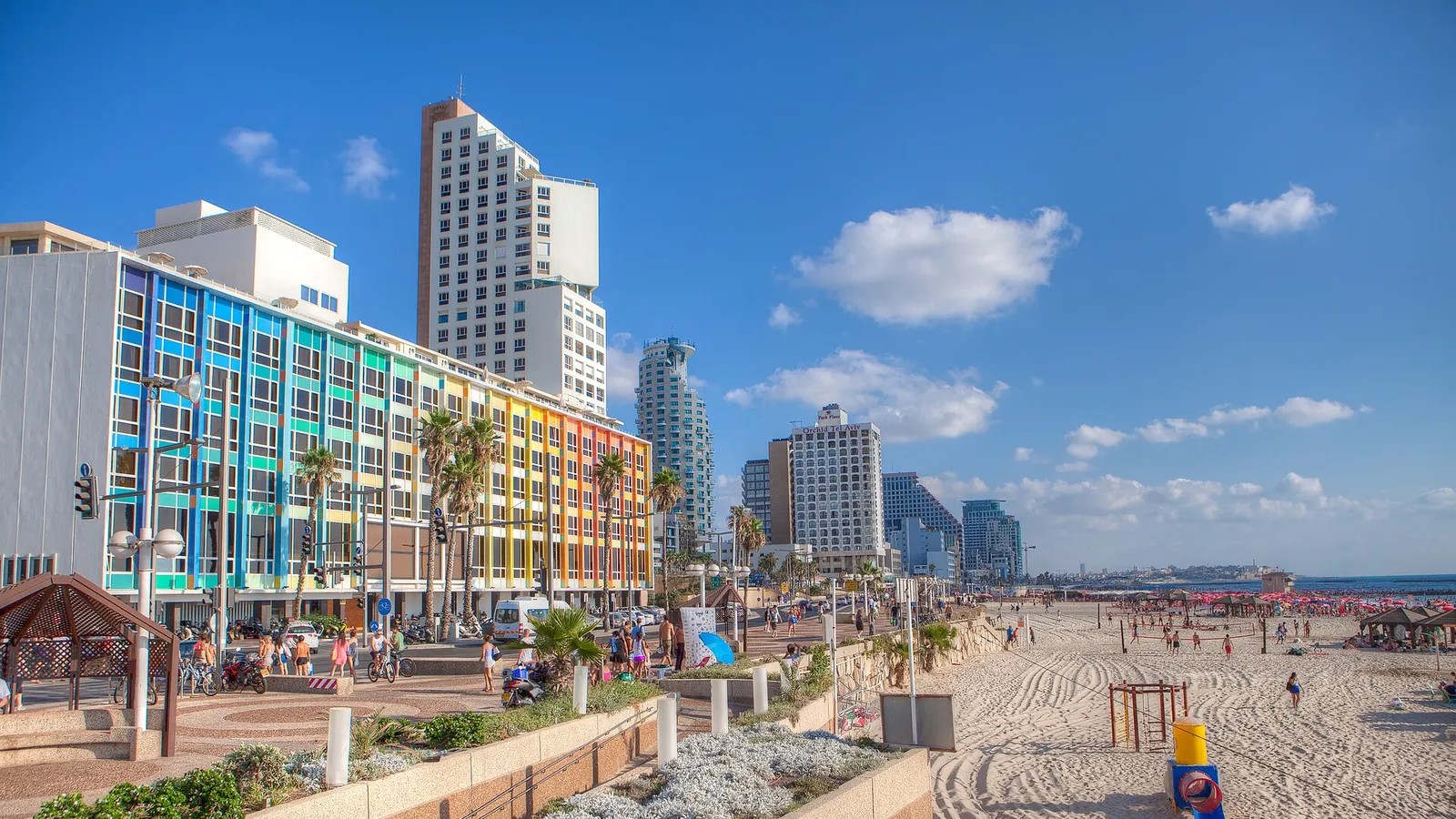
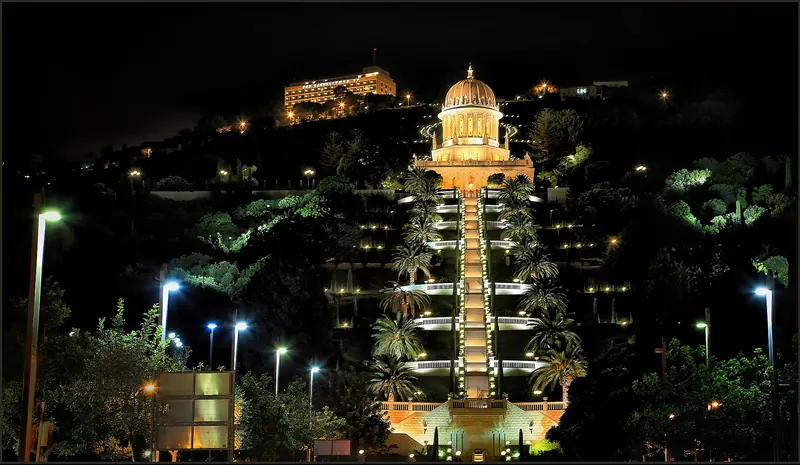
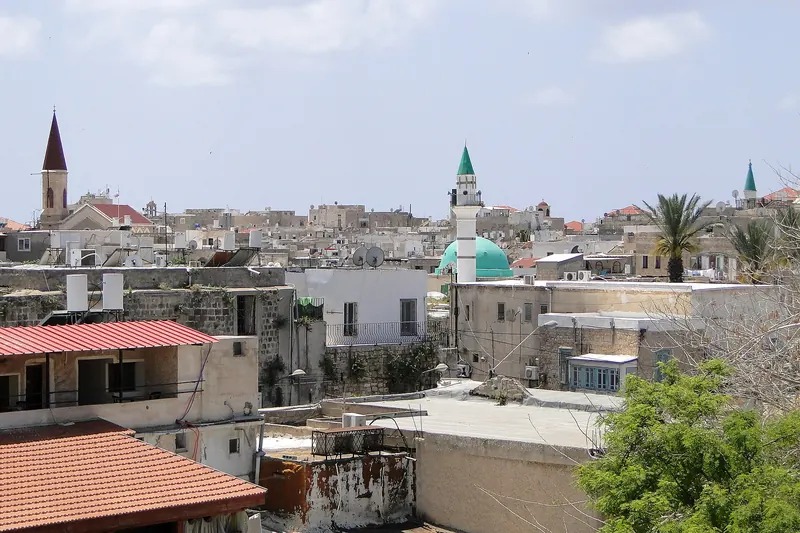
The seafront promenade and skyline of Tel Aviv along the Mediterranean

Tel Aviv District, Mediterranean coast · Israel

Tel Aviv-Jaffa

A young Mediterranean city of Bauhaus buildings, beaches and late-night cafés, next to one of the world's oldest working ports.

  • Best time April–June and September–November
  • Stay 2–3 days
  • Good for Beaches, food, architecture, nightlife, a relaxed city break

Photo: israeltourism from Israel · CC BY-SA 2.0

Welcome to Tel Aviv

Tel Aviv was founded in 1909 as a garden suburb of the ancient port of Jaffa, and it has grown into Israel's largest metropolitan area and its economic and cultural centre. Jaffa, by contrast, is one of the oldest ports in the world, with a history that goes back at least four thousand years. The two were merged into a single municipality in 1950, and they still feel like different places.

Tel Aviv's centrepiece is the White City, a large collection of Bauhaus and International Style buildings put up in the 1930s by Jewish architects who had trained in Europe. It was inscribed on the UNESCO World Heritage List in 2003. Between the buildings, there are boulevards, cafés and a long seafront with beaches, a promenade and an easy, sunlit mood.

Jaffa is more mixed, with a large Arab population, a stone-built old town, artists' galleries and a busy flea market. Tel Aviv is secular, liberal and fast-moving, and it is the easiest introduction to modern Israel. It is also a city that has been touched by the conflict of the last few years, and visitors should follow the current advice and local instructions.

  • Major City
  • Coast & Beaches
  • UNESCO Site

Why visit

Why visit Tel Aviv?

Tel Aviv is the country's relaxed counterpart to Jerusalem, and one of the best-value city breaks in the region for anyone who likes beaches and food.

  • A city built on the sea

    A continuous 14 km of beach and promenade runs the length of the city, and people swim, run, cycle and play matkot (paddle ball) all year.

  • The White City

    More than 4,000 modernist buildings, mostly from the 1930s, give the centre a coherent, walkable character unlike any other city in the region.

  • One of the best food scenes in the Mediterranean

    Markets, hummus counters, seafood, fusion restaurants and wine bars have made Tel Aviv a serious culinary city.

  • An ancient port next door

    Old Jaffa's stone lanes, its port and its hilltop churches and mosques are a short walk south, and they are where Jonah, in the Bible, is said to have set sail.

  • Easy to use as a base

    Jerusalem, Caesarea and Haifa are all within an hour or so, and Ben Gurion airport is 25 minutes away.

Main attractions

Top things to see in Tel Aviv

The city is best explored on foot and by bicycle, from the north to Jaffa. Give yourself a day for the architecture and markets and another for Jaffa and the beach.

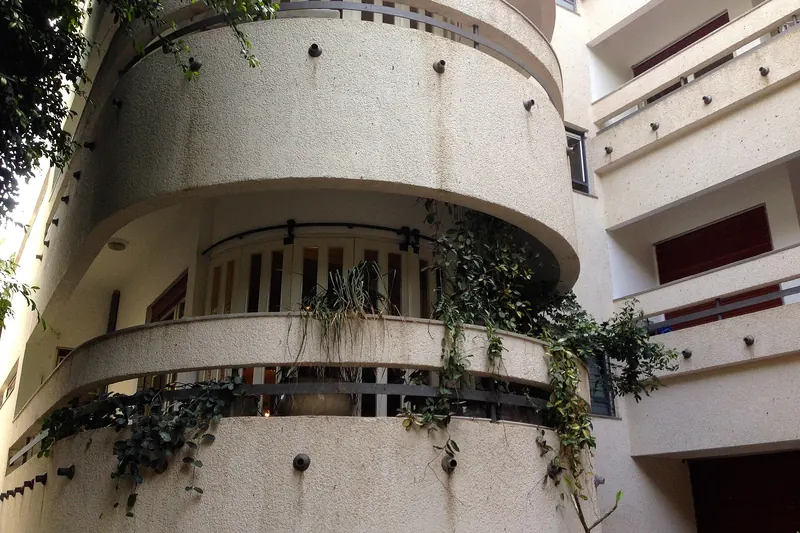
  1. A white Bauhaus apartment building in Tel Aviv

    The White City and Rothschild Boulevard

    The heart of Tel Aviv's Bauhaus architecture, with tree-lined Rothschild Boulevard, Dizengoff Square and the streets around Bialik. The Bauhaus Center runs guided walks.

    Tip Many buildings are shabby, and some are beautifully restored. Look up at the balconies.

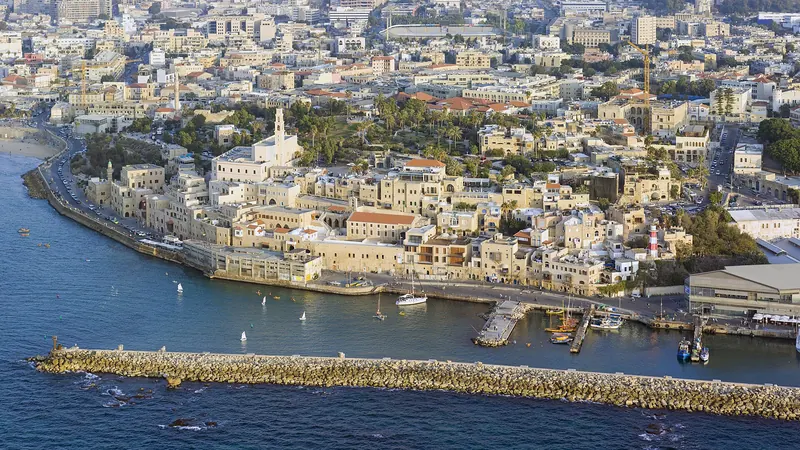
  2. Aerial view of the old port and stone town of Jaffa

    Old Jaffa

    A hilltop old town of restored Ottoman stone houses, galleries, the Clock Tower, St Peter's Church and the Al-Bahr and Great mosques. The port at the foot has fishing boats and restaurants.

    Tip Go for sunset, and walk back to Tel Aviv along the promenade.

  3. The Carmel Market (Shuk HaCarmel)

    Tel Aviv's main market, a noisy street of stalls selling fruit, vegetables, spices, fish, clothes and street food. Nearby Nachalat Binyamin has a craft market on Tuesdays and Fridays.

    Tip Go in the morning, and try the fresh juice. It is quieter on Fridays afternoon.

  4. Jaffa Flea Market

    A network of lanes around the Clock Tower with antiques, furniture, jewellery, cafés and small restaurants. It is lively in the evening.

    Tip Haggle politely. It is at its best on weekend evenings.

  5. The beaches and promenade

    Gordon, Frishman, Banana and Hilton beaches are the main city beaches, and the promenade links them all to Jaffa. Lifeguards are on duty in season, and there is a dedicated dog beach and quieter stretches.

    Tip Pay attention to the flag system. Currents can be strong.

  6. The Tel Aviv Museum of Art and the Museum of the Jewish People

    The art museum has an excellent collection of Israeli and international art in a striking modern building. The Museum of the Jewish People (Anu) at Tel Aviv University tells the story of Jewish communities worldwide.

    Tip Check opening hours, which vary by day and by Shabbat.

  7. Neve Tzedek

    The city's oldest Jewish neighbourhood, with pastel low-rise houses, designer shops, small galleries and cafés. The Suzanne Dellal Centre for dance is here.

    Tip Combine it with the walk from the Carmel Market to Jaffa.

Things to do

Best things to do in Tel Aviv

Tel Aviv is a city for slow days and long evenings. These are the ways that visitors most enjoy it.

  1. Walk the promenade to Jaffa

    A 5 km stroll from Gordon Beach to the old port, past cafés, surfers and volleyball courts. The best time is late afternoon.

    Tip Hire a bike or e-scooter if you would rather ride.

  2. Take a Bauhaus walking tour

    A guided tour of the White City explains the history and details of the buildings, and helps you see what to look for.

    Tip Book in advance through the Bauhaus Center or a local guide.

  3. Eat your way through the markets

    The Carmel Market and the Levinsky Market are ideal for street food, from falafel and sabich to burekas and fresh juice. Food tours are popular.

    Tip Arrive hungry, and go on a weekday.

  4. Spend a day on the beach

    Rent a sunbed, swim in the Mediterranean and eat fresh fish at a beach restaurant. The season runs from about April to November.

    Tip Avoid the middle of a Saturday in summer, when the beaches are packed.

  5. Explore Jaffa's lanes and galleries

    Wander the Old City's alleys, visit the artists' studios, and stop for coffee and knafeh. The port has good seafood restaurants.

    Tip Come at sunset, and stay for dinner.

  6. Go out after dark

    Tel Aviv has a well-known nightlife, from bars in Florentin and along Rothschild Boulevard to clubs by the port. It is one of the most liberal cities in the region.

    Tip Nightlife in Jaffa is quieter and more mixed. Take a taxi at night.

  7. Take a day trip

    Jerusalem is an hour away by train, Caesarea about 45 minutes north, and Haifa an hour. All are easy to reach by public transport.

    Tip On Shabbat, trains do not run.

Local food

What to eat in Tel Aviv

Tel Aviv's food is the most varied in Israel, drawing on Middle Eastern, North African, Eastern European and Mediterranean traditions, and many restaurants combine them. There is a large and creative vegetarian and vegan scene.

  • Hummus

    Warm, silky hummus, served in a bowl with olive oil, chickpeas and warm pita. Locals argue endlessly over the best in the city.

    Where to try it Hummusiyot in Jaffa and around the Carmel Market.

  • Sabich

    A pita filled with fried aubergine, hard-boiled egg, tahini, salad and amba (pickled mango sauce), an Iraqi-Jewish classic that Tel Aviv has adopted.

    Where to try it Stalls near the Carmel Market, and in Givatayim and Ramat Gan.

  • Shakshuka

    Poached eggs in a tomato and pepper sauce. It is on every breakfast menu in the city.

    Where to try it Cafés in Jaffa, Neve Tzedek and along Dizengoff Street.

  • Fresh seafood

    Grilled fish, calamari and mezze served at restaurants in Jaffa's port and on the seafront.

    Where to try it Restaurants in Jaffa's port.

  • Bourekas and Yemeni pastries

    Flaky pastries filled with cheese, potato or spinach, and Yemeni jachnun and malawach, slow-baked breads served with tomato, egg and zhoug.

    Where to try it Bakeries in the Carmel Market and the Yemenite Quarter.

  • Local wine and craft beer

    Israeli wines and a large craft-beer scene, served in bars and wine bars across the city.

    Where to try it Bars in Florentin, Neve Tzedek and the port.

Accommodation

Where to stay in Tel Aviv

Tel Aviv is expensive, and hotel prices are among the highest in the country. Where you stay affects your days: choose the beach, the White City or Jaffa.

  • Seafront hotels

    A line of hotels along Hayarkon Street, close to the beach and the promenade. They are convenient but pricier and busier.

    Best for: Beach access

  • The White City and Rothschild Boulevard

    Boutique hotels and apartments in restored Bauhaus buildings, close to the market, the beach and public transport.

    Best for: Cafés, architecture and walkability

  • Jaffa and Neve Tzedek

    Small hotels and guesthouses in stone buildings in the old quarter, with quieter nights and lots of charm.

    Best for: Atmosphere and character

What a night costs

Hostel or budget hotel
₪250–500 per night
Mid-range hotel
₪700–1,100 per night
Boutique or luxury hotel
₪1,200–2,500 per night
Meal at a market stall
₪30–60 per person

Transport

Getting to and around Tel Aviv

Tel Aviv is Israel's main gateway. Ben Gurion airport is about 20 km south-east of the city.

Getting there

  • Ben Gurion International Airport (TLV)

    Israel's main airport, with direct flights from Europe, North America and beyond. Trains reach central Tel Aviv in about 15–20 minutes, and taxis take about 25 minutes.

    The train does not run on Shabbat, so use a taxi or the sherut.

  • Train from Jerusalem, Haifa and elsewhere

    The Israel Railways network connects Tel Aviv's four main stations with Jerusalem, Haifa, Acre and Beersheba.

    Use the Rav-Kav card, and buy tickets in the Rail app or at machines.

  • Bus

    Intercity buses arrive at the Central Bus Station, and city buses go everywhere.

    Use the Moovit app for timetables.

Getting around

Tel Aviv is flat and compact, and easy to explore on foot, by bike and by public transport.

  • Walking

    Most of the centre, the beach and Jaffa can be covered on foot. Summer heat and humidity are the main problems.

    Walk in the morning and evening.

  • Bicycles and e-scooters

    Bike lanes are extensive, and share bikes and scooters are widely available.

    Take care with traffic, and follow local rules on where to ride.

  • Light rail, bus and taxi

    The Red Line light rail runs across the city, and buses cover the rest. Gett and other apps are useful for taxis.

    On Shabbat public transport largely stops; use taxis or sherut.

When to go

Best time to visit Tel Aviv

Tel Aviv has a Mediterranean climate with hot, humid summers and mild winters. It is a year-round destination, and the beach season runs from April to November.

  • Spring (March–May)

    Best time

    Warm, sunny days of 22–28°C, and the beaches begin to fill. An excellent time to walk the city.

  • Summer (June–August)

    Shoulder

    Hot and humid, often 30–34°C with high humidity. Good for the beach, but hard work for sightseeing.

  • Autumn (September–November)

    Best time

    The sea is at its warmest, and the crowds are smaller. The High Holidays can disrupt travel.

  • Winter (December–February)

    Quiet

    Mild and sometimes wet, with days of about 15–19°C. Restaurants and museums are busy, and prices are lower.

Worth planning around: Yom Kippur, when the city stops entirely, and midday in July and August.

Itinerary

Three days in Tel Aviv-Jaffa

The White City and the market, Old Jaffa and the beach, and a day trip or a slow final day. Assumes a base in the centre.

  1. Day1

    The White City

    Architecture, markets and cafés.

    • Morning A Bauhaus walking tour along Rothschild Boulevard and Dizengoff Square.
    • Afternoon The Carmel Market for lunch, then Neve Tzedek.
    • Evening Dinner and a drink in Florentin or on Rothschild.
  2. Day2

    Jaffa and the beach

    Old stone, the port and the sunset.

    • Morning The old city of Jaffa, its lanes, galleries and the flea market.
    • Afternoon Lunch at the port, then a swim or a walk on the promenade.
    • Evening Sunset over the sea and dinner on the seafront.
  3. Day3

    Museums or a day trip

    A slower final day.

    • Morning The Tel Aviv Museum of Art, or the Museum of the Jewish People.
    • Afternoon A train to Jerusalem or Caesarea, or another afternoon on the beach.
    • Evening A last dinner in the port.

Travel tips

Tel Aviv travel tips

Tel Aviv is easy, and a few tips help it go more smoothly.

  • Plan for Shabbat. Trains and buses stop, and many shops and restaurants close from Friday afternoon to Saturday evening, though the city is more relaxed than Jerusalem and many cafés and beaches stay busy.
  • Book hotels early. Prices are high, and rooms fill up for holidays and events.
  • Bring sunscreen and a hat. The sun is strong, and the humidity in summer is very high.
  • Follow the beach flags and lifeguards. Strong currents cause accidents every year.
  • Follow local advice and the Home Front Command app. Rocket alerts have occurred in Tel Aviv in recent years, and you should know where the nearest shelter is.
  • Take a taxi or an app at night. Public transport is limited late at night and on Shabbat.
  • Eat where the locals eat. The best hummus and sabich are often in unassuming places.
  • Take a jacket. Air conditioning is fierce, and evenings by the sea can be cool.

FAQ

Tel Aviv: frequently asked questions

How many days do you need in Tel Aviv?

Two or three days is enough for the White City, Jaffa, the markets and the beach. It also makes a good base for day trips to Jerusalem, Caesarea and Haifa.

Is Tel Aviv safe for tourists?

Day-to-day crime is low, and the city is lively and welcoming, but there have been rocket alerts and security incidents in recent years. Check your government's current advice, download the Home Front Command app, and know where the nearest shelter is.

What is the White City?

A UNESCO World Heritage Site made up of about 4,000 modernist buildings, in the Bauhaus and International Style, built in the 1930s and 1940s. Together they form the largest collection of such buildings in the world.

Is Tel Aviv very different from Jerusalem?

Yes. Tel Aviv is secular, liberal and beachside, while Jerusalem is historic and religious. Dress codes, Shabbat observance and the pace of life differ, and most visitors enjoy both.

When are the beaches at their best?

From May to October, when the sea is warm and the lifeguards are on duty. September and October are warm and less crowded than the summer.

What happens on Shabbat in Tel Aviv?

Public transport stops, and some shops and restaurants close, but cafés, beaches, and many restaurants stay open. Jaffa's Arab-run restaurants are also open. It is a relaxed day and a good time to visit the beach.

Read next

Related travel articles

Food

A Country-by-Country Food Primer

Eating well abroad is mostly a matter of knowing when meals happen, how the menu is structured and which dish belongs to the place you are standing in. This covers all three for the five countries in this guide, plus the signals that separate a restaurant that feeds locals from one that feeds coaches.

Heritage

UNESCO Sites Worth Planning a Trip Around

A UNESCO listing tells you a place matters; it does not tell you whether it is worth two days and a detour. This is how to read the list usefully — and which sites reward building a trip around them.

Advertisement