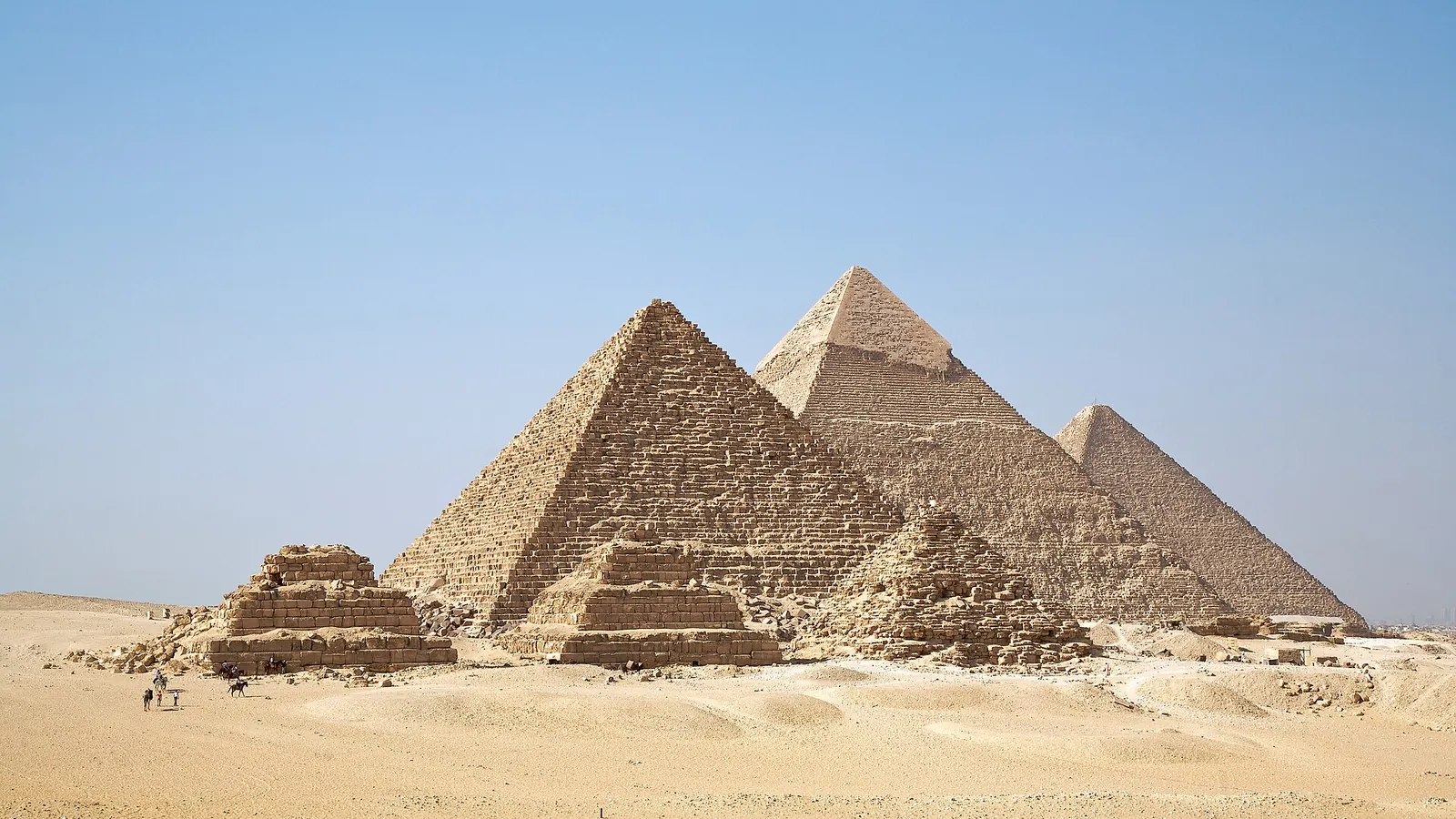
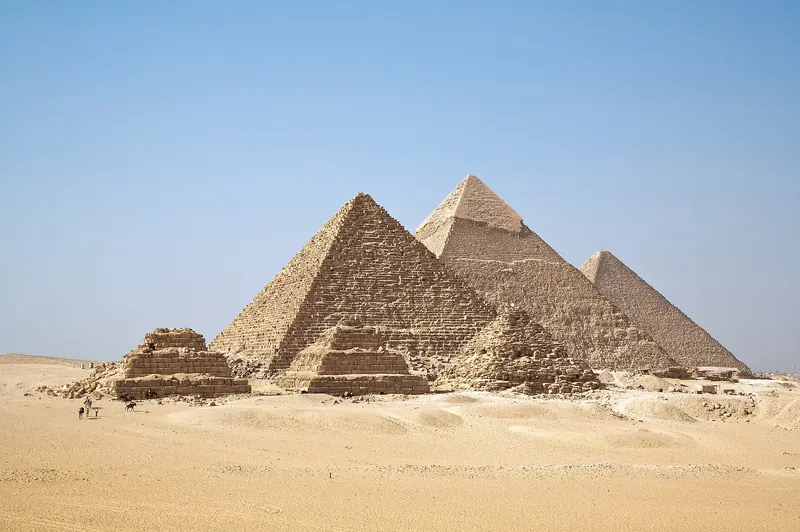
The Great Pyramids of Giza rising from the desert outside Cairo

North Africa

Egypt Travel Guide

A country where five-thousand-year-old monuments still stand in daily use as landmarks, and the Nile remains the reason anyone can live here at all.

  • Destinations 10 hand-picked
  • Best time October to April for mild temperatures away from the summer heat
  • Ideal trip 10–12 days for a first trip

Photo: Ricardo Liberato · CC BY-SA 2.0

Why go to Egypt

Egypt is home to some of the world's oldest and most recognisable monuments, the Pyramids of Giza still standing after more than 4,500 years, built before Stonehenge and outlasting entire civilisations that came after.

That ancient history runs the length of the Nile, from Cairo's museums and Giza's pyramids down to Luxor's temple complexes and Aswan's Nubian culture, a corridor of green farmland carved through the desert by a single river.

It's also a country of real contrasts beyond the ancient sites — Red Sea coral reefs among the best diving anywhere on Earth, and a Western Desert of white chalk formations and remote oases that feel like an entirely different country.

Where to go

Best Places to Visit in Egypt

Ordered roughly by how strongly we would recommend each for a first visit — though the Western Desert oases reward a second trip just as much as a first.

HistoryUNESCO Site

Cairo & Giza

Greater Cairo

Egypt's sprawling capital, home to the Great Pyramids of Giza, the Sphinx, and a historic old city of mosques, museums and centuries-old bazaars.

Don't miss Standing at the base of the Great Pyramid of Giza, unable to fully comprehend that it was already over 2,000 years old when Cleopatra was born.

Explore Destination — Cairo & Giza
HistoryUNESCO Site

Luxor

Upper Egypt

The site of ancient Thebes, home to Karnak and Luxor temples, the Valley of the Kings, and a wealth of ancient sites often called the world's largest open-air museum.

Don't miss Drifting silently over the Valley of the Kings in a hot air balloon at dawn, the whole west bank of temples and tombs spread out below in the first light.

Explore Destination — Luxor
HistoryUNESCO Site

Aswan

Upper Egypt

Egypt's most relaxed Nile city, home to living Nubian culture, the beautifully relocated Philae Temple, and Abu Simbel's colossal cliffside statues.

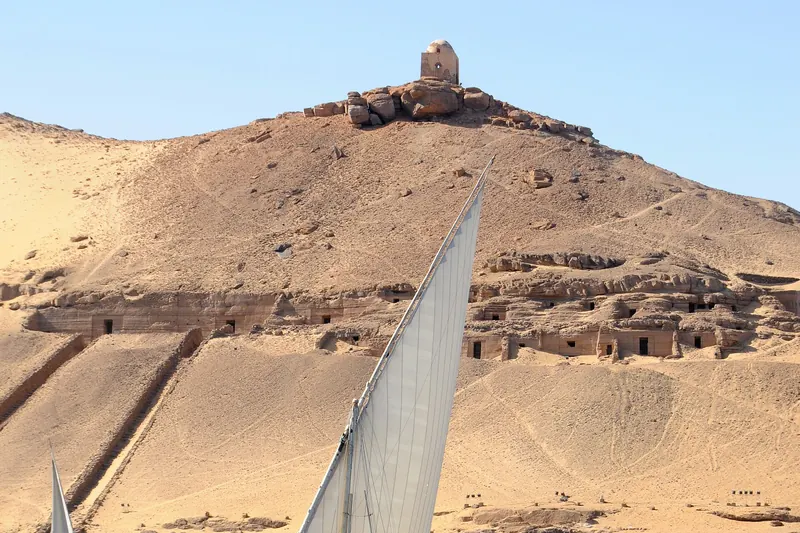
Don't miss Watching the sun set over the Nile from a felucca, drifting slowly past Elephantine Island as Aswan's granite hills turn gold.

Explore Destination — Aswan
HistoryCruise

A Nile Cruise

Upper Egypt

A multi-night journey between Luxor and Aswan, the classic way to see the Nile's temples at Edfu and Kom Ombo without repeated hotel changes.

Don't miss Waking up on deck to find the boat has moored beside a temple overnight, stepping straight off the gangplank into Kom Ombo before the day's heat sets in.

Explore Destination — A Nile Cruise
HistoryCoast & Beaches

Alexandria

Mediterranean Coast

Egypt's Mediterranean second city, founded by Alexander the Great, home to a striking modern library, ancient catacombs and a long seafront corniche.

Don't miss Standing on the ramparts of Qaitbay Citadel, built from the fallen stones of the ancient Lighthouse of Alexandria, waves from the same Mediterranean crashing below.

Explore Destination — Alexandria
BeachDiving

Sharm El Sheikh

South Sinai

Egypt's largest Red Sea resort town, home to Ras Mohammed National Park and some of the most extraordinary coral reef diving and snorkelling on Earth.

Don't miss Drifting over Ras Mohammed's coral wall, a sheer drop into deep blue water lined with more fish species than seems possible in one place.

Explore Destination — Sharm El Sheikh
BeachDiving

Dahab

South Sinai

Egypt's laid-back Red Sea diving town, a former Bedouin fishing village built around house-reef diving, the legendary Blue Hole and a famously relaxed backpacker pace.

Don't miss Sitting cross-legged on cushions at a seafront camp in Masbat, watching the sun rise pink over the Gulf of Aqaba after an early dive.

Explore Destination — Dahab
BeachDiving

Hurghada

Red Sea

Egypt's original and largest Red Sea resort city, built around long beach hotels, offshore reef and wreck diving, and easy day trips to Giftun Island and El Gouna.

Don't miss Cutting the engine over the Abu Nuhas wrecks, sunlight falling through impossibly clear water onto a century-old ship's hull.

Explore Destination — Hurghada
DesertOff the Beaten Path

Siwa Oasis

Matrouh Governorate

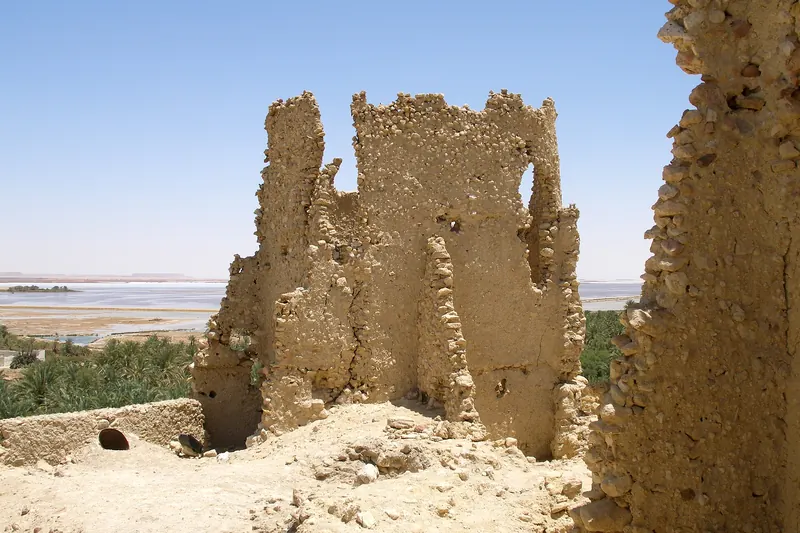
Egypt's most remote and culturally distinct oasis, home to the Oracle Temple of Amun, the ruined mudbrick town of Shali, salt lakes and the Great Sand Sea.

Don't miss Floating effortlessly in a warm salt lake at sunset, the crumbling towers of Shali's mudbrick old town glowing gold on the horizon.

Explore Destination — Siwa Oasis

Browse all 510 destinations

Experiences

Best things to do in Egypt

The experiences that recur across the country and that make an Egypt trip feel like more than a checklist of ruins.

  1. The Great Pyramids of Giza outside Cairo

    Stand before the Great Pyramid

    The essential Egypt experience, standing at the base of the last surviving Ancient Wonder of the World.

    Tip Arrive at opening time to beat both the heat and the tour bus crowds.

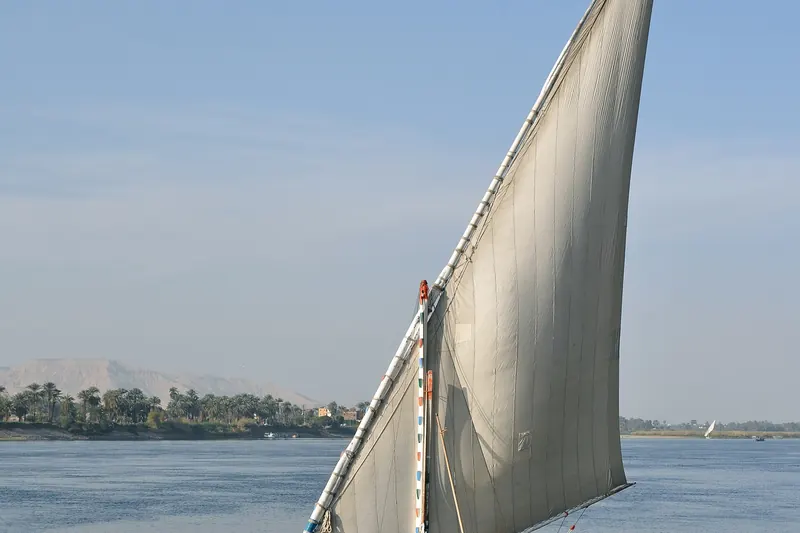
  2. A traditional felucca sailboat on the Nile

    Sail the Nile on a felucca

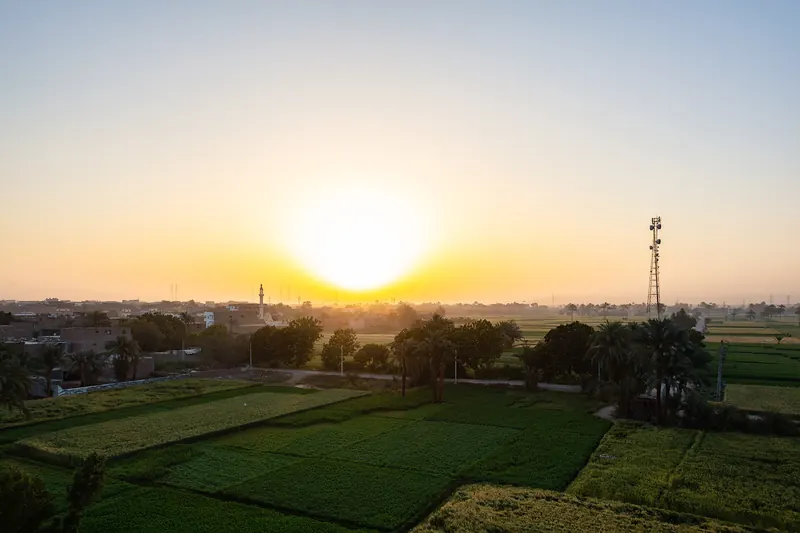
    A timeless way to see the river, a traditional wooden sailboat drifting past palm groves and riverbank villages.

    Tip Sunset sails are the most popular, and for good reason — the light on the water is extraordinary.

  3. The Red Sea coastline in South Sinai

    Dive the Red Sea's reefs

    Among the best diving on Earth, extraordinary visibility and coral reef biodiversity along Egypt's eastern coast.

    Tip Dahab and Sharm El Sheikh both offer excellent, accessible diving for every certification level.

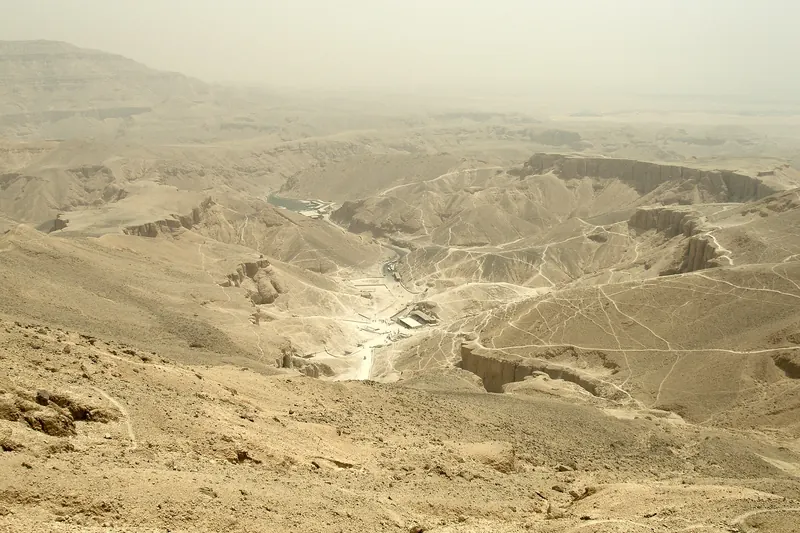
  4. The Valley of the Kings near Luxor

    Explore the Valley of the Kings

    One of archaeology's great sites, the burial ground of pharaohs including Tutankhamun, hidden in a desert valley.

    Tip A limited number of tombs are open on rotation — check which are accessible before visiting.

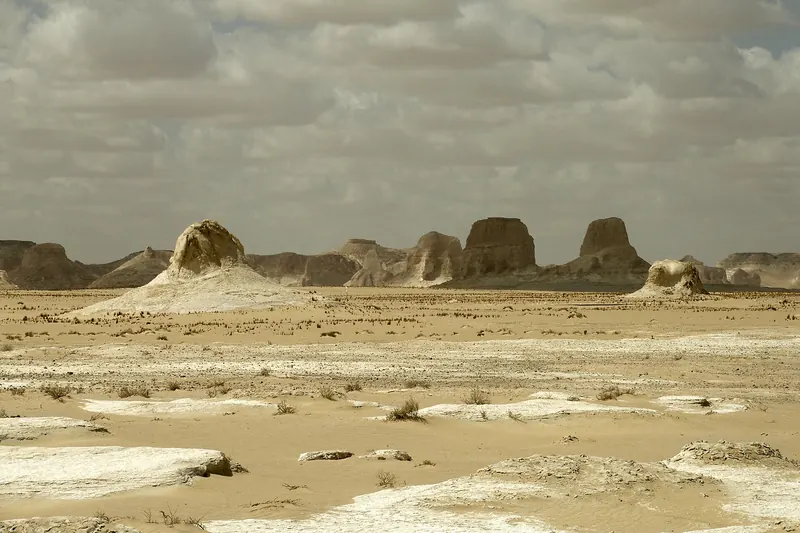
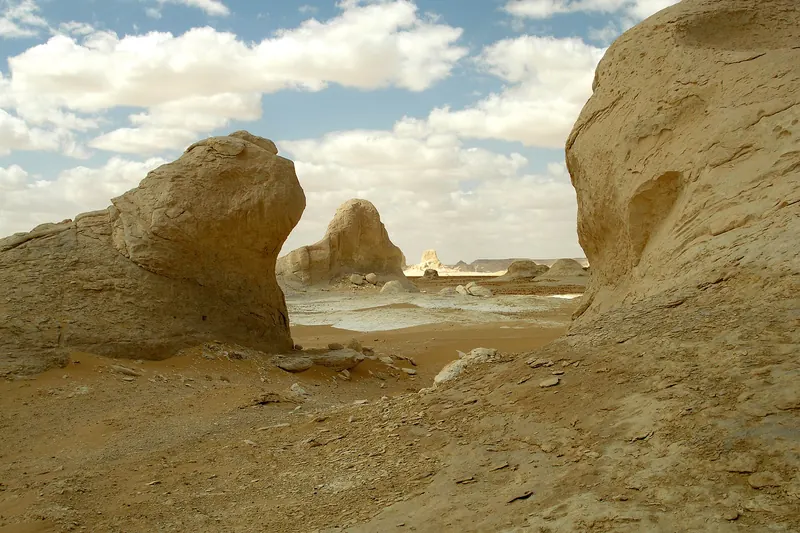
  5. The otherworldly rock formations of the White Desert

    Camp under the stars in the White Desert

    A surreal overnight experience, sleeping among wind-carved chalk formations that look like nowhere else on Earth.

    Tip Pack warm layers — desert nights get cold even after scorching daytime heat.

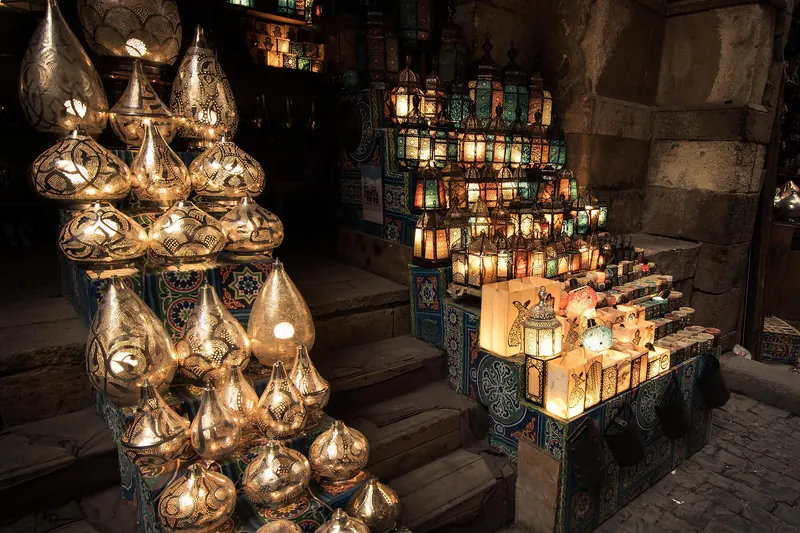
  6. The Khan el-Khalili bazaar in Cairo

    Wander a Cairo bazaar

    A sensory overload in the best way, centuries-old Khan el-Khalili packed with spices, lanterns and workshops.

    Tip Polite bargaining is expected and part of the experience here.

Food and drink

Egypt foods to try

Egyptian food's understated reputation abroad rarely does justice to hearty, flavourful staples eaten daily across the country.

  • Koshari, Egypt's national dish of rice, lentils and pasta

    Koshari

    Egypt's national dish, a hearty mix of rice, lentils, pasta and chickpeas topped with spiced tomato sauce and crispy onions.

    Where to try it Koshari shops nationwide, especially throughout Cairo.

  • Ful medames, a traditional Egyptian fava bean breakfast

    Ful medames

    An essential daily breakfast, slow-cooked fava beans mashed with olive oil, lemon and spices.

    Where to try it Breakfast stalls and cafés nationwide.

  • Taameya (Egyptian falafel)

    Egypt's own version of falafel, made with fava beans rather than chickpeas, giving it a distinct green colour and flavour.

    Where to try it Street stalls and cafés nationwide.

  • Molokhia

    A beloved home-style dish, a thick green soup made from jute leaves, typically served with rice or bread.

    Where to try it Traditional restaurants nationwide.

  • Karkade (hibiscus tea)

    A refreshing national drink, a tart, deep-red tea made from dried hibiscus, served hot or cold.

    Where to try it Cafés and restaurants nationwide.

  • Fresh Red Sea seafood

    Excellent along the coast, grilled fish and seafood fresh from the Red Sea's waters.

    Where to try it Restaurants throughout Hurghada, Dahab and Sharm El Sheikh.

Before you go

Practical travel information for Egypt

The essentials, current for 2026. Egypt is straightforward to travel in, with heat and persistent touting around major sites the two practicalities that most often catch visitors out.

Capital
Cairo
Language
Arabic nationally, with English widely spoken in tourist areas.
Currency
Egyptian pound (E£)
Cards and cash
A mix of cash and card — cash is still essential for markets, tips and smaller establishments.
Entry and visas
Visa on arrival or e-visa available for many nationalities including the US, Canada, Australia, UK and EU citizens.
Power sockets
Type C and F, 220 V, 50 Hz.
Emergency number
122 for police, 123 for ambulance, nationwide.
Tipping
Expected almost everywhere — baksheesh, small tips for services large and small, is a real part of daily life.
Safety
Generally safe for tourists in main destinations, with persistent touting and scams around major sites the main practical nuisance rather than serious danger.
Internet and SIM
Good 4G coverage in cities and along the Nile, patchy in the Western Desert oases.
Time zone
Eastern European Time (UTC+2), no daylight saving.

Daily budget guide (per person)

Backpacker
E£800–1,400 per day — hostels, local food, public transport
Mid-range
E£1,800–3,200 per day — guesthouses, restaurant meals, guided tours
Comfortable
E£4,000–7,000 per day — hotels, private guides, a Nile cruise
Nile cruise supplement
Add significantly for a multi-night Luxor-Aswan cruise

Excludes international flights. Figures are typical rather than absolute — cities and peak season run higher.

When to go

Best time to visit Egypt

Egypt is a year-round destination, but its desert climate makes shoulder season far more comfortable for sightseeing.

  • Winter (December–February)

    Best time

    The mildest, most comfortable temperatures for sightseeing, also the busiest and priciest season.

  • Shoulder months (October–November, March–April)

    Best time

    Warm but manageable heat with thinner crowds than peak winter.

  • Summer (May–September)

    Good

    Intense heat, especially in Luxor and Aswan, though the Red Sea coast stays more bearable.

Worth planning around: Extensive sightseeing in Luxor or Aswan during peak summer — dangerous heat, often exceeding 40°C.

Trip length

How long to spend in Egypt

Egypt's spread-out sites along the Nile and at the Red Sea make a rushed itinerary the most common planning mistake.

  • 4–5 days

    Cairo and Giza alone, or paired with a short Red Sea extension.

    Enough for the essential pyramid sites at a reasonable pace.

  • 6–8 days

    Cairo, Luxor and Aswan, connected by a short flight or overnight train.

    A solid introduction to Egypt's ancient sites along the Nile.

  • 10–12 days

    The itinerary on this page: Cairo, a Nile cruise between Luxor and Aswan, and a Red Sea extension.

    A complete first look at Egypt's classic highlights.

  • 2 weeks or more

    Add Alexandria and the Western Desert oases in full, both worth dedicated time.

    Siwa and the White Desert are where a second Egypt trip belongs.

Getting around

Transportation in Egypt

A mix of domestic flights, trains and Nile cruise boats is the standard way to see Egypt's spread-out sites.

  • Domestic flights

    The fastest way to connect Cairo to Luxor, Aswan and the Red Sea coast.

    Frequent daily flights make Egypt's long distances manageable on a limited schedule.

  • Nile cruise boats

    The classic way to travel between Luxor and Aswan, covering ancient sites along the way.

    A multi-night Nile cruise combines transport with guided sightseeing at each stop.

  • Overnight trains

    A practical, budget-friendly link between Cairo and Luxor or Aswan.

    Sleeper cabins save a hotel night while covering real distance.

  • Private drivers and organised tours

    The standard way to reach the White Desert and Siwa Oasis.

    Both require genuine desert driving experience best left to local operators.

  • Taxis and rideshare apps

    The easiest way around within Cairo and other major cities.

    Widely available and inexpensive, though traffic can be heavy.

Sample route

Ten days in Egypt

A classic route combining Cairo's pyramids with a Nile cruise between Luxor and Aswan, finished with a Red Sea extension. Covers six of the ten destinations in this guide.

  1. Day1

    Arrive in Cairo

    • Morning Land in Cairo and check in to your hotel.
    • Afternoon Explore downtown Cairo or rest after your flight.
    • Evening Dinner overlooking the Nile.
  2. Day2

    Giza's pyramids

    • Morning The Great Pyramids of Giza and the Sphinx.
    • Afternoon The Grand Egyptian Museum.
    • Evening A sound and light show at the pyramids.
  3. Day3

    Cairo's old city

    • Morning Islamic Cairo and its historic mosques.
    • Afternoon Khan el-Khalili bazaar.
    • Evening Fly or take the overnight train to Luxor.
  4. Day4

    Luxor's east bank

    • Morning Karnak Temple.
    • Afternoon Luxor Temple.
    • Evening Board your Nile cruise boat.
  5. Day5

    Luxor's west bank

    • Morning The Valley of the Kings.
    • Afternoon The Temple of Hatshepsut and the Colossi of Memnon.
    • Evening Sail south toward Edfu.
  6. Day6

    Edfu and Kom Ombo

    • Morning The Temple of Horus at Edfu.
    • Afternoon The Temple of Kom Ombo.
    • Evening Continue sailing toward Aswan.
  7. Day7

    Aswan

    • Morning Philae Temple.
    • Afternoon A felucca sail around Aswan's islands.
    • Evening Disembark and explore Aswan's Nubian villages.
  8. Day8

    Fly to the Red Sea

    • Morning Fly from Aswan to Hurghada or Sharm El Sheikh.
    • Afternoon Settle in and relax by the Red Sea.
    • Evening Dinner by the water.
  9. Day9

    The Red Sea

    • Morning A snorkelling or diving trip on the reef.
    • Afternoon Relax at your resort.
    • Evening A final Red Sea sunset.
  10. Day10

    Return and depart

    • Morning Fly back to Cairo.
    • Afternoon A final wander or last-minute shopping.
    • Evening Depart for home.

Culture

Culture and etiquette in Egypt

Egyptian culture is shaped by a genuine warmth toward guests, deep religious and family values, and a real, living pride in a history stretching back over 5,000 years.

  • Hospitality is taken seriously

    Being offered tea or food is common and a real gesture of welcome, not just politeness.

  • Modest dress is appreciated, especially outside resorts

    Covering shoulders and knees is respectful when visiting mosques, markets and non-touristic areas.

  • Bargaining is expected at markets

    Politely negotiating prices at bazaars is normal and part of the experience.

  • Tipping (baksheesh) is a real part of daily life

    Small tips for services large and small are expected almost everywhere, not optional extras.

  • Friday is the main day of rest

    Some businesses and sites keep different hours around Friday prayers.

  • Photographing people requires asking first

    Especially in more traditional or rural settings — a small tip is often appropriate.

Do

  • Dress modestly when visiting mosques, markets and areas outside resorts.
  • Carry small notes for tips, which are expected throughout your trip.
  • Politely negotiate prices at markets and with unofficial guides or vendors.
  • Stay hydrated and pace outdoor sightseeing around the heat, especially in summer.

Don't

  • Don't photograph people or military/government buildings without permission.
  • Don't drink tap water — stick to bottled or purified water nationwide.
  • Don't engage with unsolicited 'guides' at major sites without agreeing a price upfront.
  • Don't rush a Nile itinerary — the distances and heat demand a realistic pace.

Travel tips

Egypt travel tips

The things that most often go wrong on an Egypt trip, in rough order of how much they cost people.

  • Book major sites and a Nile cruise well ahead, especially for peak winter travel.
  • Carry small Egyptian pound notes for tipping, expected throughout your trip.
  • Agree prices upfront with taxi drivers, vendors and unofficial guides before accepting help.
  • Pack modest clothing for mosques, markets and areas outside resort zones.
  • Drink only bottled or purified water throughout the trip.
  • Pace outdoor sightseeing around the heat, especially at Luxor and Aswan outside winter.
  • Book domestic flights or overnight trains ahead to connect Cairo, Luxor and Aswan efficiently.
  • Hire a licensed guide at major sites for real historical context beyond what's posted.

FAQ

Visiting Egypt: frequently asked questions

How many days do you need in Egypt?

Ten to twelve days covers Cairo, a Nile cruise between Luxor and Aswan, and a Red Sea extension comfortably, which is the itinerary on this page. Four to five days is enough for Cairo and Giza alone, and still worthwhile.

What is the best time of year to visit Egypt?

October to April offers the most comfortable temperatures for sightseeing, especially in Luxor and Aswan, where summer heat can be dangerous.

Do you need a guide for the pyramids and temples?

Not required, but recommended — a licensed guide adds real historical context that's easy to miss exploring independently.

Is Egypt expensive?

Moderate overall, affordable outside a Nile cruise's own cost — mid-range travel runs about E£1,800–3,200 per person per day.

Is a Nile cruise worth it?

Yes — it's the classic, comfortable way to see Luxor, Edfu, Kom Ombo and Aswan's temples without repeated hotel changes.

Is Egypt safe to visit?

Generally yes for tourists in main destinations, with persistent touting around major sites the main practical nuisance rather than serious danger.

Ready to plan your Egypt trip?

The full travel guide covers routes, budgets, regional differences and how to string these ten destinations into a trip that actually works.

Read the Egypt travel guide

Advertisement