- Capital
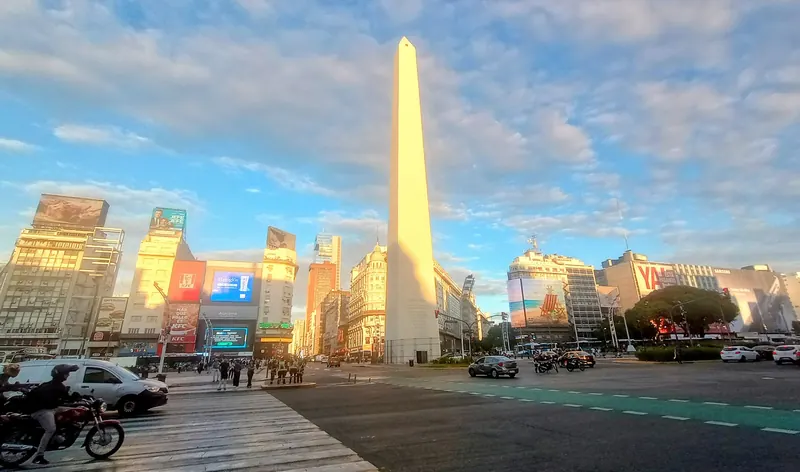
- Buenos Aires
- Language
- Spanish, in the Rioplatense dialect, with 'vos' instead of 'tú'. English is spoken in tourist areas, but less than in many countries.
- Currency
- Argentine peso (ARS). The exchange rate has been volatile, with high inflation, and official and market rates have differed at times. Check the current rate and rules before you go.
- Cards and cash
- Rules on foreign cards and cash have changed repeatedly. Recently many visitors have paid by card at favourable rates or with cash US dollars, but this can change, so check current advice. Carry some pesos for small purchases, and note that ATMs often limit withdrawals and charge high fees.
- Entry and visas
- Many nationalities, including most of Europe, the United States, Canada and Australia, can enter without a visa for up to 90 days. Rules change, so check the official government site for your passport.
- Power sockets
- Types C and I, 220 V, 50 Hz.
- Emergency number
- 911 for police and emergencies, 107 for ambulances and 100 for fire.
- Tipping
- About 10% in restaurants, and a small tip for guides, drivers and porters. A service charge is not usually included.
- Safety
- Argentina is generally safe for visitors, but petty theft is common in Buenos Aires, including bag and phone snatching, and pickpocketing on crowded buses and the metro. Keep valuables hidden, use taxi apps, and be alert near stations and tourist areas. Strikes and demonstrations occur, and can disrupt transport. Patagonia and the wine regions are calm.
- Internet and SIM
- Good in cities and towns, with SIM cards and eSIMs available. Coverage is patchy in Patagonia and the mountains.
- Time zone
- UTC−3 all year, with no daylight saving time.
Daily budget guide (per person)
- Backpacker
- US$40–70 per day — hostels, buses, cooking
- Mid-range
- US$90–160 per day — hotels, restaurants, domestic flights
- Comfortable
- US$200–350 per day — boutique hotels, private tours
- Luxury
- US$450+ per day — lodges, top restaurants and private guides
Excludes international flights. Figures are typical rather than absolute — cities and peak season run higher.