Welcome to London
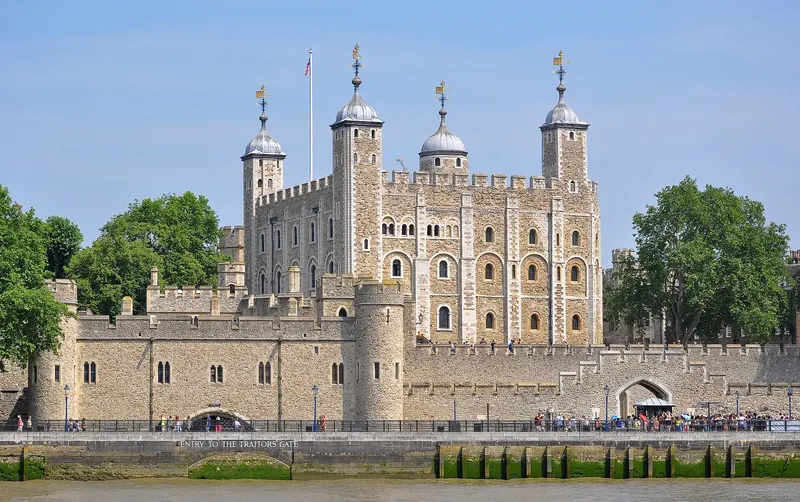
London has been continuously settled since the Romans founded Londinium around AD 47, and the layers show, sometimes literally underfoot — a stretch of the Roman city wall still stands near the Museum of London, while the Tower of London's White Tower has watched over the city since 1078. Few capitals combine this depth of history with London's scale as a genuine present-tense world city: a financial centre, a theatre capital, and a city that absorbed more nationalities and languages into its daily life than almost anywhere else on earth.
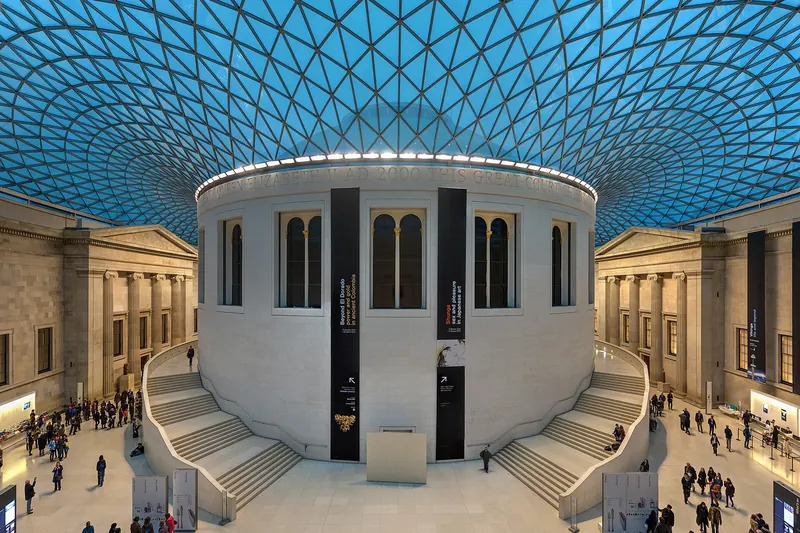
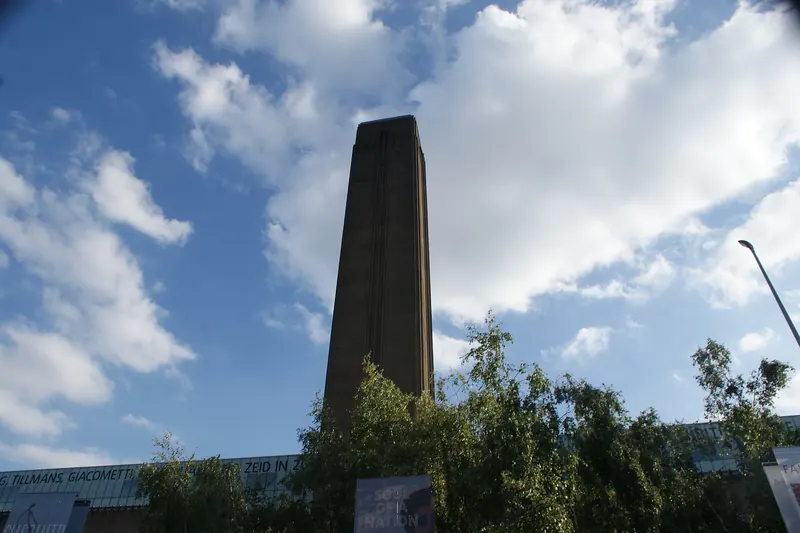
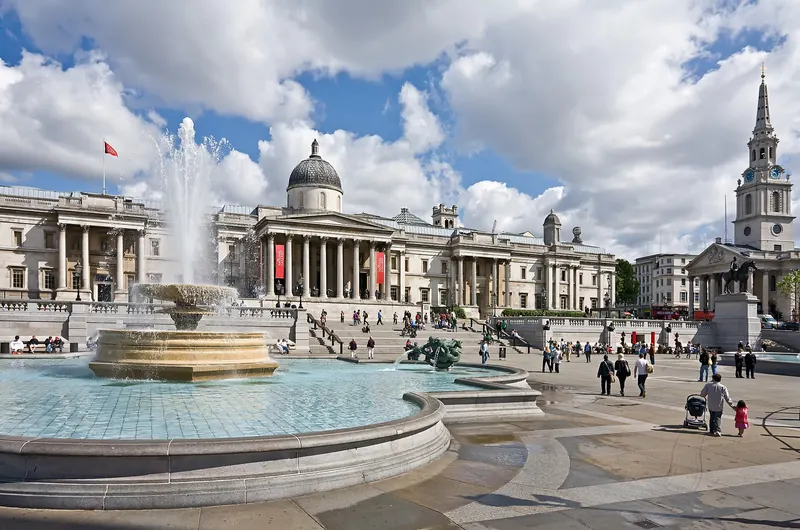
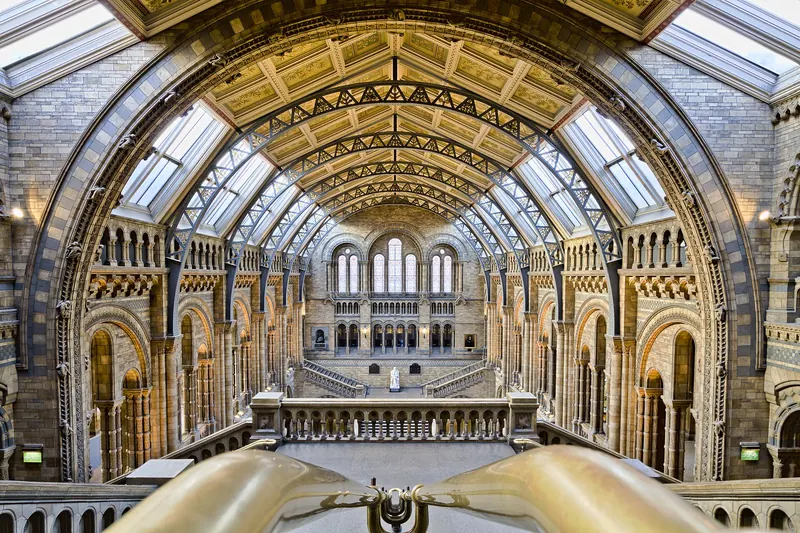
The city's museums are, by any reasonable global standard, one of the great free cultural offerings anywhere — the British Museum, the National Gallery, the Tate Modern and the Natural History Museum all charge nothing for general admission, a legacy of a specific nineteenth-century decision that the nation's collections belonged to everyone. That alone reshapes how a London trip should be planned: the constraint is rarely money, it is time.
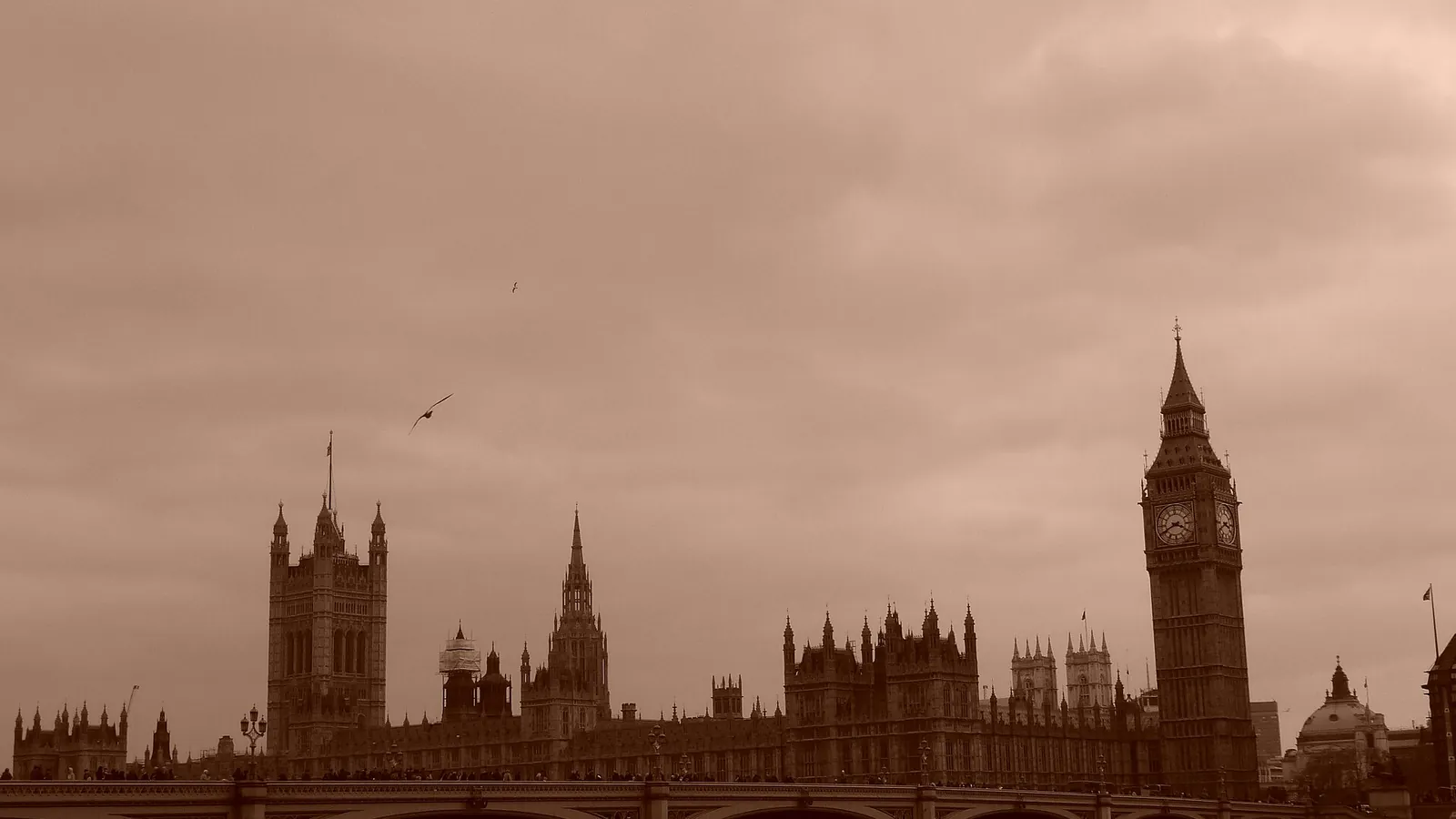
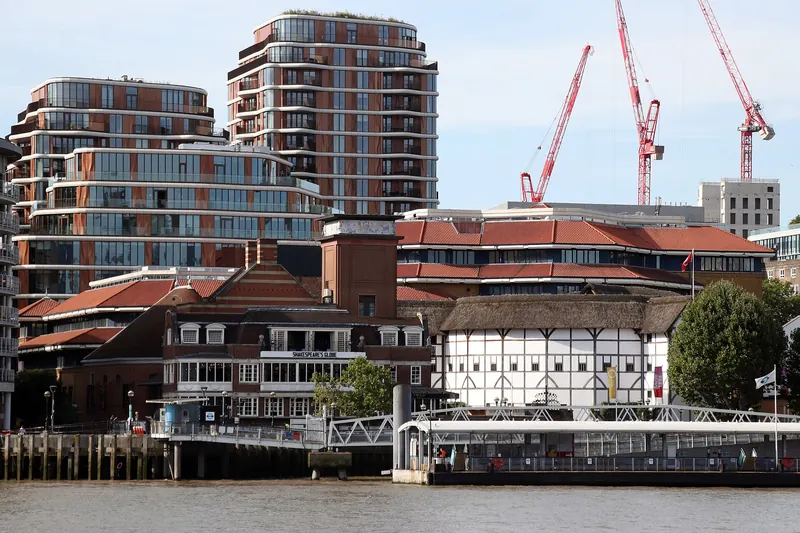
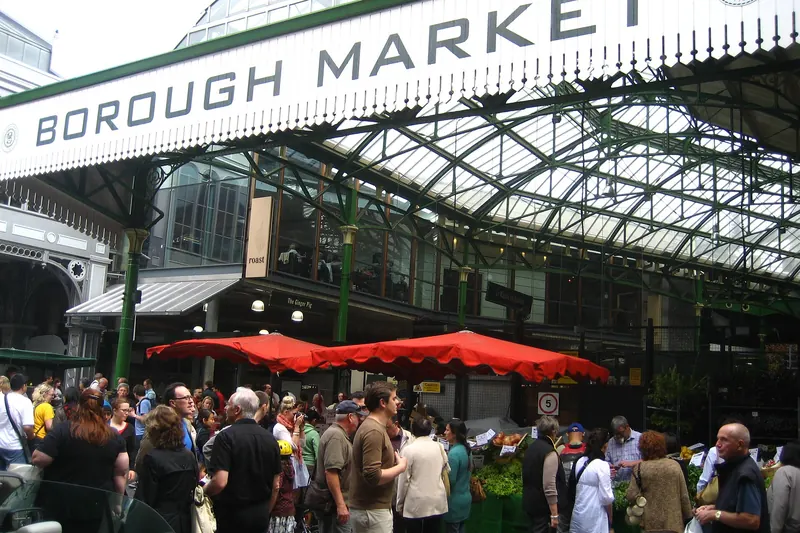
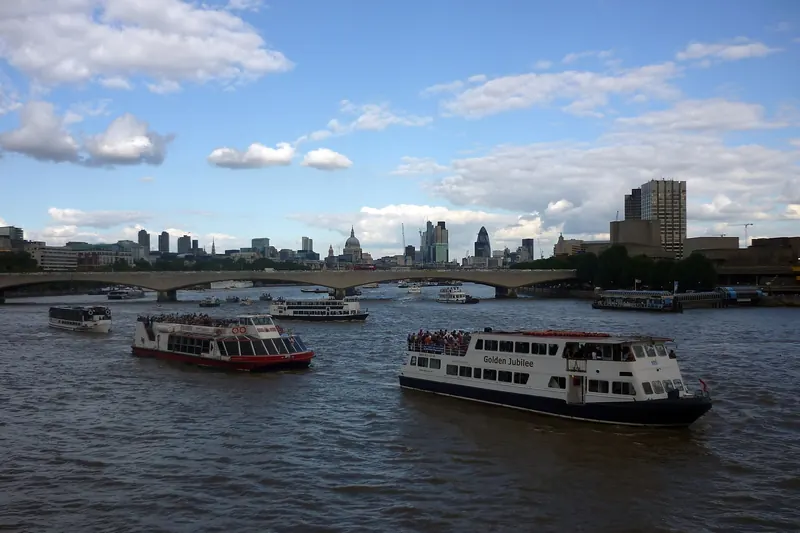
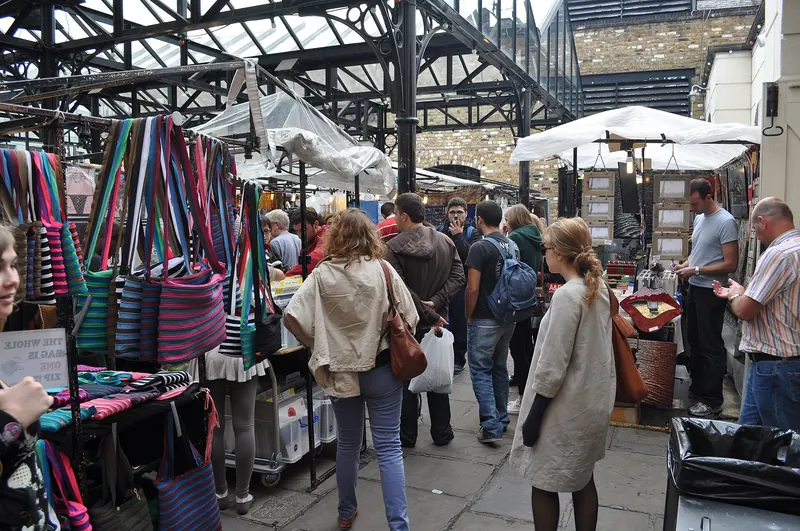
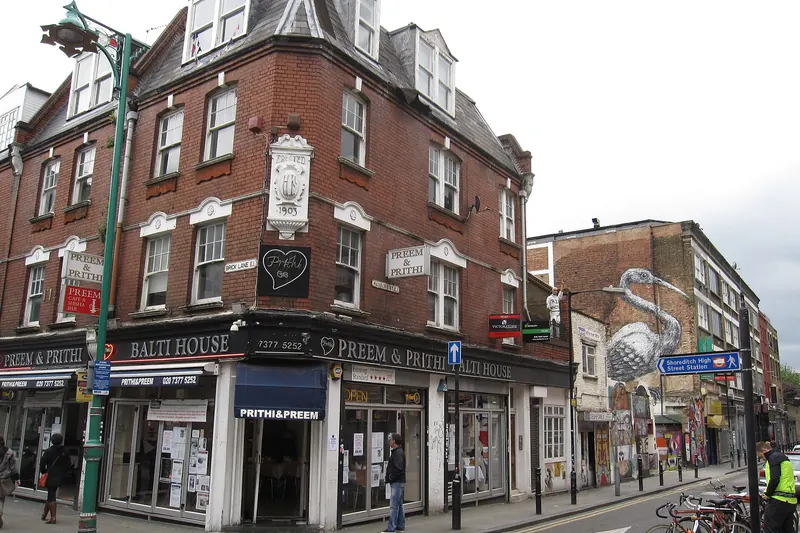
London is also, unavoidably, several cities in one. Westminster's palaces and government buildings sit a short walk from the City of London's Roman-founded financial square mile, itself walking distance from Shoreditch's converted warehouses and, across the river, the South Bank's cultural stretch and Borough Market's food stalls. Picking two or three neighbourhoods properly beats trying to see all of them badly.
- Capital City
- Major City
- Culture Arts
- Historic Site