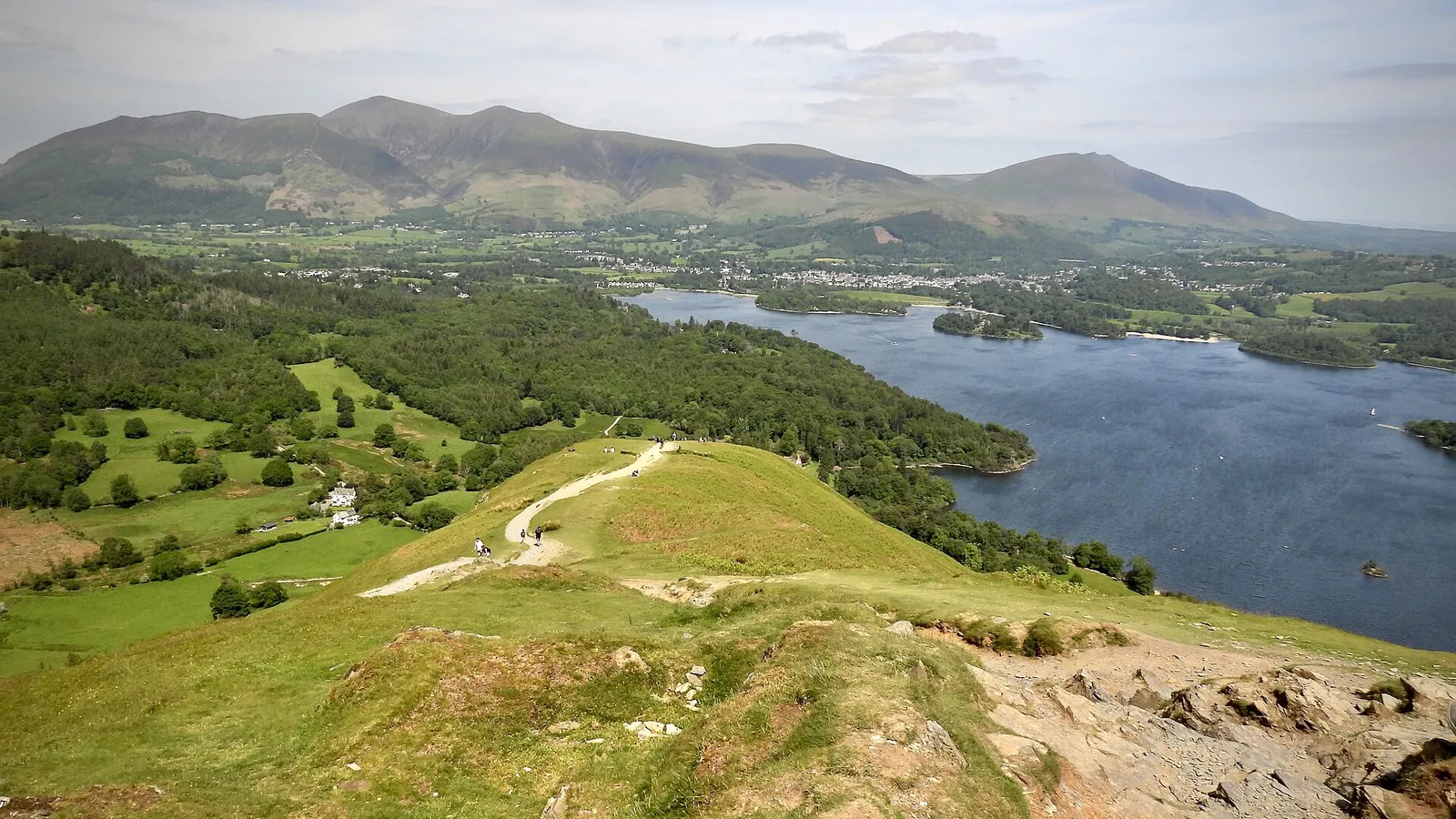
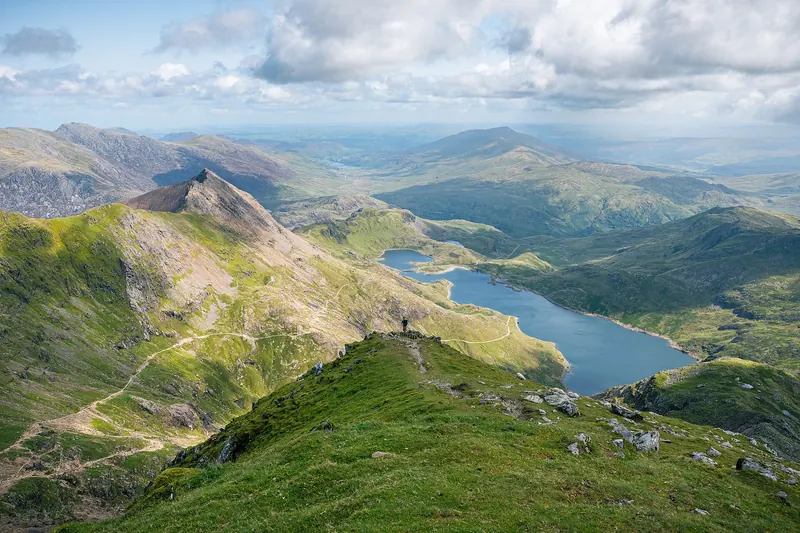
Derwentwater and the fells around Keswick seen from the Cat Bells ridge

Cumbria, North West England · United Kingdom

The Lake District

England's grandest landscape in miniature: sixteen major lakes, genuine mountains by English standards, and two centuries of Romantic poets and hardy fellwalkers to explain why everyone keeps coming back.

  • Best time May–June and September
  • Stay 3–5 days
  • Good for Walking, nature, literary history, families

Photo: Stch2022 · CC0

Welcome to the Lake District

The Lake District packs sixteen major lakes and England's highest mountains into an area small enough to cross by car in under an hour, which is precisely why it has drawn walkers, poets and holidaymakers for two centuries running. William Wordsworth and the other Romantic poets did not invent the landscape's appeal, but they gave it a vocabulary — the 'sublime', the play of light on water — that still shapes how visitors see it today.

The scale is different from the rest of England. Scafell Pike, the country's highest peak, tops out at a modest 978 metres, but the fells rise so directly from lake level that they feel far bigger than the number suggests, and the weather — changeable, dramatic, often all four seasons in one day — does the rest of the work.

It rewards a slower visit than a single day trip from Manchester allows. Windermere and Keswick get the crowds, but the western and southern lakes — Wastwater, Ullswater, Coniston — are quieter and, for many longtime visitors, better.

  • Nature Wildlife
  • Mountains
  • Scenic Region

Why visit

Why visit the Lake District?

The Lake District's case is that nowhere else in England fits genuine mountain scenery, sixteen lakes and two centuries of literary history into a national park this compact and this easy to reach.

  • The scale is exactly right

    Small enough to explore properly in a few days, big enough that most visitors still discover a favourite corner nobody mentioned to them.

  • Walking here suits every ability

    From an hour's lakeside stroll to a full Scafell Pike ascent, the path network accommodates both without either feeling like an afterthought.

  • The literary history is not just a plaque

    Wordsworth's Dove Cottage and Beatrix Potter's Hill Top are preserved as lived-in houses, and the landscape around them is essentially unchanged from what they described.

  • The lakes add a dimension most mountain regions lack

    Steamers, rowing boats and swimming spots make the water as much a part of a Lake District trip as the fells above it.

  • It is beautiful in bad weather

    Low cloud on the fells and rain on the water are part of the region's character, not just something to wait out — a real contrast to destinations that only work in sunshine.

Main attractions

Top things to see in the Lake District

Compact enough to see the highlights in a few days, but each of these rewards lingering rather than a drive-by stop.

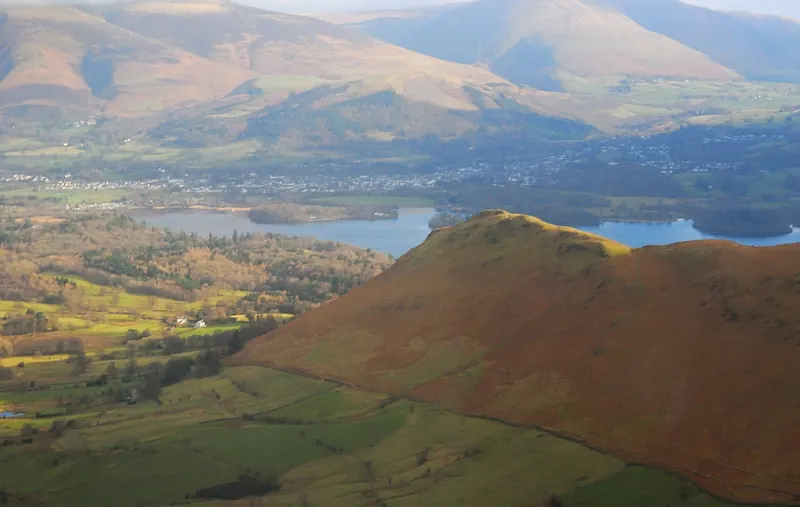
  1. An aerial view of Keswick and Derwentwater surrounded by fells

    Derwentwater and Keswick

    Often called the Lake District's most beautiful lake, ringed by fells and best seen from a launch that circles its shore with stops for short walks, with the market town of Keswick as an easy, lively base.

    Tip The Derwentwater launch stops at seven jetties — get off at Hawes End for the walk up Cat Bells.

  2. The open water of Lake Windermere, England's largest natural lake

    Windermere

    England's largest natural lake, ten and a half miles long, with steamers running its length and Wray Castle and Brockhole among the sights on its shores.

    Tip Bowness-on-Windermere gets very busy in summer — the quieter northern end near Ambleside is a good alternative base.

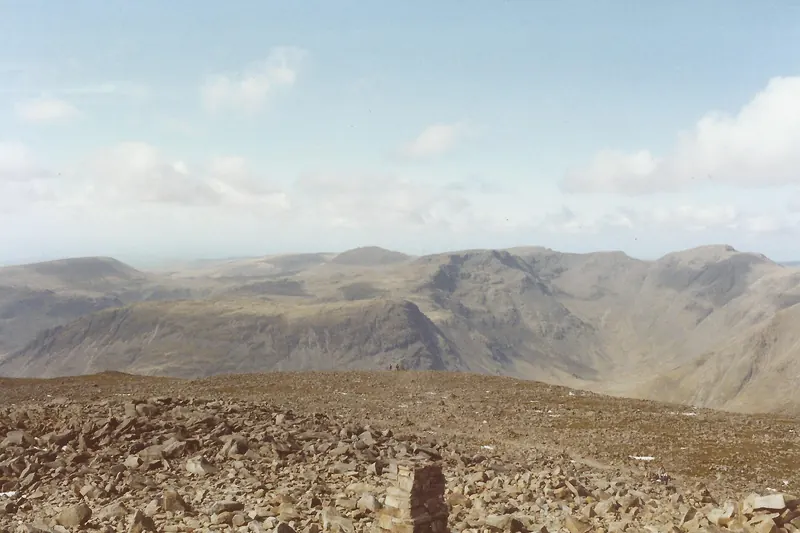
  3. The rocky summit of Scafell Pike, England's highest mountain

    Scafell Pike

    England's highest mountain at 978 metres, a genuine but achievable full-day hike from Wasdale or Seathwaite, with views that stretch to Scotland and Wales on a clear day.

    Tip Wasdale Head gives the shortest, steepest route; allow six to seven hours return and check the forecast carefully.

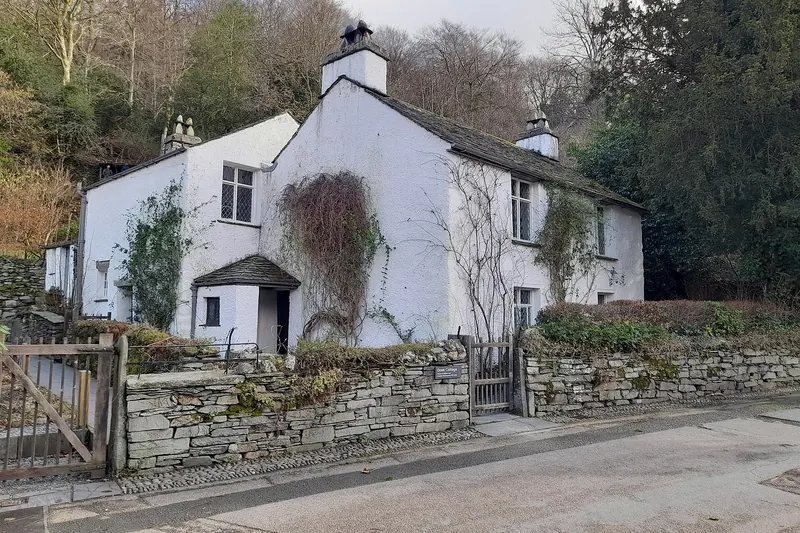
  4. Dove Cottage, William Wordsworth's former home in Grasmere

    Dove Cottage, Grasmere

    William Wordsworth's home for eight of his most productive years, preserved with much of its original furniture, alongside a museum on the wider Romantic movement.

    Tip Combine with Grasmere village, a short walk away, and its famous gingerbread shop.

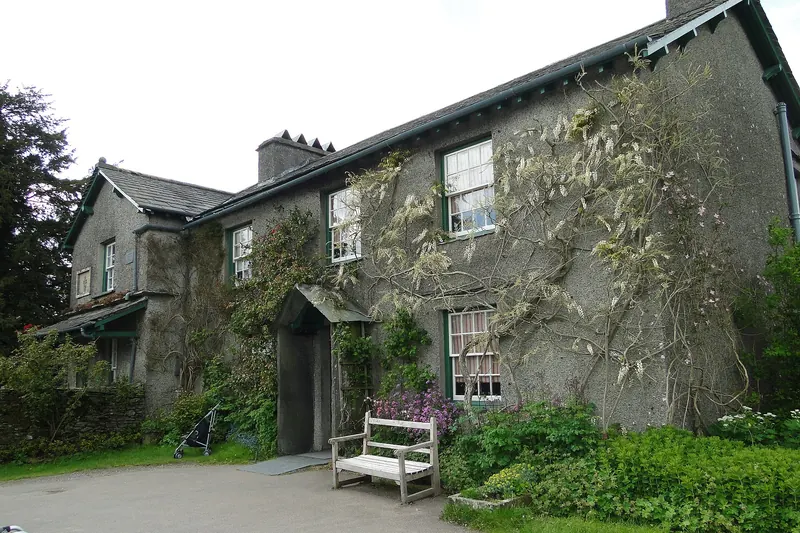
  5. Hill Top, Beatrix Potter's farmhouse at Near Sawrey

    Hill Top, Near Sawrey

    Beatrix Potter's farmhouse, bought with the proceeds of Peter Rabbit, preserved exactly as she left it and the direct inspiration for several of her books' settings.

    Tip Visitor numbers are capped and timed tickets sell out — book well ahead in summer.

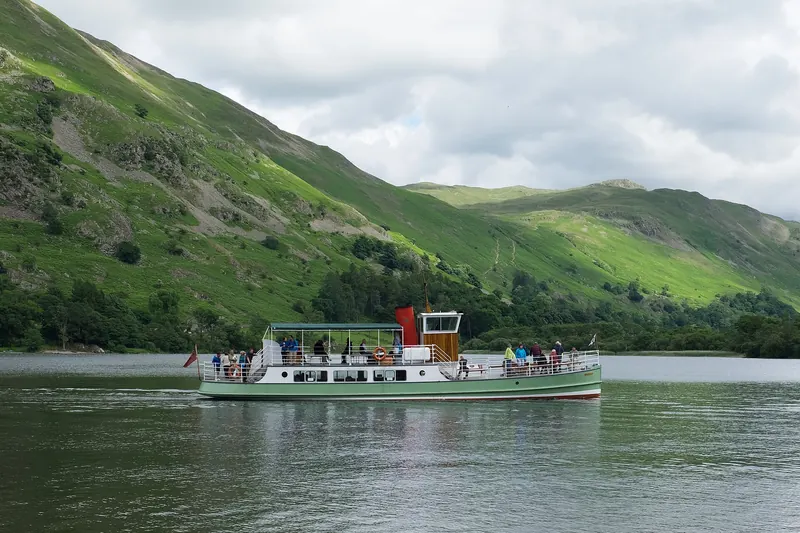
  6. The vintage steamer Western Belle crossing Ullswater

    Ullswater

    A quieter, arguably even more scenic alternative to Windermere, framed by high fells and served by vintage steamers, with the Aira Force waterfall a short walk from its shore.

    Tip The Ullswater Way is a 20-mile circular path around the lake, walkable in sections for those without a full day.

Things to do

Best things to do in the Lake District

The Lake District rewards a mix of walking, water and slowing down — few destinations this size have this much to do.

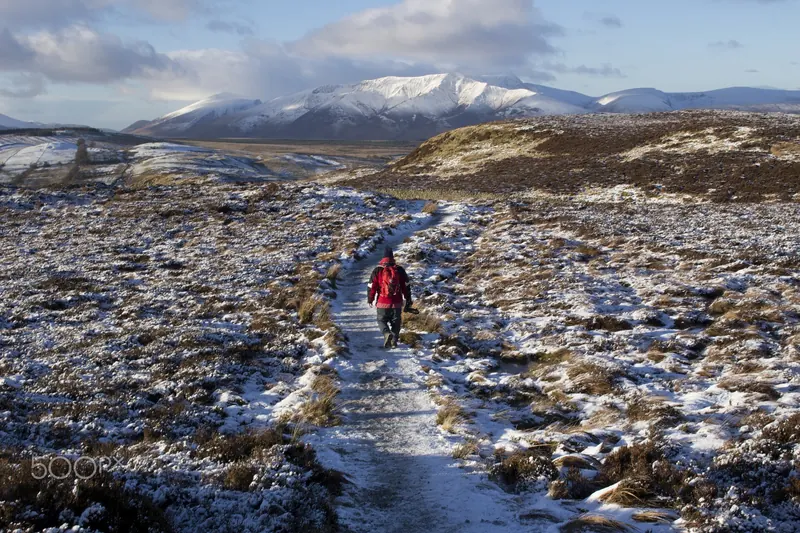
  1. A hiker walking a path across snow-dusted fellside

    Walk a fell, big or small

    From Cat Bells' gentle hour above Derwentwater to a full Scafell Pike ascent, fell walking is the region's central activity, with paths suited to every level.

    Tip Alfred Wainwright's illustrated Pictorial Guides remain the classic reference for fell routes, decades after they were first published.

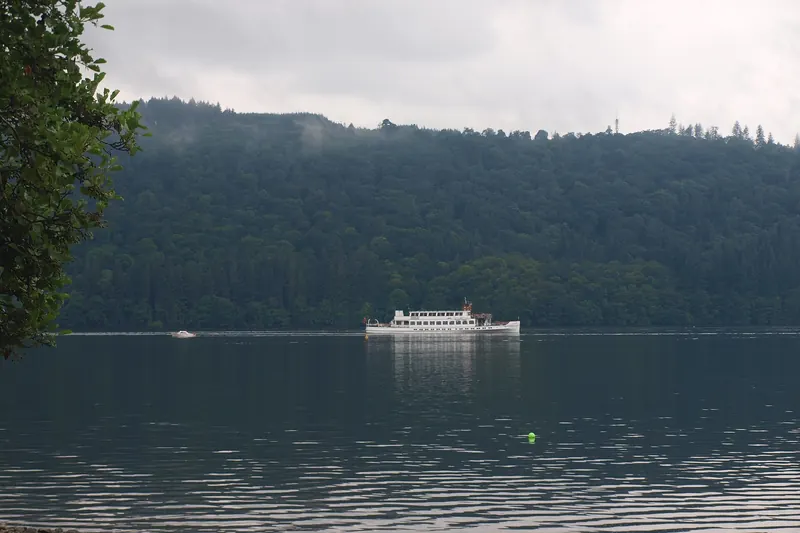
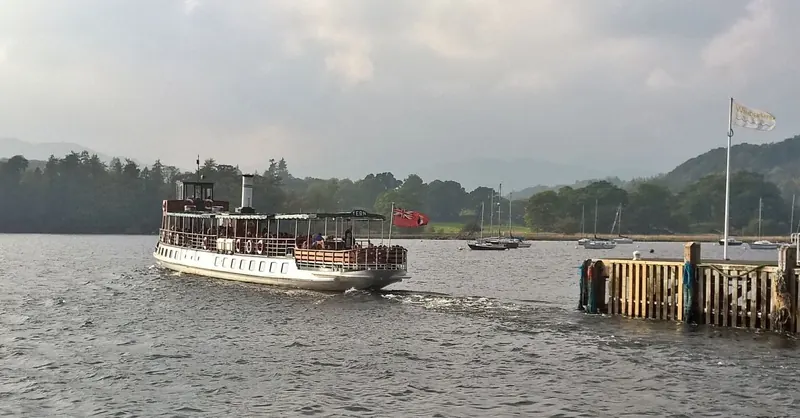
  2. The vintage steamer MV Tern on Lake Windermere

    Take a lake steamer or launch

    Windermere, Derwentwater and Ullswater all run scenic boat services, a relaxed way to see the fells from the water and reach lakeside villages without a car.

    Tip A round-the-lake ticket on Windermere or Ullswater lets you get on and off at different stops through the day.

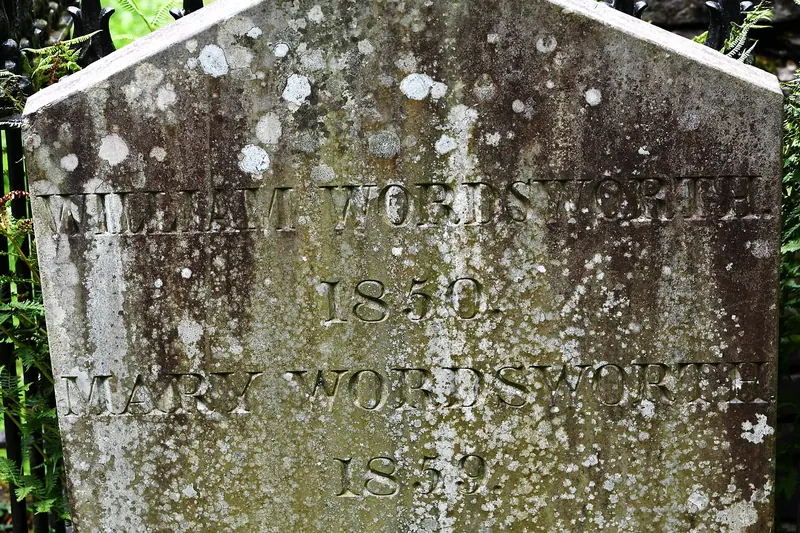
  3. William Wordsworth's grave in St Oswald's churchyard, Grasmere

    Visit a Beatrix Potter or Wordsworth site

    Hill Top, Dove Cottage and the Wordsworth Museum in Grasmere give real insight into the writers whose work shaped how the world sees this landscape.

    Tip Book Hill Top's timed entry well ahead — it is small and limits visitor numbers.

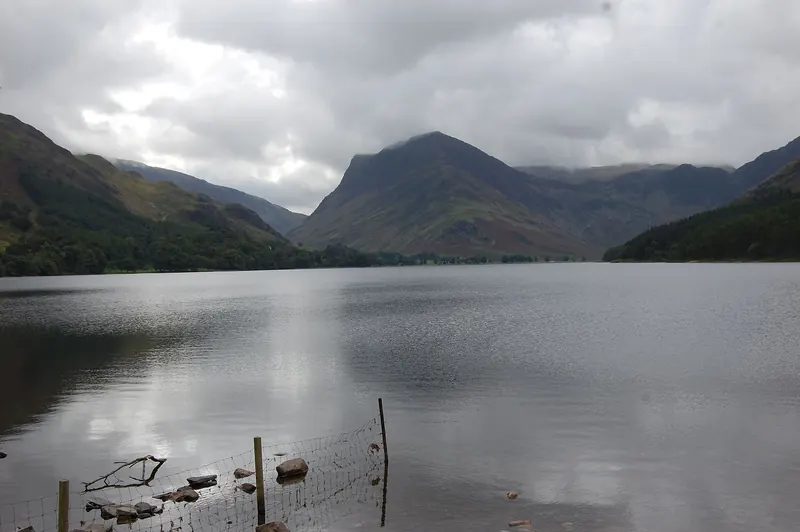
  4. The still water of Buttermere framed by surrounding fells

    Swim or paddle in a lake

    Wild swimming is popular here, with Buttermere and Rydal Water among the more forgiving, scenic spots for a first attempt.

    Tip The water is cold even in summer — a wetsuit is worth it for anything beyond a quick dip.

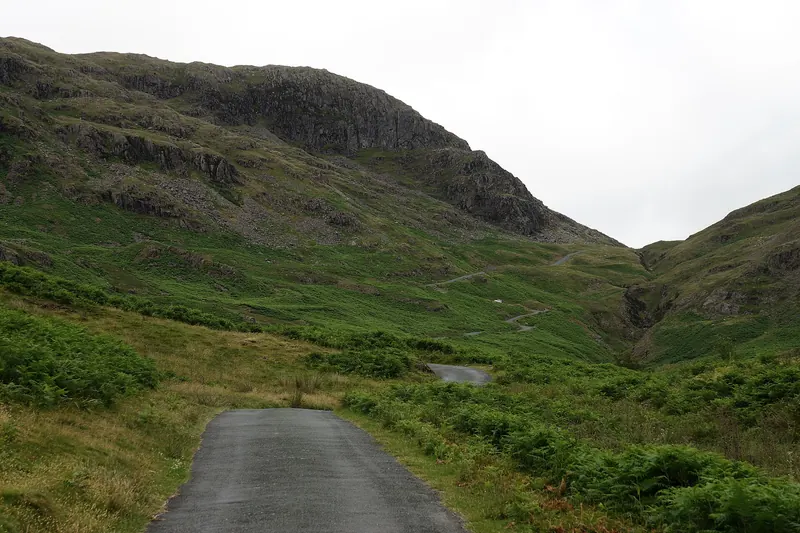
  5. The steep, winding road over Hardknott Pass

    Drive or cycle a mountain pass

    Hardknott and Wrynose Passes are dramatic single-track mountain roads, among the steepest in England, best driven or cycled outside peak summer traffic.

    Tip Hardknott Pass has gradients over 30% in places — not a route for a first-time driver of a manual car.

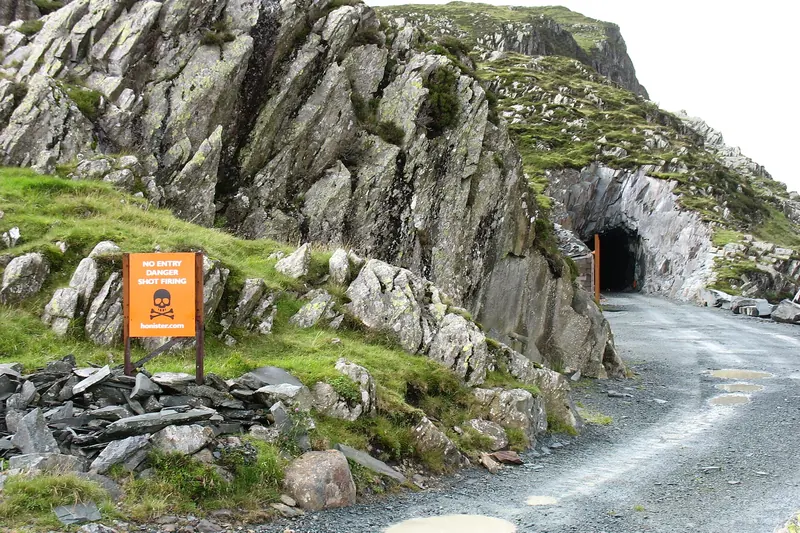
  6. The entrance to Honister Slate Mine in the fells

    Try the Coniston or Honister slate mines

    Former working slate mines now open for tours, giving a genuine sense of the industry that shaped the region's stone villages and dry-stone walls.

    Tip Honister also runs a via ferrata route on the mountainside for a more active visit.

Local food

What to eat in the Lake District

Cumbrian food leans hearty and traditional, built for walkers coming off the fells, with a few distinctive local specialities.

  • A coiled Cumberland sausage

    Cumberland sausage

    A long, coiled pork sausage with a protected regional status, herby and coarsely textured, a fixture on menus across the region.

    Where to try it Pubs and cafes throughout the Lake District, often served with mash and onion gravy.

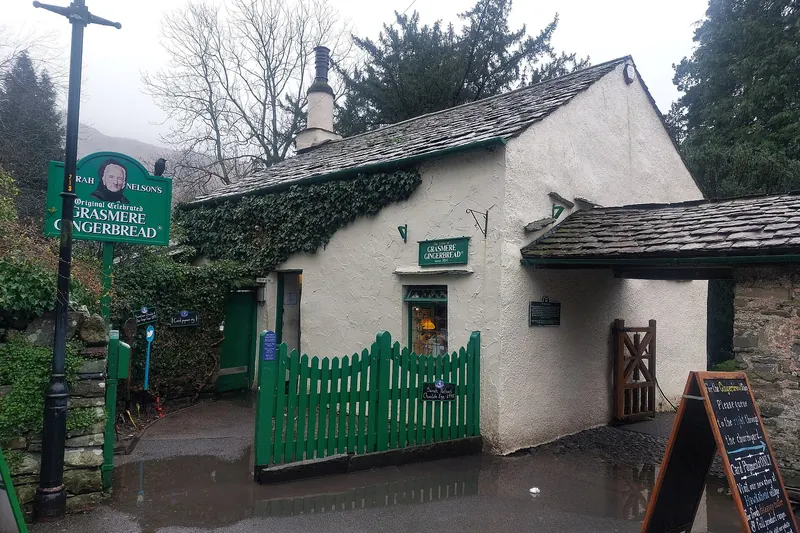
  • Sarah Nelson's Grasmere Gingerbread Shop

    Grasmere gingerbread

    A unique, spicy-sweet gingerbread made to a secret 1854 recipe, sold from a single shop in Grasmere village that has made it ever since.

    Where to try it The Grasmere Gingerbread Shop, next to the churchyard where the recipe's creator is buried.

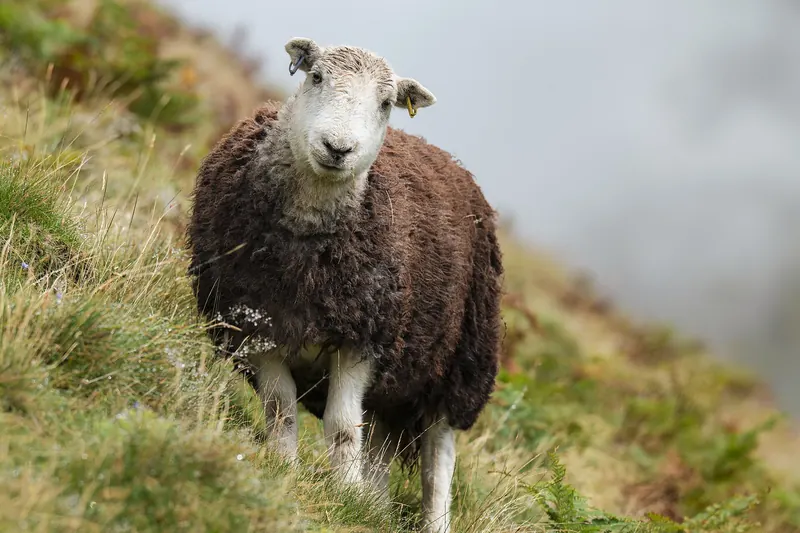
  • Herdwick sheep grazing on a Lake District fellside

    Herdwick lamb

    From the hardy, distinctive Herdwick sheep that graze the fells and shaped the region's landscape, prized for its flavour and championed by Beatrix Potter, who bred them.

    Where to try it Traditional pubs and restaurants across the Lake District, often as a Sunday roast.

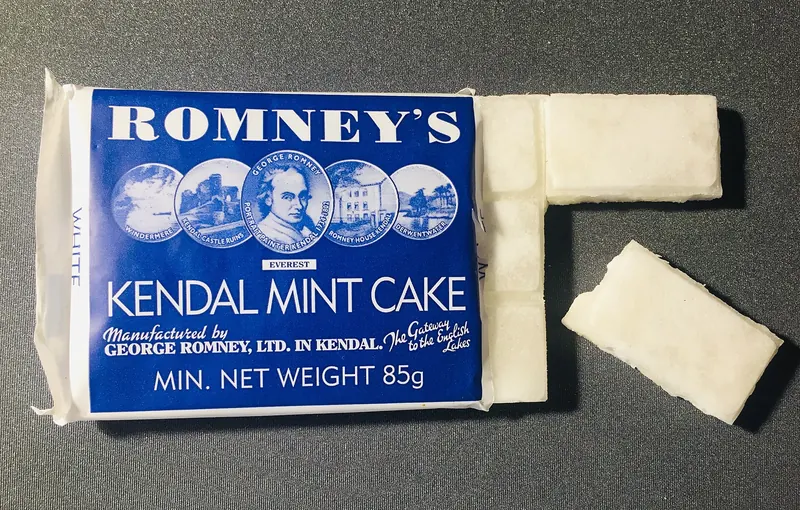
  • Bars of Kendal mint cake

    Kendal mint cake

    A dense, intensely minty sugar block invented in Kendal and beloved by climbers and hikers for its quick energy — reportedly carried up Everest by Edmund Hillary's team.

    Where to try it Outdoor shops and sweet shops across the region, especially in Kendal itself.

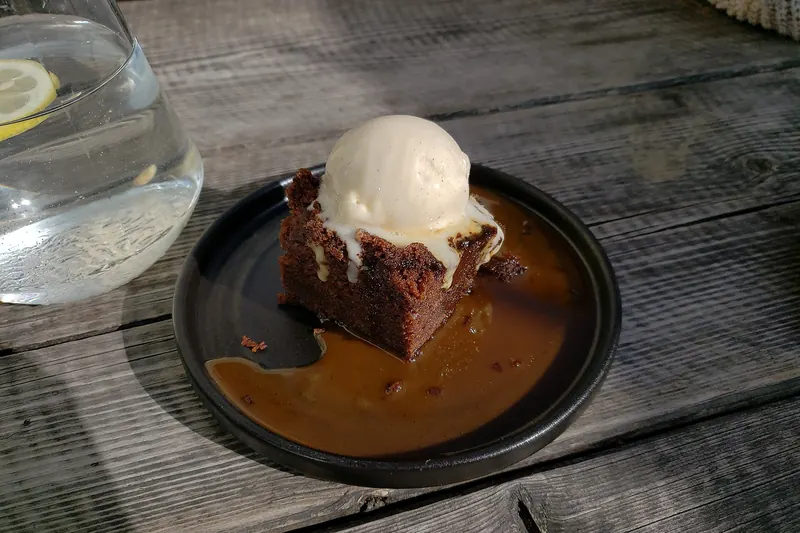
  • A plated sticky toffee pudding with toffee sauce

    Sticky toffee pudding

    A rich sponge pudding soaked in toffee sauce, widely claimed by the Cumbrian village of Cartmel as its birthplace and served across the region's restaurants.

    Where to try it Traditional pubs and restaurants throughout the Lake District, particularly around Cartmel.

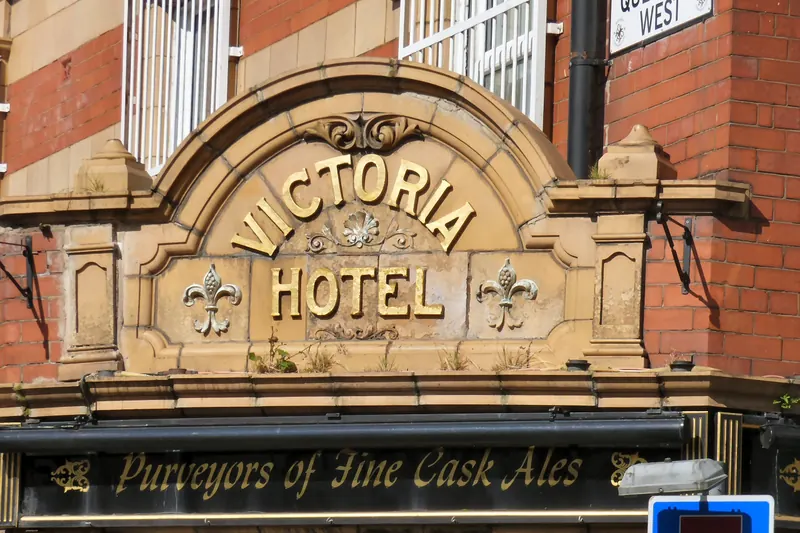
  • A traditional pub sign advertising fine cask ales

    Real ale

    The Lake District has a strong brewing tradition, with local breweries producing traditional cask ales well suited to a pub after a day on the fells.

    Where to try it Traditional pubs across the region, many serving beer from breweries within a few miles.

Accommodation

Where to stay in the Lake District

Keswick and Windermere/Bowness are the two main bases, each suited to a different part of the park.

  • Keswick

    A lively market town on Derwentwater, well placed for Catbells, Skiddaw and the northern lakes, with a good range of accommodation and outdoor shops.

    Best for: The northern lakes and fells

  • Windermere and Bowness

    The most visited and best-connected part of the region, with the widest choice of accommodation and easy rail access from Manchester and beyond.

    Best for: The southern lakes and transport links

  • Ambleside and Grasmere

    Smaller, more villagey bases at the northern end of Windermere, well placed for Dove Cottage and central fell walks.

    Best for: Wordsworth country and central fells

What a night costs

Hostel dorm
£25–40 per night
Mid-range B&B or hotel
£85–160 per night
Lake steamer ticket
£12–20
Hill Top entry
£13–16

Transport

Getting to and around the Lake District

Manchester Airport and rail links via Oxenholme are the main gateways, with a car useful once inside the park.

Getting there

  • Manchester Airport (MAN)

    The nearest major airport, roughly 1h30–2h by car or a combination of train and bus to the central Lake District.

    Direct trains run from Manchester Airport to Oxenholme, the gateway station for Windermere.

  • Rail to Windermere

    A branch line runs from Oxenholme, on the West Coast Main Line, directly into Windermere town.

    This makes Windermere reachable without a car, unlike much of the rest of the park.

  • Car

    The most flexible way to reach and explore the wider park, particularly the quieter western lakes.

    The M6 provides quick access to the eastern side of the park; roads narrow considerably further in.

Getting around

A car is the most flexible option, though buses and lake launches cover the main tourist routes reasonably well in summer.

  • Rental car

    The most practical way to reach the quieter western and southern lakes, and essential for driving passes like Hardknott.

    Parking in Bowness and Keswick fills early in summer — arrive before mid-morning.

  • Lake launches and steamers

    Windermere, Derwentwater and Ullswater all run frequent boat services that double as practical transport between lakeside villages.

    A useful, scenic alternative to driving around a lake's edge on narrow roads.

  • Local buses

    Seasonal open-top buses and year-round local services connect the main towns, including a route over the Kirkstone Pass.

    Frequency drops significantly outside summer — check timetables in advance for a shoulder-season visit.

When to go

Best time to visit the Lake District

Good weather is never guaranteed here in any season, which makes crowd levels and daylight hours the more reliable planning factors.

  • Spring (April–June)

    Best time

    Daffodils, lambs on the fells, lengthening daylight, and crowds well below the summer peak.

  • Summer (July–August)

    Shoulder

    The busiest, warmest months, with Bowness and Keswick crowded and parking difficult in peak weeks.

  • Autumn (September–October)

    Best time

    Bracken turning gold on the fells, thinner crowds, and often some of the year's most reliably clear, still days.

  • Winter (November–March)

    Shoulder

    Quiet and atmospheric, occasionally snow-capped, but with short days and some higher paths unsuitable without proper equipment.

Worth planning around: Bank holiday weekends in July and August, when the main towns and roads become congested.

Itinerary

Four days in the Lake District

Keswick and the northern lakes, then south to Windermere and the literary sites — a loop that covers the highlights without excessive driving.

  1. Day1

    Keswick and Derwentwater

    Settle in and see the region's most scenic lake.

    • Morning Arrive and explore Keswick's market town centre.
    • Afternoon A Derwentwater launch circuit, with a stop to walk Cat Bells.
    • Evening Dinner in Keswick.
  2. Day2

    A fell walk

    A full day on the fells, scaled to ability.

    • Morning An early start for a longer walk, such as Cat Bells to Maiden Moor, or Scafell Pike for the fully committed.
    • Afternoon Continue the walk or return via a lakeside path.
    • Evening A well-earned pub dinner and a local ale.
  3. Day3

    Grasmere and Ambleside

    Wordsworth country and a move south toward Windermere.

    • Morning Dove Cottage and Grasmere village.
    • Afternoon Drive south to Ambleside, with a stop at Rydal Water.
    • Evening Overnight in Ambleside or Windermere.
  4. Day4

    Windermere and Hill Top

    The southern lake and Beatrix Potter's farmhouse.

    • Morning A Windermere steamer to Bowness.
    • Afternoon Cross to Hill Top and Near Sawrey.
    • Evening Depart, or a final dinner in Bowness.

Travel tips

The Lake District travel tips

Practical notes on weather, parking and timing that make a real difference to a Lake District trip.

  • Pack for genuine weather changes — waterproofs and layers matter even in summer, and conditions on the fells differ sharply from the valleys.
  • Book Hill Top and popular accommodation well ahead in summer — capacity is limited relative to demand.
  • Arrive at Bowness or Keswick car parks before mid-morning in peak season, or use park-and-ride where available.
  • Check Mountain Weather Information Service forecasts specifically before any serious fell walk, not just the general local forecast.
  • Consider basing yourself in two towns rather than one if staying more than three days, to cut driving time across the park.
  • A round-the-lake steamer ticket is often better value than single point-to-point fares if visiting several stops.
  • Midweek visits, even in summer, are noticeably quieter than weekends across the whole region.

FAQ

The Lake District: frequently asked questions

How many days do you need in the Lake District?

Three to five. Three covers Keswick, Derwentwater and one good fell walk; five allows a proper loop taking in Windermere, Grasmere and the literary sites without feeling rushed.

Do I need a car?

Not strictly for Windermere, which has a direct rail link, but a car opens up the quieter western and southern lakes and the mountain passes. Buses and boats cover the main towns reasonably well in summer.

What is the best time of year to visit?

May to June and September offer the best balance of decent weather, long daylight and manageable crowds. Summer is busiest and can mean serious parking congestion in Bowness and Keswick; winter is quiet but some higher paths need proper equipment and experience.

Is Scafell Pike hard to climb?

It's a genuine full-day hike — around six to seven hours return from Wasdale, the shortest route — rather than a technical climb, but the terrain is rocky and exposed and the weather changes fast. Fitness and proper gear matter more than technical skill.

Can you visit the Lake District as a day trip from Manchester?

Just about, at around two hours' drive each way, but it only allows time for one lake and a short walk. An overnight stay is strongly preferable given the drive.

Read next

Related travel articles

Practical

Packing by Season and Trip Type

Most packing advice is a list of things. This is the opposite: the small number of decisions that determine whether your luggage helps or hinders, organised by the kind of trip you are actually taking.

Transport

Getting Around Europe by Train

European rail is excellent and confusing — six national operators, three completely different pricing models, and a rail pass that is either a bargain or a waste depending on where you are going. Here is how to work out which.

Advertisement