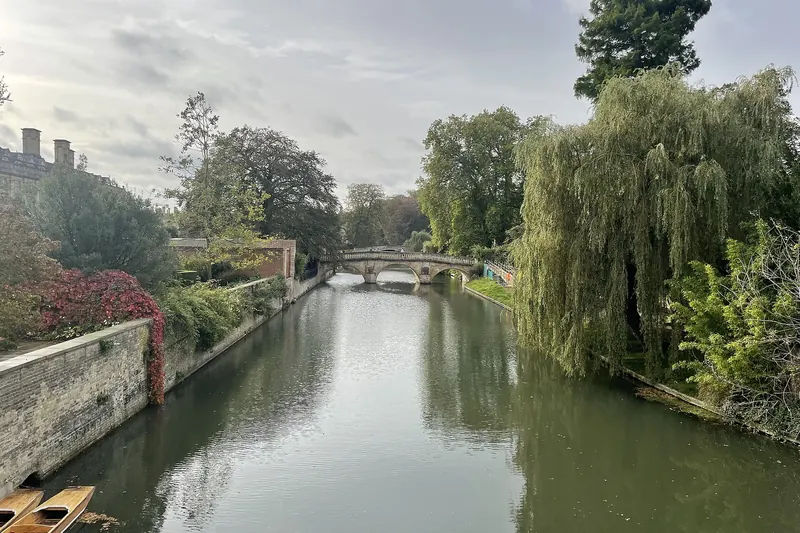
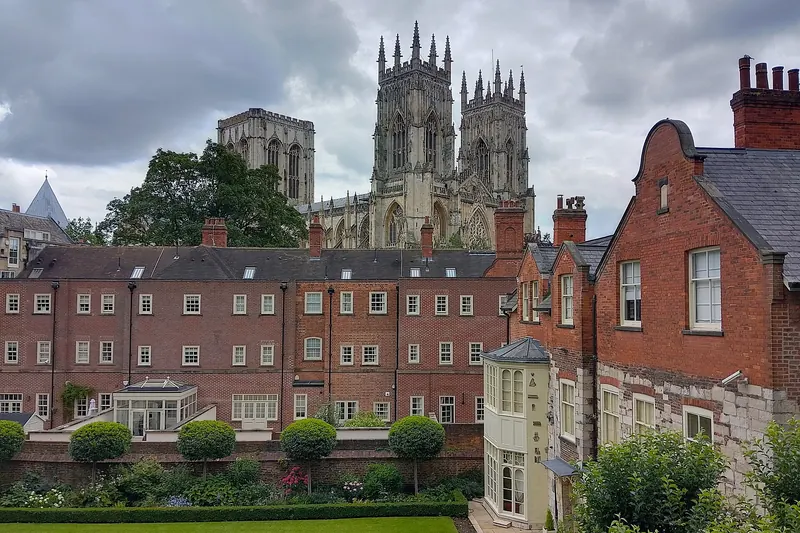
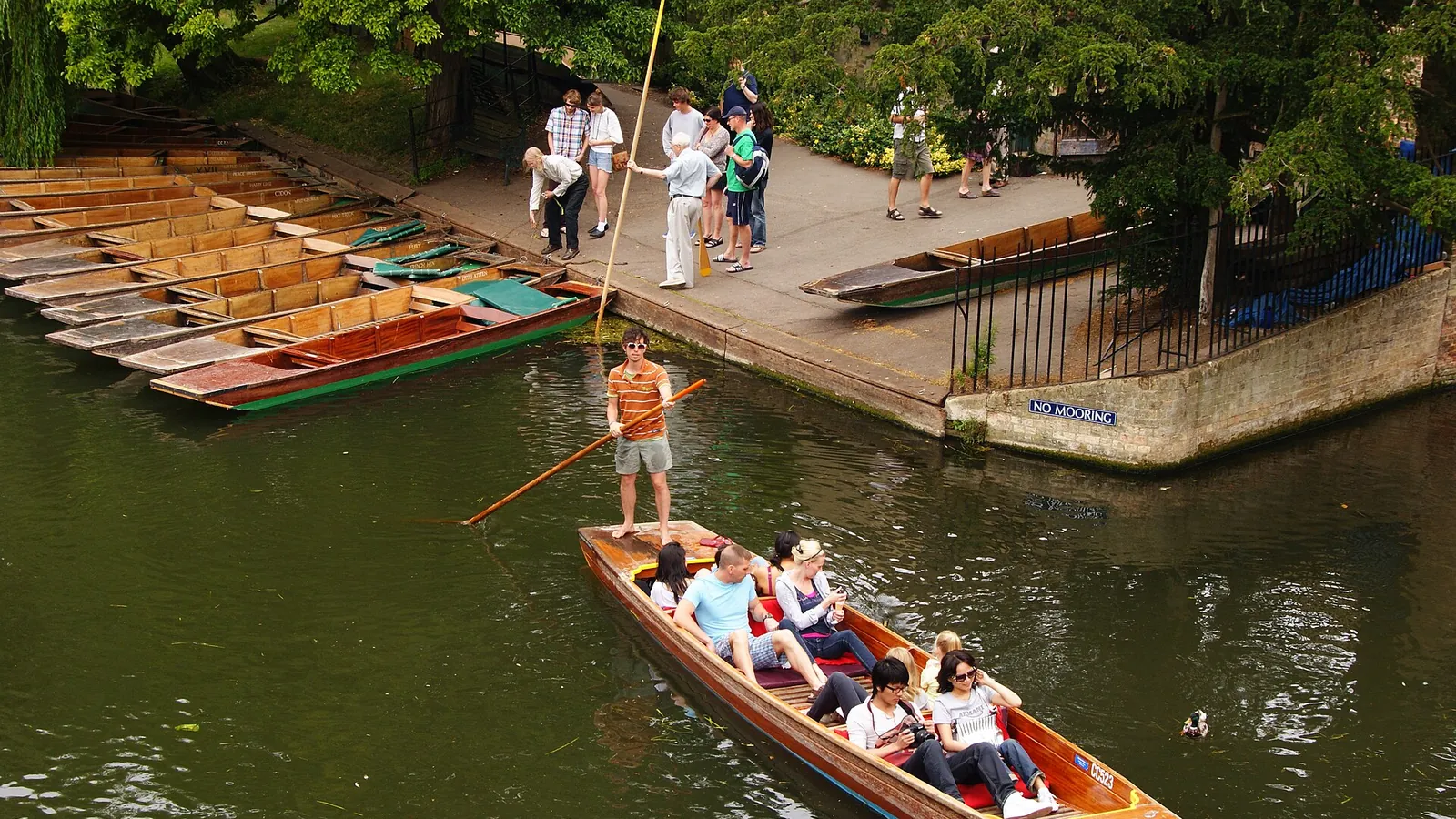
Punts on the River Cam passing beneath the colleges of Cambridge

England · United Kingdom

Oxford & Cambridge

England's two great university towns, each a working collage of medieval colleges, chapels and quads that happen to still be full of actual students rather than preserved as a museum.

  • Best time April–June and September–October
  • Stay 1–2 days each
  • Good for History, architecture, walking, day trips from London

Photo: Peter Trimming · CC BY-SA 2.0

Welcome to Oxford & Cambridge

Oxford and Cambridge are Britain's two oldest universities, both founded in the 12th and 13th centuries, and both still organised around the same collegiate structure that has defined them for eight hundred years — a patchwork of independent colleges, each with its own quads, chapel, dining hall and traditions, loosely bound together into one university.

What makes them remarkable to visit is that this history is not preserved behind glass. Students still live, eat and study inside the same medieval and Tudor buildings tourists walk past, which gives both towns a lived-in, working atmosphere that a museum city can never quite manage.

The two are similar enough that most visitors pick one, and different enough that comparing notes is a genuine local pastime. Oxford is slightly larger, more urban and architecturally grander in places; Cambridge is more compact, greener along its river, and arguably has the single best view in either town in King's College Chapel and the Backs.
  • Historic Site
  • City
  • Culture

Why visit

Why visit Oxford & Cambridge?

Their case is that nowhere else lets you walk through eight centuries of living academic history, still actively in use, in an afternoon.

  • The colleges are functioning, not staged

    Students study, eat and sleep in the same buildings visitors tour, which gives both towns a real energy a purely historic site cannot match.

  • The architecture spans nearly a millennium

    Medieval, Tudor, Georgian and modern buildings sit side by side across the colleges, each with its own distinct character.

  • Punting is a unique way to see a city

    Few other places let you glide past centuries-old buildings from a flat-bottomed boat on a slow, shallow river.

  • Both are easy, worthwhile day trips from London

    Under two hours from the capital, either makes a complete and rewarding trip even without an overnight stay.

  • The libraries and museums are world class

    The Bodleian, the Ashmolean, the Fitzwilliam — both towns hold major collections most cities their size could never support.

Main attractions

Top things to see in Oxford & Cambridge

A mix of the two towns' essential colleges and museums, worth splitting across separate visits if time allows.

  1. King's College Chapel, Cambridge, seen from outside

    King's College Chapel, Cambridge

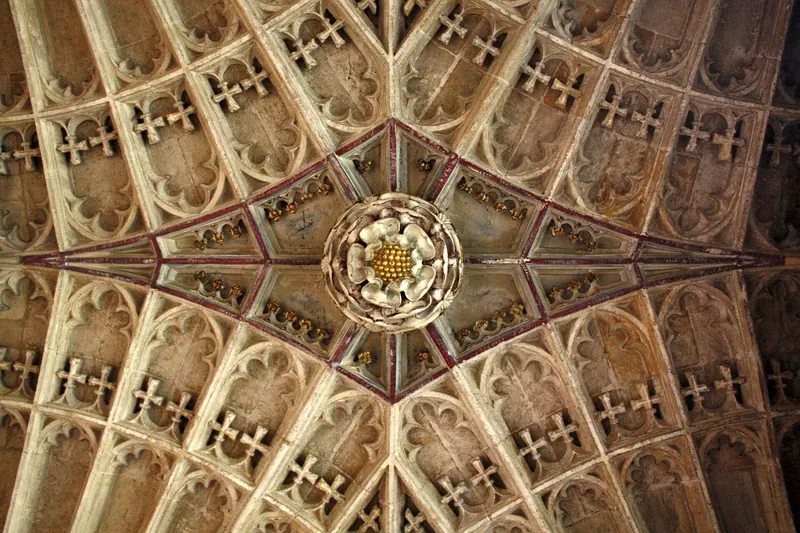
    A soaring late-Gothic masterpiece with the world's largest fan-vaulted ceiling and a choir whose Christmas Eve service is broadcast worldwide.

    Tip Attend a free choral evensong if timings allow — a different way to experience the chapel than a daytime visit.

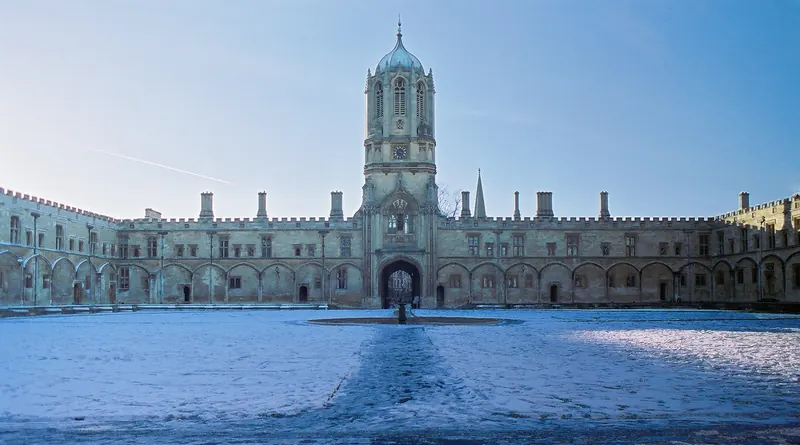
  2. Tom Quad at Christ Church, Oxford's grandest college

    Christ Church, Oxford

    Oxford's grandest college, with a cathedral doubling as its chapel, a dining hall that inspired Harry Potter's, and alumni including thirteen British prime ministers.

    Tip Visit early to avoid the queues, which build quickly given the college's film-related fame.

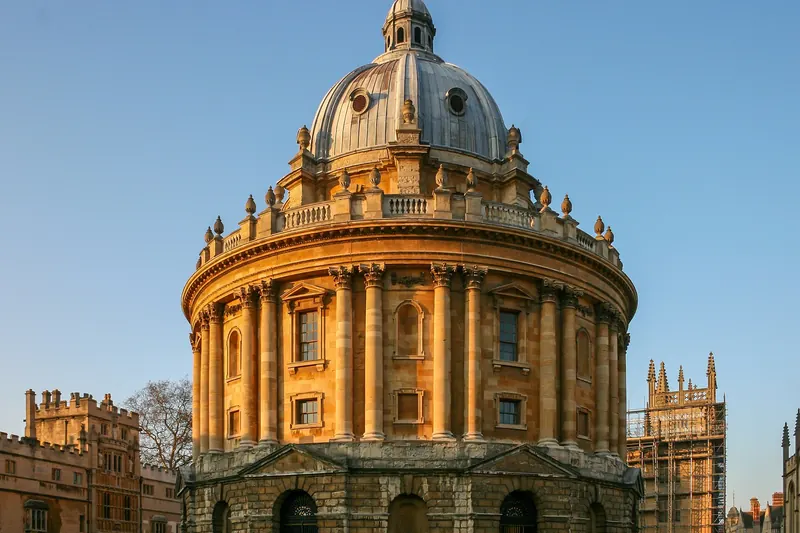
  3. The Radcliffe Camera, part of the Bodleian Library complex in Oxford

    The Bodleian Library, Oxford

    One of Europe's oldest libraries, with the stunning 15th-century Divinity School and Radcliffe Camera among its buildings, still a working research library.

    Tip The Divinity School is included on standard tours; access to the working reading rooms requires a research reader's card.

  4. The green riverside Backs behind Cambridge's colleges

    The Backs, Cambridge

    The green riverside stretch behind several colleges — King's, Trinity, St John's — where the classic postcard views of bridges and college buildings from the Cam are found.

    Tip Walk the Backs on foot for the classic views, then punt the same stretch for the reverse perspective.

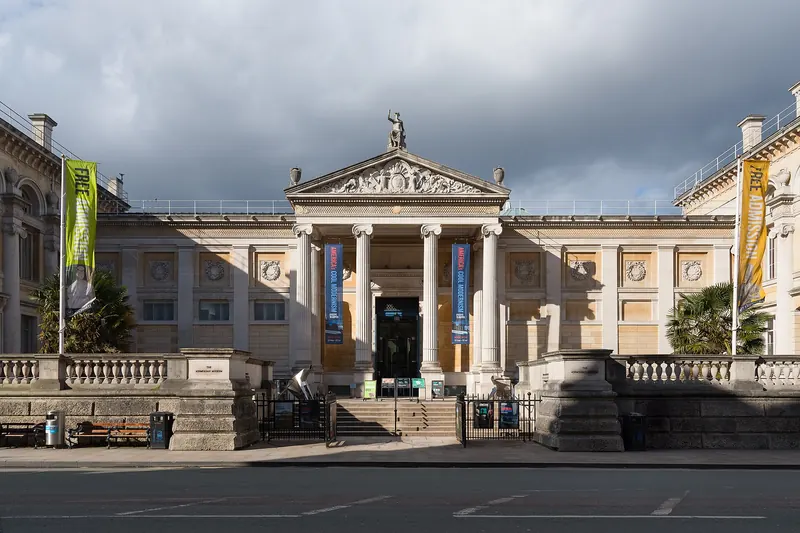
  5. The exterior of the Ashmolean Museum in Oxford

    The Ashmolean Museum, Oxford

    Britain's oldest public museum, with collections ranging from Egyptian antiquities to Pre-Raphaelite paintings, free to enter and world class.

    Tip The rooftop restaurant offers a good, less crowded lunch stop with city views.

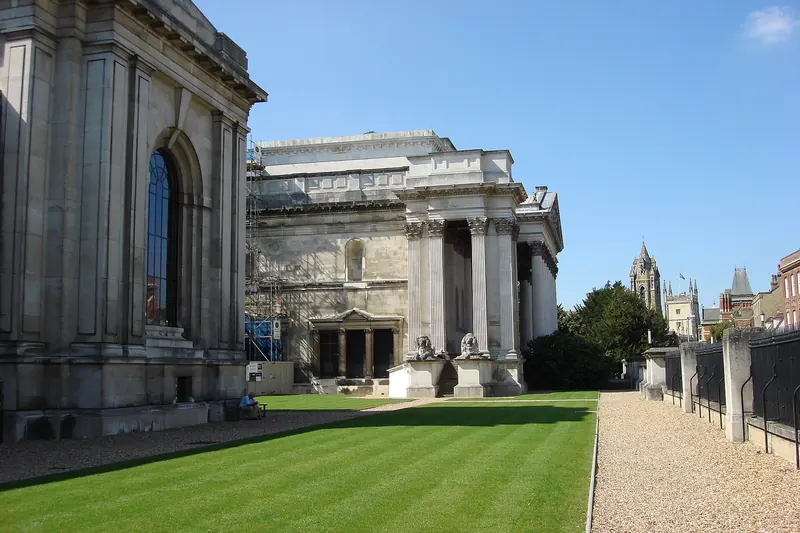
  6. The neoclassical exterior of the Fitzwilliam Museum in Cambridge

    The Fitzwilliam Museum, Cambridge

    Cambridge's answer to the Ashmolean, a free, richly stocked museum spanning antiquities, old masters and decorative arts in a grand neoclassical building.

    Tip The Egyptian and ancient Greek galleries are particularly strong and less crowded than the museum's painting collection.

Things to do

Best things to do in Oxford & Cambridge

Beyond touring individual colleges, both towns reward slower wandering and a few local traditions.

  1. Punts on the River Cherwell in Oxford

    Go punting

    Flat-bottomed boats poled along the Cam or the Cherwell are the classic activity in both towns, whether self-punted (harder than it looks) or with a chauffeur.

    Tip A chauffeured punt is worth the extra cost for first-timers — self-punting takes real practice to look graceful.

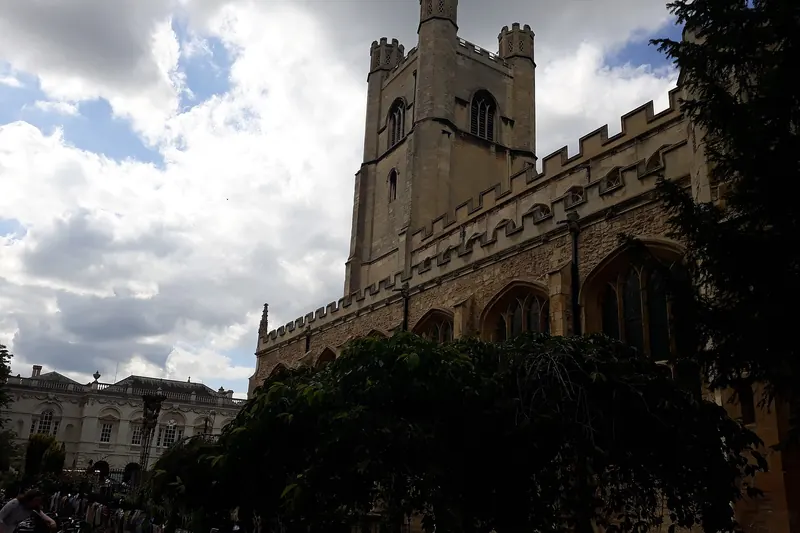
  2. The tower of Great St Mary's Church in Cambridge

    Climb a tower or spire for the view

    Great St Mary's in Cambridge and the University Church of St Mary the Virgin in Oxford both offer climbable towers with panoramic views over spires and quads.

    Tip Both climbs involve narrow spiral staircases — not ideal for claustrophobia, but worth it for the view.

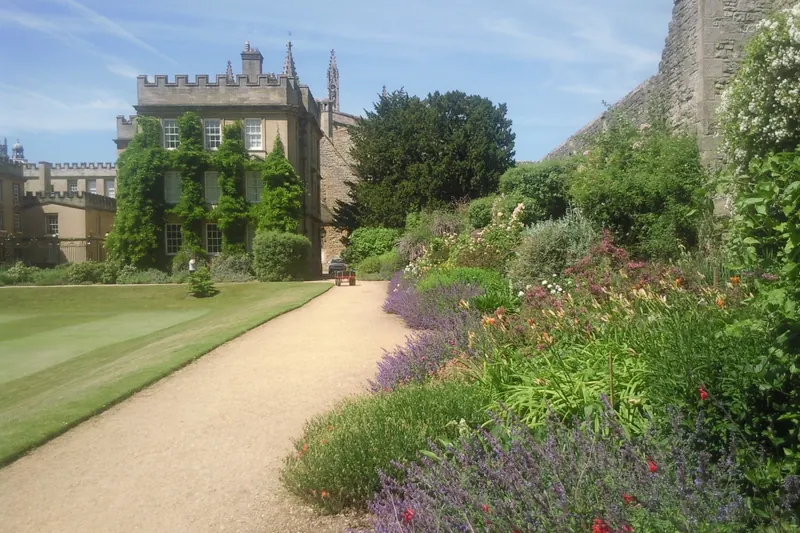
  3. The gardens at New College, Oxford

    Walk the college gardens

    Several colleges maintain beautiful gardens open to visitors, a quieter counterpoint to the grander quads and chapels.

    Tip New College, Oxford, and Clare College, Cambridge, both have particularly well-regarded gardens.

  4. Stalls inside Oxford's historic Covered Market

    Browse a historic market

    Oxford's Covered Market and Cambridge's Market Square both date back centuries and remain used by locals, not just visitors.

    Tip Both are good spots for an inexpensive lunch away from the more tourist-focused cafes.

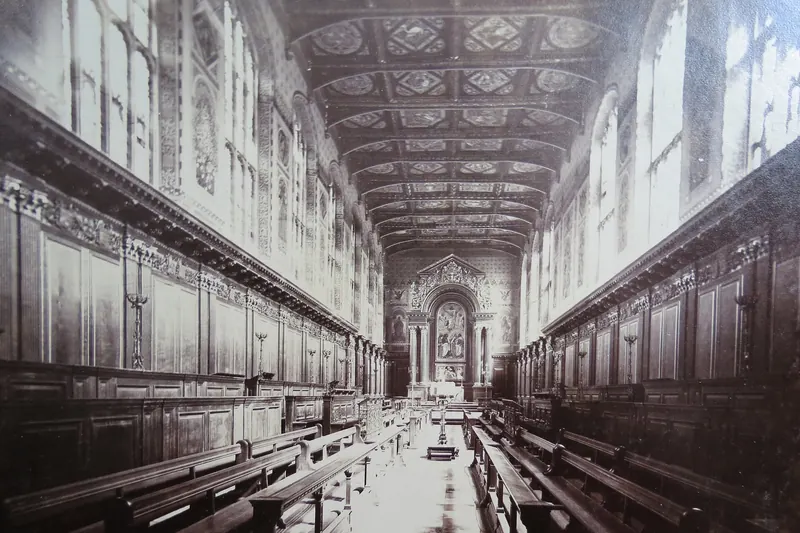
  5. The choir stalls inside a Cambridge college chapel

    Visit a college chapel evensong

    Many colleges hold free choral evensong services during term time, offering access to spaces and music otherwise reserved for members.

    Tip Check individual college websites for term-time schedules, as services pause during vacations.

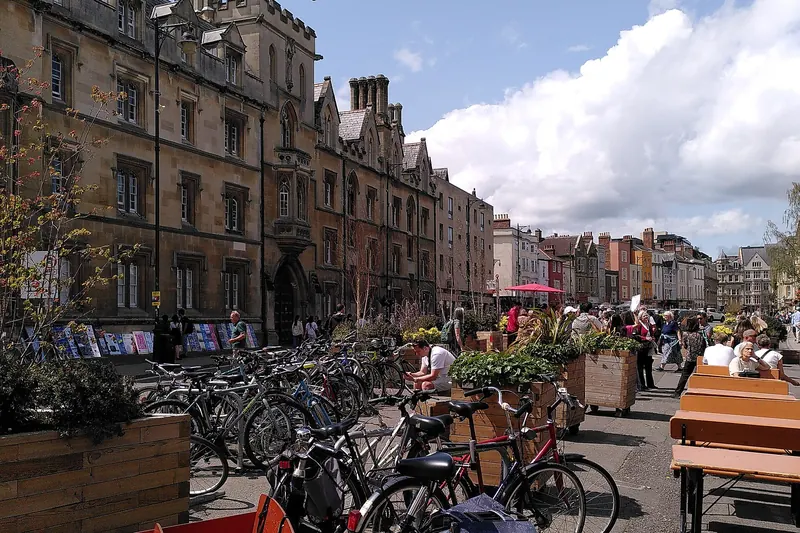
  6. Rows of parked bicycles on an Oxford street

    Cycle like a local

    Both towns are built around cycling, flat and compact enough that hiring a bike for a day is a practical, authentic way to get around.

    Tip Watch for the sheer volume of student cyclists at peak times — both towns move fast on two wheels.

Local food

What to eat in Oxford & Cambridge

Neither town has a singular defining cuisine, but both have genuine, long-standing food and drink traditions worth seeking out.

  • A traditional roast beef Sunday dinner at an English pub

    A traditional pub Sunday roast

    Both towns are full of centuries-old pubs, many with genuine literary or academic history, serving a proper Sunday roast with all the trimmings.

    Where to try it Historic pubs across both towns, particularly those with college or literary associations.

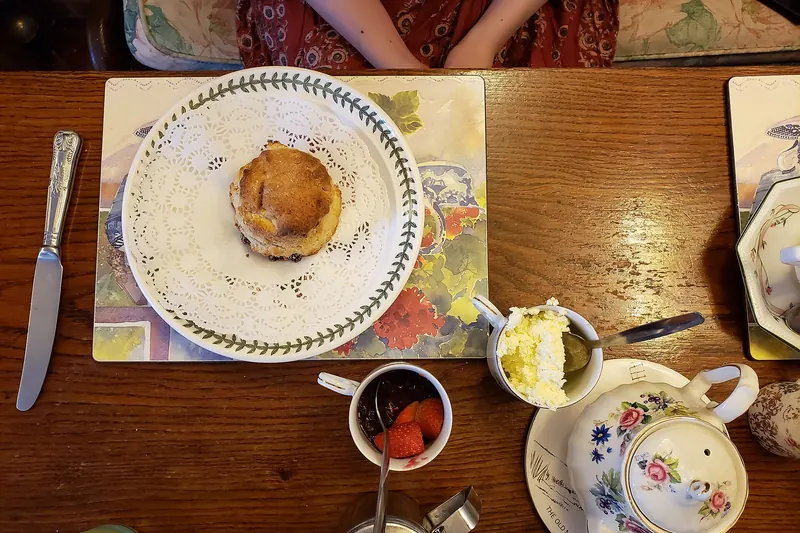
  • A traditional cream tea with scones, clotted cream and jam

    Cream tea

    Scones, clotted cream and jam, served with a pot of tea, a relaxed way to break up a day of walking between colleges.

    Where to try it Tearooms throughout both towns, especially near the main college routes.

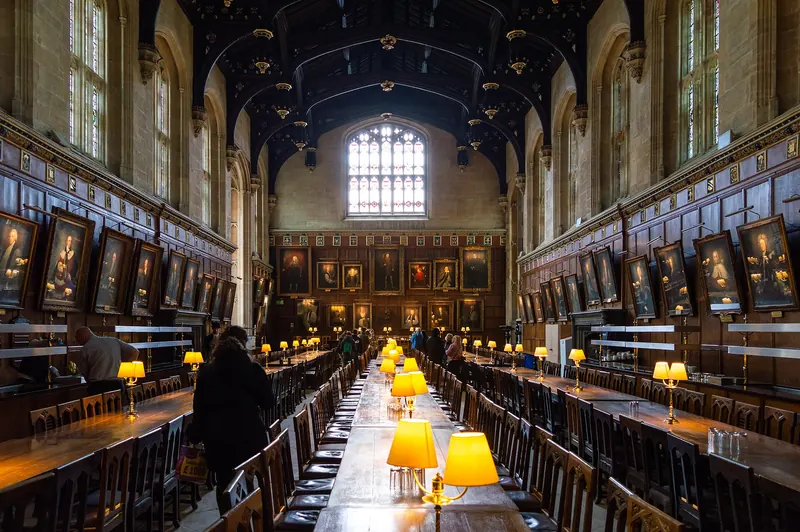
  • The Great Hall at Christ Church, Oxford, set for dinner

    College dining hall food

    Some colleges open their historic dining halls to public formal dinners, a genuine chance to eat in the same halls as students, under portraits of past masters.

    Where to try it Selected colleges by advance booking — availability varies by term and college.

  • A plate of fish and chips with mushy peas

    Fish and chips

    A reliably good, inexpensive standard across both towns, often eaten on the move between colleges or by the river.

    Where to try it Chip shops throughout both town centres.

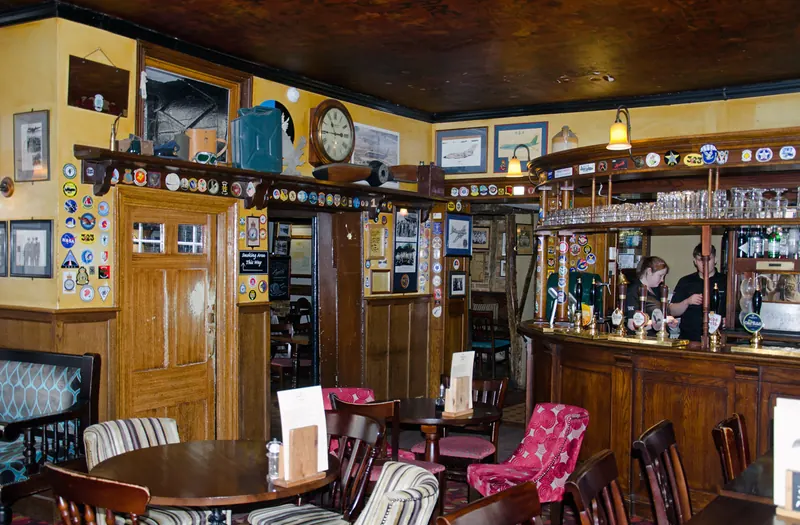
  • Inside the historic Eagle pub in Cambridge

    Real ale in a historic pub

    Both towns have pubs with genuine centuries-old drinking history and strong traditions of cask ale, several with direct literary connections.

    Where to try it The Eagle in Cambridge and the Eagle and Child in Oxford, both with famous literary regulars.

  • Ice cream by the river

    A simple, pleasant tradition in both towns — an ice cream eaten by the Cam or the Cherwell while watching the punts go by.

    Where to try it Riverside kiosks and cafes near the main punting stretches in both towns.

Accommodation

Where to stay in Oxford & Cambridge

Both town centres are compact enough that any central accommodation puts you within walking distance of the main colleges.

  • Central Oxford

    The most convenient base for Oxford, with a range of accommodation from budget to grand historic hotels.

    Best for: Walking to the colleges and Bodleian

  • Central Cambridge

    Compact and walkable, putting the main colleges and river within easy reach of most central accommodation.

    Best for: Walking to King's and the Backs

  • London, as a day-trip base

    Both towns are easy day trips from London by direct train, a practical option for those not wanting to add an overnight stop.

    Best for: Visitors short on time

What a night costs

Hostel dorm
£25–40 per night
Mid-range hotel or B&B
£95–170 per night
Chauffeured punt (30–45 min)
£20–30 per person
College entry fee
£5–15 where charged

Transport

Getting to and around Oxford & Cambridge

Both towns are well connected to London by direct, frequent trains, making them easy to combine with a wider UK trip.

Getting there

  • Rail from London

    Direct trains run from London Paddington to Oxford (about 1 hour) and from London King's Cross or Liverpool Street to Cambridge (about 1 hour).

    Both routes run frequently throughout the day, making a spontaneous day trip easy.

  • London airports

    Heathrow and Stansted are the most convenient international gateways, with Stansted notably close to Cambridge.

    Direct coach services connect both airports to their respective towns.

  • Travelling between the two

    Oxford and Cambridge are not directly linked by fast rail — the journey typically requires a change and takes around three hours.

    Most visitors treat them as separate trips from London rather than travelling directly between them.

Getting around

Both town centres are entirely walkable, and cars are actively discouraged, with limited and expensive central parking.

  • On foot

    The best way to see either town — nearly all major colleges and sights sit within a compact, walkable centre.

    Comfortable shoes matter — much of both centres involves cobbled streets and quad crossings.

  • Bicycle

    Both towns are built for cycling, with hire bikes widely available and flat, manageable distances throughout.

    Watch carefully for one-way systems and pedestrian zones, which both towns enforce more strictly than most UK cities.

  • Park and ride

    Both towns operate park-and-ride schemes on their outskirts, the practical option for visitors arriving by car.

    Central parking is limited, expensive and best avoided entirely.

When to go

Best time to visit Oxford & Cambridge

Term-time dates affect which colleges and chapels are open to visitors, making the university calendar worth checking alongside the weather.

  • Spring (April–June)

    Best time

    Colleges in full term with gardens blooming, and May in Cambridge brings the famous 'May Week' events, confusingly held in June.

  • Summer (July–August)

    Shoulder

    Warm and busy with visitors, but many colleges close for exams or restrict access, and some famous halls are used for conferences.

  • Autumn (September–October)

    Best time

    New academic year begins in October, bringing fresh energy back to both towns alongside comfortable, crowd-light weather.

  • Winter (November–March)

    Shoulder

    Quiet and atmospheric, with fewer visitors, though some college gardens and buildings reduce their opening hours.

Worth planning around: The exam period in May and June, when many colleges restrict or close visitor access entirely.

Itinerary

Two days, one in each town

A practical split for visitors without time to linger in both — one full day per town, ideally via London.

  1. Day1

    Oxford

    The colleges, Bodleian and Ashmolean.

    • Morning Christ Church and the Bodleian Library.
    • Afternoon The Ashmolean Museum, then a walk through the Covered Market.
    • Evening Dinner at a historic pub, such as the Eagle and Child.
  2. Day2

    Cambridge

    King's College Chapel, the Backs and punting.

    • Morning King's College Chapel and a walk along the Backs.
    • Afternoon A punt along the Cam, then the Fitzwilliam Museum.
    • Evening Dinner near Market Square.

Travel tips

Oxford & Cambridge travel tips

Practical notes on term dates, tickets and getting between the two towns.

  • Check individual college websites before visiting — opening hours and entry fees vary and change during exams and events.
  • Book a chauffeured punt in advance in summer, when demand is highest at the main punt stations.
  • If visiting both towns, treat them as separate trips from London rather than trying to travel directly between them.
  • Comfortable, flat shoes matter — both towns involve significant walking on cobbled streets and through quads.
  • Free choral evensong is one of the best ways to experience a college chapel — check term-time schedules in advance.
  • Both towns' museums (Ashmolean, Fitzwilliam) are free to enter and often overlooked in favour of the colleges.
  • Avoid visiting during May and June exam periods if college access is a priority, since many restrict visitors then.

FAQ

Oxford & Cambridge: frequently asked questions

Should I visit Oxford or Cambridge if I only have time for one?

Both are excellent and the choice often comes down to logistics — Oxford is slightly easier from Heathrow, Cambridge from Stansted. Cambridge has the edge for punting and river views; Oxford is larger with a broader range of colleges and museums.

Can I visit both in one day?

It's possible but not recommended — the two aren't directly linked by fast rail, and a same-day double visit leaves little time to actually enjoy either. Two separate day trips from London, or a two-day trip covering one town each, works far better.

Is punting difficult?

Self-punting takes real practice and many first-timers end up wet or embarrassed — a chauffeured punt is a worthwhile option for a relaxed, dry first experience.

Can you just walk into any college?

No — most charge a small entry fee, some restrict visitor hours, and a few close entirely during exams or events. Check individual college websites before planning your day.

Are Oxford and Cambridge good day trips from London?

Yes, both are very manageable, with direct trains taking about an hour each way. A full day allows time to see the essential colleges and museums, though an overnight stay allows a more relaxed pace.

Read next

Related travel articles

Planning

Planning Your First Trip to Europe

Most first European trips go wrong in the same three ways: too many cities, too little time in each, and a route shaped by a cheap flight rather than by geography. Here is how to avoid all three.

Practical

Packing by Season and Trip Type

Most packing advice is a list of things. This is the opposite: the small number of decisions that determine whether your luggage helps or hinders, organised by the kind of trip you are actually taking.

Advertisement