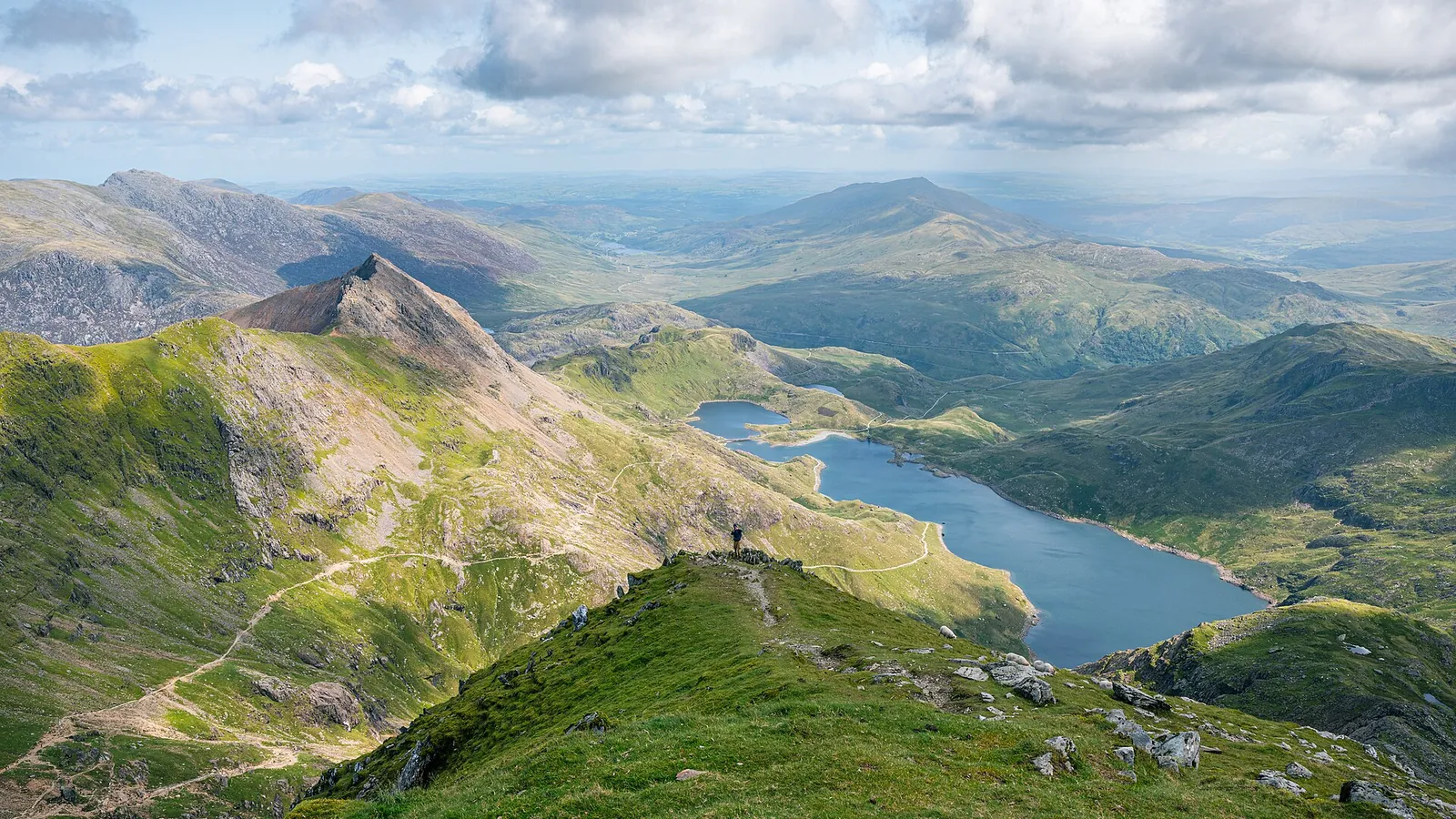
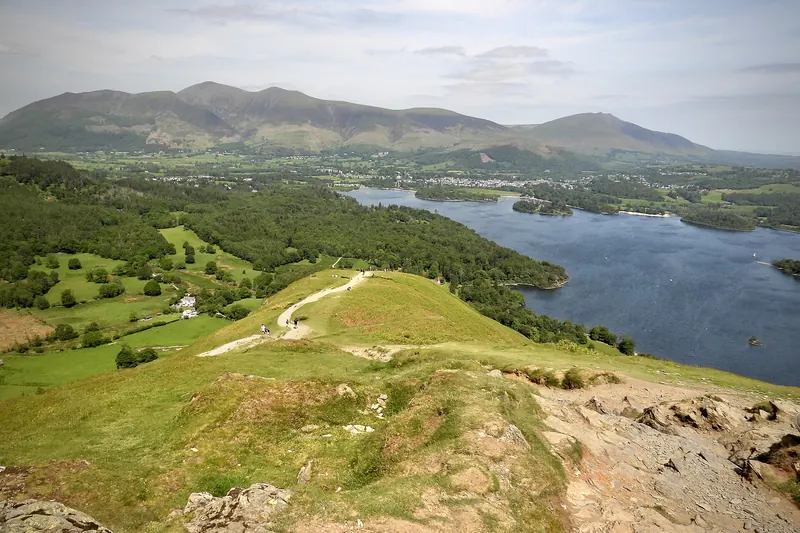
The ridge and lake of Yr Wyddfa (Snowdon), seen from near its summit

Gwynedd and Conwy, Wales · United Kingdom

Snowdonia & North Wales

Wales's mountainous heart: a national park of jagged peaks and slate-grey lakes, ringed by castles built to hold the country down and a coastline that rewards anyone who reaches it.

  • Best time May–June and September
  • Stay 3–4 days
  • Good for Hiking, castles, nature, families

Photo: Julian Herzog (Website) · CC BY 4.0

Welcome to Snowdonia & North Wales

Snowdonia — Eryri in Welsh, the name now officially used alongside the English one — is a national park built around Yr Wyddfa, Wales's highest mountain at 1,085 metres, and the jagged, glacier-carved range surrounding it. It is mountainous in a way little else in England or Wales quite matches, with real scrambling routes, sharp ridgelines and weather that turns fast.

The park sits within a wider region shaped by two very different forces: Edward I's 13th-century castle-building campaign, which left Conwy and Caernarfon among the most complete medieval fortresses in Europe, and the 19th-century slate industry, which built entire towns like Blaenau Ffestiniog and Llanberis around quarrying the mountains themselves.

The coastline nearby is an underrated part of the trip — the Llŷn Peninsula and Anglesey offer beaches and cliff walks that feel a world away from the mountains just inland, and the combination of the two in one compact region is a large part of what makes North Wales worth the distance from England's south.

  • Nature Wildlife
  • Mountains
  • Scenic Region

Why visit

Why visit Snowdonia & North Wales?

Snowdonia's case is that nowhere else in England or Wales packs genuine mountain scrambling, complete medieval castles and a dramatic coastline into one manageable region.

  • The mountains are serious

    Yr Wyddfa and its neighbouring ridges offer real scrambling and exposed terrain, a different order of challenge from most English hill walking.

  • The castles are among Europe's best preserved

    Conwy and Caernarfon, both UNESCO-listed, survive largely intact — a rare thing for medieval fortresses this old.

  • The slate heritage is a story found nowhere else

    Entire mountainsides and towns were shaped by an industry that literally quarried the landscape, now preserved rather than erased.

  • The coastline is a genuine bonus

    Anglesey and the Llŷn Peninsula add beaches and sea cliffs that most mountain-focused visitors don't expect to find so close by.

  • Welsh culture and language are present

    Welsh is widely spoken as a first language here, giving the region a distinct cultural identity rather than feeling like an extension of England.

Main attractions

Top things to see in Snowdonia & North Wales

A mix of mountain, castle and heritage sights that together capture the different sides of this region.

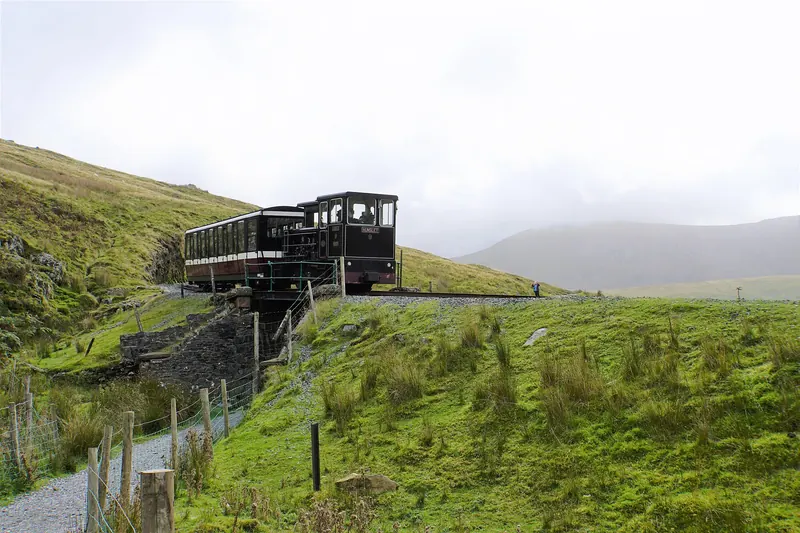
  1. A train on the Snowdon Mountain Railway climbing Yr Wyddfa

    Yr Wyddfa (Snowdon)

    Wales's highest peak at 1,085 metres, reachable by several walking routes or the Snowdon Mountain Railway, with views stretching to Ireland on a clear day.

    Tip The Llanberis Path is the longest but gentlest route; the Pyg Track and Miners' Track are more scenic but steeper.

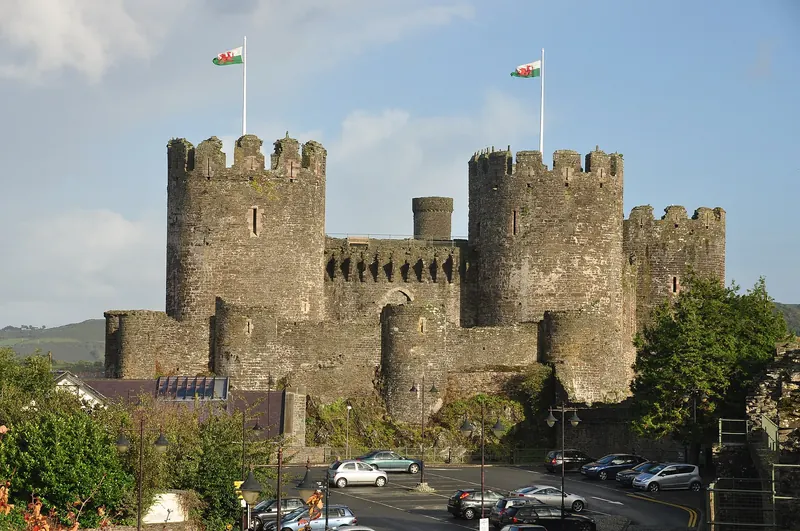
  2. The towers and walls of Conwy Castle

    Conwy Castle

    A UNESCO World Heritage castle built by Edward I in the 1280s, its eight towers and largely intact walls forming one of the most complete medieval fortresses in Britain.

    Tip Walk the town walls, also largely intact, for a free and dramatic view over the castle and estuary.

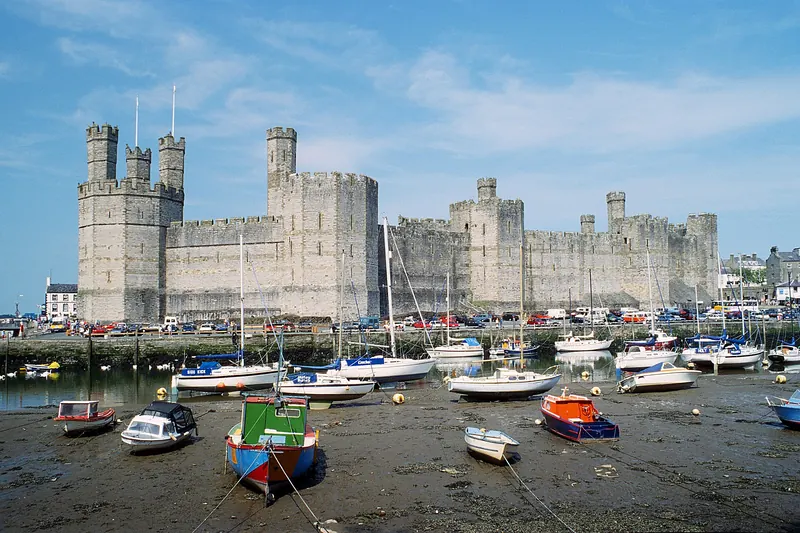
  3. Caernarfon Castle's imposing walls and towers

    Caernarfon Castle

    Another Edward I fortress, built partly to evoke Constantinople's walls and used for the investiture of the Prince of Wales, among the most imposing castles in Britain.

    Tip Climb the towers for views over the Menai Strait toward Anglesey.

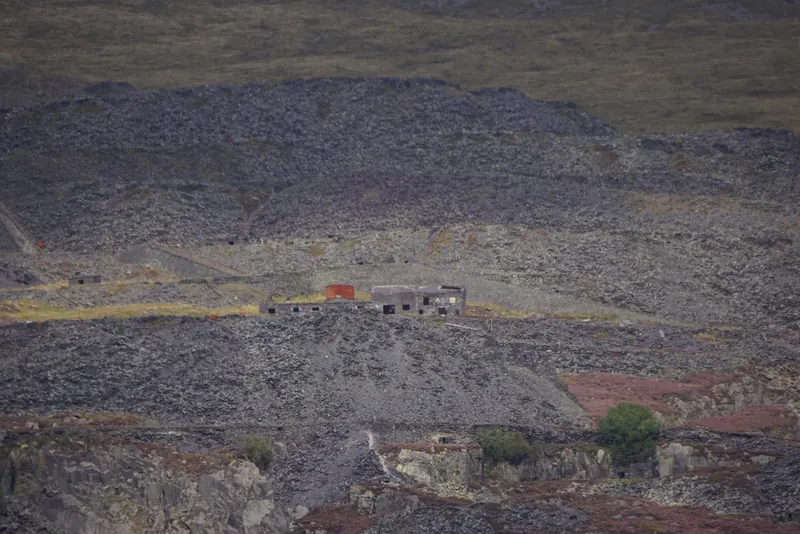
  4. The terraced slate quarry above Llanberis

    Llanberis and the Slate Landscape

    A former slate-quarrying town at the foot of Snowdon, now a UNESCO World Heritage site telling the story of the industry that shaped the region's mountains and towns.

    Tip The National Slate Museum, in a former quarry workshop, is free to enter and well presented.

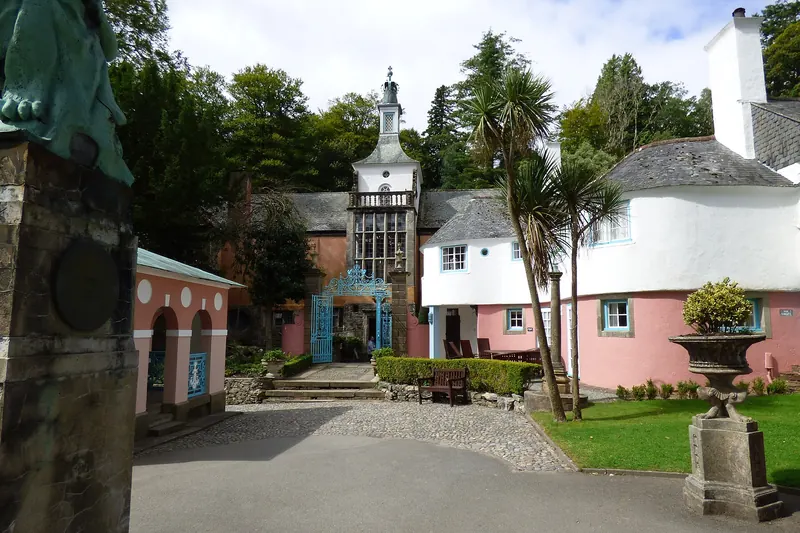
  5. The colourful Italianate buildings of Portmeirion village

    Portmeirion

    An eccentric, brightly coloured Italianate village built by architect Clough Williams-Ellis over five decades, unlike anywhere else in Wales.

    Tip Famous as the filming location for the 1960s TV series The Prisoner, still celebrated by an annual fan festival.

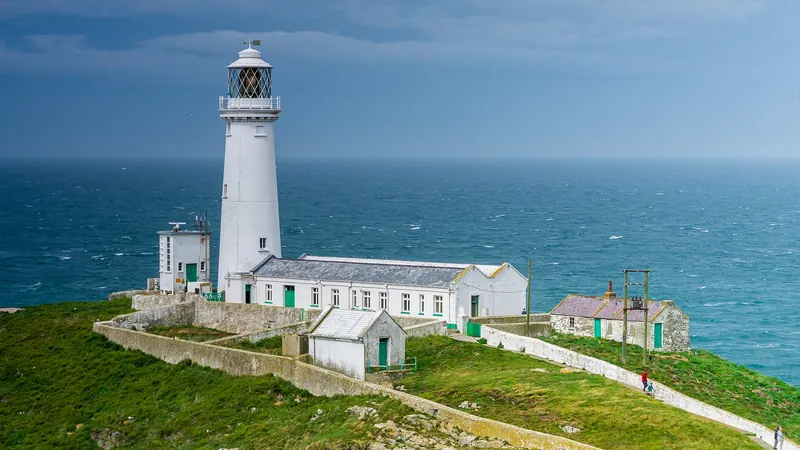
  6. South Stack Lighthouse perched on cliffs off Anglesey

    The Llŷn Peninsula and Anglesey

    A quieter coastal side to the region, with beaches, cliff walks and the pilgrimage island of Bardsey off the Llŷn, and South Stack's cliffs on Anglesey.

    Tip Both reward at least a full day — they are different in character from the mountainous interior.

Things to do

Best things to do in Snowdonia & North Wales

Beyond the headline sights, this region rewards a mix of mountain activity and slower coastal and heritage time.

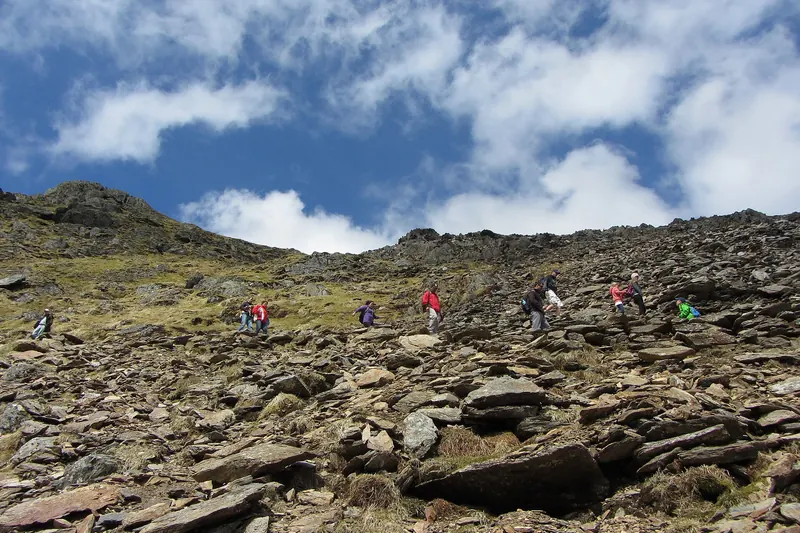
  1. Walkers on the Pyg Track heading up Yr Wyddfa

    Hike or ride Yr Wyddfa

    Reaching the summit on foot, or by the historic Snowdon Mountain Railway for those not up for the climb, is the region's central experience.

    Tip Book the railway well ahead in summer — it sells out, and walking remains free and available regardless of ticket availability.

  2. Ride the Snowdonia zip lines and underground trampolines

    Former slate quarries near Llanberis and Blaenau Ffestiniog have been repurposed into inventive attractions — Europe's fastest zip line and vast underground trampoline networks.

    Tip Both require advance booking and are hugely popular in school holidays.

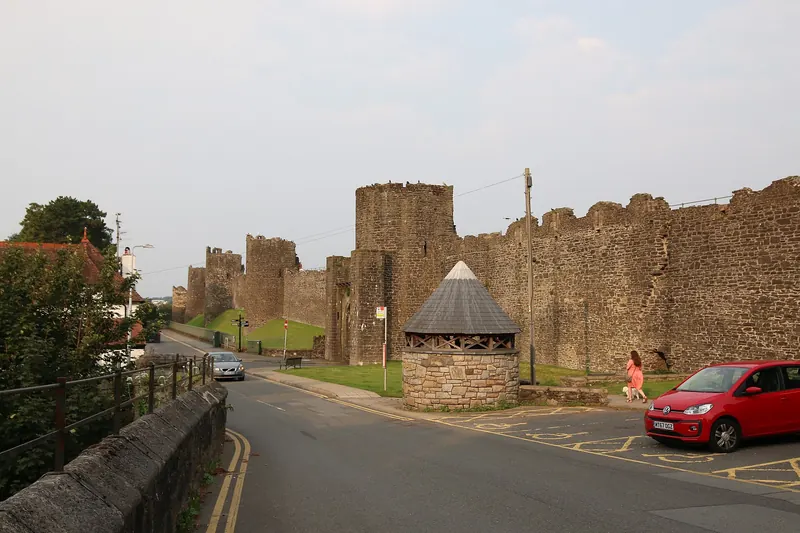
  3. Conwy's medieval town walls and a gate tower

    Walk the Conwy or Caernarfon town walls

    Both towns retain substantial medieval walls, walkable for free and giving excellent views over the castles and surrounding water.

    Tip Conwy's walls form a more complete circuit than Caernarfon's — allow about an hour to walk the full loop.

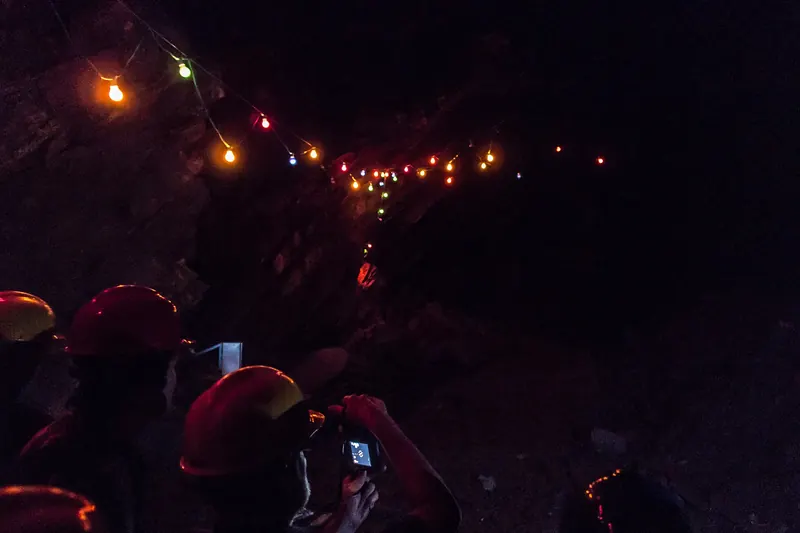
  4. The underground slate caverns at Llechwedd

    Visit a slate cavern tour

    Former working slate mines, particularly around Blaenau Ffestiniog, now offer underground tours giving a genuine sense of the industry's scale and conditions.

    Tip Bring a jacket — the caverns stay cool year-round regardless of the weather outside.

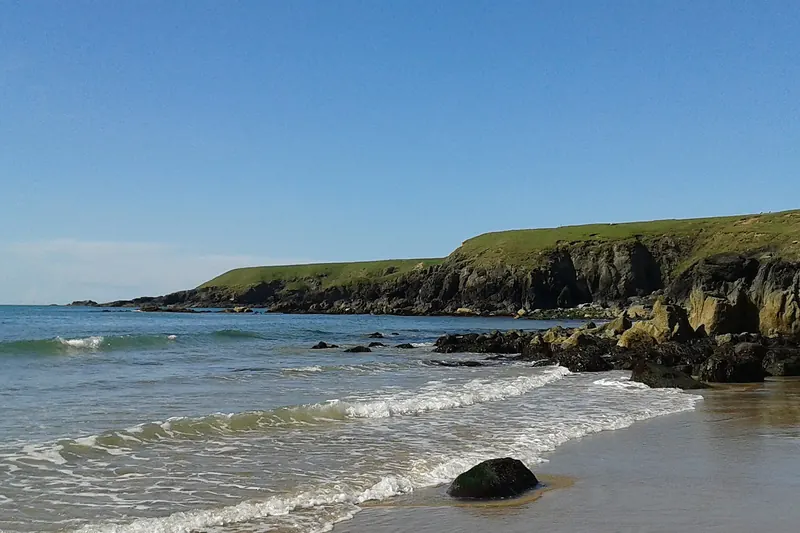
  5. The sandy cove of Porth Oer (Whistling Sands) on the Llŷn Peninsula

    Explore the Llŷn Peninsula's beaches

    A quieter, more remote coastline than much of Wales, with beaches like Porth Oer (Whistling Sands) and dramatic cliff walks around Aberdaron.

    Tip The peninsula's far end feels remote — allow more driving time than distances alone suggest.

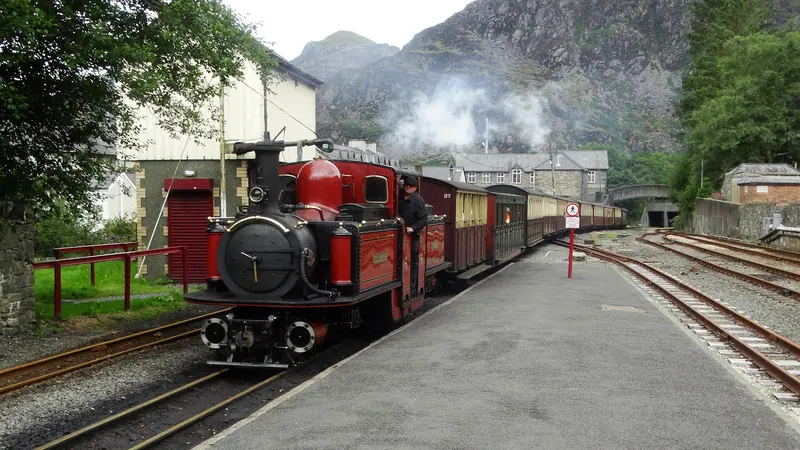
  6. A heritage steam train entering Blaenau Ffestiniog station

    Ride a heritage railway

    North Wales has a strong network of narrow-gauge heritage railways, including the Ffestiniog and Welsh Highland lines through dramatic mountain scenery.

    Tip The Ffestiniog Railway is one of the oldest surviving railway companies in the world, dating to 1832.

Local food

What to eat in Snowdonia & North Wales

Welsh food leans on hearty mountain and coastal traditions, with a few distinctive national dishes.

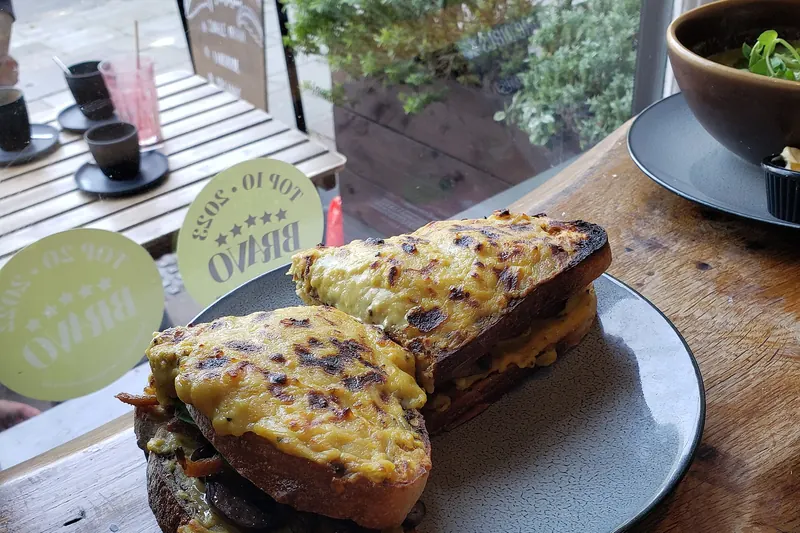
  • A plate of Welsh rarebit on toasted bread

    Welsh rarebit

    A rich, mustard- and ale-spiked cheese sauce grilled onto toast, more elaborate than simple cheese on toast and a genuine national dish.

    Where to try it Cafes and pubs throughout North Wales.

  • A roast lamb Sunday dinner

    Welsh lamb

    Grass-fed on the region's hills and mountains, Welsh lamb carries a protected geographical status and a strong reputation across Britain.

    Where to try it Restaurants and pubs throughout the region, often as a Sunday roast.

  • Bara brith

    A traditional fruit loaf soaked in tea and spiced, served sliced with butter, a genuine staple of Welsh tearooms.

    Where to try it Tearooms and bakeries across North Wales.

  • Freshly griddled Welsh cakes

    Welsh cakes

    Small, griddle-cooked fruited cakes, similar to a scone but flatter and denser, traditionally sold warm from the griddle at markets and cafes.

    Where to try it Markets and cafes throughout Wales, often cooked fresh in front of you.

  • A bowl of freshly cooked mussels

    Conwy mussels

    Conwy's estuary has produced mussels for centuries, and the town's harbour restaurants serve them fresh, often simply steamed with local ingredients.

    Where to try it Harbourside restaurants in Conwy, particularly in the mussel season from September to March.

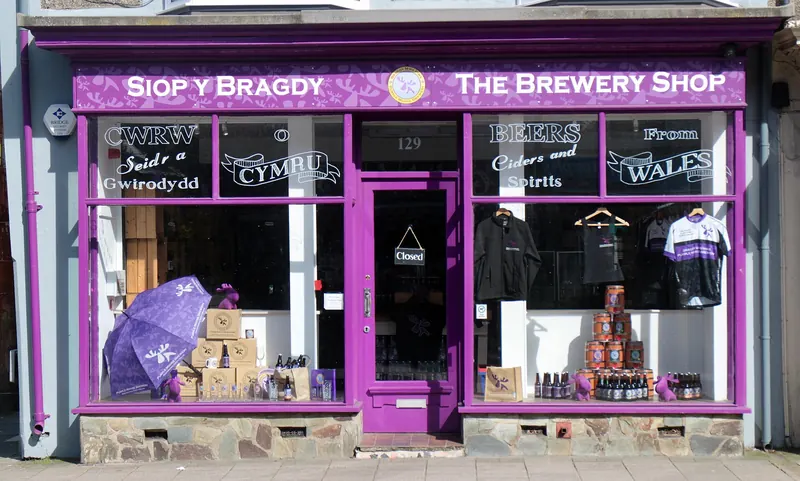
  • The Purple Moose Brewery shop in Porthmadog, North Wales

    Welsh ale and cider

    North Wales has a growing craft brewing scene alongside traditional cask ales, with several breweries producing distinctive local beers.

    Where to try it Traditional pubs across the region, several serving beer from breweries within a short distance.

Accommodation

Where to stay in Snowdonia & North Wales

Llanberis and Betws-y-Coed are the two main mountain bases, with Conwy a good alternative for those prioritising the coast and castles.

  • Llanberis

    Sitting directly at the foot of Yr Wyddfa, the practical base for anyone prioritising the mountain and the railway.

    Best for: Climbing Snowdon and the slate landscape

  • Betws-y-Coed

    A picturesque village at the park's eastern edge, well placed for exploring the wider national park by car.

    Best for: A central base for the wider park

  • Conwy

    A historic walled town on the coast, well placed for Conwy and Caernarfon Castles and day trips to Anglesey.

    Best for: Castles and the coast

What a night costs

Hostel dorm
£22–38 per night
Mid-range B&B or hotel
£80–150 per night
Snowdon Mountain Railway
£20–48 depending on season
Conwy Castle entry
£11–15

Transport

Getting to and around Snowdonia & North Wales

Manchester and Liverpool are the nearest major airports, with a car useful once inside the region.

Getting there

  • Manchester Airport (MAN)

    The most convenient major airport, roughly two hours by car to the heart of Snowdonia.

    Direct trains also run from Manchester to Bangor and Llandudno Junction, near the coast.

  • Rail to Bangor or Llandudno Junction

    Both stations sit on the North Wales coastal line, connecting to Chester, Manchester and Liverpool.

    Local buses and trains connect onward into the national park from either station.

  • Car

    The most flexible way to explore the wider region, particularly the Llŷn Peninsula and Anglesey.

    The A55 runs along the North Wales coast, providing quick access to Conwy, Bangor and Anglesey.

Getting around

A car is close to essential for covering the region's mountains and coastline together, though buses reach the main towns.

  • Rental car

    The most practical way to combine the mountains, castles and coastline in one trip.

    Mountain roads can be narrow and winding — allow more time than distances alone suggest.

  • Snowdon Sherpa buses

    A dedicated bus network connecting the main trailheads and villages around Yr Wyddfa, useful for point-to-point hikes.

    A practical way to start one trail and finish on a different one without needing to double back.

  • Heritage and local railways

    The Conwy Valley and Cambrian lines, alongside the narrow-gauge heritage railways, offer scenic and practical ways to move between towns.

    Timetables thin out considerably outside summer — check in advance for a shoulder-season visit.

When to go

Best time to visit Snowdonia & North Wales

Snowdonia's weather is changeable in any season, making daylight hours and crowd levels the more reliable planning factors.

  • Spring (April–June)

    Best time

    Lengthening daylight, waterfalls at their fullest, and crowds well below the summer peak on the main trails.

  • Summer (July–August)

    Shoulder

    The busiest months, with Yr Wyddfa's main paths and the Mountain Railway crowded, though the longest daylight for hiking.

  • Autumn (September–October)

    Best time

    Comfortable temperatures, thinning crowds, and often some of the year's clearest, most photogenic days on the mountains.

  • Winter (November–March)

    Shoulder

    Wintry on the higher peaks, with snow and ice requiring proper equipment and experience for anything beyond the valleys.

Worth planning around: Bank holiday weekends in summer, when Yr Wyddfa's main car parks and paths become overcrowded.

Itinerary

Four days in Snowdonia and North Wales

The mountain first, then castles and slate heritage, with a coastal day to close — a loop that covers the region's different sides.

  1. Day1

    Yr Wyddfa

    The region's central experience.

    • Morning An early start up the Pyg Track or Llanberis Path, or the Mountain Railway for a less strenuous ascent.
    • Afternoon Continue the walk or descend, exploring Llanberis on return.
    • Evening Dinner in Llanberis, overnight nearby.
  2. Day2

    Slate heritage and Portmeirion

    The industry that shaped the region, and its most eccentric village.

    • Morning The National Slate Museum or a Blaenau Ffestiniog cavern tour.
    • Afternoon Portmeirion village.
    • Evening Dinner in Betws-y-Coed or Porthmadog.
  3. Day3

    Conwy and Caernarfon

    Two of Edward I's greatest castles.

    • Morning Conwy Castle and the town walls.
    • Afternoon Caernarfon Castle.
    • Evening Dinner by Conwy's harbour, with mussels if in season.
  4. Day4

    The Llŷn Peninsula or Anglesey

    A final, quieter coastal day.

    • Morning Drive to Anglesey and South Stack's cliffs, or the Llŷn Peninsula's beaches.
    • Afternoon A coastal walk and a final Welsh cake stop.
    • Evening Depart.

Travel tips

Snowdonia & North Wales travel tips

Practical notes on weather, booking and timing that make a real difference to a Snowdonia trip.

  • Book the Snowdon Mountain Railway and slate cavern tours well ahead in summer — both sell out.
  • Check mountain-specific weather forecasts before any serious hike — conditions on Yr Wyddfa differ sharply from the valleys.
  • Start early for popular trailheads — Pen-y-Pass car park fills by mid-morning in summer.
  • Pack proper waterproofs and layers regardless of season — Snowdonia's weather changes fast.
  • Learn a few Welsh place-name pronunciations in advance — it's appreciated locally.
  • Combine Conwy and Caernarfon Castles with their town walls, both free and often overlooked in favour of the castles alone.
  • Allow more driving time than distances suggest — mountain roads are narrow and winding throughout the region.

FAQ

Snowdonia & North Wales: frequently asked questions

How many days do you need for Snowdonia and North Wales?

Three to four. Three covers Yr Wyddfa and the main castles; four adds proper time for the coast or the slate heritage sites without feeling rushed.

Do I need to be an experienced hiker to climb Snowdon?

No — the Llanberis Path is a long but non-technical walk manageable by reasonably fit beginners, and the Mountain Railway offers a non-hiking alternative. The Pyg Track and Crib Goch are more serious and better suited to experienced walkers.

What is the best time of year to visit?

May to June and September offer the best balance of decent weather, long daylight and manageable crowds. Summer is busiest on the main trails; winter requires proper equipment and experience above the valleys.

Do I need a car?

Largely yes, particularly for combining the mountains with the coast. The Snowdon Sherpa bus network covers the main trailheads well, but the wider region, including Anglesey and the Llŷn Peninsula, is far easier with a car.

Is Welsh widely spoken in this region?

Yes — North Wales has some of the highest rates of Welsh as a first language in the country, and bilingual signage is standard throughout.

Read next

Related travel articles

Practical

Packing by Season and Trip Type

Most packing advice is a list of things. This is the opposite: the small number of decisions that determine whether your luggage helps or hinders, organised by the kind of trip you are actually taking.

Transport

Getting Around Europe by Train

European rail is excellent and confusing — six national operators, three completely different pricing models, and a rail pass that is either a bargain or a waste depending on where you are going. Here is how to work out which.

Advertisement