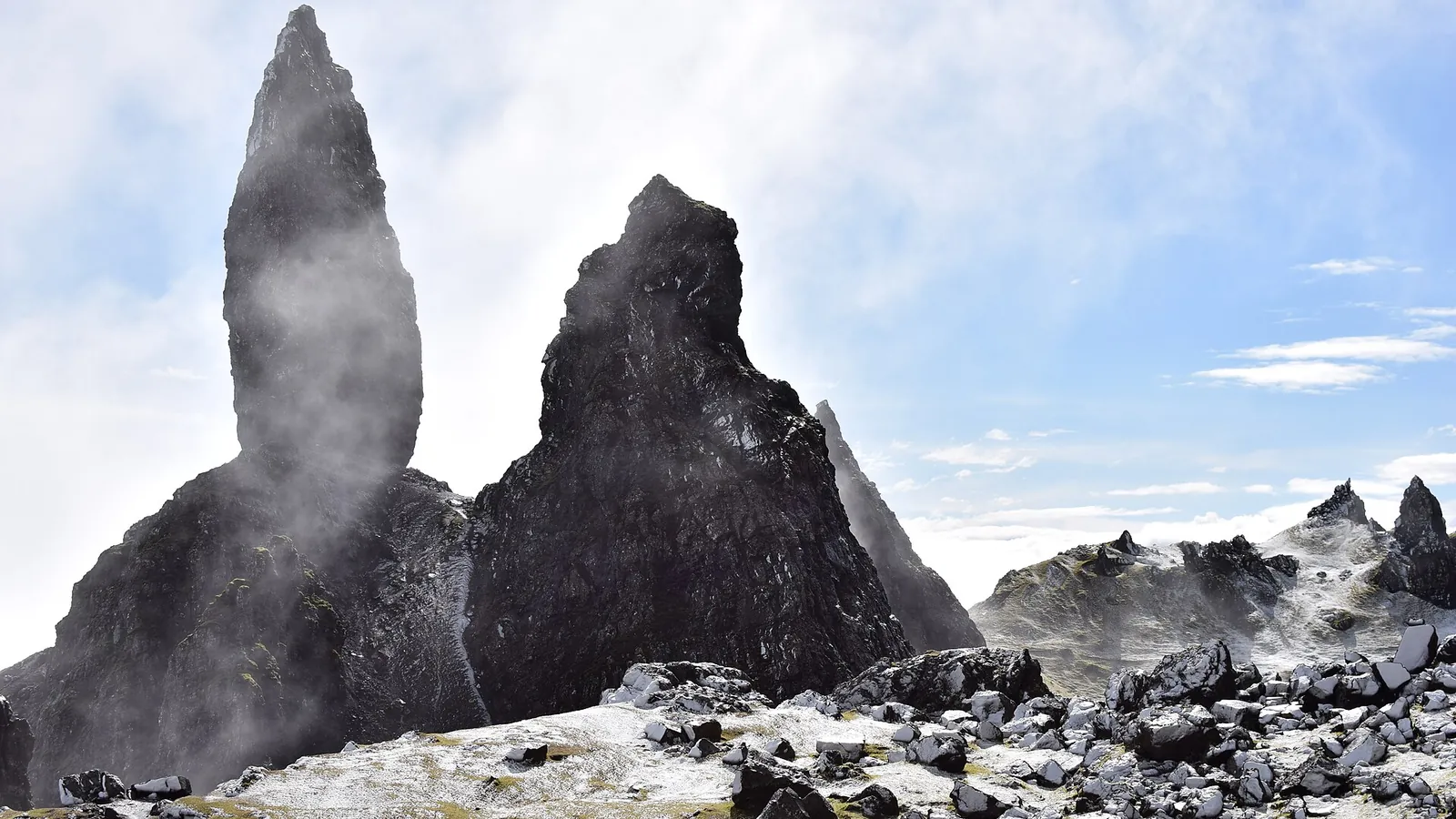
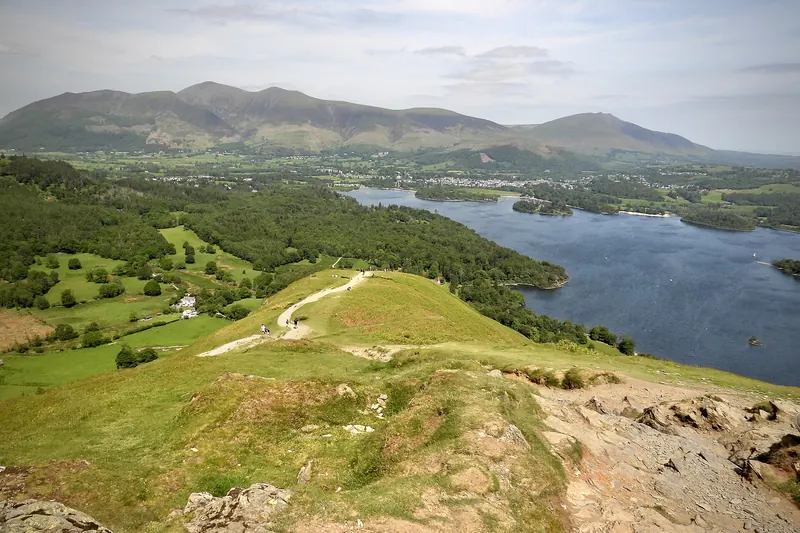
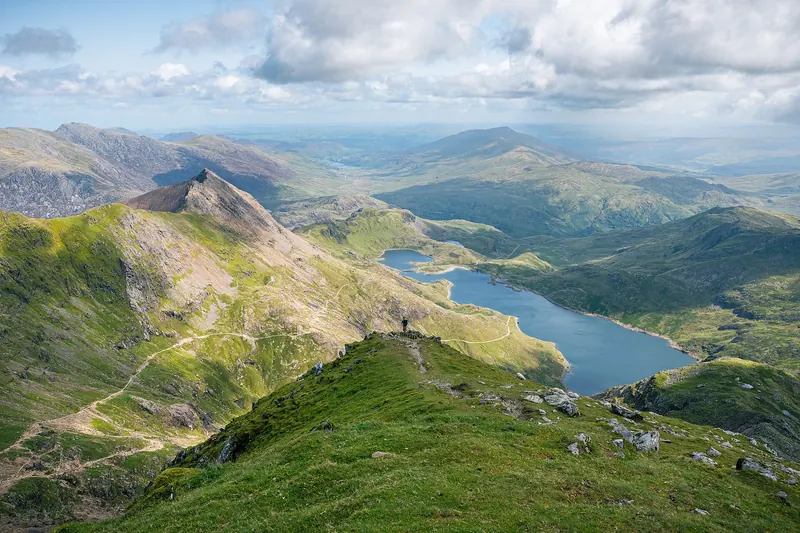
The jagged rock pinnacle of the Old Man of Storr on the Isle of Skye

Scotland · United Kingdom

Scottish Highlands & Isle of Skye

Single-track roads through glens that have barely changed in centuries, lochs deep enough to hide a monster, and an island at the end of it all with rock formations that look otherworldly.

  • Best time May–June and September
  • Stay 5–7 days
  • Good for Nature, driving, hiking, photography

Photo: Clem_nat · CC BY-SA 4.0

Welcome to Scottish Highlands & Isle of Skye

The Scottish Highlands begin, in a real sense, the moment the road narrows to a single track with passing places — a genuine shift from the rest of Britain into a landscape shaped by ice, weather and centuries of clearance that left glens with more sheep than people. Glencoe, Rannoch Moor and Loch Ness are only the most famous names in a region that is overwhelmingly, deliberately empty, and where the emptiness is the point rather than an inconvenience.

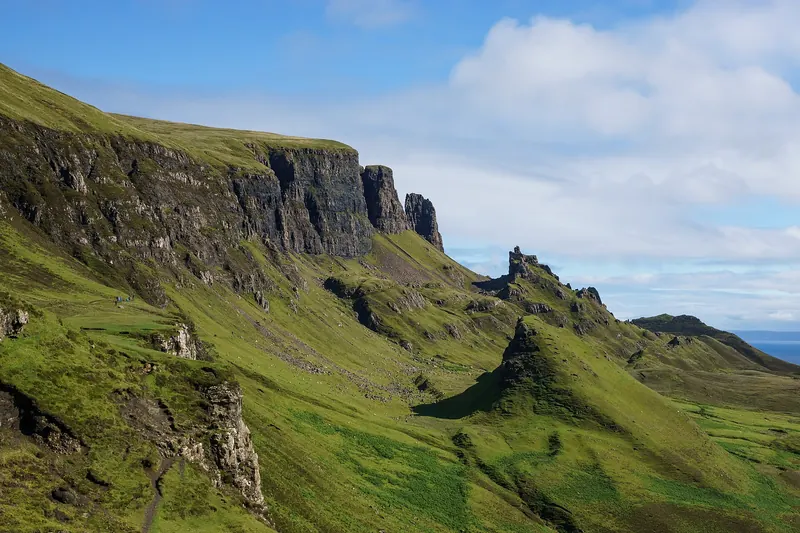
At the northwestern edge of the mainland, a bridge (or a ferry, if you prefer the more traditional approach) crosses to the Isle of Skye, and the landscape shifts again into something stranger: the Cuillin ridge's jagged black peaks, the Old Man of Storr's basalt pinnacle rising from an ancient landslip, and the Quiraing's still-shifting, otherworldly terrain, formed by a landslide that continues to move today.

This is not a region that rewards a rushed loop. Distances that look short on a map take real time on single-track roads, weather changes fast and without much warning, and the reward for slowing down — a quiet glen, an empty beach, a castle with nobody else at it — is the entire point of coming this far north.

  • Nature Wildlife
  • Mountains
  • Scenic Region

Why visit

Why visit Scottish Highlands & Isle of Skye?

The Highlands and Skye's case is that nowhere else in Britain offers this scale of genuine wilderness, dramatic geology and single-track-road remoteness within a manageable trip.

  • The scale of emptiness is genuine

    Glens and moors with more deer than people, a real contrast to anywhere else in this guide and a large part of the region's appeal.

  • Skye's rock formations are otherworldly

    The Old Man of Storr, the Quiraing and the Cuillin ridge look like nowhere else in Britain, shaped by ancient landslips and volcanic activity.

  • The history sits heavy in the landscape

    Glencoe's 1692 massacre, Culloden's 1746 battlefield and the Jacobite risings all left a mark that is still legible on the ground, not just in museums.

  • Wildlife is present

    Red deer, golden eagles, otters and, around the coast, a real chance of dolphins and whales make this one of Britain's best wildlife-watching regions.

  • It rewards slowing down more than any other UK destination

    Single-track roads and changeable weather actively discourage rushing, and the region is better for it.

Main attractions

Top things to see in Scottish Highlands & Isle of Skye

The Highlands and Skye are large — these are the essential stops, best strung together over several days rather than rushed in one.

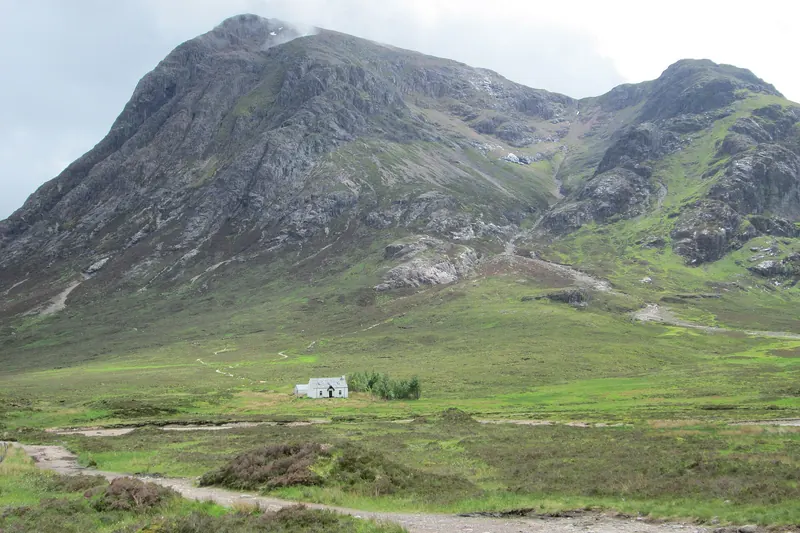
  1. The pyramid peak of Buachaille Etive Mòr above Glencoe

    Glencoe

    A dramatic glen of steep mountains and the site of the 1692 massacre of the MacDonald clan, its scenery — Buachaille Etive Mòr's pyramid peak above all — among the most photographed in Scotland.

    Tip The main road through the glen has several pull-offs for photographs — take them rather than trying to stop on the single-track sections.

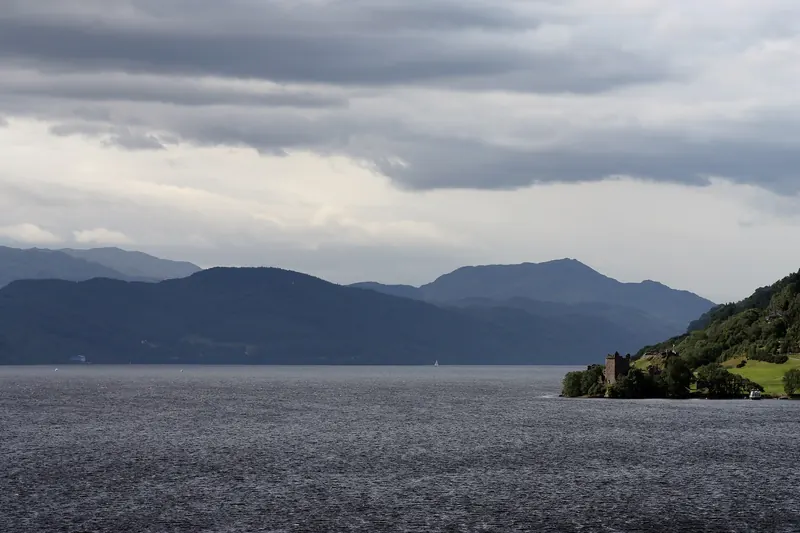
  2. Loch Ness with the ruins of Urquhart Castle on its shore

    Loch Ness

    Scotland's largest loch by volume, deep and dark enough to have sustained centuries of monster legend, with Urquhart Castle's ruins on its shore offering the classic photograph.

    Tip The castle side of the loch is more scenic than the busier road on the opposite shore — plan your route accordingly.

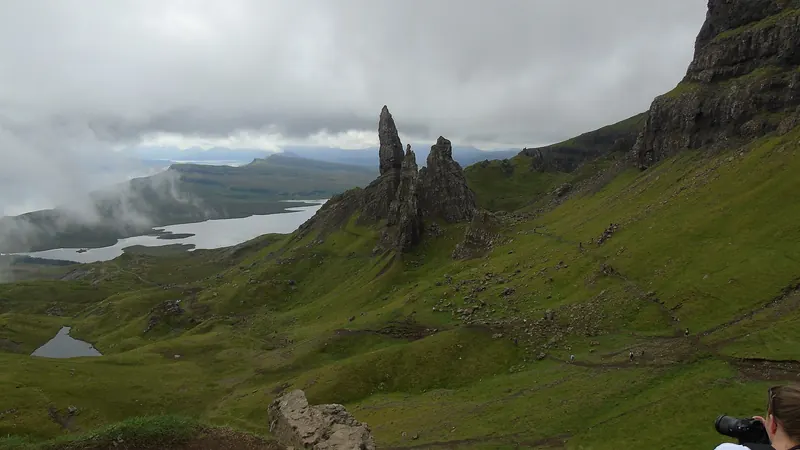
  3. The Old Man of Storr pinnacle seen from the surrounding landslip landscape

    The Old Man of Storr

    A jagged basalt pinnacle on the Isle of Skye, part of a wider landslip landscape, reached by a steep but rewarding hike with views back over the Sound of Raasay.

    Tip Start early — the car park is small and fills quickly, and the light is best in the first hours after sunrise.

  4. The folded, pinnacled terrain of the Quiraing on Skye's Trotternish peninsula

    The Quiraing

    A still-moving landslip on Skye's Trotternish peninsula, its pinnacles, hidden plateaus and folded terrain among the strangest landscapes in Britain, walkable via a spectacular circular trail.

    Tip The full loop takes two to three hours and involves some exposed sections — check conditions before setting off in poor weather.

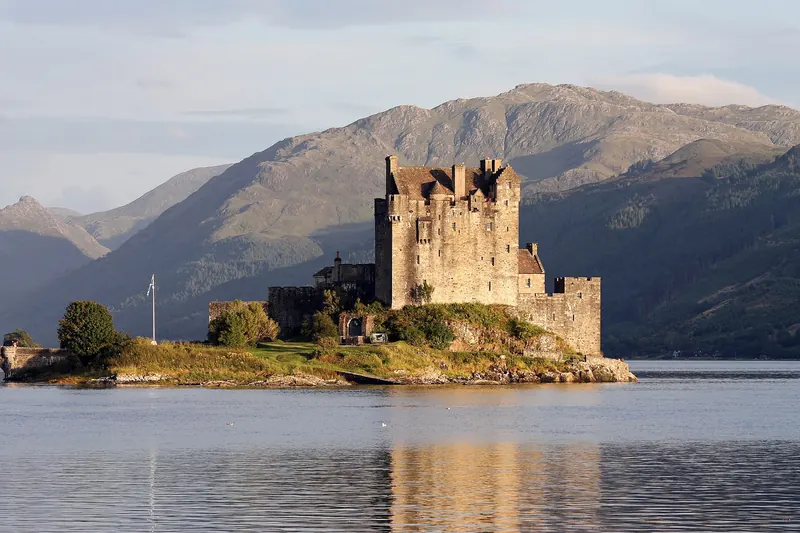
  5. Eilean Donan Castle on its small tidal island, joined to the shore by a stone footbridge

    Eilean Donan Castle

    One of Scotland's most photographed castles, set on a small tidal island where three sea lochs meet, connected to the mainland by a stone footbridge.

    Tip Arrive early or late in the day to photograph it without crowds — it is a popular stop on the main road to Skye.

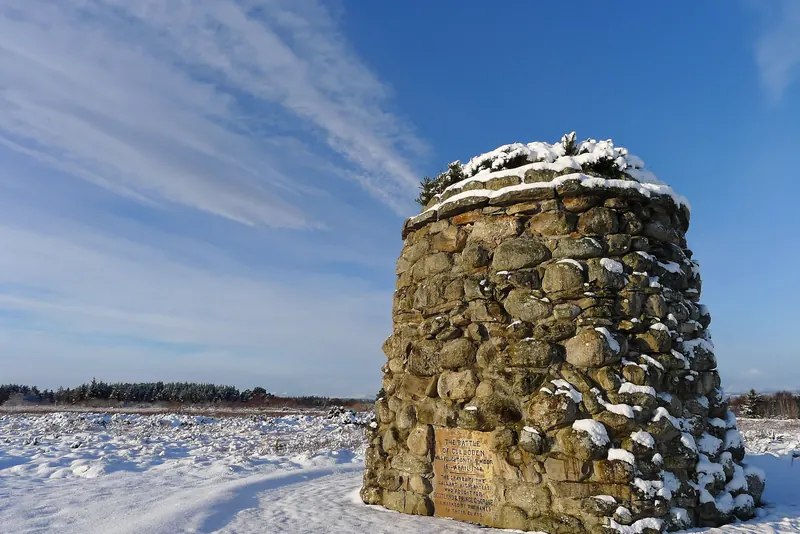
  6. The stone memorial cairn on the open moorland of Culloden Battlefield

    Culloden Battlefield

    The site of the final Jacobite defeat in 1746, preserved as open moorland with marked clan graves, and a moving, well-presented visitor centre that gives the battle real context.

    Tip Allow at least two hours, including the visitor centre — the battlefield itself is more powerful with the historical context fresh in mind.

Things to do

Best things to do in Scottish Highlands & Isle of Skye

This region rewards driving slowly, stopping often, and building genuine flexibility into any itinerary for the weather.

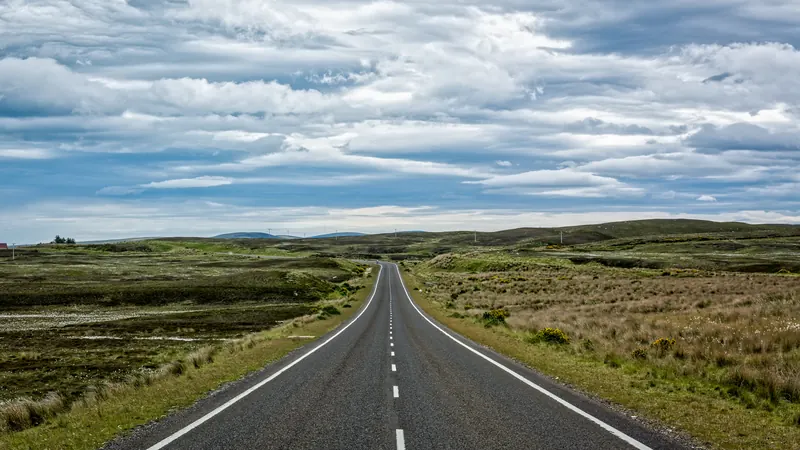
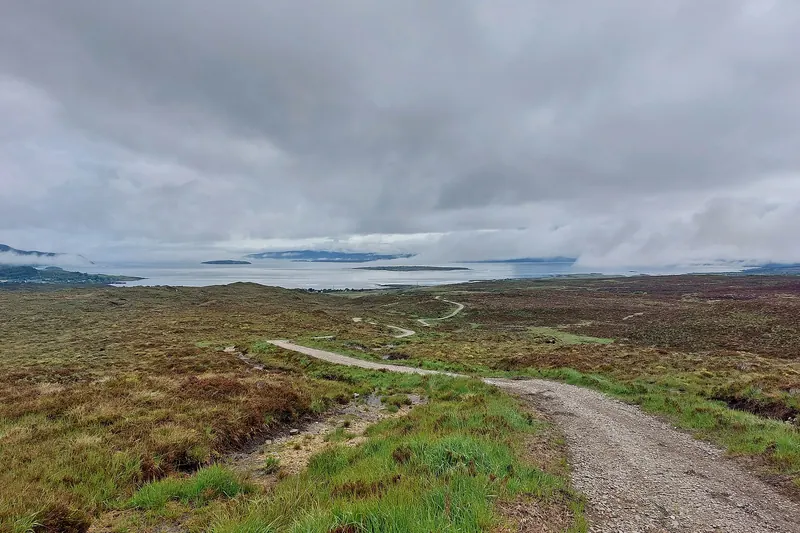
  1. An empty single-carriageway road across open Highland moorland

    Drive the North Coast 500 (or a section of it)

    A 516-mile scenic driving route looping the northern Highlands, doable in full over a week or sampled in a shorter section for a taste of the far north's coastline and emptiness.

    Tip Even a two- or three-day section of the NC500 gives a genuine sense of the route without the full week commitment.

  2. A hiking trail crossing open moorland on the Isle of Skye

    Hike the Quiraing or the Old Man of Storr

    Skye's two signature short hikes, both spectacular and achievable in a half-day each, though both involve real elevation and exposed sections.

    Tip Check the forecast specifically for Skye, which can differ significantly from the mainland even a short distance away.

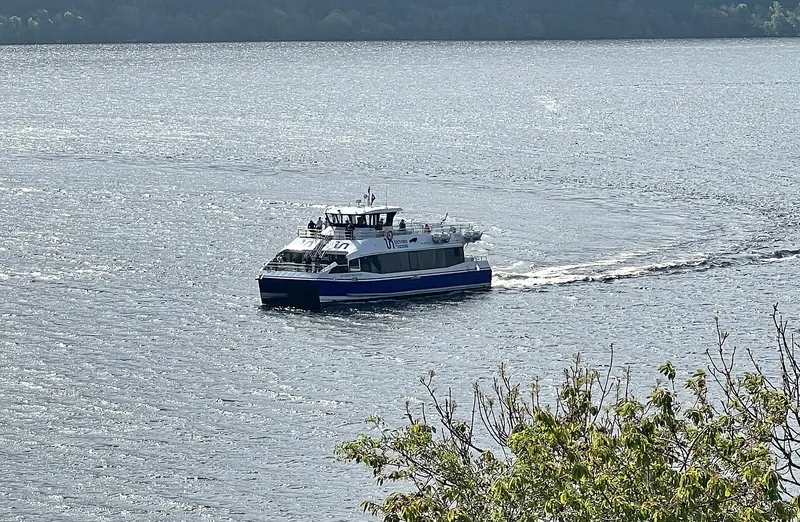
  3. A tour boat crossing the open water of Loch Ness

    Take a Loch Ness cruise

    Boat trips from Fort Augustus or Drumnadrochit give a different perspective on the loch's scale and depth, with sonar displays sometimes shown on board for the monster-curious.

    Tip Combine with Urquhart Castle, often included in the same trip or an easy add-on nearby.

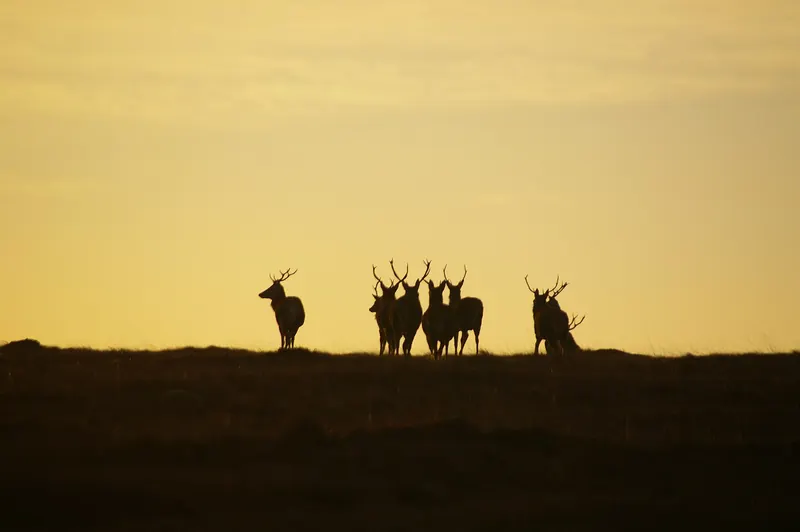
  4. A group of red deer stags silhouetted on a Highland moor at dawn

    Watch for wildlife

    Red deer are common across the Highlands, golden eagles soar over the glens, and boat trips from Skye's coast offer real chances of dolphins, porpoises and even minke whales.

    Tip Early morning and dusk are the best times for deer sightings, particularly around Glencoe and Glen Etive.

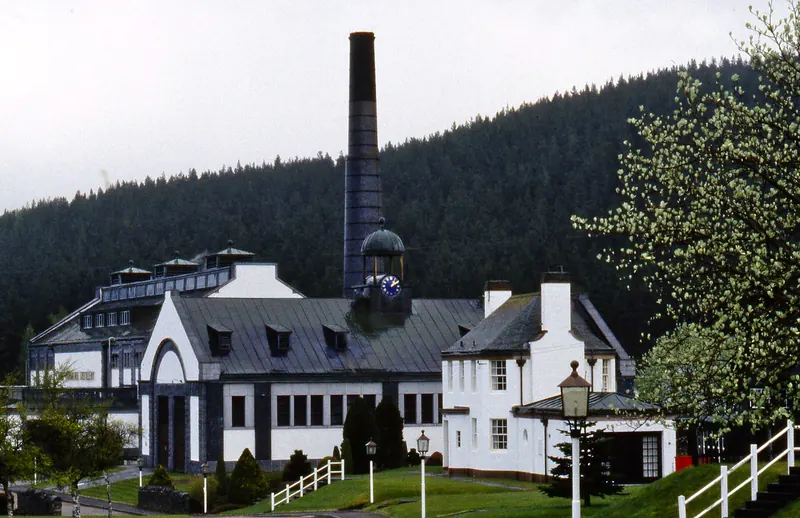
  5. A Speyside whisky distillery building with its tall chimney

    Visit a whisky distillery

    The Highlands and Speyside are two of Scotland's great whisky regions, with distillery tours explaining the process and, usually, ending in a tasting.

    Tip Book tours in advance in summer at the more famous distilleries, which can fill up considerably ahead.

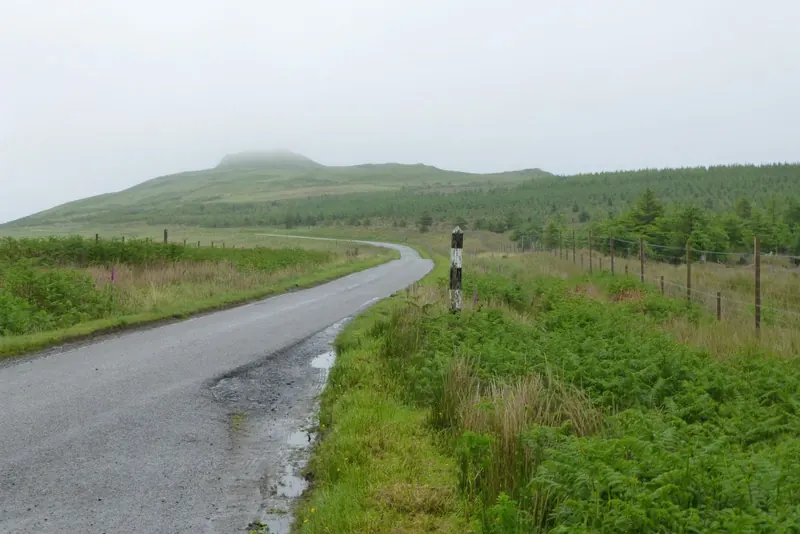
  6. A single-track Highland road with a passing-place marker post

    Learn the single-track road etiquette

    Much of the Highlands' and Skye's road network is single track with passing places — pulling in to let oncoming traffic through, and letting faster local traffic overtake, is genuine driving etiquette here.

    Tip Pull into a passing place on your left, or stop opposite one on your right, whichever comes first when you see oncoming traffic.

Local food

What to eat in Scottish Highlands & Isle of Skye

Highland food leans on game, seafood and the region's whisky, with excellent quality where the ingredients are this local.

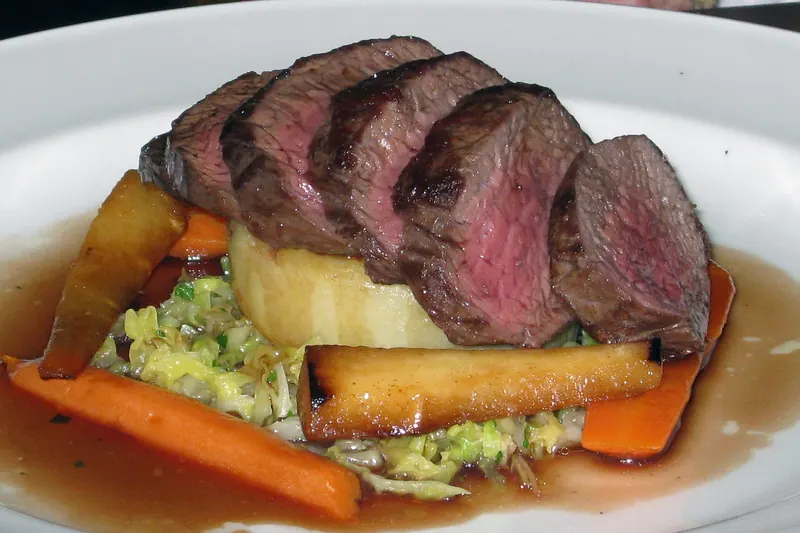
  • Sliced venison loin plated with roasted vegetables and gravy

    Venison

    Wild Highland venison, leaner and more strongly flavoured than farmed alternatives, appears on menus across the region as steaks, stews and sausages.

    Where to try it Highland restaurants and gastropubs, particularly through autumn and winter, the traditional venison season.

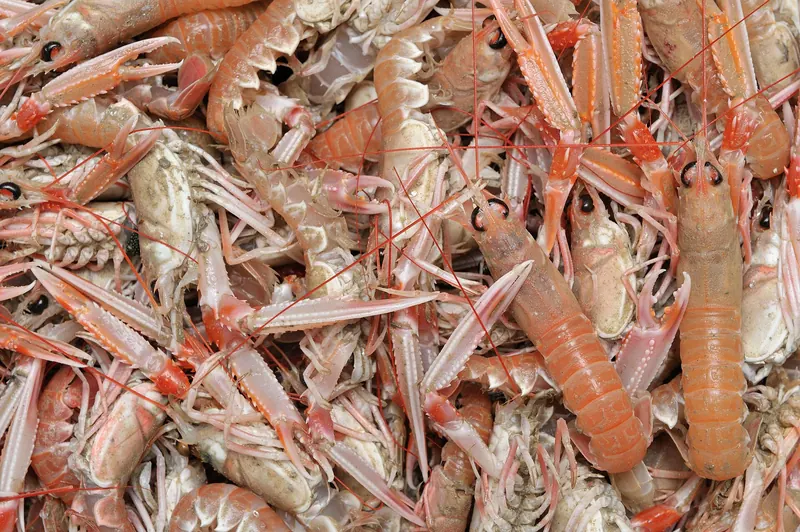
  • A pile of freshly caught langoustines

    Fresh seafood and langoustines

    The west coast and Skye's waters produce excellent seafood, langoustines especially, often served simply to let the quality speak for itself.

    Where to try it Coastal restaurants and seafood shacks around Skye's ports, particularly Portree.

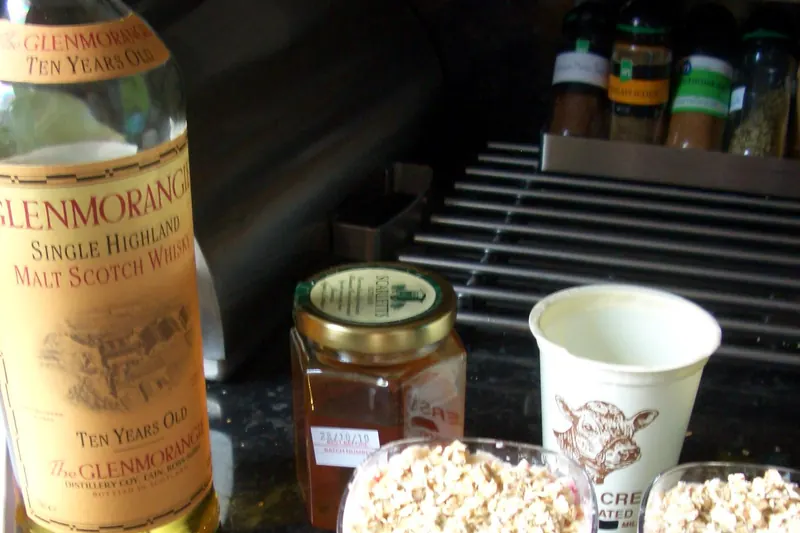
  • Glasses of cranachan layered with cream, raspberries and toasted oats

    Cranachan

    A traditional Scottish dessert of whipped cream, toasted oats, honey and raspberries, often with a splash of whisky, simple and good.

    Where to try it Traditional Highland restaurants and hotel dining rooms across the region.

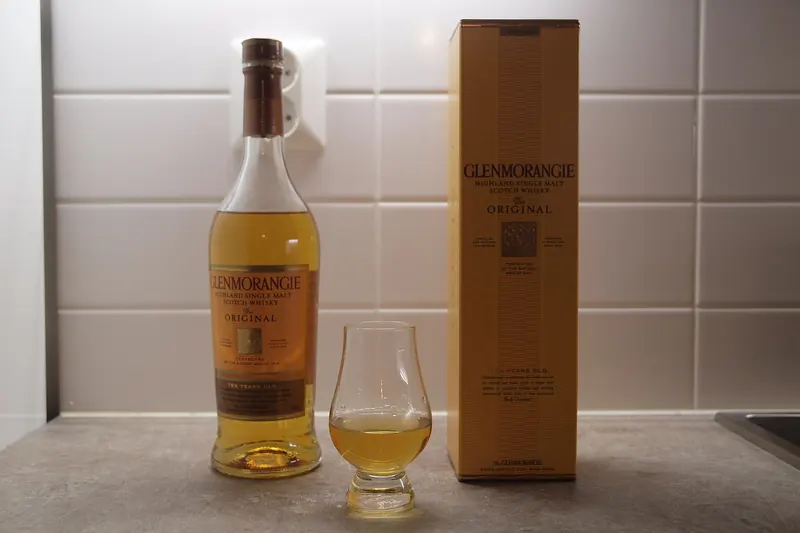
  • A bottle and dram of Highland single malt Scotch whisky

    Highland and Speyside whisky

    Two of Scotland's great whisky regions, producing single malts with a different character from Islay's smoky style — generally lighter, fruitier and more approachable.

    Where to try it Distillery tours across the Highlands and Speyside, many within a reasonable drive of a Highlands-based itinerary.

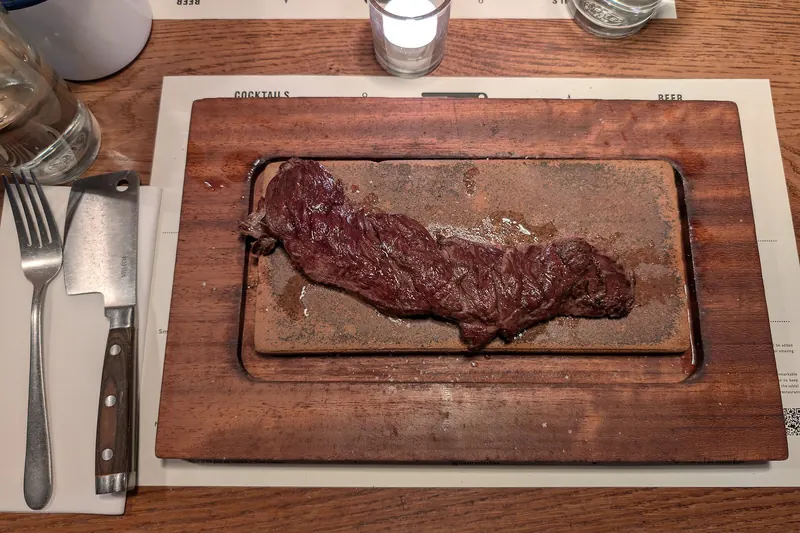
  • A cooked Scottish bavette steak served on a wooden board

    Scottish beef

    Highland cattle and other Scottish beef breeds, grass-fed on the region's hills, produce a well-regarded beef found on menus across the Highlands.

    Where to try it Traditional Highland hotels and restaurants, often featured as a signature Sunday roast or steak.

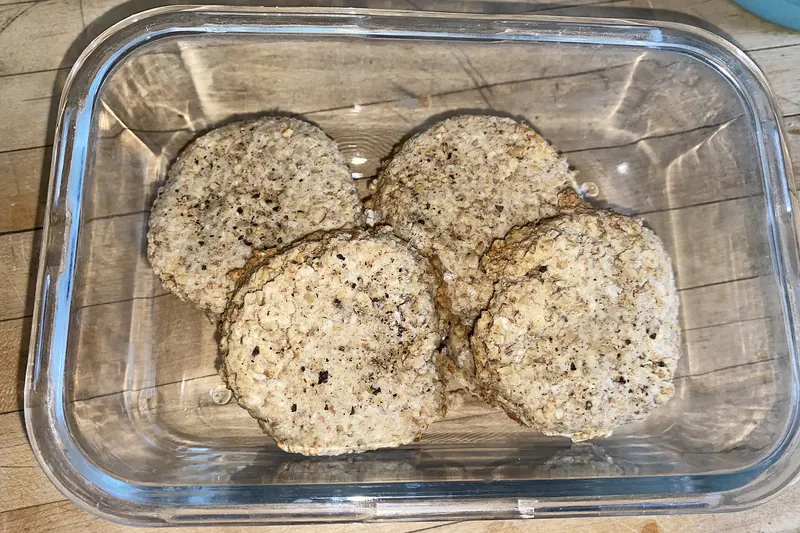
  • A batch of traditional Scottish oatcakes

    Oatcakes and Scottish baking

    Traditional oatcakes, served with cheese or jam, alongside the wider Scottish baking tradition of shortbread and tablet, found in tearooms across the region.

    Where to try it Village tearooms and bakeries throughout the Highlands and Skye.

Accommodation

Where to stay in Scottish Highlands & Isle of Skye

The scale of the region means basing yourself in two or three places, rather than one, generally works better than a single fixed base.

  • Fort William

    A practical base for Glencoe and Ben Nevis, with a reasonable range of accommodation and easy access to the road toward Skye.

    Best for: The southern Highlands and Glencoe

  • Inverness

    The Highlands' main town, with the widest range of accommodation and easy access to Loch Ness and Culloden Battlefield.

    Best for: Loch Ness and Culloden

  • Portree, Isle of Skye

    Skye's main town, a practical, colourful base for reaching the Old Man of Storr, the Quiraing and the island's other sights.

    Best for: Exploring Skye

What a night costs

Hostel dorm
£25–45 per night
Mid-range hotel or B&B
£90–170 per night
Car hire
£35–65 per day
Loch Ness cruise
£20–35

Transport

Getting to and around Scottish Highlands & Isle of Skye

Inverness is the Highlands' main transport hub, with Skye reached onward by road across the Skye Bridge.

Getting there

  • Inverness Airport (INV)

    The Highlands' main airport, with domestic connections to London and other UK cities, and some seasonal European routes.

    A hire car is essential from here onward — public transport does not adequately cover the region's key sights.

  • Rail from Edinburgh or Glasgow

    Trains connect Edinburgh to Inverness in about 3h30, and Glasgow to Fort William on the scenic West Highland Line.

    The West Highland Line is considered one of the world's great scenic rail journeys in its own right, crossing the Glenfinnan Viaduct.

  • Car hire

    Essential for exploring the Highlands and Skye properly — pick up in Inverness, Fort William or Glasgow.

    Book well ahead in summer, and choose a smaller car for easier passing on single-track roads.

Getting around

A car is close to essential in this region — public transport exists but does not reach many of the key sights with useful frequency.

  • Rental car

    The standard, near-essential way to see the Highlands and Skye, giving the flexibility single-track roads and scattered sights require.

    Fill up when you see a petrol station in rural areas — they can be sparse and some close early or on Sundays.

  • Single-track roads

    Common across the Highlands and much of Skye, requiring specific etiquette around passing places.

    Never park in a passing place — they exist for traffic to pass, not for photo stops or parking.

  • The Skye Bridge and ferries

    The bridge from the mainland to Skye is toll-free and the main route; the Mallaig to Armadale ferry offers a scenic, slower alternative in summer.

    Book the ferry ahead in peak season if travelling with a car.

  • Organised tours from Edinburgh or Inverness

    Multi-day bus tours cover the Highlands and Skye highlights for visitors without a car, a straightforward if less flexible option.

    A useful option if driving on unfamiliar single-track roads is not appealing.

When to go

Best time to visit Scottish Highlands & Isle of Skye

The Highlands and Skye have changeable weather in any season, which makes daylight hours and midges, as much as temperature, worth planning around.

  • Spring (April–June)

    Best time

    Increasingly long daylight, wildflowers on the machair, and — crucially — the midge season has not yet begun in earnest.

  • Summer (July–August)

    Shoulder

    The longest daylight hours and warmest weather, but also midge season at its worst in still, damp conditions, and the North Coast 500's busiest period.

  • Autumn (September–October)

    Best time

    Comfortable, midges largely gone, deer rutting season adds genuine wildlife spectacle, and the light across the glens is often spectacular.

  • Winter (November–March)

    Shoulder

    Short days and genuine cold, with snow on the higher peaks, but dramatically quiet and, for the well-prepared, striking — Glencoe under snow is a real sight.

Worth planning around: Still, warm, damp days in July and August, when midges — small biting insects — are at their most numerous, particularly at dawn and dusk near water.

Itinerary

Five days in the Highlands and Skye

Glencoe and Loch Ness on the way north, then three days properly exploring Skye — a pace that respects the region's distances.

  1. Day1

    Into Glencoe

    Arrive and see the glen at its dramatic best.

    • Morning Drive from Glasgow or Edinburgh into Glencoe.
    • Afternoon Walk part of the glen and photograph Buachaille Etive Mòr.
    • Evening Overnight in Fort William.
  2. Day2

    Loch Ness and Culloden

    North to Inverness via the loch.

    • Morning Loch Ness and Urquhart Castle.
    • Afternoon Culloden Battlefield.
    • Evening Overnight in Inverness.
  3. Day3

    To Skye

    Eilean Donan Castle on the way, then settle into Skye.

    • Morning Drive west, stopping at Eilean Donan Castle.
    • Afternoon Cross the Skye Bridge and settle into Portree.
    • Evening Dinner in Portree.
  4. Day4

    The Old Man of Storr and the Quiraing

    Skye's two signature hikes.

    • Morning The Old Man of Storr at opening.
    • Afternoon The Quiraing's circular walk.
    • Evening Fresh seafood in Portree.
  5. Day5

    Skye's coast and departure

    A final look at the island, then head back south.

    • Morning A slower morning around Skye's coast or a whisky distillery visit.
    • Afternoon Begin the drive south, or fly out from Inverness.
    • Evening Depart.

Travel tips

Scottish Highlands & Isle of Skye travel tips

Region-specific practicalities, mostly about driving, weather and the genuine remoteness of parts of this route.

  • Learn single-track road etiquette before setting off — pull into passing places to let oncoming traffic through, never park in one.
  • Check the specific Skye forecast, which can differ significantly from the mainland even a short distance away, before committing to a hiking day.
  • Fill up with petrol when you see a station in rural areas — they can be sparse, and some close early or on Sundays.
  • Pack for midges in summer — repellent and a head net make a real difference on still, damp evenings near water.
  • Book Skye accommodation well ahead in summer — the island's capacity is limited relative to demand.
  • Give yourself more driving time than a map suggests — single-track roads and scenic stops both slow progress considerably.
  • Start hikes like the Old Man of Storr and the Quiraing early — small car parks fill quickly and the light is best in the morning.

FAQ

Scottish Highlands & Isle of Skye: frequently asked questions

How many days do you need for the Highlands and Skye?

Five to seven. Two days for Glencoe, Loch Ness and Culloden on the way north, and three or more for Skye itself, which rewards unhurried exploration. A rushed three-day loop is possible but sacrifices most of what makes this region worth the distance.

Do I need a car?

Yes. Public transport exists but does not adequately reach the key sights — the Old Man of Storr, the Quiraing, Glencoe's best viewpoints — with useful frequency. A hire car is close to essential for this region.

What is the best time of year to visit?

May to June and September. Both offer good daylight and manageable midges. Summer brings the longest days but also the worst midges and busiest roads; autumn adds the deer rut and often spectacular light; winter is quiet and can be strikingly beautiful but comes with short days and real cold.

What are midges and how bad are they really?

Tiny biting insects, most active in still, humid conditions from roughly June to September, worst at dawn and dusk near water or dense vegetation. They are a genuine nuisance rather than dangerous, and repellent plus avoiding peak times makes them manageable rather than trip-ruining.

Should I do the full North Coast 500?

Only if you have a full week or more dedicated to it. A shorter two- or three-day section gives a genuine taste of the route's remote coastline without the full week's commitment, and pairs well with the Glencoe-to-Skye itinerary on this page.

Read next

Related travel articles

Practical

Packing by Season and Trip Type

Most packing advice is a list of things. This is the opposite: the small number of decisions that determine whether your luggage helps or hinders, organised by the kind of trip you are actually taking.

Transport

Getting Around Europe by Train

European rail is excellent and confusing — six national operators, three completely different pricing models, and a rail pass that is either a bargain or a waste depending on where you are going. Here is how to work out which.

Advertisement