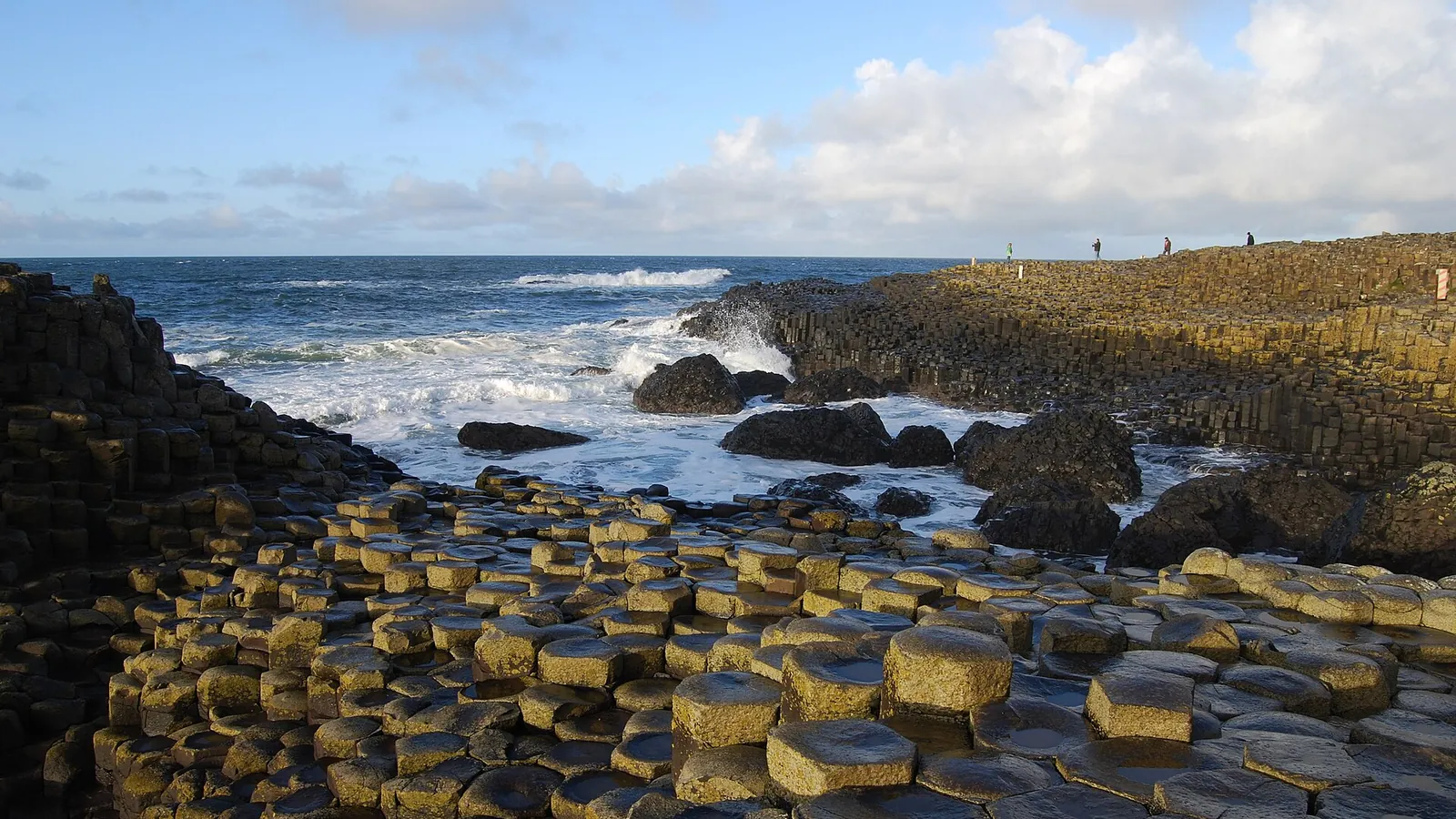
The hexagonal basalt columns of the Giant's Causeway meeting the sea

Northern Ireland · United Kingdom

Belfast & the Giant's Causeway

A city rebuilding itself around an honest reckoning with its past, paired with a coastline of basalt columns so geometrically strange that legend was the only explanation that made sense for centuries.

  • Best time May–June and September
  • Stay 3–4 days
  • Good for History, coastal scenery, culture, road trips

Photo: Chmee2 · CC BY 3.0

Welcome to Belfast & the Giant's Causeway

Belfast has changed faster than almost any city in Britain or Ireland over the past two decades, moving from a place defined internationally by the Troubles to one increasingly known for its Titanic-building history, its food scene, and a directness about its own past that few cities manage. The peace walls and political murals remain, but they are now presented as history to understand rather than as an ongoing story.

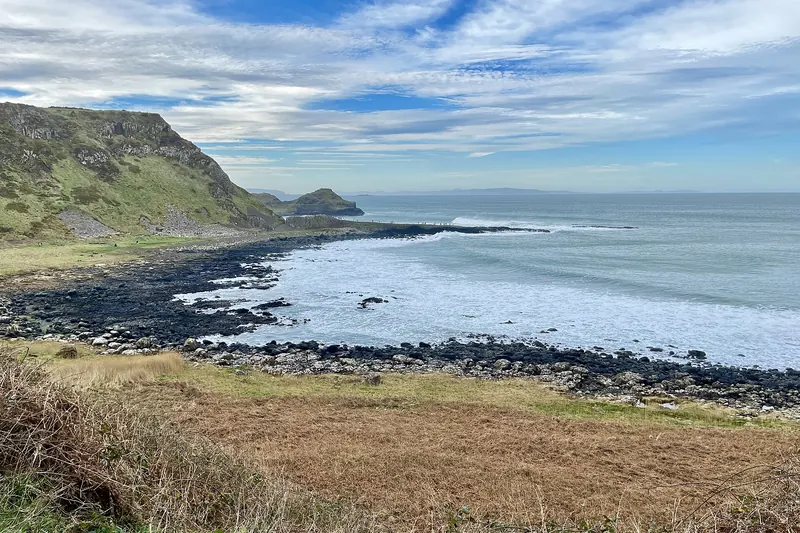
North of the city, the Causeway Coastal Route ranks among the world's great coastal drives, a couple of hours of clifftop road connecting Carrickfergus Castle, the vertigo-inducing Carrick-a-Rede rope bridge, Dunluce Castle's ruins, and the geological strangeness of the Giant's Causeway itself.

The Causeway's basalt columns — hexagonal, tightly packed, stepping down into the sea — formed from cooling volcanic lava around 60 million years ago, though local legend credits the giant Finn McCool, who supposedly built the causeway to reach a rival giant in Scotland, and the Scottish side of the same basalt formation, on the Isle of Staffa, lends the story a strange geological credibility.

  • Historic Site
  • Coast & Beaches
  • Culture

Why visit

Why visit Belfast & the Giant's Causeway?

Belfast and the Causeway Coast's case is that nowhere else combines a honest urban history lesson with one of the world's most dramatic coastal drives so close together.

  • Belfast's history is presented with real honesty

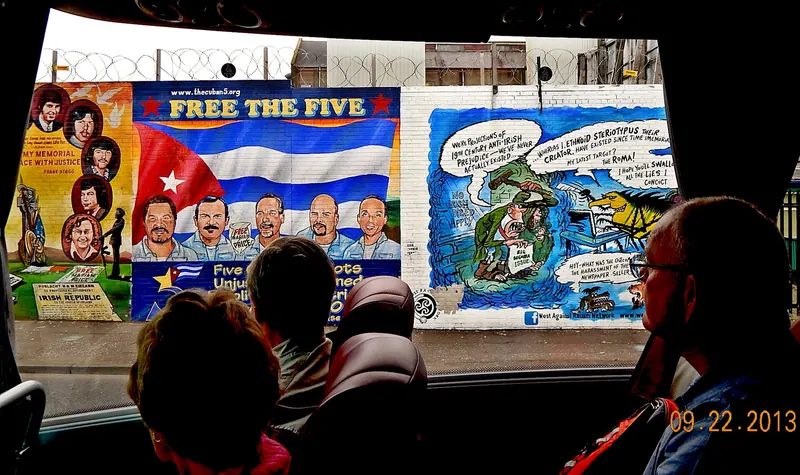
    Black cab tours and mural walks address the Troubles directly rather than glossing over them, a valuable way to understand recent history.

  • The Titanic story is told at its source

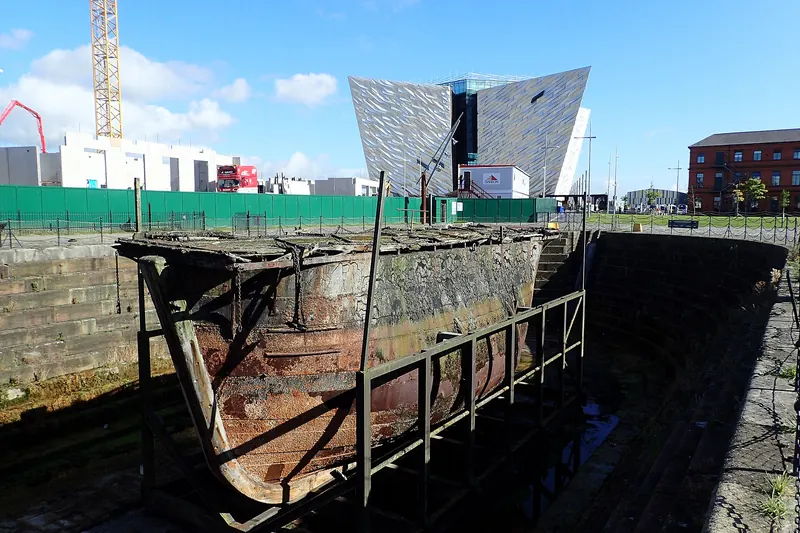
    The ship was built in Belfast, and the Titanic Quarter museum sits on the actual shipyard site where it was constructed.

  • The Giant's Causeway is unlike anywhere else

    40,000 near-perfect hexagonal columns form a landscape that looks engineered rather than natural.

  • The Causeway Coastal Route is a world-class drive

    Castles, rope bridges and cliff scenery come in fast succession along a spectacular couple of hours of road.

  • Belfast's food and pub scene is a real, current strength

    A younger, increasingly confident food culture sits alongside the city's traditional pubs and live music tradition.

Main attractions

Top things to see in Belfast & the Giant's Causeway

A mix of Belfast's core sights and the coastal landmarks strung along the road north, best split across a city day and a Causeway Coast day.

  1. The angular exterior of the Titanic Belfast museum

    Titanic Belfast

    A striking angular museum on the site of the shipyard where the Titanic was built, telling the ship's construction and sinking story in genuine, well-presented depth.

    Tip Allow at least two to three hours — the museum is considerably larger and more detailed than a quick visit allows for.

  2. Close-up of the hexagonal basalt columns at the Giant's Causeway

    The Giant's Causeway

    40,000 interlocking hexagonal basalt columns stepping from the cliffs into the Atlantic, formed by ancient volcanic activity and wrapped in local legend.

    Tip Walk down to the stones themselves rather than only viewing from the clifftop path — the close-up geometry is the real payoff.

  3. Large-scale political murals along Belfast's International Wall

    Belfast's political murals

    Large-scale murals along the Falls and Shankill Roads document the Troubles and its aftermath, powerful and essential context for the city's recent history.

    Tip A black cab tour with a local driver, often someone who lived through the period, gives far more context than walking alone.

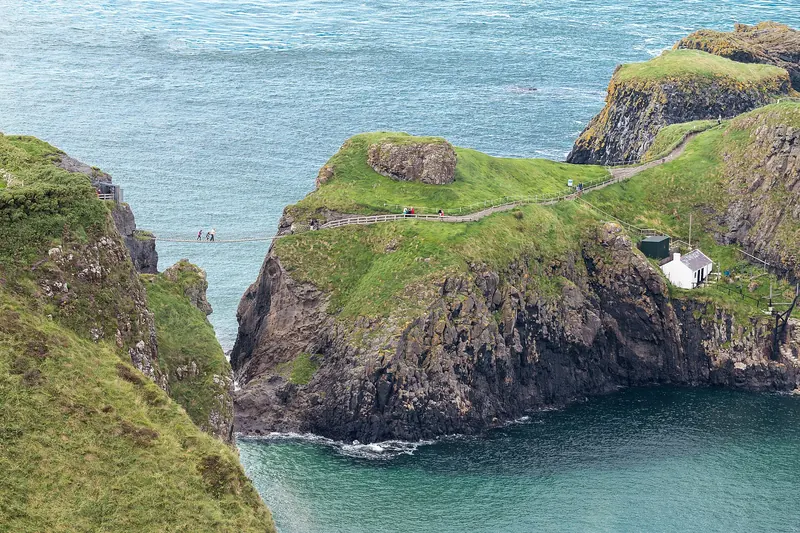
  4. The Carrick-a-Rede rope bridge suspended above the sea

    Carrick-a-Rede Rope Bridge

    A rope bridge swaying 30 metres above the sea, connecting the mainland to a small island once used by salmon fishermen, now a thrilling short crossing.

    Tip Book timed tickets in advance — the bridge has limited capacity and sells out on busy days.

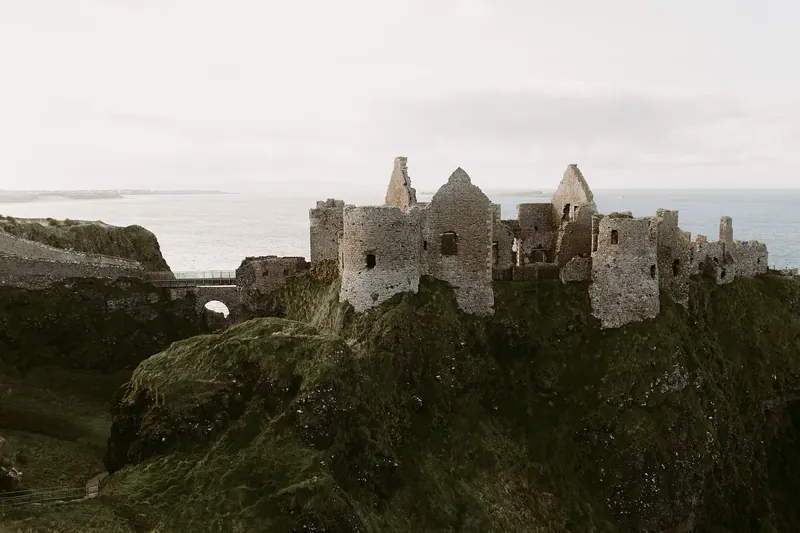
  5. The ruins of Dunluce Castle perched on its cliff edge

    Dunluce Castle

    Dramatic ruins perched on a cliff edge above the sea, once a Scottish clan stronghold, said to have partly inspired Cair Paravel in the Narnia books.

    Tip The castle is best photographed from the small car park just west of the site, with the ruins framed against the coastline.

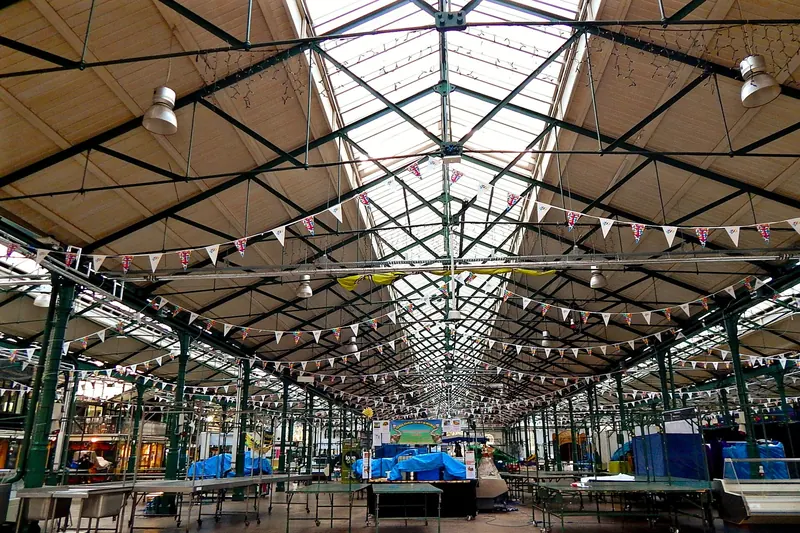
  6. Stalls inside Belfast's Victorian St George's Market

    St George's Market, Belfast

    A Victorian covered market held on weekends, popular with locals, mixing food stalls, local produce and live music in a beautiful historic building.

    Tip Arrive hungry — the food stalls alone justify a visit, alongside the crafts and produce.

Things to do

Best things to do in Belfast & the Giant's Causeway

Beyond the headline sights, this region rewards both a serious engagement with Belfast's history and simple enjoyment of the coast.

  1. Take a black cab political tour

    Local drivers, often with personal experience of the Troubles, give powerful context to the murals and peace walls, a uniquely Belfast experience.

    Tip Choose a driver willing to discuss their own experience directly — it makes a real difference to the tour's depth.

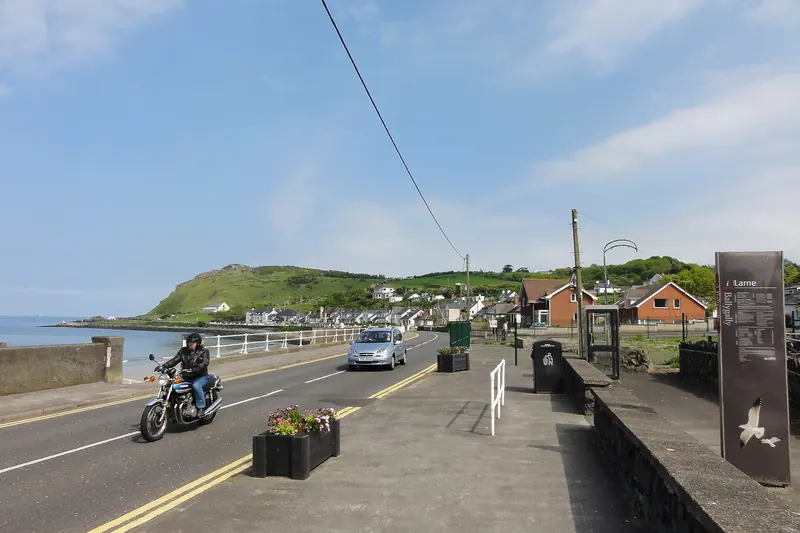
  2. The Antrim Coast Road running along the sea front

    Drive the Causeway Coastal Route

    A world-class coastal drive linking Belfast to the Causeway via castles, cliffs and beaches, rewarding a full, unhurried day.

    Tip Start early to allow stops at Carrickfergus Castle, Carrick-a-Rede and Dunluce without feeling rushed before reaching the Causeway.

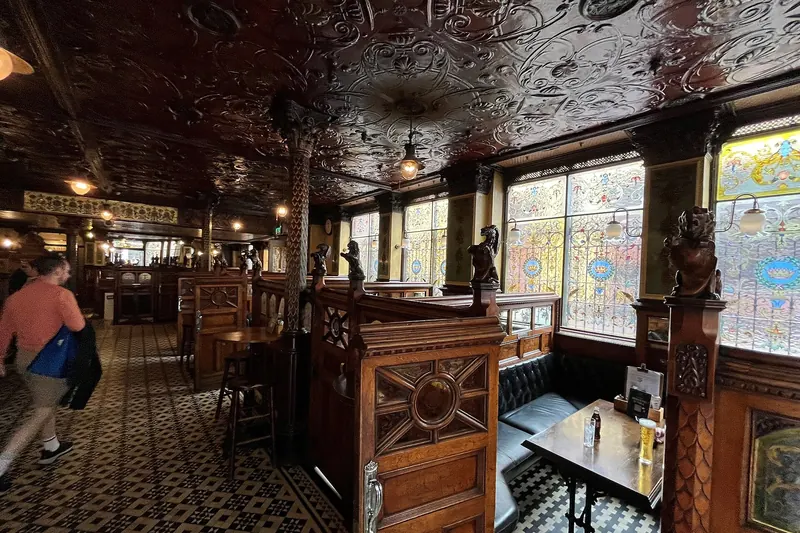
  3. The ornate Victorian interior of the Crown Liquor Saloon

    Visit a traditional Belfast pub

    The Crown Liquor Saloon and the Duke of York, among others, offer genuine Victorian and traditional atmosphere alongside live traditional music.

    Tip The Crown Liquor Saloon's ornate Victorian interior is worth a visit even for non-drinkers.

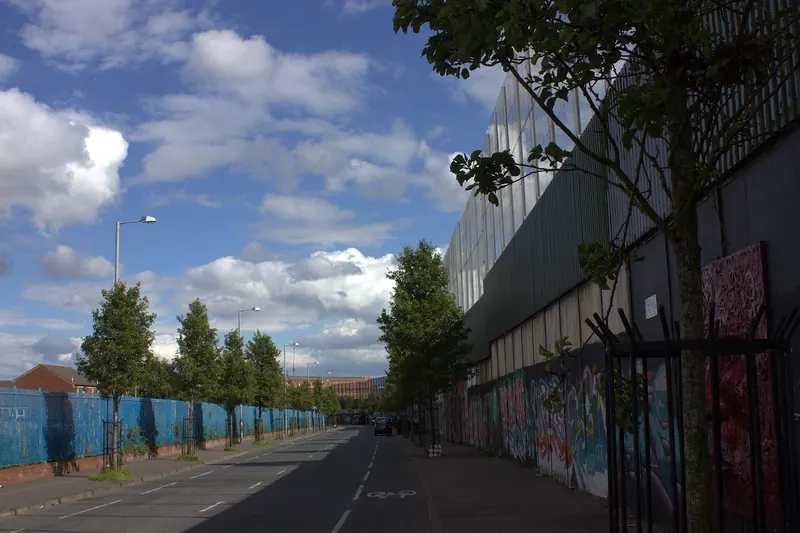
  4. The peace line wall along Cupar Way in Belfast

    Walk the Peace Walls

    Still-standing barriers between Belfast's Catholic and Protestant neighbourhoods, sobering to see in person and a real marker of how recently the Troubles ended.

    Tip Best visited as part of a guided tour, which provides context a solo walk cannot.

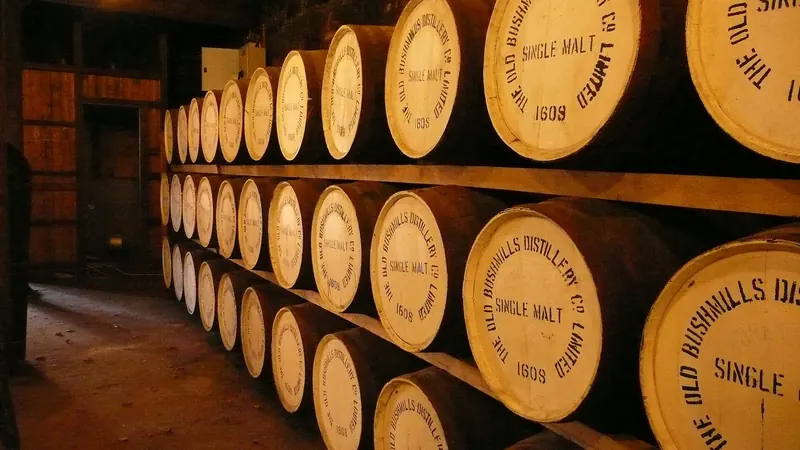
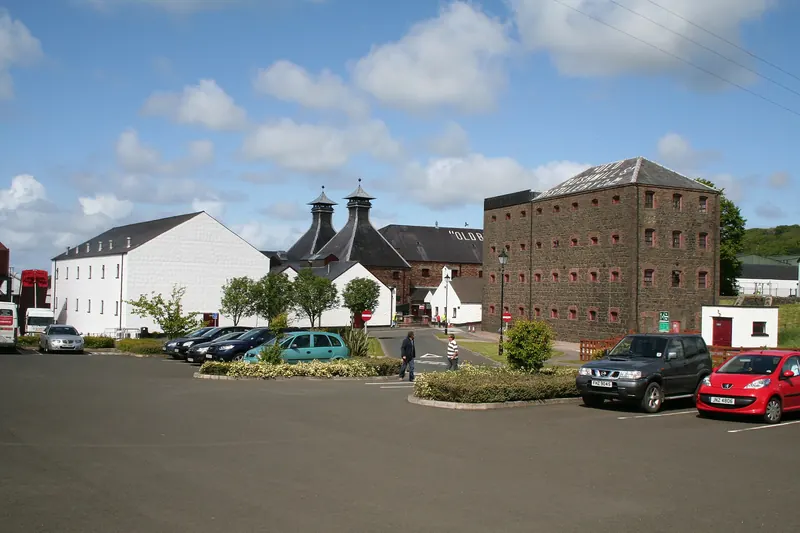
  5. The Old Bushmills Distillery near the Causeway Coast

    Sample Northern Irish whiskey

    The Bushmills Distillery, near the Causeway, claims to be the world's oldest licensed whiskey distillery, with tours and tastings a natural pairing with a Causeway Coast day.

    Tip Book the distillery tour alongside your Causeway visit — they sit only a few minutes apart.

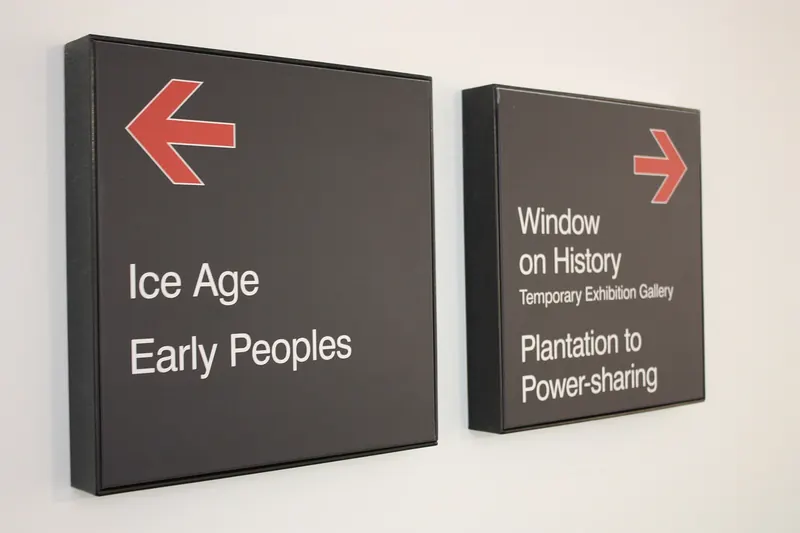
  6. The Ulster Museum building in Belfast

    Visit the Ulster Museum

    A free, strong museum covering Northern Ireland's natural history, art and Troubles-era history in one well-presented building.

    Tip The Troubles and Beyond gallery gives valuable additional context to complement a mural tour.

Local food

What to eat in Belfast & the Giant's Causeway

Northern Irish food leans on hearty, honest cooking, with Belfast's food scene increasingly confident alongside long-standing traditions.

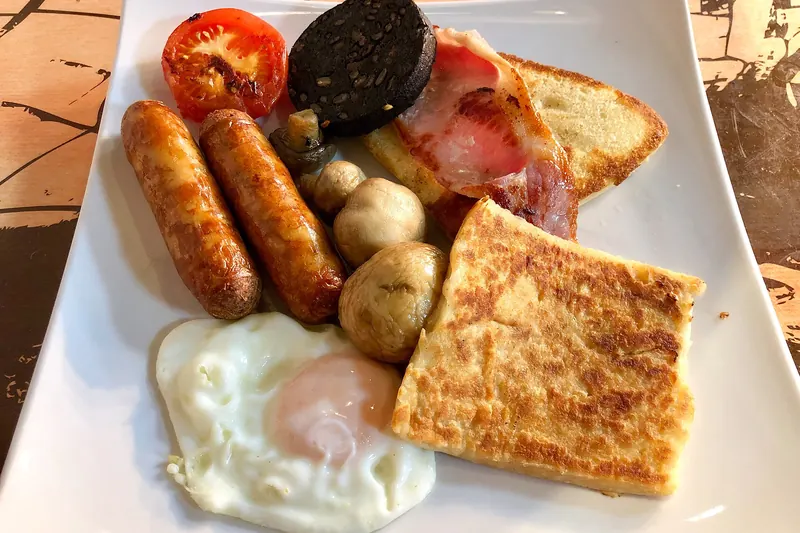
  • A full Ulster fry breakfast

    Ulster fry

    A substantial breakfast of bacon, sausage, egg, soda bread, potato bread and black pudding, a genuine regional variation on the full breakfast.

    Where to try it Cafes across Belfast and Northern Ireland, particularly popular as a weekend breakfast.

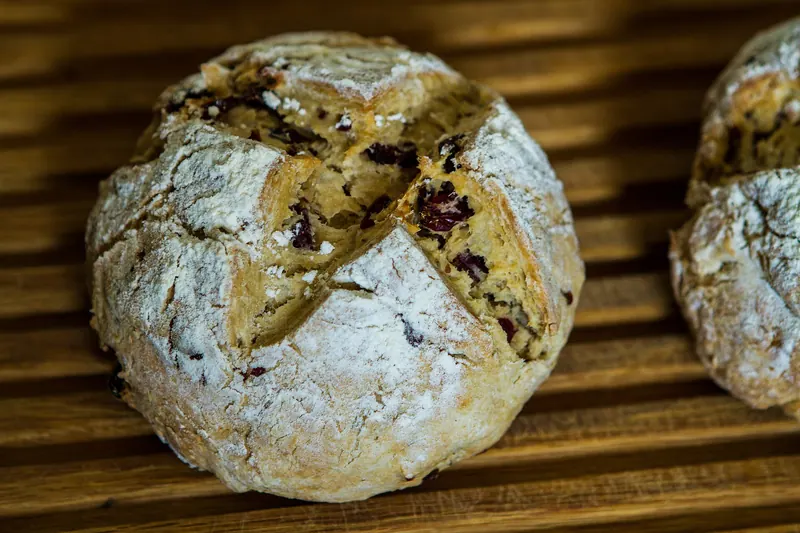
  • A loaf of traditional soda bread

    Soda bread and potato bread

    Traditional griddle breads, central to Northern Irish cooking, served alongside meals or simply with butter.

    Where to try it Bakeries and cafes throughout the region, and a staple of the Ulster fry.

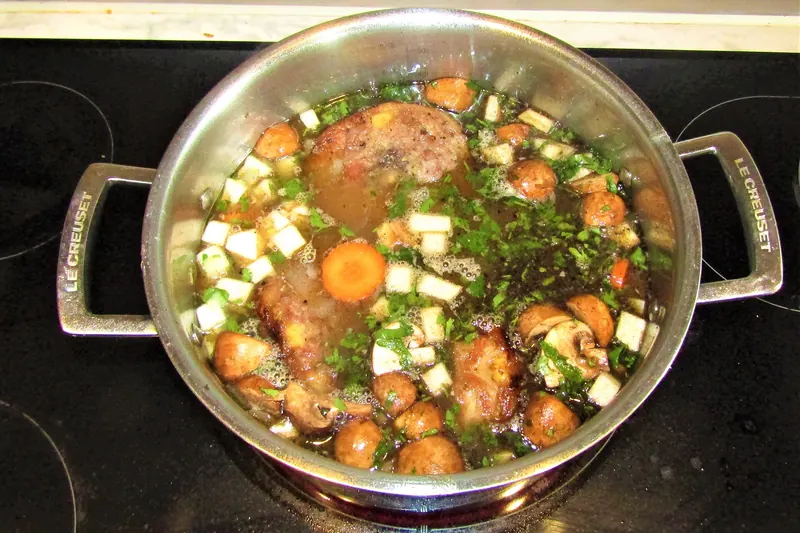
  • A pot of traditional Irish stew

    Irish stew

    A hearty, traditional stew of lamb or mutton with potatoes and root vegetables, genuine comfort food found on menus across Belfast.

    Where to try it Traditional pubs throughout Belfast and Northern Ireland.

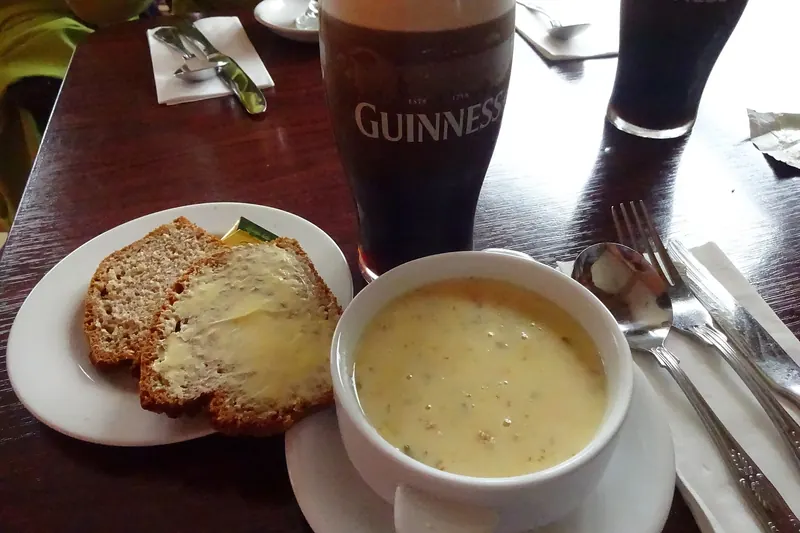
  • A bowl of seafood chowder with bread

    Fresh seafood from the Causeway Coast

    The north coast's waters produce excellent seafood, with local mussels, oysters and fish featuring on coastal restaurant menus.

    Where to try it Restaurants along the Causeway Coastal Route, particularly around Portrush and Ballycastle.

  • The Old Bushmills Distillery, maker of Bushmills whiskey

    Bushmills whiskey

    Produced at the world's oldest licensed distillery near the Causeway, Bushmills is a genuine point of Northern Irish pride, distinct in character from Scotch.

    Where to try it The Old Bushmills Distillery itself, and pubs throughout Northern Ireland.

  • Yellowman and Belfast dulse

    Traditional Ulster treats — a hard, honeycomb-textured toffee and dried, edible seaweed — distinctive local specialities with real history behind them.

    Where to try it Traditional sweet shops and markets, particularly around the Ould Lammas Fair in Ballycastle.

Accommodation

Where to stay in Belfast & the Giant's Causeway

Belfast is the practical base for most of a trip, with the Causeway Coast reachable as a long day trip or a one-night detour.

  • Belfast city centre

    The most convenient base, with a wide range of accommodation and easy access to the Cathedral Quarter's restaurants and pubs.

    Best for: Walking to Titanic Belfast and the main sights

  • The Cathedral Quarter

    Belfast's liveliest area for bars, restaurants and live music, central and walkable.

    Best for: Nightlife and dining

  • Portrush or Bushmills

    Small coastal towns well placed for the Causeway, Carrick-a-Rede and Dunluce without needing to return to Belfast the same day.

    Best for: An overnight on the Causeway Coast

What a night costs

Hostel dorm
£20–35 per night
Mid-range hotel or B&B
£75–140 per night
Titanic Belfast entry
£19–24
Black cab tour
£10–15 per person

Transport

Getting to and around Belfast & the Giant's Causeway

Belfast has two airports, and the city is well connected to the rest of Ireland and Britain by rail and ferry.

Getting there

  • Belfast International or George Best City Airport

    Belfast International handles most international and low-cost routes; George Best City Airport is more central and convenient for UK domestic flights.

    George Best City Airport sits close enough to the centre for a short taxi ride.

  • Rail or bus from Dublin

    Direct trains and buses connect Dublin to Belfast in around two hours, a practical option for combining both cities.

    The Enterprise train service is the most comfortable direct option.

  • Ferry from Scotland

    Ferries connect Belfast and Larne to Cairnryan in Scotland, a practical option for those touring both Britain and Ireland by car.

    The crossing takes around two hours and carries vehicles.

Getting around

Belfast's centre is walkable, but a car is useful for the Causeway Coastal Route north of the city.

  • On foot, in central Belfast

    The city centre, Titanic Quarter and Cathedral Quarter are all comfortably walkable from most central accommodation.

    The murals on the Falls and Shankill Roads sit further out and are best reached by tour or taxi.

  • Rental car

    The most practical way to drive the Causeway Coastal Route at your own pace, stopping freely at castles and viewpoints.

    Roads are generally good throughout, though single-track sections appear near some coastal attractions.

  • Organised Causeway Coast tours

    Day tours run from Belfast covering the Causeway, Carrick-a-Rede and Dunluce for those without a car.

    A practical, if less flexible, alternative to driving the route independently.

When to go

Best time to visit Belfast & the Giant's Causeway

The Causeway Coast's weather is changeable in any season, making daylight hours and crowd levels the more reliable planning factors.

  • Spring (April–June)

    Best time

    Mild weather, lengthening daylight, and crowds at the Causeway well below the summer peak.

  • Summer (July–August)

    Shoulder

    The busiest months, with the Causeway and Carrick-a-Rede crowded, though the longest daylight for the coastal drive.

  • Autumn (September–October)

    Best time

    Comfortable temperatures, thinning crowds, and often dramatic Atlantic light along the coast.

  • Winter (November–March)

    Shoulder

    Quiet and atmospheric, with dramatic storm-watching at the Causeway, though shorter days limit driving time.

Worth planning around: July's Twelfth of July period, when parades and associated events can affect traffic and accommodation in parts of Belfast.

Itinerary

Four days in Belfast and the Causeway Coast

Belfast's history and culture first, then a full day on the Causeway Coastal Route.

  1. Day1

    Titanic Belfast and the city centre

    Belfast's defining museum and central sights.

    • Morning Titanic Belfast and the Titanic Quarter.
    • Afternoon St George's Market or the city centre and Cathedral Quarter.
    • Evening Dinner and live music in the Cathedral Quarter.
  2. Day2

    Murals and Troubles history

    A serious, honest look at Belfast's recent past.

    • Morning A black cab political tour of the Falls and Shankill Roads.
    • Afternoon The Ulster Museum.
    • Evening A traditional pub, such as the Crown Liquor Saloon.
  3. Day3

    The Causeway Coastal Route

    Castles, a rope bridge and the Causeway itself.

    • Morning Drive north via Carrickfergus Castle.
    • Afternoon Carrick-a-Rede Rope Bridge, then Dunluce Castle.
    • Evening The Giant's Causeway at golden hour, overnight in Portrush or Bushmills.
  4. Day4

    Bushmills and return

    A whiskey tour before heading back to Belfast.

    • Morning The Old Bushmills Distillery tour.
    • Afternoon Drive back to Belfast, or onward to your next stop.
    • Evening Depart.

Travel tips

Belfast & the Giant's Causeway travel tips

Practical notes on tours, booking and timing that make a real difference to this trip.

  • Book a black cab or guided mural tour rather than walking the Falls and Shankill Roads alone, for context and for practical reasons.
  • Book Carrick-a-Rede tickets online in advance — the bridge has limited daily capacity and sells out on busy days.
  • Allow a full day for the Causeway Coastal Route rather than rushing it as a half-day trip from Belfast.
  • Visit the Giant's Causeway early morning or late in the day for both better light and thinner crowds.
  • Combine Bushmills Distillery with your Causeway visit — the two sit only minutes apart by car.
  • Check for parades or events around the Twelfth of July, which can affect traffic and accommodation in parts of Belfast.
  • Pack for genuine weather changes — the Causeway Coast is exposed and conditions shift quickly.

FAQ

Belfast & the Giant's Causeway: frequently asked questions

How many days do you need for Belfast and the Causeway Coast?

Three to four. Two full days cover Belfast's essential sights and history; a further day or two allows a proper, unhurried drive along the Causeway Coastal Route.

Is Belfast safe to visit?

Yes, so — Belfast is a safe, welcoming city for visitors. The political history remains visible in murals and peace walls, but day-to-day life is calm, and most areas visitors see present no particular concern.

Do I need a car for the Giant's Causeway?

Not strictly — organised day tours run from Belfast — but a rental car gives far more flexibility to stop at Carrickfergus, Carrick-a-Rede and Dunluce along the way rather than following a fixed tour schedule.

What is the best time of year to visit?

May to June and September offer the best balance of decent weather, long daylight and manageable crowds. Summer is busiest at the Causeway; winter is quiet but with shorter days for the coastal drive.

Is a black cab tour worth it?

Yes — a local driver's personal context on the murals and Troubles-era history adds far more depth than walking the same streets alone with a guidebook.

Read next

Related travel articles

Practical

Packing by Season and Trip Type

Most packing advice is a list of things. This is the opposite: the small number of decisions that determine whether your luggage helps or hinders, organised by the kind of trip you are actually taking.

Planning

Planning Your First Trip to Europe

Most first European trips go wrong in the same three ways: too many cities, too little time in each, and a route shaped by a cheap flight rather than by geography. Here is how to avoid all three.

Advertisement