Welcome to York
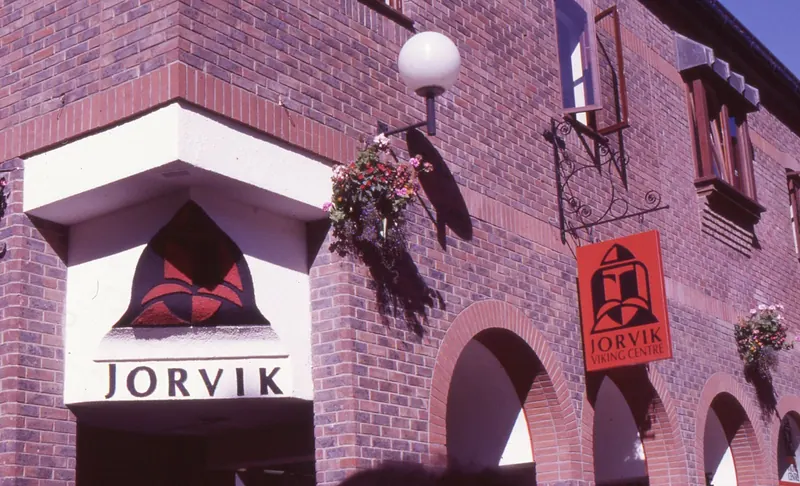
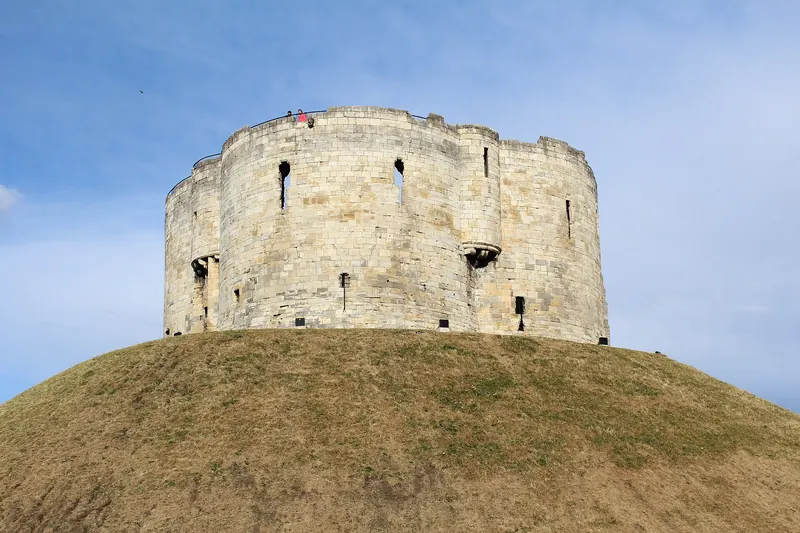
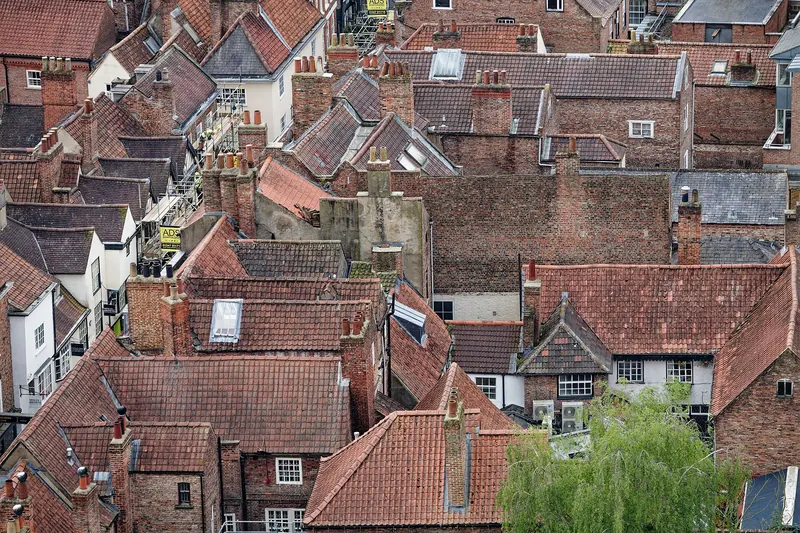
York has been continuously important for nearly two thousand years, first as the Roman legionary fortress of Eboracum, then as the Viking trading city of Jorvik, then as medieval England's second city and seat of an archbishop who still ranks second only to Canterbury. Almost none of that history has been demolished to make way for the next layer — it has simply been built over, excavated, or left standing alongside whatever came next.
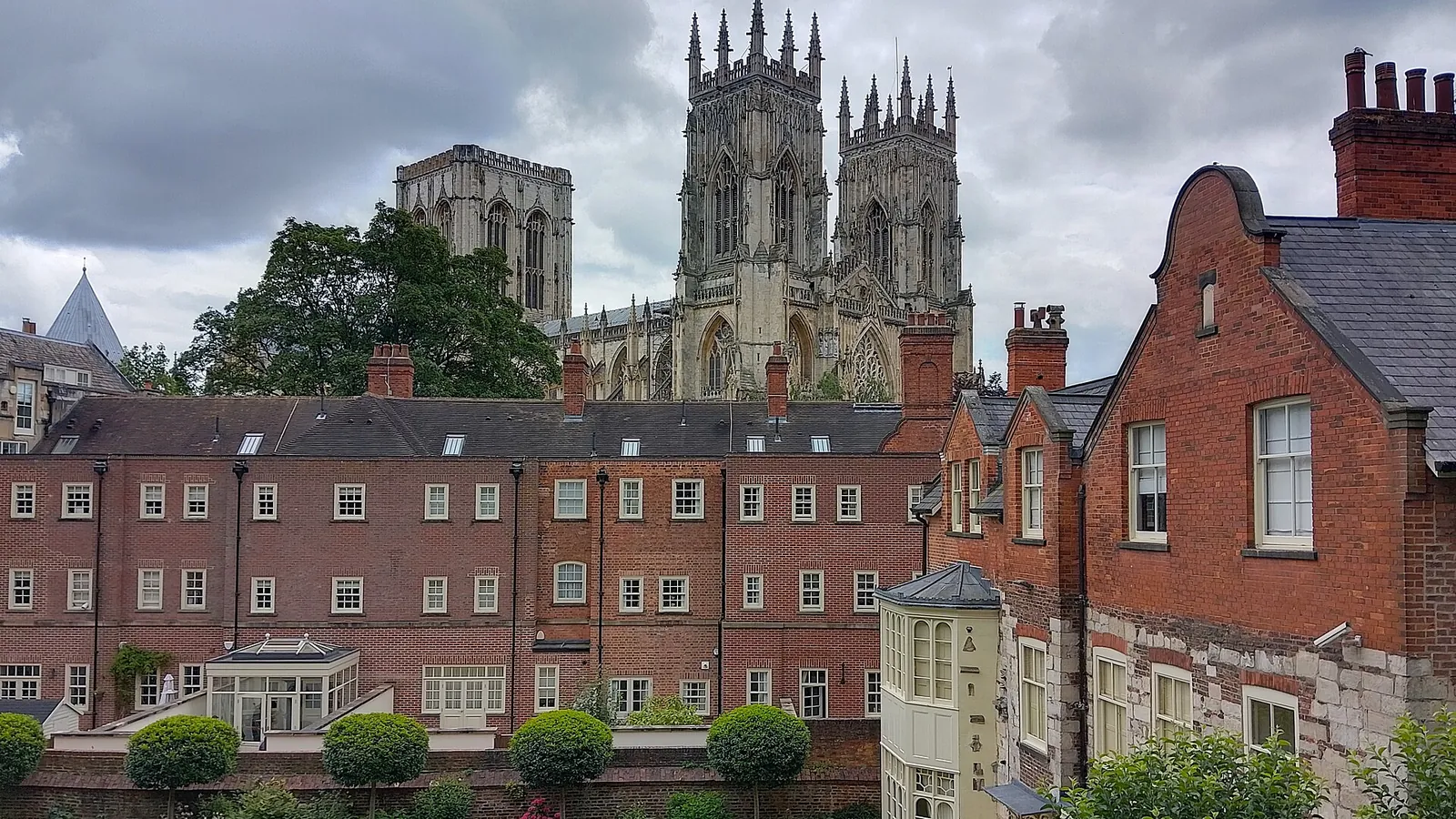
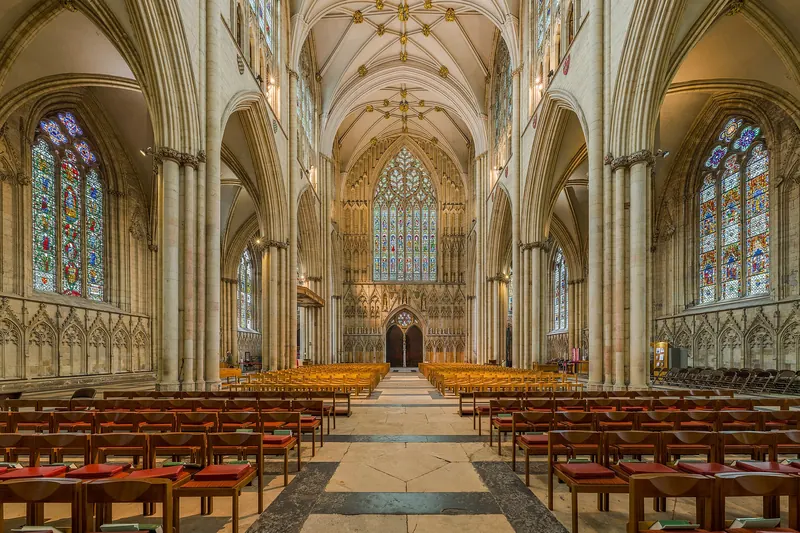
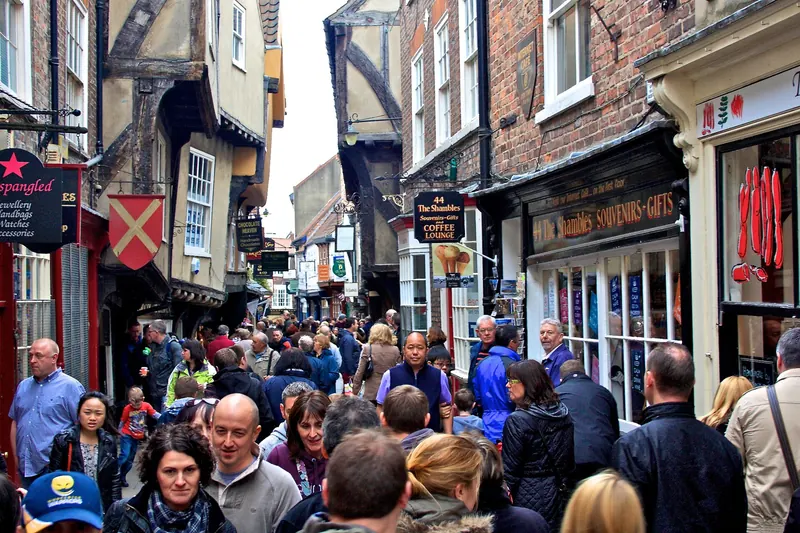
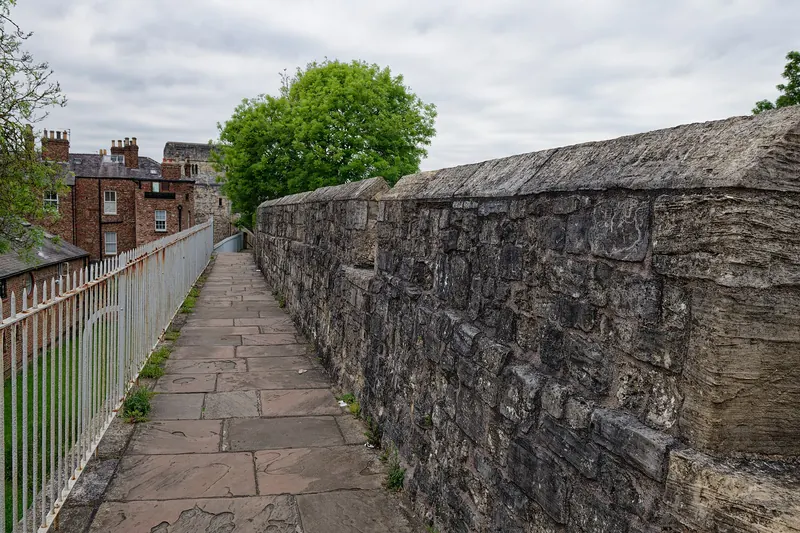
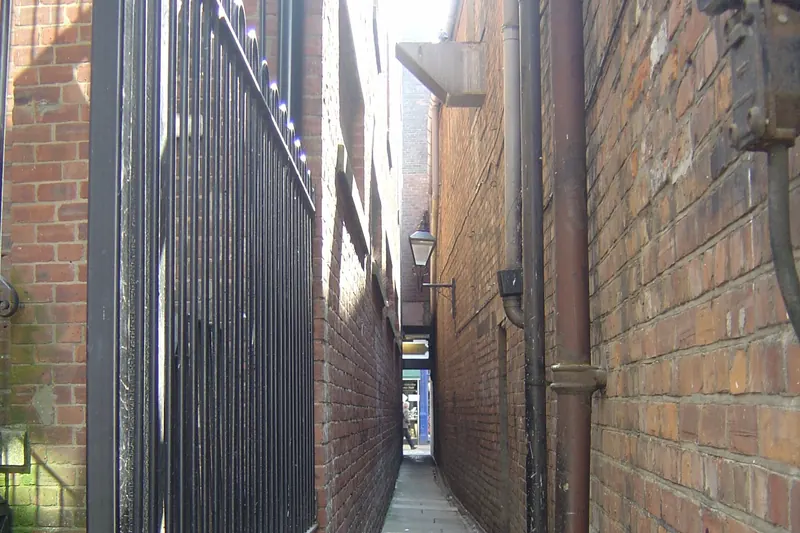
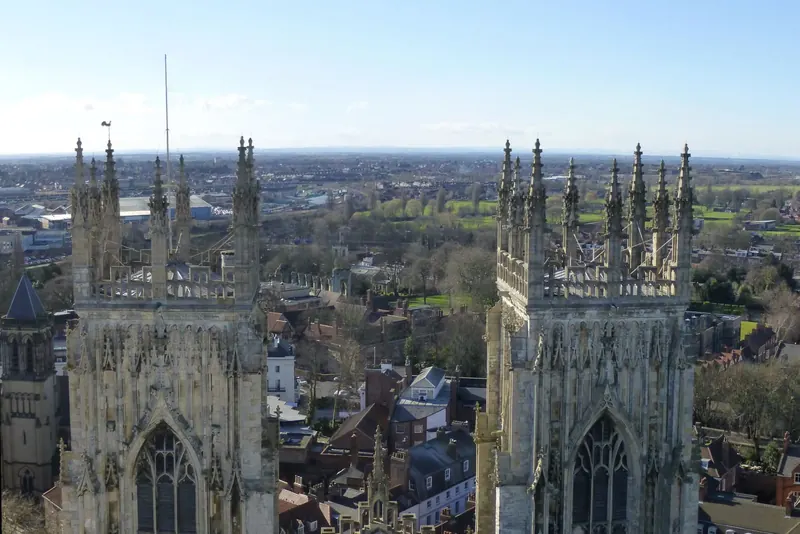
The result is a city compact enough to walk in full: a two-mile circuit of medieval walls encloses narrow streets, the Shambles' overhanging medieval shopfronts, and York Minster, whose Gothic towers are visible from almost anywhere inside the walls.
It works equally well as a focused two-day trip or as a base for the wider Yorkshire countryside, and unlike many historic English cities, its centre has stayed relatively free of large-scale postwar redevelopment, so what you see walking its streets is old rather than a reconstruction.