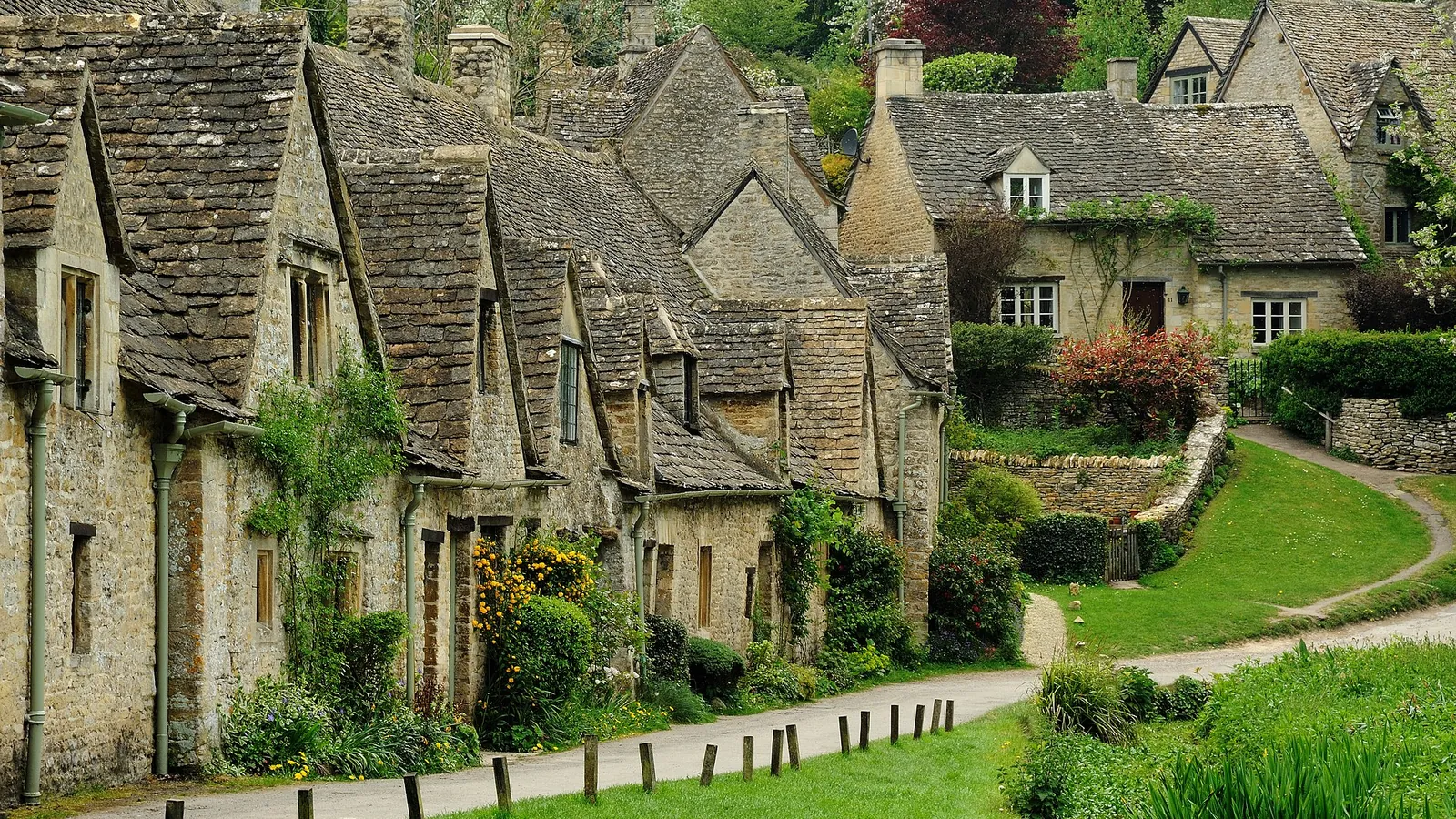
The golden-stone cottages of Arlington Row in the Cotswolds village of Bibury

United Kingdom · Travel guide

The Complete United Kingdom Travel Guide

How the four nations divide, why the trains change everything, and what a fortnight can honestly cover.

  • Reading time 15 min read
  • Covers 10 destinations
  • Updated 2026

Photo: Saffron Blaze · CC BY-SA 3.0

The United Kingdom packs four distinct nations, an excellent rail network and a landscape range from Cotswolds villages to Highland glens into an island group most first-time visitors underestimate. This guide covers how the regions differ, when the train works and when a car is unavoidable, what the seasons really mean from the south coast to the Highlands, and the two things — rail booking and travel insurance — that cost visitors the most when overlooked.

How the United Kingdom divides

The United Kingdom is one state but four nations, and treating it as a single homogeneous country is the single most common mistake first-time visitors make in planning.

London and the southeast. London itself, a genuine world city, and easy day or overnight trips to Bath and the Cotswolds and Oxford and Cambridge. The most visited corridor in the country and the natural base for a first trip.

The historic north of England. York for its Viking and medieval streets, and the Lake District for genuine mountain and lake scenery within England's borders. Less crowded than the south and a completely different pace.

Wales. Snowdonia in the north, mountains, castles and a coastline still relatively undiscovered by international visitors, with its own language spoken daily.

Scotland. Edinburgh, one of Europe's most dramatic capital cities, and the Scottish Highlands and Isle of Skye beyond it — glens, lochs and single-track roads that feel a world away from London.

The far southwest. Cornwall, a peninsula of fishing villages, coves and a distinct Celtic identity, reached by a long but scenic train line.

Northern Ireland. Belfast and the Giant's Causeway, with its own troubled and fascinating recent history and a spectacular stretch of coastline.

Worth knowing: The practical unit for a first trip is London plus two or three other regions, not an attempt at all four nations. The rail network makes England and the Edinburgh corridor easy; the Highlands, rural Wales and Northern Ireland each reward dedicated time.

Choosing between the ten destinations

  • If this is your first trip

    London, Bath and Edinburgh, connected by train. Four nights in London, two in Bath with a day into the Cotswolds, three in Edinburgh. It is the standard route because it works: a world city, a Georgian spa town and a dramatic Scottish capital, no car required.

  • If you want mountains and lakes

    The Lake District for England's best fell walking, or Snowdonia for Welsh mountains and castles — both reward at least three days and a hire car for the final stretch.

  • If you want the Highlands properly

    The Scottish Highlands and Isle of Skye, ideally with a week and a car — single-track roads, lochs and glens that feel remote within a small island.

  • If you want history without the crowds

    York for Viking and medieval streets with a fraction of London's crowds, or Oxford and Cambridge for eight centuries of university architecture, both easy day or overnight trips.

  • If you want the coast

    Cornwall for fishing villages, coves and the best of England's southwest coastline, reachable by a long, scenic direct train from London.

  • If you want something different

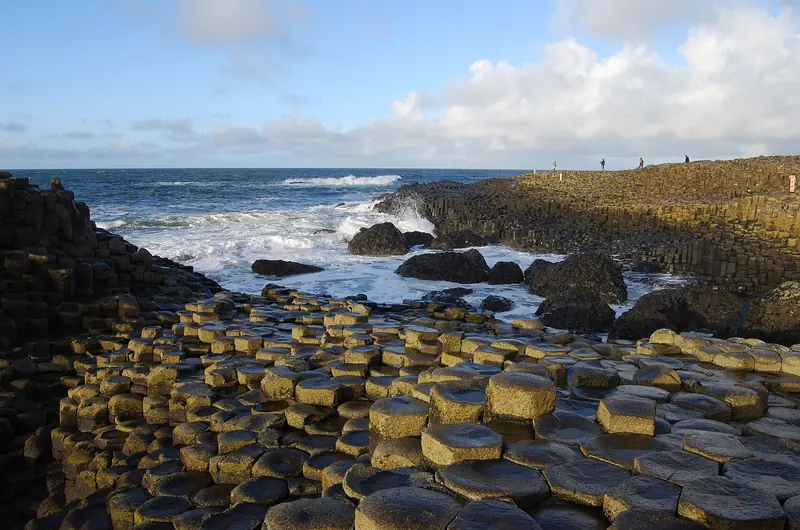
    Belfast and the Giant's Causeway for Northern Ireland's history and a spectacular basalt coastline most first-time UK visitors never reach.

Getting around: trains, cars and one expensive mistake

Britain's rail network is one of the oldest in the world and, booked correctly, one of the better value ways to see the country. London to Edinburgh is about 4h30, London to Bath 1h30, London to York 2h.

Book advance tickets as early as possible — typically released around twelve weeks ahead — through Trainline or National Rail directly. The difference between an advance fare and a walk-up ticket on a long-distance route can be several times the price for the identical journey and seat.

A car is unavoidable for the Scottish Highlands, rural Wales and reaching Cornwall's smaller coves beyond the rail line. Hire it only for that specific leg — a car in London, Edinburgh or Bath is expensive and actively unhelpful.

Driving is on the left, and single-track roads with passing places are standard in the Highlands — learn the etiquette (pull into a passing place on your left, or wait opposite one, to let oncoming traffic through) before setting off.

Coaches run by National Express and Megabus connect most of the country more cheaply than rail, if considerably slower, a useful budget option for less time-sensitive journeys.

Worth knowing: Book long-distance trains the moment your dates are fixed. Waiting until the week before can easily double or triple the fare for the same seat.

When to go

British weather is famously changeable in any season, which makes 'the best time' more about daylight and crowds than any guarantee of sunshine. Two windows generally work best: May to June and September.

Spring brings mild temperatures, green countryside and gardens at their best, with crowds still below the summer peak. April can still be wet and cool, so pack accordingly even in what counts as the good season.

Summer offers the longest daylight hours and the best odds of warm weather, plus the height of festival season — Edinburgh's August festivals above all. It is also the most crowded and expensive stretch of the year, and accommodation in popular spots should be booked months ahead.

Autumn, especially September, is often the best-kept secret: comfortable temperatures, real autumn colour in the countryside, and noticeably thinner crowds than summer.

Winter brings short, often grey days and genuine cold in Scotland and the north, but cities stay cheap, quiet and atmospheric, with Christmas markets and log-fire pubs offering their own particular appeal.

Worth knowing: Edinburgh in August operates on an entirely different level from the rest of the year — book many months ahead if the festivals are the draw, or avoid the city that month if crowds are not your thing.

Costs, insurance and what you must book

Mid-range travel in the UK runs roughly £120–220 per person per day, with London adding a genuine 25–40% premium over that figure. Backpacking works at £55–85; comfortable travel with good hotels and first-class rail runs £220–380.

Travel insurance with medical cover is essential, even though the NHS provides emergency treatment to visitors. This is not the same as comprehensive free healthcare — it does not reliably cover non-emergency situations or repatriation, and gaps here are a genuine, expensive risk rather than a formality.

Check your phone's UK roaming rates before arrival. EU roaming agreements do not apply here since Brexit, and rates without a specific add-on or local SIM can be steep.

Book ahead, without exception: long-distance advance rail fares, popular restaurants in London and Edinburgh, and any National Trust or Historic Scotland property during a peak weekend.

Small savings that add up: a short-term National Trust or Historic Scotland membership if visiting more than two or three properties, off-peak rail travel where your schedule allows it, and pub lunches over restaurant dinners for the same quality at a fraction of the price.

Culture, queuing and how pubs work

British culture varies by nation and region, but a handful of broadly shared norms hold across most of the country.

Queuing is close to sacred. Jumping a queue, for a bus, a shop till or a pub bar, is one of the more reliable ways to draw real disapproval. When unsure who is next, simply ask.

Understatement is the norm. Enthusiasm and complaint are both typically expressed more mildly than the underlying feeling — reading British reactions literally will regularly mislead you.

Rounds at the pub. In a group setting, it is customary to take turns buying a round of drinks for everyone rather than each person paying individually each time.

Regional identity matters. Scottish, Welsh and Northern Irish people do not appreciate being called simply 'English' or having their nation's distinctiveness flattened into a generic label — use the correct nation.

Weather small talk is genuine social currency, not meaningless filler — commenting on it is a normal, expected way to open a conversation with a stranger.

Finally, take pub culture seriously as a social institution rather than just a place to drink. A proper evening session — a pint, a quiz, conversation — is one of the most reliable ways to see a British town as it actually is.
Four routes that work

  1. Ten days: the classic south-to-north

    Four nights in London, two in Bath with a day into the Cotswolds, four in Edinburgh, all by train. The most trodden route in the UK and still the right first trip — a world city, a Georgian spa town and a dramatic capital with no car needed.

    Tip Book the Tower of London, Edinburgh Castle and any West End show before you leave home — all three sell out or spike in price close to the date.

  2. Two weeks: cities and countryside

    The itinerary on the United Kingdom country page: London, Bath and the Cotswolds, Snowdonia, the Lake District and Edinburgh. Adds genuine mountain scenery to the classic cities route, with a short car hire for the Welsh and Lakeland legs.

    Tip Return the hire car before entering a city centre — congestion charges and parking in London or Edinburgh cost more than the convenience is worth.

  3. Ten days in Scotland

    Edinburgh for three nights, then a hire car through the Highlands and Isle of Skye for a week, flying home from Inverness or back to Edinburgh. Slower, wilder and far less rehearsed than the classic English route.

    Tip Book Skye accommodation well ahead in summer — the island's capacity is limited relative to demand.

  4. A week in one region

    Cornwall with a car and a single coastal base, or Belfast and the Antrim Coast as a self-contained Northern Ireland trip. Both reward a full week and neither works well as a rushed two-day add-on to London.

    Tip For Cornwall, fly or take the direct train to Penzance or Newquay rather than driving the whole way from London.

Reference

The 10 destinations in this guide

Every place named above has its own detailed guide — attractions, food, where to stay, how to get around and a suggested day-by-day plan.

Capital CityMajor City

London

Greater London

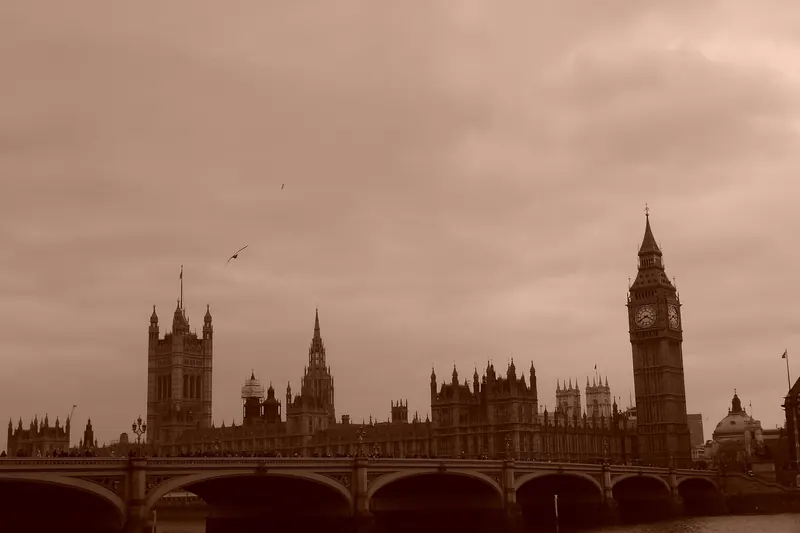
A genuine world city where free museums holding some of humanity's greatest treasures sit blocks from a medieval fortress and a still-working royal palace.

Don't miss The British Museum, free to enter — the Rosetta Stone, the Parthenon sculptures and several million years of human history under one roof.

Explore Destination — London
Capital CityHistoric Site

Edinburgh

Scotland

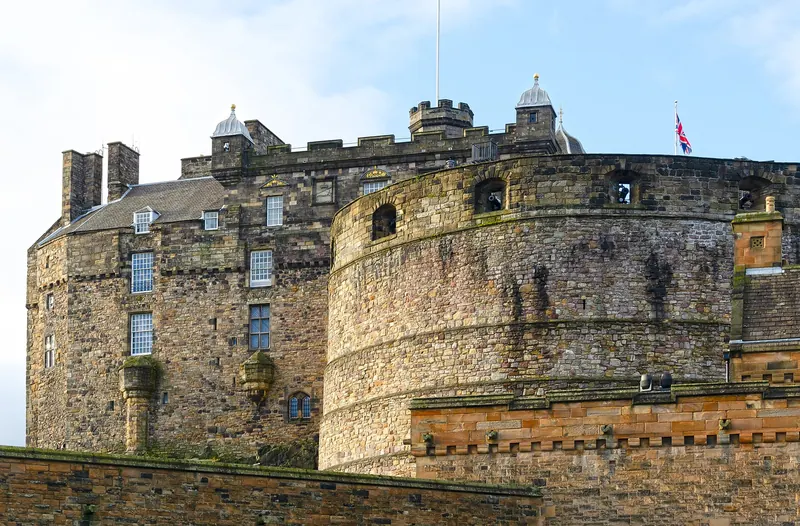
Scotland's capital, where a medieval Old Town climbs to a castle on an extinct volcano's crag, a Georgian New Town spreads below it, and August brings the largest arts festival on earth.

Don't miss Edinburgh Castle at dusk, floodlit above the Royal Mile — a fortress that has watched over the city for over a thousand years.

Explore Destination — Edinburgh
Historic SiteScenic Region

Bath & the Cotswolds

Somerset & Gloucestershire

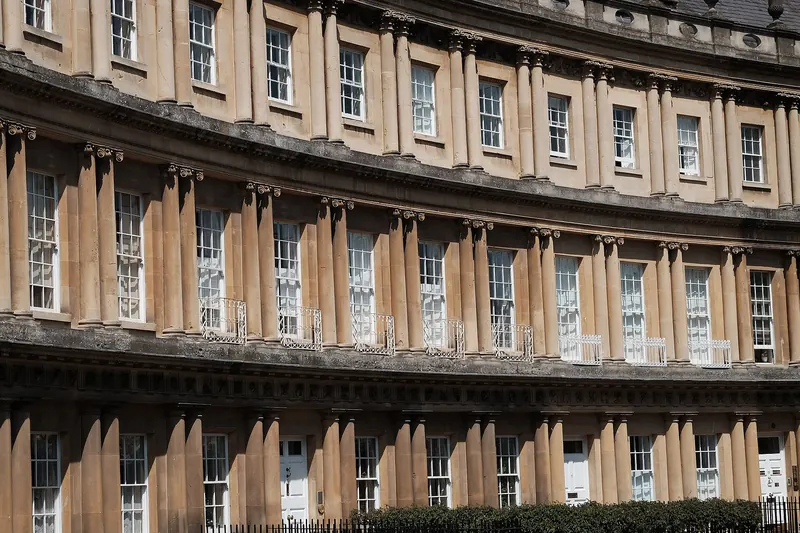
A UNESCO-listed Georgian city built around genuine Roman baths, with the golden-stone villages of the Cotswolds an easy day trip beyond it.

Don't miss The Roman Baths — a two-thousand-year-old bathing complex, its original lead-lined pool still filled by a natural hot spring.

Explore Destination — Bath & the Cotswolds
Nature WildlifeMountains

The Lake District

Cumbria, North West England

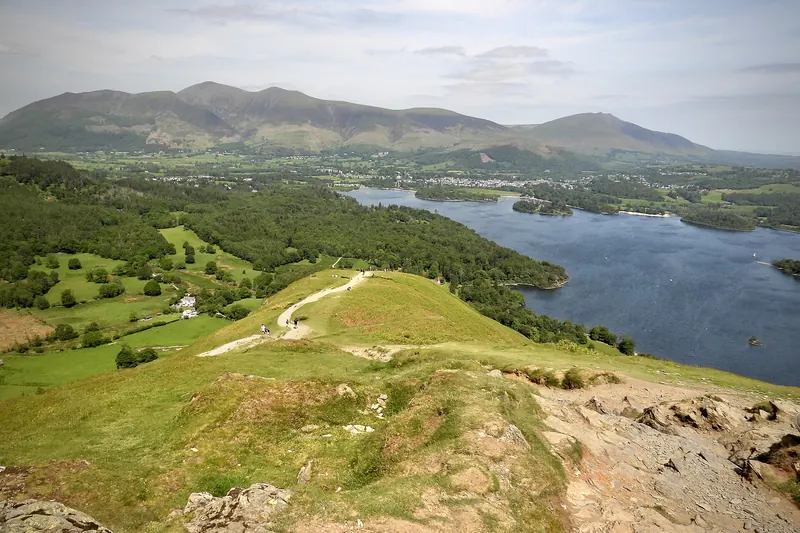
A compact national park of lakes, fells and stone villages in England's north west, walkable, boatable and scenic on a scale that punches well above its actual size.

Don't miss Derwentwater and the fells above Keswick — the classic Lake District view, and the easiest place to understand in an afternoon why Wordsworth never really left.

Explore Destination — The Lake District
Historic SiteCity

York

North Yorkshire, England

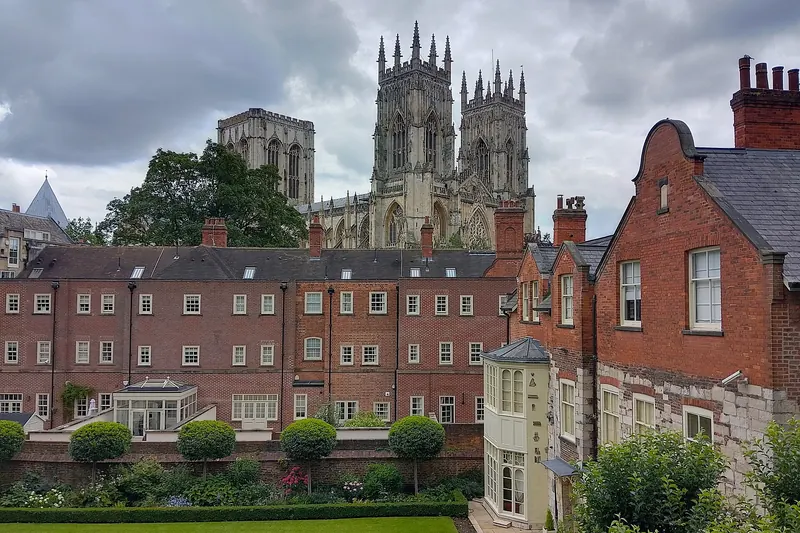
A compact, walkable walled city in the north of England layering Roman, Viking, medieval and Victorian history, with one of Europe's great Gothic cathedrals at its centre.

Don't miss York Minster's Gothic towers rising above a skyline of medieval streets still enclosed by their original city walls.

Explore Destination — York
Historic SiteCity

Oxford & Cambridge

England

Two historic university towns, each built around a cluster of centuries-old colleges, best visited as a pair or chosen individually depending on time.

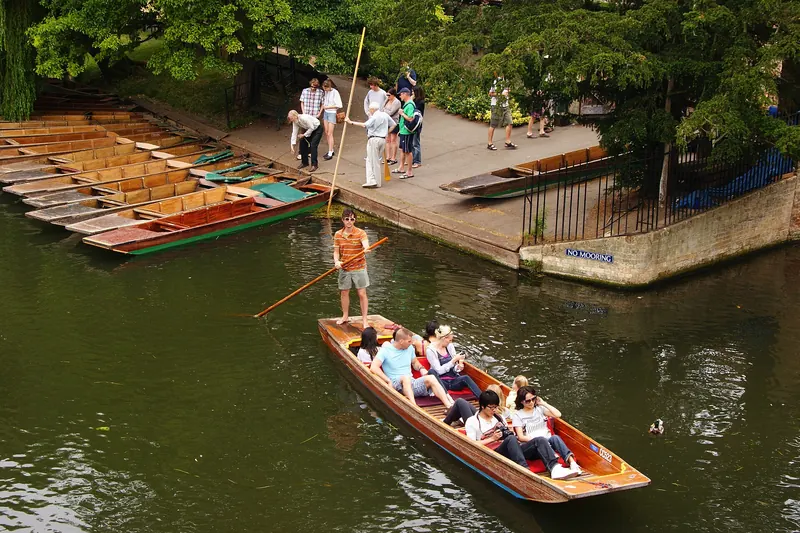
Don't miss Punting along the Backs in Cambridge, or through Oxford's Christ Church Meadow — the classic view of spires and college walls from the water.

Explore Destination — Oxford & Cambridge
Nature WildlifeMountains

Snowdonia & North Wales

Gwynedd and Conwy, Wales

A mountainous national park in north Wales, built around Yr Wyddfa's peak, ringed by medieval castles and slate heritage towns, with a dramatic coastline nearby.

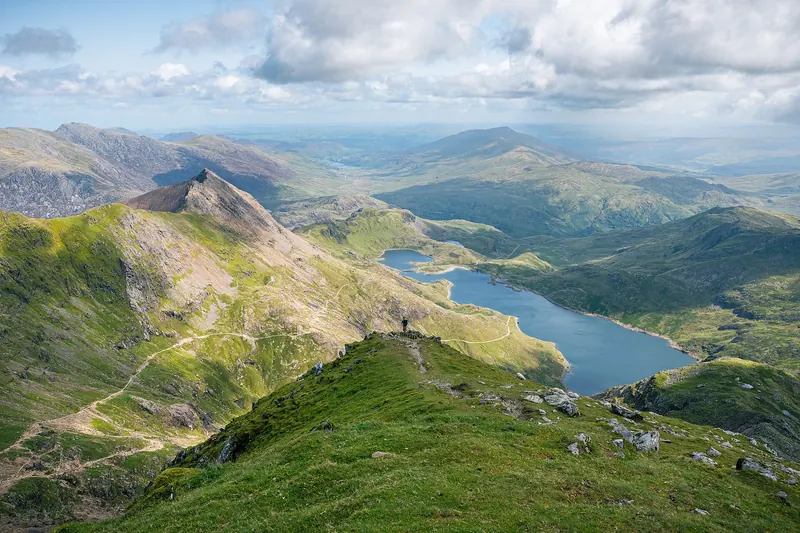
Don't miss Yr Wyddfa (Snowdon) at sunrise, Wales's highest peak and the reason the whole national park carries its old English name.

Explore Destination — Snowdonia & North Wales
Coast & BeachesScenic Region

Cornwall

South West England

A peninsula of dramatic coastline in England's far south-west, mixing fishing harbours, surf beaches, clifftop paths and a distinct Cornish identity.

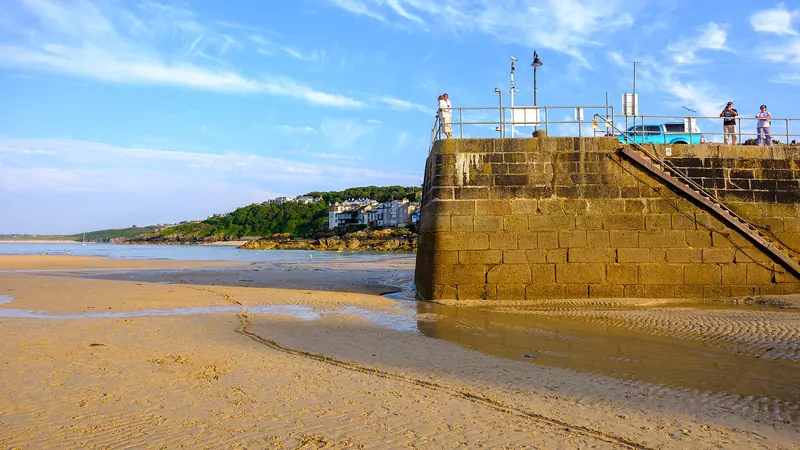
Don't miss St Ives' turquoise-watered harbour and beaches, framed by whitewashed cottages and one of Britain's best small art scenes.

Explore Destination — Cornwall

Back to the United Kingdom country page

FAQ

Planning a trip to United Kingdom

How long do I need in the United Kingdom?

Ten to fourteen days for a first trip. Eight to ten covers London, Bath and Edinburgh properly by train; twelve to sixteen lets you add real countryside like the Lake District or Snowdonia. Four or five days is enough for London alone, and London alone justifies a trip.

Should I hire a car in the UK?

Only for the legs that need one — the Scottish Highlands, rural Wales and Cornwall's smaller coves. The trains between London, Bath, York and Edinburgh are faster, cheaper booked ahead, and land you in city centres, where a car becomes an expensive liability.

What is the single most expensive mistake visitors make?

Not booking trains in advance. Long-distance advance fares, released around twelve weeks ahead, can be a small fraction of the walk-up price for the identical journey and seat. Waiting until the week before travel routinely doubles or triples the cost.

When should I avoid the United Kingdom?

Nowhere is truly a bad time, but late August's UK-wide school holidays push prices and crowds up everywhere, and Edinburgh specifically becomes extremely difficult to book during its August festivals unless that is exactly what you are there for.

Advertisement