A vaulted stone lane in the old city of Nablus

Nablus Governorate, northern West Bank · Palestinian Territories

Nablus

A valley city of Ottoman soap factories, hammams and hot knafeh, between two mountains with sacred places for Samaritans, Jews, Christians and Muslims.

  • Best time March–May and September–November
  • Stay 1 day
  • Good for Food, history, crafts, local culture

Photo: Mohammad Hijjawi · CC BY-SA 4.0

Welcome to Nablus

Nablus lies in a narrow valley between Mount Gerizim to the south and Mount Ebal to the north, in the northern West Bank, about 50 km north of Jerusalem. It was founded by the Romans as Neapolis, a name that became Nablus, and it is one of the oldest cities in Palestine, with a population of about 150,000. It has long been the region's commercial and cultural hub, and is known as the 'Little Damascus' for its old trading links with Syria.

The old city is one of the best-preserved Ottoman urban centres in the region, with covered souks, stone khans, hammams and mosques from the 16th to 19th centuries. Nablus was famous for its olive-oil soap, made in factories that date back centuries, and for knafeh, the hot cheese and syrup dessert that is now eaten around the Middle East. The city is also the centre of the Samaritan community, an ancient people that traces its origins to the Israelites, of whom fewer than a thousand remain, and who still live on Mount Gerizim.

Nablus has been affected by the conflict in the West Bank, including military operations in recent years, and conditions change often. Some governments advise against travel to the city. It is included here because it is one of the most rewarding places in Palestine, but it is one where you must check current advice and local conditions before you go.

  • Historic Site
  • Food & Wine
  • Culture & Arts

Why visit

Why visit Nablus?

Nablus is a real Palestinian city, and it is one of the best places in the West Bank for food, craft and a sense of everyday life.

  • The best knafeh in Palestine

    Nabulsi knafeh, made with local white cheese, is the original, and it is eaten hot from vast trays in the old city.

  • An Ottoman old city

    Vaulted passages, khans, hammams and mosques make up a dense and largely unrestored old town that is still lived and worked in.

  • Soap-making

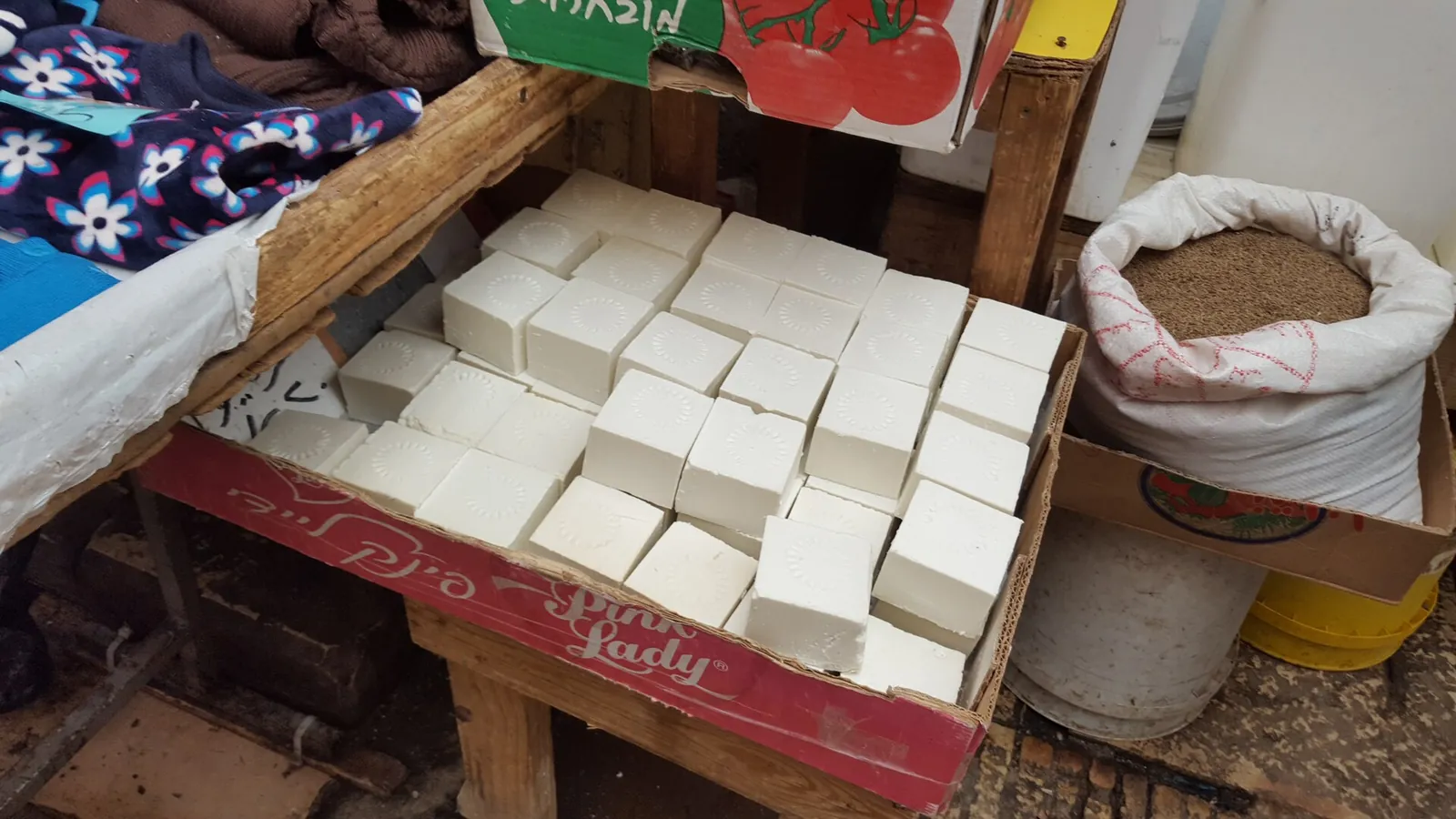
    Family soap factories still make olive-oil soap in the traditional way, stacking the bars into towers to dry.

  • The Samaritans

    A tiny ancient community with its own version of the Torah, its own festivals and a mountain-top village that can be visited.

  • Sacred places of several faiths

    Jacob's Well, Joseph's Tomb and Mount Gerizim are important to Jews, Christians, Muslims and Samaritans in different ways.

Main attractions

Top things to see in Nablus

The old city takes a morning, and the sites outside the centre take a second half-day.

  1. The Old City souk

    A network of covered lanes with spices, sweets, textiles and everyday goods. The main streets are lively from morning to late afternoon, and the alleys are quieter.

    Tip Go in the morning, and be prepared to be offered tea.

  2. Nabulsi soap factories

    A number of family factories, such as Al-Shakaa and Touqan, still produce olive-oil soap by hand and stack it in towers to dry. Some welcome visitors.

    Tip Ask before you go in, and buy a few bars.

  3. Trays of freshly made knafeh in the old-city souk of Nablus

    Knafeh at the old-city shops

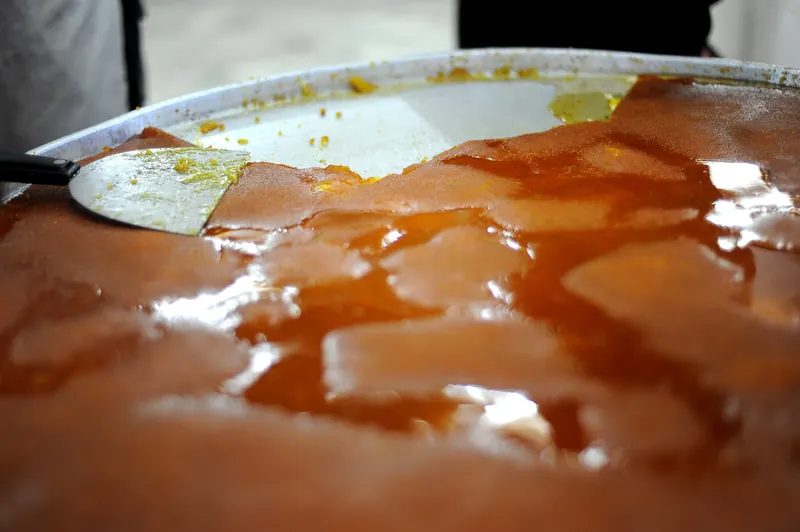
    Several shops in the old city serve the original Nabulsi knafeh, made from a special white cheese under crisp pastry and syrup. It is sold by weight and eaten standing up.

    Tip Try it hot and fresh, in the morning.

  4. Ottoman hammams

    Traditional bathhouses, such as Hammam al-Shifa, offer a steam and a scrub in a domed room. One of the oldest is still in use.

    Tip Check the days and times for men and women.

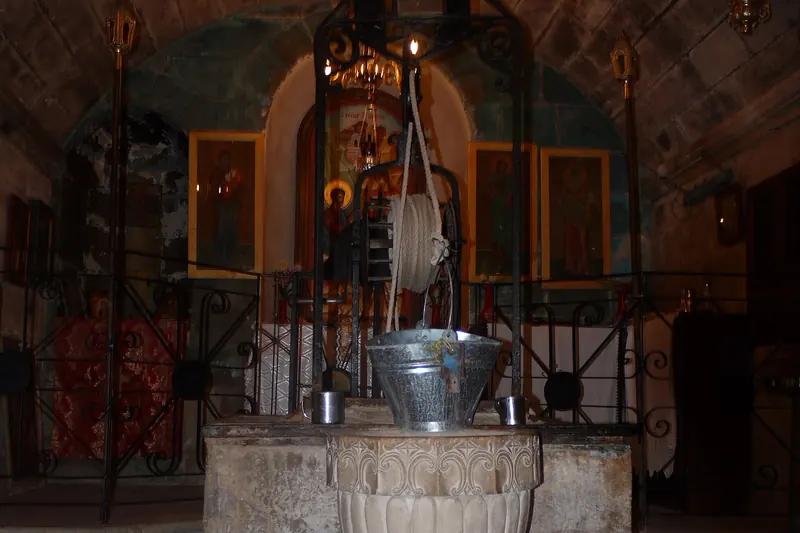
  5. The Greek Orthodox church built over Jacob's Well in Nablus

    Jacob's Well

    A Greek Orthodox church built over a deep well where, according to the Gospel of John, Jesus met a Samaritan woman. It is one of the oldest Christian sites in Palestine.

    Tip Modest dress is required. Check opening hours.

  6. Mount Gerizim and the Samaritan community

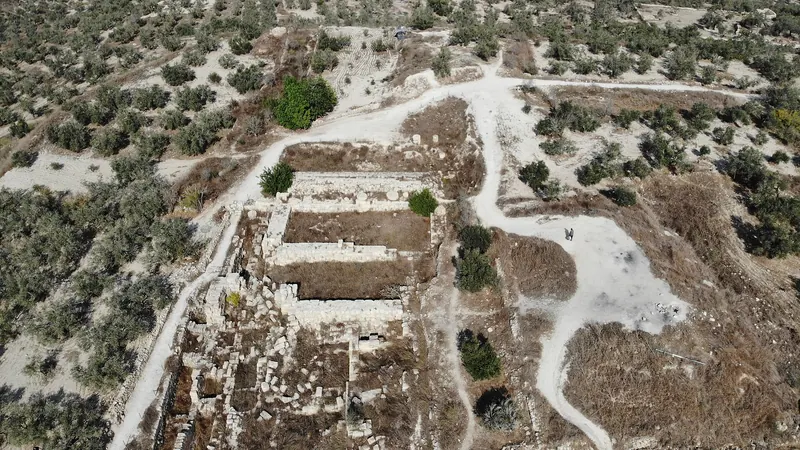
    The mountain that the Samaritans hold sacred, with the remains of a Hellenistic temple and a Byzantine church, and a village where the community lives. A small museum tells their story.

    Tip Visit during Passover if you can, when the Samaritans hold a sacrifice on the mountain.

  7. Ottoman mansions and small museums

    Merchants' houses and palaces of the great Nablus families, some restored as museums and cultural centres, with displays on soap-making, textiles and local history.

    Tip Ask your guide which are open, as hours change.

Things to do

Best things to do in Nablus

Nablus is best for eating and wandering, with a guide if you want to get more out of it.

  1. Eat knafeh for breakfast

    Local people eat knafeh in the morning, with a glass of tea, standing at the counters. It is a ritual.

    Tip Go before 10:00, when it is freshest.

  2. Take a soap factory tour

    See the process from the olive oil to the stacked bars, and hear the history of the craft.

    Tip Ask your host to arrange a visit.

  3. Have a hammam

    A traditional bath and scrub is a relaxing way to spend an afternoon.

    Tip Bring a swimsuit or a towel, and check the rules.

  4. Walk the old city with a guide

    A local guide can explain the buildings and history, and get you into places that are hard to find.

    Tip Book through your accommodation or a local organisation.

  5. Visit the Samaritans

    Learn about a very old and very small community with its own Bible and its own festivals.

    Tip Ask about the museum's hours.

  6. Stay with a family

    Homestays in Nablus and the surrounding villages give you a chance to share meals and meet people.

    Tip Arrange through a local tourism cooperative.

Local food

What to eat in Nablus

Nablus is the food capital of the West Bank, and its cuisine is central to Palestinian identity.

  • Nabulsi knafeh

    Hot, sweet, stringy cheese under a layer of crisp orange pastry, soaked in syrup and topped with pistachios. It is the star of the city.

    Where to try it Old-city knafeh shops.

  • Musakhan

    Roast chicken with sumac and caramelised onions on taboon bread.

    Where to try it Restaurants and homes.

  • Maqluba

    A one-pot dish of rice, vegetables and meat, flipped onto a platter.

    Where to try it Home-style restaurants.

  • Nabulsi soap and olive oil

    Not to eat, but to buy: olive-oil soap in stacks, and good olive oil from the surrounding hills.

    Where to try it Soap factories and shops.

  • Sweets and pastries

    Nablus has an enormous range of sweets, including baklava, ma'amoul and qatayef in Ramadan.

    Where to try it Bakeries and sweet shops.

  • Arabic coffee and tea

    Served everywhere, and refused rarely.

    Where to try it Cafés and shops in the old city.

Accommodation

Where to stay in Nablus

Nablus has a few hotels and guesthouses, some in restored old houses. Most visitors come on a day trip from Ramallah, but a night in the old city is worth it if conditions allow.

  • The old city

    A few guesthouses in restored Ottoman houses, with courtyards and traditional decoration.

    Best for: Atmosphere

  • The modern centre

    Larger hotels and apartments near the main streets.

    Best for: Hotels and convenience

What a night costs

Guesthouse
₪150–300 per night
Mid-range hotel
₪300–500 per night
Knafeh
₪10–20 per portion
Hammam
₪80–150

Transport

Getting to and around Nablus

Nablus is about 50 km north of Ramallah and 65 km from Jerusalem. Roads pass through checkpoints, and access can change.

Getting there

  • Service taxi from Ramallah

    Shared vans run from Ramallah to Nablus, taking about an hour and a half, depending on the checkpoints.

    Ask for the latest information on the route.

  • Private driver

    A driver is the most comfortable option and knows the current conditions.

    Agree the route and the price.

  • Tour

    Some Palestinian operators run day trips from Jerusalem or Ramallah.

    Check the itinerary and current advice.

Getting around

The old city is on foot, and taxis cover the rest.

  • Walking

    The old city is compact and full of stairs and arches. A guide can help you find your way.

    Wear comfortable shoes.

  • Taxi

    Cheap and plentiful, useful for Mount Gerizim, Jacob's Well and Sebastia.

    Agree the fare first.

  • Service taxi

    Shared vans link Nablus with Ramallah and surrounding villages.

    Ask locals where to catch them.

When to go

Best time to visit Nablus

Nablus has a Mediterranean climate, with warm summers and cool wet winters. Spring is greenest, and the olive harvest in autumn is a special time.

  • Spring (March–May)

    Best time

    Green hills and warm days. Passover brings the Samaritan sacrifice on Mount Gerizim.

  • Summer (June–August)

    Shoulder

    Warm and dry. The old city is shaded and cool.

  • Autumn (September–November)

    Best time

    The olive harvest and clear weather make it an excellent season.

  • Winter (December–February)

    Quiet

    Cool and wet. Some roads and routes may be closed.

Worth planning around: Days of unrest or military operations, when the city may be closed, and Ramadan afternoons, when restaurants are shut.

Itinerary

One day in Nablus

Knafeh for breakfast, the old city and a soap factory in the morning, lunch and a hammam or Jacob's Well in the afternoon. Assumes a day trip from Ramallah with a guide.

  1. Day1

    Knafeh, soap and history

    The city's best-loved sights.

    • Morning Knafeh, then the old-city souk and a soap factory.
    • Afternoon Lunch, then the hammam or Jacob's Well.
    • Evening Return to Ramallah before dark.

Travel tips

Nablus travel tips

Nablus is welcoming and lively, and a few tips help.

  • Read your government's advice, and check the situation on the day. Nablus has had military operations, and some governments advise against travel there.
  • Go with a local guide or host. They can tell you what is open and safe, and arrange the visits.
  • Eat knafeh in the morning, when it is freshest.
  • Dress modestly, as Nablus is more conservative than Ramallah.
  • Carry your passport for checkpoints.
  • Return before dark, and do not travel at night.
  • Buy soap, olive oil and sweets from local producers.

FAQ

Nablus: frequently asked questions

Is Nablus safe to visit?

Nablus is welcoming to visitors, but the northern West Bank has seen military operations and closures in recent years, and some governments advise against travel there. Check advice, go with local guidance and be prepared to change plans.

What is Nabulsi knafeh?

A dessert of white cheese, crisp pastry and syrup, originally from Nablus. It is eaten hot, usually in the morning, and is the best-known Palestinian sweet.

Who are the Samaritans?

An ancient community that traces its origins to the Israelites and follows its own version of the Torah. Fewer than a thousand remain, split between Mount Gerizim and Holon in Israel.

How long do you need in Nablus?

A day covers the old city, a soap factory, knafeh and one site. A night lets you experience the city in the evening.

Can I visit Nablus from Ramallah or Jerusalem?

Yes. It is about 90 minutes from Ramallah and two hours from Jerusalem, depending on checkpoints. Take your passport.

What should I wear in Nablus?

Modest clothing with shoulders and knees covered, and for women, a scarf is useful for mosques and conservative areas.

Read next

Related travel articles

Food

A Country-by-Country Food Primer

Eating well abroad is mostly a matter of knowing when meals happen, how the menu is structured and which dish belongs to the place you are standing in. This covers all three for the five countries in this guide, plus the signals that separate a restaurant that feeds locals from one that feeds coaches.

Where to go

Beyond the Big Names: Places Worth the Detour

The most visited place in a country is rarely its best, and it is almost never its best value. This is a method for finding the destinations that do not make the postcards — and a set of examples from five of the 50 countries on this site.

Advertisement