Welcome to Sebastia
Sebastia is a village of about 3,000 people on a hilltop in the northern West Bank, 12 km north-west of Nablus, and it sits on top of one of the most important archaeological sites in the region. In the 9th century BCE, King Omri bought the hill and built the capital of the northern Kingdom of Israel here, called Samaria, and his son Ahab and his wife Jezebel are associated with it in the Bible. The city fell to the Assyrians in about 722 BCE.
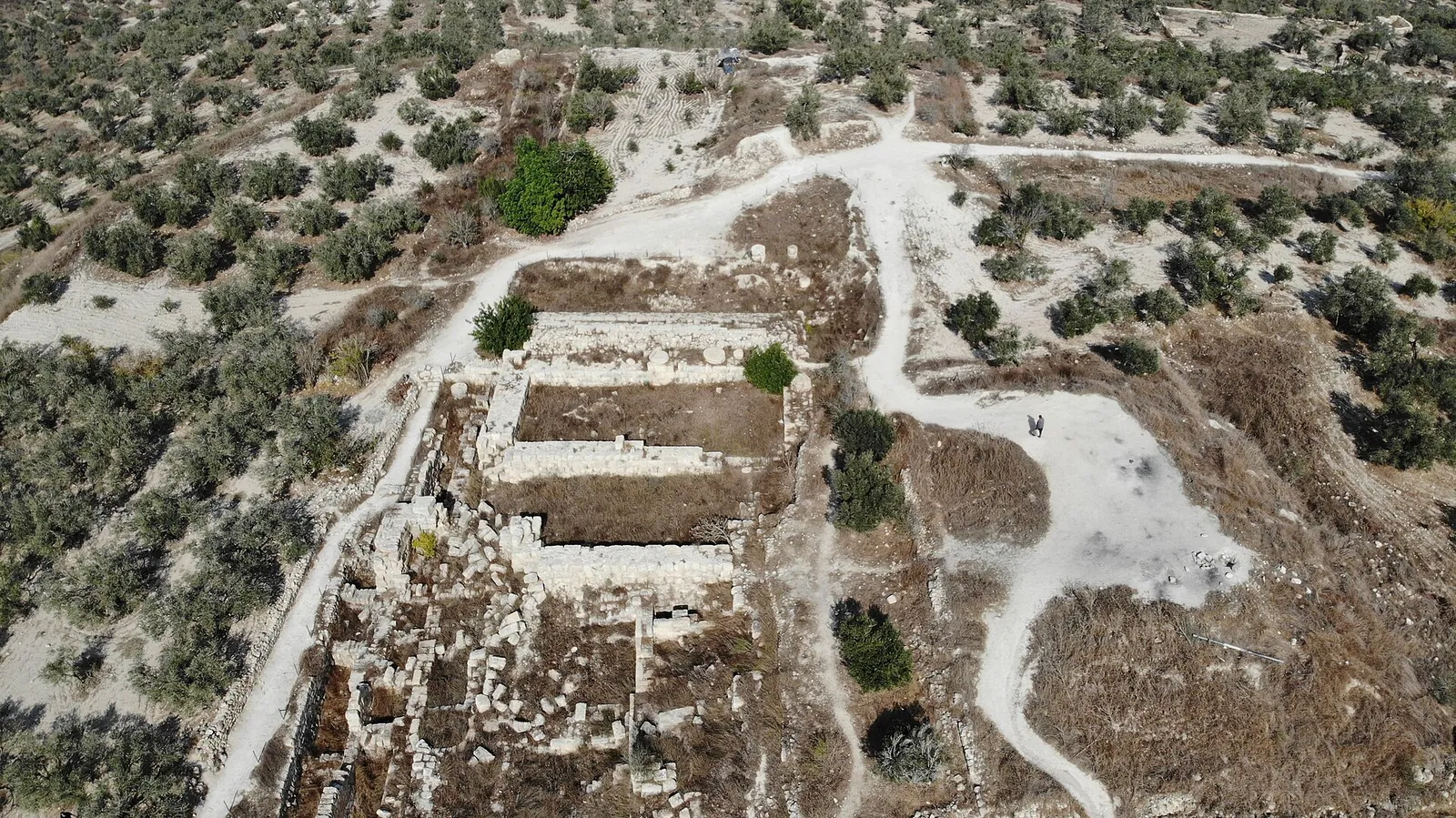
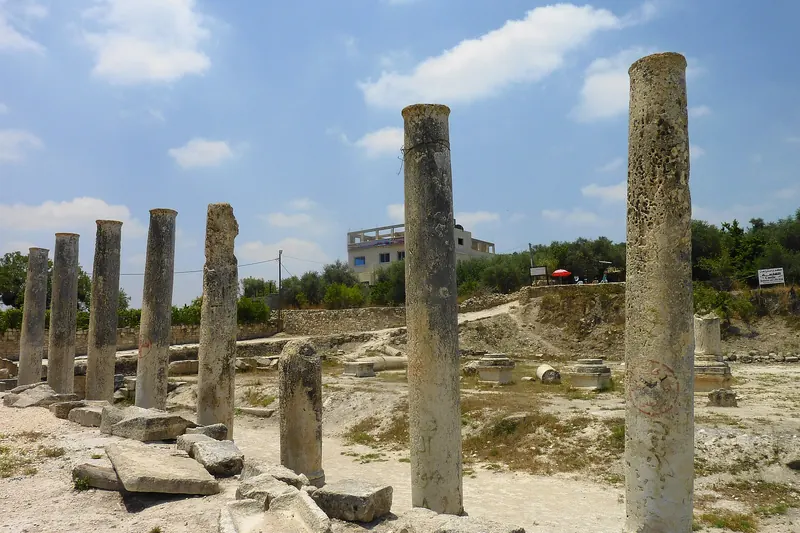
Around 30 BCE, the Roman emperor Augustus gave Samaria to Herod the Great, who rebuilt it as a grand Roman city and renamed it Sebaste, the Greek form of Augustus. He built a temple to Augustus, a forum with a basilica, a stadium and a long colonnaded street, and their remains still line the hill. Later, the Byzantines built a church over what was believed to be the tomb of John the Baptist, and the Crusaders replaced it with a cathedral, part of which is now a mosque.
The site is now spread between the village, which is in an area administered by the Palestinian Authority, and an archaeological park in Area C, which is administered by Israel. It has very few visitors, and the village is a quiet, agricultural place with a small tourism cooperative that offers guides, meals and accommodation. Some of the outer land has seen disputes between villagers and settlers, so conditions can change.
- Archaeology
- Historic Site
- Off the Beaten Path