Welcome to Hebron
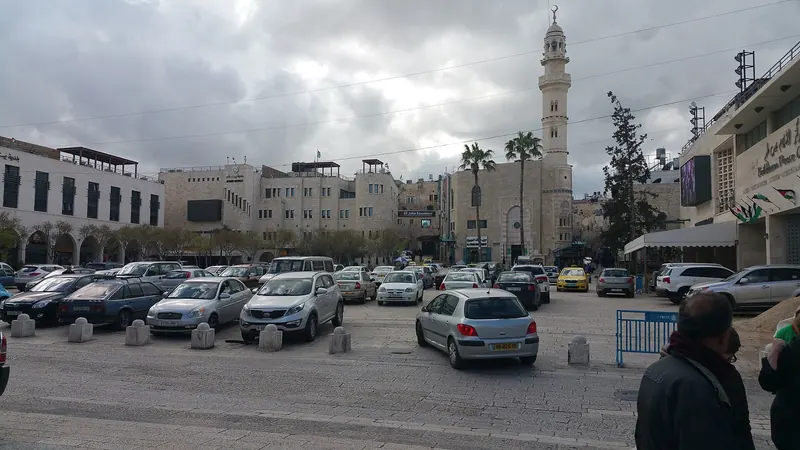
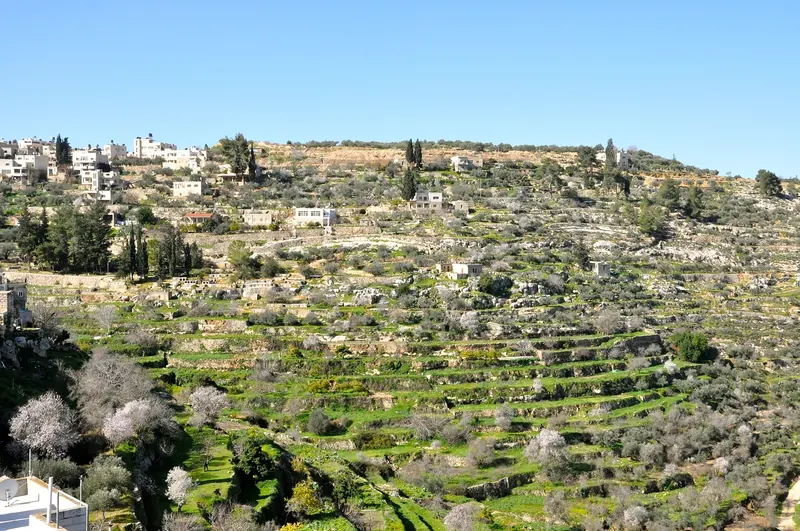
Hebron, called al-Khalil in Arabic, is the largest city in the West Bank, with about 200,000 people, and one of the oldest continuously inhabited cities in the world. It sits in the Judean hills, 35 km south of Jerusalem, and it is a commercial centre known for its glass, pottery, leather, marble and grapes. Its name in Arabic, 'the Friend', refers to Abraham, whom the Quran calls the friend of God.
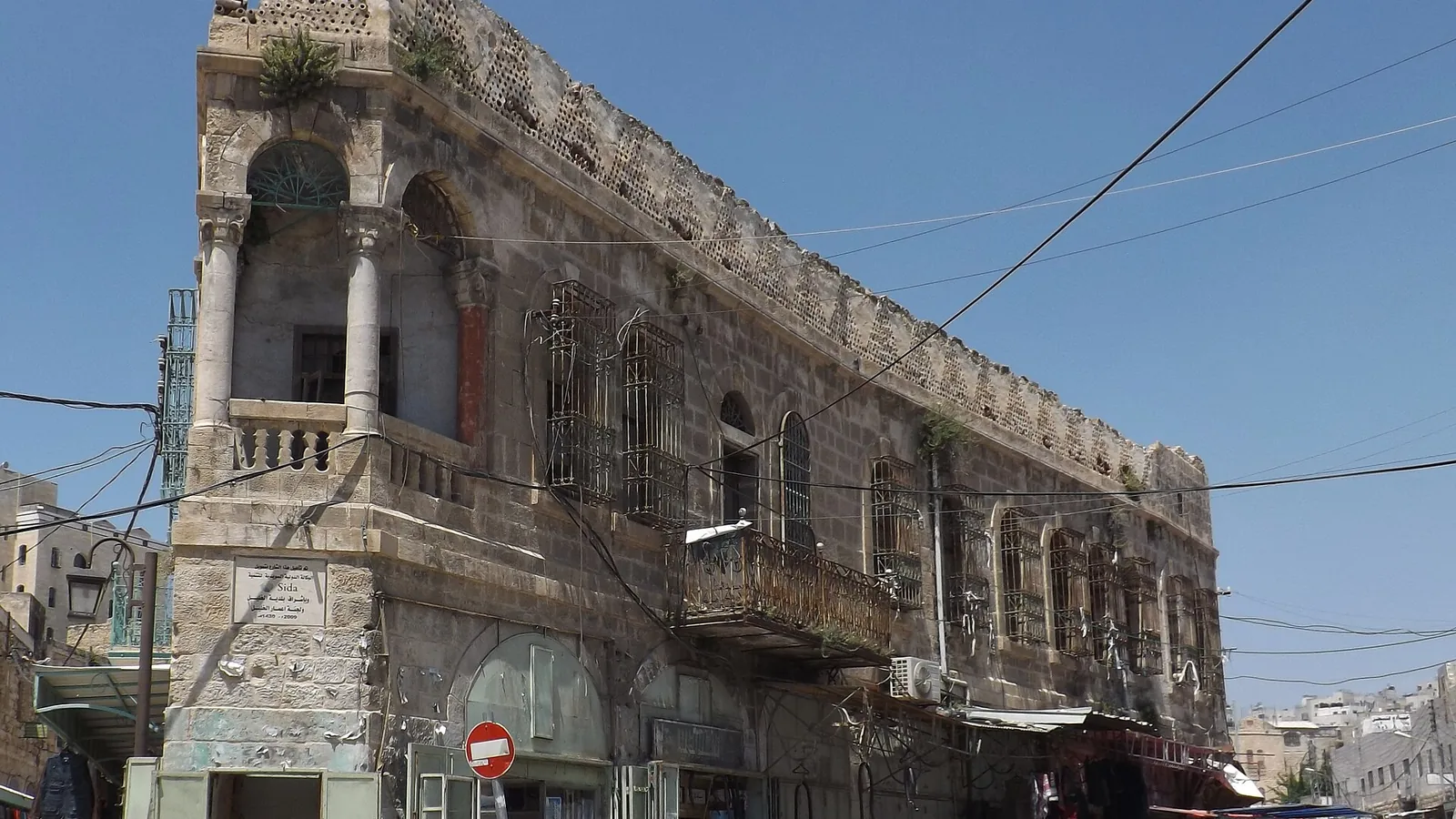
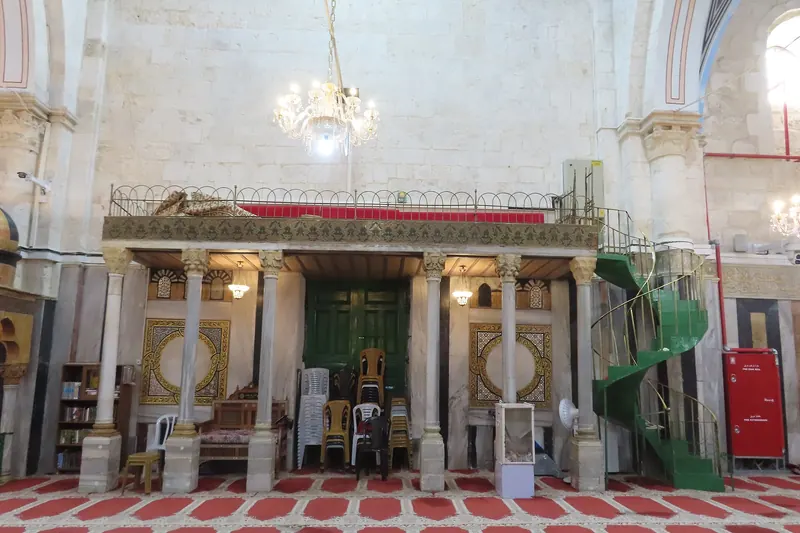
At its heart is the Ibrahimi Mosque, known to Jews as the Cave of the Patriarchs, a large stone enclosure built by Herod the Great over a cave traditionally regarded as the burial place of Abraham, Isaac, Jacob and their wives. It is holy to Muslims, Jews and Christians, and it has been the focus of tension for a long time. UNESCO inscribed the Old City of Hebron on the World Heritage List in 2017, and on the list of sites in danger, a decision that Israel and the United States opposed.
Hebron is also unique in the West Bank. Under the 1997 Hebron Protocol, the city was divided into an area administered by the Palestinian Authority (H1) and an area under Israeli control (H2), which includes the Old City and the Ibrahimi Mosque. A small number of Israeli settlers, several hundred, live in H2 amid tens of thousands of Palestinians, protected by a large military presence. Palestinians and human rights groups describe severe restrictions on movement and daily life, including closed streets and shops; Israeli officials and settlers cite security threats and historical Jewish ties to the city. Visitors see this directly, and it is worth going with a local guide who can explain what you see.
- UNESCO Site
- Historic Site
- Culture & Arts