The baroque facade of the Church of Santo Domingo de Guzmán in Oaxaca

Oaxaca State, southern Mexico · Mexico

Oaxaca

Mexico's food and craft capital: seven moles, mezcal, indigenous markets, a baroque city and the Zapotec ruins of Monte Albán above it.

  • Best time October–April
  • Stay 4 days
  • Good for Food, crafts, culture, ruins, day trips

Photo: Roman Bonnefoy (  Romanceor [parlons-en]) · CC BY-SA 4.0

Welcome to Oaxaca

Oaxaca sits in a high valley in southern Mexico, where the Zapotec and Mixtec civilisations flourished for two thousand years before the Spaniards arrived. About a third of the state's people still speak an indigenous language, and the city's markets, craft villages and cooking reflect a living culture that is more visible than almost anywhere else in Mexico.

The historic centre and the ruins of Monte Albán are a UNESCO World Heritage Site. The centre is a grid of low, colourful colonial buildings in green volcanic stone, with a baroque church, Santo Domingo, and its former convent, now a museum, at its heart. Around the Zócalo, cafés and mezcal bars fill the arcades in the evening.

Oaxaca is above all a food city. It claims seven classic moles, quesillo string cheese, tlayudas, chapulines (grasshoppers), chocolate and the mezcal of the surrounding villages. A day here can revolve around a market breakfast, a cooking class and a long dinner, and the valleys around the city offer ruins, waterfalls and weaving villages.

  • UNESCO Site
  • Food & Wine
  • Culture & Arts

Why visit

Why visit Oaxaca?

Oaxaca is the most rewarding city in Mexico for food, craft and living indigenous culture.

  • Mexico's best food

    Moles, tlayudas, memelas, tamales and chocolate made and eaten as they have been for centuries.

  • Mezcal

    Small producers in the valleys distil mezcal from wild and cultivated agave using traditional methods, and tastings are easy to arrange.

  • Markets and crafts

    Black pottery, alebrijes, woven rugs and embroidered clothing are made in villages a short drive from the city.

  • Ancient Zapotec sites

    Monte Albán, Mitla and Yagul show a civilisation that flourished from about 500 BCE.

  • Día de Muertos

    Oaxaca's celebration of 1–2 November, with altars, cemetery vigils and parades, is one of the most vivid in the country.

Main attractions

Top things to see in Oaxaca

The centre is compact, and the valleys around it fill several more days.

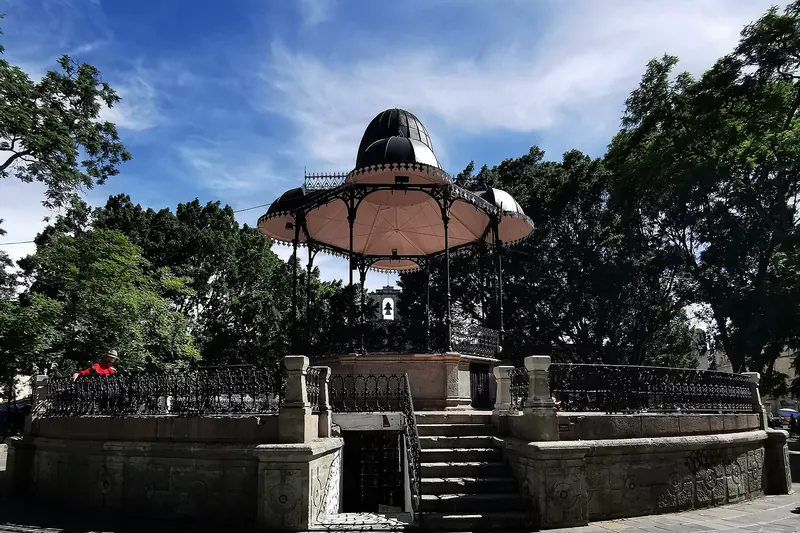
  1. The kiosk in the Zócalo of Oaxaca City

    The Zócalo and the Cathedral

    The main square is shaded by laurel trees and lined with arcaded cafés. It comes alive in the evening with musicians, vendors and families.

    Tip Have a drink at an arcade table and watch the evening unfold.

  2. Santo Domingo and the Cultural Centre

    A gilded baroque church, with an intricate interior, and its adjoining monastery, which houses the Museum of the Cultures of Oaxaca and a botanical garden.

    Tip Visit the museum for the Monte Albán tomb 7 treasure.

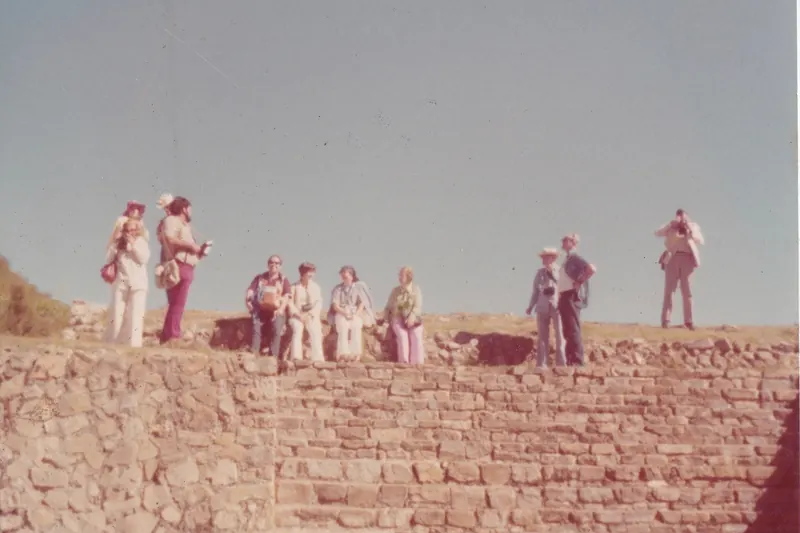
  3. Visitors on the great plaza of the ancient Zapotec city of Monte Albán

    Monte Albán

    A Zapotec capital on a levelled mountaintop above the city, with a great plaza, pyramids, an observatory and carved stones. It was occupied from about 500 BCE to 800 CE.

    Tip Go at opening, and take a guide or read up first.

  4. The markets

    The Benito Juárez and 20 de Noviembre markets are the place for smoked meat, mole pastes, chocolate, cheese and mezcal. The Tlacolula market, on Sundays, is one of the largest in the region.

    Tip Try tlayudas and the smoke-grill corridor in 20 de Noviembre.

  5. Hierve el Agua

    Petrified waterfalls of mineral formation on a mountain edge, with natural infinity pools and views over the valley. About 90 minutes from the city.

    Tip Combine with Mitla.

  6. Mitla and Zapotec sites

    A religious centre with intricate geometric stone mosaics on its palaces, and the nearby ruins of Yagul.

    Tip Visit on the way to Hierve el Agua.

  7. Craft villages

    San Bartolo Coyotepec (black pottery), Teotitlán del Valle (wool rugs), and San Martín Tilcajete and Arrazola (alebrijes, painted wooden animals).

    Tip Buy directly from the makers.

Things to do

Best things to do in Oaxaca

Oaxaca is a city for eating slowly and learning how things are made.

  1. Take a cooking class

    Start at a market, buy ingredients and learn to make mole, salsas and tortillas.

    Tip Book a day ahead.

  2. Visit a mezcal distillery

    See agave roasted in earthen pits, crushed by stone wheel and distilled in clay or copper stills, and taste the results.

    Tip Go with a guide, and do not drink and drive.

  3. Spend a day in the craft villages

    Watch weavers, potters and carvers at work in family workshops around the valley.

    Tip Hire a driver for the day.

  4. Eat at the market

    Breakfast on tamales and atole, lunch on tlayudas, and dinner at a market grill.

    Tip Go before noon for the best selection.

  5. Be there for Día de Muertos

    Cemetery vigils, altars, parades and comparsas fill the city in the days around 1 and 2 November.

    Tip Book accommodation months ahead, and be respectful.

  6. Walk the Andador Turístico

    A pedestrian street of galleries, shops and cafés from the Zócalo to Santo Domingo.

    Tip Go in the evening.

Local food

What to eat in Oaxaca

Oaxaca is the culinary capital of Mexico. Its food is built on corn, beans, chiles, chocolate and cheese, with dishes that differ from village to village.

  • Mole negro and the seven moles

    Rich sauces of chiles, spices, seeds, chocolate and fruit. Mole negro is the most famous, but the others include coloradito, amarillo, verde, chichilo, rojo and manchamanteles.

    Where to try it Restaurants and market stalls.

  • Tlayudas

    Large, crisp tortillas topped with beans, quesillo, tasajo and salsa, grilled over charcoal.

    Where to try it Street stalls, particularly at night.

  • Quesillo and memelas

    Oaxaca's string cheese, wound into balls, and thick corn tortillas with beans and cheese.

    Where to try it Markets.

  • Chapulines

    Toasted grasshoppers seasoned with chile, lime and garlic, sold by the scoop in the markets.

    Where to try it Markets and street stalls.

  • Chocolate and hot chocolate

    Ground with sugar, cinnamon and almonds and served as a hot drink, often with bread.

    Where to try it Chocolate mills near the market.

  • Mezcal

    Distilled from agave, with smoky and complex flavours, served neat with orange and worm salt.

    Where to try it Bars and tasting rooms in the centre.

Accommodation

Where to stay in Oaxaca

Stay in the historic centre, in a restored colonial house with a courtyard, so that you can walk everywhere.

  • The historic centre

    Boutique hotels and guesthouses in old houses around the Zócalo and Santo Domingo.

    Best for: Walking and atmosphere

  • Jalatlaco and Xochimilco neighbourhoods

    Small colourful neighbourhoods a few blocks from the centre, with cafés and guesthouses.

    Best for: Quiet and local colour

What a night costs

Hostel or budget guesthouse
US$20–50 per night
Mid-range boutique hotel
US$80–160 per night
Luxury hotel
US$200–400 per night
Meal at a market
US$3–8 per person

Transport

Getting to and around Oaxaca

Oaxaca is 460 km from Mexico City by road, and flights are the easiest way.

Getting there

  • Flight from Mexico City

    About an hour, with several daily flights, at low fares.

    Book early.

  • Bus from Mexico City or Puebla

    First-class buses take 6–7 hours from Mexico City, and about 5 from Puebla. Night buses are cheaper but slower.

    Prefer daytime buses.

  • From the coast

    Small planes and mountain buses link Oaxaca with Puerto Escondido and Huatulco, with a winding road of 6–9 hours.

    Flights are quicker and more comfortable.

Getting around

The centre is walkable, and taxis, colectivos and tours cover the valleys.

  • Walking

    Everything in the centre is within 20 minutes on foot.

    Pavements are uneven.

  • Taxis and colectivos

    Cheap taxis and shared vans go to Monte Albán, Mitla and the craft villages.

    Agree the fare.

  • Tours and drivers

    A driver for a day is inexpensive and efficient for visiting several villages.

    Book through your hotel.

When to go

Best time to visit Oaxaca

Oaxaca sits at 1,550 m and has a mild climate, with a wet season from June to September. The dry months are the most comfortable.

  • Winter and spring (November–April)

    Best time

    Dry and sunny, with cool nights. The best time, and the high season.

  • Late spring (May–June)

    Shoulder

    Warm to hot, with the first rains.

  • Summer (July–September)

    Quiet

    Green, with afternoon showers. Quiet and cheaper. The Guelaguetza festival in July draws crowds.

  • Autumn (October–November)

    Best time

    Clear and pleasant. Día de Muertos makes early November the busiest time.

Worth planning around: Día de Muertos and the Guelaguetza in July if you want quiet, and Semana Santa.

Itinerary

Three days in Oaxaca

The centre and markets on the first day, Monte Albán and a cooking class on the second, the valleys on the third.

  1. Day1

    The centre and markets

    Old streets and market food.

    • Morning Santo Domingo and its museum.
    • Afternoon The markets and lunch of tlayudas.
    • Evening Mezcal and dinner near the Zócalo.
  2. Day2

    Monte Albán and cooking

    Ruins and food.

    • Morning Monte Albán at opening.
    • Afternoon A cooking class and market visit.
    • Evening Mole and a walk.
  3. Day3

    The valleys

    Villages and ruins.

    • Morning Teotitlán del Valle's weavers and a mezcal distillery.
    • Afternoon Mitla and Hierve el Agua.
    • Evening A last dinner in the city.

Travel tips

Oaxaca travel tips

Oaxaca is easy and friendly, and a few tips help.

  • Book Día de Muertos and the Guelaguetza months ahead.
  • Go to Monte Albán early, before the sun and the buses.
  • Eat at busy market stalls and street grills, and drink bottled water.
  • Buy crafts directly from the makers, and ask before photographing people.
  • Try mezcal slowly and know the difference between artisanal and industrial bottles.
  • Bring a light jacket, as evenings are cool.
  • Avoid driving at night on mountain roads.

FAQ

Oaxaca: frequently asked questions

How many days do you need in Oaxaca?

Three to four for the city and Monte Albán, and a few more to include the valleys and a cooking class.

Is Oaxaca safe?

The city and the main tourist sites are generally safe for visitors, though protests and road blockades can occur in the state. Check your government's advice and local news.

What is mezcal?

A spirit distilled from agave, often from a smoky, earth-roasted heart. Oaxaca produces most of Mexico's mezcal, and tequila is a type of mezcal made only from blue agave.

When is the Guelaguetza?

A festival of indigenous dance and music held on two Mondays in July, at the Cerro del Fortín amphitheatre. Book well ahead.

How do I get to Monte Albán?

By taxi, tour or the local bus from the city centre, about 20–30 minutes.

What is the best time to visit Oaxaca?

November to April for dry weather, though the summer green season is quiet and pleasant.

Read next

Related travel articles

Food

A Country-by-Country Food Primer

Eating well abroad is mostly a matter of knowing when meals happen, how the menu is structured and which dish belongs to the place you are standing in. This covers all three for the five countries in this guide, plus the signals that separate a restaurant that feeds locals from one that feeds coaches.

Heritage

UNESCO Sites Worth Planning a Trip Around

A UNESCO listing tells you a place matters; it does not tell you whether it is worth two days and a detour. This is how to read the list usefully — and which sites reward building a trip around them.

Advertisement