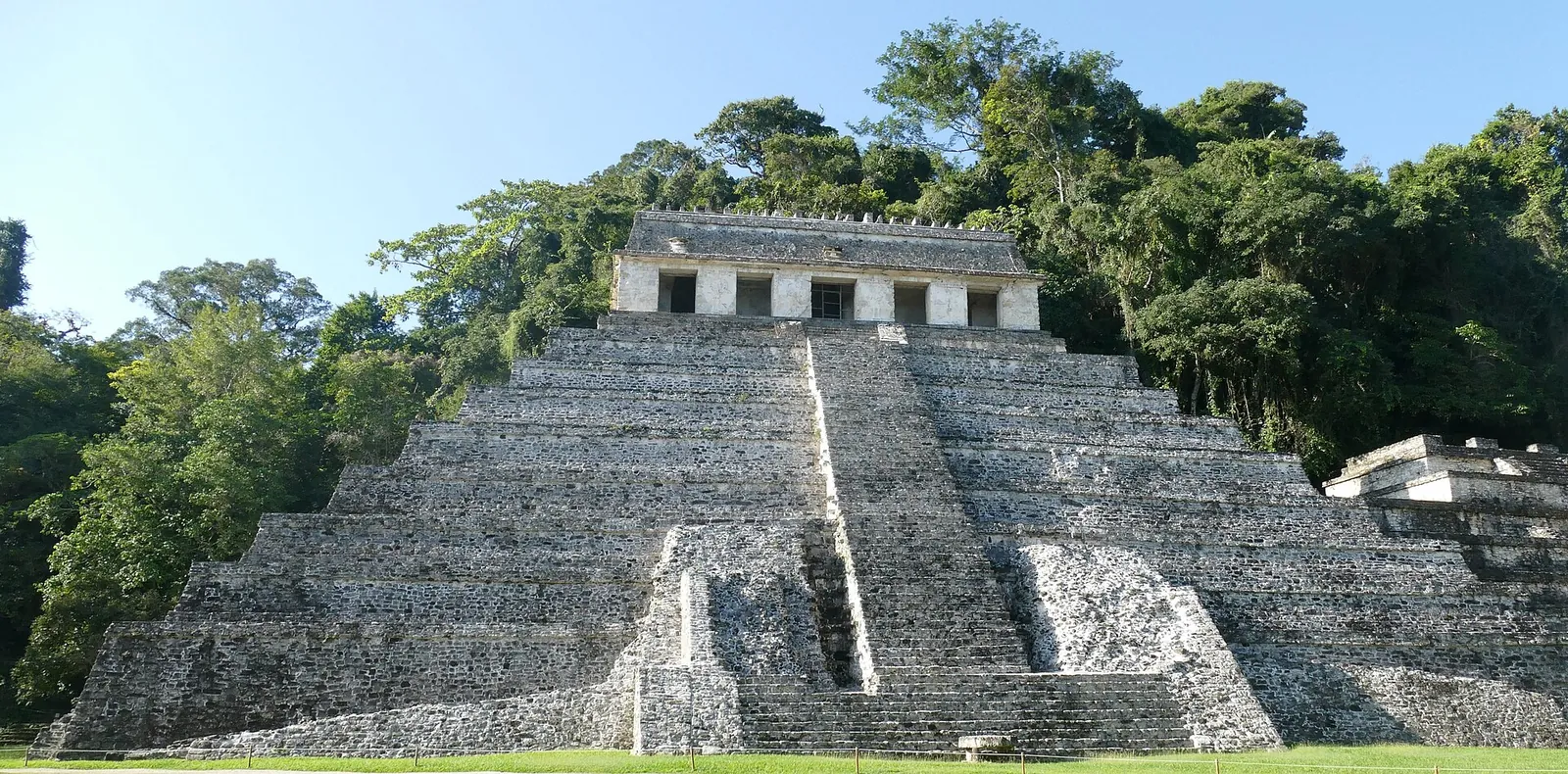
The Temple of the Inscriptions at Palenque rising above the jungle

Chiapas State, south-eastern Mexico · Mexico

Chiapas: Palenque & San Cristóbal

Jungle-wrapped Maya temples at Palenque, a highland colonial town with indigenous markets and cold clear mornings, and waterfalls and canyons in between.

  • Best time November–April
  • Stay 5 days
  • Good for Maya ruins, jungle and waterfalls, indigenous culture, coffee, hiking

Photo: Bernard DUPONT · CC BY-SA 2.0

Welcome to Chiapas

Chiapas is Mexico's southernmost state, bordering Guatemala, and it is different in almost every way from the north and centre: greener, wetter, poorer and more indigenous. About a quarter of its people speak an indigenous language, mostly Tzotzil, Tzeltal and Ch'ol, and their villages, markets and festivals are among the most distinctive in the country.

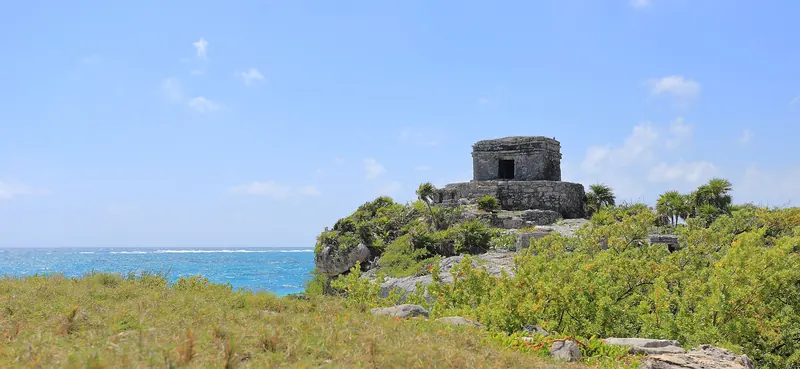
Palenque, in the lowland jungle near the border with Tabasco, is one of the most beautiful Maya cities. Its temples, built in the 7th century under the ruler K'inich Janaab' Pakal, sit on terraces above the forest, and the Temple of the Inscriptions holds his tomb, discovered in 1952. Only a fraction of the city has been excavated, and the rest is covered by forest. UNESCO listed the site in 1987.

In the highlands, San Cristóbal de las Casas is a colonial town at 2,200 metres, of cobbled lanes, ochre churches and lively markets, with a strong artistic and backpacker scene. Between the two, the roads pass waterfalls at Agua Azul and Misol-Ha and, near Tuxtla, the Sumidero Canyon, whose walls rise a kilometre above the river. Chiapas has had periods of unrest, including the Zapatista uprising of 1994, and some areas are subject to warnings, so check your government's advice.

  • UNESCO Site
  • Archaeology
  • Mountains

Why visit

Why visit Chiapas?

Chiapas offers the most dramatic combination of jungle, ruins and living indigenous culture in Mexico.

  • Palenque

    Ornate stucco reliefs, tall towers and a jungle setting make it the most atmospheric Maya ruin in Mexico.

  • Waterfalls

    Agua Azul's turquoise cascades and Misol-Ha's 35-metre fall are among the prettiest in the country.

  • San Cristóbal

    A colonial highland town with markets, amber, coffee and a cool climate.

  • Indigenous villages

    Villages such as San Juan Chamula and Zinacantán have distinctive dress, religious practices and markets.

  • The Sumidero Canyon

    A boat trip through a river gorge with crocodiles, monkeys and towering cliffs.

Main attractions

Top things to see in Chiapas

Palenque takes half a day, San Cristóbal two, and the waterfalls and canyon a day each.

  1. Palenque archaeological site

    A jungle Maya city with the Temple of the Inscriptions, the Palace with its tower, the Temple of the Sun and the Cross Group, many with stucco reliefs and inscriptions.

    Tip Go at opening, and stay for the forest sounds.

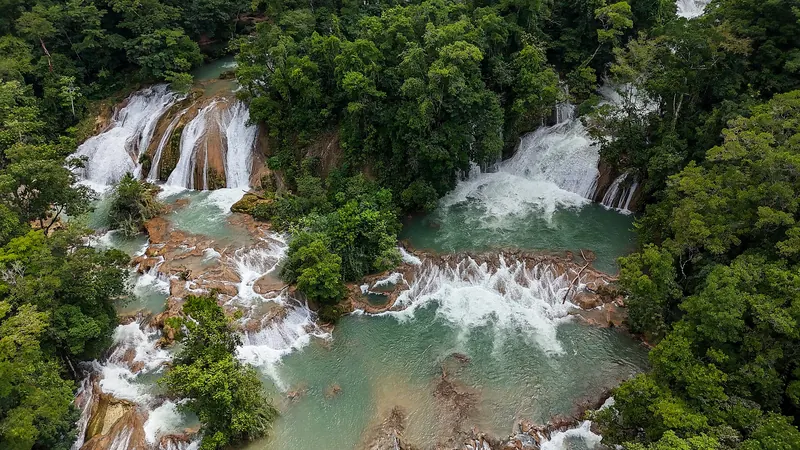
  2. The turquoise cascades of Agua Azul in Chiapas

    Agua Azul and Misol-Ha

    A series of turquoise, terraced waterfalls on the road between Palenque and San Cristóbal, and the tall Misol-Ha waterfall with a swimming pool at its base.

    Tip Swimming is limited at Agua Azul in the rainy season.

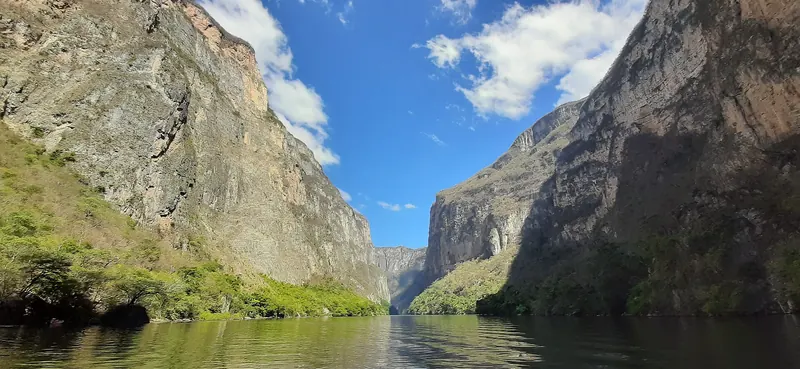
  3. The steep walls of the Sumidero Canyon above the Grijalva River

    The Sumidero Canyon

    A 1,000-metre-deep canyon carved by the Grijalva River, explored by boat from Chiapa de Corzo, with crocodiles, spider monkeys and birds.

    Tip Go in the morning.

  4. San Cristóbal's centre and markets

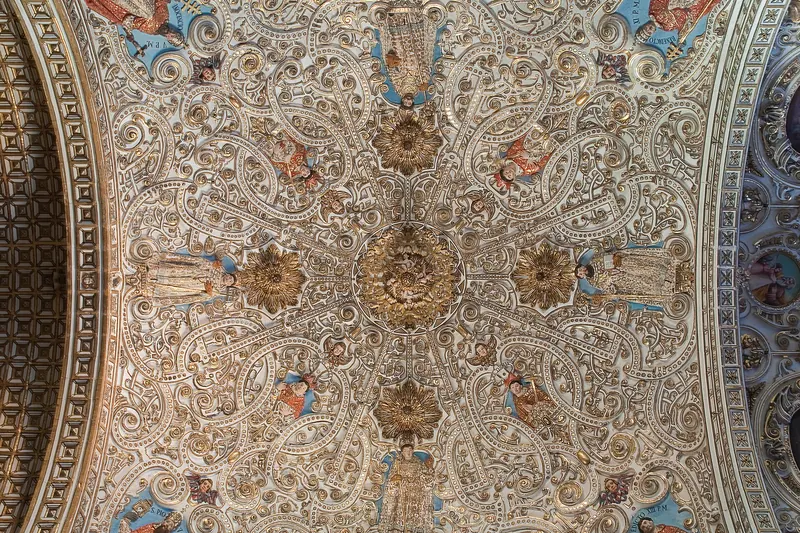
    A colourful town of tiled roofs, plazas and the Santo Domingo church and craft market, with amber and textile shops.

    Tip Visit the Santo Domingo market.

  5. San Juan Chamula and Zinacantán

    Tzotzil Maya villages near San Cristóbal, with a church interior where indigenous ritual mixes with Catholicism, and weaving traditions.

    Tip Photography inside the church is prohibited. Go with a local guide.

  6. Toniná and Bonampak

    Less visited Maya sites, Toniná with a large pyramid and Bonampak with vivid murals.

    Tip Combine with a Lacandon jungle trip.

Things to do

Best things to do in Chiapas

Chiapas repays time and a sense of adventure.

  1. Explore Palenque at opening

    Walk the temples, then follow jungle paths to smaller groups and a waterfall.

    Tip Bring insect repellent.

  2. Swim at Misol-Ha and Agua Azul

    Cool off in waterfall pools on the way between Palenque and San Cristóbal.

    Tip Follow local safety advice.

  3. Take a boat through the Sumidero

    A two-hour trip through the gorge, with wildlife and cliff views.

    Tip Bring sun protection.

  4. Visit indigenous villages respectfully

    Chamula and Zinacantán give a glimpse of living Maya traditions.

    Tip Ask before photographing people.

  5. Drink Chiapas coffee

    Highland coffee is among the best in Mexico, served in cafés in San Cristóbal.

    Tip Buy beans to take home.

  6. Shop for amber and textiles

    Chiapas amber and hand-woven cloth are sold in the town's markets.

    Tip Check that amber is genuine.

Local food

What to eat in Chiapas

Chiapas food is hearty and distinctive, with local corn, beans, chiles and coffee.

  • Cochito and tamales

    Roast pork in an adobo sauce, and large tamales of chipilín herb.

    Where to try it Restaurants in San Cristóbal.

  • Pozol

    A cold drink of fermented corn dough, sold at markets.

    Where to try it Markets.

  • Chiapas coffee and chocolate

    Locally grown coffee and hot chocolate.

    Where to try it Cafés.

  • Tostadas and quesadillas

    Made with local cheese.

    Where to try it Street stalls.

  • Fresh river fish

    Grilled fish, served in Palenque and Chiapa de Corzo.

    Where to try it Riverside restaurants.

  • Posh (pox)

    A traditional sugar-cane spirit used in rituals.

    Where to try it Bars in San Cristóbal.

Accommodation

Where to stay in Chiapas

San Cristóbal and Palenque are the two bases, with a range of prices.

  • San Cristóbal centro

    Hostels, guesthouses and boutique hotels in colonial houses.

    Best for: Cafés, culture and walking

  • Palenque and El Panchán

    Jungle lodges and cabañas near the ruins, from basic to comfortable.

    Best for: Jungle atmosphere

What a night costs

Hostel or budget hotel
US$15–45 per night
Mid-range hotel
US$60–130 per night
Boutique hotel
US$130–250 per night
Palenque entry
About US$6–10

Transport

Getting to and around Chiapas

Chiapas is about 1,000 km south-east of Mexico City.

Getting there

  • Flight to Tuxtla Gutiérrez

    Direct flights from Mexico City (1 hour 45 minutes), then a one-hour drive to San Cristóbal.

    Book a shuttle.

  • Bus

    Overnight buses run from Oaxaca (about 10–12 hours) and Mexico City, and between San Cristóbal and Palenque (about 5–6 hours).

    Prefer daytime buses for scenery and safety.

  • Tren Maya

    The Tren Maya connects Palenque with Yucatán destinations.

    Check the schedule.

Getting around

Colectivos, tours and taxis link the sites.

  • Colectivos

    Shared vans link Palenque with Agua Azul and Misol-Ha, and San Cristóbal with the villages.

    Ask at the terminals.

  • Tours

    Day tours from San Cristóbal visit the Sumidero, Chamula and Zinacantán.

    Choose small operators.

  • Taxis

    Inexpensive for local trips.

    Agree the price.

When to go

Best time to visit Chiapas

Palenque is hot and humid all year, and San Cristóbal is cool. The dry season is best for waterfalls and roads.

  • Winter (December–February)

    Best time

    Dry and cool in the highlands, comfortable in the jungle.

  • Spring (March–May)

    Shoulder

    Hot and dry in the lowlands.

  • Summer (June–September)

    Quiet

    Heavy rain, muddy roads, and waterfalls at their most powerful.

  • Autumn (October–November)

    Shoulder

    The end of the rains, green and fresh.

Worth planning around: The wettest months for road travel, and any period of blockades.

Itinerary

Four days in Chiapas

Palenque and the waterfalls, then the road to San Cristóbal and the highlands.

  1. Day1

    Palenque

    Jungle ruins.

    • Morning The Palenque archaeological site.
    • Afternoon A jungle walk and museum.
    • Evening Dinner at El Panchán.
  2. Day2

    Waterfalls to San Cristóbal

    A scenic transfer.

    • Morning Misol-Ha and Agua Azul.
    • Afternoon The mountain road to San Cristóbal.
    • Evening Coffee and dinner.
  3. Day3

    San Cristóbal

    Markets and villages.

    • Morning The Santo Domingo market.
    • Afternoon Chamula and Zinacantán.
    • Evening Live music.
  4. Day4

    The Sumidero Canyon

    A boat through a gorge.

    • Morning Drive to Chiapa de Corzo.
    • Afternoon A boat trip in the canyon.
    • Evening Fly from Tuxtla.

Travel tips

Chiapas travel tips

Chiapas is remote and rewarding, and a few tips help.

  • Check your government's advice for Chiapas, and local news for roadblocks.
  • Travel by day, particularly on mountain roads.
  • Bring warm clothes for San Cristóbal, and repellent for Palenque.
  • Ask before photographing people, and never photograph inside Chamula's church.
  • Use licensed guides for villages.
  • Carry cash, as ATMs are scarce.
  • Buy crafts directly from makers.

FAQ

Chiapas: frequently asked questions

Is Chiapas safe?

The main tourist areas, Palenque and San Cristóbal, are widely visited, but Chiapas has had unrest, road blockades and, in some areas, violence. Some governments advise caution. Check advice and local news, and travel by day.

How many days do you need?

Four or five for Palenque, the waterfalls, the Sumidero and San Cristóbal.

What was the Zapatista uprising?

A 1994 armed uprising in Chiapas by an indigenous movement demanding land and rights. It is now mostly political, and Zapatista communities exist, but San Cristóbal is peaceful.

Can I swim at Agua Azul?

In some pools, in the dry season. Currents can be strong, and after rain the water may be brown.

What is the best time to visit?

November to April, though the rainy season is green and quiet.

How do I get from Palenque to San Cristóbal?

By bus or colectivo, about 5 to 6 hours, with a stop at the waterfalls.

Read next

Related travel articles

Heritage

UNESCO Sites Worth Planning a Trip Around

A UNESCO listing tells you a place matters; it does not tell you whether it is worth two days and a detour. This is how to read the list usefully — and which sites reward building a trip around them.

Practical

Packing by Season and Trip Type

Most packing advice is a list of things. This is the opposite: the small number of decisions that determine whether your luggage helps or hinders, organised by the kind of trip you are actually taking.

Advertisement