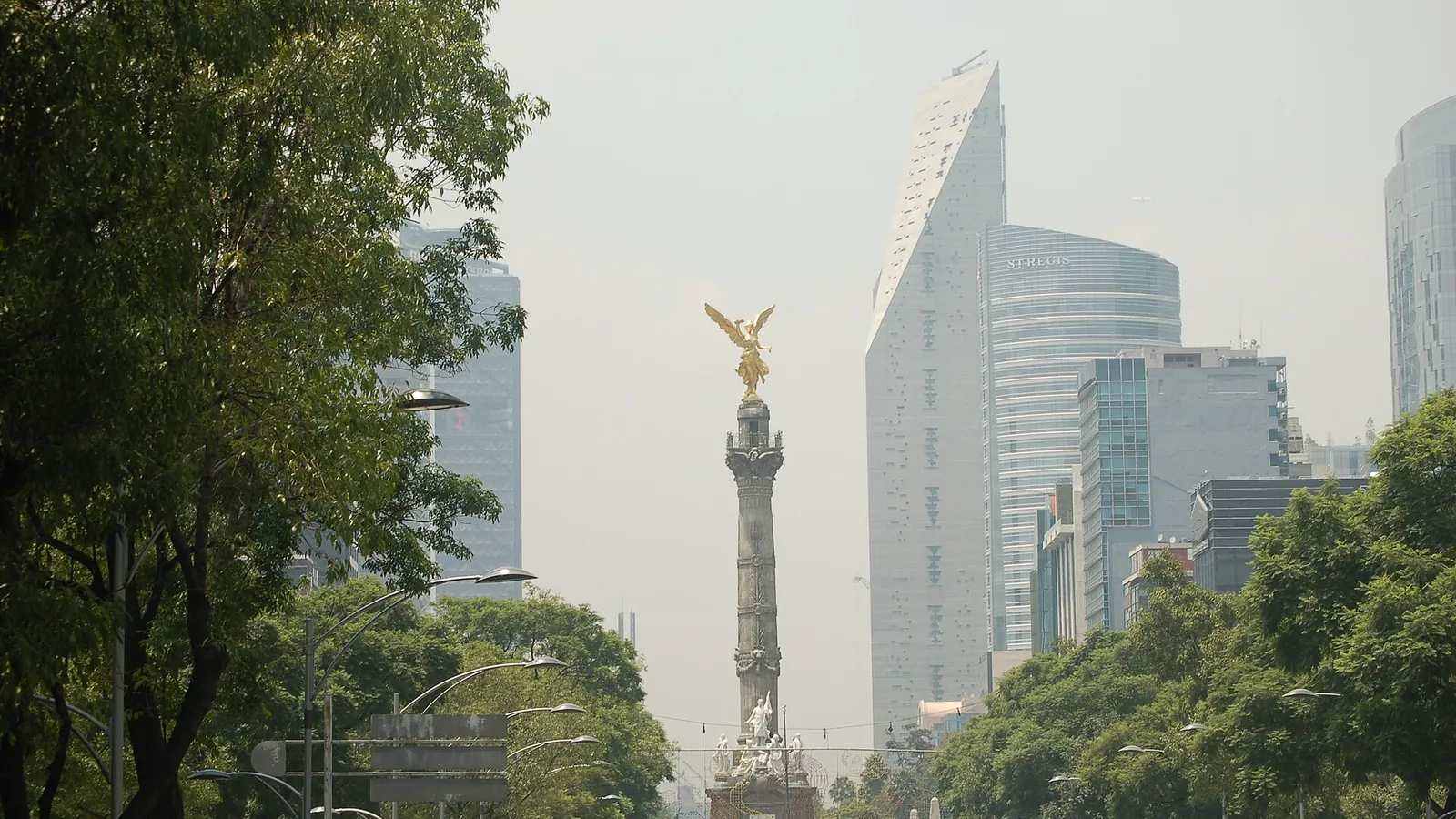
The golden Angel of Independence column on Paseo de la Reforma in Mexico City

Mexico · Travel guide

The Complete Mexico Travel Guide

How the country divides, how to choose between the ten destinations, how to cover the distances, and what a fortnight can realistically hold.

  • Reading time 14 min read
  • Covers 10 destinations
  • Updated 2026

Photo: Jpesch95 · CC BY-SA 4.0

Mexico holds Aztec and Maya monuments, silver-boom colonial cities, one of the world's great cuisines and two oceans of beaches, in a country nearly as large as Western Europe. This guide covers how the regions divide, how to choose between the ten destinations, how to move around, when to go, what it costs and three routes that work.

How Mexico divides

Mexico is about 3,200 km from its north-west to its south-east tip, and its regions differ enormously in climate, culture and history. Five zones organise almost any trip.

The centre. Mexico City is the capital, a metropolis of more than 20 million on a high volcanic plateau. Around it lie Teotihuacán and Puebla and Cholula, within an hour or two.

The colonial highlands. North-west of the capital, the Bajío region holds Guanajuato and San Miguel de Allende, silver towns with UNESCO-listed centres, and Guadalajara and Tequila to the west, the birthplace of mariachi and tequila.

The south. Oaxaca is the centre of Zapotec and Mixtec culture, with Mexico's best food and crafts. Further south-east, Chiapas has highland Maya villages, jungle ruins at Palenque and the Sumidero Canyon.

The Yucatán Peninsula. A flat limestone plain with the Maya ruins of Chichén Itzá and Uxmal, the colonial city of Mérida and hundreds of cenotes, on the Mérida side.

The Caribbean coast. Tulum and the Riviera Maya have white beaches, coral reefs, cenotes and a ruin above the sea, on the same peninsula but a different world from Mérida.

Worth knowing: The practical unit is two or three of these, linked by cheap flights or long buses. Attempting five turns the trip into an exercise in airports.

Choosing between the ten destinations

Moving around a very large country

Mexico's size is the constraint. Mexico City to Cancún is 1,700 km, and to Oaxaca is 460 km, though the road takes six or seven hours.

Flights. Cheap, frequent and the sensible way to cross regions. Volaris and Viva Aerobus have low fares if you can travel with hand luggage.

Buses. First-class buses (ADO, ETN, Primera Plus) are very good. Within regions they are the best and cheapest option.

Trains. The Tren Maya links Cancún, Tulum, Mérida and Palenque. Check current schedules and routes.

Driving. Useful in the Yucatán and the Oaxaca valleys, less so elsewhere. Toll roads are good; avoid driving at night and take care with speed bumps (topes).

Worth knowing: Avoid overnight buses in unfamiliar regions, and use registered taxis or ride-hailing in cities.

When to go

Mexico's climate is dominated by altitude and a wet-dry cycle. The wet season runs from June to October, and the dry season from November to May.

November to April is the best time for almost everywhere: dry, sunny and comfortable, with the highlands cool at night. It is also the high season, and prices peak at Christmas, New Year and Easter.

May to June is hot, particularly in the lowlands and on the coasts, before the rains break. The highlands are pleasant.

July to October is rainy, though rain usually falls in the afternoon, and it is the cheapest time to travel. It is also the hurricane season for the Caribbean and the Pacific, with the peak from August to October.

Día de Muertos on 1–2 November is the most rewarding time to be in Oaxaca or the central highlands, but it books out early.

Worth knowing: Semana Santa, the week before Easter, is the busiest domestic holiday of the year, with many Mexicans travelling to the coasts.

Money, costs and safety

Mexico is much cheaper than the United States or Europe, but not as cheap as it once was. Street tacos cost a dollar or two, a good restaurant dinner US$20–40, and hotels range from US$25 hostels to US$300 boutique rooms.

Resort areas such as Tulum and Cancún cost significantly more than the rest of the country, and prices in Tulum now rival Miami.

Carry pesos, and use ATMs inside banks. Cards are widely accepted, but always choose pesos when asked. Tip 10–15% in restaurants.

Safety varies a great deal by state. The tourist areas in this guide receive millions of visitors annually, but some states have serious violence and are subject to strong travel warnings. Check your government's advice, and use common sense.

Three routes that work

  1. One week: Mexico City and its neighbours

    Four nights in Mexico City, with a day at Teotihuacán and a day in Puebla and Cholula. Uses buses and no internal flights.

    Tip Book the pyramids for early morning, and spend the evenings eating.

  2. Ten days: the south

    Three nights in Mexico City, four in Oaxaca and three in Mérida or Tulum, linked by two flights. It covers capital, indigenous south and Maya coast.

    Tip Fly into Mexico City and out of Cancún.

  3. Two weeks: the classic

    The itinerary on the country page: Mexico City, Teotihuacán, Puebla, Oaxaca, Mérida, Chichén Itzá and Tulum. The strands of Mexico in a single trip.

    Tip Swap Puebla for Guanajuato and San Miguel de Allende if you prefer colonial towns.

Reference

The 10 destinations in this guide

Every place named above has its own detailed guide — attractions, food, where to stay, how to get around and a suggested day-by-day plan.

Capital CityMajor City

Mexico City

Ciudad de México, central Mexico

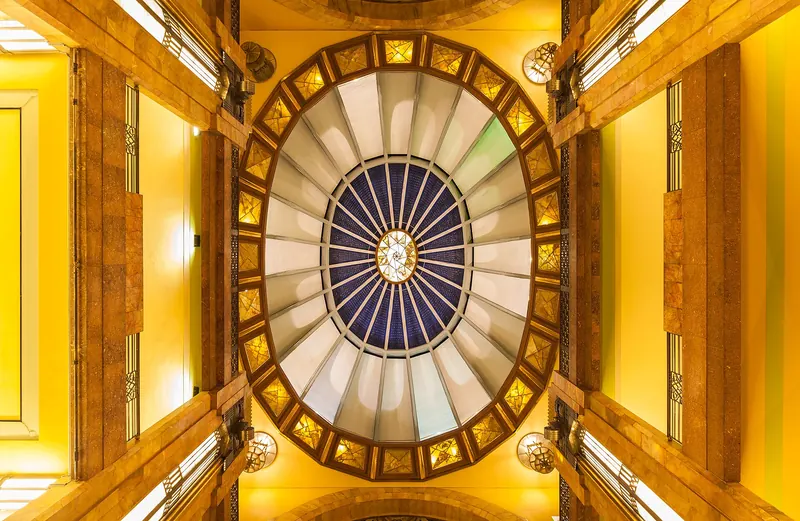
One of the great cities of the world: Aztec ruins beside a baroque cathedral, Frida Kahlo's house, leafy Roma and Condesa, and a food scene that runs from street stalls to global fine dining.

Don't miss The National Museum of Anthropology and, after it, a plate of tacos al pastor at midnight.

Explore Destination — Mexico City
UNESCO SiteFood & Wine

Oaxaca

Oaxaca State, southern Mexico

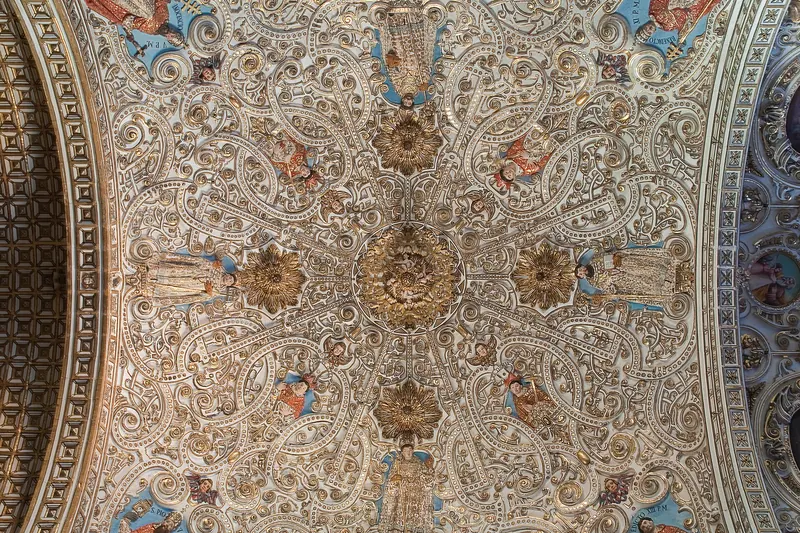
A colourful colonial city in the Sierra Madre del Sur, the heart of Zapotec and Mixtec culture, with the country's best food, mezcal and handicrafts, and ruins and craft villages in the valleys around it.

Don't miss Monte Albán at opening, then mole and mezcal in the old city that evening.

Explore Destination — Oaxaca
UNESCO SiteArchaeology

Mérida & Chichén Itzá

Yucatán State, Yucatán Peninsula

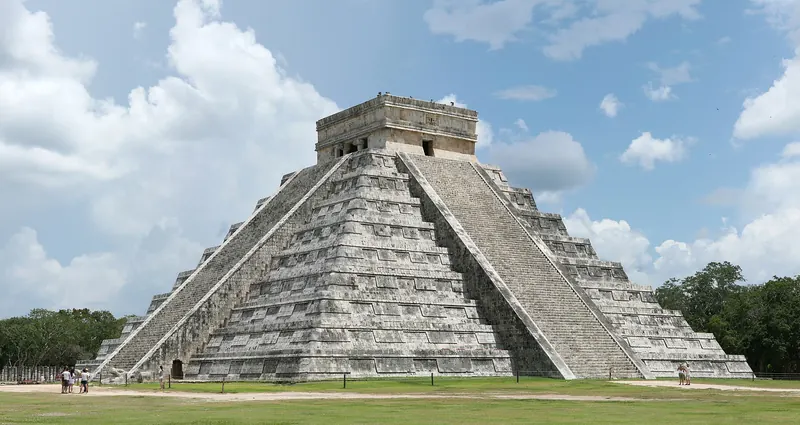
Yucatán's cultural centre, with the New Wonder of Chichén Itzá, the Puuc ruins of Uxmal, Valladolid's convents and cenotes, and Mérida, a graceful colonial city with the best food on the peninsula.

Don't miss El Castillo at Chichén Itzá at opening, and a swim in a cenote before lunch.

Explore Destination — Mérida & Chichén Itzá
Coast & BeachesArchaeology

Tulum & the Riviera Maya

Quintana Roo, Caribbean coast

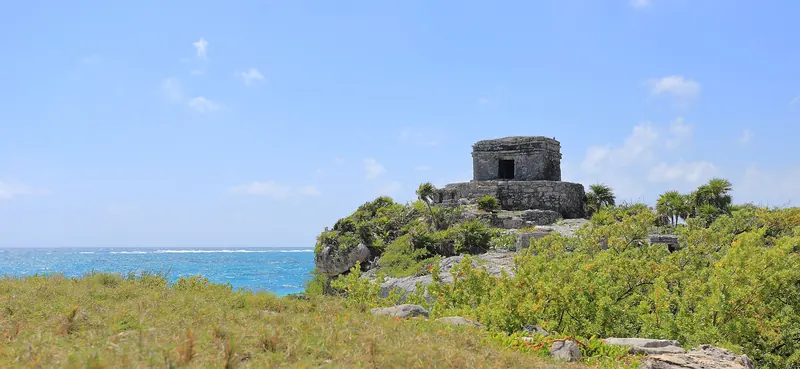
Mexico's Caribbean coast south of Cancún: Tulum's cliff-top Maya ruins and beach, Cobá's jungle pyramid, swimmable cenotes, snorkelling with turtles and laid-back beach towns.

Don't miss The Tulum ruins above the sea in the early morning, followed by a swim in a jungle cenote.

Explore Destination — Tulum & the Riviera Maya
UNESCO SiteHistoric Site

Guanajuato

Guanajuato State, Bajío highlands

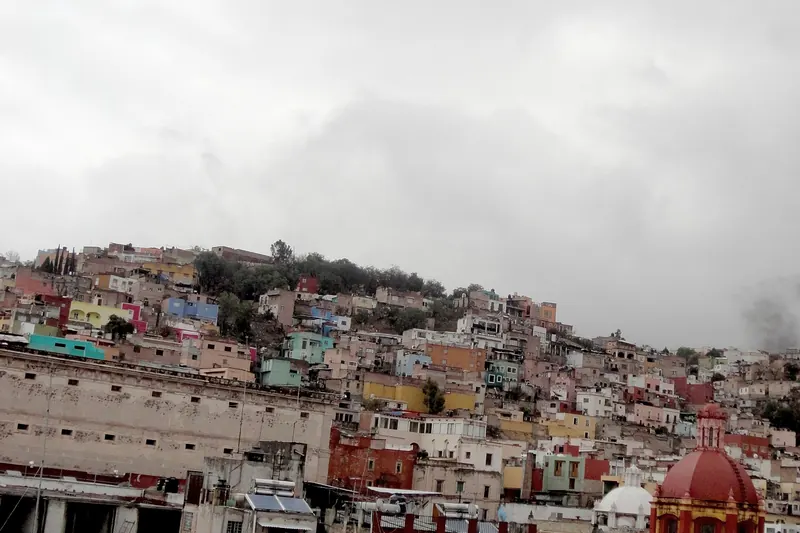
A UNESCO-listed colonial city in a ravine, with baroque churches, winding alleys, underground tunnels, the Diego Rivera birthplace museum and a lively university atmosphere.

Don't miss The Callejón del Beso and the Pípila viewpoint, at dusk, as the hillside lights come on.

Explore Destination — Guanajuato
UNESCO SiteCulture & Arts

San Miguel de Allende

Guanajuato State, Bajío highlands

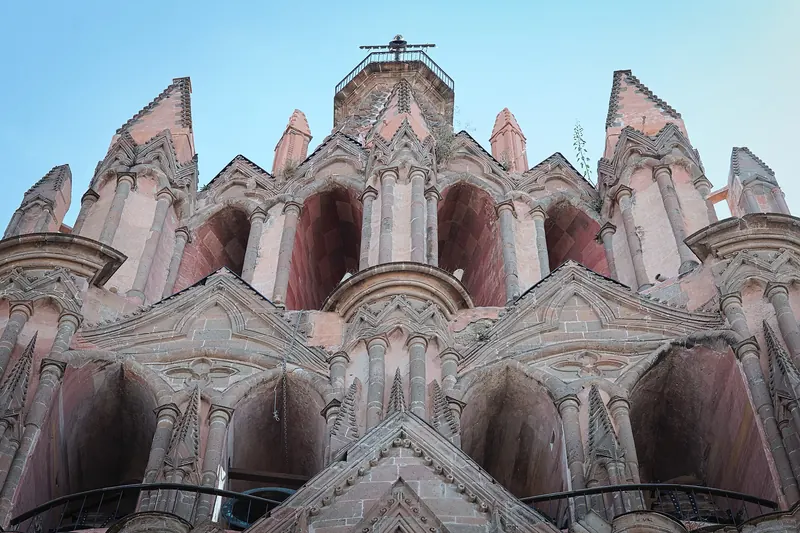
A UNESCO-listed highland town of baroque churches, bougainvillea and galleries, with a big expatriate community, excellent restaurants and hot springs nearby.

Don't miss The pink spires of the Parroquia at sunset, from a rooftop bar on the Jardín.

Explore Destination — San Miguel de Allende
UNESCO SiteArchaeology

Teotihuacán

State of Mexico, 50 km north-east of Mexico City

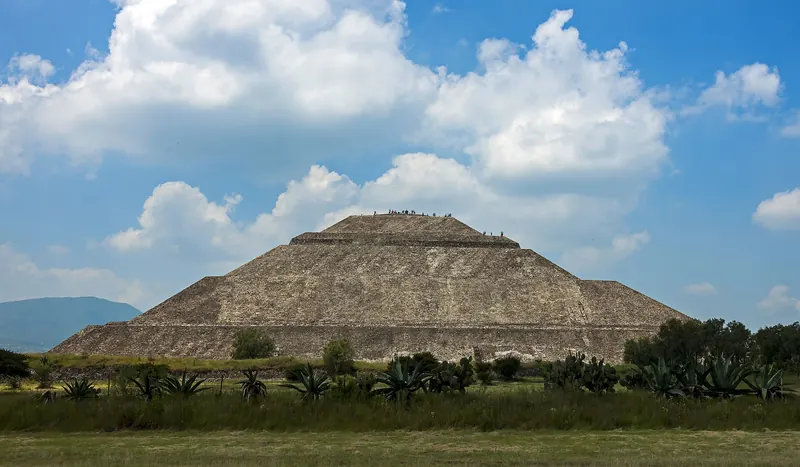
One of the largest cities of the ancient Americas, with the third-largest pyramid in the world, murals, a citadel and a two-kilometre ceremonial avenue, an hour from Mexico City.

Don't miss Climbing the Pyramid of the Sun or walking the Avenue of the Dead at opening, when the site is quiet and the light is low.

Explore Destination — Teotihuacán
UNESCO SiteHistoric Site

Puebla & Cholula

Puebla State, central highlands

A UNESCO-listed colonial city of tiled facades, cathedrals and convent kitchens, with the giant pyramid of Cholula, volcanoes and one of Mexico's great cuisines, two hours from the capital.

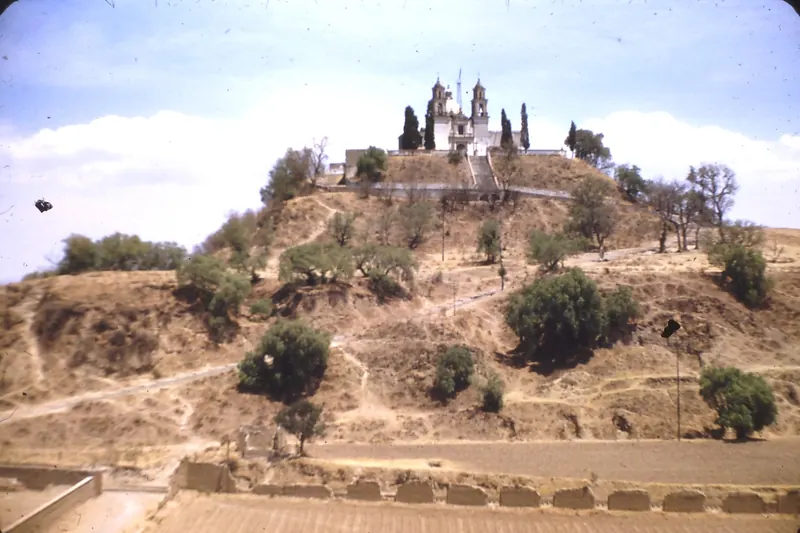
Don't miss Sunset from the church on the Great Pyramid of Cholula, with the volcanoes Popocatépetl and Iztaccíhuatl on the horizon.

Explore Destination — Puebla & Cholula
Major CityUNESCO Site

Guadalajara & Tequila

Jalisco State, western Mexico

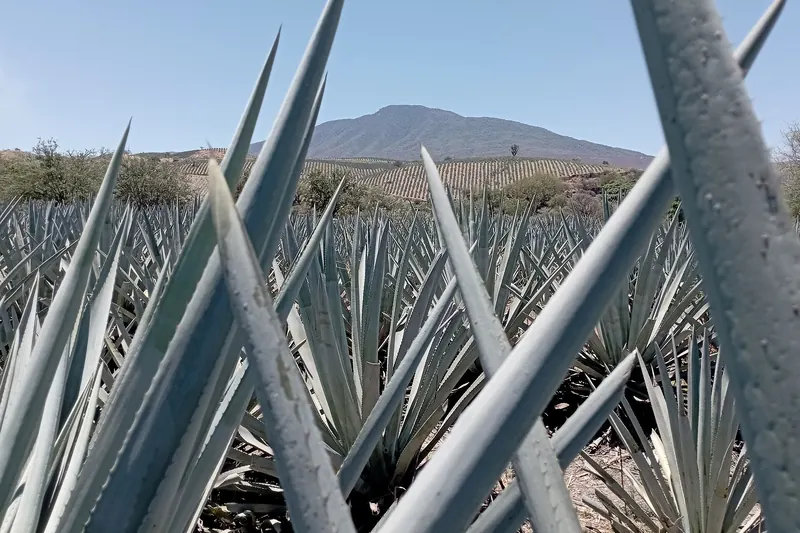
A confident, cultured city of plazas, murals and street food, with a UNESCO-listed hospice, the birthplace of tequila and mariachi, and a day trip through agave landscape.

Don't miss A tequila distillery tour in the agave fields, followed by birria and mariachi in Guadalajara that night.

Explore Destination — Guadalajara & Tequila
UNESCO SiteArchaeology

Chiapas: Palenque & San Cristóbal

Chiapas State, south-eastern Mexico

Mexico's deep south: Palenque's sculpted Maya city in the jungle, the waterfalls of Agua Azul, the Sumidero Canyon and San Cristóbal de las Casas, a colourful highland town with living Tzotzil and Tzeltal Maya culture.

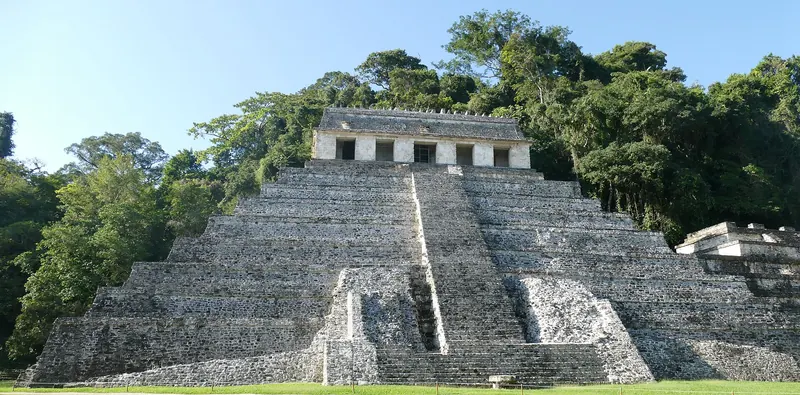
Don't miss The Temple of the Inscriptions rising out of the rainforest at Palenque, with howler monkeys calling in the mist.

Explore Destination — Chiapas: Palenque & San Cristóbal

Back to the Mexico country page

FAQ

Planning a trip to Mexico

Can I do Mexico City and the Yucatán in one trip?

Yes, with a flight. Mexico City to Cancún or Mérida takes about two hours and costs little. Ten days is enough for Mexico City plus either Oaxaca or the Yucatán; two weeks allows all three.

Do I need to speak Spanish?

Not strictly, since English is common in resorts and among younger people in cities, but a few phrases help enormously elsewhere. Downloading an offline translation app is a good idea.

Is it better to rent a car?

Usually not, except in the Yucatán and around Oaxaca's valleys. Buses are good, flights are cheap and driving in Mexico City is difficult. Avoid driving at night on rural roads.

When should I book?

Flights and hotels for Semana Santa, Christmas and Día de Muertos should be booked two to three months ahead. Elsewhere, a few weeks is enough.

Advertisement